Alcatraz: How an island of sharks, currents and criminals became America’s most feared prison

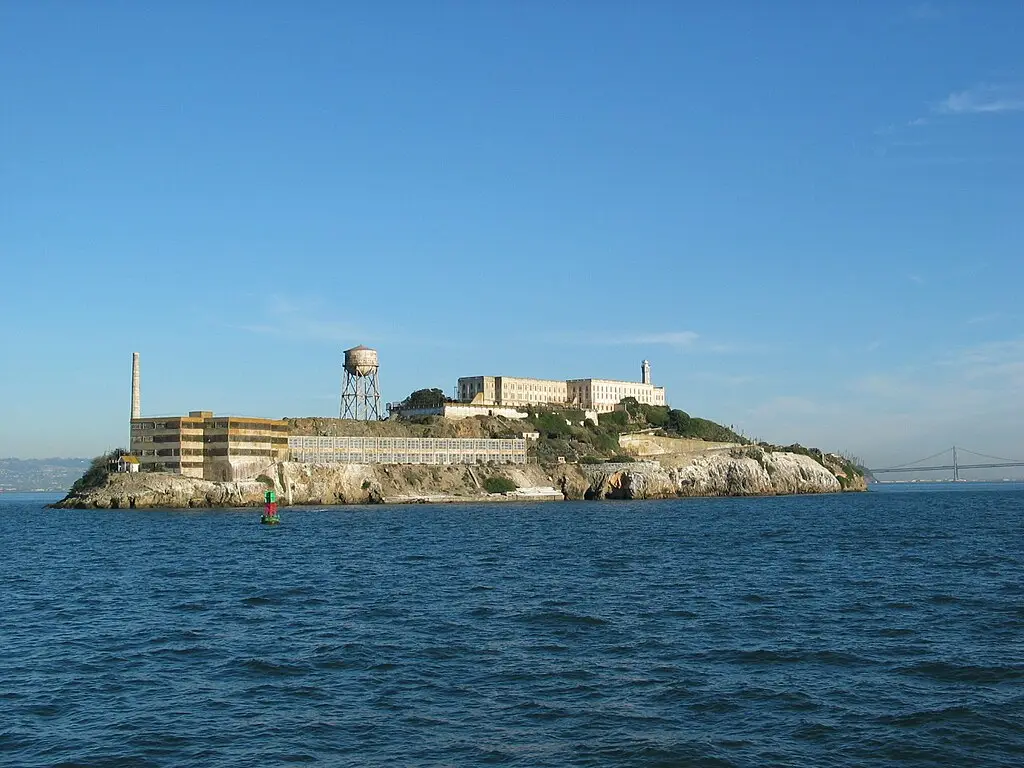
Its remote location was seen as an advantage: the mainland was close enough to see, yet entirely out of reach for anyone attempting to flee.
A Fortress in the Middle of the Bay
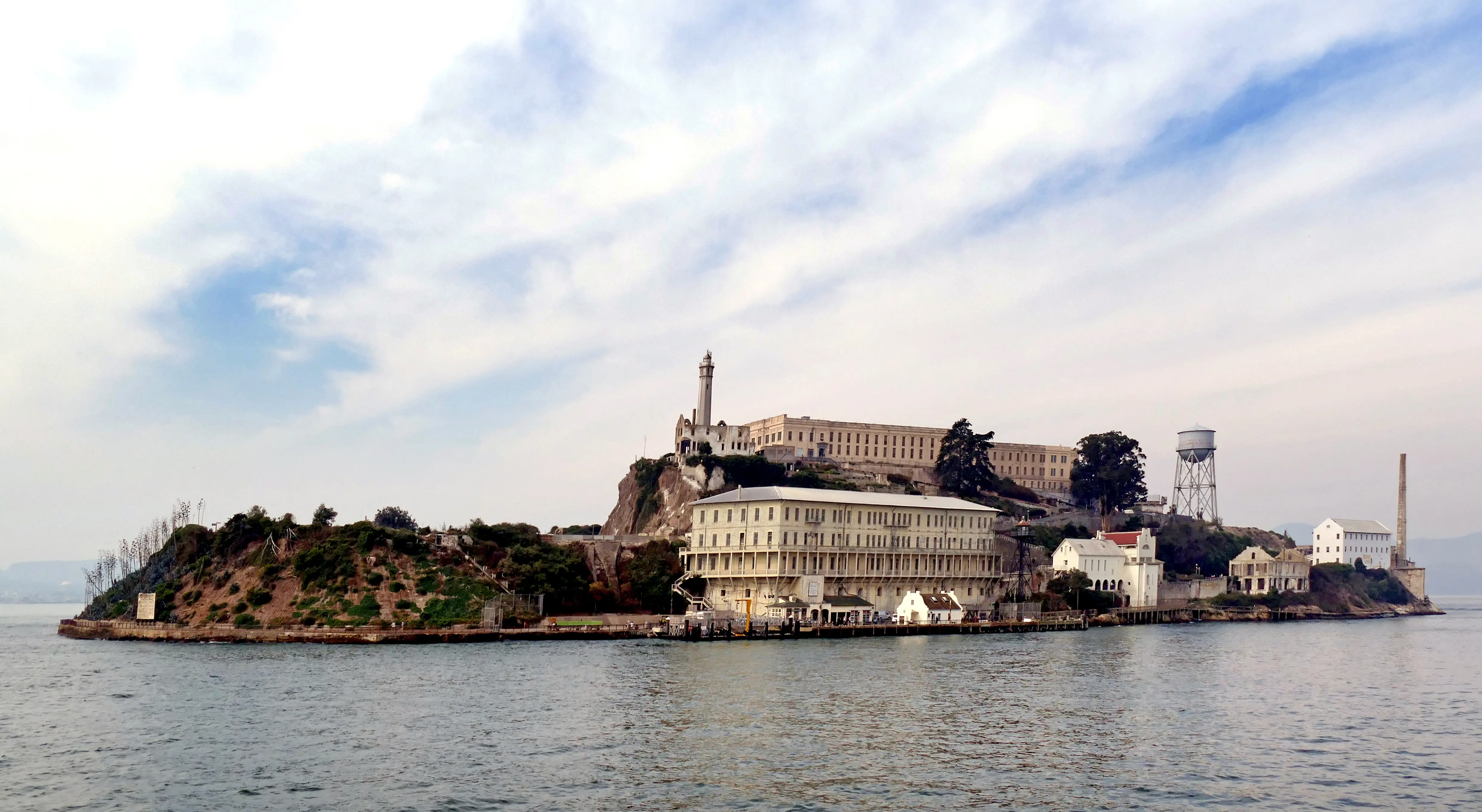
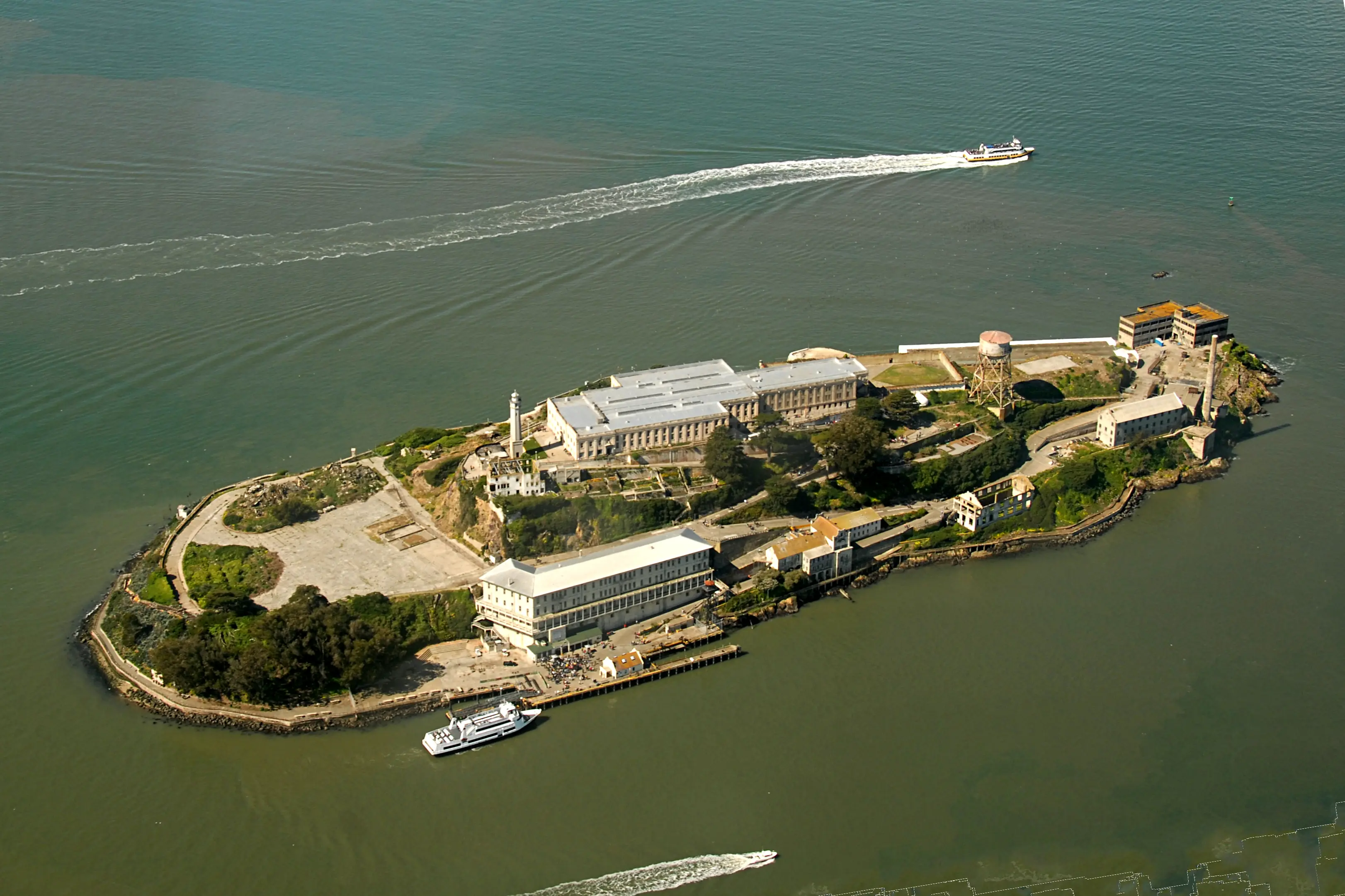
Originally used as a military fortification in the mid-19th century, Alcatraz transitioned into a military prison before becoming a federal penitentiary in 1934. Its remote location was seen as an advantage: the mainland was close enough to see, yet entirely out of reach for anyone attempting to flee. The cold waters, powerful tides and the presence of non-aggressive but sizeable sharks created a natural barrier that discouraged even the boldest escape attempts.
The Myth and Reality of ‘Shark Guards’
Although great white sharks do not patrol the waters around Alcatraz as often claimed in folklore, the bay is home to leopard sharks, sevengill sharks and other species. None posed a significant threat to humans, yet the myth served an unofficial purpose. Prison authorities did little to dispel the belief that the surrounding waters were deadly, allowing the legend of ‘shark-guarded prison’ to work as an additional psychological barrier against escape.
Home to the United Nation’s Most Feared Inmates
Over the years, Alcatraz housed individuals whose names became synonymous with crime in the United States. These included Al Capone, once the most infamous gangster in the country; George ‘Machine Gun’ Kelly, a notorious kidnapper; and Robert Stroud, remembered as the ‘Birdman of Alcatraz’. The prison’s reputation for rigid discipline and strict isolation made it the final stop for inmates who had caused problems at other facilities.
Daily Life on an Island of Hard Discipline
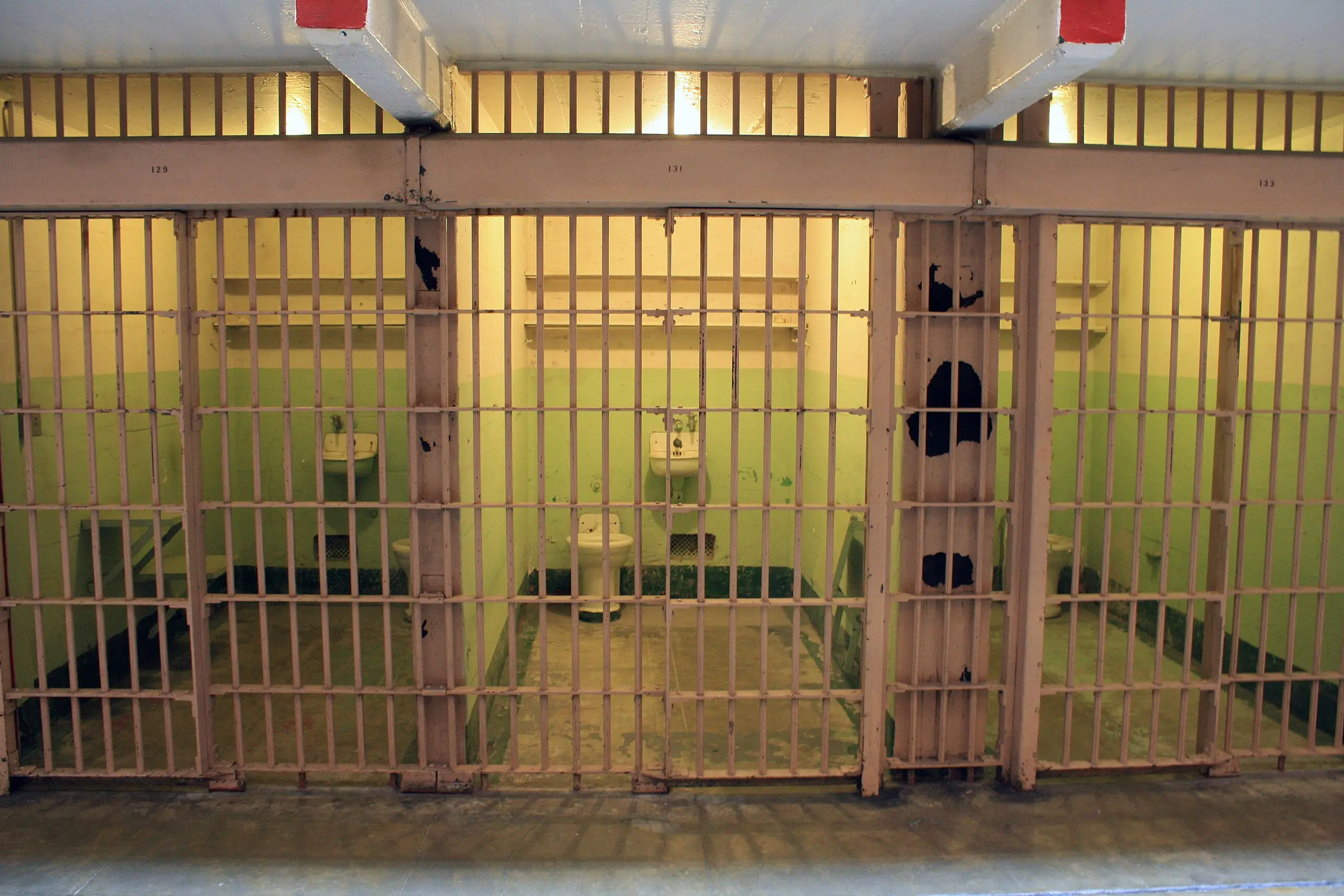
Conditions inside Alcatraz were deliberately austere. Inmates lived under rigid rules: silence was enforced for large portions of the day, privileges were minimal and escape attempts were met with severe repercussions. Yet, the facility was known for its relatively clean and orderly environment, maintained under a philosophy that provided basic necessities but little comfort.
The Escape Attempts That Made History
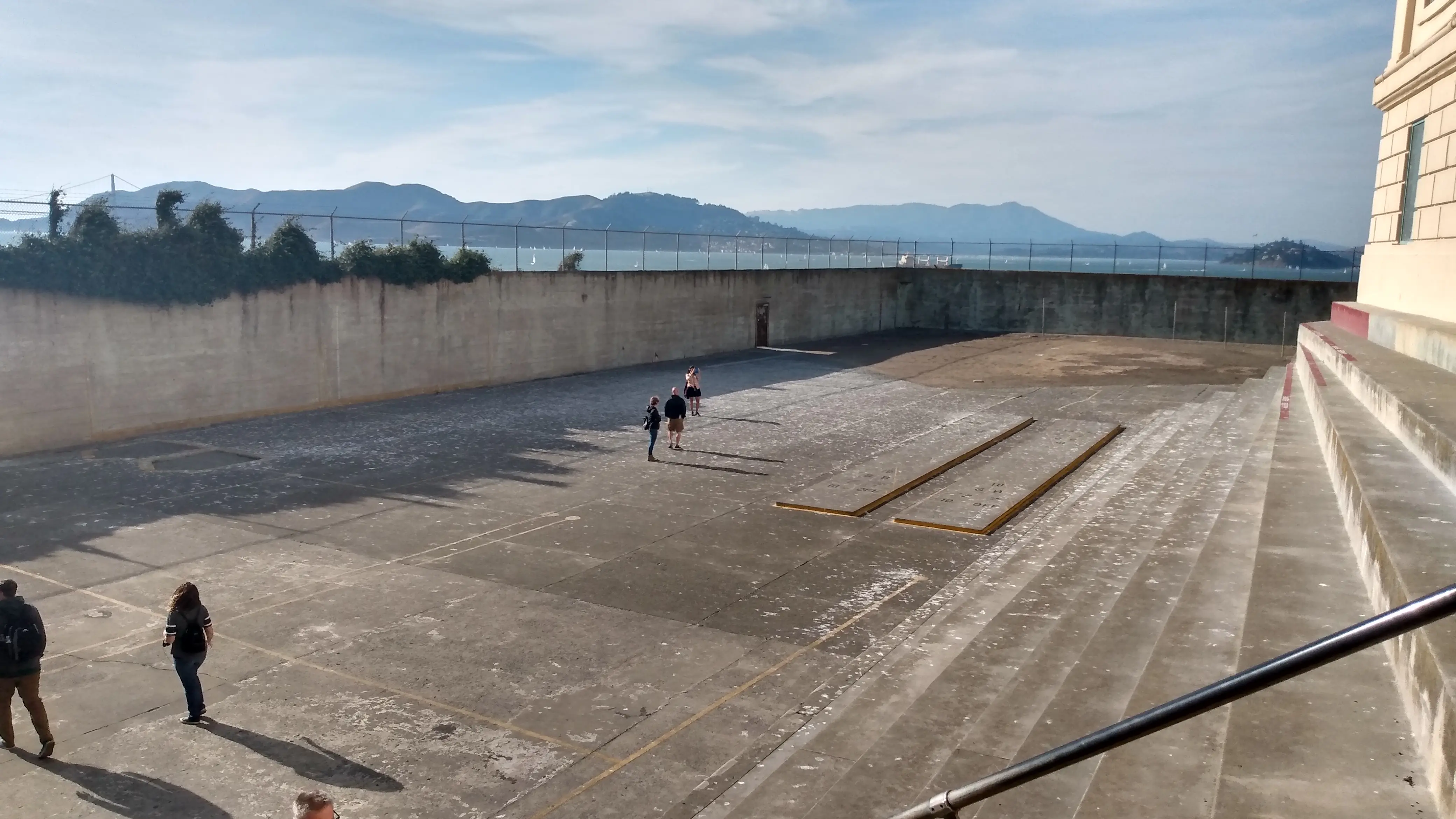
Over its 29 years as a federal penitentiary, Alcatraz saw fourteen recorded escape attempts involving thirty-six men, according to the FBI. Most were captured or died in the attempt. The most famous was the 1962 escape by Frank Morris and brothers John and Clarence Anglin, who used handmade tools and crafted dummy heads to deceive guards. Their fate remains unknown and continues to captivate investigators and enthusiasts.
Decline and Closure
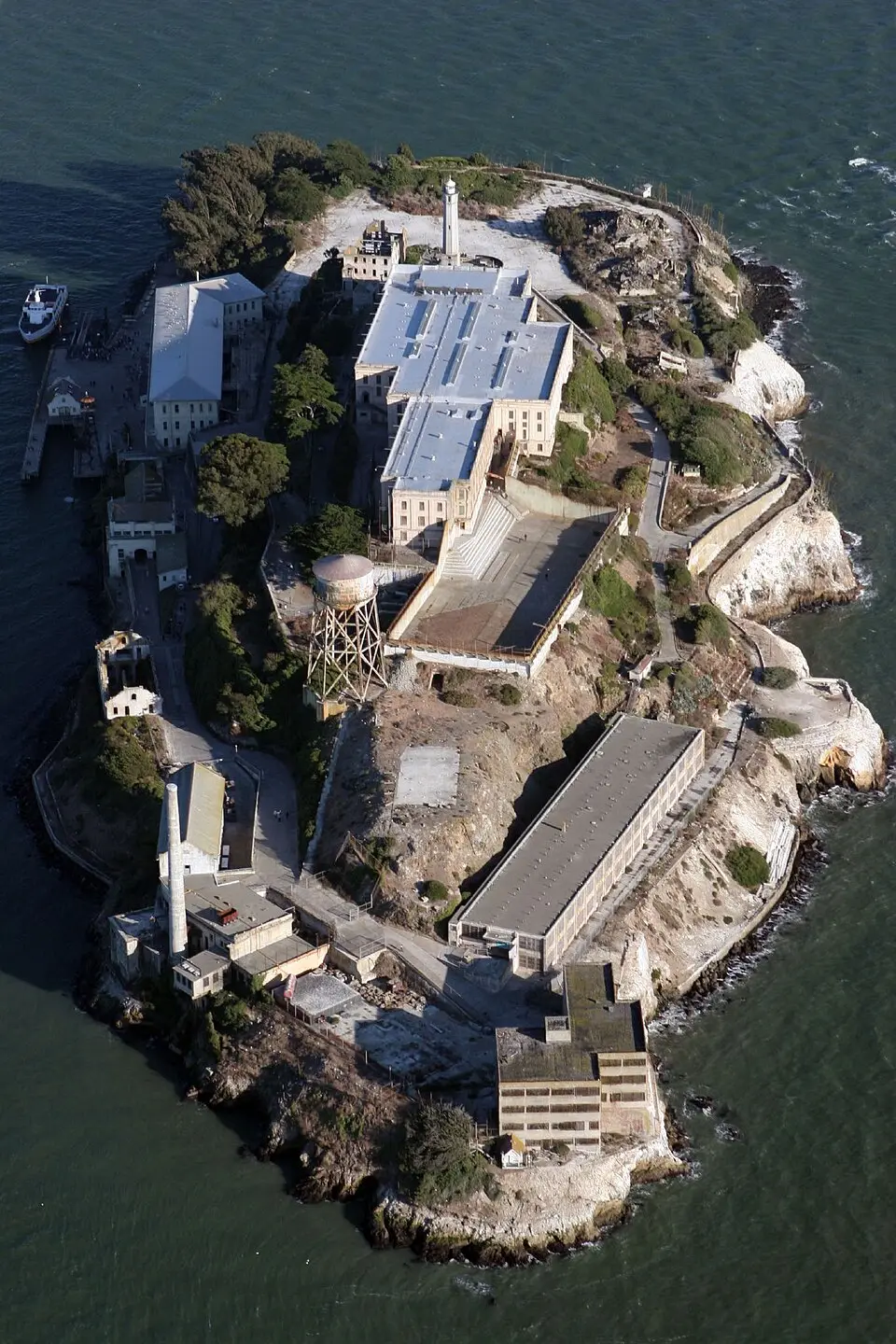
By the early 1960s, the immense cost of operating a prison on a remote island, along with deteriorating infrastructure, led to Alcatraz’s closure in 1963. In the decades that followed, the site was transformed into a national historic landmark, attracting millions of visitors each year.
Alcatraz Today — A Prison Frozen in Time
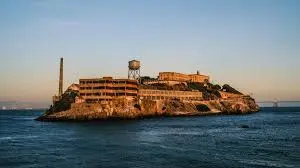
Now run as part of the US National Park Service, Alcatraz stands as a preserved reminder of a unique chapter in American penal history. Its stories of escape attempts, infamous inmates and the enduring myth of shark-guarded waters continue to shape its place in popular culture. The island remains a stark monument to the combination of isolation, security and legend that made it one of the world’s most infamous prisons.
)

)
)
)