Akashteer: How India’s invisible shield connects radars, sensors and C4ISR in real time

The system also played a critical role during Operation Sindoor by intercepting and neutralising every inbound projectile during a coordinated aerial attack on Indian military and civilian areas.
What is Akashteer?
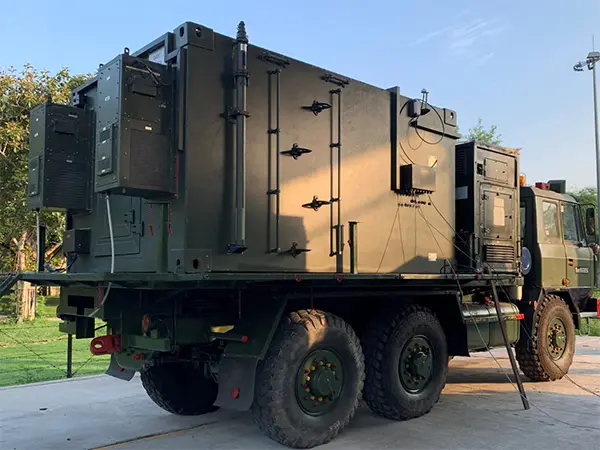
With the development and deployment of Akashteer, an indigenous automated air defence control and reporting system, India took a significant step forward in enhancing it's defence capabilities. Unveiled as part of efforts to strengthen the nation’s air defence network, Akashteer integrates multiple radar and sensor systems with command and control technologies. The system also played a critical role during Operation Sindoor by intercepting and neutralising every inbound projectile during a coordinated aerial attack on Indian military and civilian areas. This can be seen demonstration of its operational effectiveness.
Unified Air Picture Through Sensor Fusion
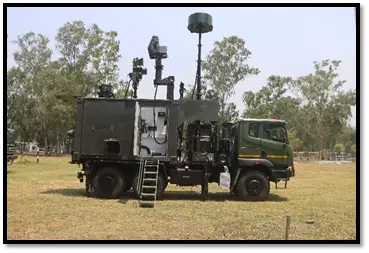
At the heart of Akashteer’s capability is its ability to bring together diverse radar systems and sensors into a single, real-time operational framework. The system incorporates Tactical Control Radar REPORTER, 3D Tactical Control Radars, low-level lightweight radar and the radar of Akash weapon system, among others. These sensors work together, feeding data into a common processing framework that further builds a unified air picture for all defence units involved. It becomes the core of the Indian Army's air defence (AAD) system and with the help of this integration the system reduces the possibility of accidentally hitting friendly targets, by distinguishing between hostile and friendly aircraft in contested airspace.
Automated Detection, Tracking and Engagemen
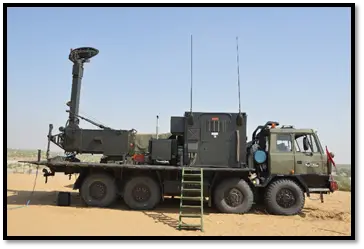
Unlike traditional air defence models that rely on ground-based radars and manual decision-making, Akashteer is designed to autonomous monitoring of low-level airspace with the detection, tracking and engagement of enemy aircraft, drones and missiles. The system collects data from its integrated sensors, processes it and enables automated, real-time engagement decisions. This technique significantly reduces the response time, which becomes a critical advantage when countering high-speed aerial threats.
Part of a Broader C4ISR Ecosystem
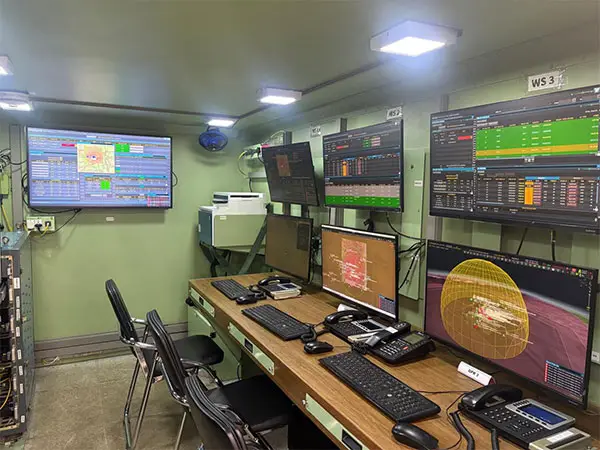
Akashteer is embedded within India’s broader C4ISR framework — Command, Control, Communications, Computers, Intelligence, Surveillance and Reconnaissance, enabling it to work in coordination with other defence systems. Its smooth integration with the Indian Air Force’s Integrated Air Command and Control System (IACCS) and the Indian Navy’s TRIGUN system means the Army, Navy and Air Force helps it in integrating with greater synergy by sharing a clear and actionable view of the battlefield in real time.
Strategic Shift in Defence Doctrine
The transition embodied by Akashteer is a reflection of the shift of India's air defence from passive to proactive retaliation, according to the Press Information Bureau. Its integration of multiple radars and sensors into a coherent operational picture marks a move towards fully networked air defence operations.

Mobility and Deployment Flexibility
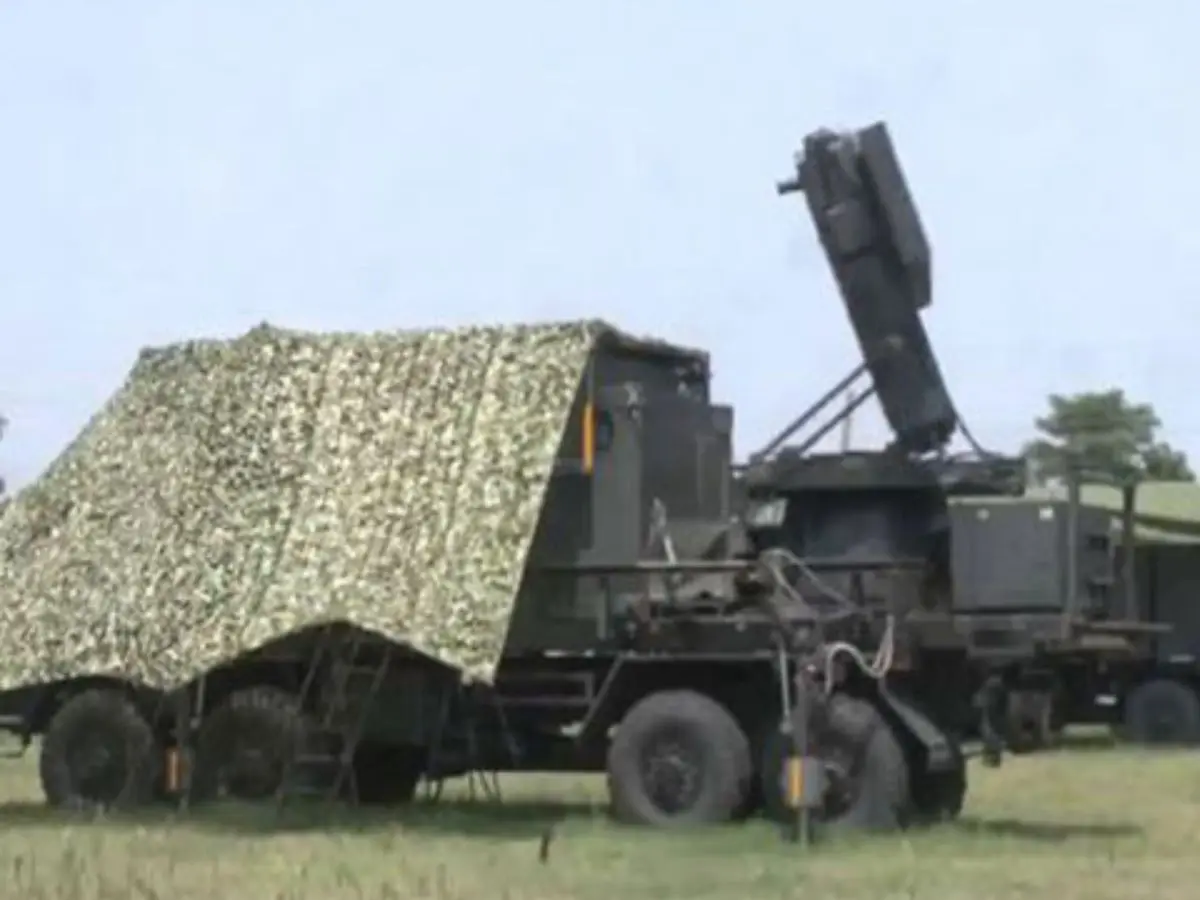
The system is vehicle-based which helps in enhancing its mobility and allowing rapid deployment in hostile environments like active war zones and variable terrains. Its mobility ensures that advanced air defence capabilities can be positioned wherever they are most needed.
Indigenous Edge in Modern Warfare
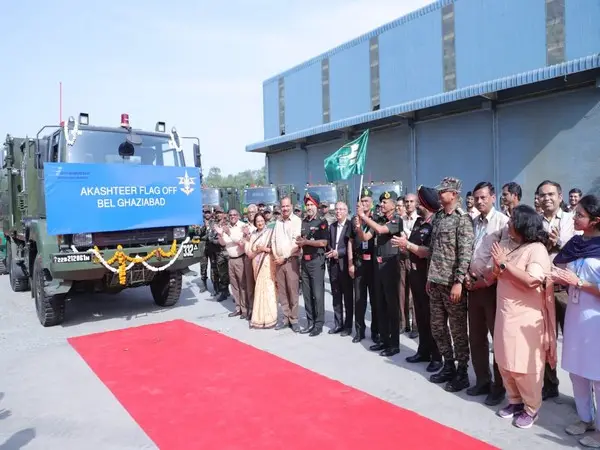
Developed under the Make in India and Atmanirbhar Bharat initiatives, Akashteer forms part of a growing ecosystem of home-grown defence technologies, according to PIB. Its successful use during the crucial Operation Sindoor, has positioned India among countries with advanced automated air defence command and control systems, signalling a strategic milestone in national defence manufacturing and capability.
)
)
)
)
)