Ajit Pawar crash: Why private jets don’t have parachutes even for VIPs?

Private jets like the Learjet 45 lack parachutes due to high-altitude physics, pressurised cabins and crash statistics. Speed, lack of oxygen and aircraft design make jumping mid-flight impossible for passengers. Most accidents also occur too low for parachutes to work.

Fatal Learjet 45 crash
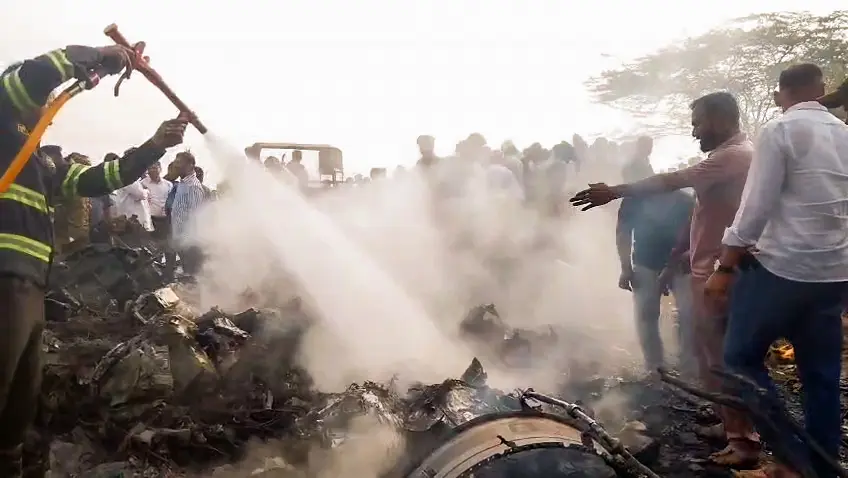
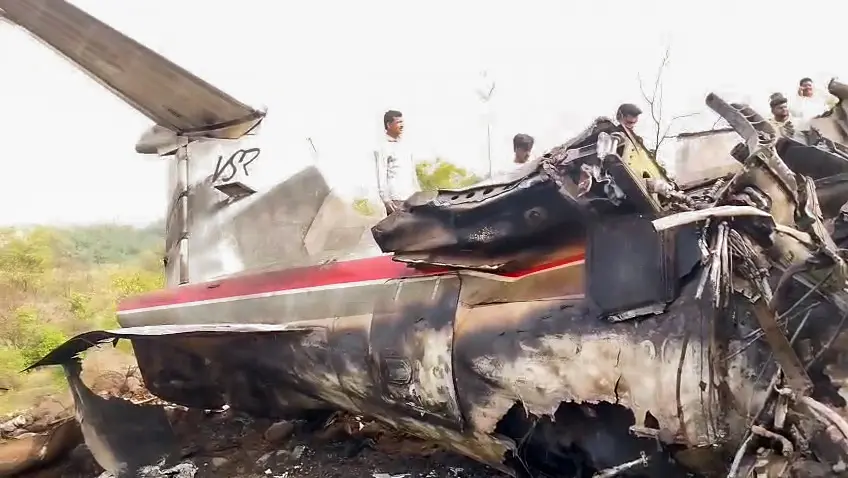
Maharashtra Deputy Chief Minister Ajit Pawar died today when a Bombardier Learjet 45 crashed in Baramati. The aircraft, operated by VSR Ventures, caught fire upon impact, killing all onboard. This tragedy highlights the vulnerabilities of light business jets during critical flight phases.

Speed makes exit fatal
Private jets like the Learjet 45 cruise at speeds exceeding 500 mph (800 km/h). Jumping into the airstream at this velocity is like hitting a concrete wall. The sheer force of the wind would cause instant, often fatal, physical trauma to any passenger attempting to exit.

Doors cannot open mid-flight
Jet cabins are pressurised to keep passengers alive at 30,000 feet. This internal pressure pushes the plug-type doors firmly against the fuselage frame. It is physically impossible for a human to overcome this pressure and open the door while the aircraft is high in the sky.

Risk of tail strikes
Even if a passenger managed to open a door, the aircraft’s design makes a safe jump nearly impossible. The engines and tail stabilisers on business jets are positioned behind the exits. A person jumping out would likely strike the tail or engines instantly due to the airflow.
Altitude causes instant hypoxia
At cruising altitudes of 35,000 to 45,000 feet, the air is too thin to breathe. Without supplemental oxygen, a passenger would lose consciousness from hypoxia within seconds of exiting. The freezing temperatures, often below minus 50 degrees Celsius, would also cause immediate survival issues.
Most crashes happen low
Aviation data reveals that nearly 90 per cent of accidents occur during takeoff or landing, not at cruising altitude. In the Baramati crash, the incident happened during the landing phase. At this low height, there is insufficient time or altitude for a parachute to deploy effectively.

Why no whole-plane chutes?
While small planes like the Cirrus use ballistic parachutes to lower the entire aircraft, jets are too heavy. The Learjet 45 weighs over 9,000 kg, which is far too heavy for current parachute technology to lower safely. The deployment shock alone could tear the airframe apart
)
)
)
)
)