Airbus A320 recall isn’t just a software bug! It’s a symptom of aviation’s new digital weakness

A single real-world “bit-flip” event in flight-control software, reportedly caused or aggravated by high-altitude radiation, caused an A320 to behave unpredictably.
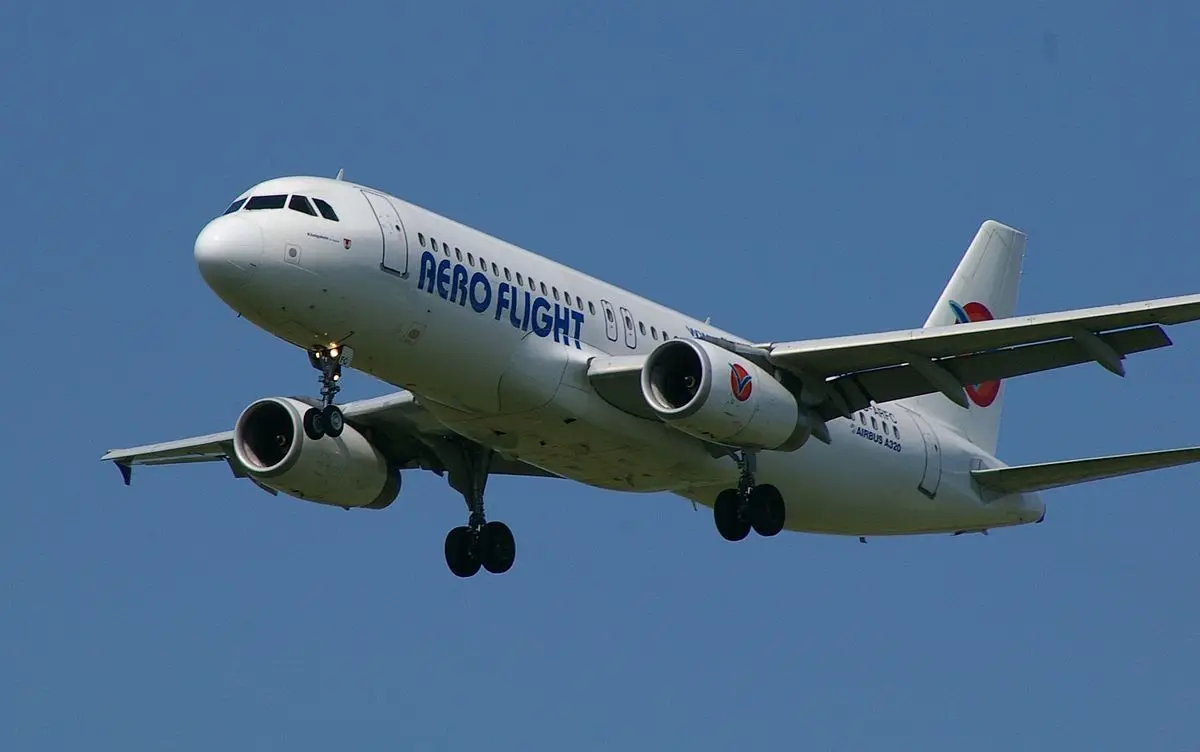
1. A Recall This Big Shows Something Is Fundamentally Changing in Aviation Safety
When Airbus issued an urgent global recall on thousands of A320-family jets after a flight-control incident triggered by corrupted data, it exposed a deeper truth: planes today are no longer mechanical giants, they are software systems that fly. A single digital malfunction now has the power to affect fleets worldwide, something that simply wasn’t possible in older, cable-and-pulley aircraft.
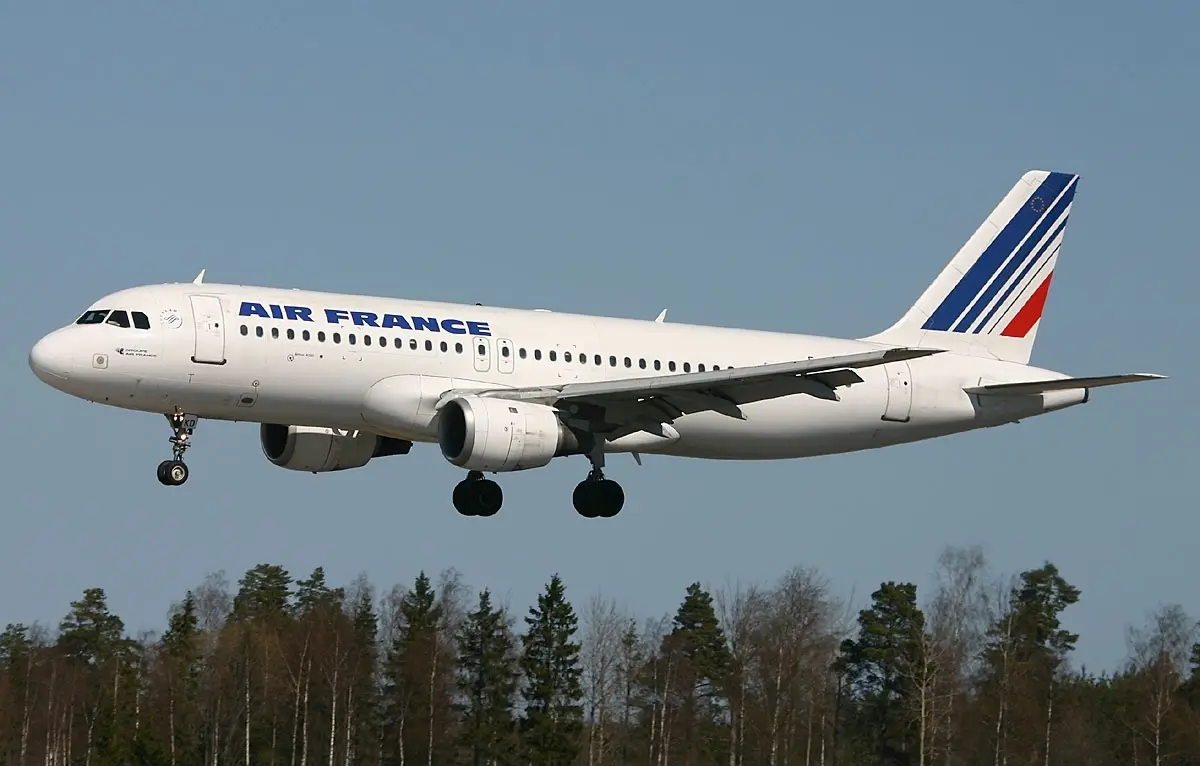
2. Modern Planes Depend on “Fly-By-Wire” Computers That Must Never Fail — Yet They Can
The A320 relies entirely on fly-by-wire architecture, meaning every pilot input is interpreted, verified and executed by onboard computers. But the recall proves that even highly redundant systems can run into vulnerabilities when unexpected environmental factors, like radiation, affect critical logic pathways. The entire chain of safety rests on millions of lines of code operating perfectly every millisecond.
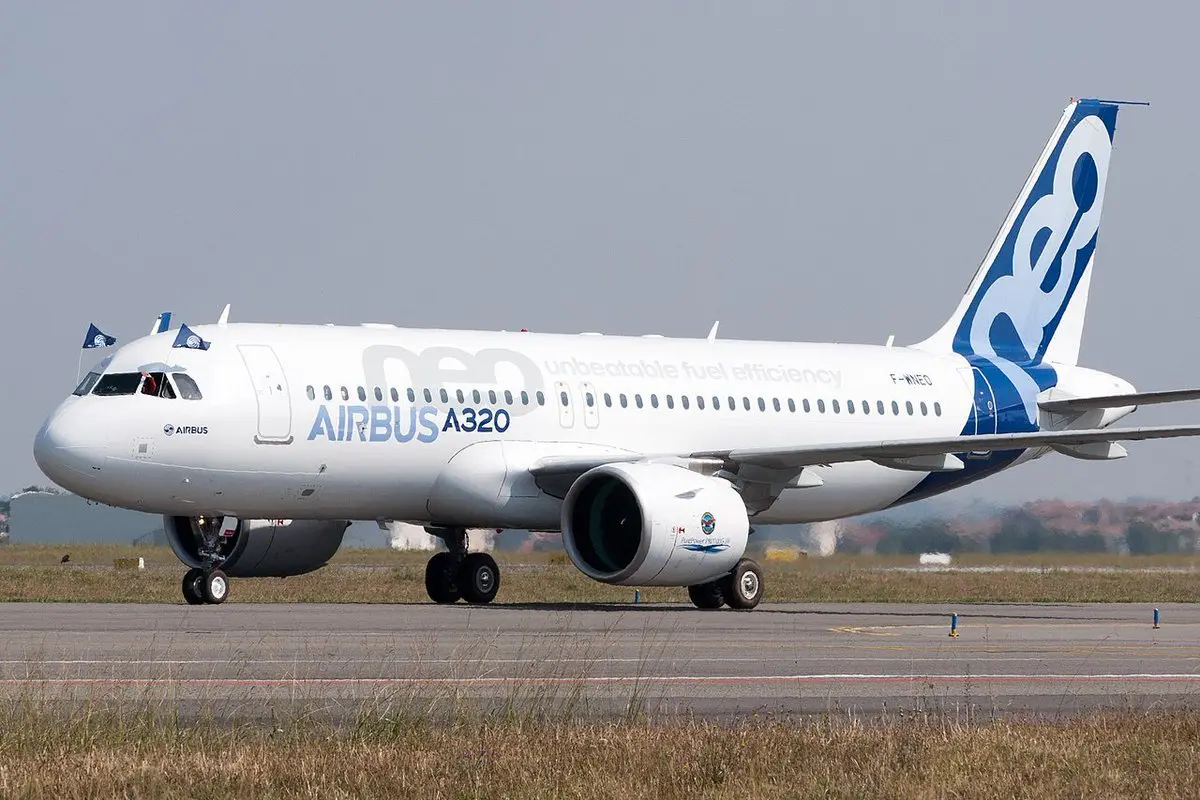
3. The Trigger Was Small — But Its Consequences Were Massive
A single real-world “bit-flip” event in flight-control software, reportedly caused or aggravated by high-altitude radiation, caused an A320 to behave unpredictably. That one anomaly forced Airbus, regulators and airlines worldwide to ground jets, push emergency software updates, and in some cases perform hardware replacements. A tiny digital defect became a global aviation disruption.
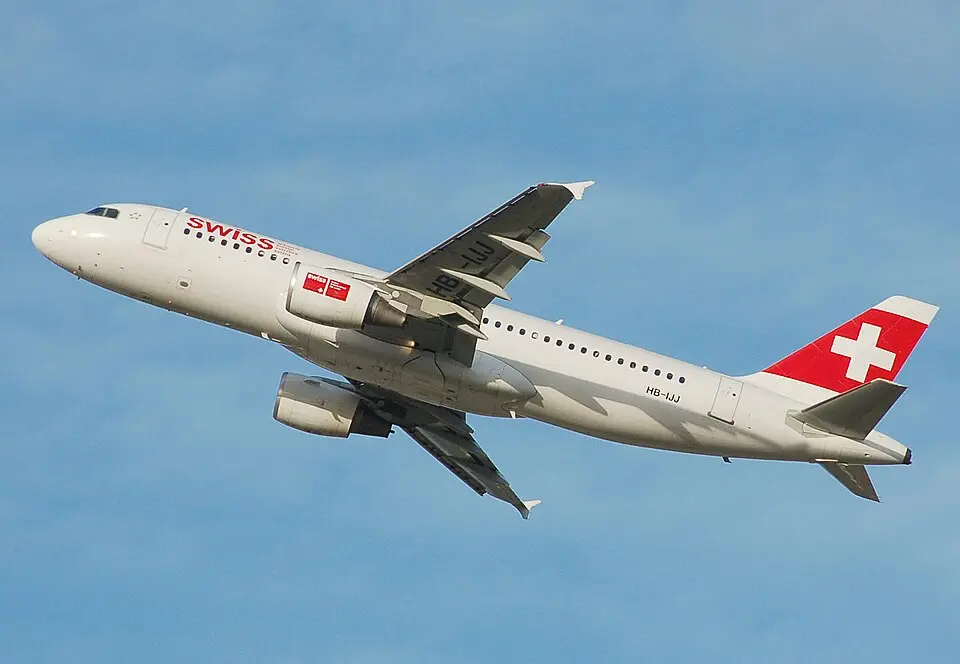
4. Radiation, Solar Storms and High-Altitude Physics Are Now Aviation Risk Factors
At 35,000 ft, planes sit directly in the path of cosmic rays and solar-particle events. These can interfere with avionics, corrupt memory, and disrupt flight computers, issues that grow more serious as aircraft become more digital. The A320 recall is the clearest example yet that space weather is now a genuine aviation hazard, not a theoretical annoyance.
5. Airlines Found That Not All Jets Could Be Saved With a Simple Patch
For many A320s, software updates are enough. But a significant number require physical hardware fixes, a sign that the problem lies deeper within the avionics architecture. This exposes a limitation of modern aviation: even when software fixes are fast, the underlying electronics may still be vulnerable, creating delays, grounding costs, and long-term operational uncertainty.
6. Regulators Are Realizing That Certification Standards Haven’t Caught Up With Digital Reality
Aircraft certification historically focused on mechanical reliability and redundancy. But the A320 recall shows that weak points now lie in silicon, firmware, data pathways and logic systems, areas where current testing standards are not yet fully equipped to simulate rare, radiation-driven failures. Aviation regulation must now evolve into digital safety regulation, not just mechanical oversight.
7. The Recall Is a Warning: The Future of Flight Is Safe — But Fragile
Air travel is statistically the safest mode of transportation. But the A320 crisis highlights a new vulnerability: as planes become smarter, more automated and more software heavy, tiny digital faults can have outsized global consequences. This recall should be seen not as a failure of Airbus alone, but as a wake-up call to the entire industry about the fragility of digital dependence in the skies.
)
)
)
)
)