Airbus A320 recall: How cosmic radiation can hijack a plane’s brain mid-flight

During solar storms or coronal mass ejections, the Sun releases massive bursts of radiation. When those particles hit Earth’s atmosphere, aviation risk spikes dramatically, sometimes by 1000 per cent.
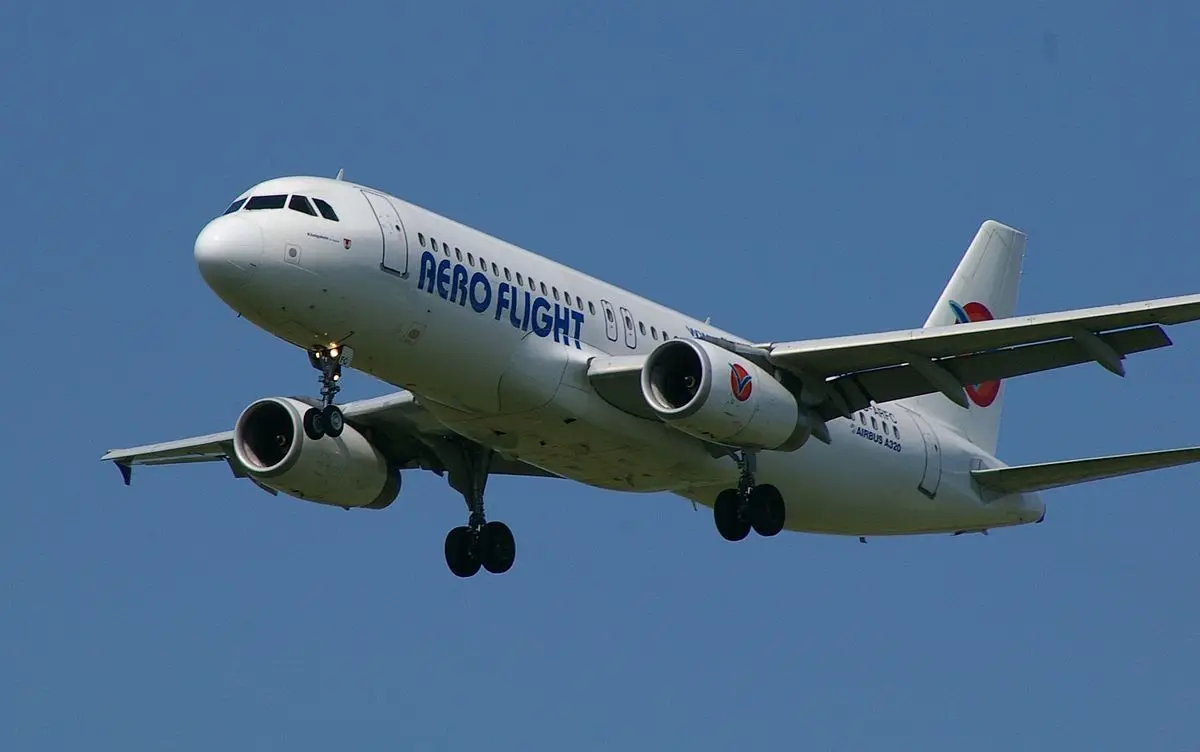
1. Radiation Hits Aircraft at 35,000 ft With Far More Intensity Than on the Ground
When planes cruise at high altitude, they are above most of Earth’s protective atmosphere. That means solar particles, cosmic rays, and high-energy protons strike aircraft electronics thousands of times more intensely than they strike devices on the ground. These particles can pass through metal, avionics panels, and even shielded circuitry.
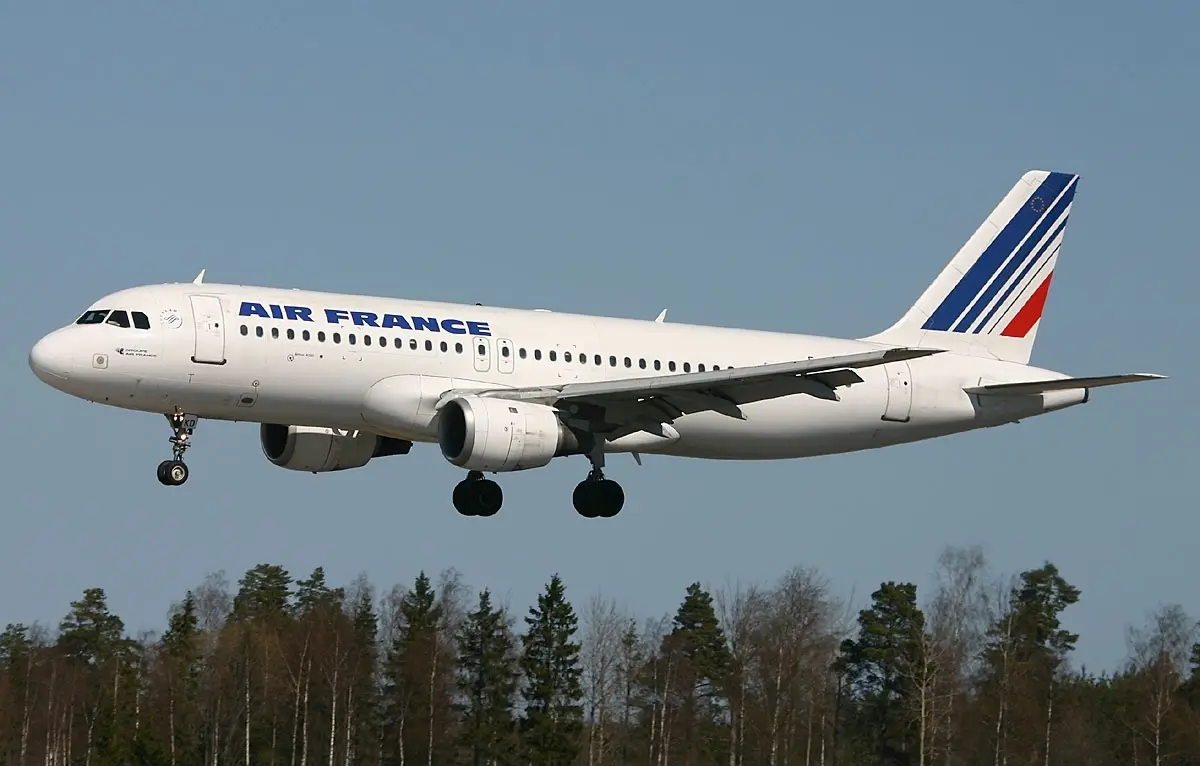
2. High-Energy Particles Can Flip Bits Inside Critical Flight Computers
A single cosmic ray can cause what engineers call a Single Event Upset (SEU) a bit-flip in memory that changes a “0” to a “1.” In aircraft avionics, even tiny errors can distort flight-control inputs, sensor readings, autopilot behaviour, or navigation data. This makes radiation a real but invisible threat inside modern fly-by-wire aircraft like the Airbus A320.
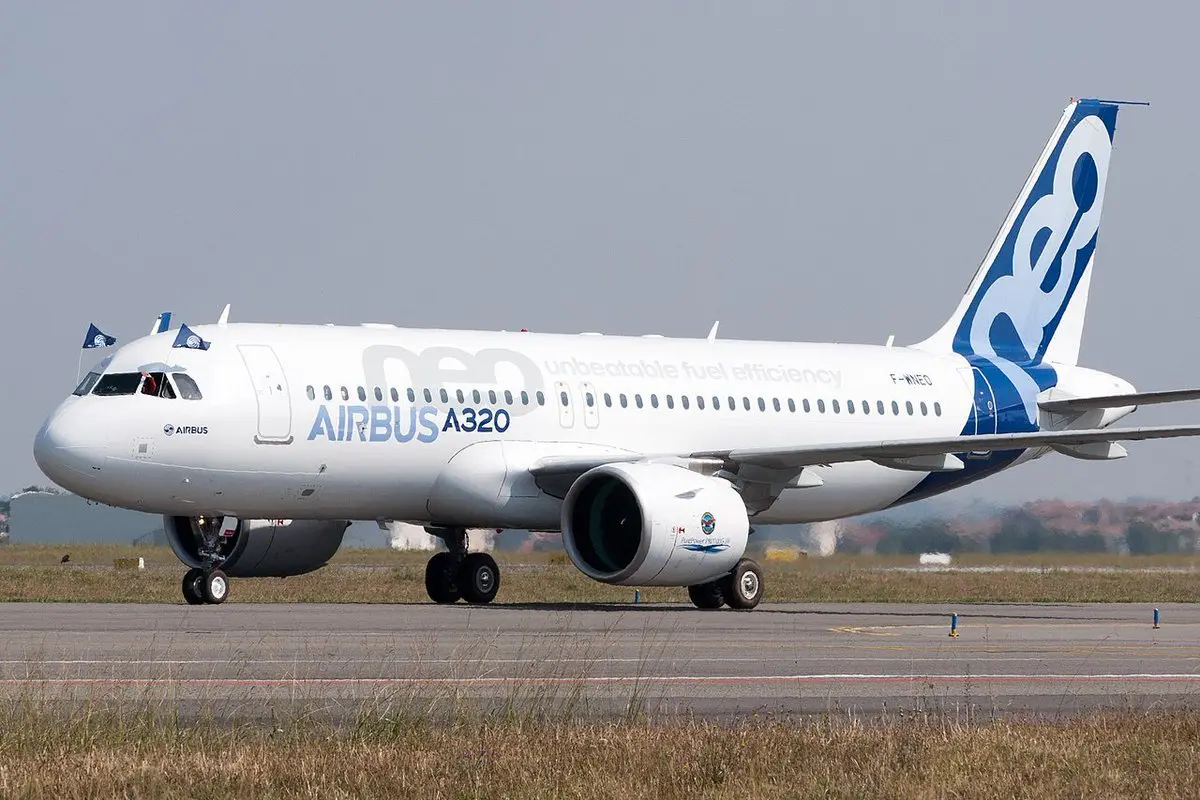
3. Modern Jets Like the A320 Rely Entirely on Digital Fly-By-Wire Systems
Unlike older planes that used cables and pulleys, the Airbus A320 depends on fully electronic flight-control computers. If radiation corrupts the math that tells the aircraft how to pitch, roll, or climb, the system may:
- misinterpret pilot commands,
- override controls suddenly, or
- trigger automated safety laws in error. This exact scenario is what pushed regulators to order a global A320 recall after a mid-air incident.
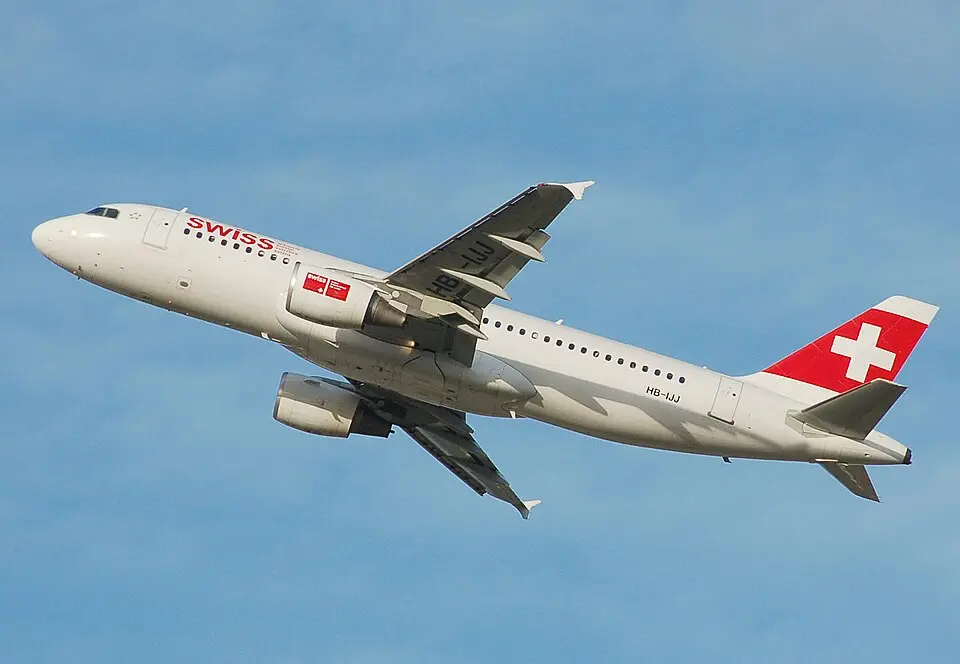
4. Solar Flares Can Intensify the Danger Within Minutes
During solar storms or coronal mass ejections, the Sun releases massive bursts of radiation. When those particles hit Earth’s atmosphere, aviation risk spikes dramatically, sometimes by 1000 per cent. These storms can increase the chance of avionics interference, GPS disruption, and even force polar flights to be rerouted.
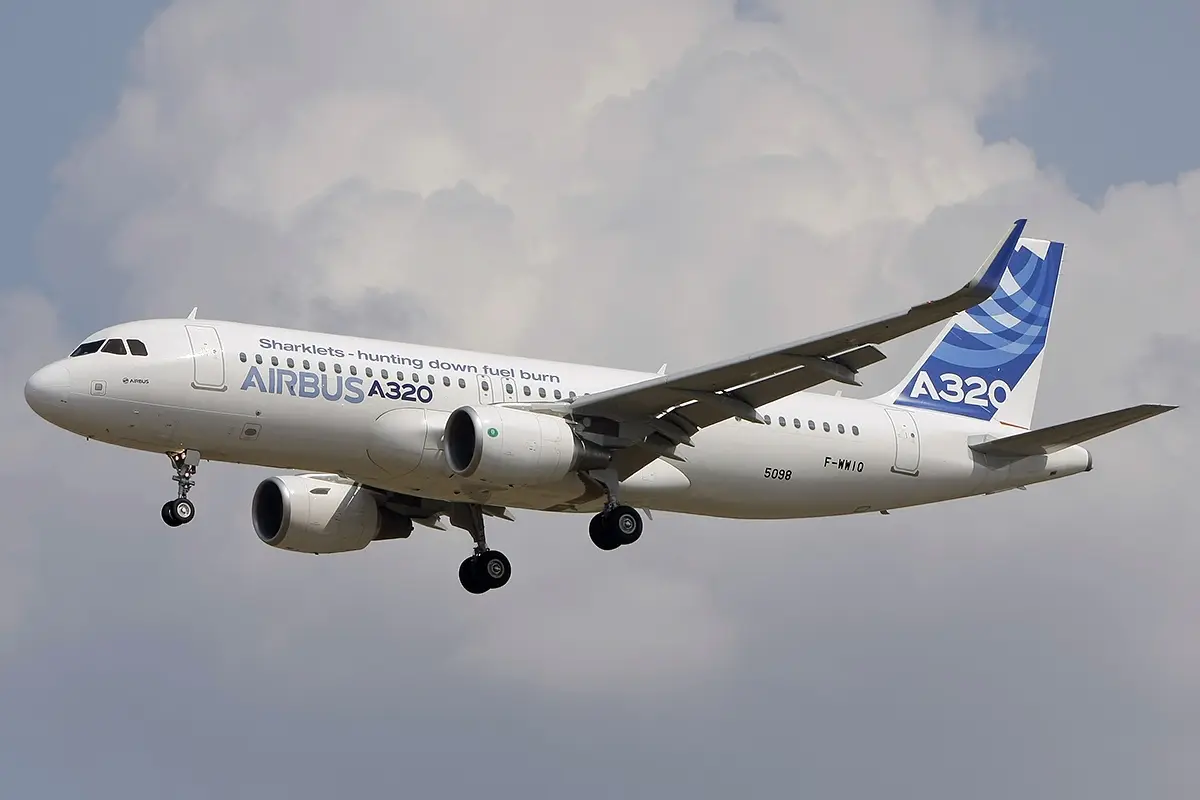
5. Aircraft Electronics Are Shielded — But Not Invincible
While avionics systems undergo strict radiation-hardening and redundancy tests, shielding reduces exposure, it does not eliminate it. No aircraft can be perfectly protected against every high-energy particle. When a cosmic ray hits the exact wrong transistor at the exact wrong moment, critical system logic can fail for milliseconds or longer.
6. Pilots Rarely Know Radiation Is Interfering — Because There Are No Alerts
Avionics don’t flash warnings saying “Solar radiation detected.” Instead, the aircraft may show symptoms like:
- sudden data dropouts,
- incorrect altitude readings,
- autopilot disconnects,
- unexplained pitch/roll behaviour. These problems are often misdiagnosed as software bugs — when the root cause may actually be cosmic interference.
7. The A320 Recall Proved That Radiation Is Now a Real Aviation Design Challenge
The global grounding of thousands of A320s after a radiation-corrupted flight-control event shows that this is no longer a theoretical risk. As planes become more digital and more automated, the threat from solar and cosmic radiation increases. Regulators, manufacturers, and airlines now face a difficult truth: the skies are safe but increasingly vulnerable to the universe itself.
)
)
)
)
)