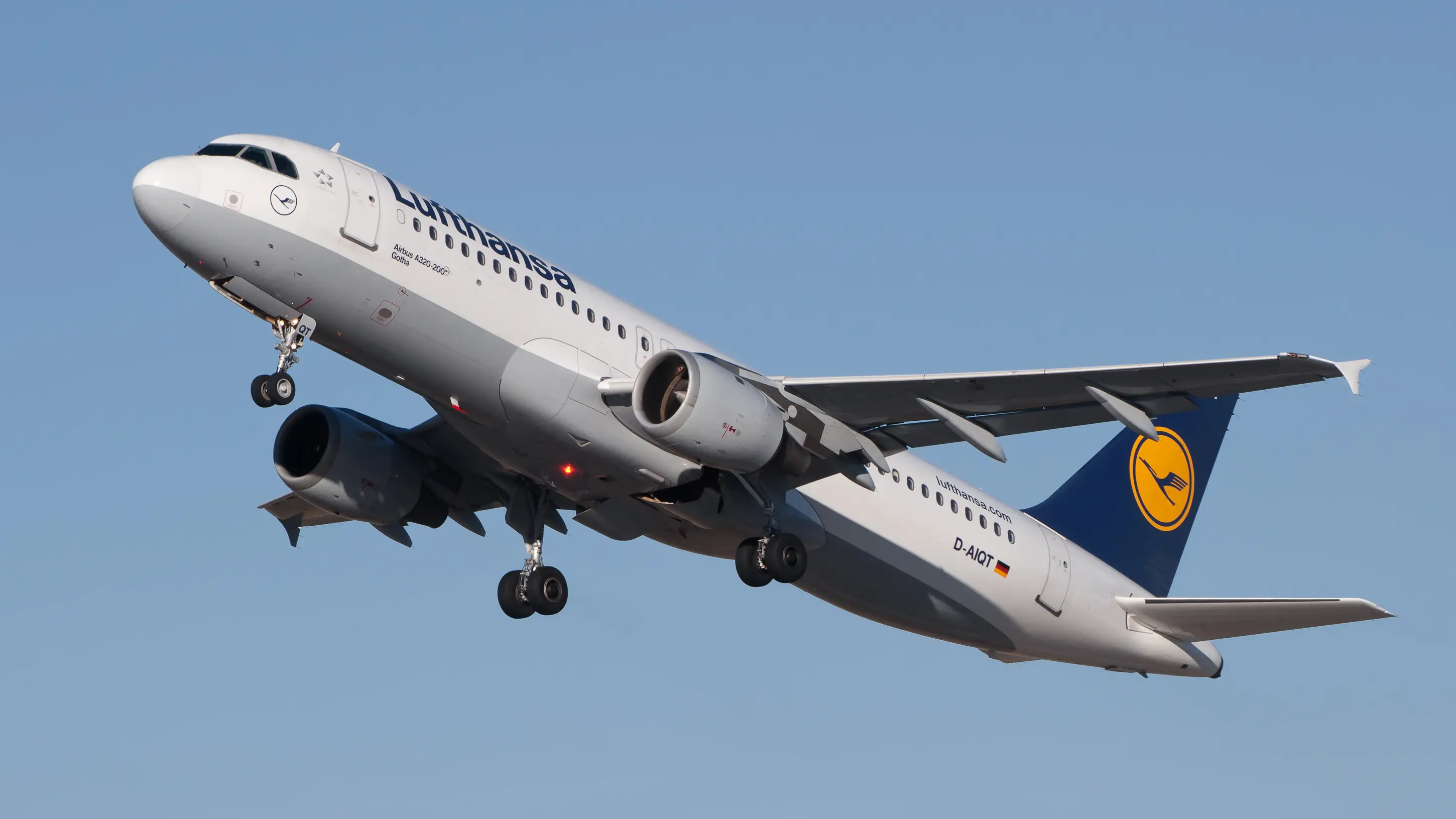
Airbus A320 grounded: Can pilots override a computer glitch in mid-flight?

Airbus design philosophy and pilot training include fallback to manual control in degraded states: the pilot must be able to control the aircraft even if flight-control protections and enhancements are lost.

1. A320 Uses “Fly-By-Wire” — Pilots’ Controls Go Through Computers, Not Cables
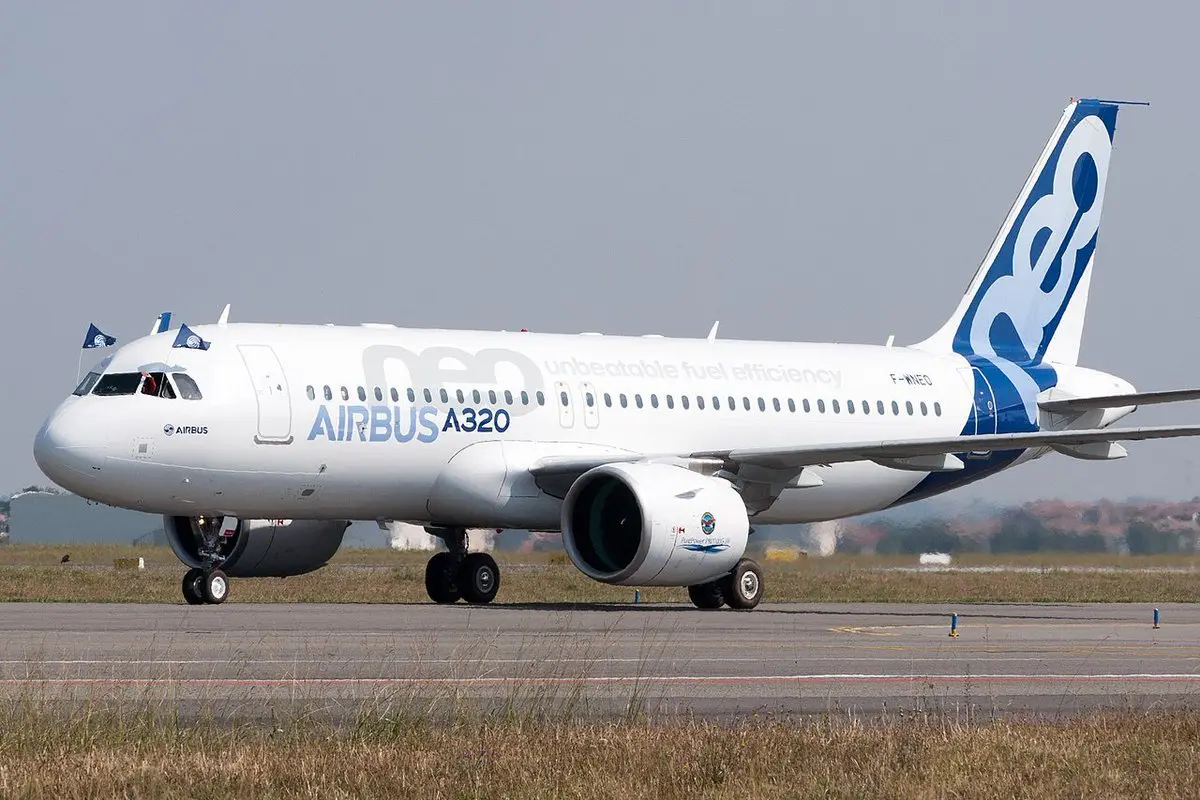
The Airbus A320 family does not use traditional mechanical linkages (cables/pulleys) from the cockpit sticks to the control surfaces. Instead, when a pilot moves the side-stick or control column, that input is transmitted electronically to flight-control computers (via a fly-by-wire, or FBW, system), which then calculate and send signals to actuators that move the ailerons, elevators, rudder, etc. Because of this, the plane’s response depends fundamentally on these computers functioning correctly. If a critical computer fails or its software is compromised, the connection between pilot commands and control-surface movement becomes vulnerable.
2. Airbus Built Redundancies and “Flight Control Laws” to Handle Failures
To guard against failures, Airbus implements multiple redundant flight-control computers (ELAC, SEC, FAC, etc.) that work in concert. The software runs under different “laws”, Normal Law, Alternate Law, and in some rare failures Direct Law, which progressively reduce automated protections but still allow pilots to control the aircraft manually via the side-stick, albeit without the full envelope protections. So yes — in principle, if some computers fail, the design allows the plane to revert to a mode where pilot inputs map directly to control surfaces, restoring manual-like control.
3. But When the Glitch Hits Core Computers, Even Manual Override May Be Compromised
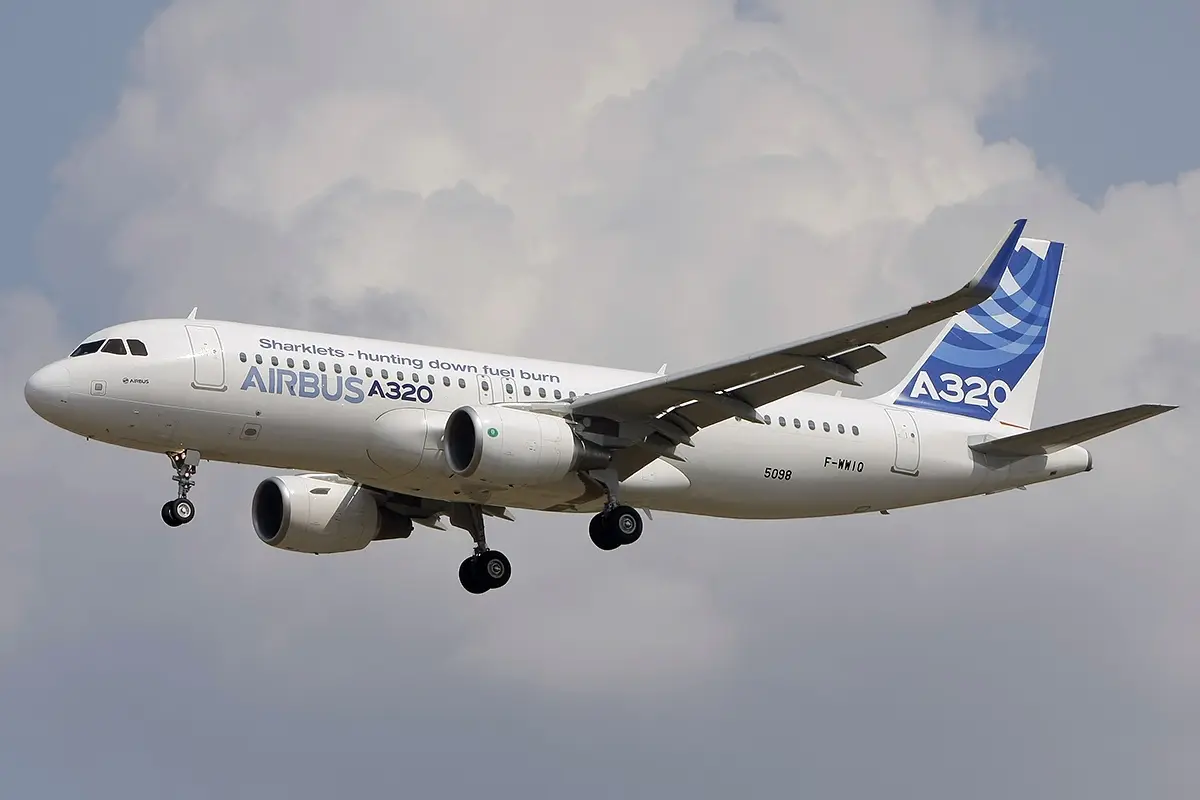
The recent recall of A320 jets worldwide was prompted by a problem traced to the ELAC (Elevator & Aileron Computer), the unit that processes pitch and roll inputs. If ELAC fails or its data is corrupted (for example, by radiation-triggered memory errors), the system that converts pilot commands into surface movements may become untrustworthy. In that scenario, even side-stick inputs may not result in reliable or expected control, meaning manual override may not function properly.
4. The A320 Recall Shows That Flaws Are Real — Not Just Theoretical Risks
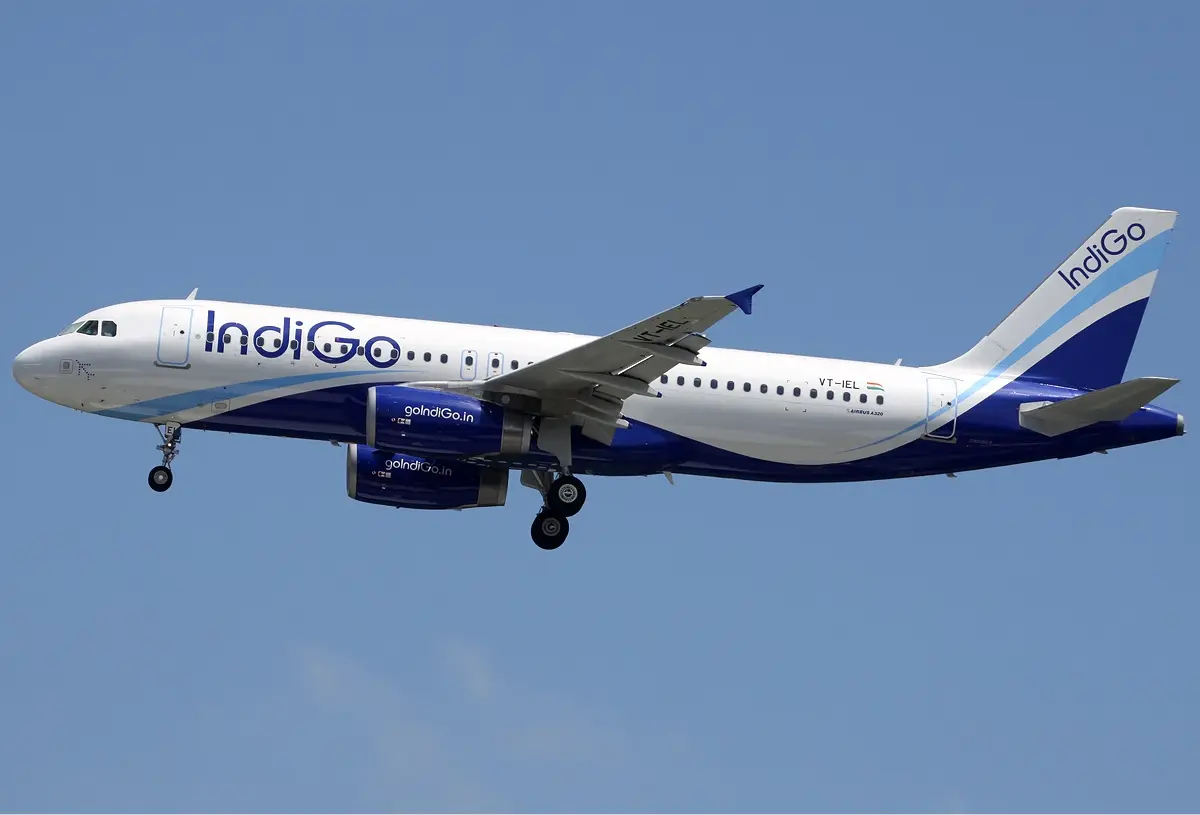
In 2025 Airbus issued a global recall affecting ~6,000 A320-family aircraft after one flight reportedly suffered a “sudden altitude drop” due to corrupted flight-control data. The fact that this wasn’t a hypothetical failure but a real incident, involving a plane already airborne, underscores that even redundant fly-by-wire systems can be vulnerable, and that manual override mechanisms may not guarantee safety in the worst-case software-backed failures.
5. Pilots’ Ability to “Take Over” Depends Heavily on What Failed — Sensors? Computers? Software?
If a failure is limited to non-critical systems (autopilot, autop thrust, non-essential computers), the aircraft will likely revert to Alternate or Direct Law, allowing pilots to manually control pitch, roll, yaw, albeit without protections. That means manual flying is possible. But if the failure hits core flight-control computers (like ELAC or backup systems), or if multiple sensors providing data to the control logic fail (e.g. ADIRU), manual control may be unreliable or even unavailable. In short: manual override is possible but only when the failure doesn’t cripple the core of the computer-control chain.
6. Training and Design Assume Pilots Can Fly “Raw” — But It’s Risky and Rare
Airbus design philosophy and pilot training include fallback to manual control in degraded states: the pilot must be able to control the aircraft even if flight-control protections and enhancements are lost. However, flying under Alternate Law or Direct Law removes many of the safety nets like stall protection, automatic trim, stability augmentation, etc. That requires great skill from pilots, especially under pressure or unexpected failure conditions.

7. Conclusion: Manual Override Is Possible — But Not a Guarantee Against a Software Glitch
Yes, in many failure scenarios, pilots on an A320 can revert to manual control if computers degrade, thanks to redundant systems and fallback flight laws. But when a core avionics computer fails or data gets corrupted, even manual override may not work. The 2025 global A320 recall shows that such “edge-case” failures are not just theoretical, they can happen.
)
)
)
)
)