Air superiority vs multirole fighter jet: What sets them apart and which one rules modern warfare

Although both of these can engage in aerial combat, the design philosophies of these two, along with their operational roles and strengths differ sharply.
Introduction
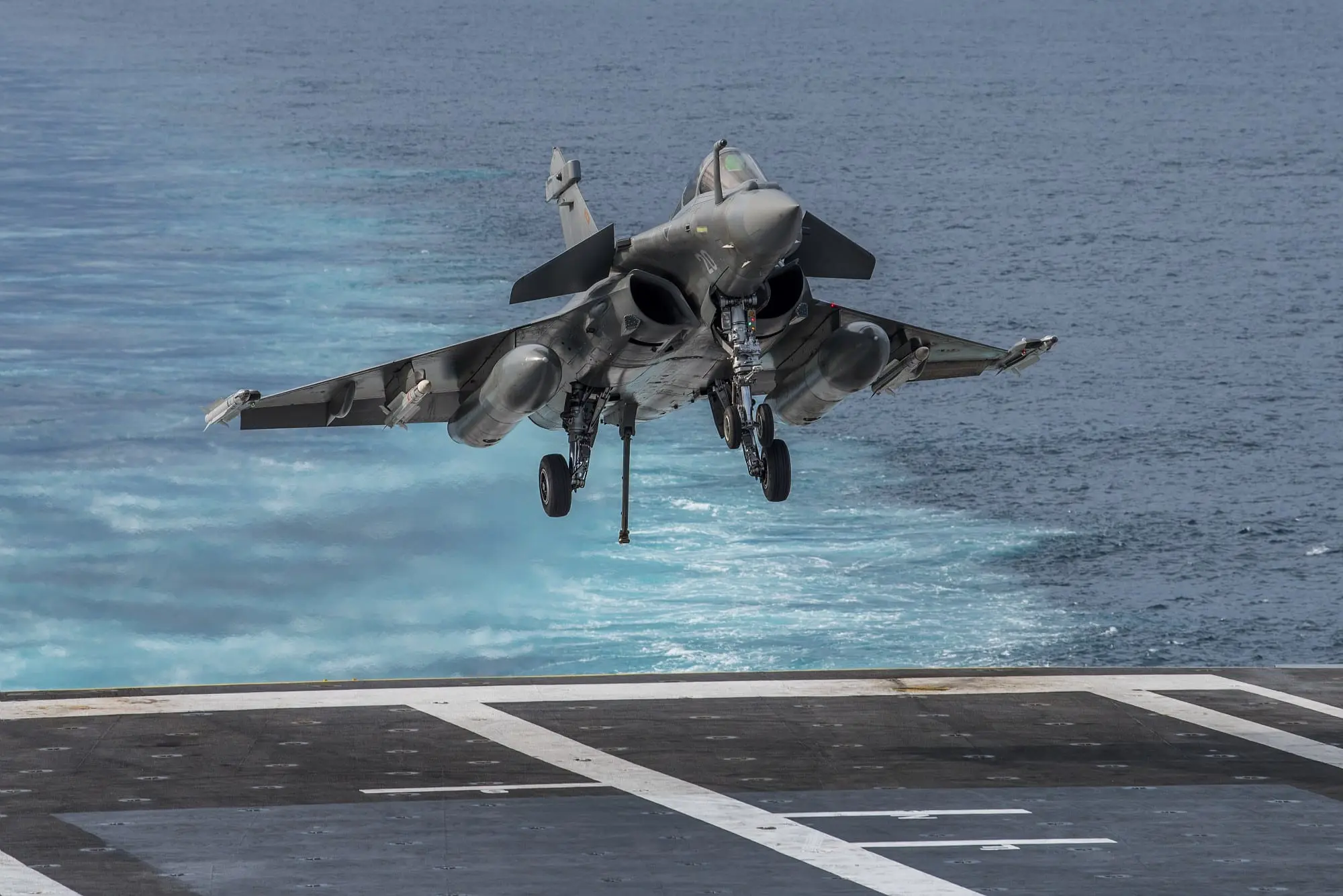
Modern air forces around the world today rely on a mix of aircraft designed for distinct missions, and two categories often compared are air superiority fighters and multirole fighters. Although both of these can engage in aerial combat, the design philosophies of these two, along with their operational roles and strengths differ sharply. Understanding these differences is important to assess how countries structure their air power and which type offers greater value to them in contemporary conflict.
Purpose and Mission Focus
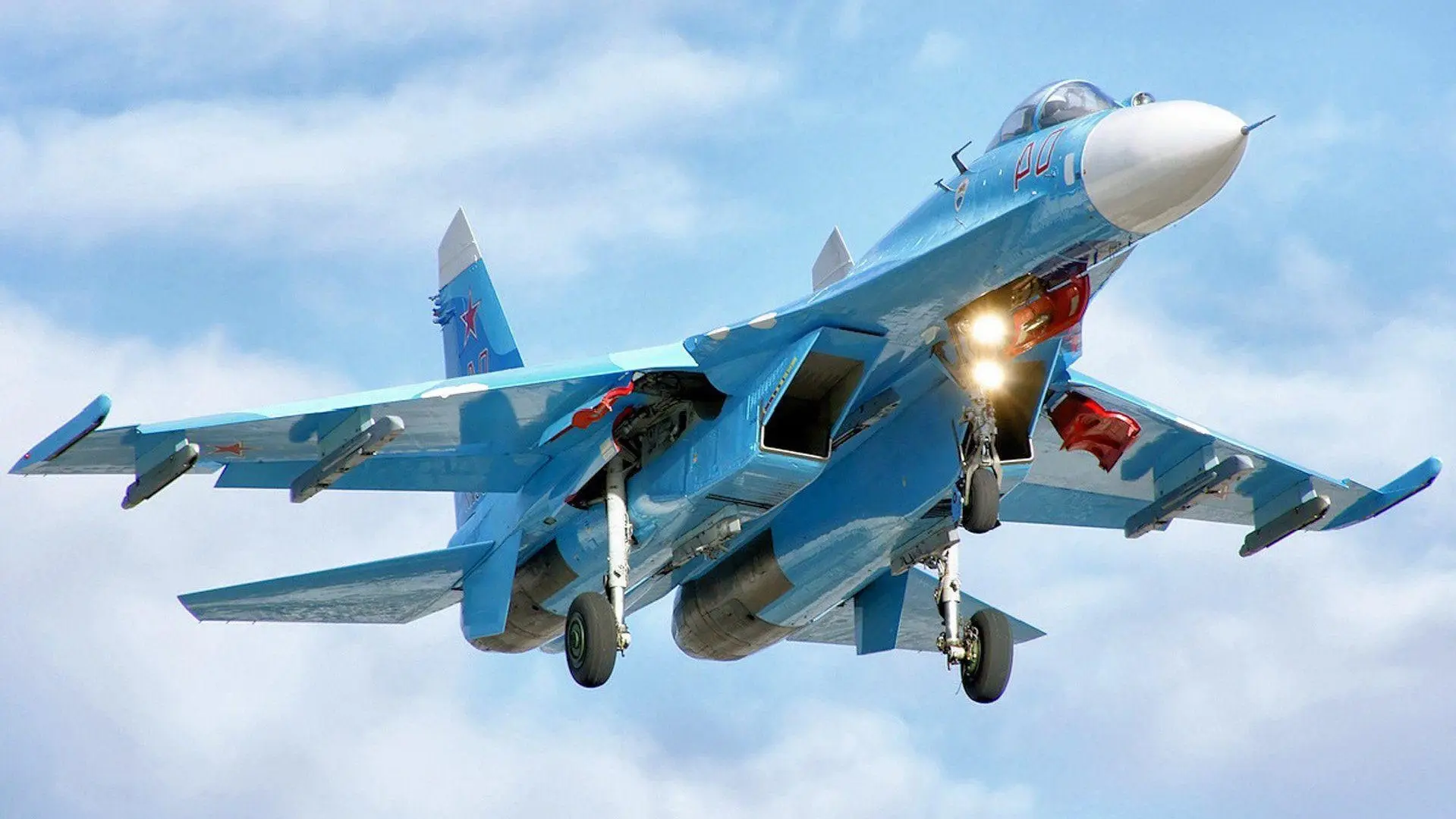
Air superiority fighters are built primarily to dominate the skies. The job of these fighters is to defeat the enemy aircraft and secure airspace, ensuring ground forces can operate without aerial threats. Thus, the mission shapes every design choice from powerful engines to advanced radars as well as high-performance aerodynamics.
Characteristics of Air Superiority Fighters
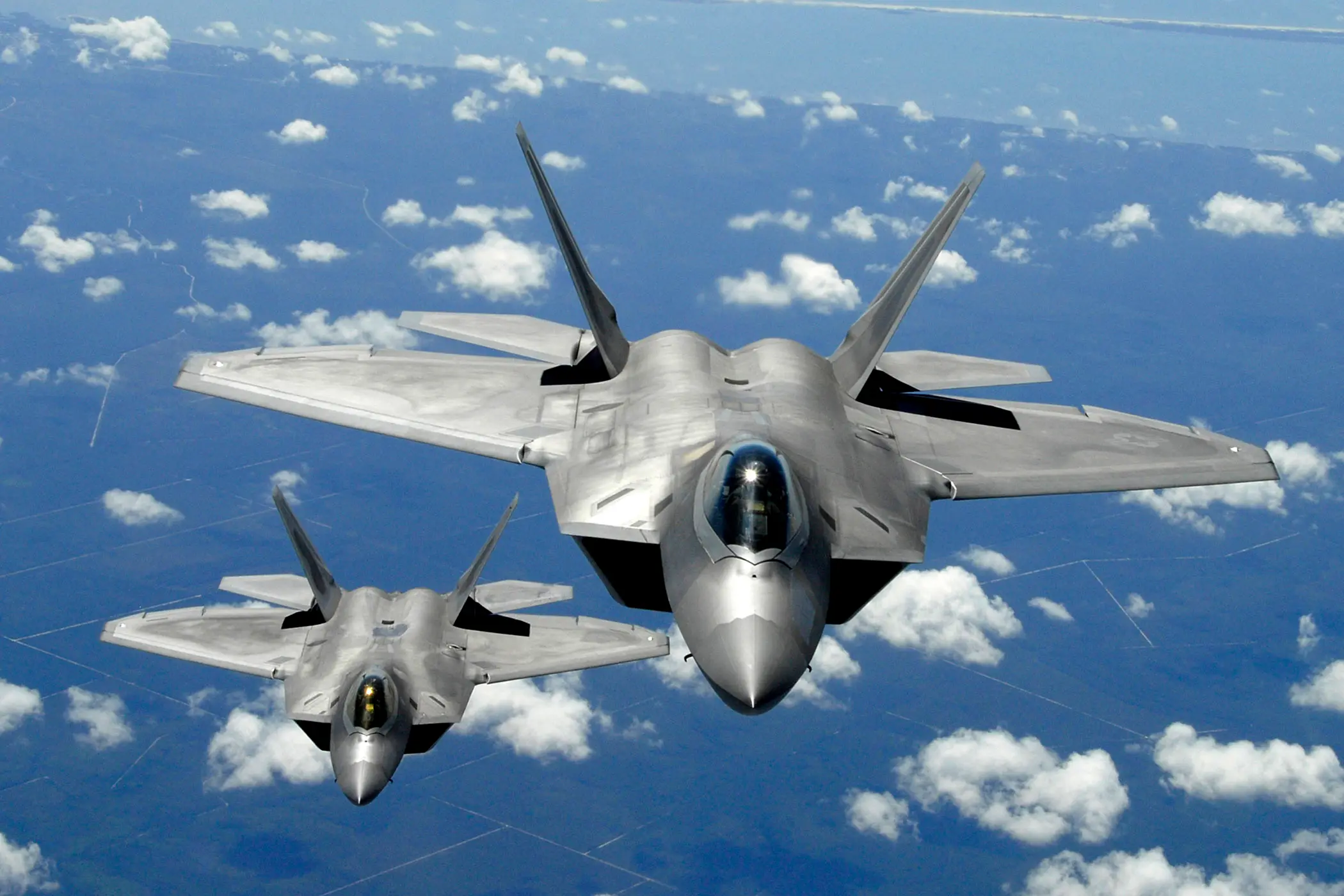
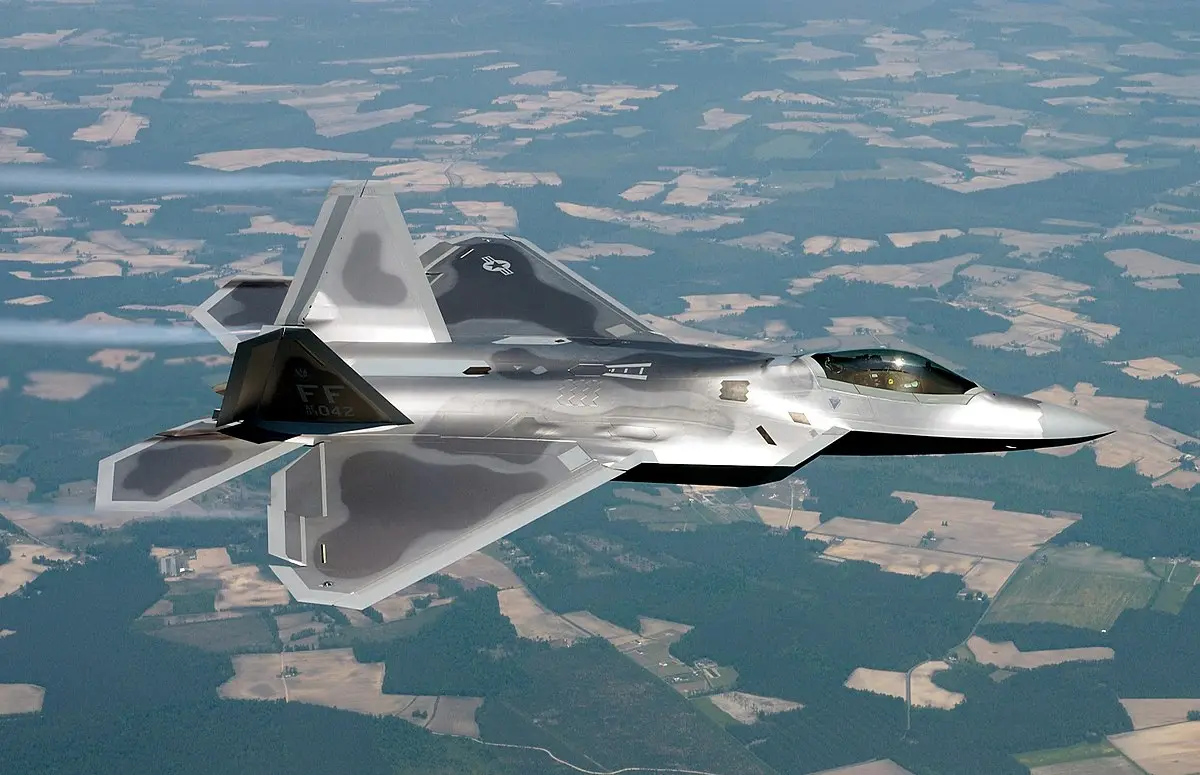
These fighters generally feature high thrust-to-weight ratios along with big fuel capacity, exceptional manoeuvrability and long-range air-to-air missiles. Examples of these types include the F-15C, Su-27 and Eurofighter Typhoon. F-22 is considered to be one of the most advanced air superiority fighter jet. The designs of these jets prioritise aerial performance, energy retention in dogfights and beyond-visual-range engagement. Air-to-ground capability, if present at all, is secondary according to Wikipedia.
Role and Design of Multirole Fighters
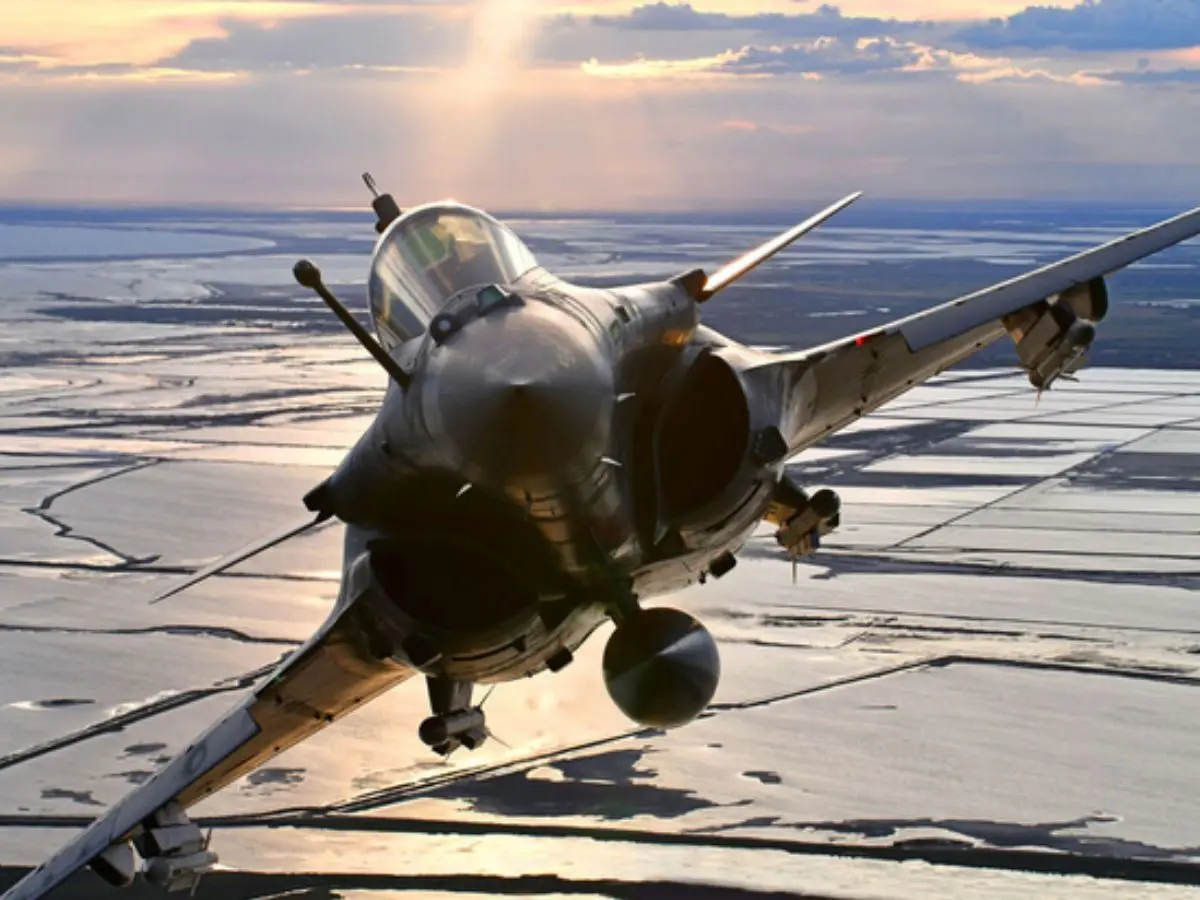
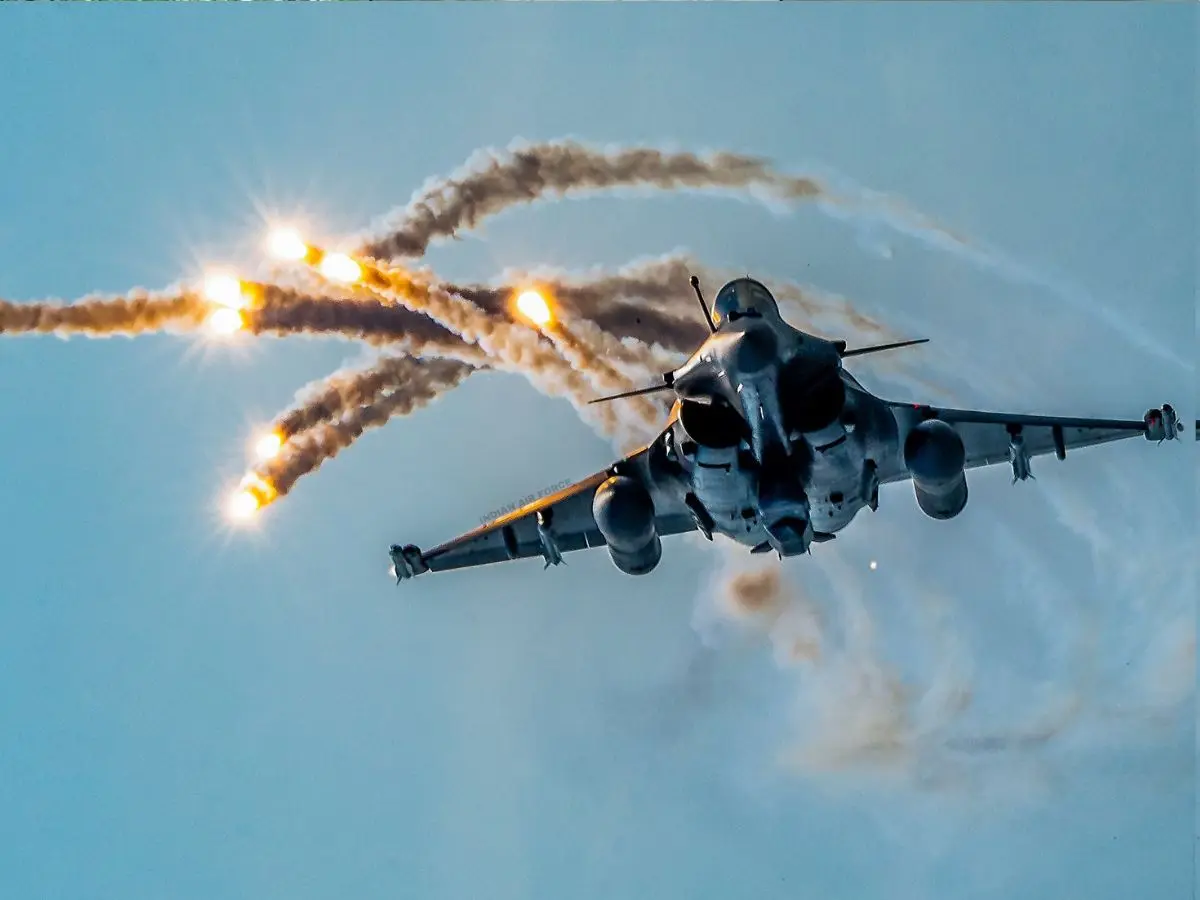
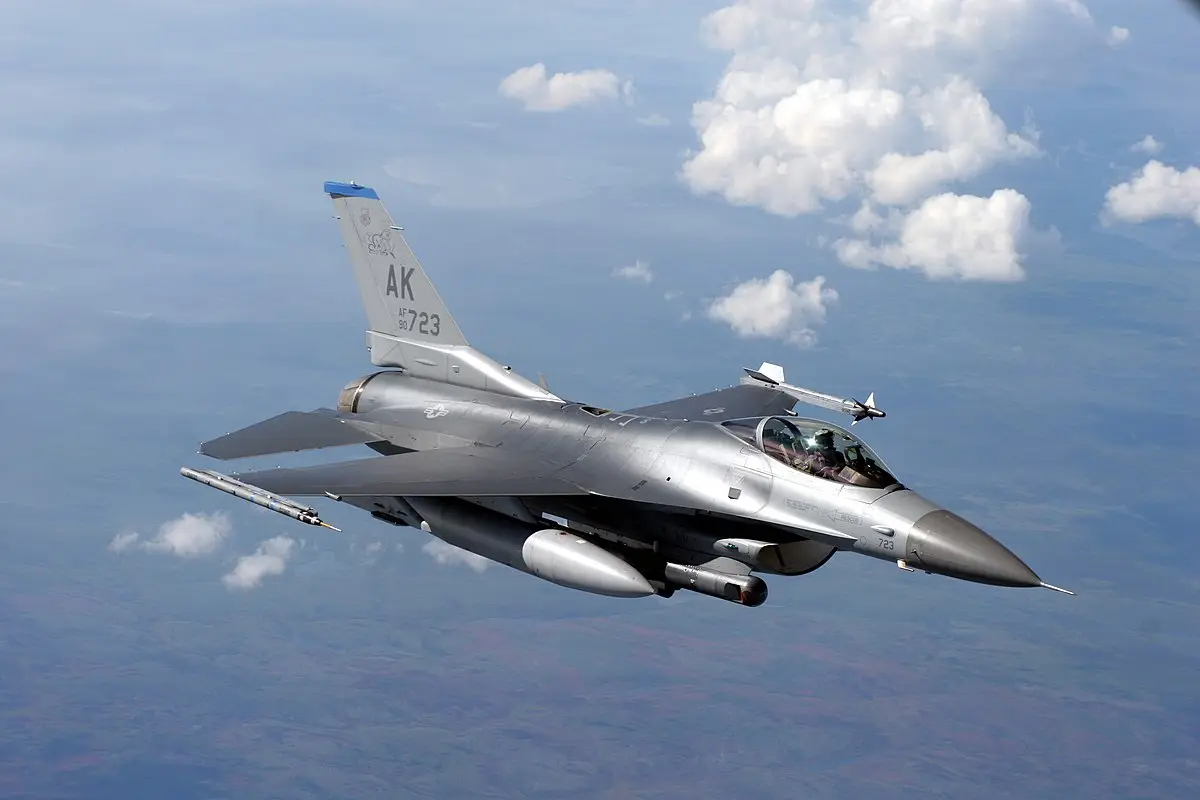
Multirole fighters emerged as nations sought flexible platforms that could undertake several missions within a single sortie. They combine air-to-air combat capability with precision strike, reconnaissance and maritime roles. Modern examples of such jets include the Rafale, F-16, Gripen E and F-35, all capable of switching instantly between offensive and defensive tasks.
Capabilities and Trade-offs
To fulfil multiple missions, multirole fighters, along with other features, have modular weapon integration, sensor fusion, targeting pods and advanced avionics. While highly capable in aerial combat, the are highly unlikely to match the raw aerodynamic performance of dedicated air superiority fighters. Their strength lies in adaptability and versatility rather than specialisation, making them suitable for diverse operational environments and needs as well as cost-efficient fleet planning.
Choosing Between the Two
Air forces around the world, choose based on threat environment, geography and doctrine. The Nations that are facing frequent aerial threats may prioritise air superiority fighters for decisive control of the skies. Other countries favour multirole aircraft for their versatility, lower operating costs and their ability to perform multiple roles with fewer platforms.
Which Is Better Today?
In modern warfare, neither of the two categories is inherently 'better'. While air superiority fighters remain unmatched for dominating the skies, multirole fighters deliver broader utility and fit the realities of contemporary, multi-domain operations. Most of the air forces around the world, therefore, adopt a balanced mix of the two, or acquire advanced multirole jets capable of performing limited air dominance roles when required.
)
)
)
)
)