Air Force One to Russia’s Il-96 and Air India One: Top 6 presidential aircraft that are more advanced than fighter jets

Alongside long-range endurance and comfort, they carry encrypted communications networks, missile-defence systems and reinforced structures usually reserved for military platforms.
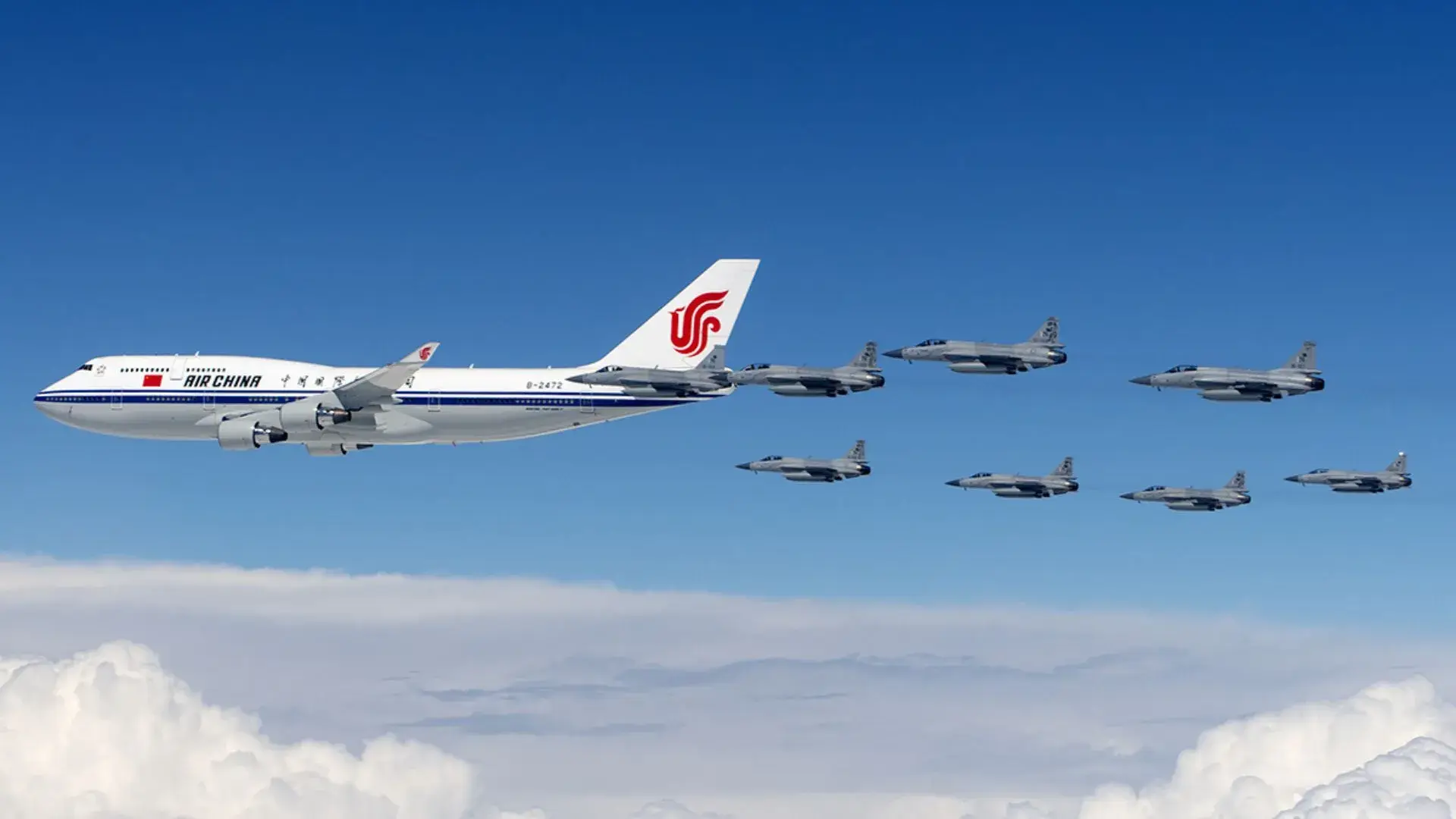
Introduction
Few symbols of national power are as unmistakable as a head-of-state aircraft. Presidential jets are no longer merely luxury transports, they function as airborne command centres capable of directing government operations even in wartime. Alongside long-range endurance and comfort, they carry encrypted communications networks, missile-defence systems and reinforced structures usually reserved for military platforms. Although exact costs are rarely disclosed, defence and aviation assessments highlight the seven most expensive and technologically sophisticated presidential aircraft currently in service worldwide.
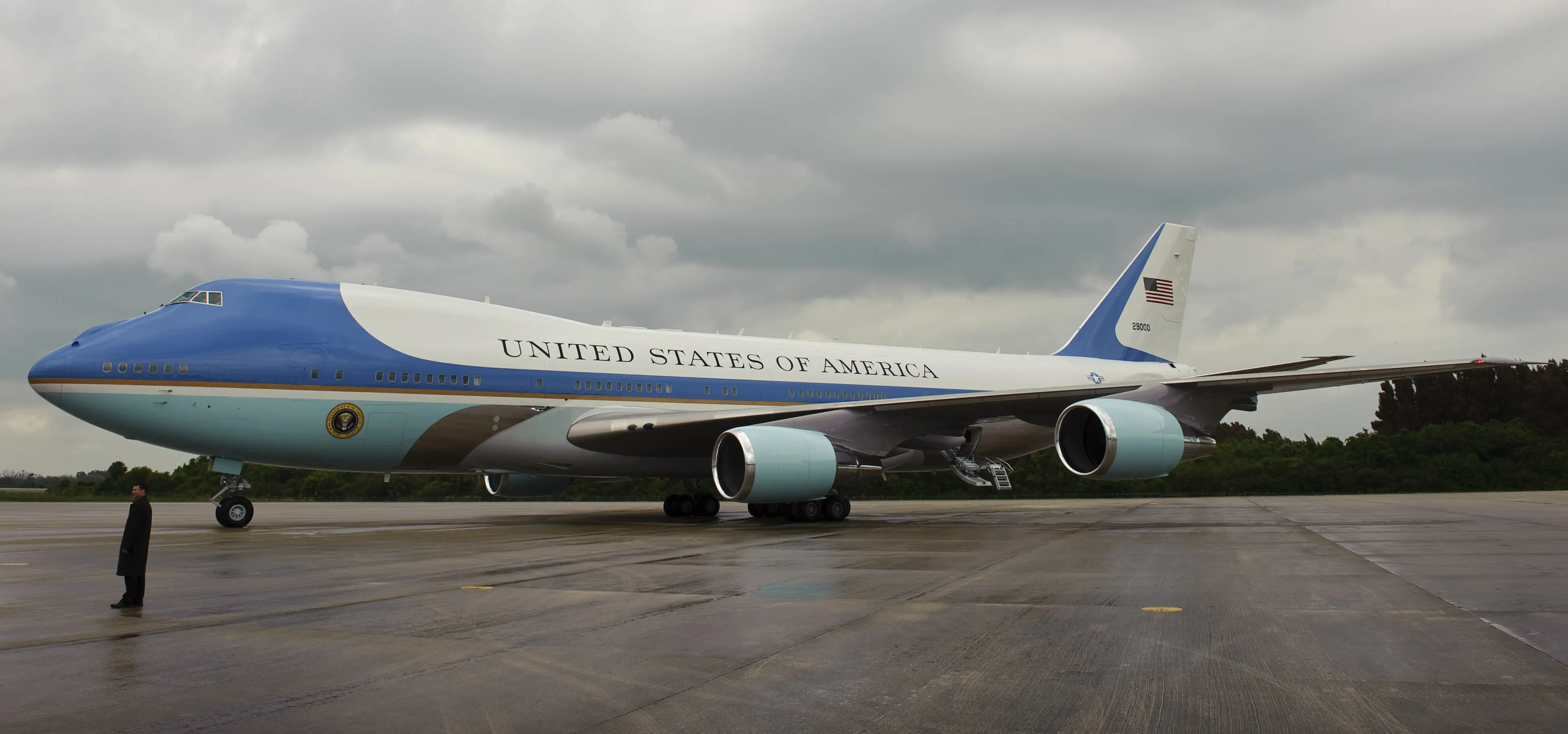
United States — Air Force One (VC-25 / 747-8 programme)
Air Force One has long been regarded as the world’s benchmark for airborne presidential command. The current VC-25A aircraft, adapted from the Boeing 747-200, has been undergoing upgrades while two new 747-8 replacements are being introduced. Costs rose sharply due to advanced communications, electronic warfare protection, cybersecurity infrastructure and full command-and-control capability, making the new aircraft among the most expensive ever built.
According to the Boeing website, the 'flying Oval Office' offers around 4,000 square feet of space, including a conference and dining room, private presidential quarters, multiple staff offices, a convertible medical suite, crew and media work areas, and two galleys that can serve 100 meals at once. It features significant structural modifications, including specialist navigation systems, defensive technology, a self-contained baggage loader and integrated front and rear air-stairs for independent operation.
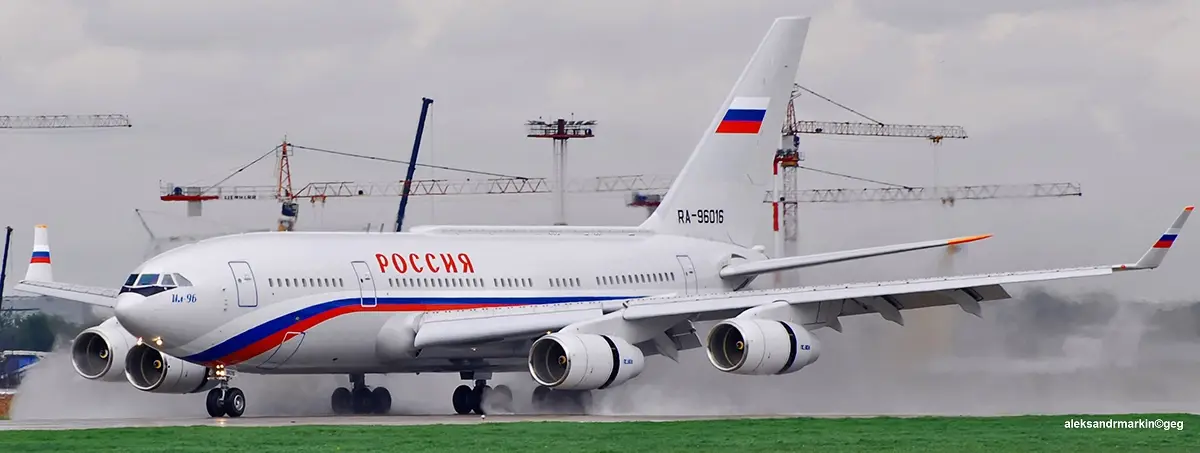
Russia — Ilyushin Il-96-300PU
Often compared to America’s Air Force One, Russia’s presidential aircraft, the Ilyushin Il-96-300PU, is built as a flying command centre rather than simply a VIP jet. It carries encrypted satellite communications, hardened electronics and defensive countermeasures designed to keep operating during major conflict. Inside, it features office and briefing rooms, private presidential quarters and medical facilities, making it one of the most heavily customised state aircraft in use. The Il-96-300PU is believed to include electronic-warfare systems to disrupt radar and missiles while maintaining long-range comfort and diplomacy. Powered by PS-90A engines, it can fly up to 13,000 kilometres without refuelling.
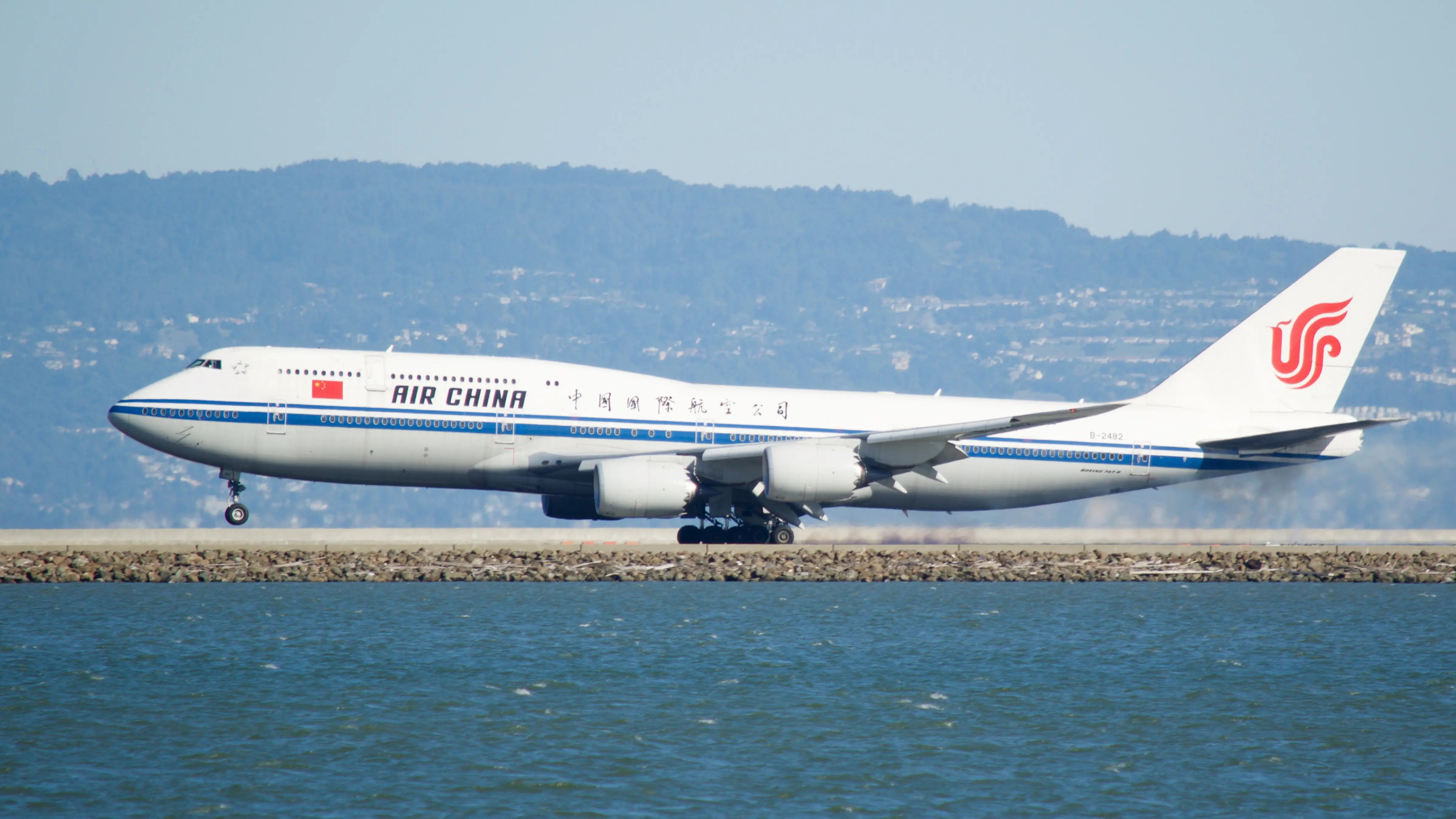
China — Boeing 747-8 / modified widebody fleet
China uses a combination of specially modified 747-8 and other large long-range aircraft for top-level transport. These platforms are designed for uninterrupted global travel and integrate secure communications and data encryption. Modifications to the baseline airframes have included structural shielding, diplomatic meeting suites and protection against electromagnetic interference, placing the fleet among the highest-value government aircraft programmes.
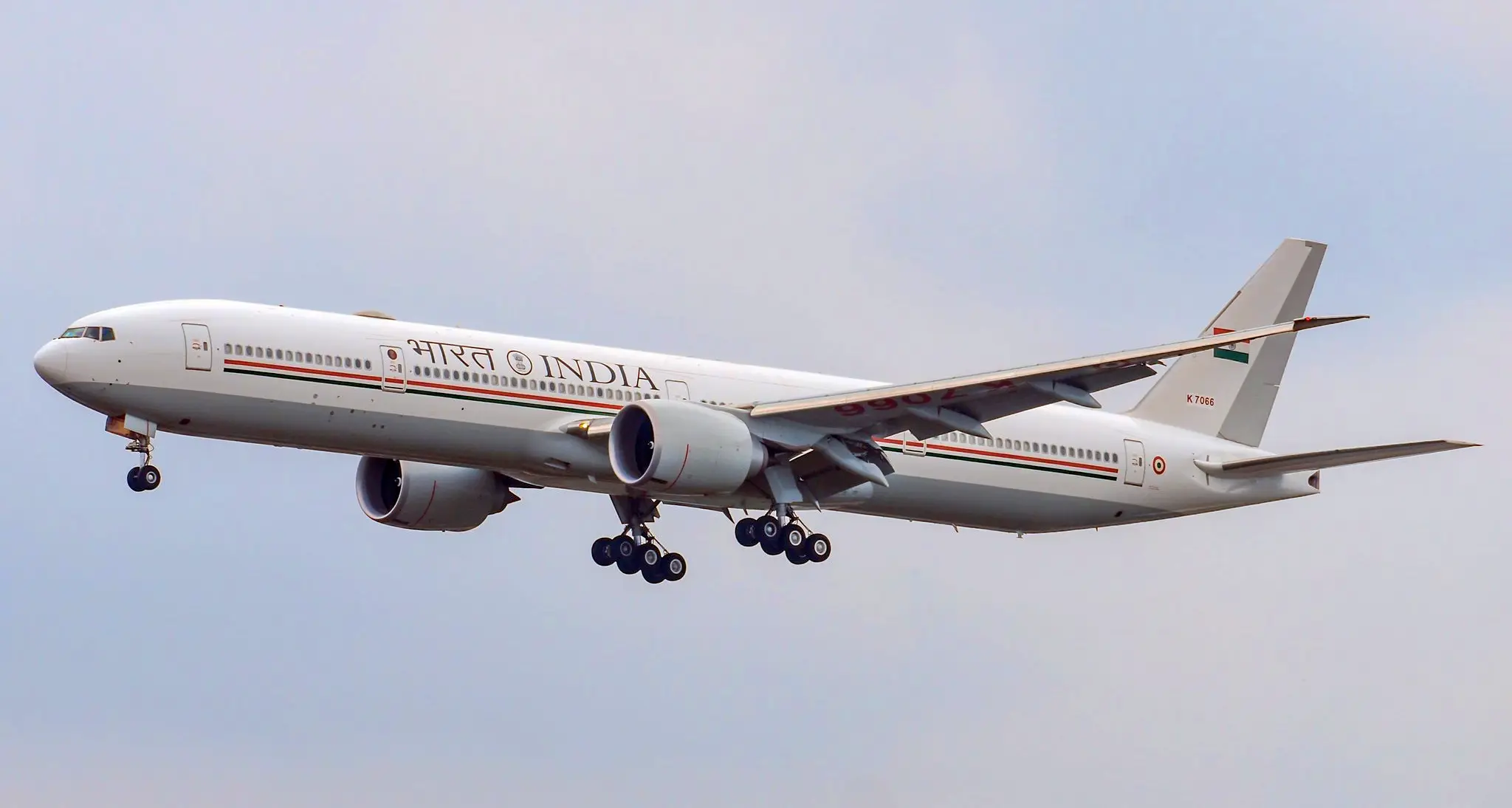
India — Air India One (Boeing 777 VVIP conversions)
India’s leaders use two customised Boeing 777s known as Air India One. The aircraft are equipped with encrypted communications, a missile-defence system and Self-Protection Suites that can detect and counter radar-guided or heat-seeking missiles. Inside, they feature a conference room, private VVIP cabin and medical facility, allowing high-level work and crisis management in flight. With a long-range capability of about 13,500 kilometres and cruising speeds near 900 km/h, the fleet enables nonstop intercontinental travel without reliance on foreign airspace or support.
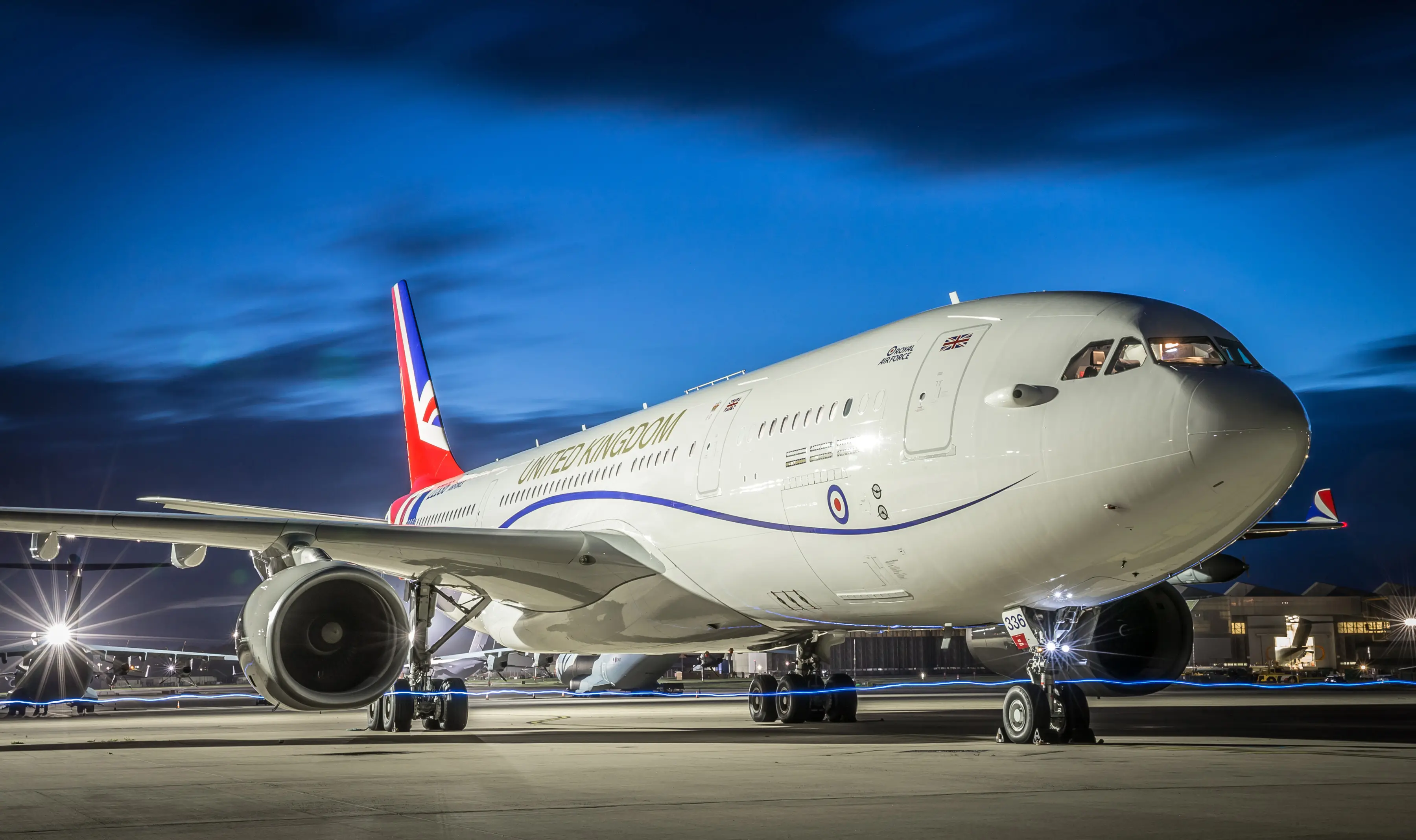
United Kingdom — RAF Voyager (VIP-converted A330 MRTT)
The UK uses a modified A330 MRTT tanker-transport aircraft for top-level government travel. Rather than building a dedicated presidential jet, the UK opted for a hybrid approach, combining VIP and military functions in the same aircraft. The Voyager includes secure communications and a cabin suitable for state meetings, while retaining full operational tanker and transport capability, making it one of the most multifunctional leadership aircraft globally.
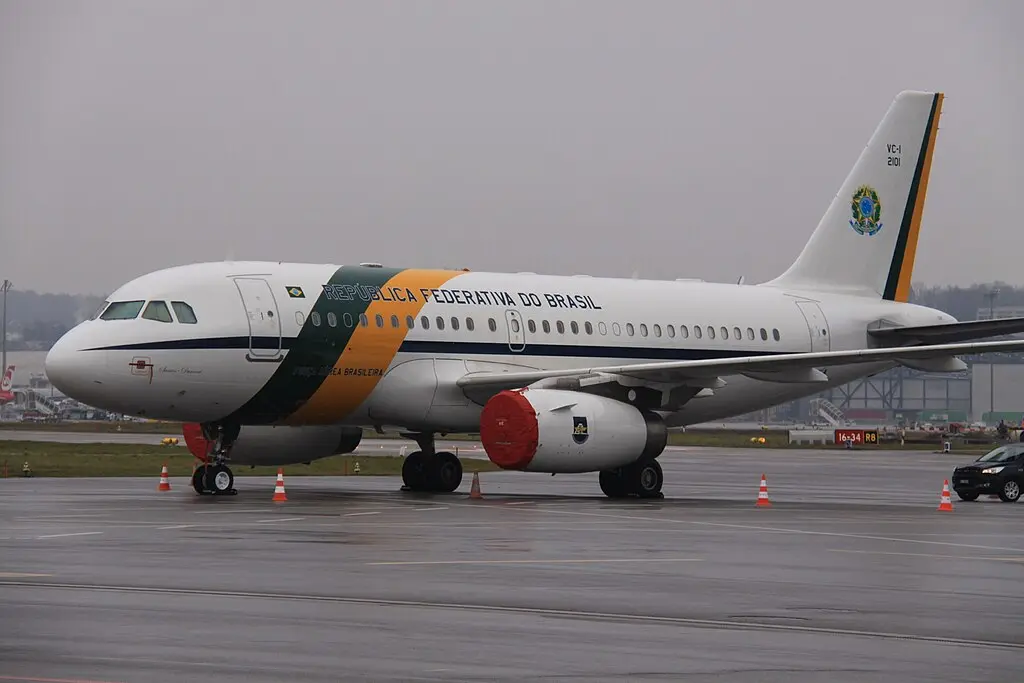
Brazil — VC-1A Airbus A319 and VVIP long-range configuration
Brazil relies on an Airbus A319 for most presidential travel and supplements it with additional long-range aircraft when required for intercontinental missions. The interior includes workspace, briefing rooms and secure communications capabilities. Despite being smaller than most on this list, the overall cost of customisation and fleet operation places Brazil firmly among nations running highly expensive top-level aviation programmes.
)
)
)
)
)