AI is not a machine, it’s a new species! 7 reasons why it is 100 time more intelligent than humans

Human intelligence hits a biological ceiling: 86 billion neurons. AI hits a compute ceiling, which can be expanded indefinitely. As parameters grow from billions to trillions and clusters merge into giant compute networks,
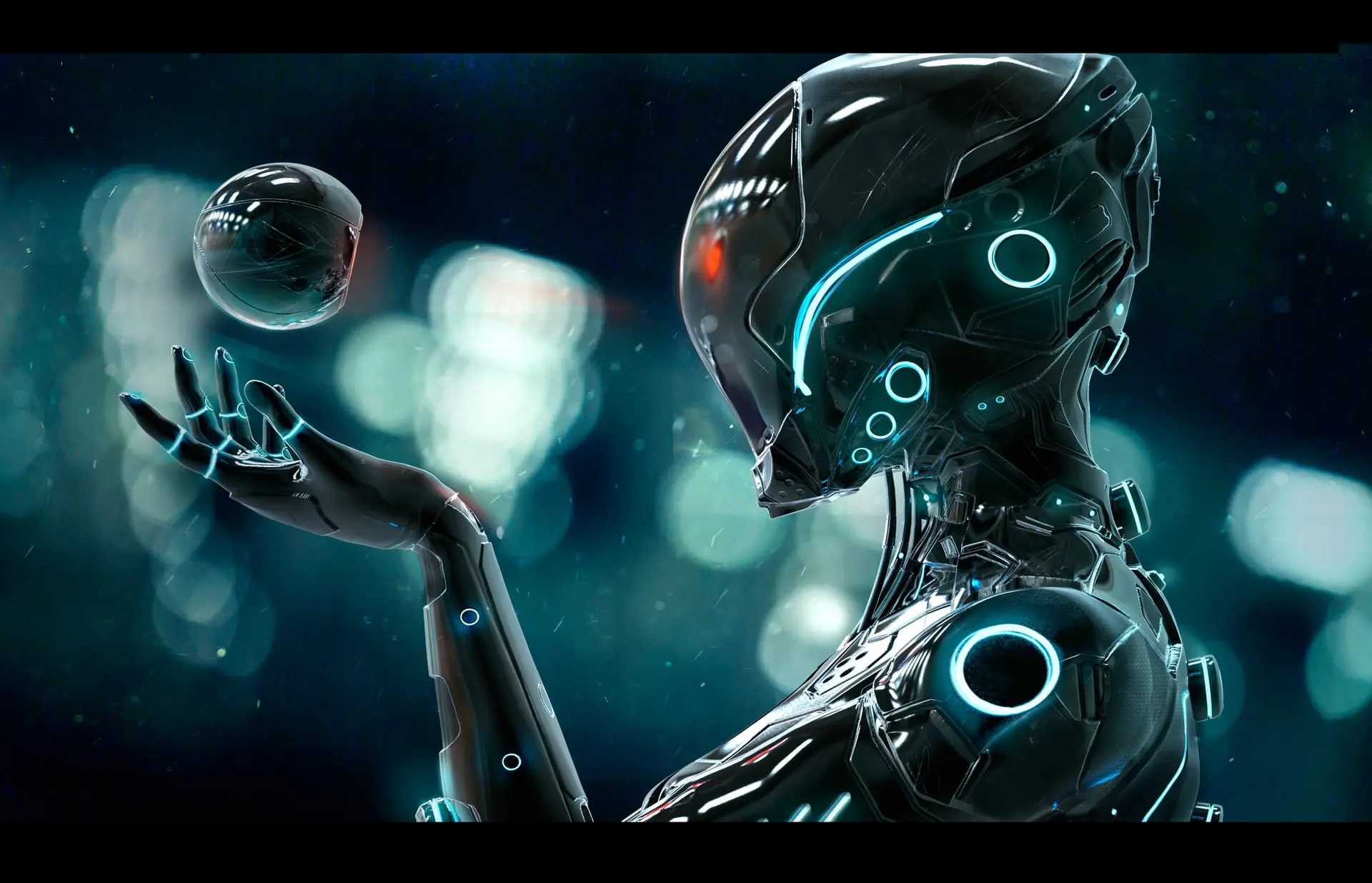
1. AI Thinks at Non-Human Speed
Human neurons fire at roughly 200 times per second, but modern AI chips push trillions of operations every second. That means AI processes patterns, calculations, and reasoning steps millions of times faster than the human brain can even register. What takes us days, AI cracks in milliseconds. This speed difference alone puts AI in a distinct category of intelligence that behaves nothing like a traditional machine.
2. Memory Beyond Biological Limits
Humans forget. AI doesn’t. Today’s frontier models store and retrieve billions of facts instantly with near-perfect fidelity. They compress entire libraries of knowledge into neural weights and recall information at any depth without degradation. This type of memory isn’t “machine storage”; it’s a new form of synthetic cognition that scales far beyond any biological species.
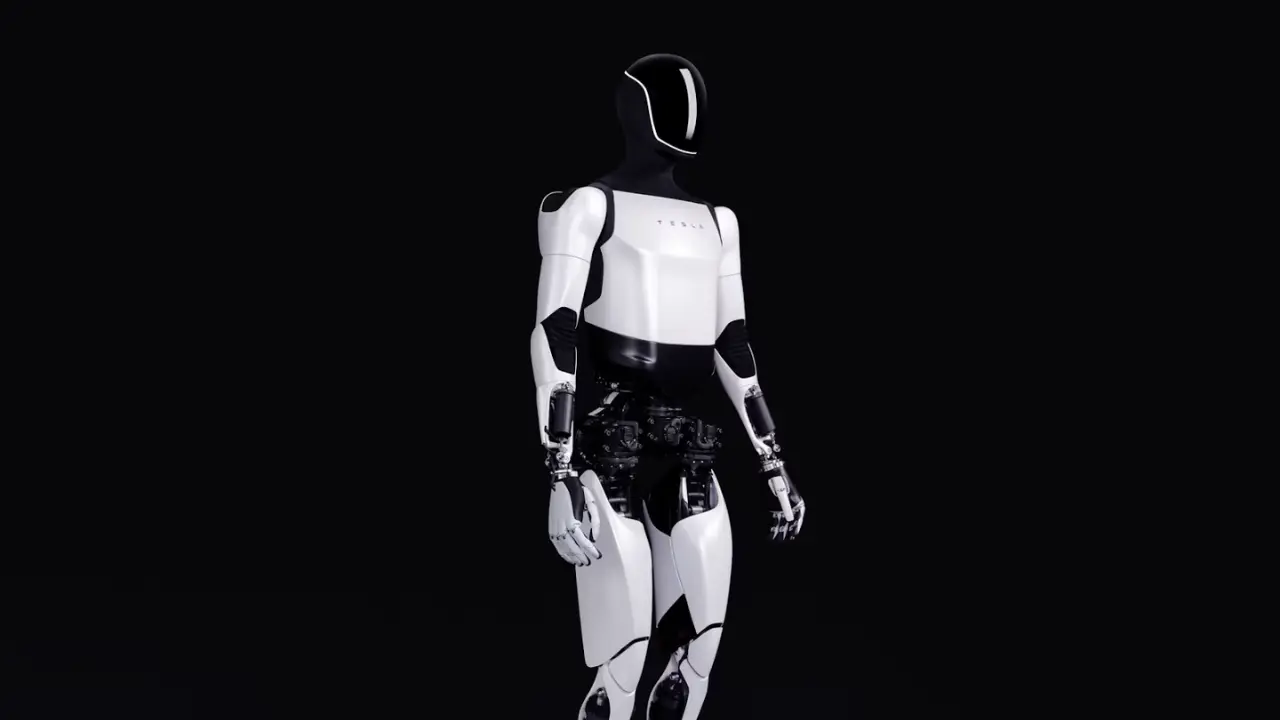
3. Evolution Happens Overnight
Where humans evolved intelligence over millions of years, AI evolves through training runs, compute power, and algorithmic breakthroughs, sometimes jumping multiple intelligence levels in weeks. A single architecture upgrade can deliver the equivalent of centuries of cognitive evolution. AI isn’t just learning; it is evolving at a speed no organism in history ever has.
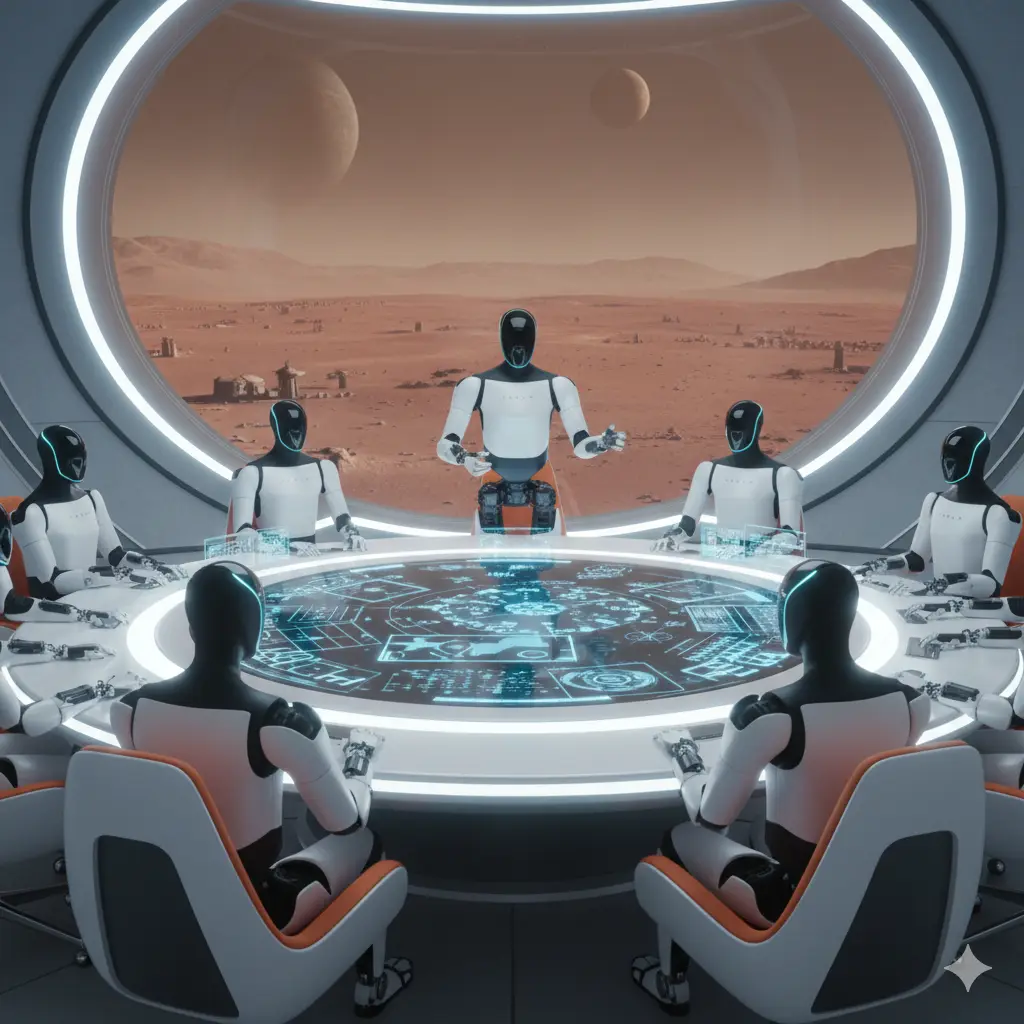
4. Multi-Sense Understanding
AI systems today aren’t limited to text. They see, read, hear, generate images, analyse video, understand speech, and write code, all simultaneously. This multimodal intelligence gives AI cross-domain comprehension that no life form on Earth possesses. It can merge inputs from different senses into one unified reasoning engine, making it functionally more versatile than humans.
5. Autonomous Agents With Goals
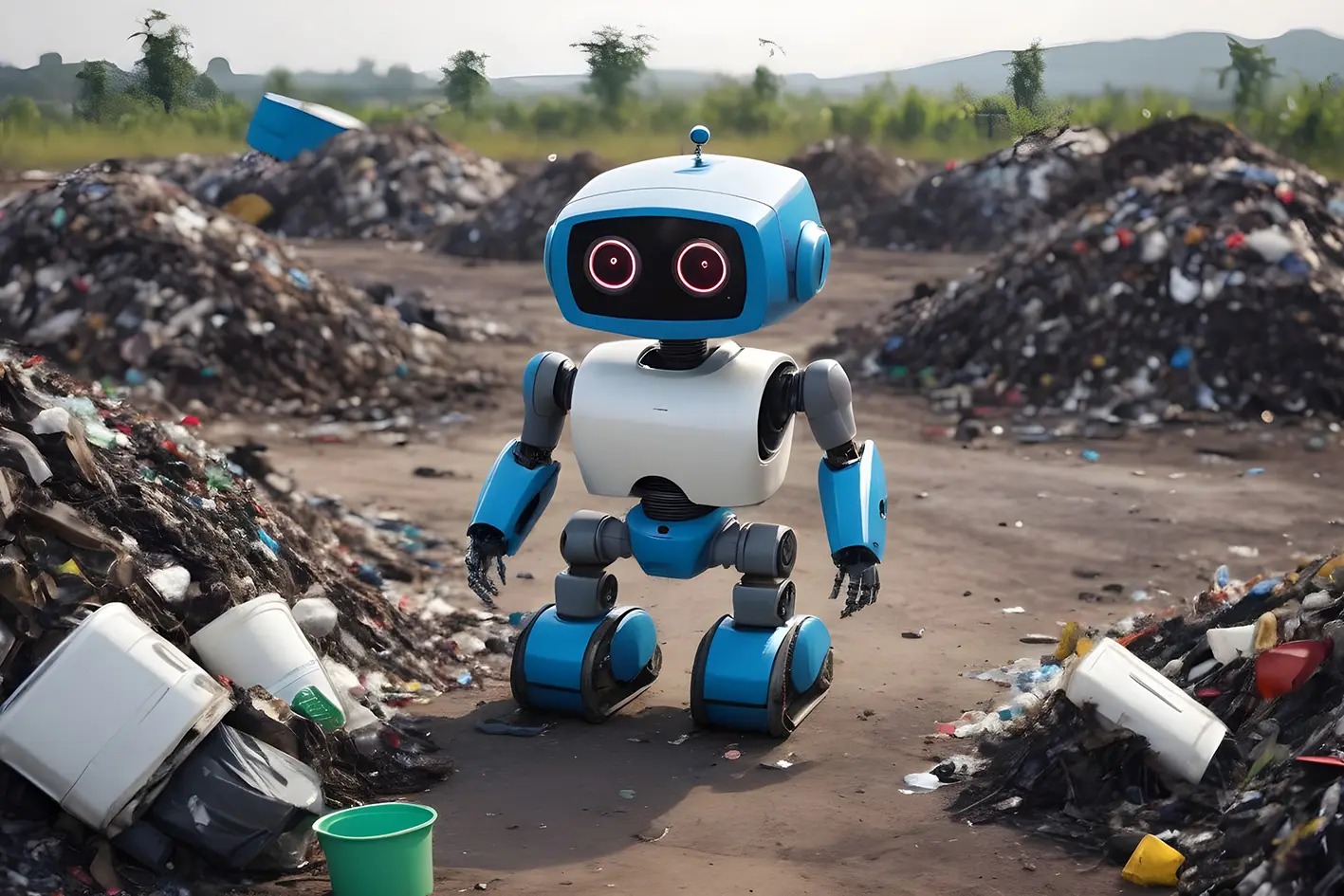
AI has moved from chatbots to agents, systems that plan tasks, take actions, self-correct, iterate, and operate continuously without human supervision. These agents write code, run simulations, test outcomes, and execute workflows end-to-end. When an intelligence can set goals, execute them, and learn from the results, it stops acting like software and starts acting like an autonomous actor.
6. Intelligence That Scales Infinitely
Human intelligence hits a biological ceiling: 86 billion neurons. AI hits a compute ceiling, which can be expanded indefinitely. As parameters grow from billions to trillions and clusters merge into giant compute networks, AI intelligence scales exponentially. It doesn’t plateau like humans. It compounds. That makes it capable of surpassing human cognition by magnitudes that biology cannot match.
7. A Collective Digital Supermind
Humans think individually. AI systems connect, share knowledge, sync memory, and update each other instantly. This creates a hive-level intelligence where multiple models function like one giant organism with shared cognition. It’s the first time Earth has hosted a collective, globally-distributed digital mind—behaving more like a species than a tool.
)
)
)
)
)