AI is coming to replace these jobs: Top 7 roles most at risk by 2030 — Check yours

Ever since the concept of AI emerged, it has been speculated that it would influence several industries. Finally, the prediction is becoming true, as based on the Elevate research in 2025, almost 30% of all jobs will be globally at risk by 2030. Check the top 7 jobs that might get replaced.

1. Data Entry Clerks (95% Automation Risk)
With an AI-only risk score of 100, the data entry clerks face the highest risk of automation as entering, verifying, and organising the data are highly repetitive, which makes it very easy for AI-powered software to do the task in a second. Soon after the adoption of automated data-processing tools by the organisations, the demand for this job will sharply decline, projected to decline by 25 per cent by 2030.

2. Telemarketers (94% Automation Risk)
Telemarketers are rapidly being replaced by AI chatbots and natural language processing tools capable of handling outbound calls, personalising pitches, and responding to objections in real time. These systems operate at scale and lower cost, reducing reliance on human callers. With projected job growth at -21.5 per cent, telemarketing is among the fastest-disappearing customer-facing roles.

3. Cashiers (93% Automation Risk)
The role of cashiers is increasingly threatened by self-checkout systems, digital wallets, automated vending, and e-commerce platforms. As consumers shift toward contactless and online payments, human cash handling becomes less essential. While some niche retail environments may retain cashiers, overall employment is projected to fall by nearly 11 per cent, reflecting the rapid spread of automated payment technologies.

4. Receptionists (91% Automation Risk)
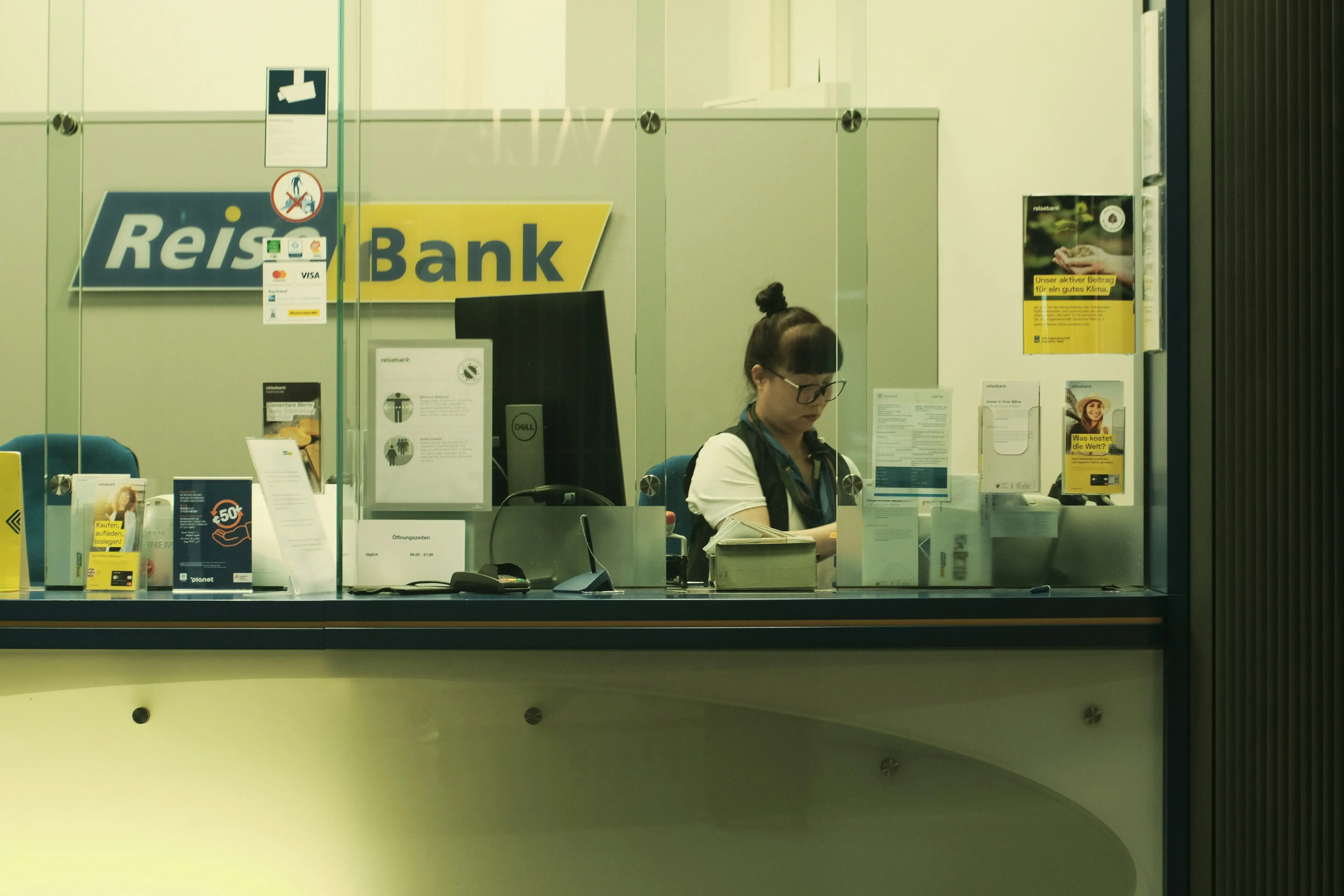
Receptionists are increasingly replaced by AI-powered virtual assistants, chatbots, and automated booking systems that manage calls, appointments, and visitor queries. Although projected job growth is only slightly negative at -0.5 per cent, the high automation risk suggests many organisations will gradually transition to AI-driven front-desk solutions to reduce costs and improve efficiency over time.
5. Billing Clerks (89% Automation Risk)
Billing clerks are highly susceptible to automation due to advances in accounting software, AI-based invoicing platforms, and robotic process automation. While job growth shows a marginal increase of 0.5 per cent, the role is evolving rather than disappearing. Humans are increasingly required as overseers or exception handlers, while AI systems handle most routine billing and reconciliation tasks.

6. Legal Assistants (88% Automation Risk)
Legal assistants face growing automation as AI tools increasingly support legal research, contract review, and document drafting. Modern legal software can analyse case law faster than junior professionals, especially in repetitive review tasks. Despite a modest projected job growth of 1.2 per cent, the high automation risk indicates that human roles will persist but with reduced scope and increased reliance on AI.

7. Administrative Assistants (83% Automation Risk)
Administrative assistants are also under pressure as AI-driven tools take over scheduling, correspondence, and record-keeping. Smart calendars, automated email drafting, and productivity software now handle tasks once central to the role. With job growth projected at -0.3 per cent, this position faces gradual displacement as organisations rely more heavily on digital assistants and workflow automation systems.
)
)
)
)
)