AI in waste management: Can AI solve the world’s waste crisis?

AI is transforming waste management with smart bins, robots, efficient routes, etc. These modern technologies improve recycling accuracy, reduce landfill waste, and cut costs. AI could play a vital role in waste management. Know more below.
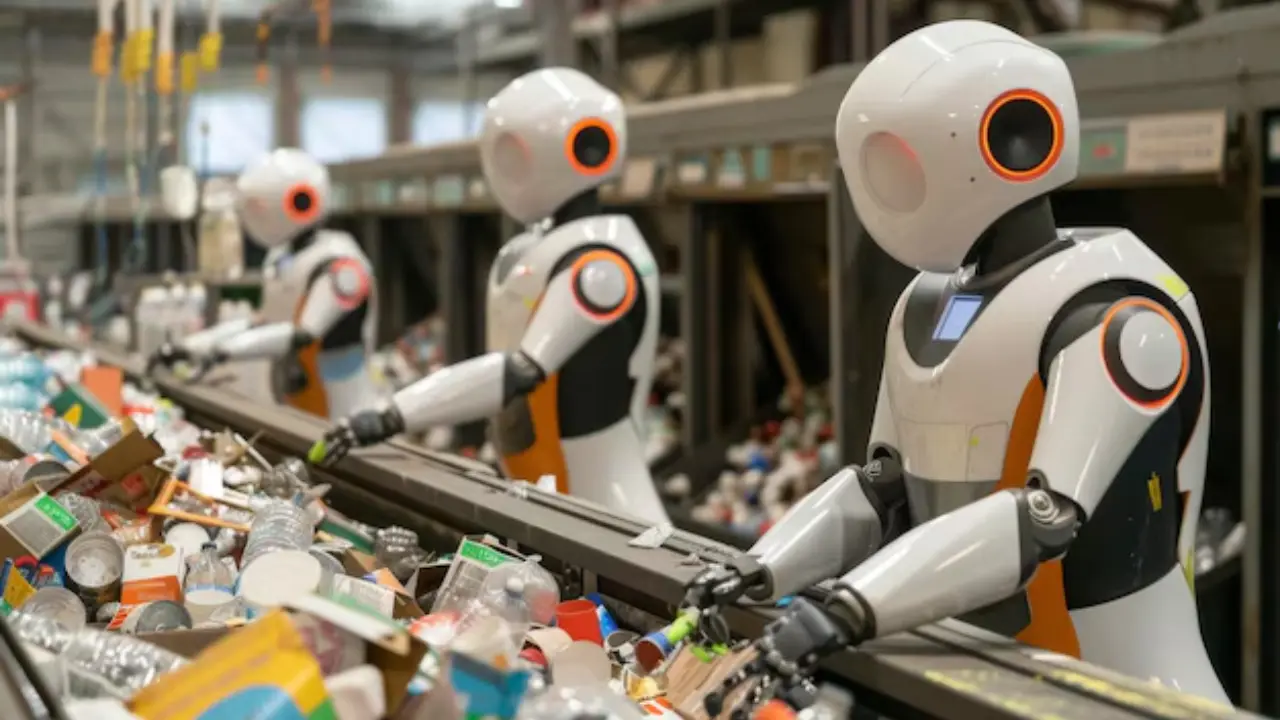
AI’s role in managing global waste
AI is helping in a key role in managing the fight against waste. The International Telecommunication Union says it helps sort, recycle and track rubbish, making systems more efficient and sustainable. Many companies worldwide are using AI to cut landfill use and improve recycling accuracy.
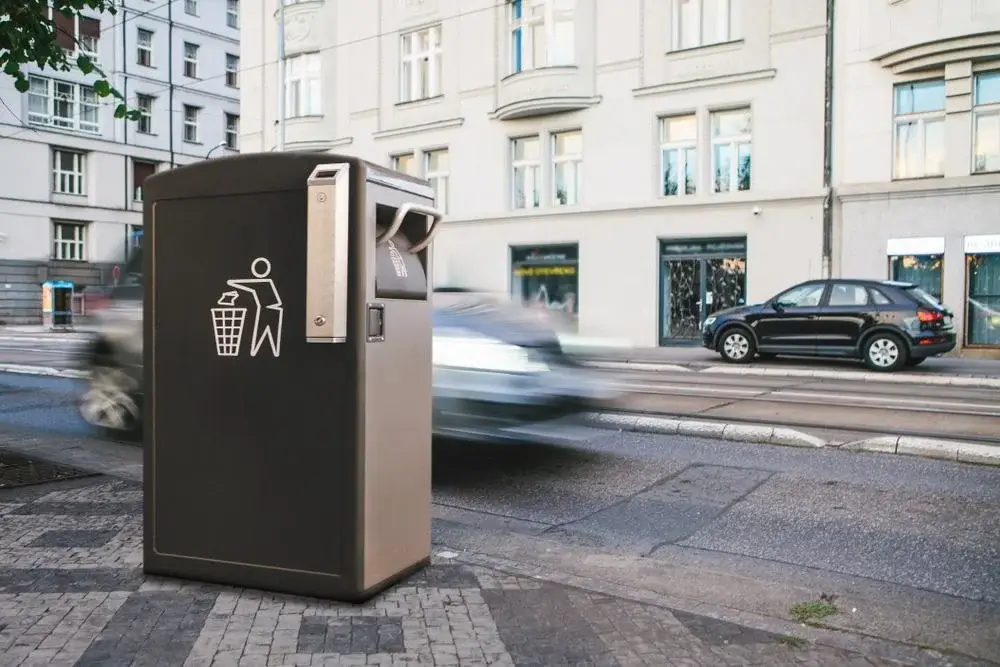
Predicting overflow with smart bins and sensors
Cities are trying smart bins. these bins were fitted with AI sensors that track how full they are and send alerts when they need to be emptied. Real-time monitoring helps save fuel and time while preventing overflow.
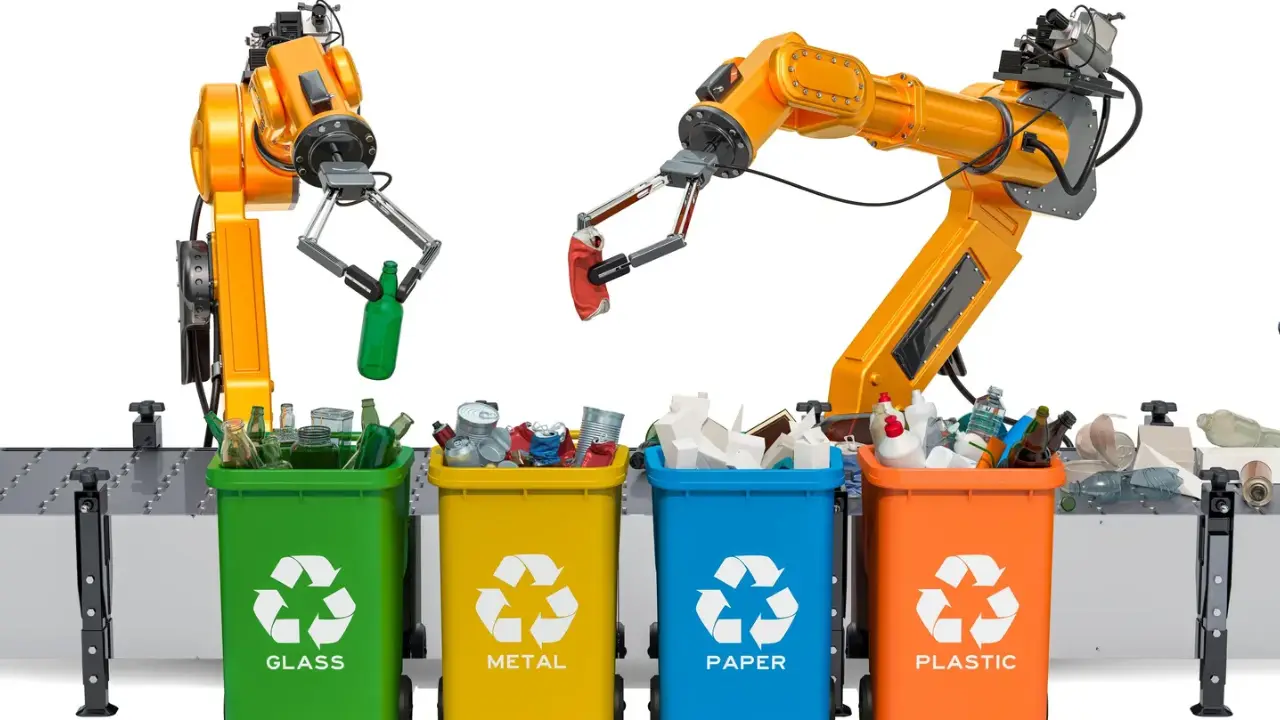
Robots for sorting
Robotic arms powered by AI, such as those from AMP Robotics and ZenRobotics, Are used to sort plastic, paper, metals and other materials at very high speed and precision, reaching around 99 per cent accuracy. This makes recycling faster, cleaner and far less wasteful.
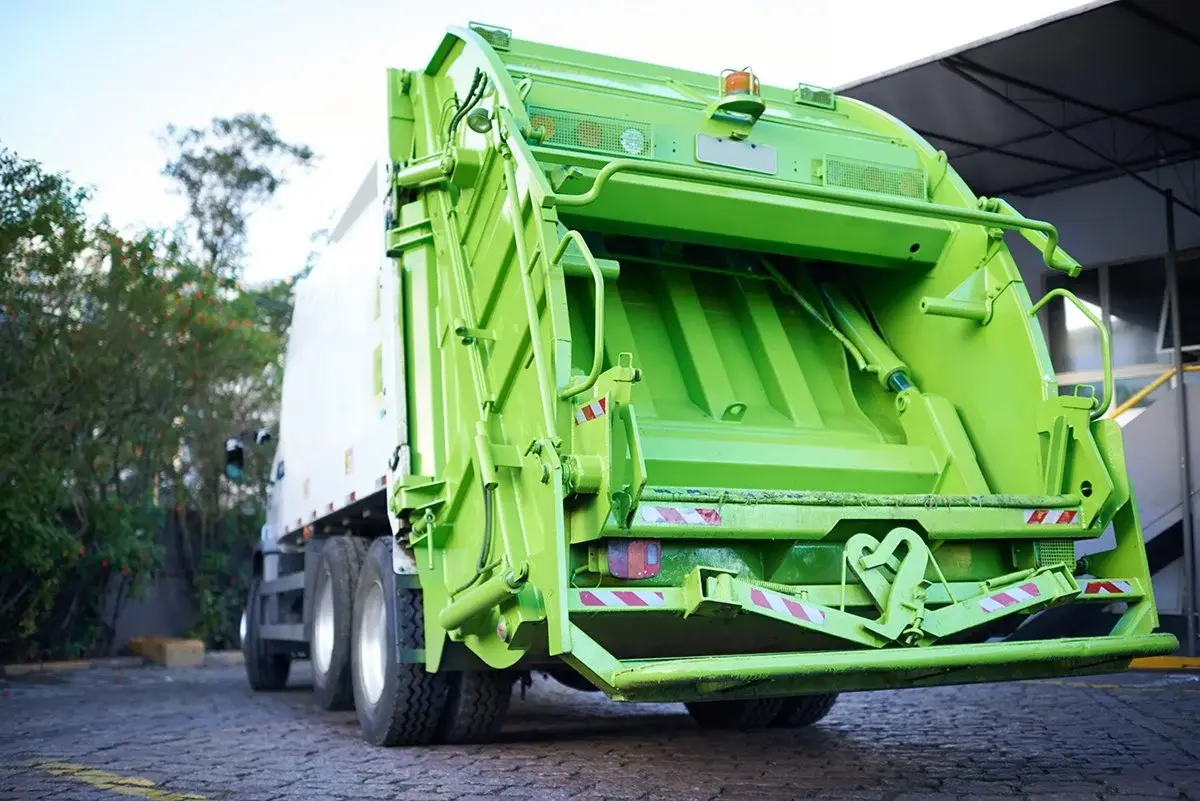
Smarter routes for waste vans
AI is also used to plan the most efficient routes for rubbish collection. Studies from Europe and Asia show these systems reduce transport costs by around 13 per cent and save up to 28 per cent in collection time.
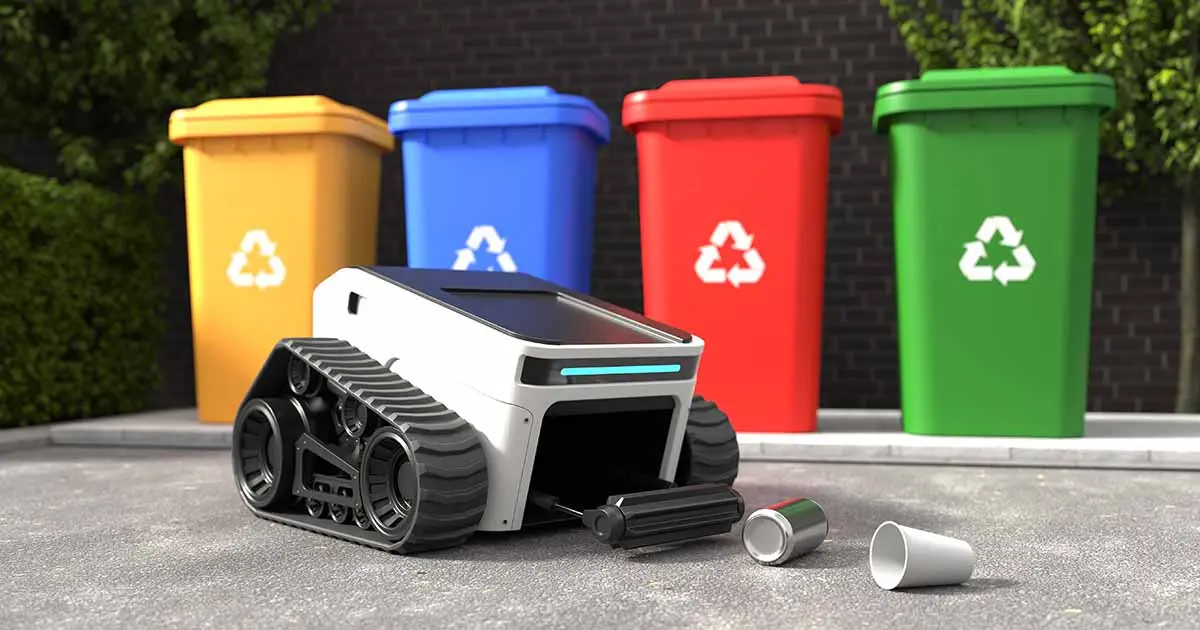
CleanRobotics and NANDO
Systems like CleanRobotics’ TrashBot and Italy’s NANDO use AI to scan and sort rubbish at the bin itself. They also collect data that helps airports, hospitals and large events cut waste and meet zero waste targets.
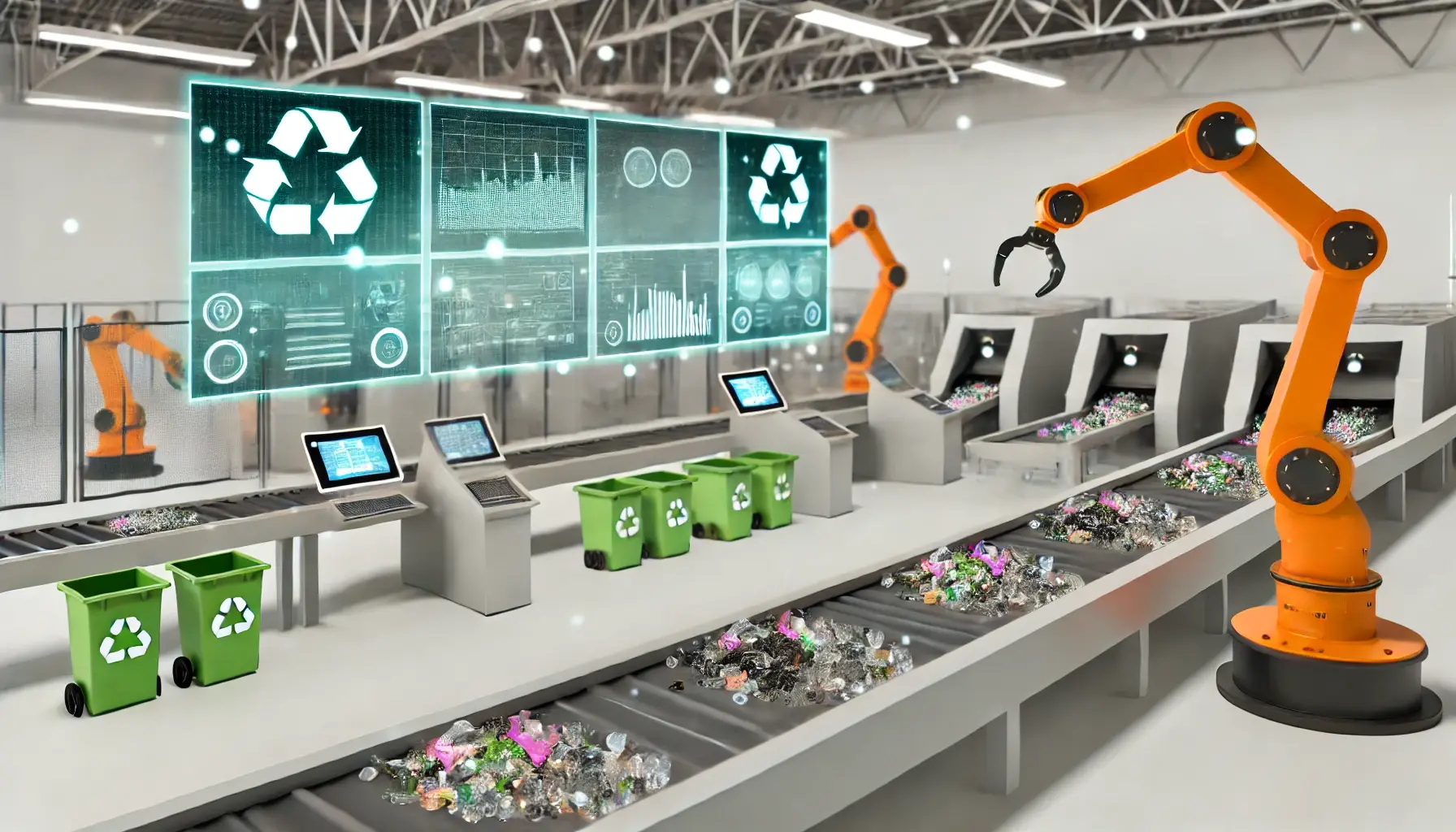
AI image recognition for recycling
Few companies using AI image recognition for recycling like Imagga use AI powered image recognition to identify plastics, glass and metals instantly. Global pilot projects report recycling rates of up to 95 per cent, as the system directs rubbish into the right bin automatically.
Recycling in the future
By 2050 many cities are expected to generate 3.8 billion tonnes of rubbish each year. Greater recycling accuracy means more materials can be reused and less will end up in landfill. Experts say AI could save millions of tonnes of carbon dioxide annually, which will make future cities cleaner, more efficient and far less wasteful.
)
)
)
)
)