AI in agriculture: How robots could soon grow most of our food

Artificial intelligence is transforming agriculture, with the robotics market set to hit $18.6 billion in 2025. From autonomous tractors boosting productivity by 30 per cent to laser-weeding robots cutting chemical use by 90 per cent, technology is addressing labour shortages and more.
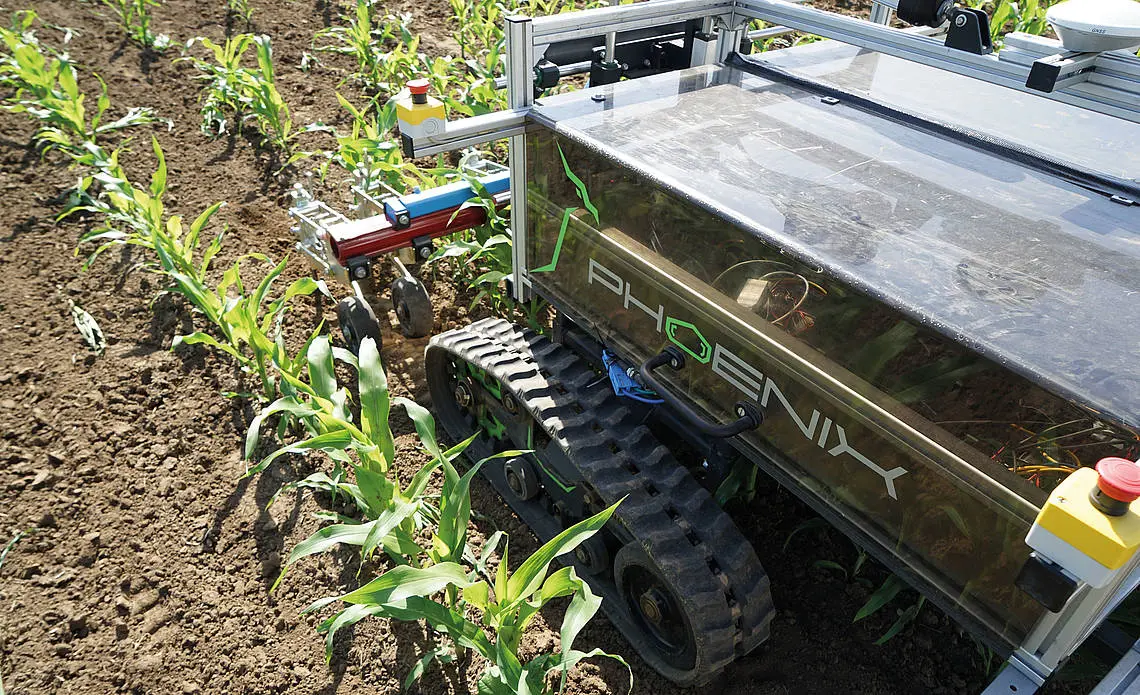
The Rise of Robo-Farmers Market to Hit $18.6 Billion in 2025
The global agriculture robots market is projected to reach $18.6 billion in 2025. Research Nester reports this sector will grow rapidly, driven by the need for automation to stabilise food production and address global workforce challenges.
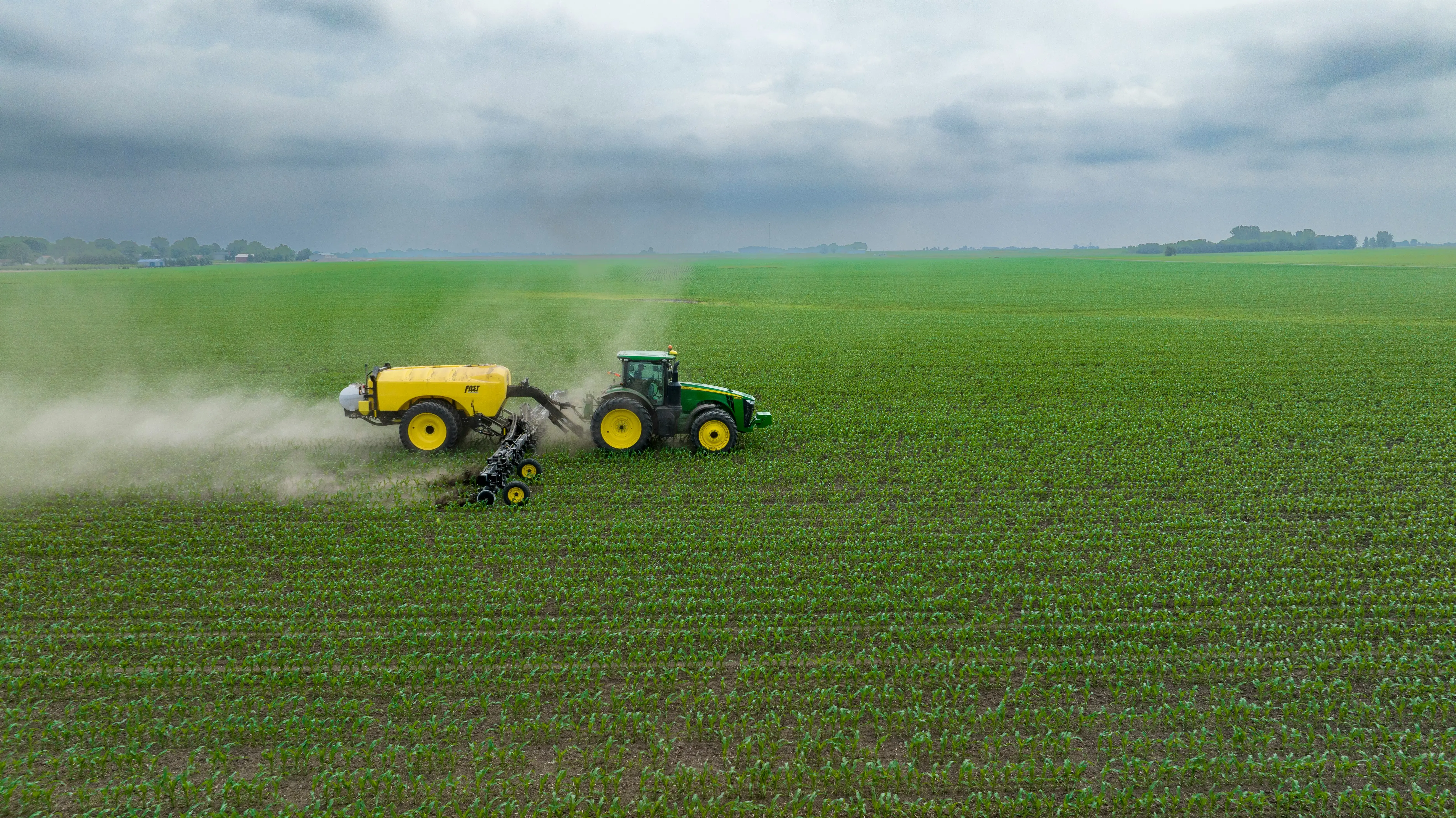
Self-Driving Tractors Boost Yields 30 Per Cent Productivity Jump
Autonomous tractors are set to increase farm productivity by up to 30 per cent by optimising field operations. Farmonaut data suggests these machines can work 24/7, reducing fuel costs and minimising human error in planting and harvesting.
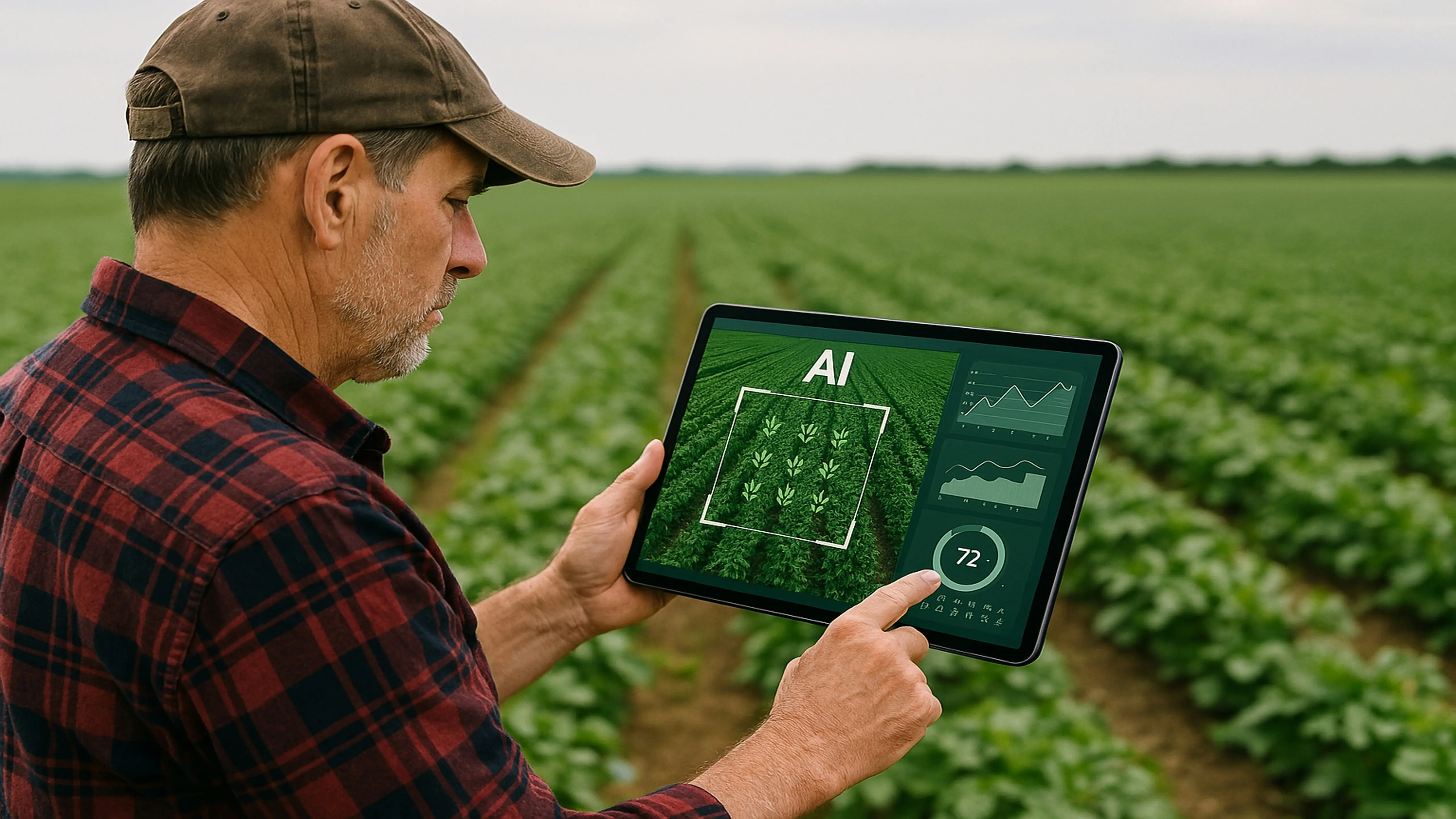
Lasers vs Chemicals Cutting Herbicide Use by 90 Per Cent
AI-powered weeding robots can now distinguish between crops and weeds, targeting unwanted plants with micro-doses of chemicals or lasers. Blue River Technology states this precision can reduce herbicide usage by up to 90 per cent, saving costs and soil.
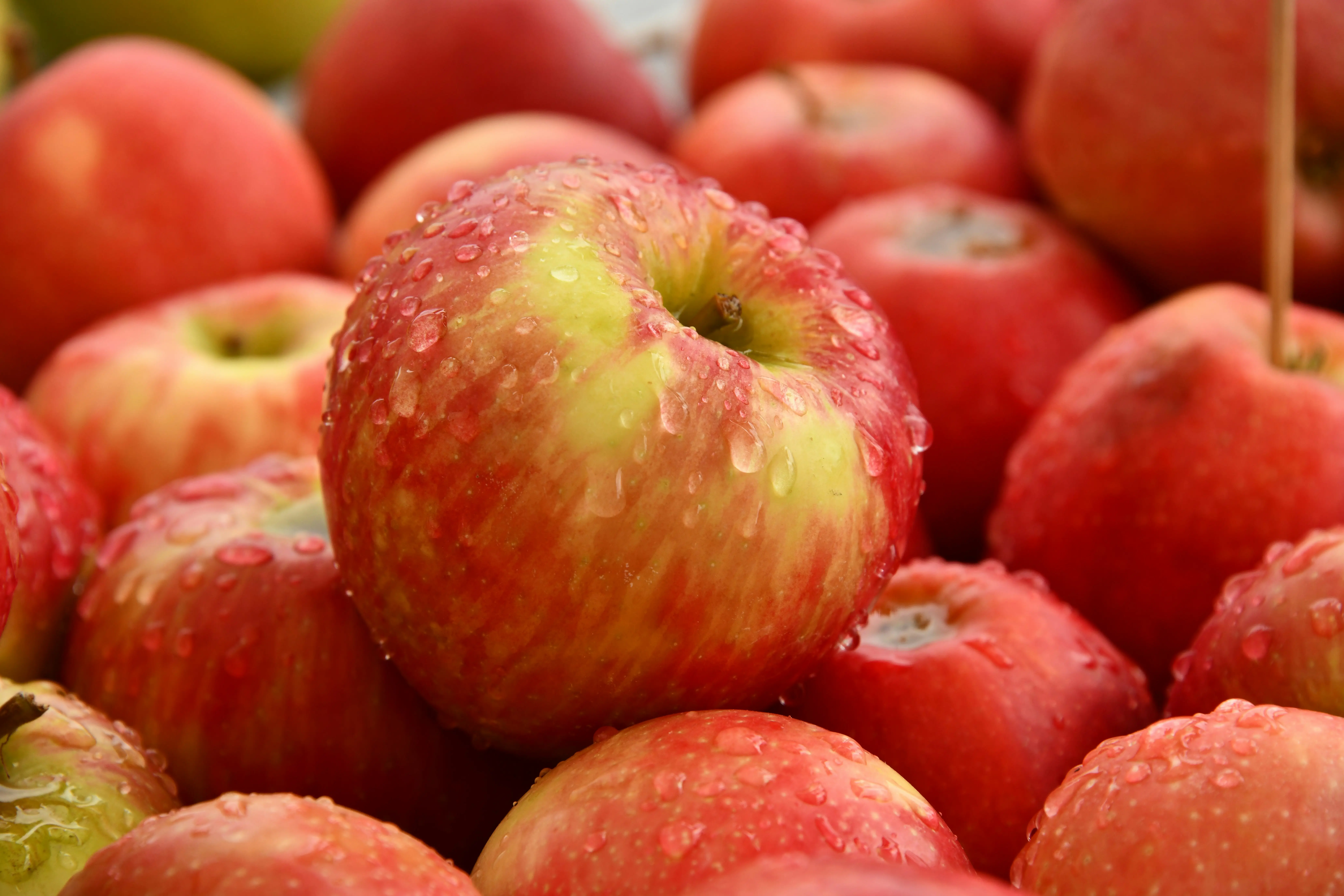
High-Speed Fruit Picking Harvesting Apples in 7 Seconds
New autonomous robots can identify and pick ripe fruit without damaging it. Inceptive Mind reports that advanced systems can harvest an apple in just seven seconds, offering a solution to the critical shortage of seasonal fruit pickers.
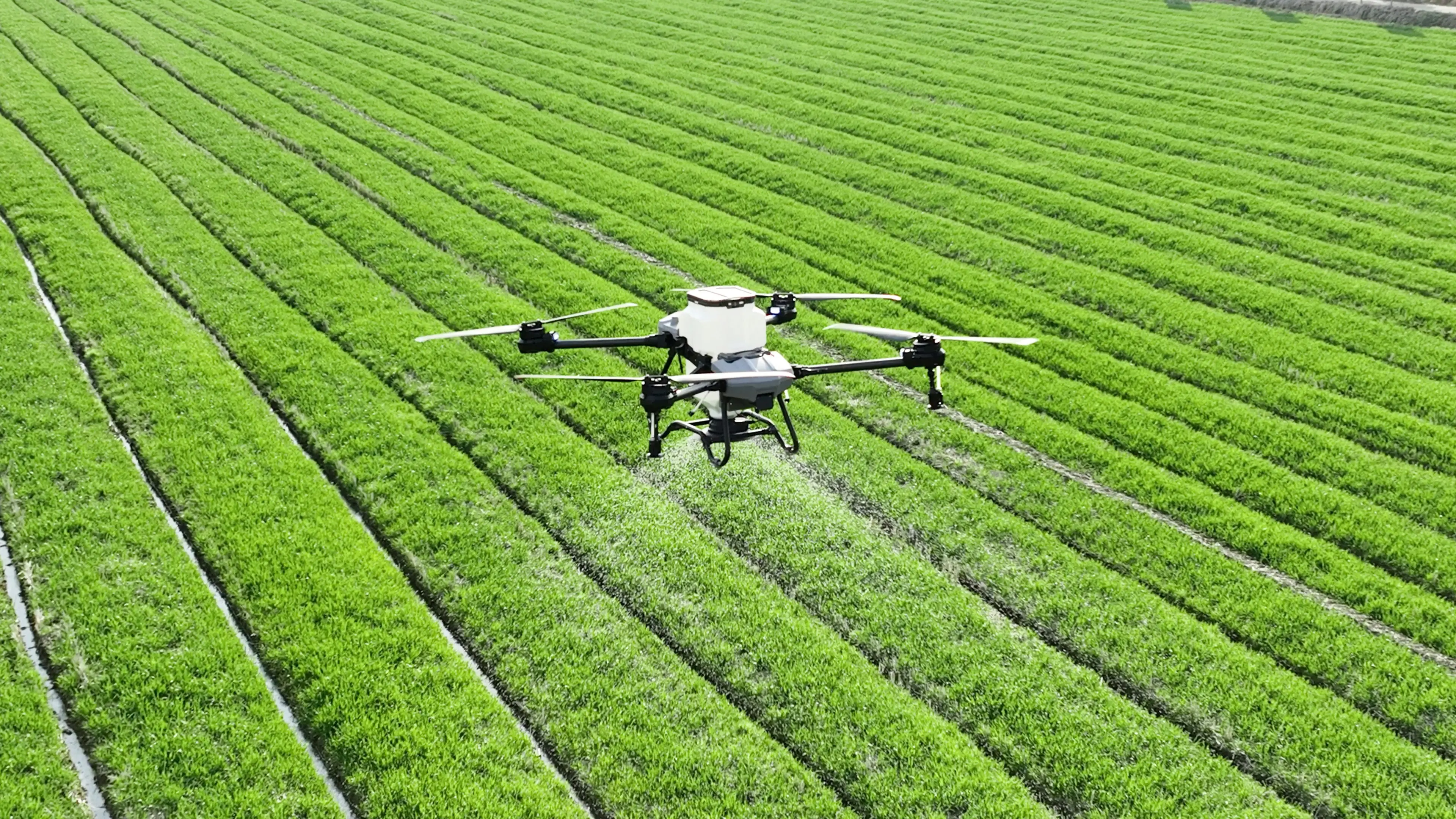
Drones Saving Billions $1.3 Billion Savings for Farmers
Agricultural drones equipped with AI sensors monitor crop health and soil conditions from the sky. Keymakr estimates that for corn, soybean, and wheat farmers alone, these drones could generate annual savings of $1.3 billion through precise resource management.
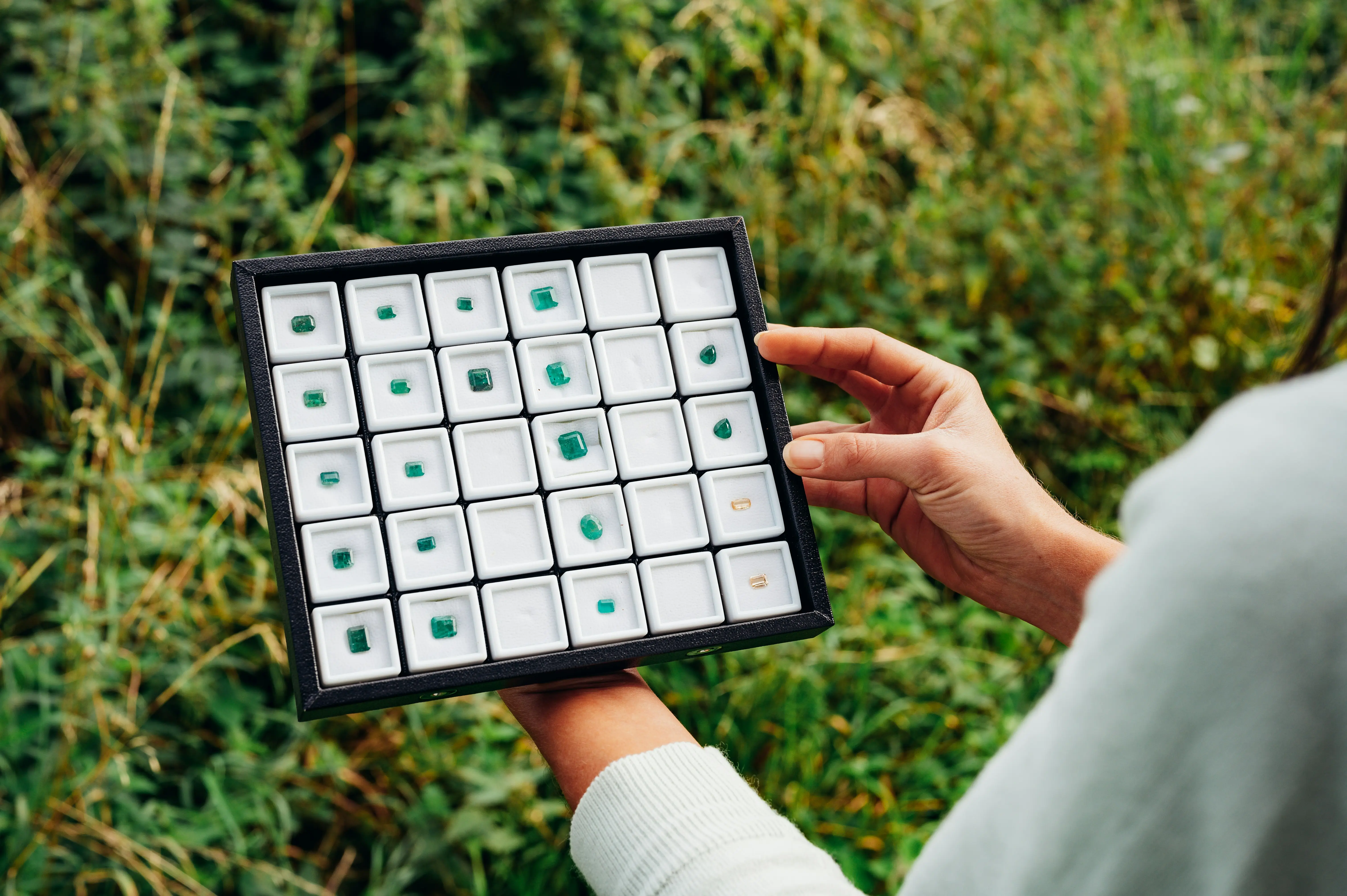
Vertical Farming Revolution Yields Up by 70 Per Cent
AI-driven automation in vertical farms is projected to increase crop yields by up to 70 per cent compared to traditional methods. Industry analysis indicates that by 2025, smart climate control will allow year-round production in urban areas.
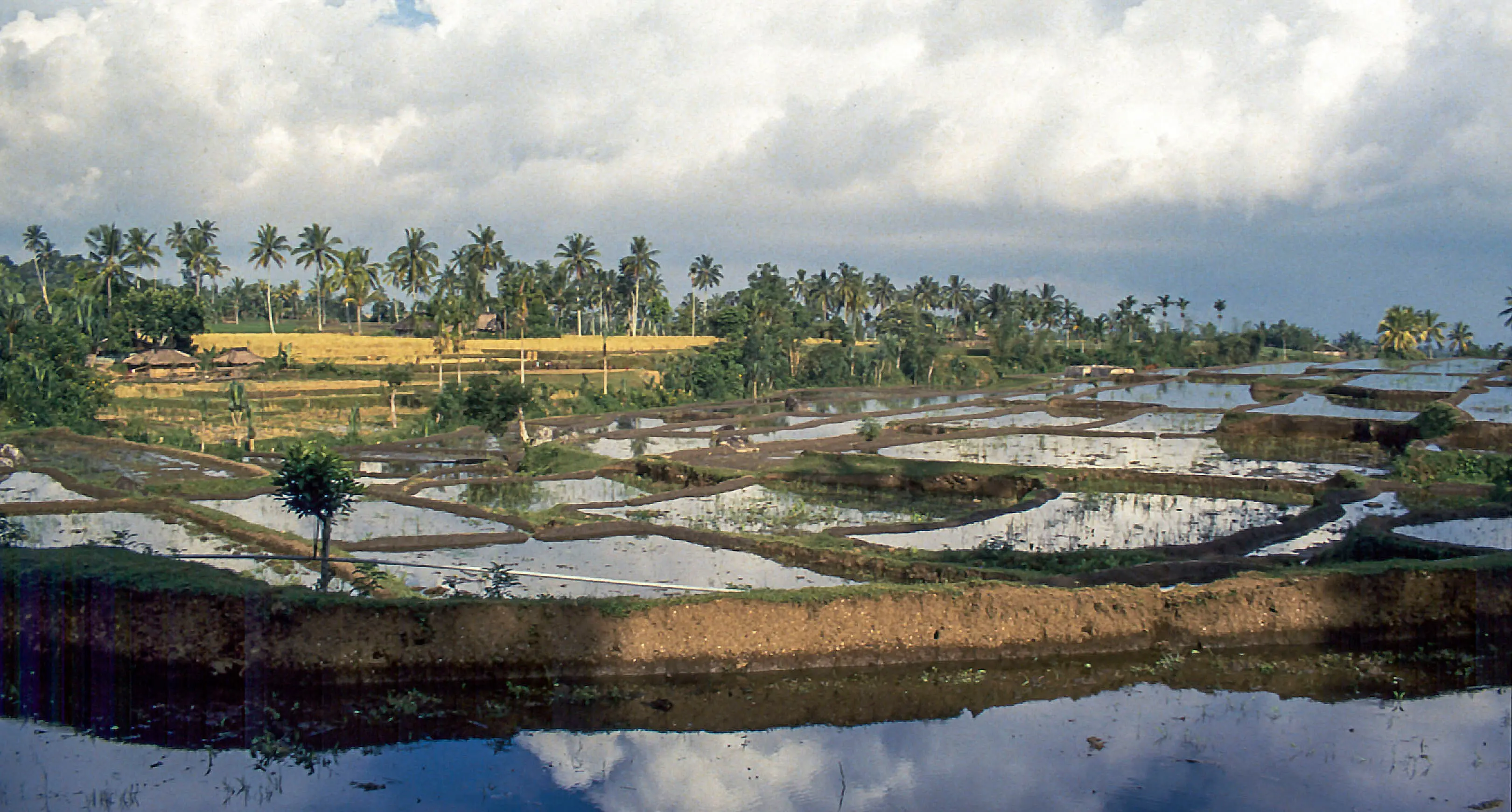
Precision Water Management Reducing Water Use by 25 Per Cent
Smart irrigation systems use soil sensors and weather data to water crops only when necessary. Keymakr reports that these AI-driven platforms can reduce agricultural water usage by up to 25 per cent while maintaining optimal growth.
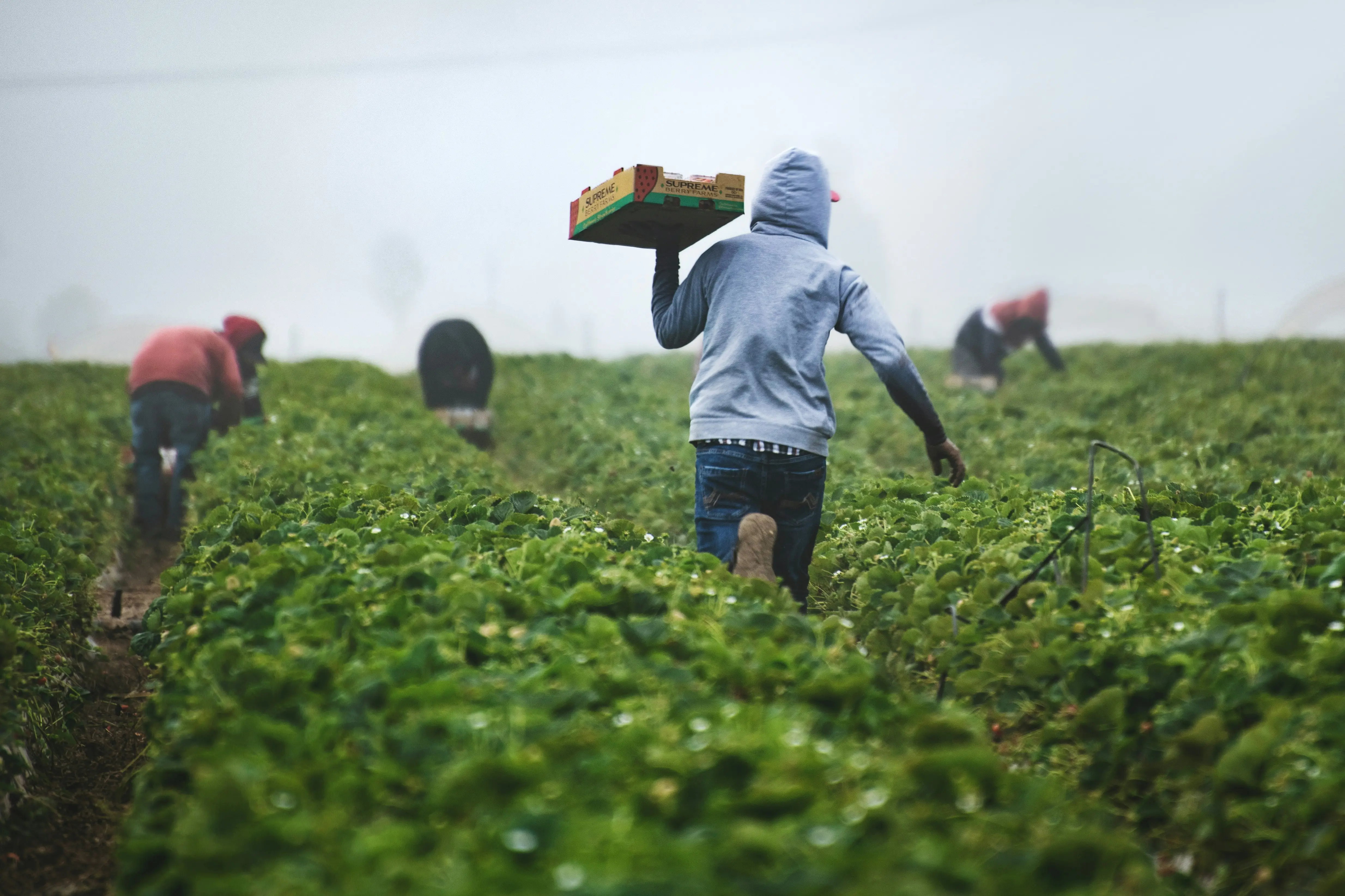
Solving the Labour Crisis Filling 100,000+ Vacancies
With severe labour shortages predicted such as Canada’s expected gap of 114,000 workers automation is becoming essential. The World Economic Forum highlights that robots are stepping in to perform repetitive tasks, securing the food supply chain.
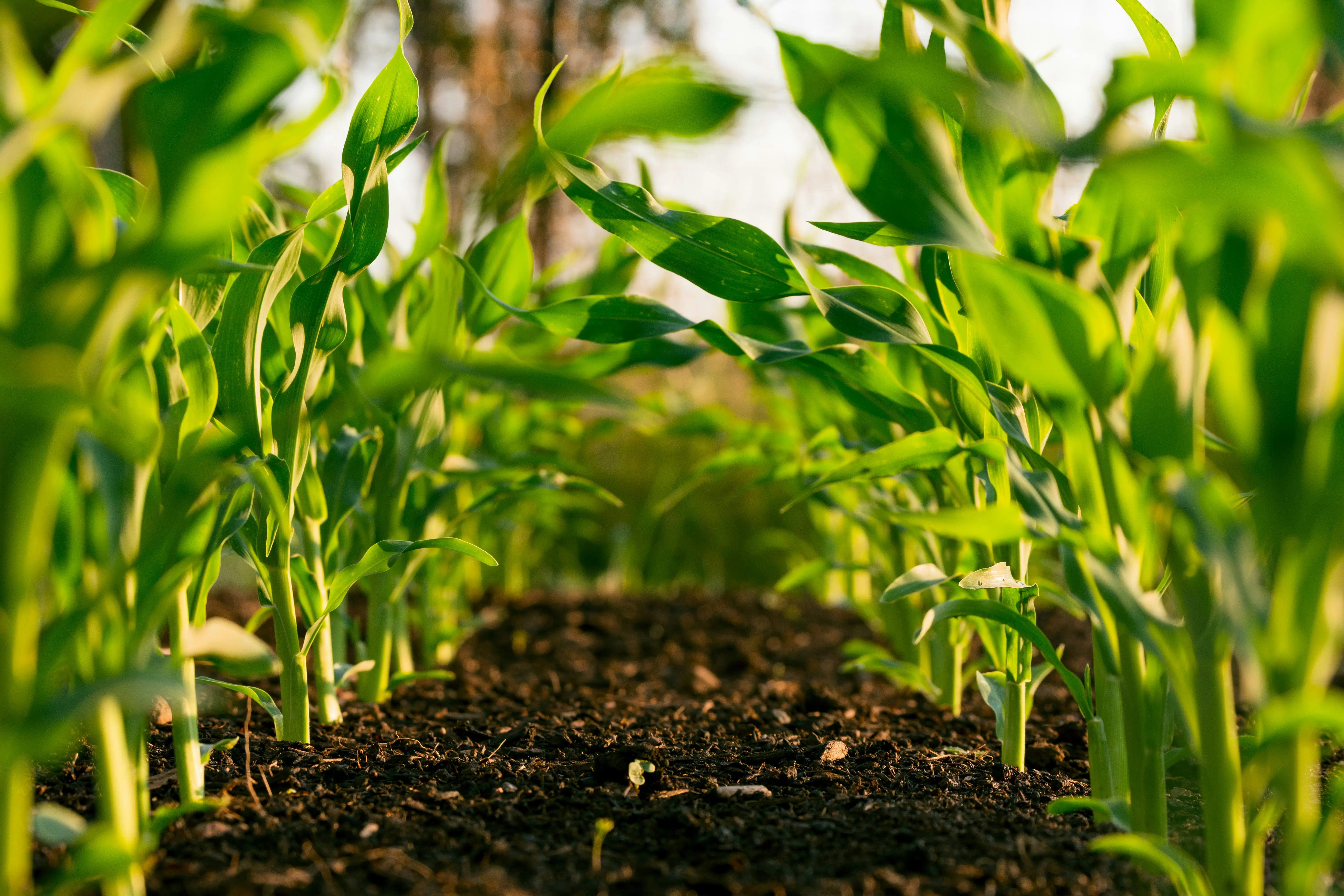
Smarter Soil Health Optimising Fertiliser Inputs
AI robots now analyse soil nutrient levels in real-time, preventing the overuse of fertilisers. Farmonaut notes this technology helps farmers apply the exact amount of nutrients needed, reducing environmental runoff and improving crop quality.
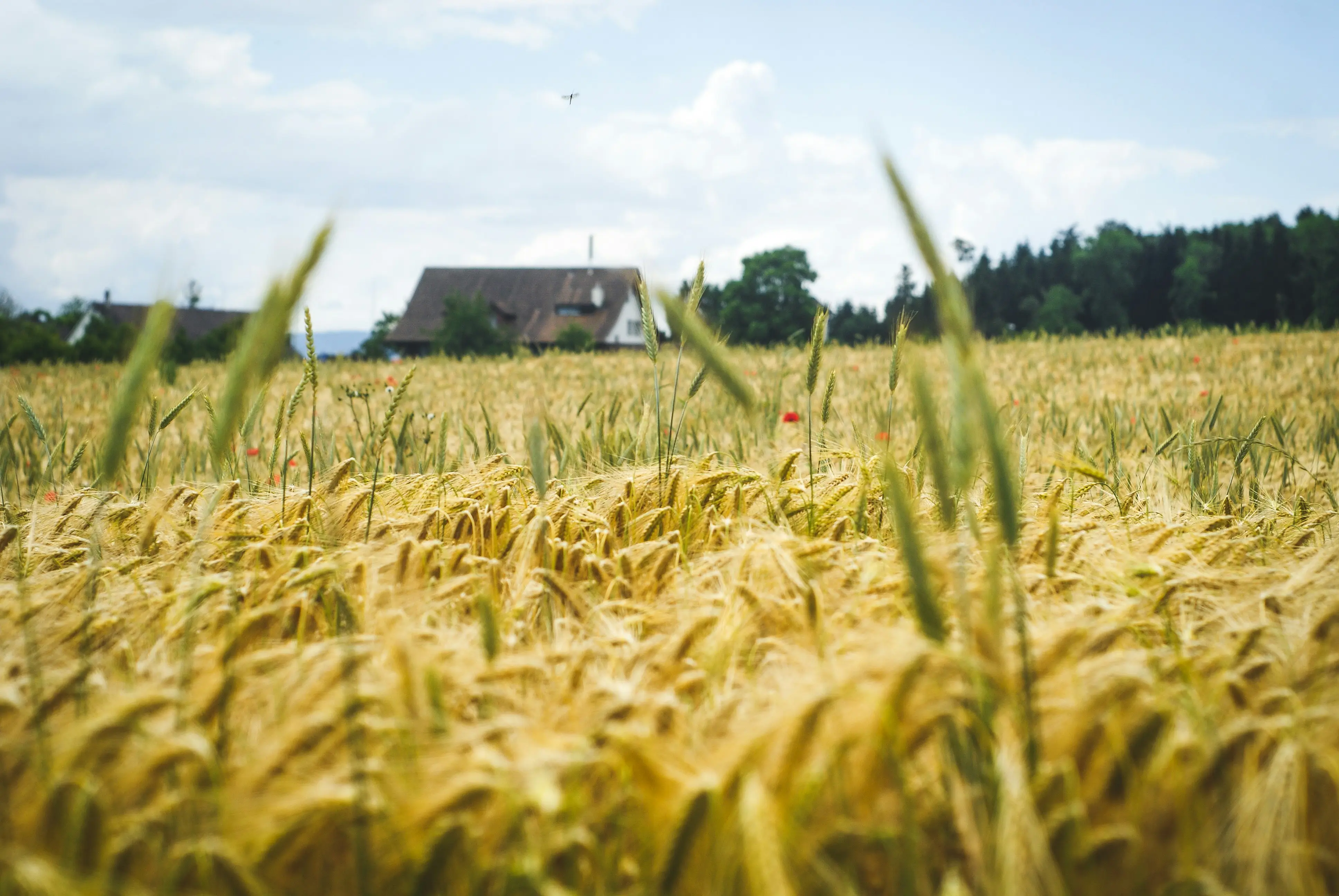
The Future is Automated One-Third of Farms to use AI
By the end of 2025, reports suggest nearly a third of global farms will utilise some form of AI robotics. This shift marks the beginning of the 'smart agriculture' era, where data and machines work together to feed a growing population.
)
)

)
)