AI-enabled future weapons: Most advanced fighter jet weapon systems in the world

Fighter jets are evolving fast from AI-guided missiles to laser weapons and hypersonic speed. Know how modern warplanes are combining old firepower with futuristic tech to stay dominant in the skies. The future of aerial combat is already here.
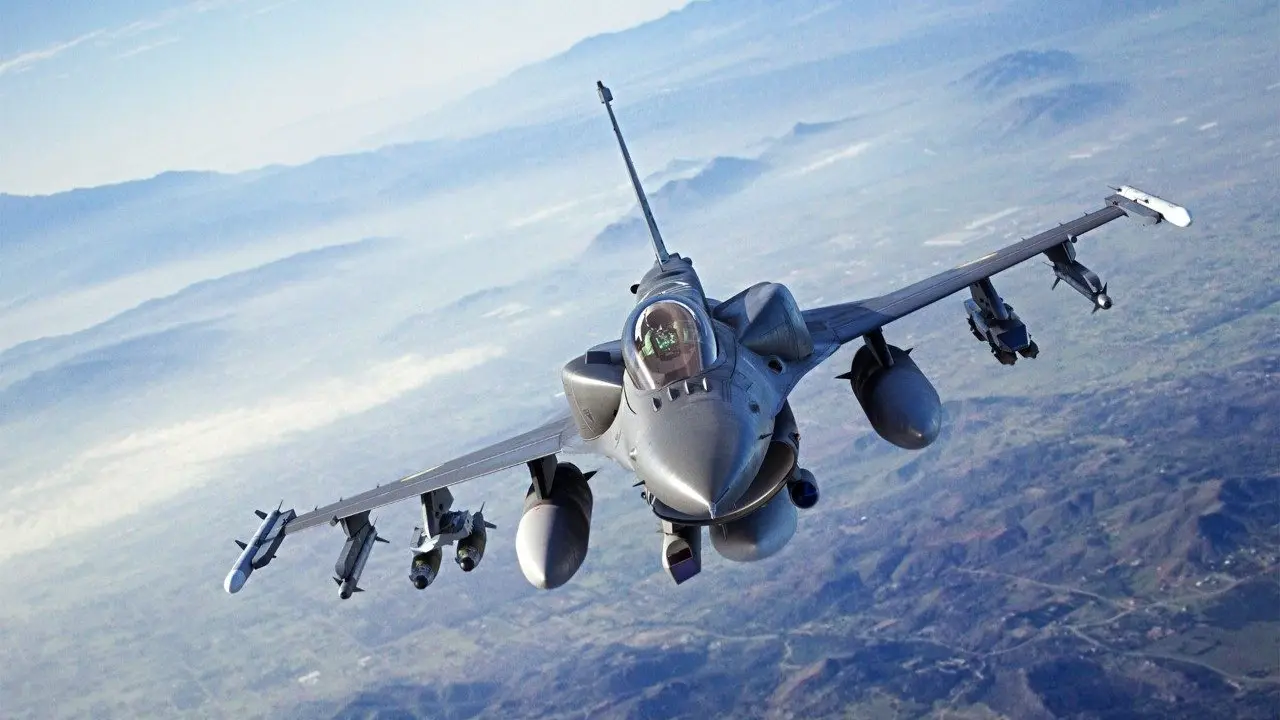
AI-guided weapons
AI helps guide new missiles and missiles pods with extreme accuracy, lowering collateral damage and boosting success in complex targets. For example, recent loitering munitions can adjust targeting en route using AI, a breakthrough seen in modern drone tech.
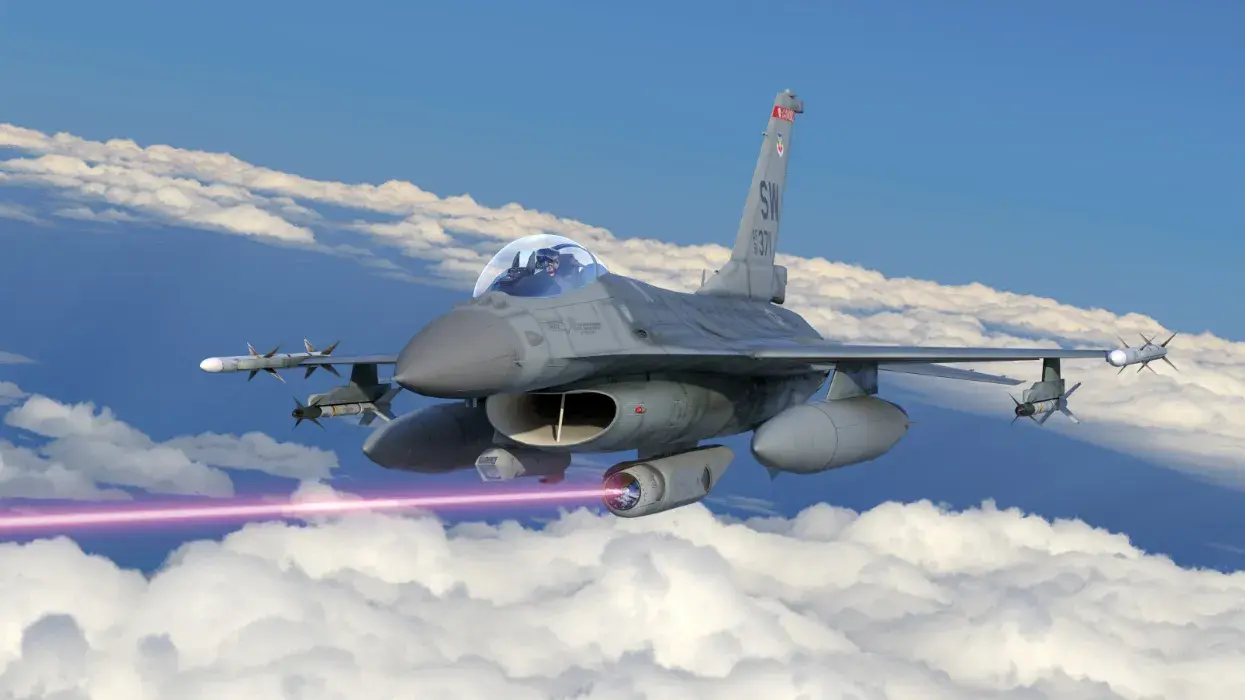
Directed Energy Weapons - Lasers in combat
Directed energy weapons, like solid-state lasers, are being tested to disable or destroy enemy drones and missiles instantly. Lockheed Martin’s Mako laser is expected to be integrated on jets like the F-35, offering silent, speed-of-light attacks.
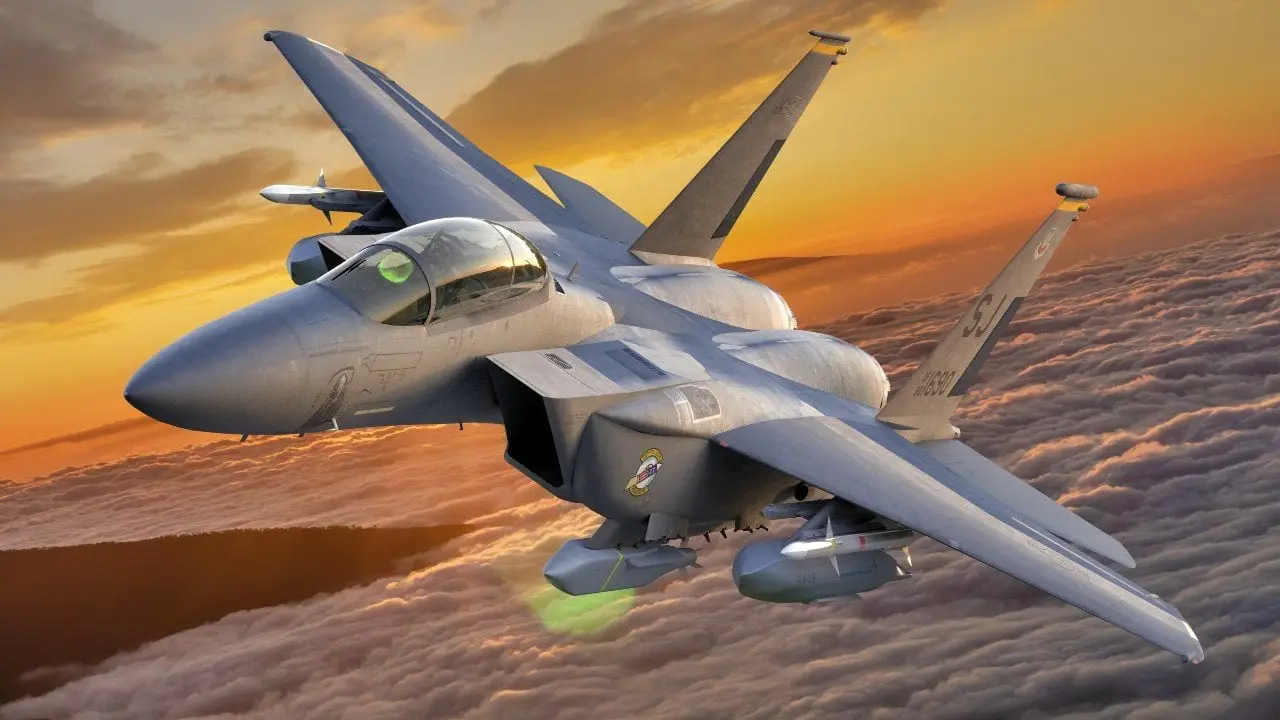
Advanced Electronic Warfare Pods
New electronic warfare (EW) pods can jam or spoof enemy radar and missiles in real time. Systems like the Eagle Passive/Active Warning and Survivability System (EPAWSS) on the F-15EX disrupt threats while keeping the pilot safe.
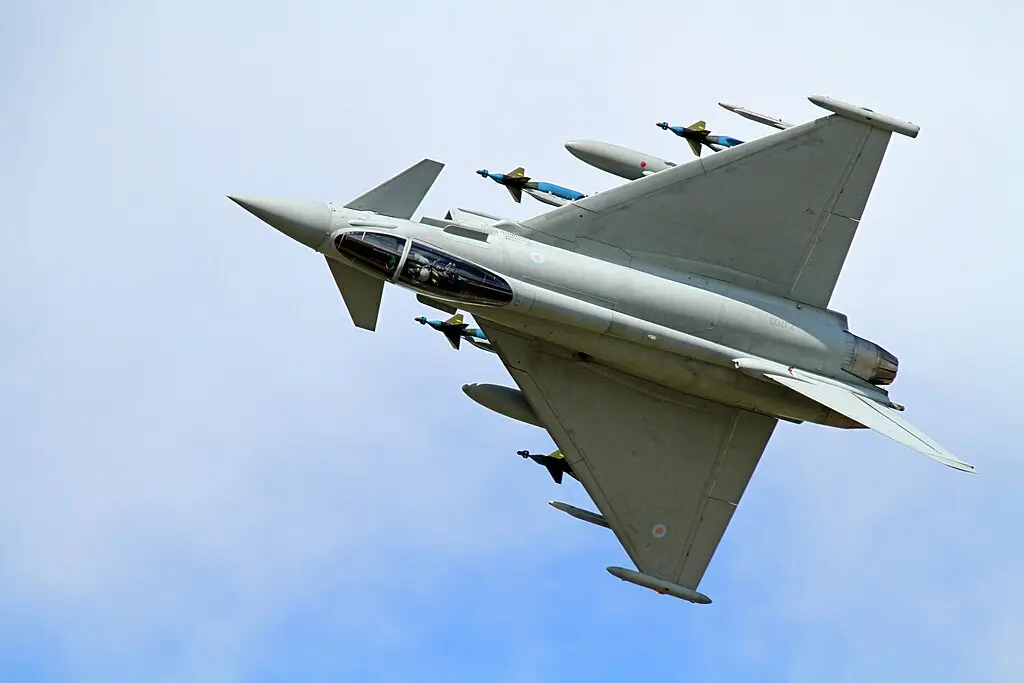
Hypersonic weapons
Hypersonic missiles, capable of speeds over Mach 5, reduce enemy reaction time drastically. They often use AI guidance to navigate complex paths and avoid defences, shaping next-gen strike missions.
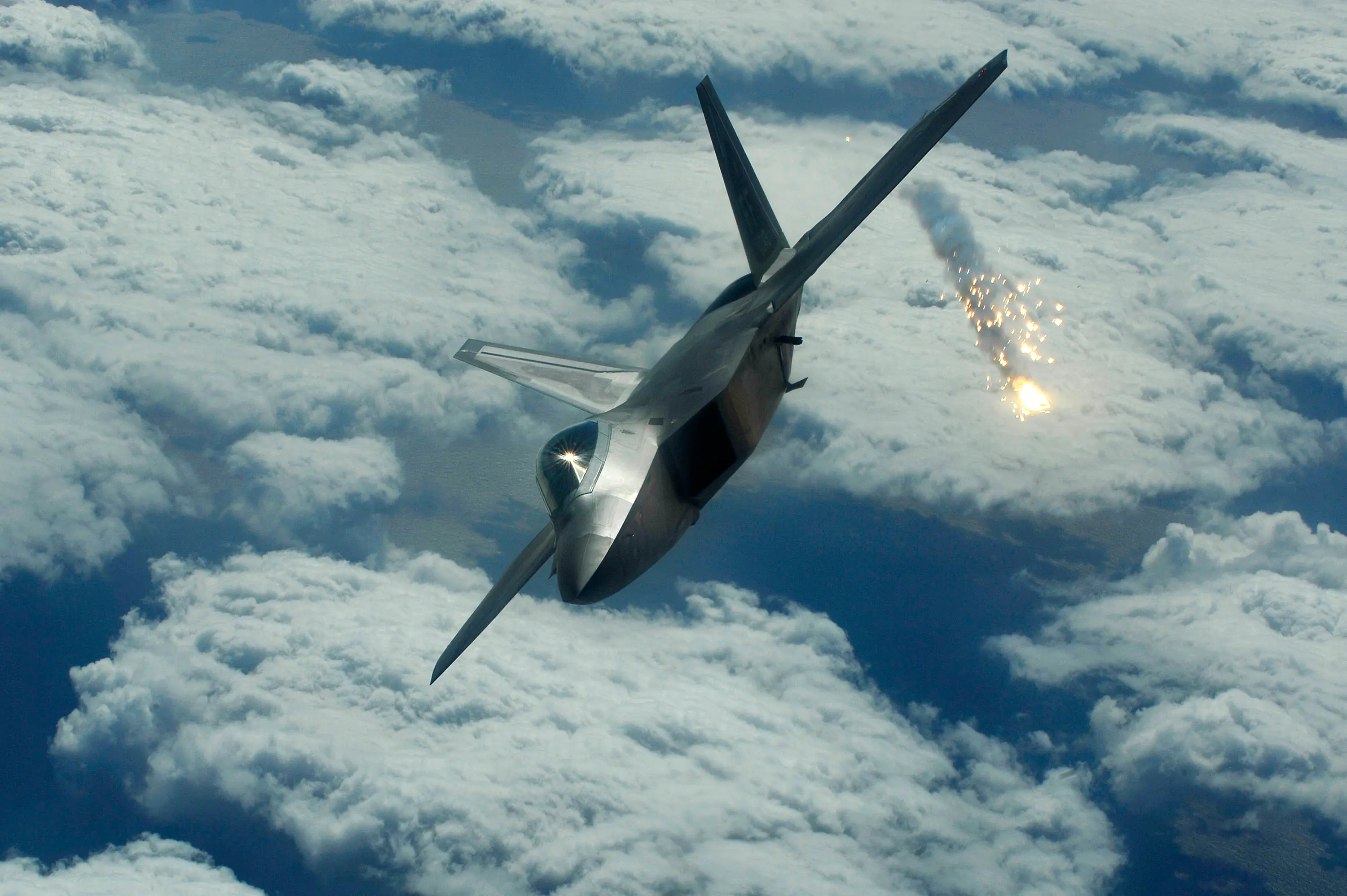
Networked smart missiles
Fighter jets now launch missile swarms that communicate and spread out to overwhelm enemy defences. These missiles share targeting data, increasing kill chances and adapting mid-flight.
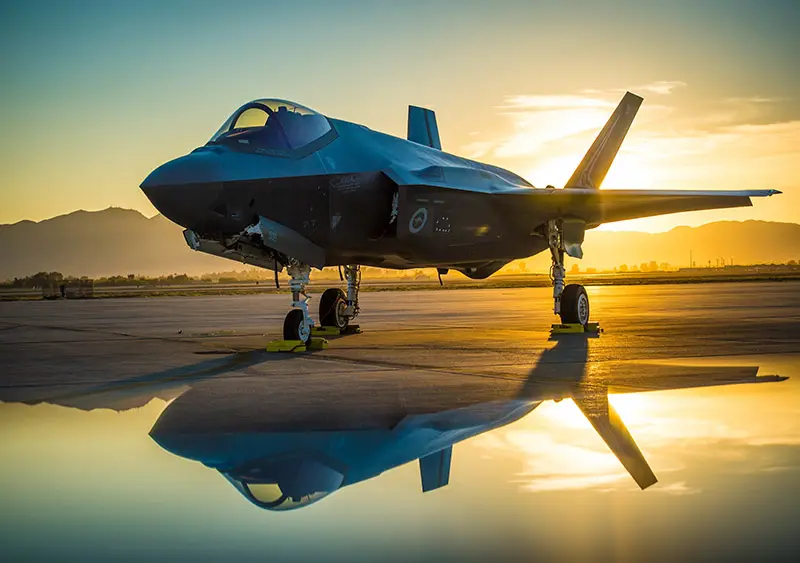
Multi-sensor targeting systems
Jets are equipped with advanced sensor fusion (radar, infrared, optical) to detect hidden or stealthy targets early. The F-35’s Distributed Aperture System (DAS) gives pilots 360-degree awareness using multiple infrared sensors.
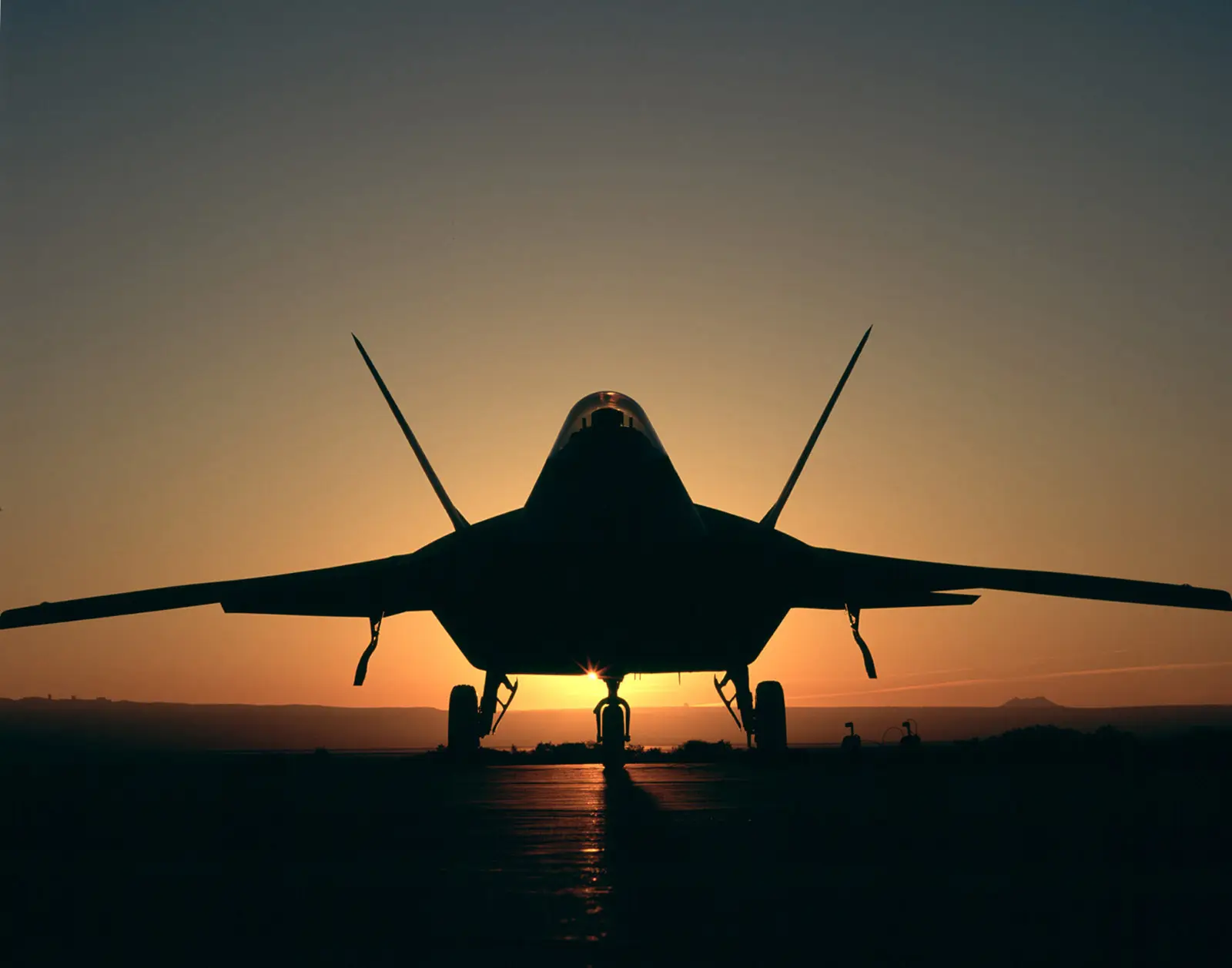
Jets Future tech
Modern fighters mix classic air-to-air and air-to-ground weapons with cutting-edge upgrades to stay ahead. They carry traditional missiles, bombs, but also integrate new laser, AI-guided, and smart swarm tech to dominate future battlefields.
)
)
)
)
)