AI data centres in space? Jeff Bezos thinks its possible in next 10 years

Traditional ground-based data centres now demand massive amounts of electricity and water, with projections showing their energy usage doubling over the next decade, raising urgent concerns about sustainability and cost.

AI Drives Unprecedented Data Demand
Global adoption of artificial intelligence and cloud computing has triggered exponential growth in data centre infrastructure, pushing energy consumption to historic highs and straining terrestrial resources.
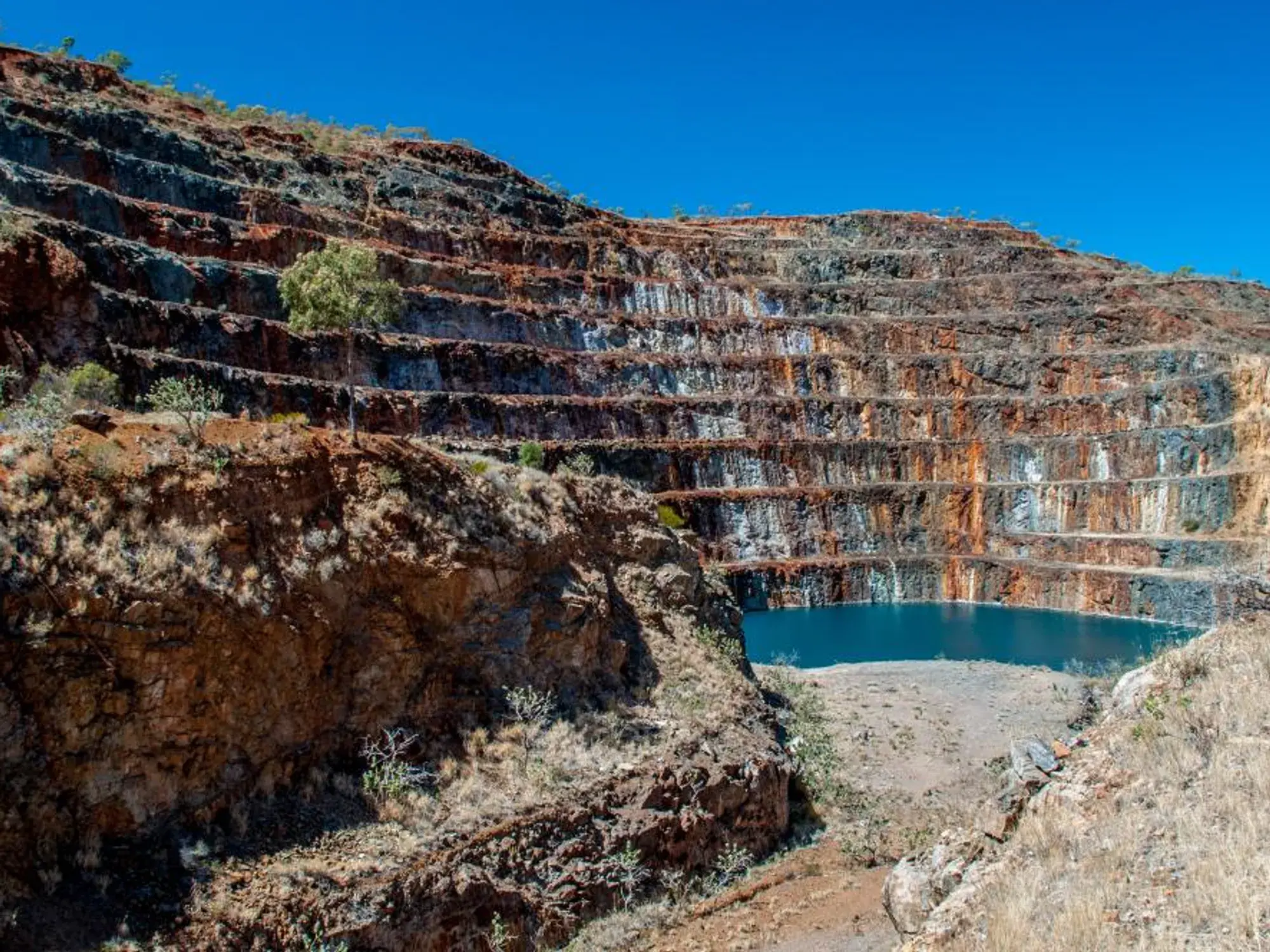
Earth’s Energy Crisis Escalates
Traditional ground-based data centres now demand massive amounts of electricity and water, with projections showing their energy usage doubling over the next decade, raising urgent concerns about sustainability and cost.

AI Drives Unprecedented Data Demand
Global adoption of artificial intelligence and cloud computing has triggered exponential growth in data centre infrastructure, pushing energy consumption to historic highs and straining terrestrial resources.
The Limits of Terrestrial Solutions
Attempts to upgrade and expand terrestrial data centers meet barriers, land shortages, high cooling demands, environmental opposition, and unreliable weather all challenge further growth and optimization.

Bezos’s Bold Vision for Space Data Centers
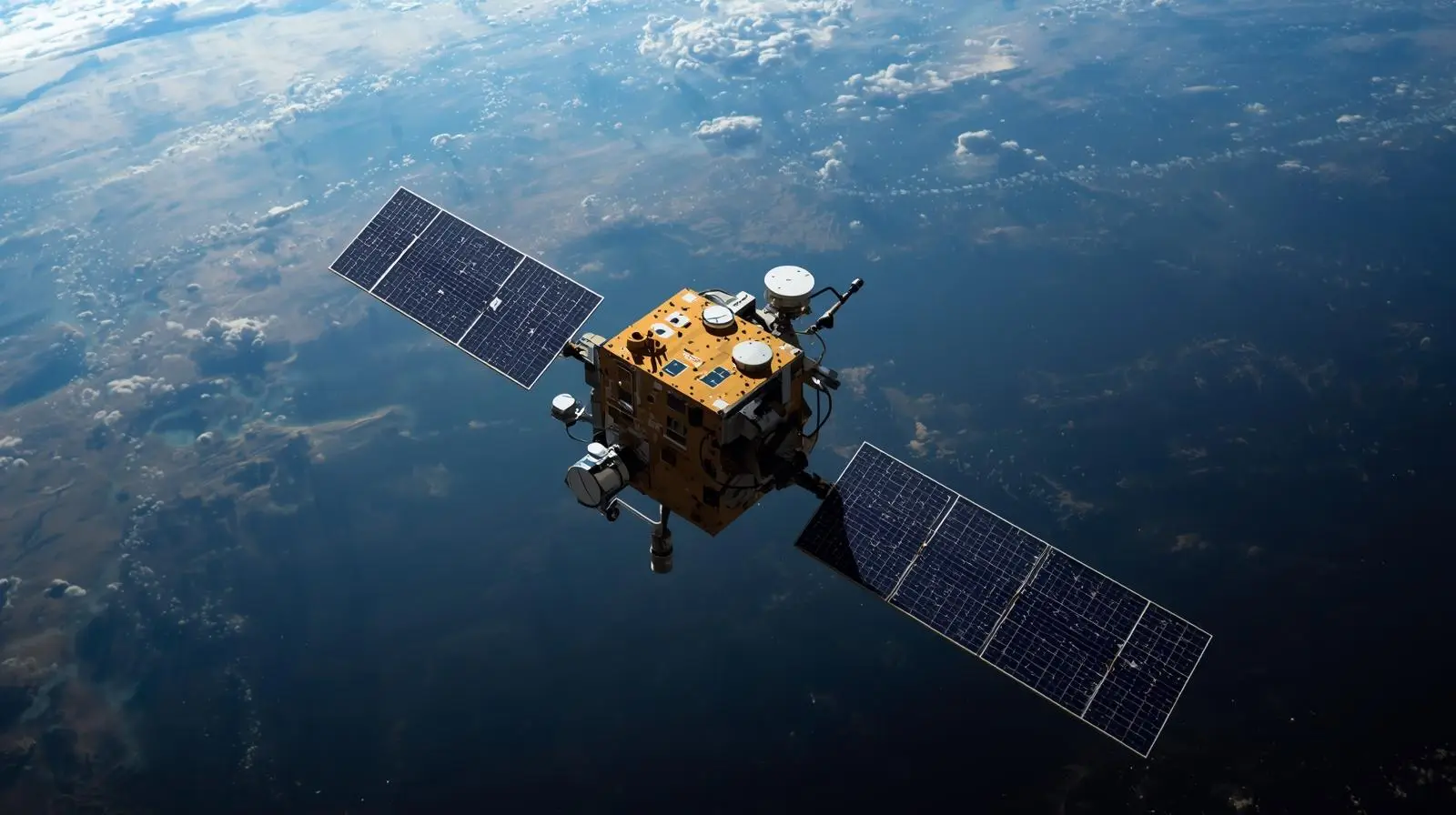
At Italian Tech Week, Jeff Bezos declares that within 10–20 years, gigawatt-scale data centres will be built in orbit, leveraging uninterrupted solar power to enable more powerful, efficient, and potentially cost-effective computing than ever before.

Extreme Technical and Logistical Hurdles
Realising Bezos’s vision faces daunting obstacles: satellite maintenance complexity, difficulty in upgrading hardware, enormous rocket launch expenses, and the risks of catastrophic failure—all create significant headwinds and uncertainty.

Early Pioneers and Prototype Efforts
Companies like StarCloud (formerly Lumen Orbit) are pioneering orbital AI clusters, planning to launch demonstrator satellites equipped with leading-edge GPUs, aiming to prove the technological and economic case for space-based data centres by 2025.

Toward a New Infrastructure Age
If technical barriers can be overcome, orbital data centres could transform digital infrastructure, supplying sustainable power, alleviating Earth’s energy crisis, and setting the stage for advanced manufacturing and computing in space, fundamentally reshaping the relationship between terrestrial and extraterrestrial technology.
)
)
)

)