Ahmedabad plane crash: What are aircraft flaps and how do they help during take-off and landing?

The tragic Air India flight AI-171 crash in Ahmedabad has once again raised questions about how aircraft systems work. One key component often mentioned in crash investigations is the aircraft’s flaps. Here's a breakdown of what they are and why they matter.
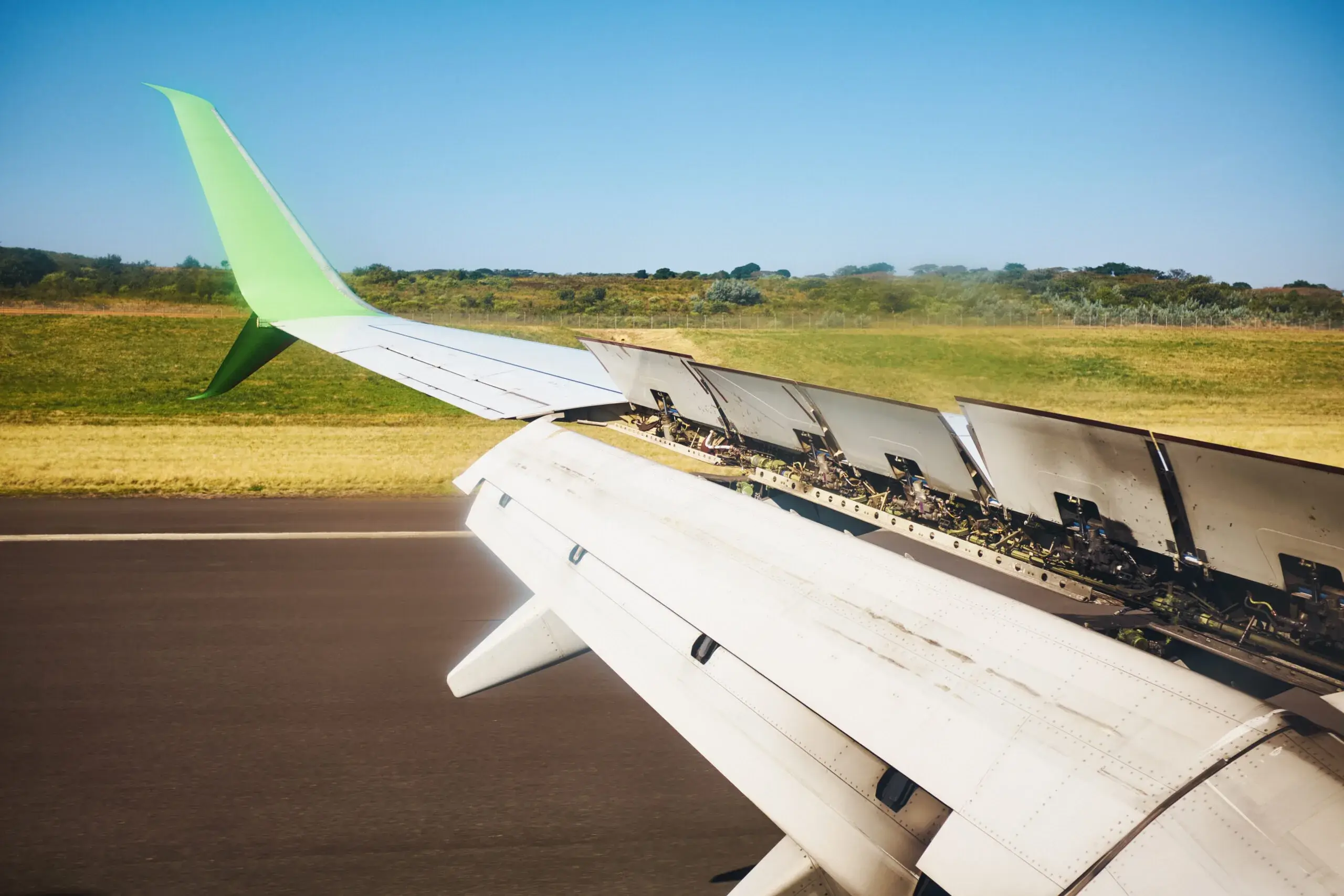
What Are Flaps?
Flaps are hinged surfaces located on the trailing edge of an aircraft’s wings. They are typically used during take-off and landing to alter the shape of the wing temporarily and enhance lift at slower speeds.
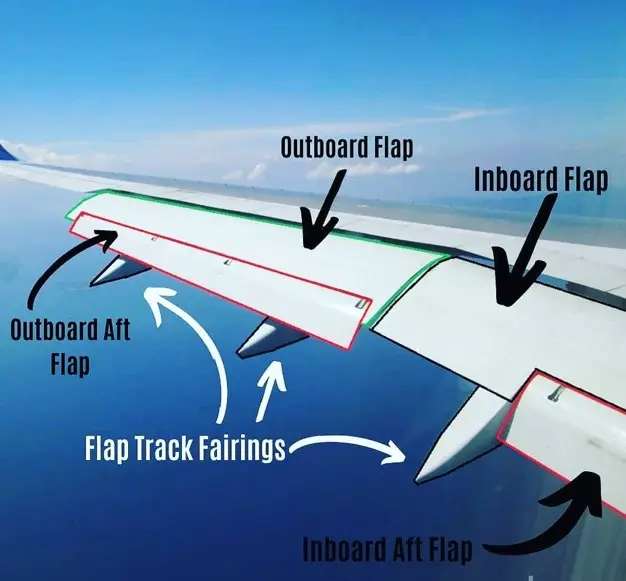
How Flaps Work
When deployed, flaps extend downward and sometimes backward, increasing the wing’s surface area and curvature (camber). This allows the plane to generate more lift even when flying slowly — a crucial factor during take-off and landing.
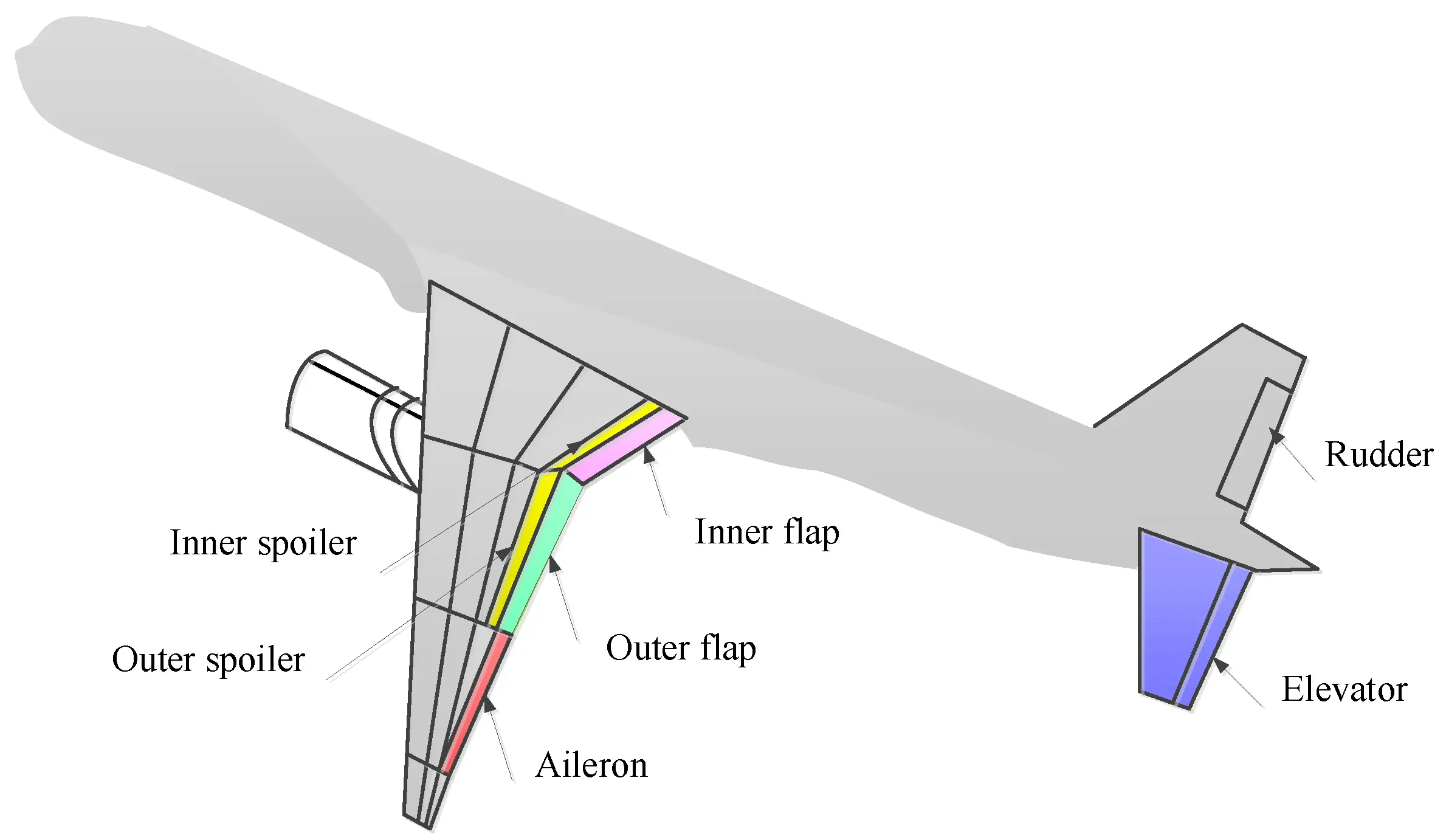
Flaps During Take-off
During take-off, pilots deploy flaps to a small angle. This helps the aircraft lift off the ground at a lower speed and shorter runway length. However, deploying too much flap during take-off can increase drag and slow down acceleration.

Flaps During Landing
In contrast to take-off, flaps are fully extended during landing. This creates high drag and high lift, allowing the aircraft to descend steeply at a slower speed without stalling. It also helps in reducing the landing rollout distance.
Flaps and Aircraft Safety
Improper flap deployment, delayed response, or flap failure can significantly impact an aircraft’s performance during take-off or landing. These incidents are often investigated closely in the aftermath of a crash.

What Could Go Wrong with Flaps?
Flap malfunctions can arise from hydraulic failure, software glitches, or mechanical damage. If a flap does not extend symmetrically or fails to lock into place, it can lead to imbalance, increased drag, and loss of control.

Role of Flaps in the Ahmedabad Crash?
While the exact cause of the AI-171 crash is still under investigation, early reports suggest the aircraft struggled to gain altitude shortly after take-off. Whether flap deployment played a role remains uncertain, but flight control surfaces like flaps are typically among the first systems examined in such incidents.
)
)
)
)
)