Ahmedabad plane crash: 7 things DGCA will investigate in Air India's Boeing 787 Dreamliner crash

Edited By Tarun Mishra
Published: Jun 13, 2025, 14:46 IST | Updated: Jun 13, 2025, 14:46 IST
Investigators will examine the aircraft’s maintenance records for any unresolved technical issues or deferred repairs. Particular attention will be given to whether all inspections were up to date and whether any defects were recently reported.
1 / 7
(Photograph: Zee News)
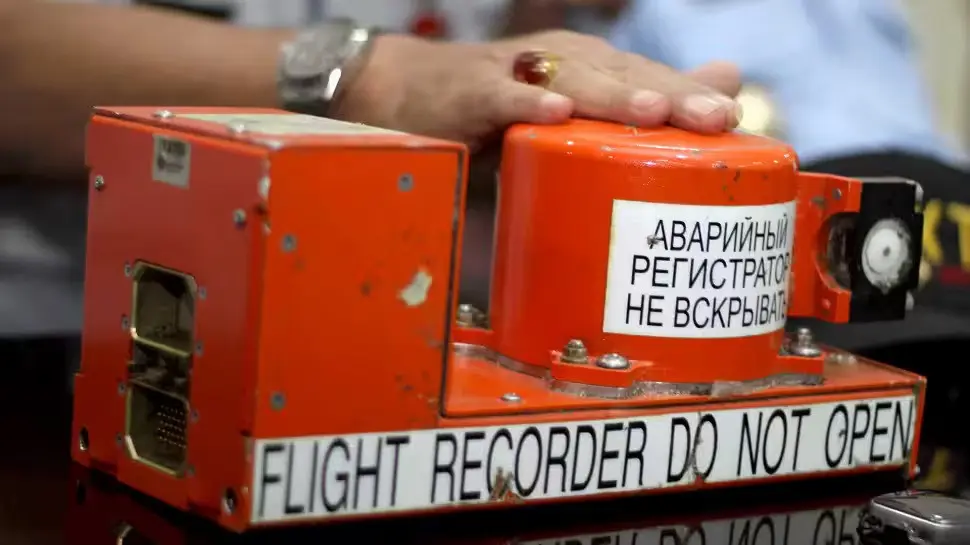
Black Box Data (FDR & CVR)
The DGCA will retrieve and analyse the Flight Data Recorder (FDR) and Cockpit Voice Recorder (CVR) to piece together what happened in the final minutes. These tools will reveal system readings and cockpit conversations critical to understanding the sequence of events.
2 / 7
(Photograph: ANI)
Aircraft Maintenance History
Investigators will examine the aircraft’s maintenance records for any unresolved technical issues or deferred repairs. Particular attention will be given to whether all inspections were up to date and whether any defects were recently reported.
3 / 7
(Photograph: Pexels)
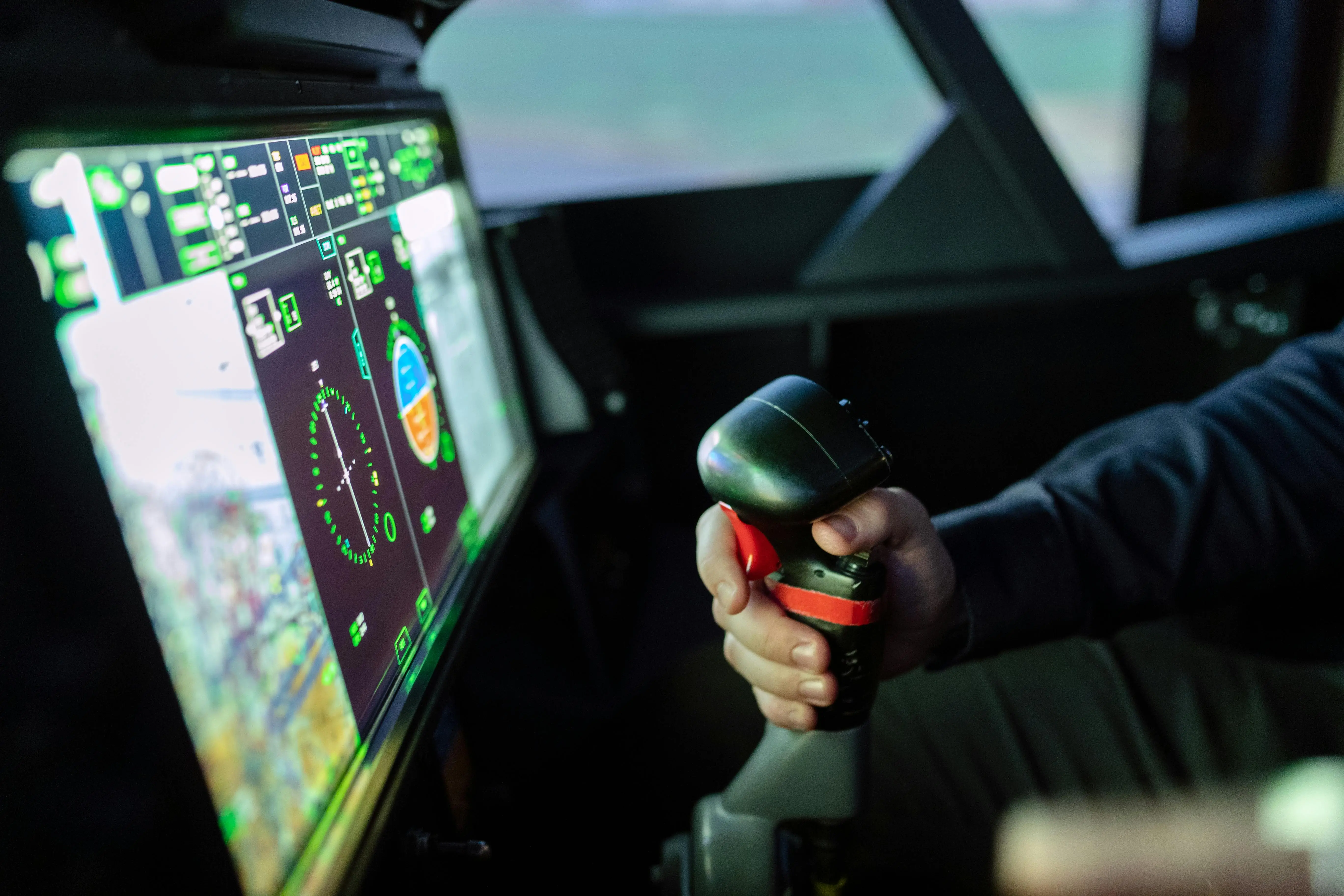
Pilot Performance and Human Factors
The actions and decisions of the cockpit crew will be studied closely. This includes their response to in-flight situations, compliance with protocols, recent training records, and whether factors like fatigue or stress played a role.
4 / 7
(Photograph: AFP)
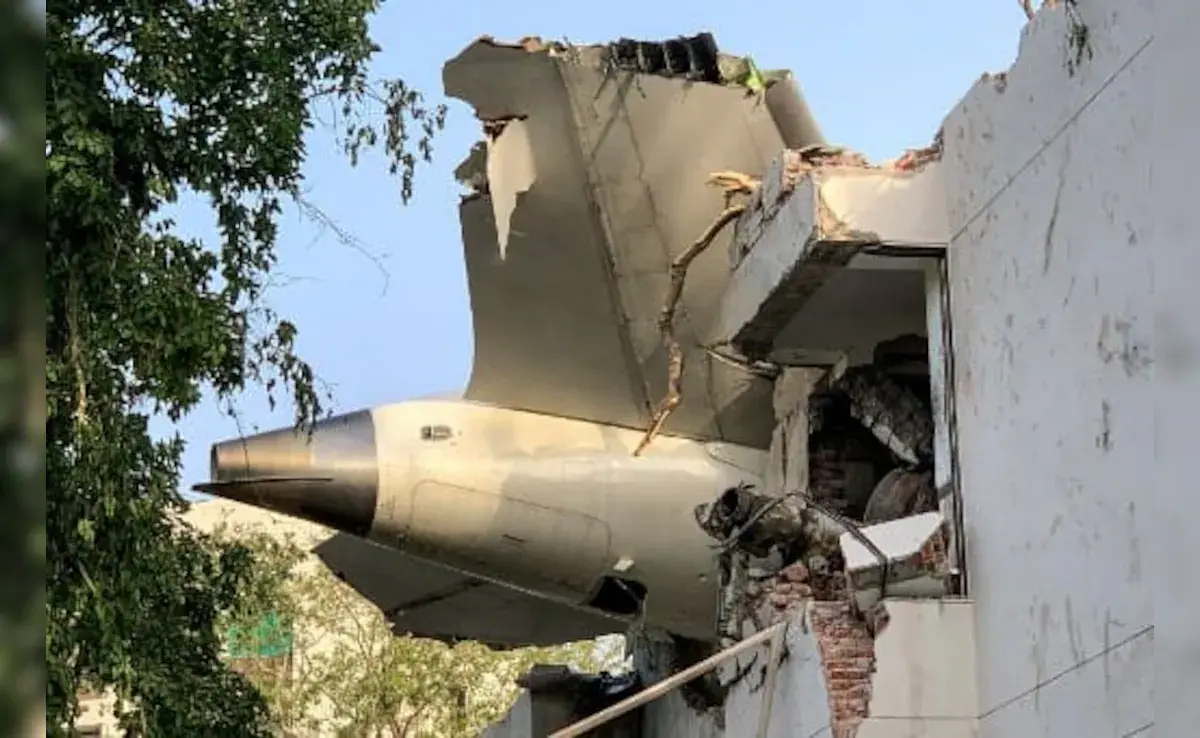
Manufacturing or Technical Defects
Given previous concerns around Boeing 787s, the DGCA may inspect for structural flaws or equipment failure. This includes checking landing gear systems, electronic controls, and any known recurring issues with the Dreamliner model.
5 / 7
(Photograph: Pexels)
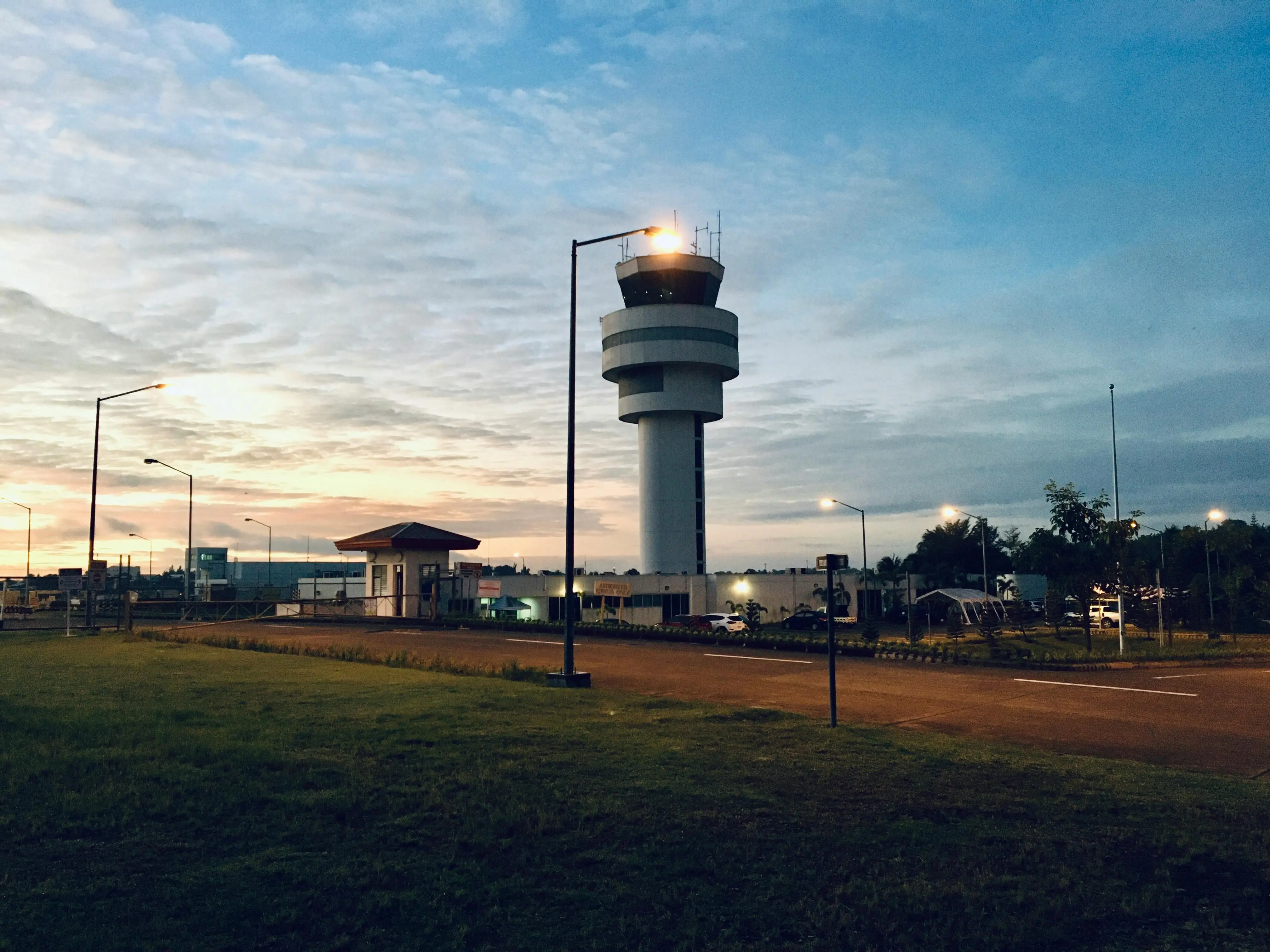
Ground Handling and ATC Communication
The investigation will include communication logs with Air Traffic Control (ATC) and ground handling crews. The aim is to determine if any miscommunication or procedural lapses occurred during approach, landing, or taxiing.
6 / 7
(Photograph: ANI)
Weather and External Conditions
Weather data from the time of the crash will be reviewed, including visibility, wind speed, precipitation, or turbulence. These factors can significantly affect descent and landing conditions.
7 / 7
(Photograph: DGCA)
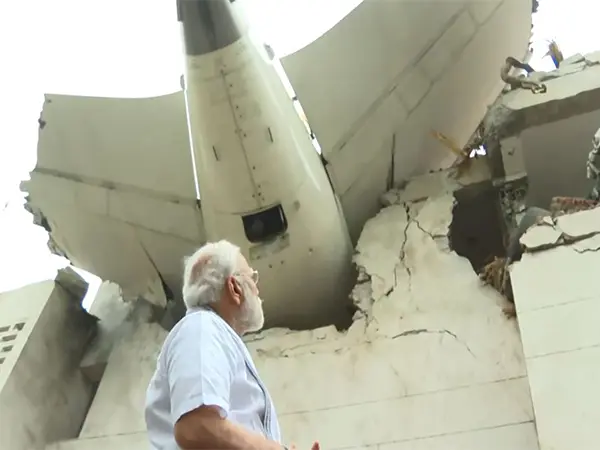
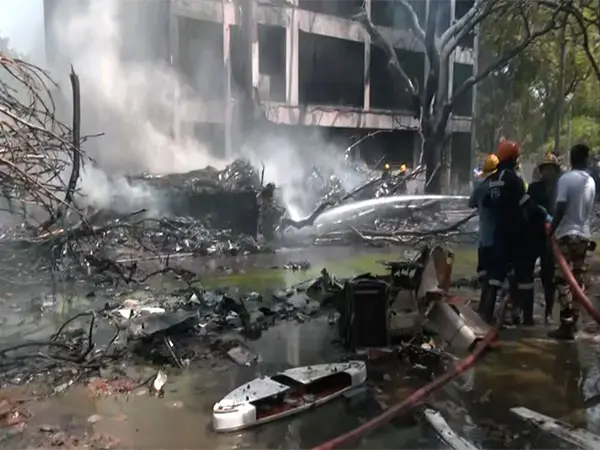
Emergency Response and Evacuation
DGCA will also assess how effectively emergency protocols were followed post-crash. This includes the crew’s evacuation response, airport fire and rescue operations, and coordination between agencies after the incident.
)
)
)
)
)