Ahmedabad plane crash: 7 safety issues previously flagged on Boeing 787-8 Dreamliner

Authored By Subhadra Srivastava
Published: Jun 12, 2025, 18:29 IST | Updated: Jun 12, 2025, 18:29 IST
The Air India flight AI171 crash in Ahmedabad has reignited concerns over the aircraft manufacturer already under fire for recurring safety concerns. The 787-8 Dreamliner has faced several flagged defects in the past, including the following

1 / 8
(Photograph: X)
Air India flight AI171
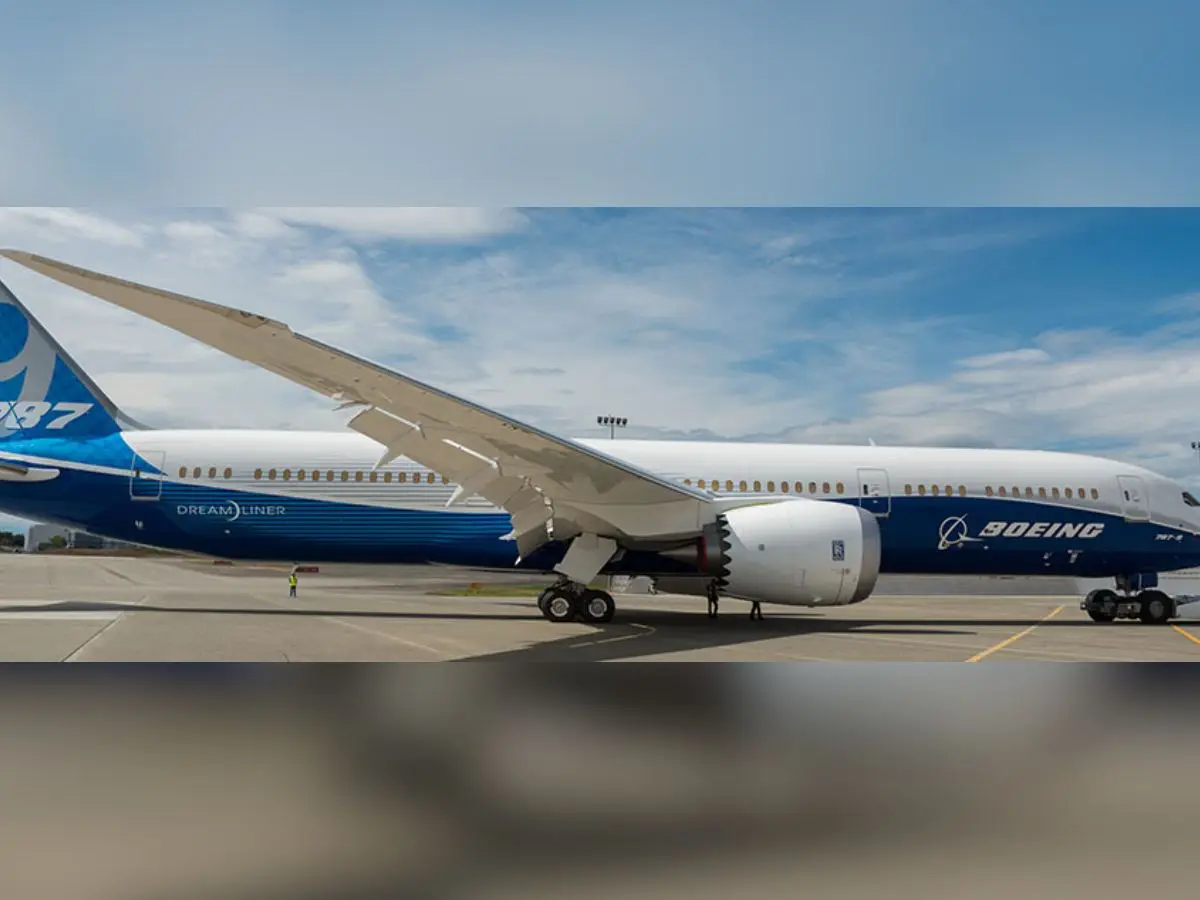
The Air India flight AI171, a Boeing 787-8 Dreamliner en route to London Gatwick with 242 people onboard, crashed minutes after takeoff near a residential area in Ahmedabad on Thursday, reigniting concerns over the aircraft manufacturer already under fire for recurring safety concerns. The 787-8 Dreamliner has faced several flagged defects in the past, including the following:
2 / 8
(Photograph: Reuters)
Lithium-ion battery fires and global grounding
In January 2013, the global fleet of 787s was grounded after two separate incidents involving overheating lithium-ion batteries raised alarm. BBC reported that while one occurred on a Japan Airlines aircraft at Boston Logan Airport, the other incident occurred on an All Nippon Airways flight in Japan. Investigations identified the risk of thermal runaway, prompting a redesign of the battery containment system.
3 / 8
(Photograph: Reuters)
Fuel leakage due to faulty couplings
In late 2012, Boeing identified faulty fuel line couplings which could result in leaks. The US Federal Aviation Administration (FAA) issued an airworthiness directive to inspect and, if needed, replace affected components, citing risk of fuel spillage near hot engine parts. Later on Jan 8, 2013, the JAL 787 also suffered fuel leak in Boston leading to the cancellation of the flight.
4 / 8
(Photograph: Boeing)
Electrical system malfunctions
A fire in the aft electrical equipment bay of a 787 at Boston in January 2013 highlighted vulnerabilities in the aircraft's electrical systems. Similar incidents with power distribution panels and generators raised safety concerns.
5 / 8
(Photograph: Reuters)
Engine durability issues – Rolls-Royce Trent 1000
Rolls-Royce Trent 1000 engines on the 787 experienced premature turbine blade wear and cracking. This led to unplanned engine removals and flight cancellations across multiple carriers, including British Airways and Virgin Atlantic.
6 / 8
(Photograph: Reuters)
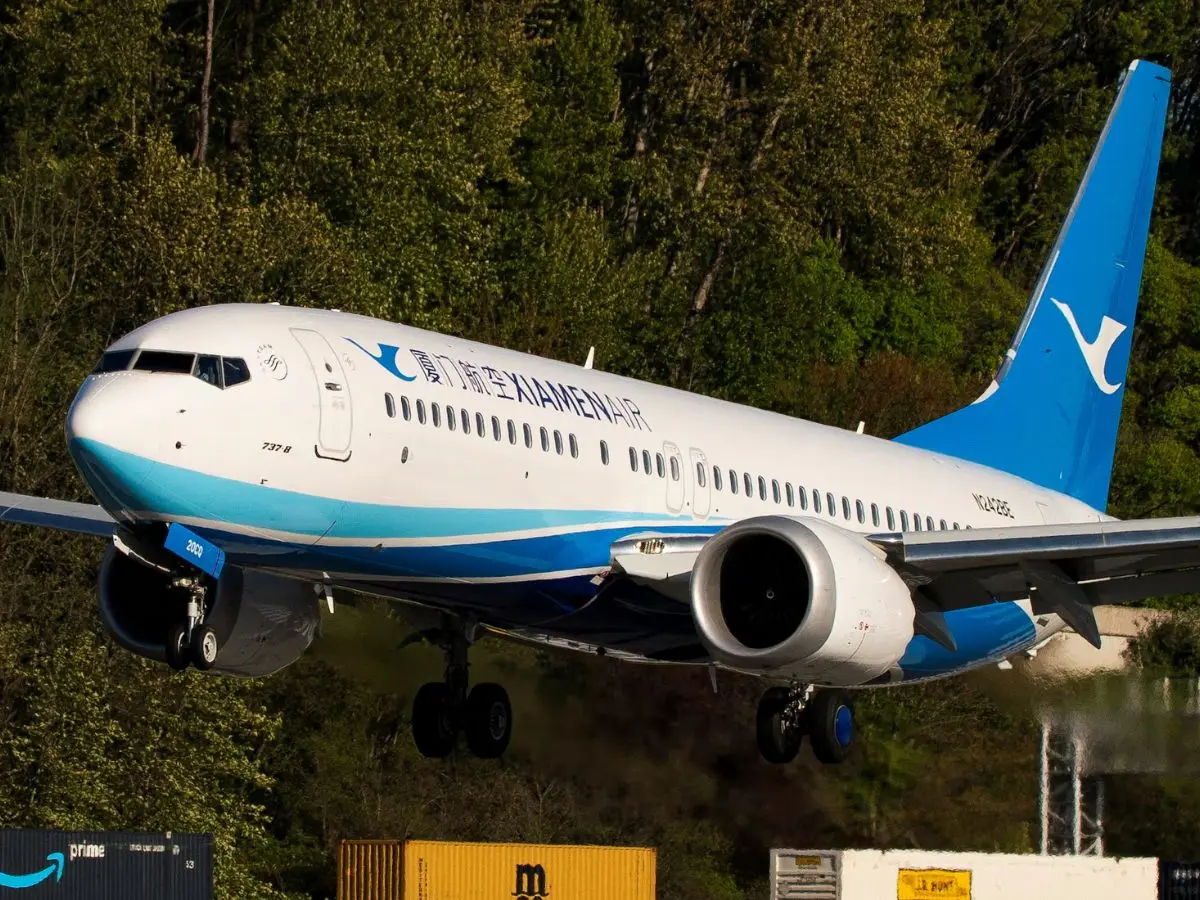
GEnx engine shutdowns due to ice crystal ingestion
General Electric’s GEnx engines also faced in-flight shutdowns related to high-altitude ice crystal ingestion. The FAA issued directives for inspections and operational restrictions.
7 / 8
(Photograph: Reuters)
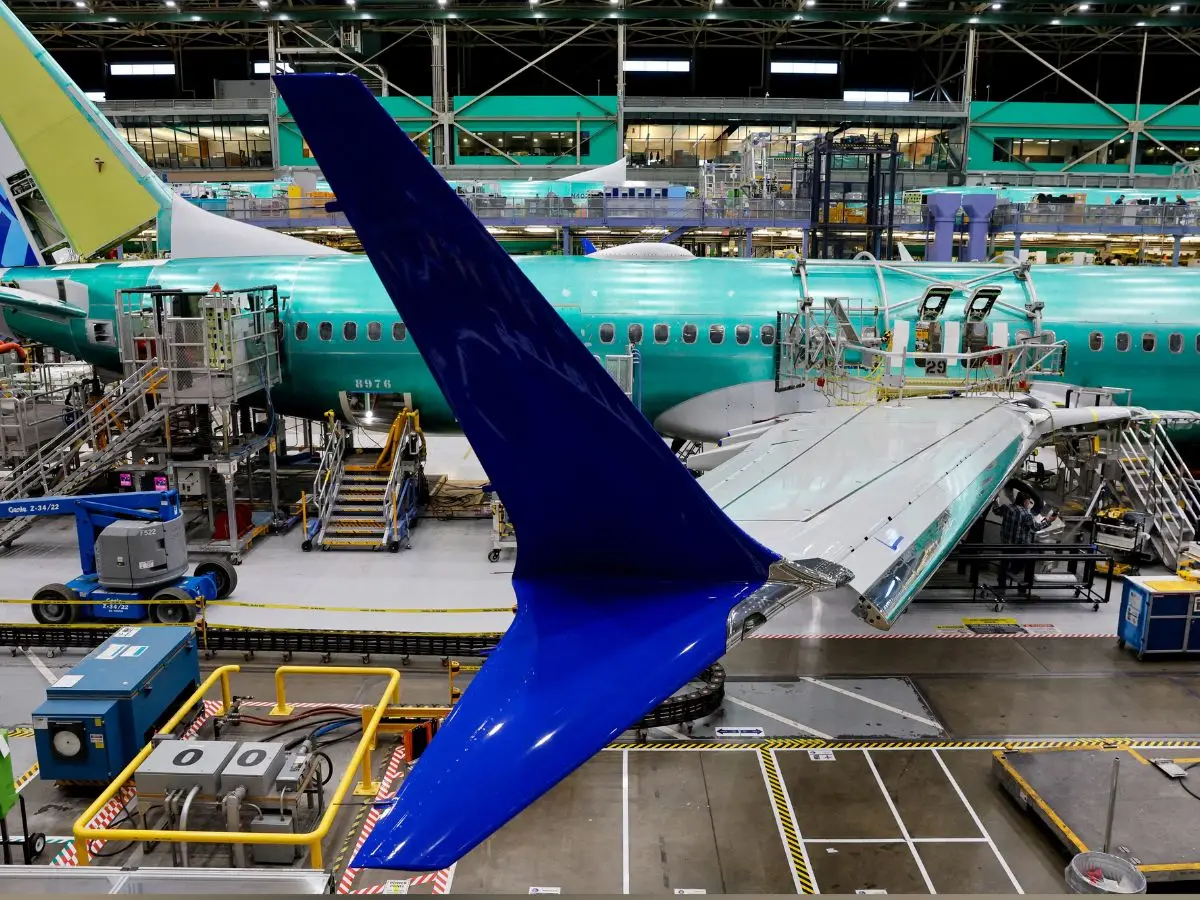
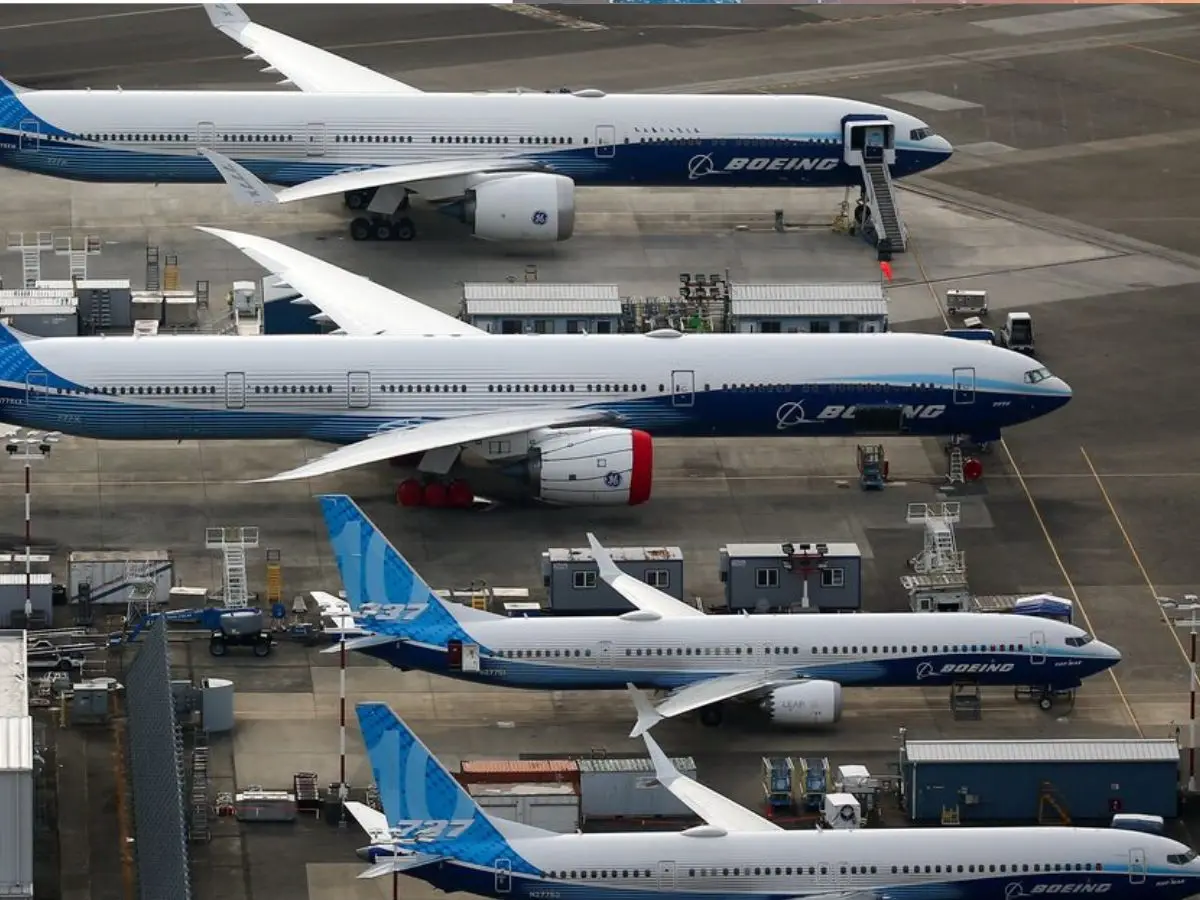
Manufacturing defects at Boeing South Carolina
Reports from internal whistleblowers and external audits revealed manufacturing issues at Boeing's North Charleston plant. These included missing fasteners, debris left inside fuselage sections, and improper drilling techniques.
8 / 8
(Photograph: Reuters)
Fuselage tolerance and shimming errors
Starting in 2019, Boeing discovered that certain 787 fuselage sections were improperly joined, resulting in gaps exceeding tolerance limits. This affected structural integrity and led to inspections and the temporary suspension of aircraft deliveries.
)
)
)
)
)