Ahead of Union Budget 2026: What changed in 2025? 9 key takeaways explained

This will be Finance Minister Nirmala Sitharaman's ninth consecutive Budget and the first to fall on a Sunday in over a decade. Understanding the key measures of 2025 provides context for what industry, investors, and households expect in the forthcoming speech.
Setting the Stage for Budget 2026
Just two days before Finance Minister Nirmala Sitharaman presents her Budget on February 1, 2026, attention turns to the policy changes introduced in 2025. This will be her ninth consecutive Budget and the first to fall on a Sunday in over a decade. Understanding the key measures of 2025 provides context for what industry, investors, and households expect in the forthcoming speech. The Budget 2025 was presented with the theme 'Sabka Vikas'.
Taxation and Household Relief
The 2025 Budget expanded the new income tax regime, exempting annual earnings up to Rs. 12.75 lakh. Average monthly incomes of Rs. 1 lakh were also shielded from tax to boost household savings and consumption. The filing window for income tax returns was extended from two to four years, and the TDS threshold on rental income rose from Rs. 2.4 lakh to Rs. 6 lakh.
Agricultural Development
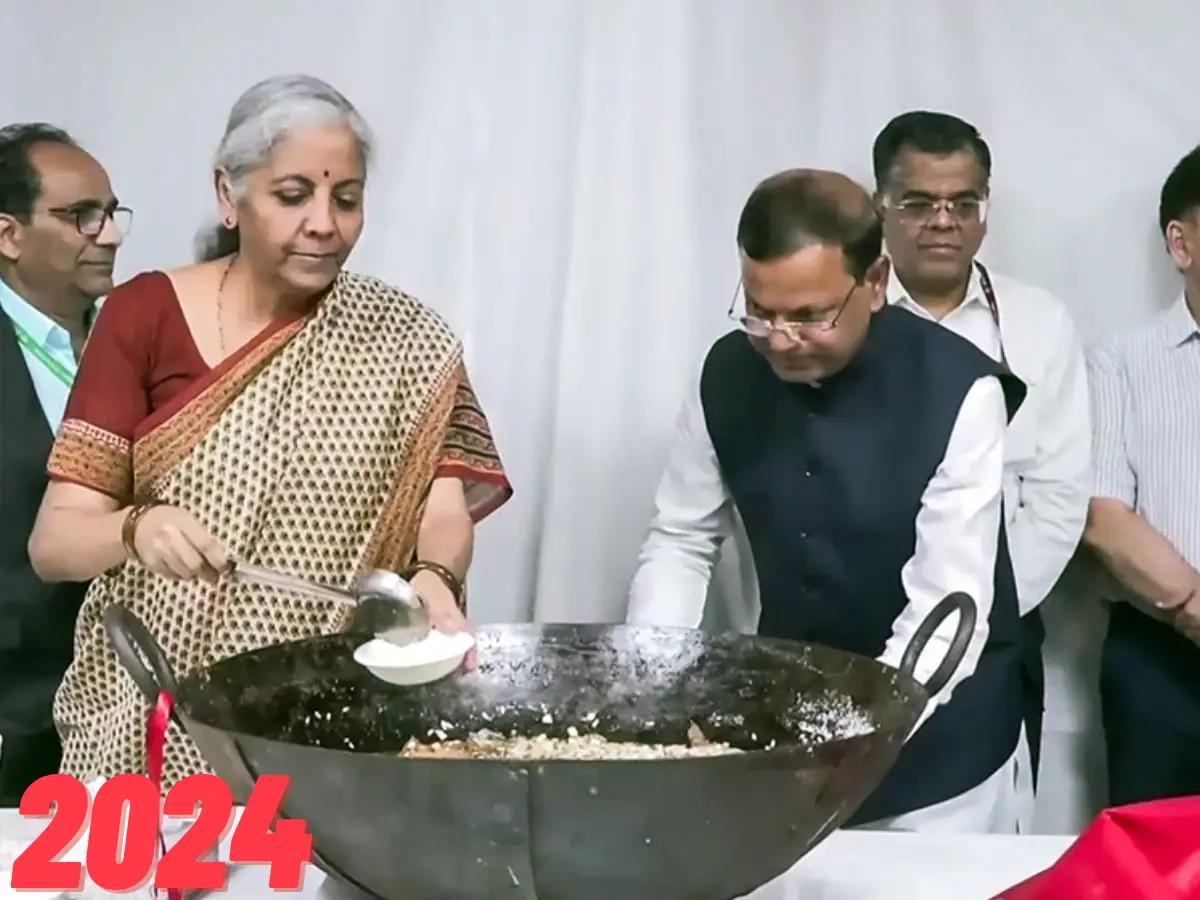
Agriculture remained a central focus. The Prime Minister Dhan-Dhaanya Krishi Yojana covered 100 low-productivity districts, promoting crop diversification, post-harvest storage, and irrigation. A six-year “Mission for Aatmanirbharta in Pulses” prioritised Tur, Urad, and Masoor. Kisan Credit Card loan limits increased to Rs. 5 lakh under the modified interest subvention scheme.
Goals
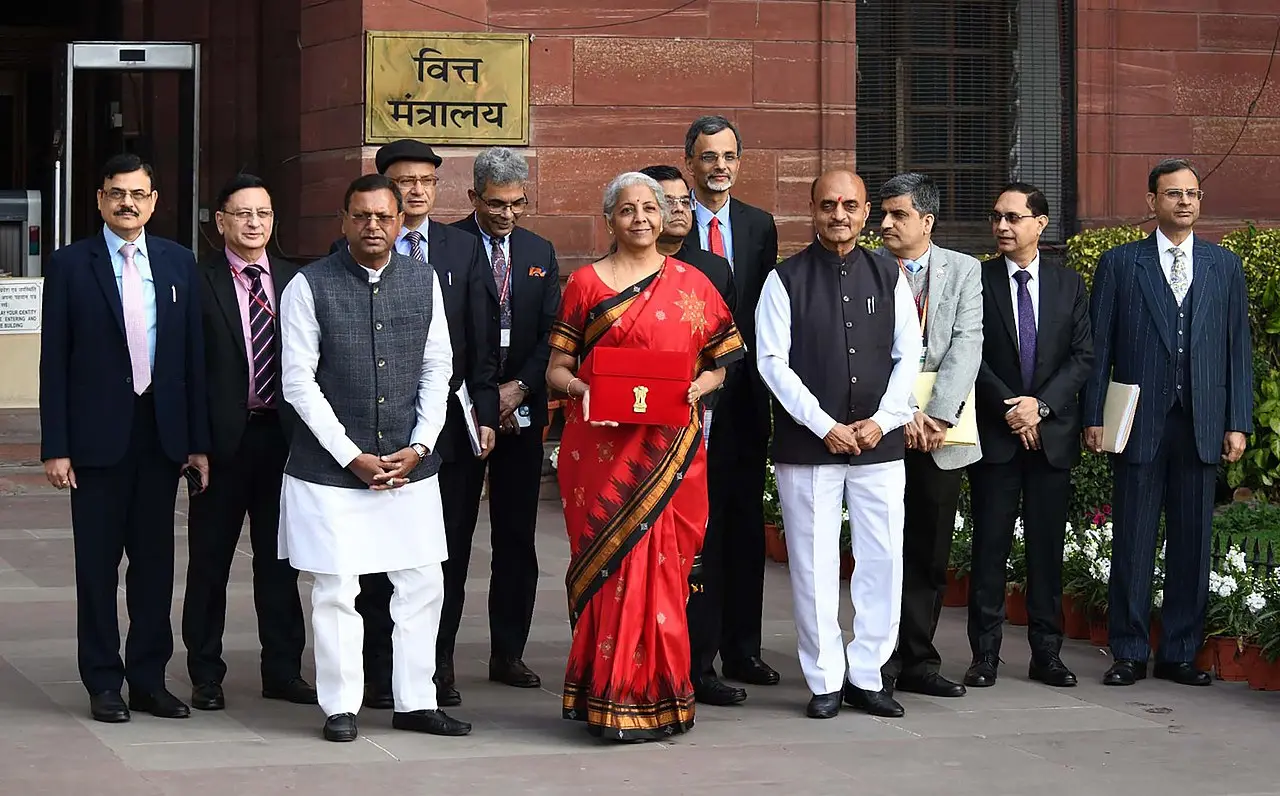
The budget 2025 set six broad goals: zero poverty, quality education for all, high-quality and affordable healthcare, full skilling and employment, higher participation of women in the workforce, and stronger farmers making India a 'food basket of the world'.
Budget Estimates: Total Expenditure
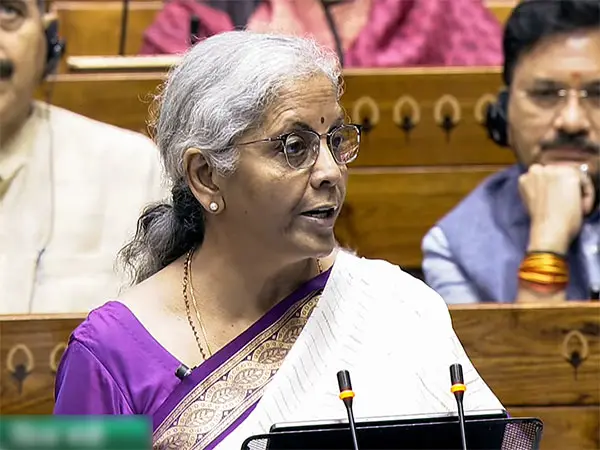
For FY 2025-26, the Union Finance Minister stated that the total receipts other than borrowings and the total expenditure are estimated at Rs. 34.96 lakh crore and Rs. 50.65 lakh crore respectively. The net tax receipts are estimated at Rs. 28.37 lakh crore.
MSME and Industrial Support
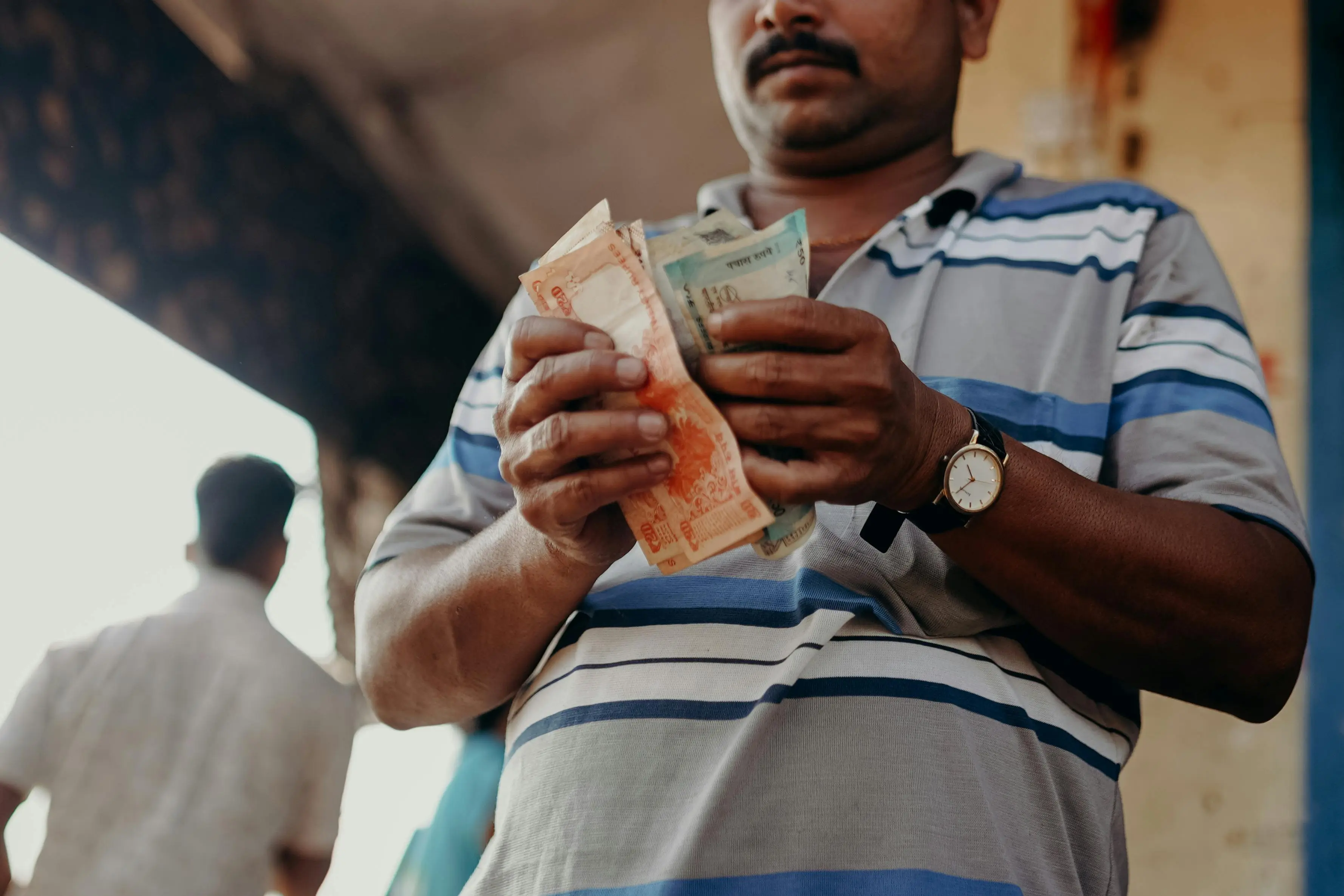
MSMEs, contributing 45 per cent of exports, saw investment and turnover limits revised to allow for growth and scale. Credit availability with guarantee cover doubled from Rs. 5 crore to Rs. 10 crore. Schemes for women, Scheduled Caste, and Scheduled Tribe first-time entrepreneurs were introduced, offering loans up to Rs. 2 crore. A National Manufacturing Mission was also launched to strengthen “Make in India” initiatives.
Investment in People and Education
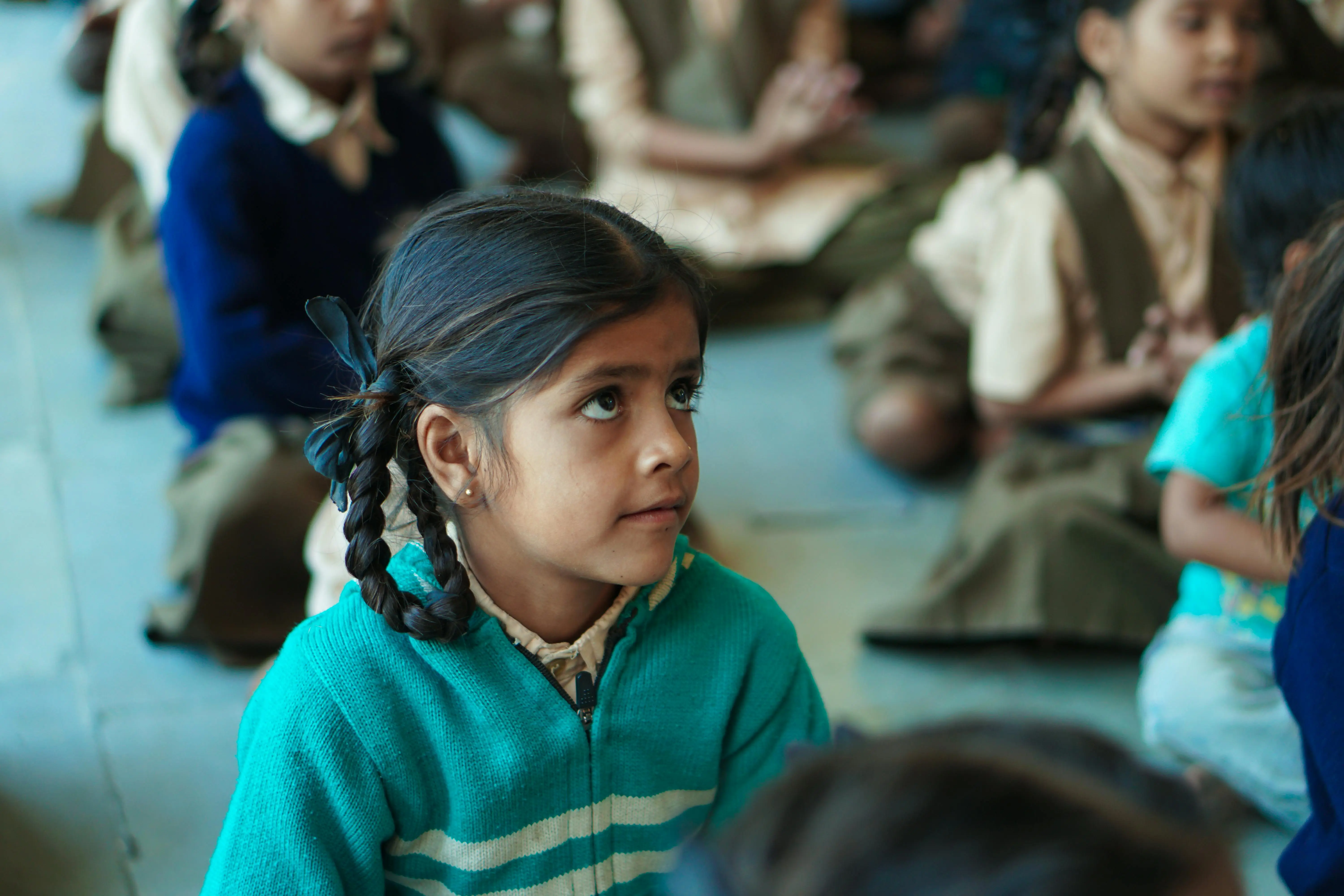
The Budget earmarked 50,000 Atal Tinkering Labs in government schools over five years and broadband connectivity for all rural government schools and primary health centres. Five National Centres of Excellence for skilling were announced, alongside a Centre of Excellence in Artificial Intelligence for education.

Urban Development and Innovation
A Rs. 1 lakh crore Urban Challenge Fund was set aside for developing cities as growth hubs. Support for private sector research and innovation received Rs. 20,000 crore, while Swamih Fund got Rs. 15,000 crore to complete stressed housing units. Battery and EV manufacturing saw capital goods exemptions to boost domestic production.
Ministry-wise fund allocations
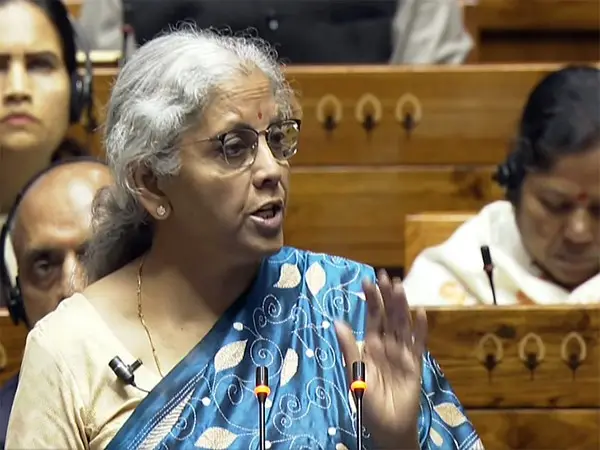
In Budget 2025-26 the Ministry of Defence which received Rs 6,81,210.27 crore. This allocation is 9.53 per cent more than the Budgetary Estimate of FY 2024-25 and stands at 13.45 per cent of Union Budget, which is highest among the Ministries. While the Ministry of Railways received Rs 2.55 lakh crore.
Health, Energy, and Regulatory Reforms
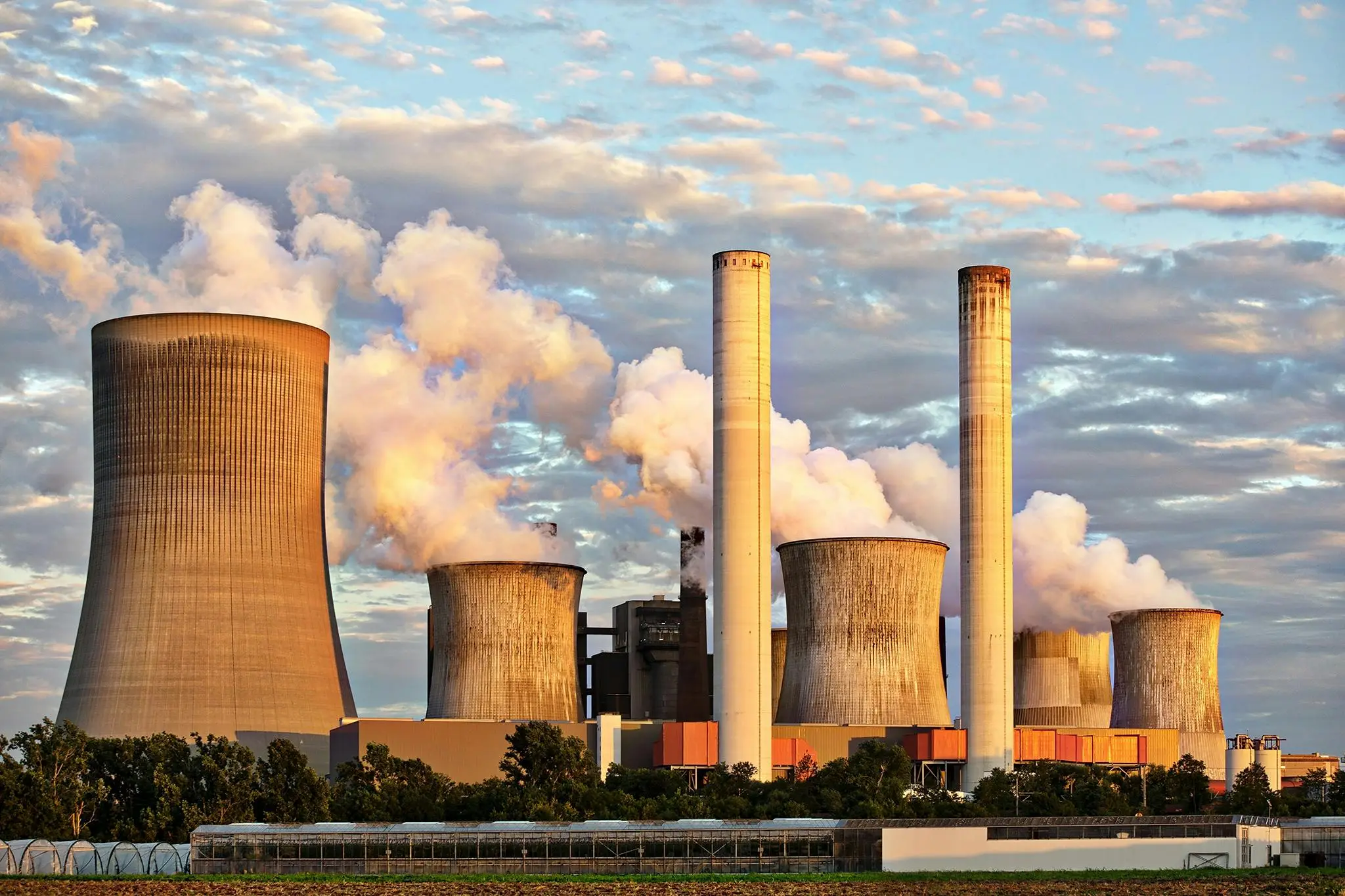
The Budget included BCD exemptions on 36 lifesaving drugs, incentives for small modular nuclear reactors (₹20,000 crore), and regulatory reforms under Jan Vishwas Bill 2.0. These measures sought to improve healthcare, energy security, and ease of doing business.
)
)
)
)
)