Agni-V vs intercontinental systems: technology compared

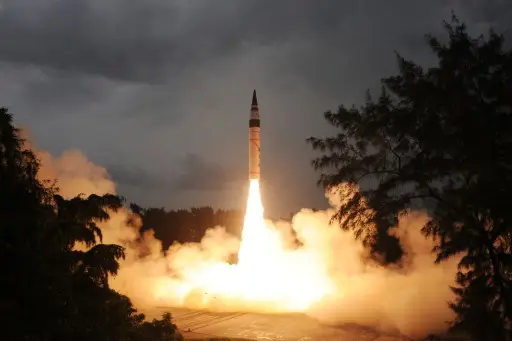
Agni-V reaches 5,000-8,000km versus Minuteman III's 14,000km. Agni-V carries 10-12 MIRVs versus Minuteman III's 3 warheads. Both feature three-stage solid designs. Agni-V achieves sub-100m accuracy using Ring Laser Gyro. Mobile deployment gives Agni-V survivability.
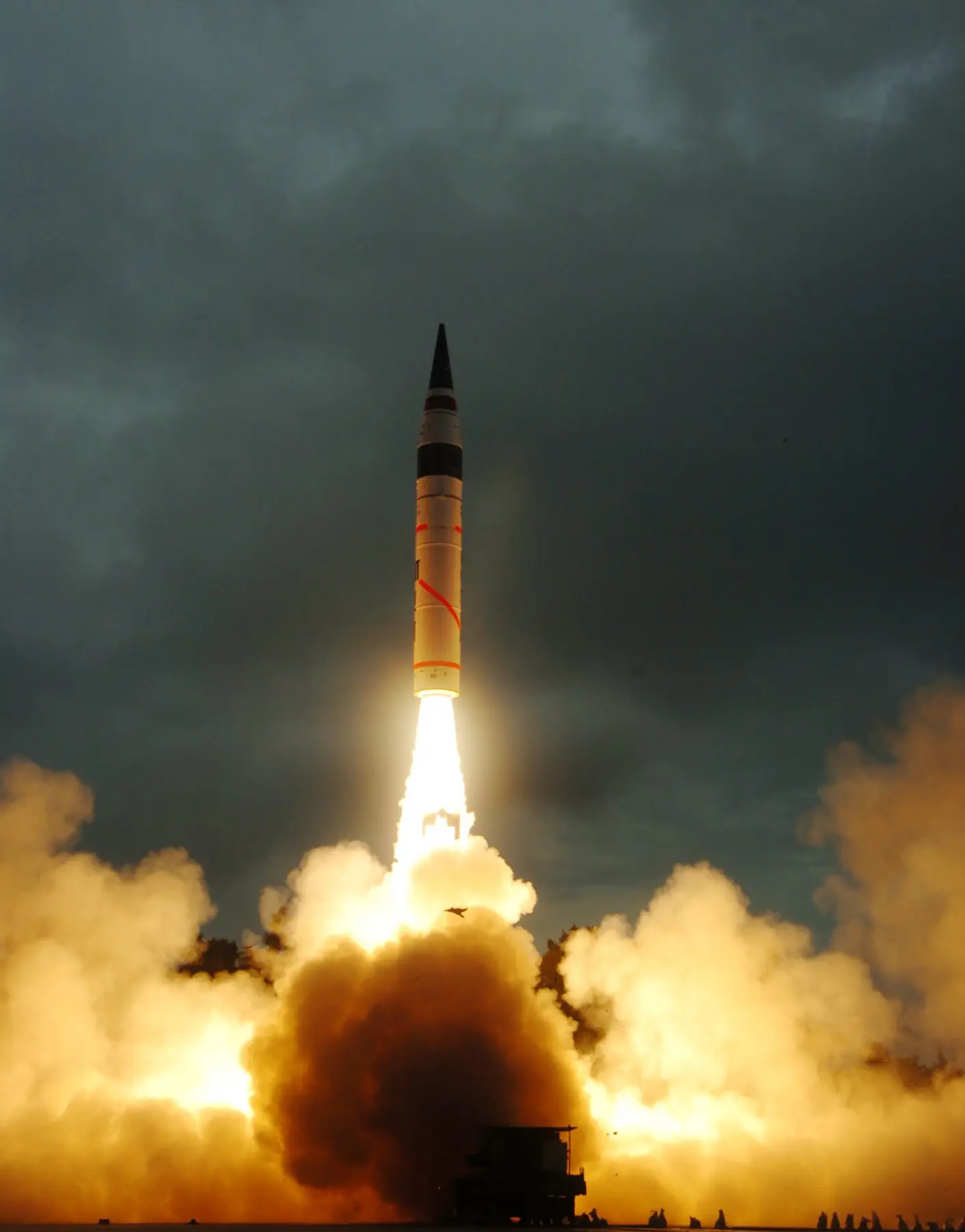
Agni-V Reaches 5,000-8,000 km, Minuteman III Reaches 14,000 km
India's Agni-V operates at 5,000-8,000 kilometres range, classified as an intermediate-range ballistic missile by technical definitions. America's Minuteman III reaches 14,000 kilometres, covering nearly any location worldwide. This range gap reflects different strategic doctrines where India prioritises regional deterrence.
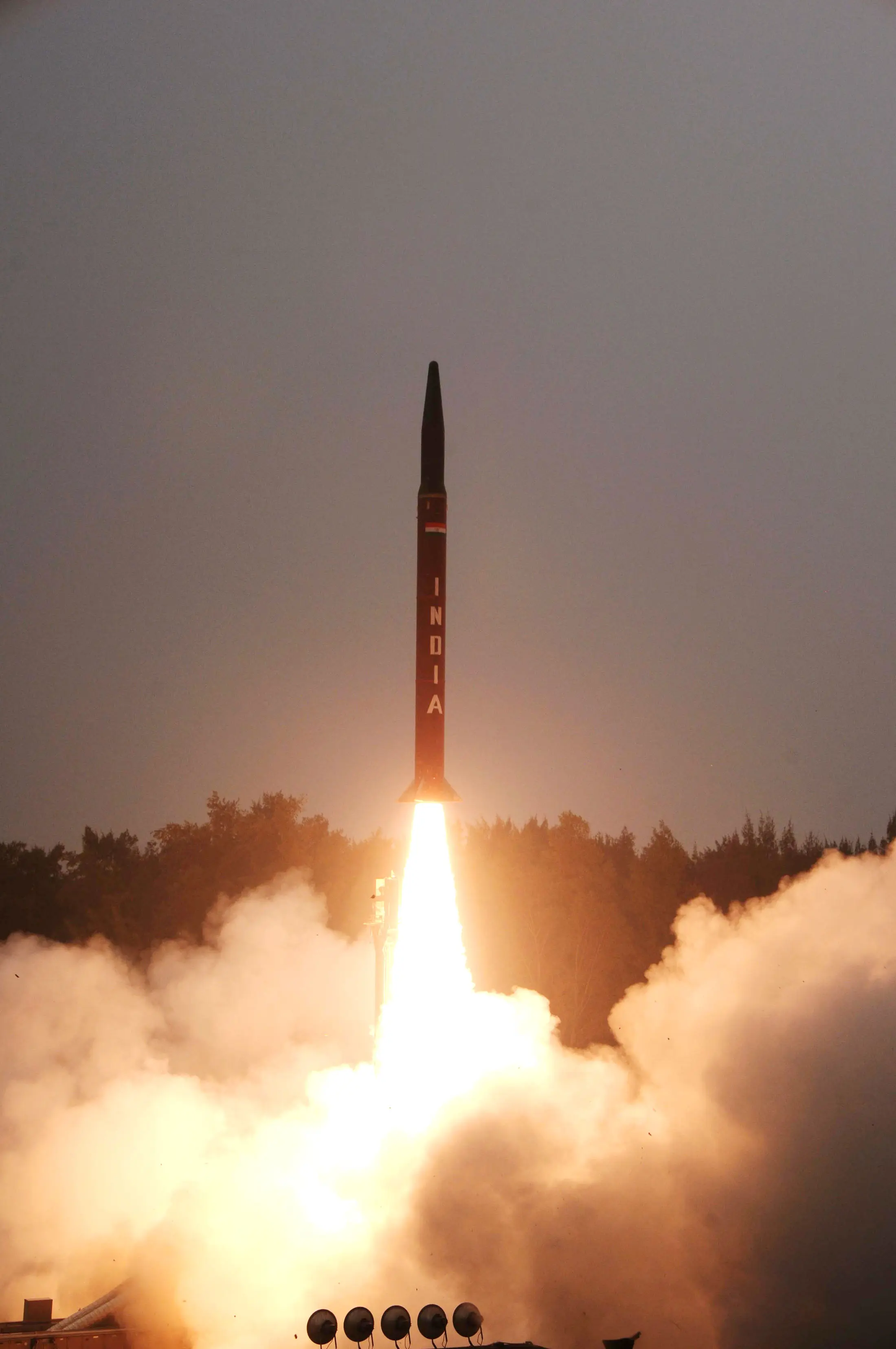
Three-Stage Solid Fuel vs American Three-Stage Design
Agni-V uses three-stage solid-fuelled design with composite motor casings, whilst Minuteman III employed the same three-stage solid design since 1970. Both feature solid propellant providing reliability compared to liquid-fuelled systems. Agni-V's composite materials make it 15% lighter than equivalent American designs.
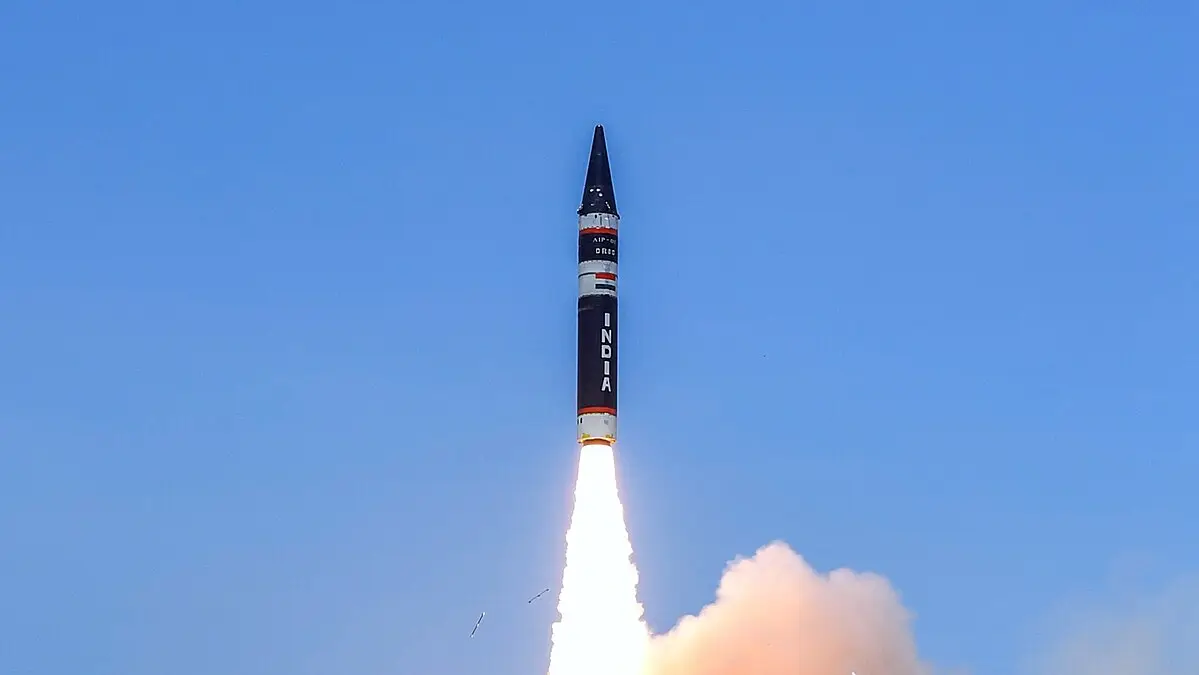
MIRV Capability - India's Recent Achievement
Agni-V successfully demonstrated MIRV carrying 10-12 warheads in August 2025, joining exclusive five-nation club. Minuteman III carries only three MIRVs, whilst newer American systems deploy fewer warheads. India's higher MIRV count compensates for shorter range through overwhelming defence systems.
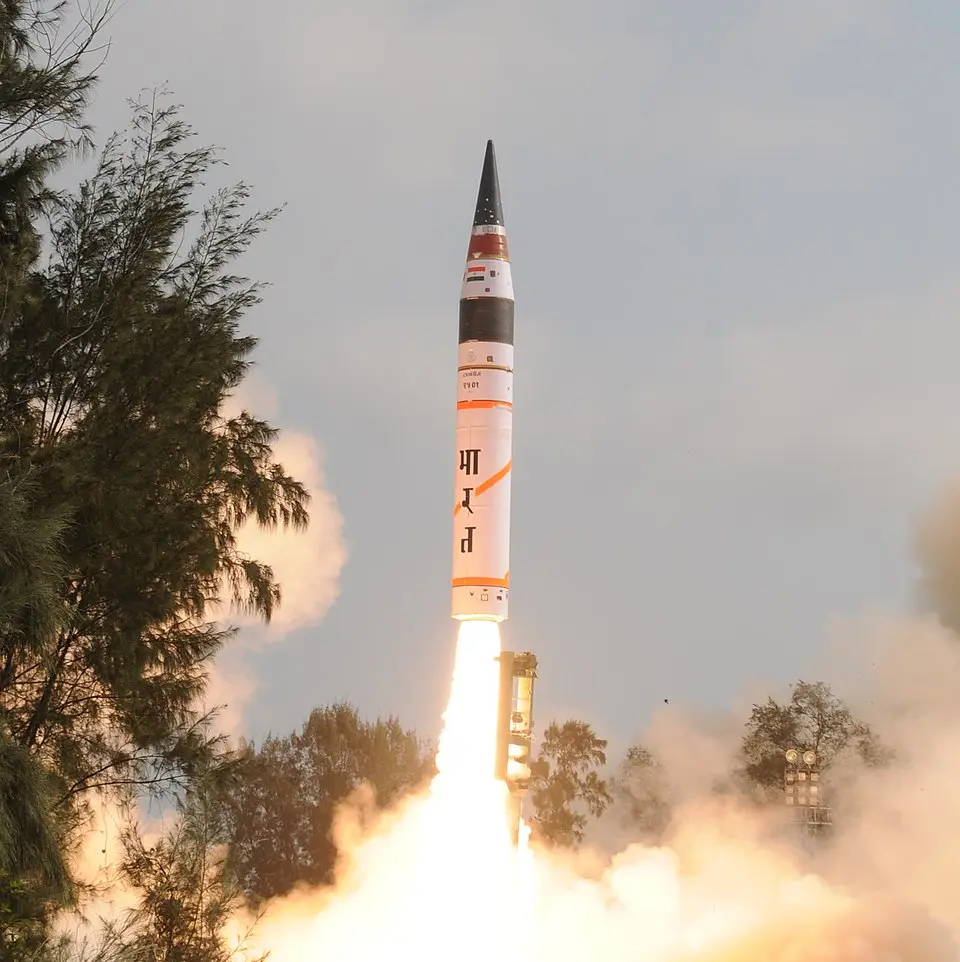
Guidance Accuracy - Ring Laser Gyro vs Inertial Plus
Agni-V achieves less than 100-metre circular error probable using Ring Laser Gyroscope navigation. Minuteman III upgraded to approximately 120-metre CEP through decades of incremental improvements. India achieved comparable or superior accuracy in significantly shorter development timeframe.
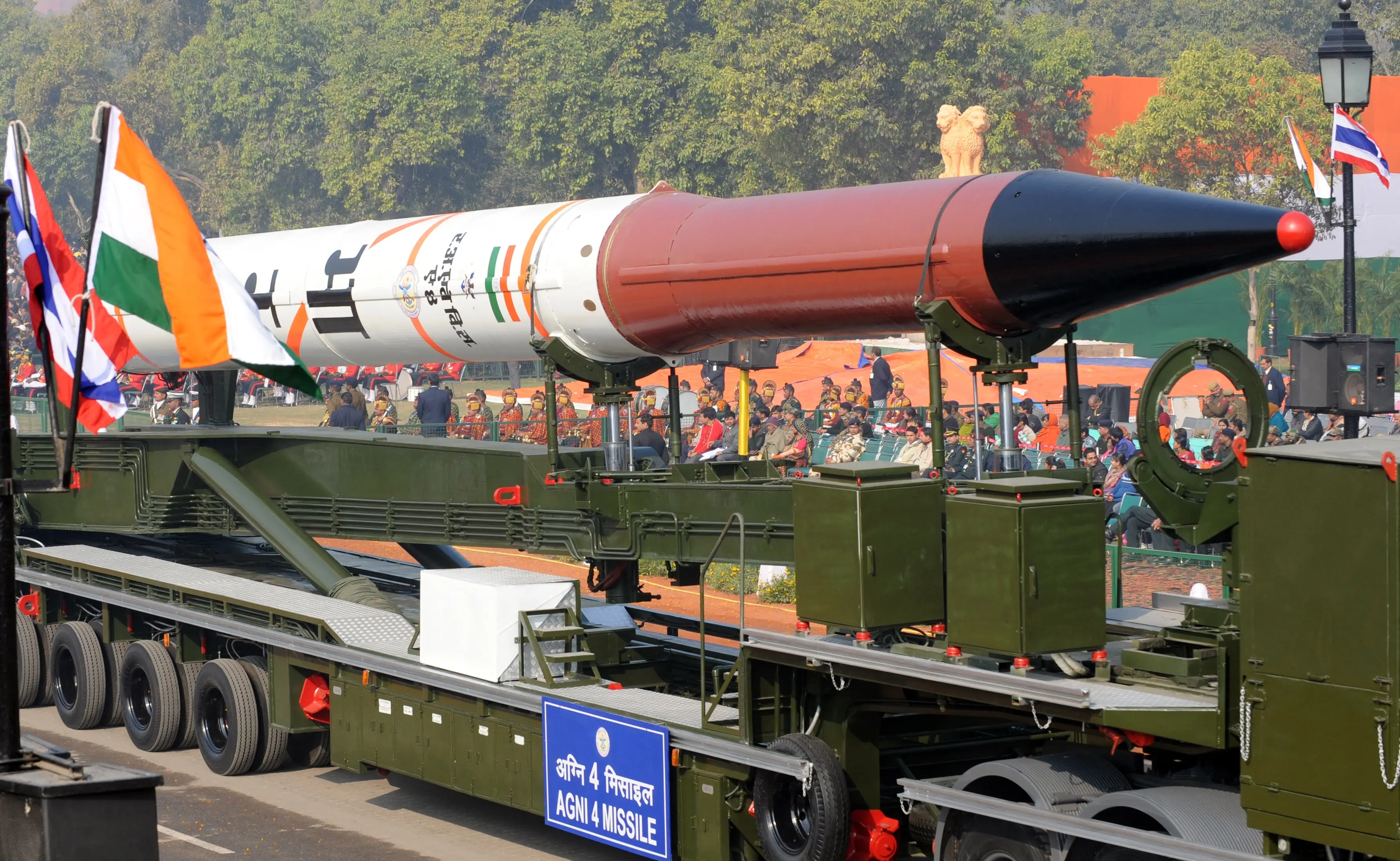
Payload Capacity - 1,500 kg vs 1,150 kg American
Agni-V carries approximately 1,500 kilogrammes payload, slightly exceeding Minuteman III's 1,150 kilogrammes. This payload advantage enables Agni-V to carry heavier MIRV warheads or additional countermeasures, providing strategic flexibility despite range limitations.
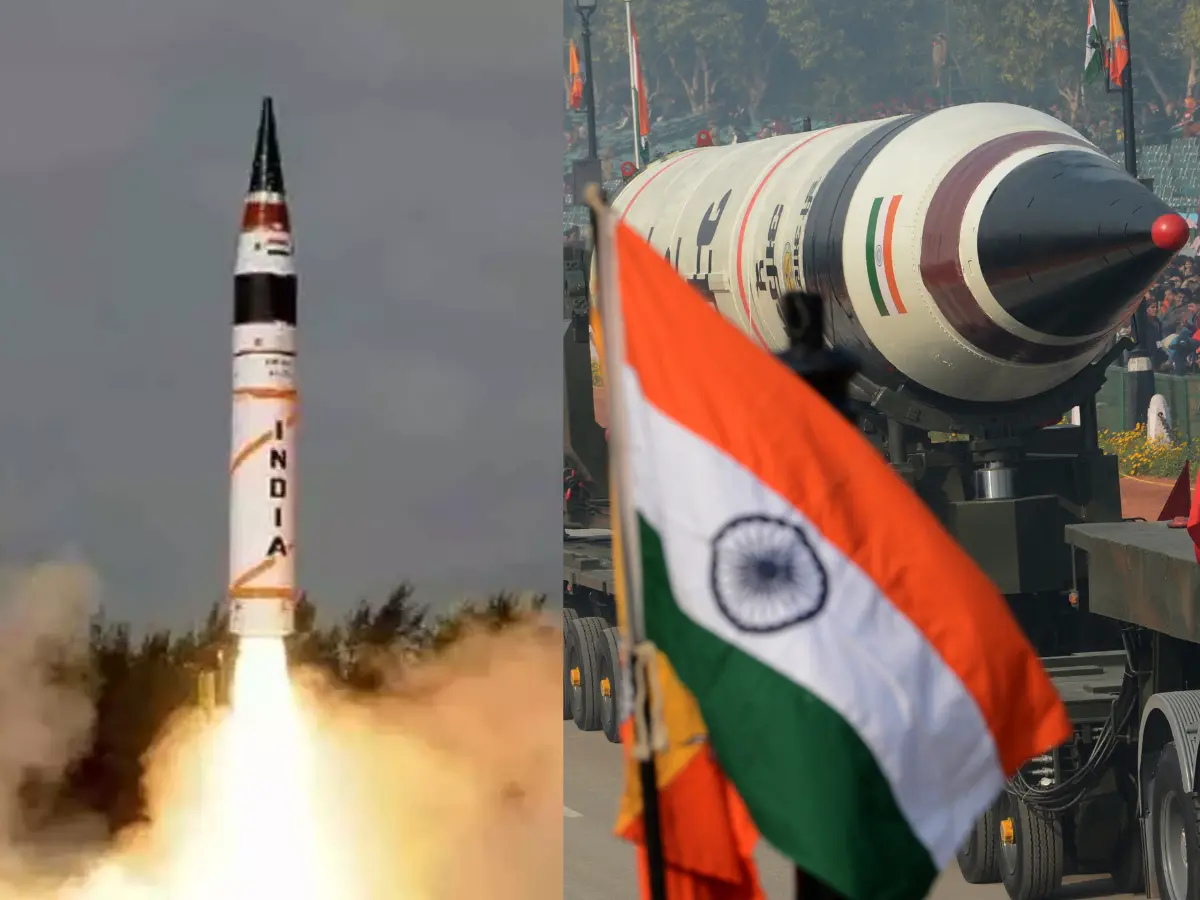
Deployment Flexibility - Mobile vs Silo-Based
Agni-V deploys road-mobile from canisterised launchers on trucks, providing unlimited launch point options. Minuteman III remains silo-based in hardened underground facilities, vulnerable during initial moments of conflict. Mobile deployment gives Agni-V survivability advantage despite lower total range.
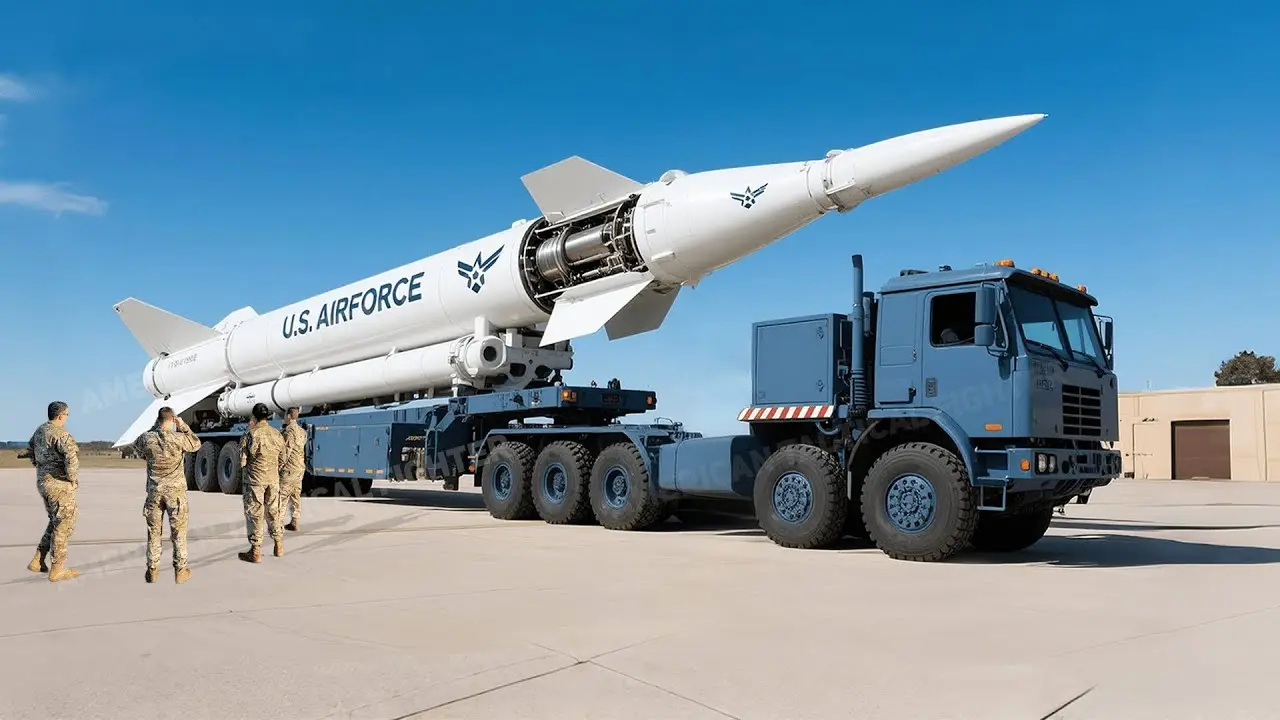
Terminal Velocity - Mach 24 Speed Matches Advanced Systems
Agni-V reaches Mach 24 (29,400 kmph) terminal velocity, comparable to Russia's most advanced ICBMs. This extreme speed makes interception nearly impossible using conventional missile defence systems. Minuteman III operates at lower terminal velocities due to age and design limitations.

Development Timeline - India Achieves ICBM Status Rapidly
Agni-V transitioned from concept to operational status in approximately 12 years (2012-2024). Minuteman III required similar timeframe in 1960s but benefited from then-emerging technology. India's rapid development demonstrates advanced engineering capabilities and indigenous technological base.
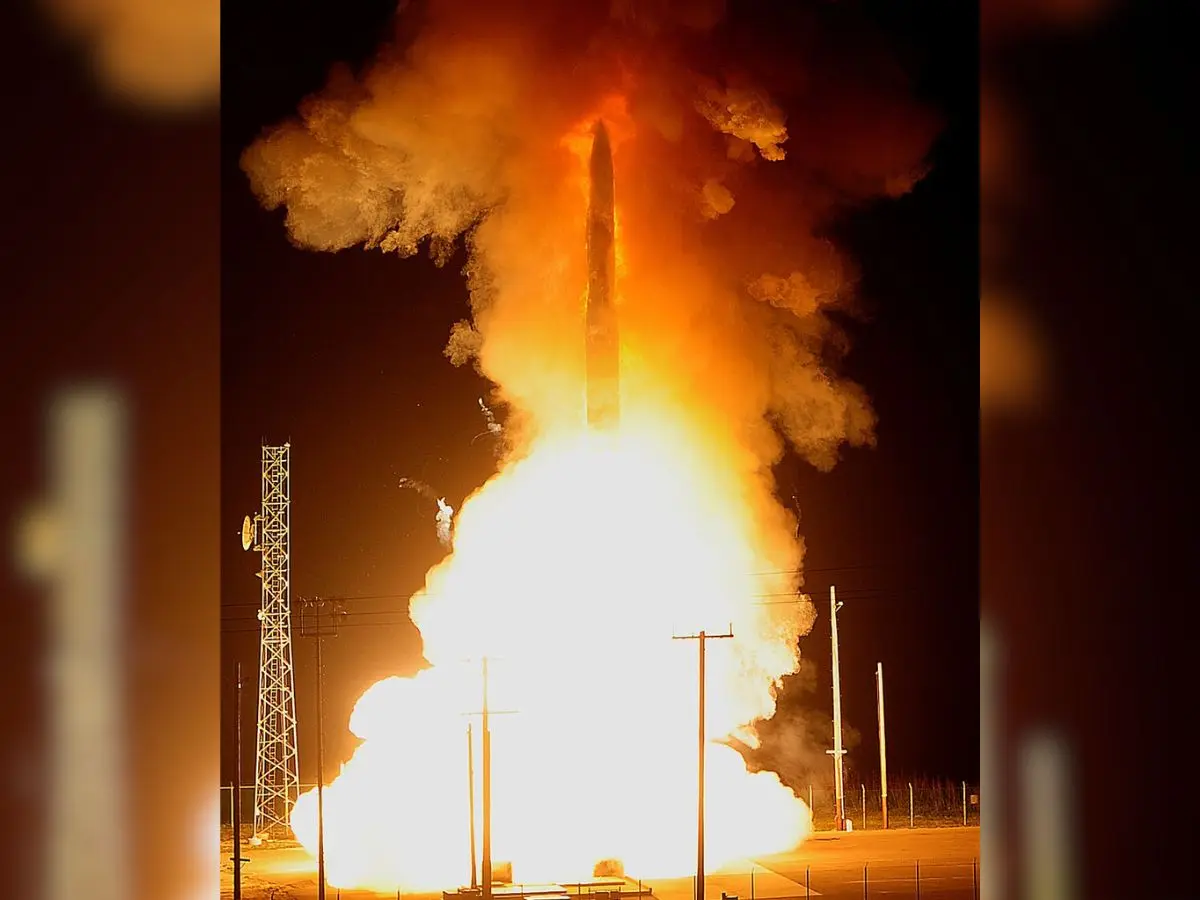
Future Agni-VI Targets 12,000 km Intercontinental Range
DRDO's planned Agni-VI missile aims for 12,000 kilometres range with 10 MIRV warheads and submarine launch capability. This would provide true intercontinental reach rivalling American and Russian systems. Agni-VI completion could occur within 3-5 years according to strategic planning timelines.
Strategic Doctrine Reflects Development Priorities
Agni-V optimised for Indian nuclear doctrine emphasising no-first-use and regional deterrence against China-Pakistan threats. American systems designed for global power projection covering entire planet. Different doctrines drive different design choices, making direct comparisons incomplete without strategic context.
)
)
)
)
)