Agni-V, Tejas, Arihant and more: Top 6 indigenous Indian defence technologies transforming military power

From aerospace and missile systems to naval nuclear propulsion and space-based defence, the scope of indigenous development has widened far beyond licensed manufacturing.
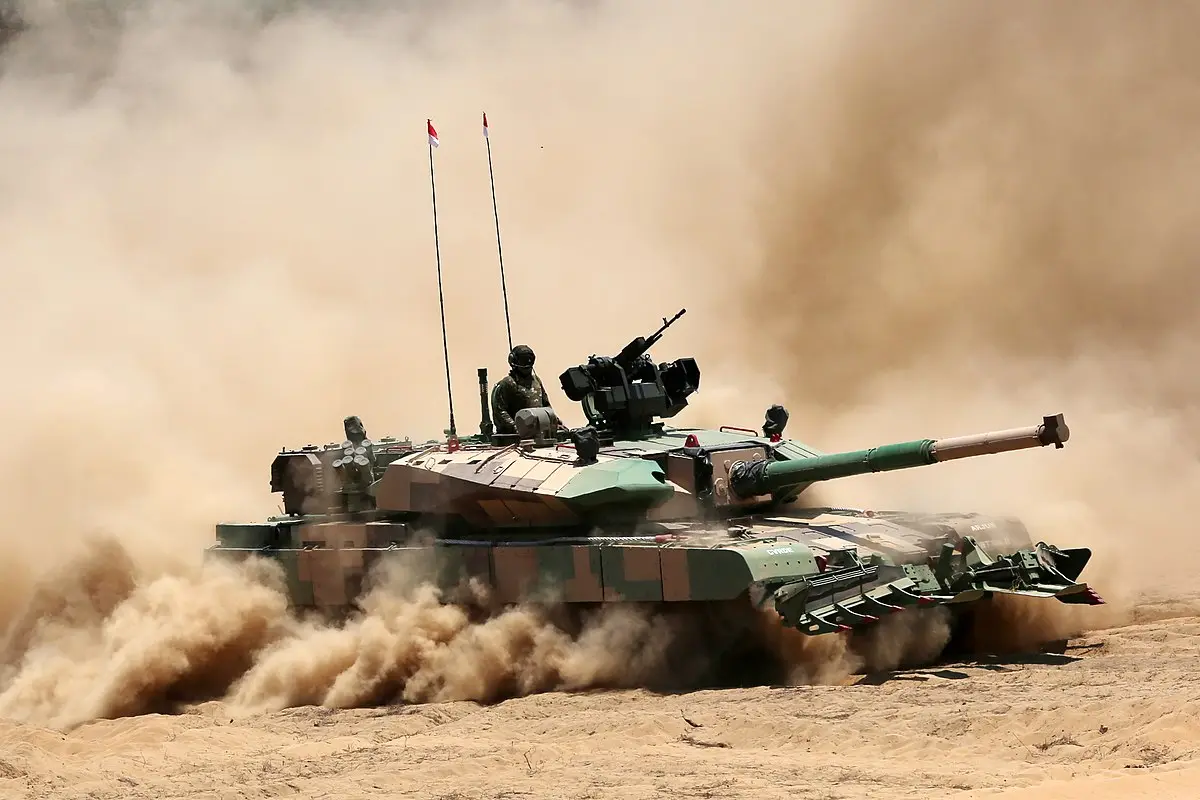
Introduction — a defence ecosystem built at home
India’s defence capabilities are no longer defined by what it buys from abroad. Over the past two decades, the country has quietly built a high-technology ecosystem that now produces some of its most sophisticated military platforms at home. From aerospace and missile systems to naval nuclear propulsion and space-based defence, the scope of indigenous development has widened far beyond licensed manufacturing. As global supply chains tighten and regional security challenges rise, the strength of India’s home-grown military technology has become a critical factor in determining strategic stability in South Asia.
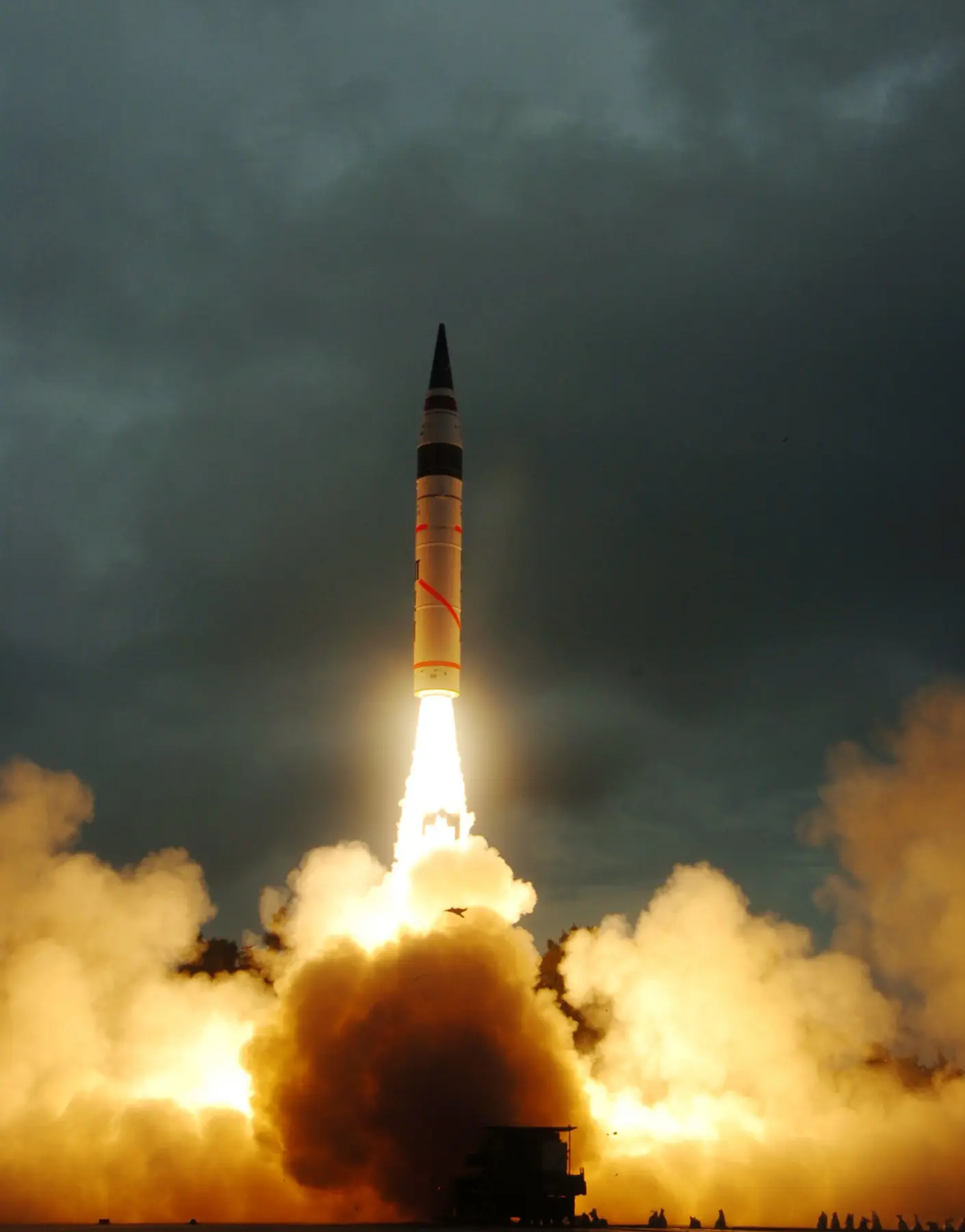
1. Agni-V long-range ballistic missile
Agni-V remains one of India’s most significant defence achievements. With a range of around 5,000 km or more, it gives India long-reach strategic capability using a road-mobile, canister-launched ballistic system. Its navigation, composite propulsion and re-entry mechanisms have all been developed indigenously. Agni-V also incorporates technologies that allow rapid deployment and high survivability in a conflict scenario.
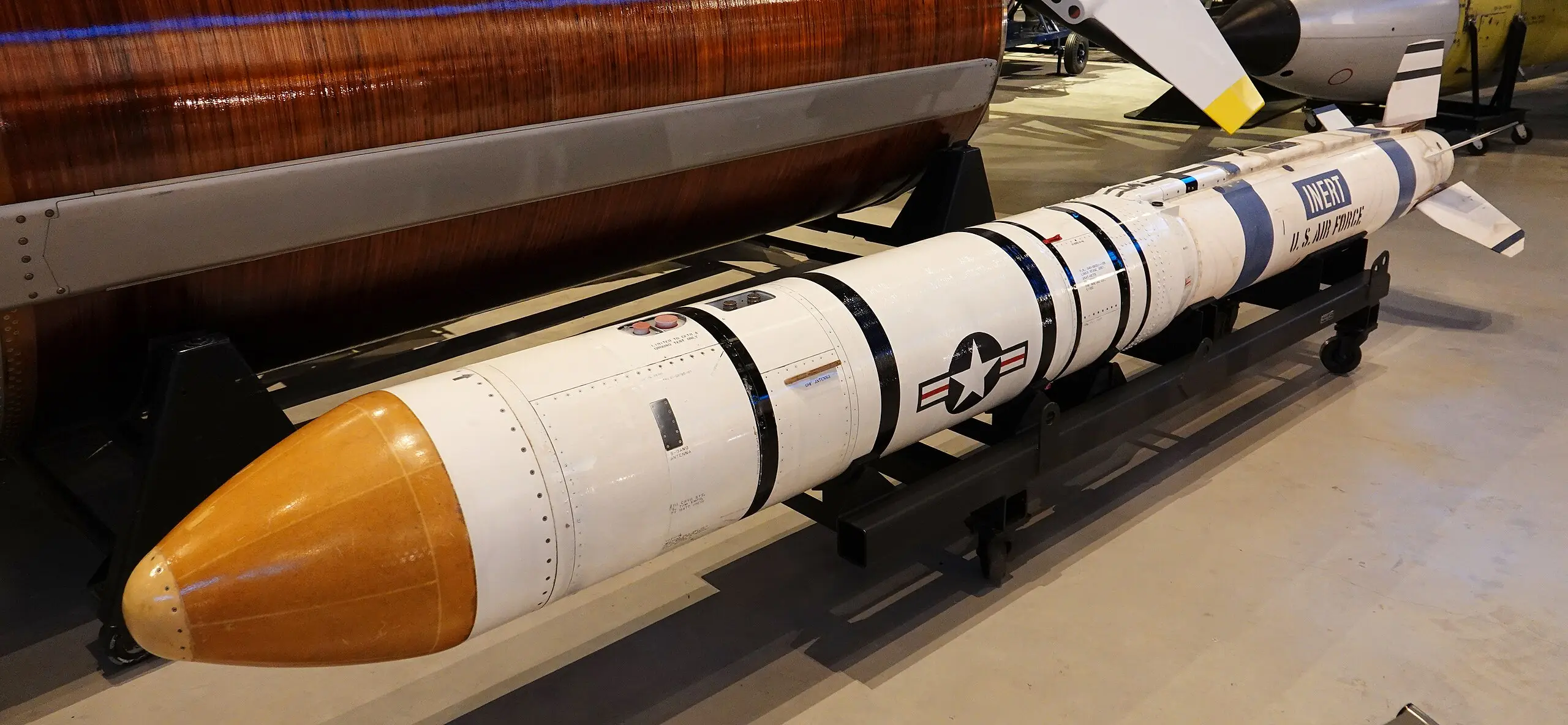
Anti-Satellite (ASAT) weapon system
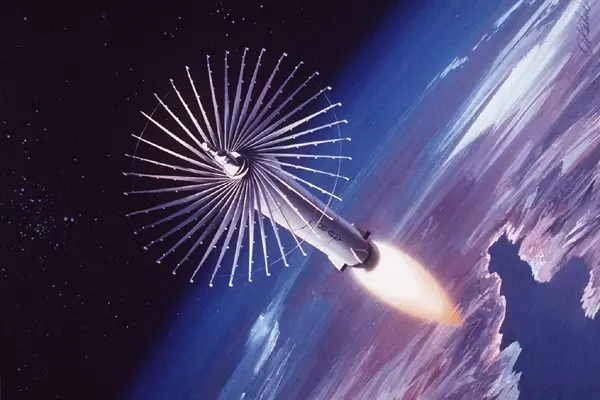
India’s successful test of a direct-ascent Anti-Satellite (ASAT) missile in 2019 demonstrated the technological capability to intercept and destroy satellites in low-Earth orbit. The system involved advanced tracking, exo-atmospheric engagement and high-precision hit-to-kill technology. With only a small number of nations possessing ASAT capability, India’s induction of this technology marked a clear milestone in space-based defence security.
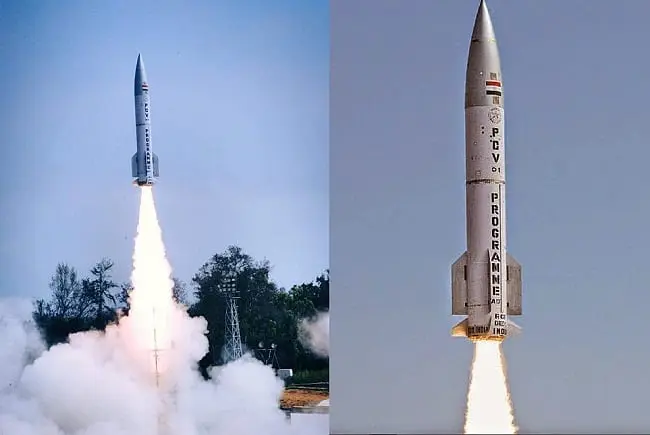
Ballistic Missile Defence Programme
India’s Ballistic Missile Defence (BMD) shield is designed to detect, track and intercept incoming ballistic missiles. It works across two layers, exo-atmospheric interception (Phase-I) for which it uses Prithvi Air Defence (PAD) and endo-atmospheric interception (Phase-II) for which the Advance Air Defence (AAD) missile is used, forming a defensive umbrella around major population and command centres. Continuous testing and system upgrades indicate long-term plans for multiple-city deployment.
AESA radar and electronic warfare suites
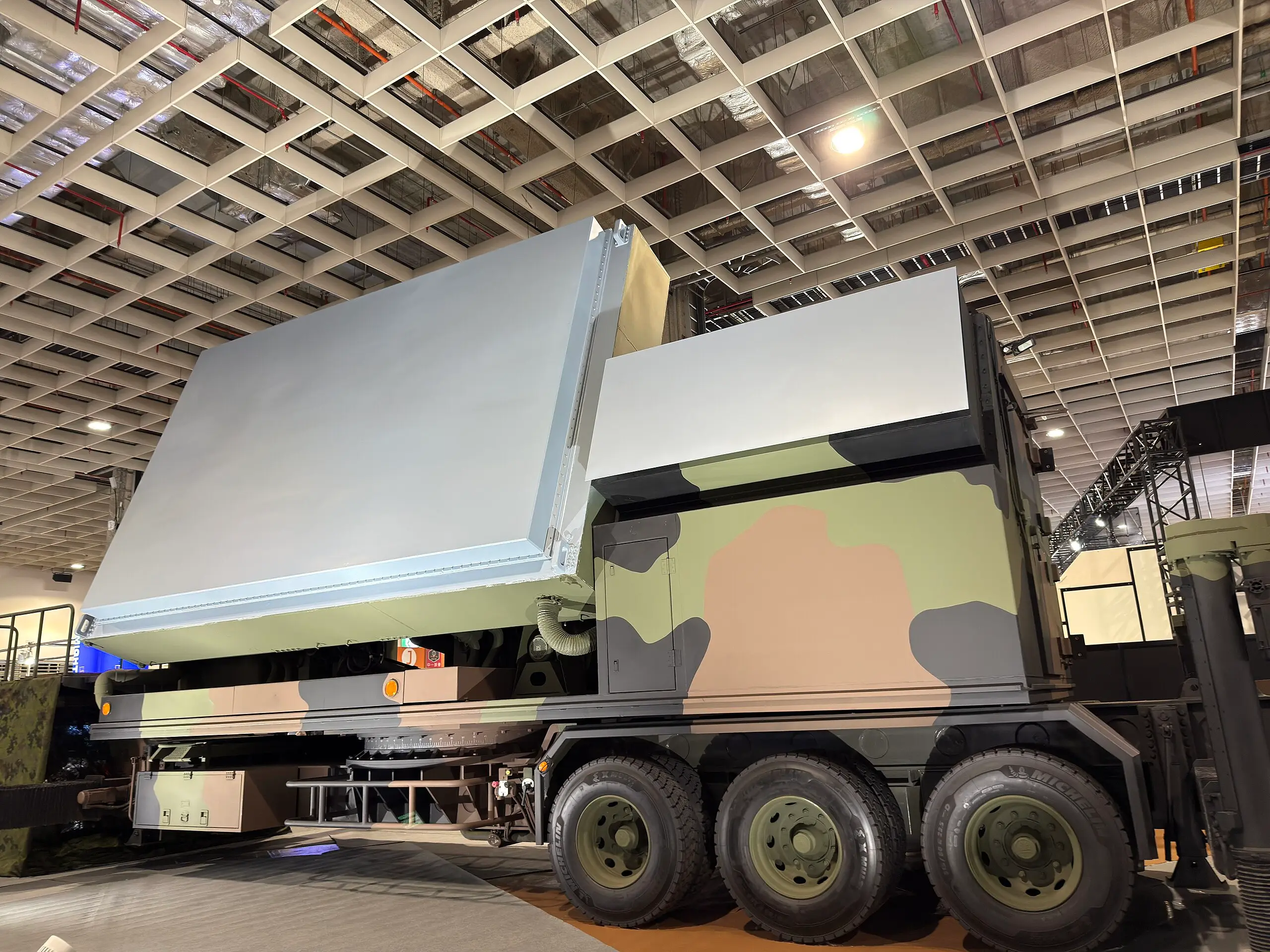
Active Electronically Scanned Array (AESA) radar technology, first introduced in India through indigenous programmes, is now integrated into select fighter aircraft and air-defence systems. AESA provides high-speed target tracking, low probability of interception and simultaneous air-to-air and air-to-ground functions. Indigenous electronic warfare suites built around AESA systems are increasingly replacing foreign imports across platforms.
Tejas Light Combat Aircraft programme
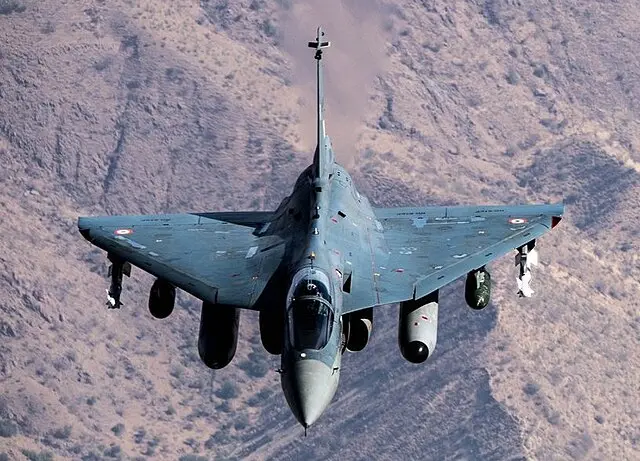
The Tejas Light Combat Aircraft represents India’s most advanced indigenous aviation platform. Designed for multi-role operations, Tejas incorporates composite airframe materials, fly-by-wire controls, advanced avionics and precision weapon integration. The programme has expanded to include Tejas Mk1A and Mk2 variants for higher performance and deeper strike capabilities. It is viewed as a major step toward reducing dependency on foreign fighter aircraft.
Arihant-class nuclear-powered ballistic missile submarines
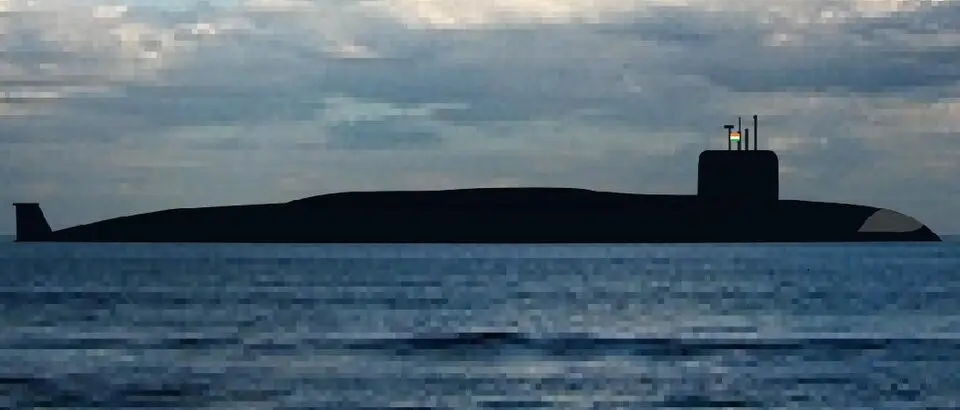
The Arihant-class SSBN project marked the creation of India’s first nuclear-powered ballistic missile submarine fleet, designed and constructed domestically. The submarine enables second-strike capability at sea and carries nuclear-capable ballistic missiles. The project integrates propulsion, underwater launch systems and naval stealth technologies developed within the country.
A defence posture based on autonomy
Indigenously developed technologies such as Agni-V, ASAT weapons, the BMD shield, AESA-based combat systems, Tejas fighters and Arihant-class submarines indicate a strategic transition. India is gradually targeting technological autonomy so that critical defence capabilities cannot be restricted by external pressures.
)
)
)
)
)