Who is Mojtaba Khamenei? After US–Israel strikes killed Ali Khamenei, could his son inherit supreme leadership of Iran?

Among the figures attracting attention is Mojtaba Khamenei, the second-eldest son of the late Supreme Leader, long regarded as a powerful yet behind-the-scenes actor within Iran’s political and security apparatus.
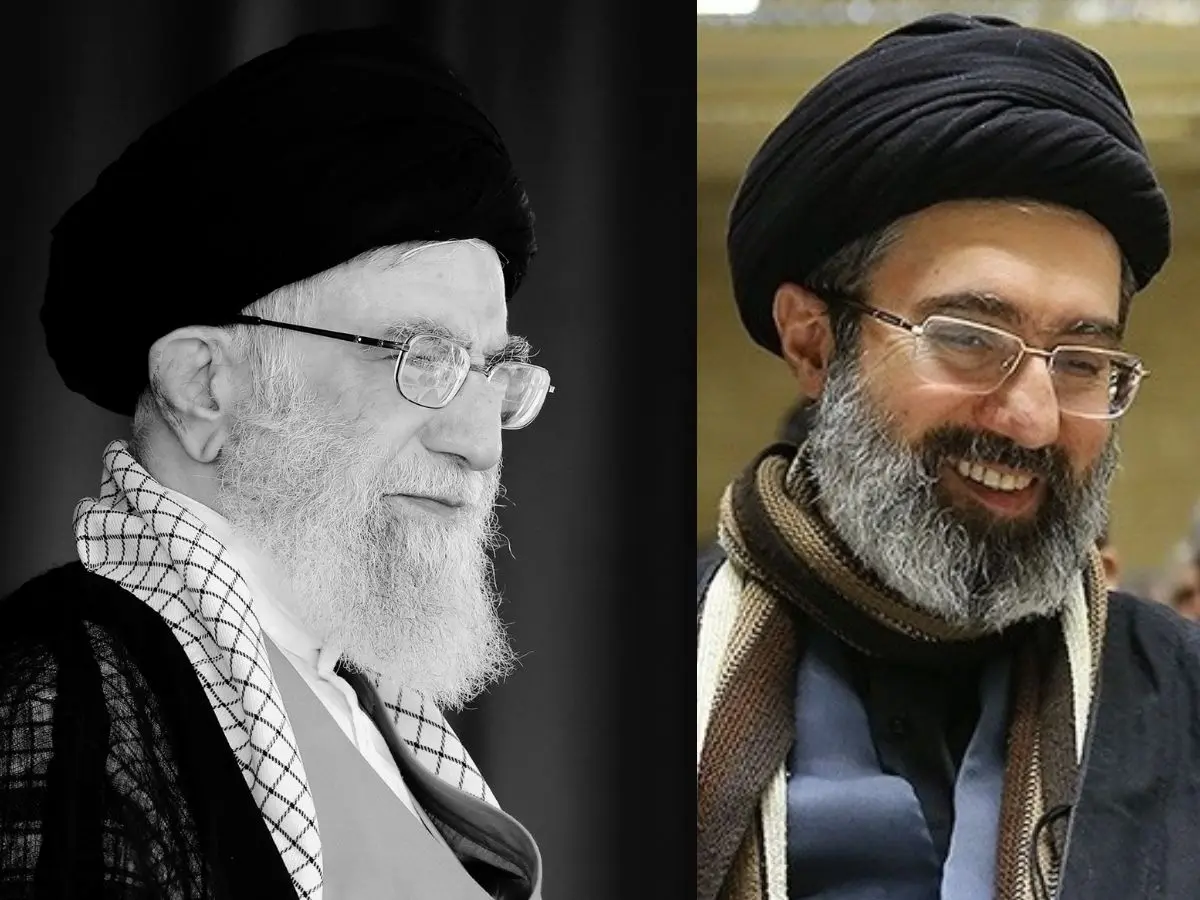
Leadership vacuum after Khamenei’s death
Iran’s political landscape has been thrown into uncertainty following the confirmed killing of Supreme Leader Ayatollah Ali Khamenei in joint US–Israeli strikes on Tehran. Iranian state media reported that Khamenei was killed at his office, and authorities declared 40 days of national mourning and seven days of public holiday. The Islamic Revolutionary Guard Corps (IRGC) immediately launched retaliatory strikes against US and Israeli targets, and state television reported that Iran’s Armed Forces Chief of Staff Abdolrahim Mousavi was also killed in the attacks. Meanwhile, Iranian commanders have issued warnings of further responses against what they have described as “aggression” by the United States and Israel.
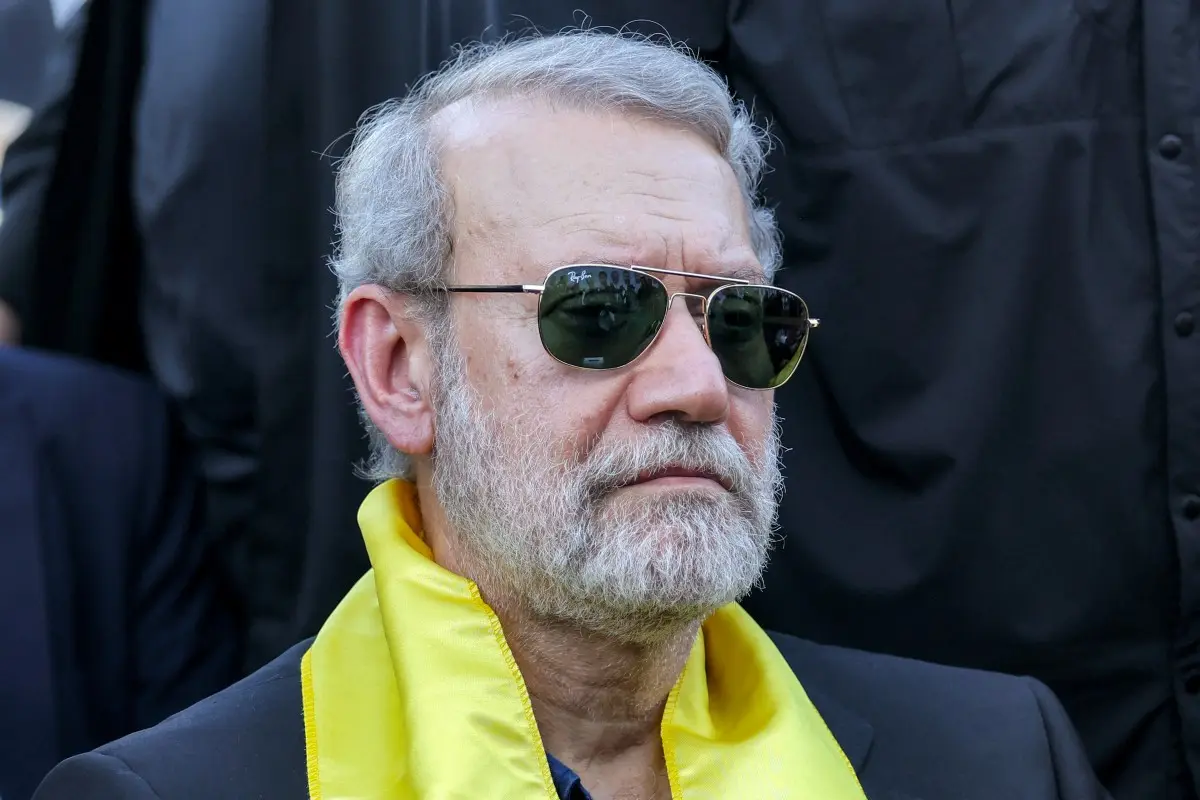
Interim leadership mechanism
National officials, including Secretary of the Supreme National Security Council Ali Larijani, said an interim leadership council comprising the president, the head of the judiciary and a jurist from the Guardian Council would assume responsibilities until a new supreme leader is selected, Iran’s official news agency IRNA reported. Larijani confirmed that the interim mechanism would be implemented “as soon as possible” to maintain continuity, according to the Times of Israel. Mojtaba Khamenei is one of the most influential figures in the Iranian clerical establishment and among the figures seen as a candidate to succeed Ali Khamenei as leader of the Islamic Republic, says Reuters.
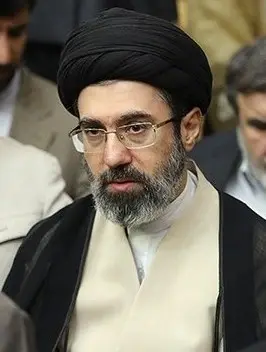
Mojtaba Khamenei
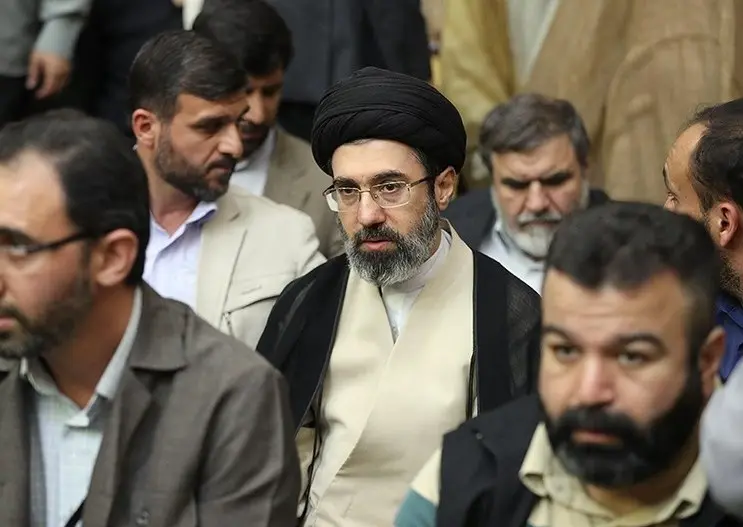
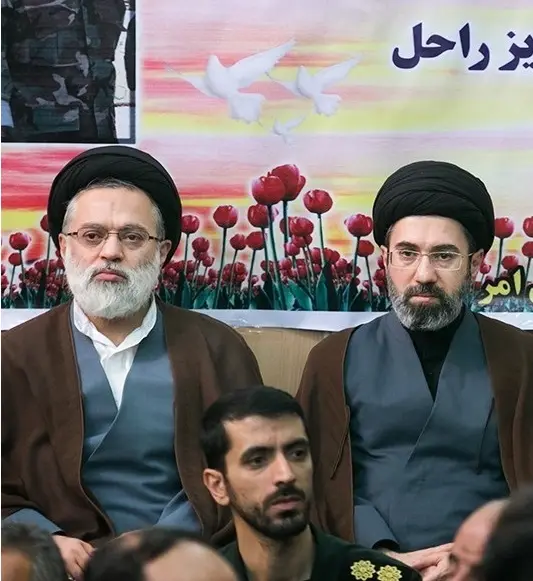
Mojtaba Khamenei, born on 8 September 1969 in Mashhad, carries the clerical rank of Hojjatoleslam and is the second‑eldest son of the late Supreme Leader Ayatollah Ali Khamenei. Now 55, he has never held a formal position in the Islamic Republic’s government but is widely regarded as a powerful behind-the-scenes figure in Iran’s political and security apparatus, with close ties to the Islamic Revolutionary Guard Corps and influence as a gatekeeper within the supreme leader’s office. Analysts compare his role to that of Ahmad Khomeini, the son of the Islamic Republic’s founder, who acted as gatekeeper during his father’s rule.
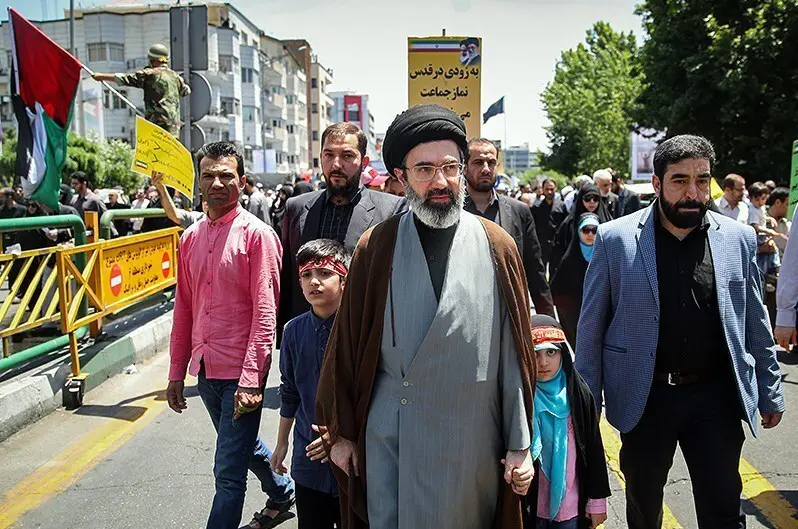
Influence and IRGC ties
Mojtaba’s influence stems from his close relationships with the IRGC and security networks. He served in the Habib Battalion during the Iran-Iraq War and cultivated ties with senior commanders in intelligence and the Basij. He has also been implicated in internal security decisions, including suppression of protests after the 2009 disputed election. The US sanctioned him in 2019, describing him as an extension of the Supreme Leader despite holding no official government position.
Constitutional challenges
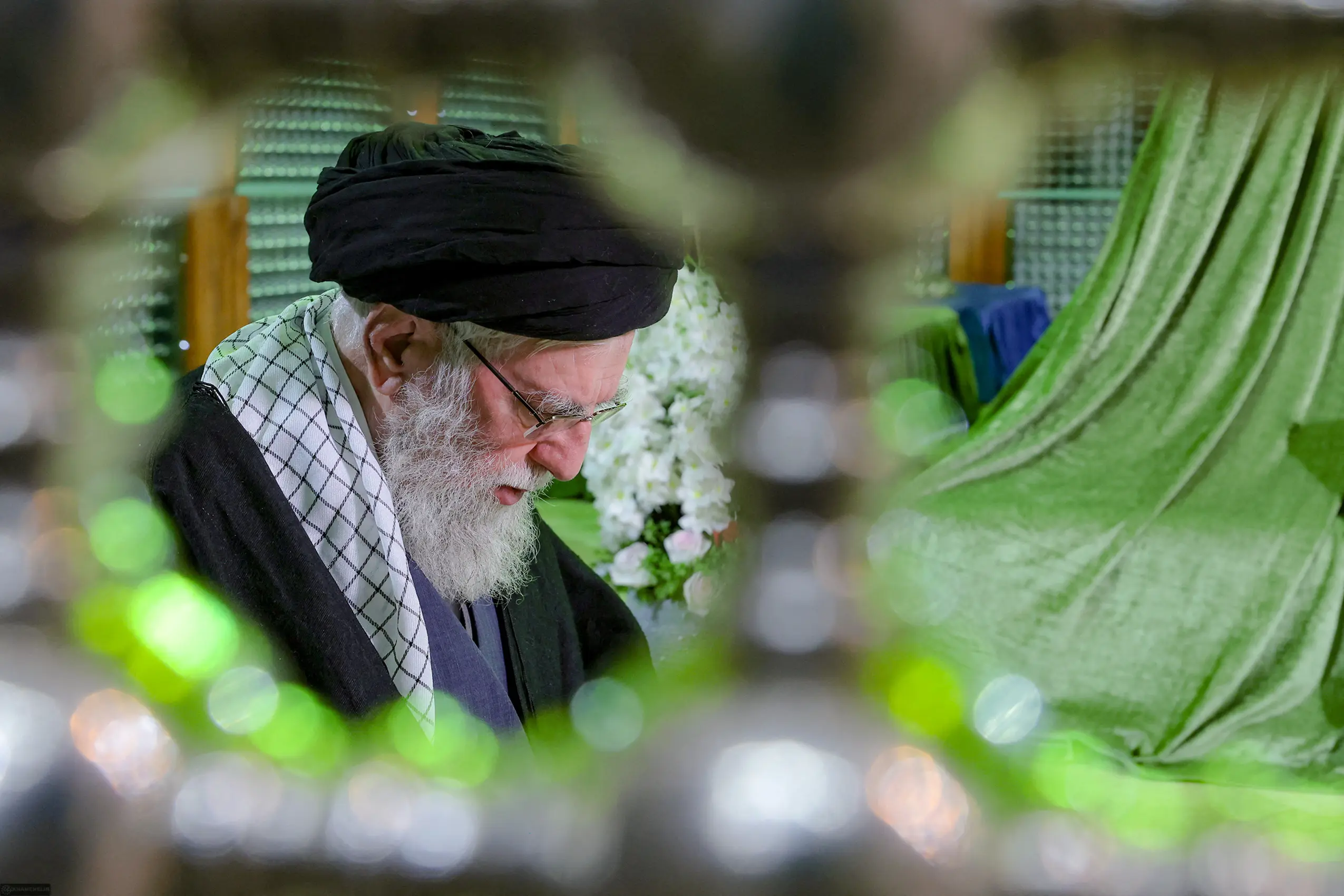
While Mojtaba wields significant influence, succession is constrained by Iran’s constitution. The Supreme Leader must be a senior cleric with recognized religious authority. Father-to-son succession is sensitive, and Mojtaba does not hold the rank of ayatollah, making formal appointment challenging. The Assembly of Experts, an 88-member clerical body, is tasked with evaluating and selecting the next leader.
Opposition figures weigh in
The death of Khamenei has also reinvigorated opposition voices. Maryam Rajavi, president-elect of the National Council of Resistance of Iran, called for Iranians to unite and overthrow the clerical regime. Exiled crown prince Reza Pahlavi echoed the call for democratic transition, urging security forces to side with the people. Both leaders framed their messages as a roadmap for Iran’s future should the Islamic Republic collapse.
Uncertain future for Iran
Mojtaba Khamenei’s potential rise highlights the tension between institutional procedure and personal influence within Iran. While his networks within the IRGC and clerical establishment bolster his position, the constitutional requirement for senior clerical rank and the sensitivity of hereditary succession create significant hurdles.
)
)
)
)
)