After US–Israel strikes kill Khamenei, how will Iran choose its next Supreme Leader? Inside the succession process

Under Iran’s constitution, a clear mechanism exists to ensure continuity of leadership despite the unprecedented sudden loss of the country’s highest authority.
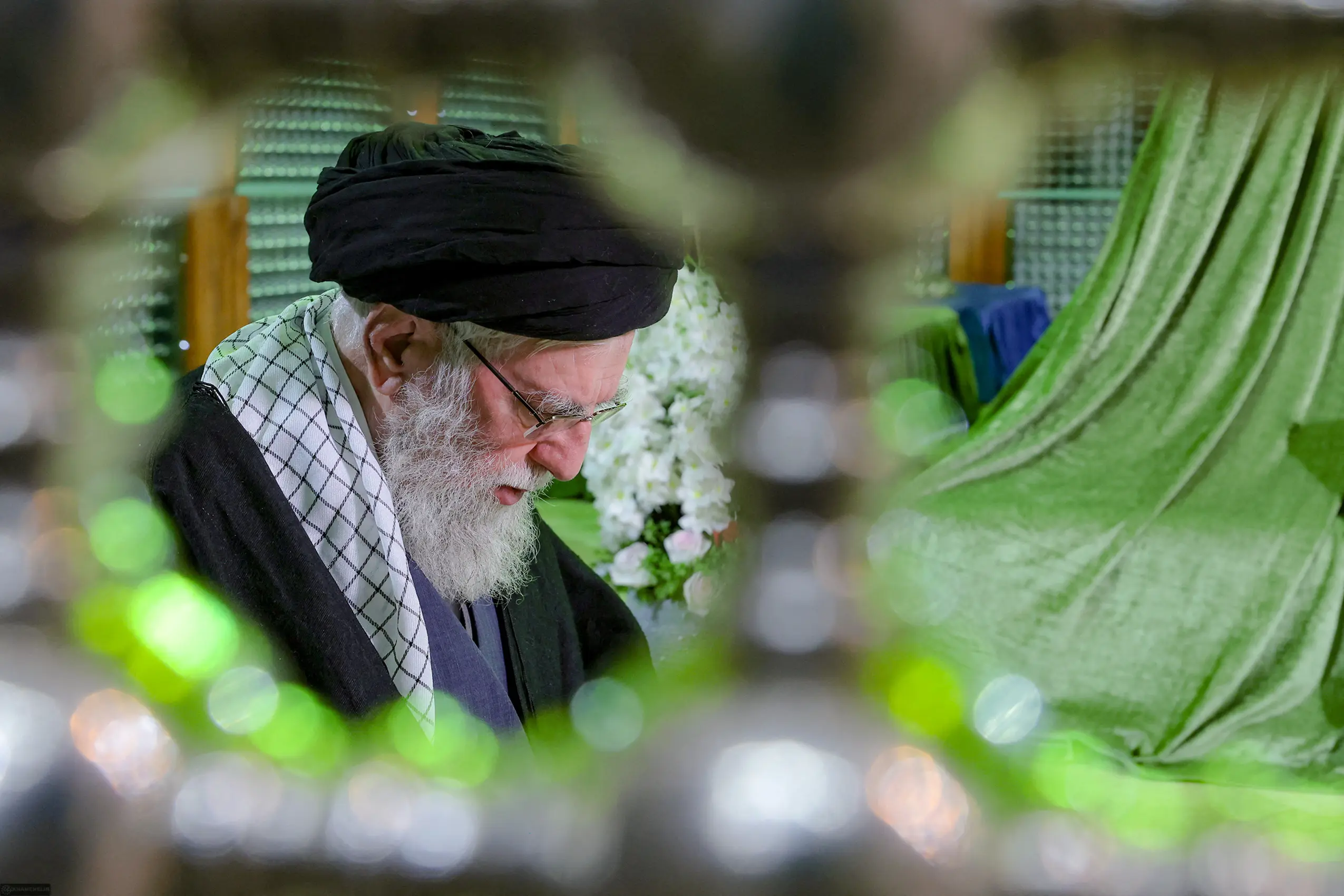
Khamenei’s death triggers constitutional process
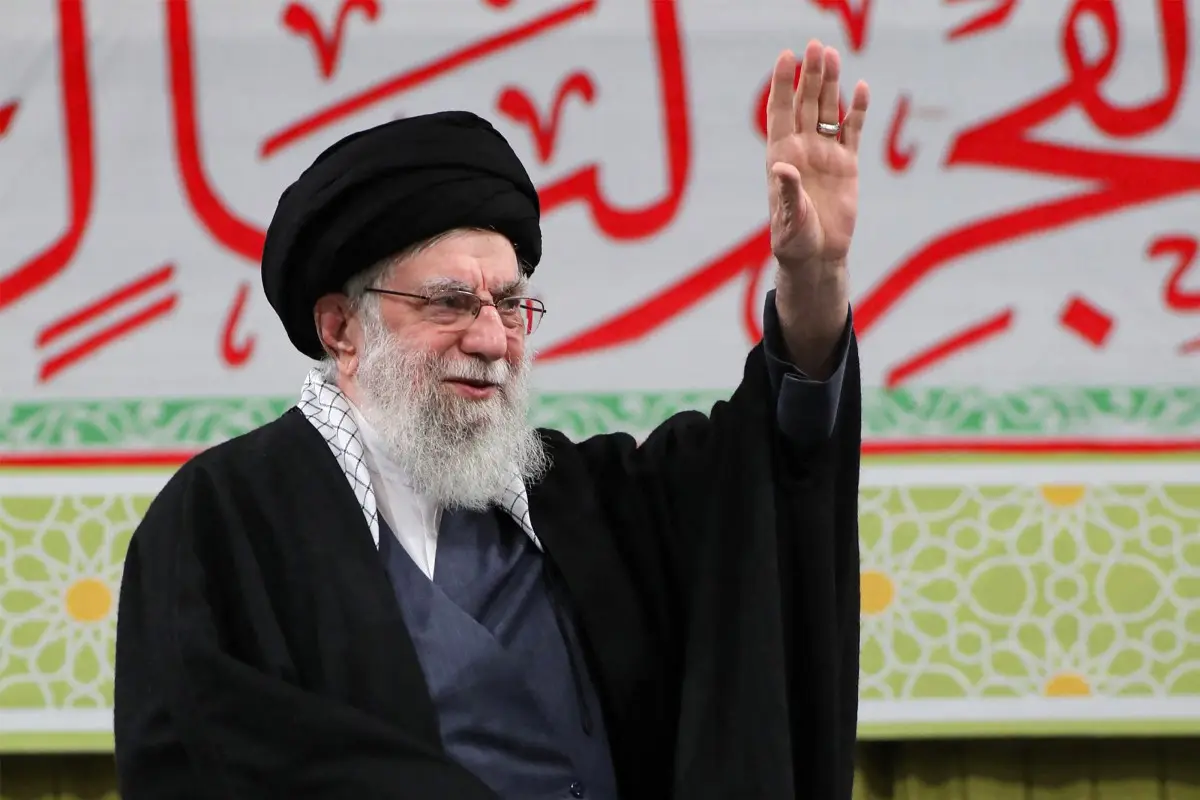
The contours of Iran’s succession process began to take shape the morning after Supreme Leader Ayatollah Ali Khamenei was assassinated in a major joint strike by the United States and Israel, plunging the Islamic Republic into one of the most consequential political transitions since the 1979 revolution. Iranian state media confirmed his death, and authorities announced a 40‑day period of national mourning. Under Iran’s constitution, a clear mechanism exists to ensure continuity of leadership despite the unprecedented sudden loss of the country’s highest authority.
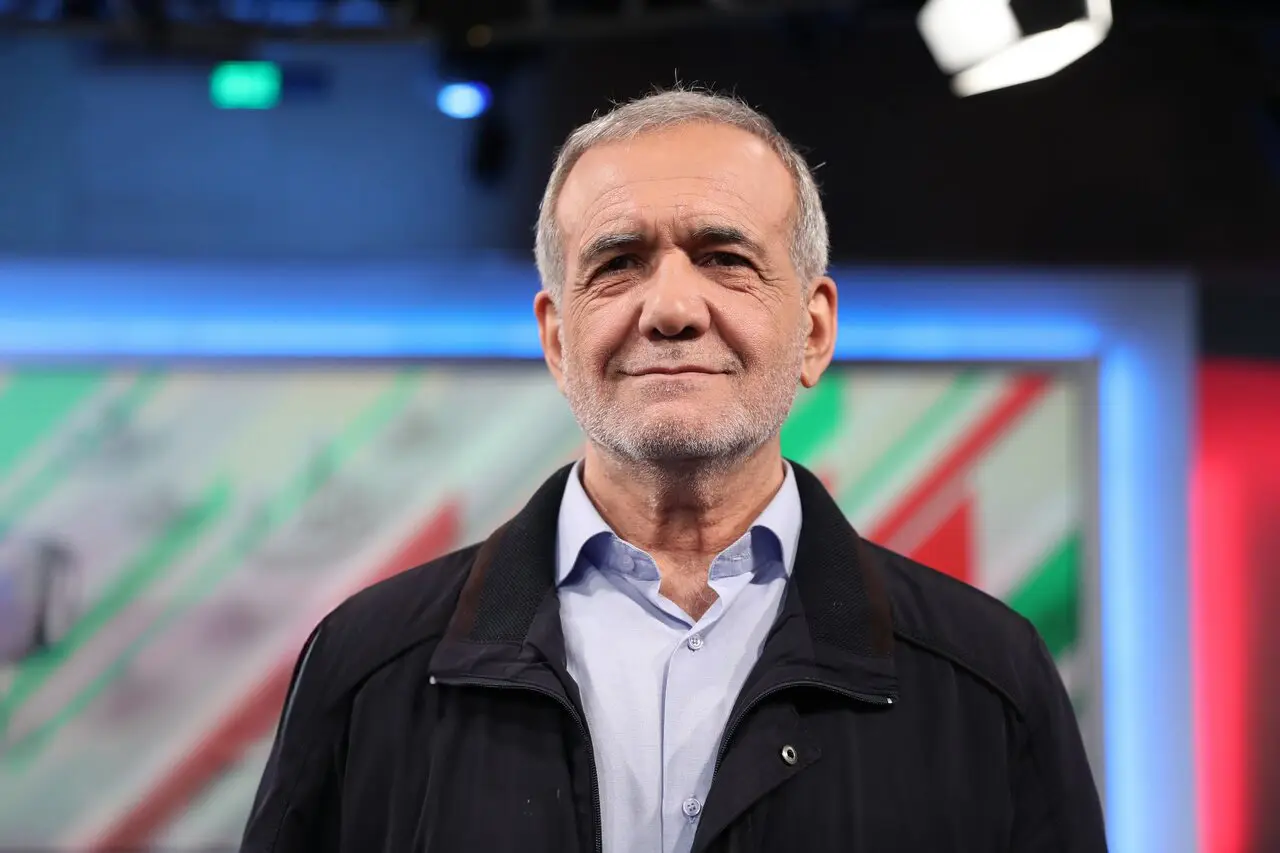
Formation of the provisional leadership council
Article 111 of Iran’s constitution provides for a provisional leadership council if the position of supreme leader becomes vacant. On Sunday, the Expediency Discernment Council selected Ayatollah Alireza Arafi as Iran’s interim Supreme Leader, the state-linked ISNA news agency reported. He has been appointed as the jurist member of this interim leadership council joining Iran’s sitting president Masoud Pezeshkian and judiciary chief Gholamhossein Mohseni Ejei to assume leadership duties until a permanent successor is chosen.
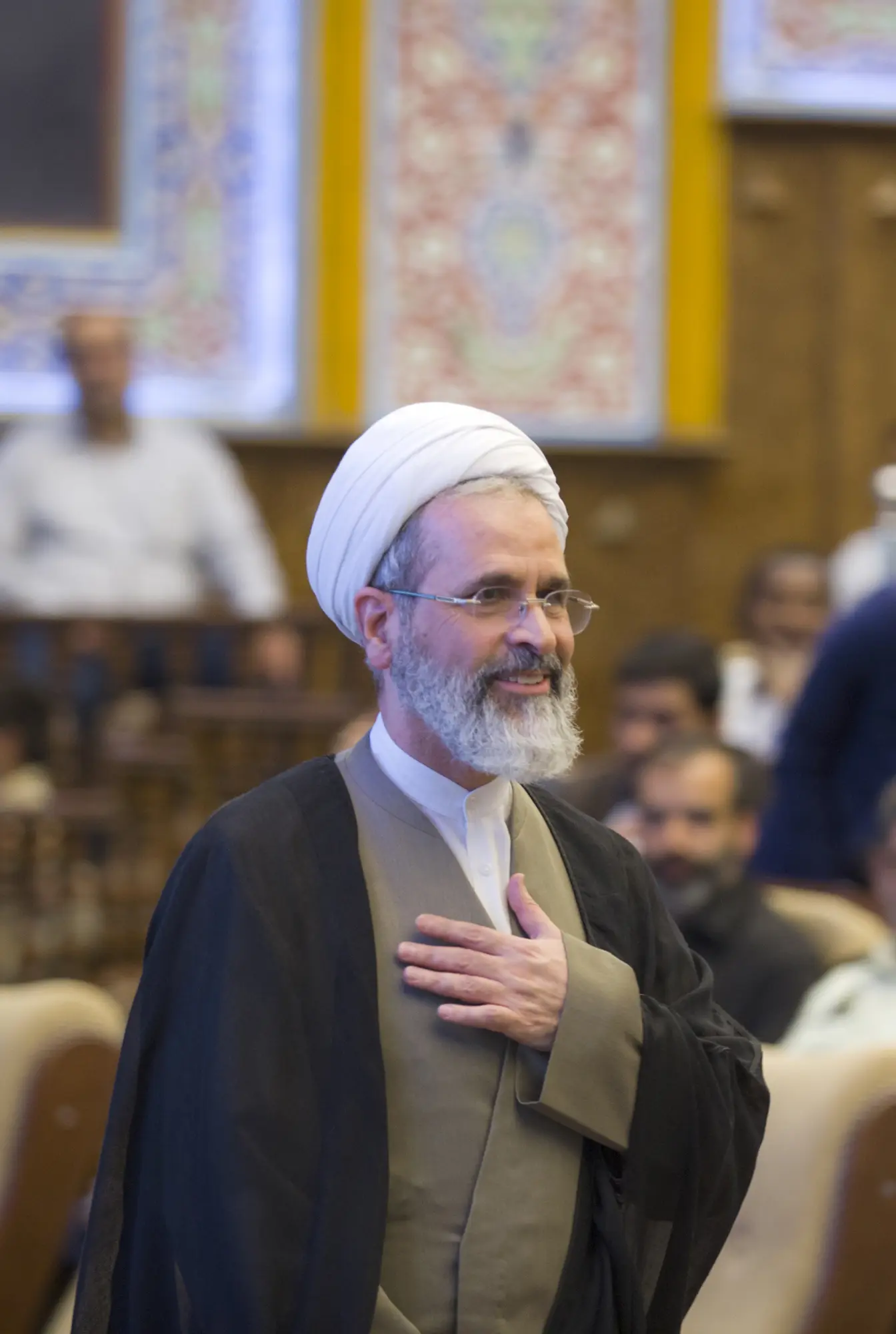
Interim governance and its mandate
The three‑member interim council will temporarily oversee the functions previously held by the supreme leader, managing the state during this transition period. Its responsibilities include guiding the country’s political and religious leadership framework until a new supreme leader is selected. This arrangement allows executive authority to continue despite the leadership vacuum. Before, his interim leadership role, Arafi held several key posts at once.
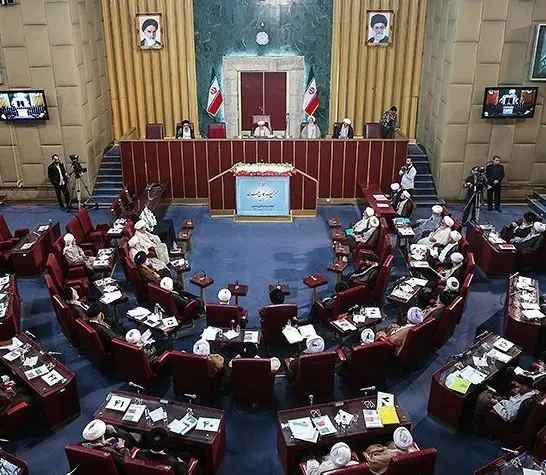
The Assembly of Experts: Composition and Mandate
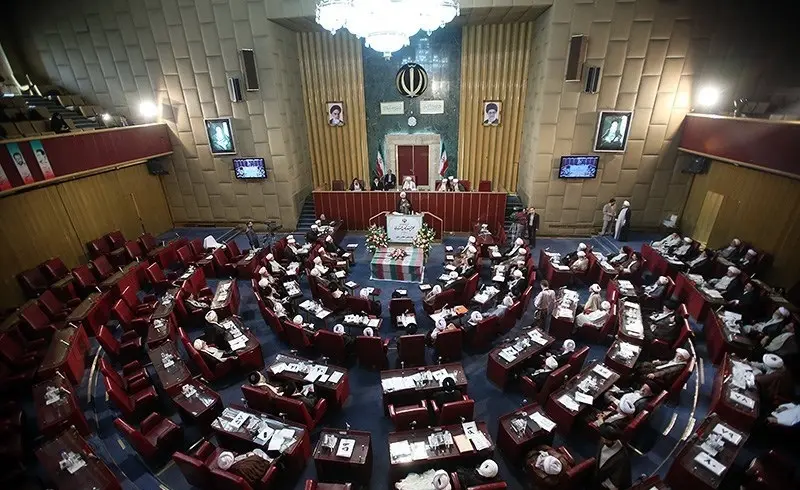
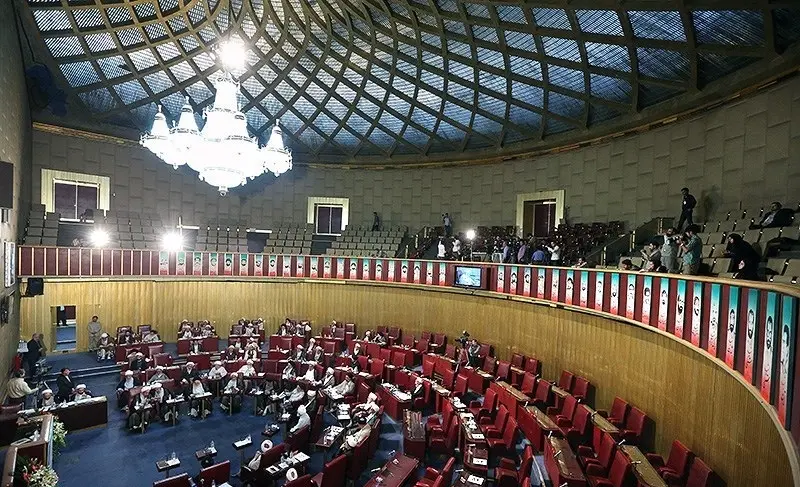
While the interim council governs, Iran’s constitution mandates that an 88-member body of senior Islamic jurists and clerics, popularly elected for eight-year terms, must “as soon as possible” elect a new supreme leader in the event of death, resignation, or incapacity. Known as the Assembly of Experts, the body is composed entirely of Shiite clerics, with all candidacies vetted and approved by the Guardian Council, which also oversees eligibility for the Assembly itself.
Powers and Historical Context
Since the 1979 Islamic Revolution, Iran has had only two supreme leaders: Ayatollah Ruhollah Khomeini, the founder of the Islamic Republic, and Ali Khamenei, who succeeded him in 1989. Beyond selecting the next leader, the Assembly of Experts supervises the supreme leader’s performance and holds the authority to dismiss him if he fails to fulfill his duties. The Assembly’s most recent elections were held in 2024, and it is currently headed by veteran cleric Mohammad Ali Movahedi Kermani.
The Guardian Council’s influence
The Guardian Council holds a pivotal role in Iran’s political system, vetting candidates for office and overseeing legislation passed by parliament. Its power to disqualify potential leaders is well established; for instance, it barred former president Hassan Rouhani from running for the Assembly of Experts in March 2024. Under constitutional requirements, the supreme leader must be a qualified Islamic jurist, just and pious, and well-versed in political and social affairs, with the capacity for leadership and sound judgment. If no candidate fully satisfies all these criteria, the Assembly of Experts may select an individual who demonstrates strong leadership ability and political competence.
Internal Deliberations and Candidate Assessment
Before a formal vote, the Assembly of Experts conducts private deliberations to evaluate multiple candidates, considering their religious scholarship, political experience, and administrative competence. These sessions are held behind closed doors, and details are rarely disclosed publicly. Historical precedent highlights the process: after Ayatollah Khomeini’s death in 1989, several potential successors were assessed before Ali Khamenei was ultimately chosen.
Potential Contenders for Iran’s Next Supreme Leader
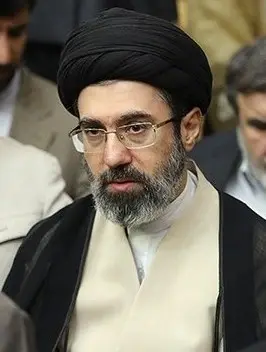
Unlike 1989, no single figure currently matches Khamenei’s combined religious and political authority. Names drawing attention apart from Ayatollah Alireza Arafi, include Mojtaba Khamenei, second-eldest son of the late leader; Ali Larijani, Secretary of the Supreme National Security Council and Ayatollah Hashem Hosseini Bushehri, a senior cleric linked to succession mechanisms. Deliberations remain secret, leaving the Assembly’s ultimate choice uncertain, with IRGC influence also a key factor.
)
)
)
)
)