After Tejas, HAL's stock crashes but brokerage see over 20% upside in fighter jet maker! Here's why

Technically, HAL is trading in a broad descending channel, struggling to break past the Rs 4,850–4,900 supply zone
Shares of Hindustan Aeronautics
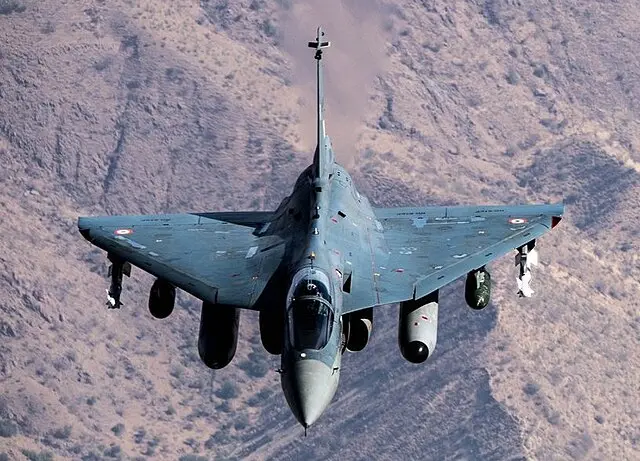
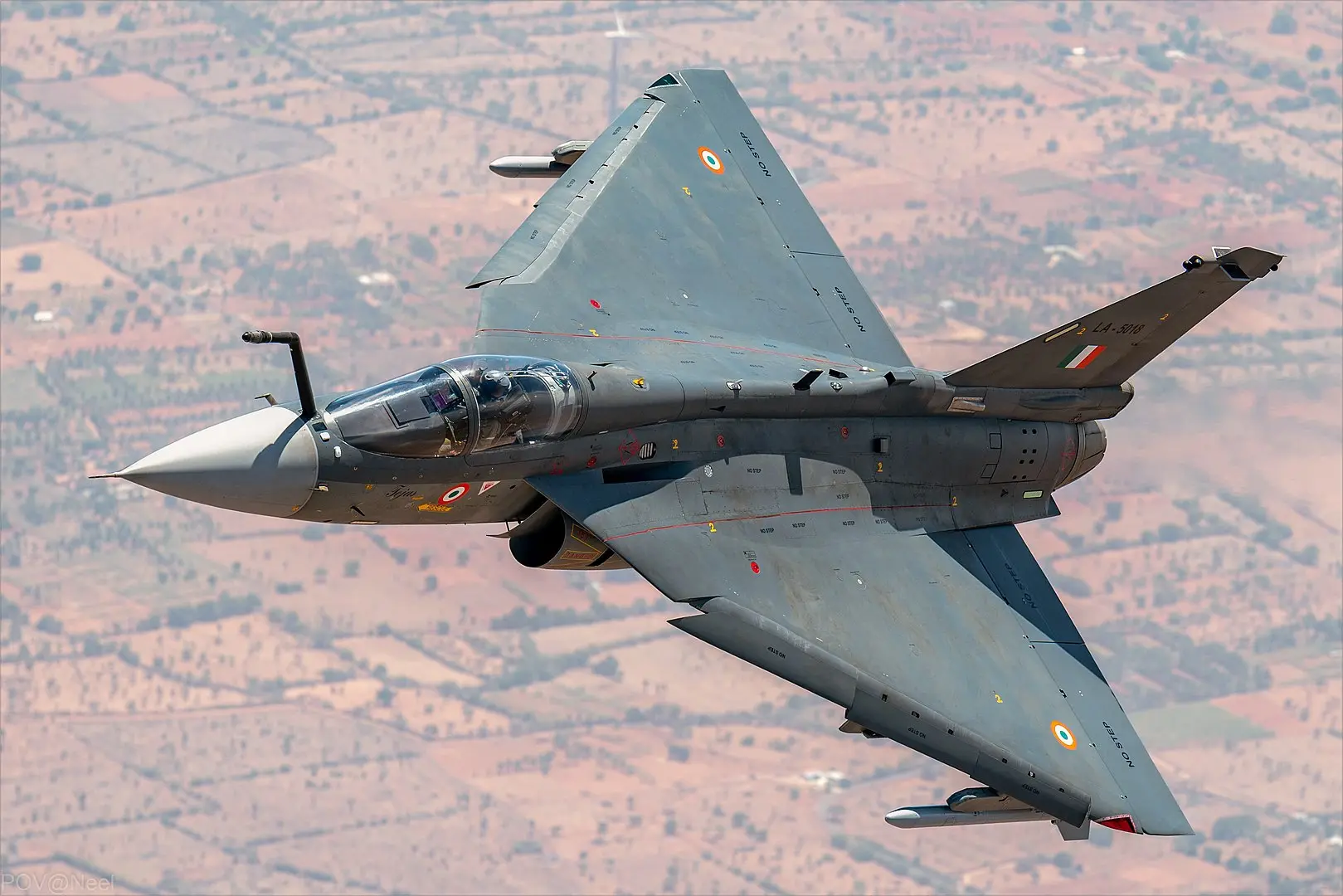
Shares of Hindustan Aeronautics Ltd (HAL) witnessed sharp volatility after the Tejas fighter jet crash in Dubai last week, but major brokerages believe the stock still holds strong upside potential. The stock fell as much as 9 per cent on November 24, hitting a seven-month low of Rs 4,205.25, before recovering partially to close more than 3 per cent lower at Rs 4,443 on the BSE.
Sell-off
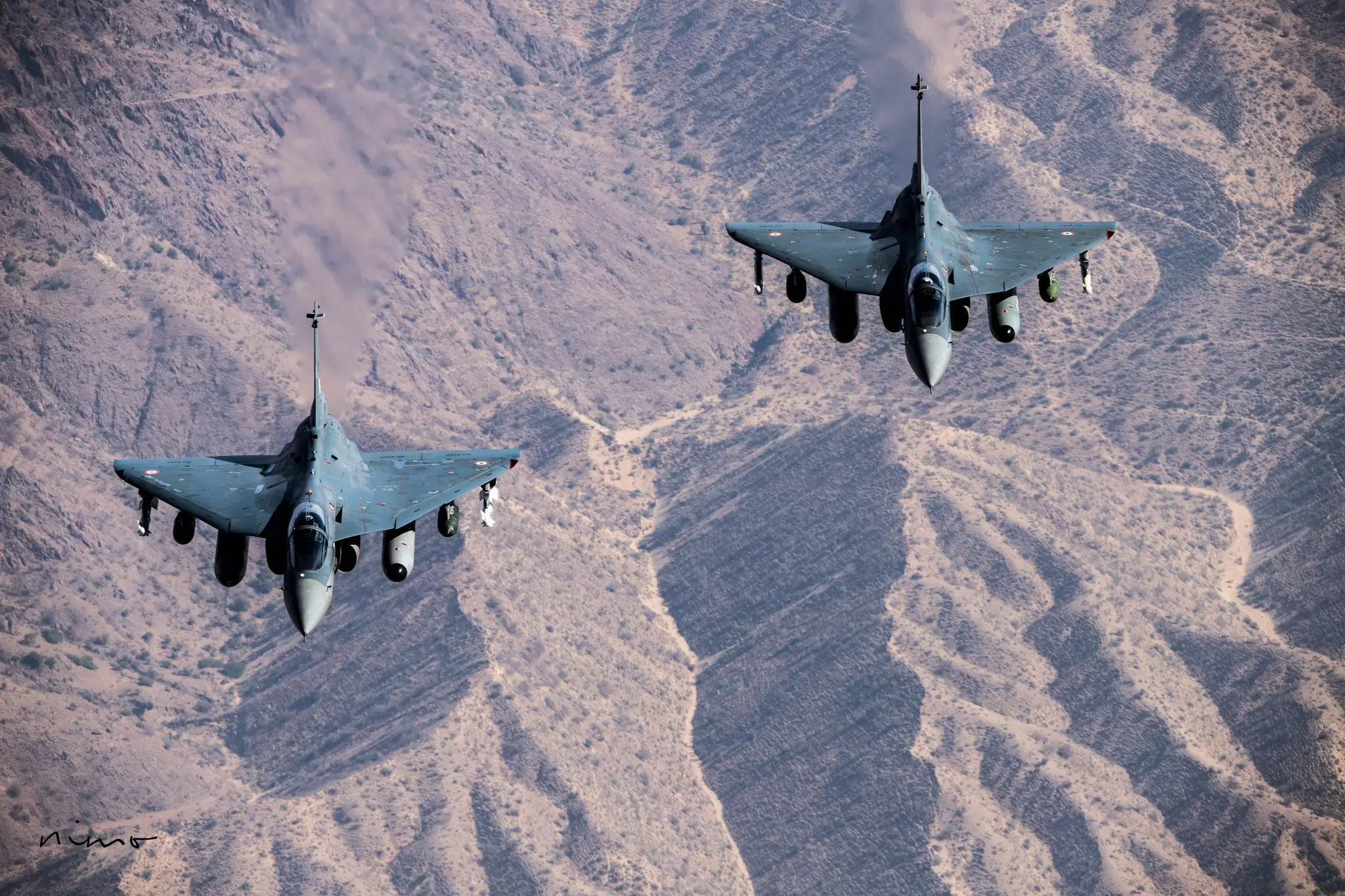
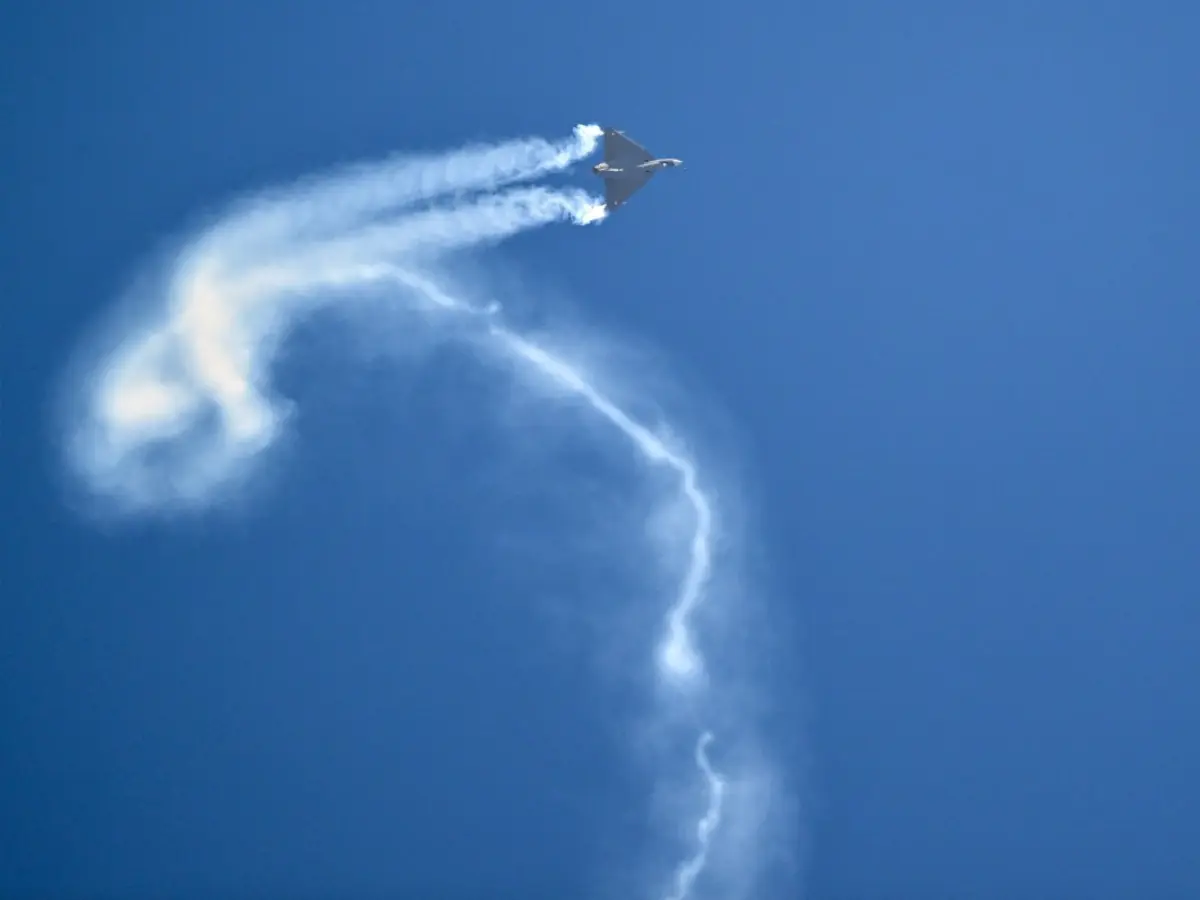
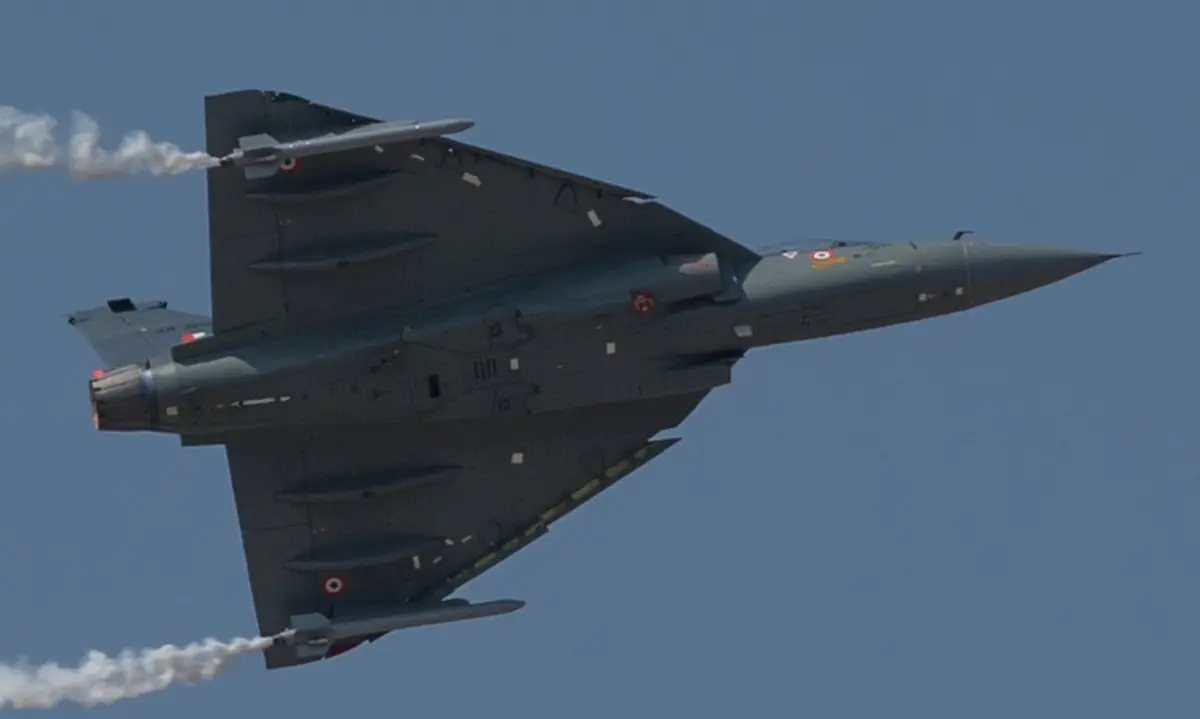
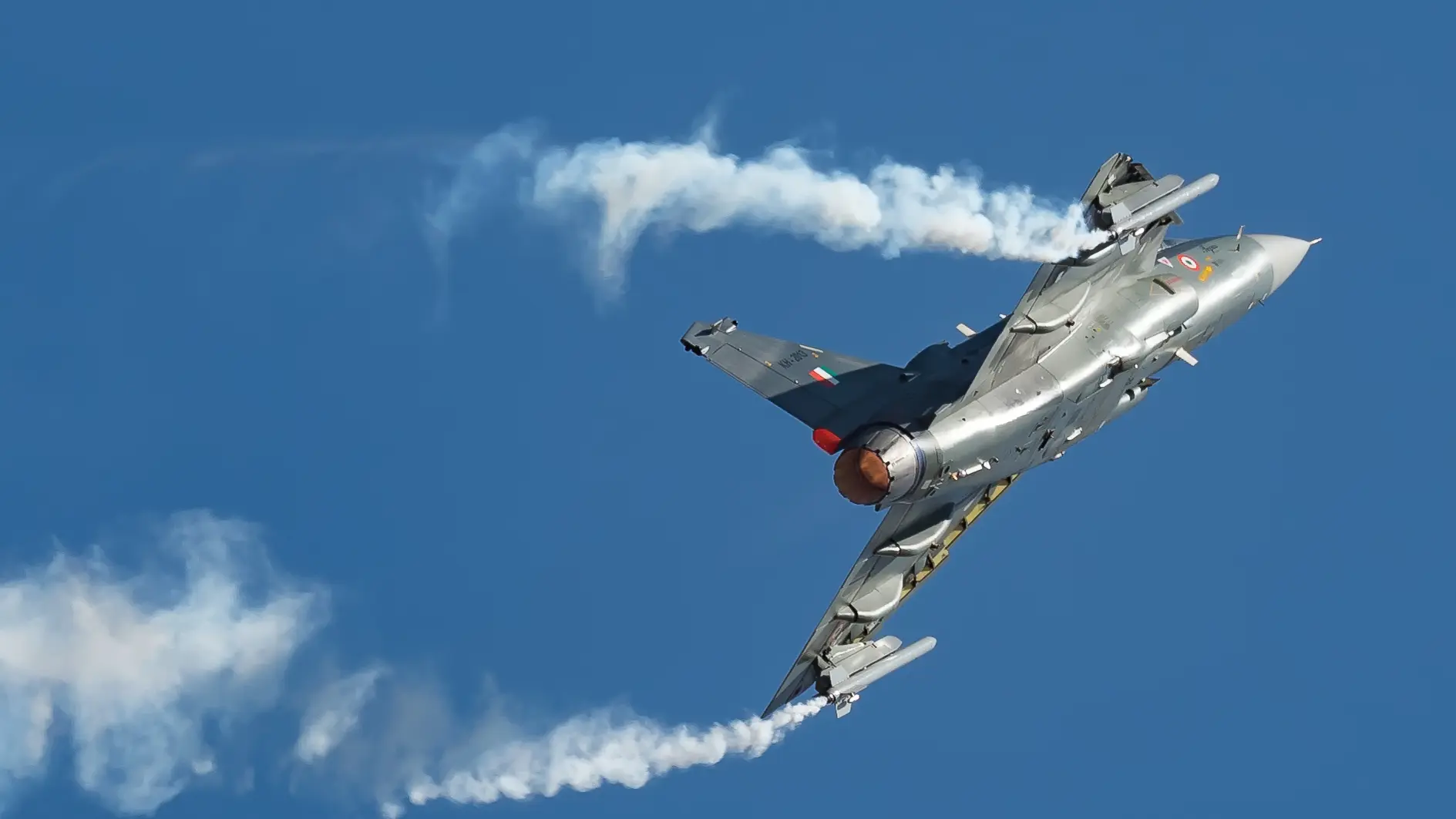
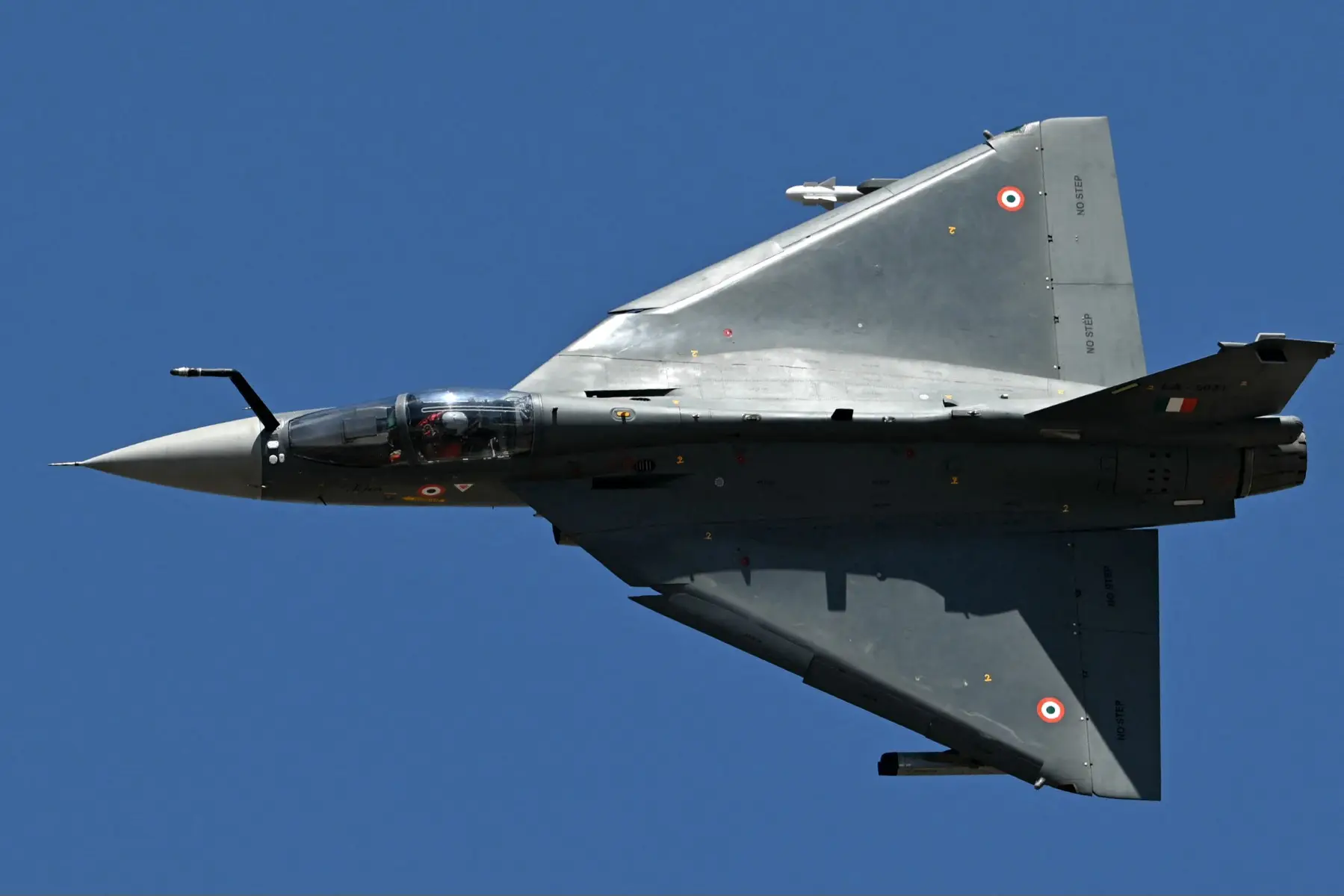
The sell-off followed the tragic crash of an LCA Tejas single-seat fighter during an aerobatic display at Al Maktoum International Airport on November 21, which resulted in the death of IAF pilot Wing Commander Namansh Syal. The incident marks the second Tejas-related accident in less than two years, raising concerns over export prospects in the short term. Despite this, brokerages say the impact on HAL’s fundamentals is limited, and the long-term growth story remains intact.
Elara Capital: 24% Upside, No Financial Impact on Orders
According to MoneyControl, Elara Capital has maintained a ‘Buy’ rating with a target price of Rs 5,680, implying nearly 24 per cent upside. The brokerage believes the crash will not materially affect HAL’s existing order book or deliveries, though Tejas Mk1A export timelines may temporarily shift. Export markets HAL has courted include countries in Asia, Africa and Latin America, and the PSU even opened a regional office in Malaysia in 2023.
CLSA: ‘Outperform’ Rating, 18% Upside — Volatility Is a Buying Opportunity
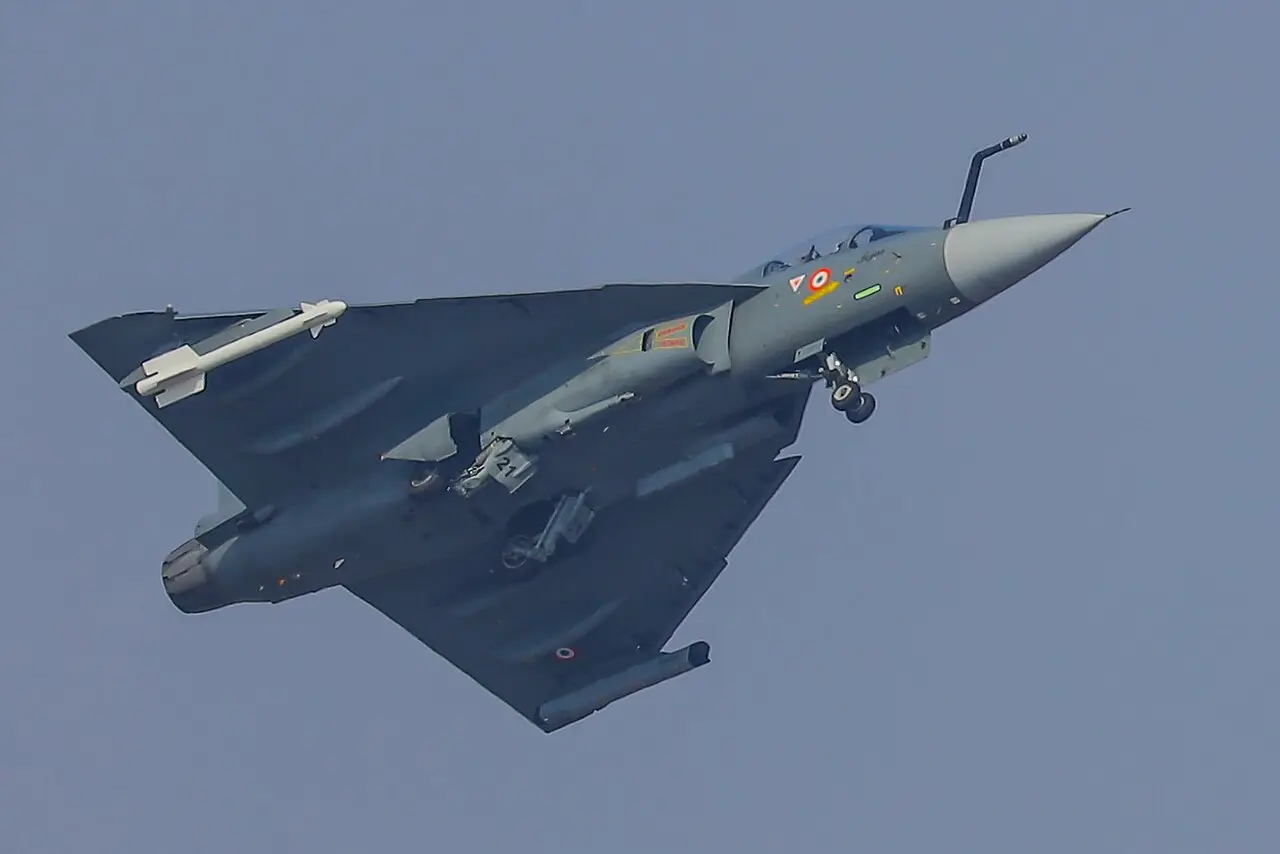
CLSA has kept an ‘Outperform’ call with a target of Rs 5,436, implying over 18 per cent upside. The global brokerage said early expert assessments point to possible causes such as GE engine thrust loss, aerodynamic stall, or human error. CLSA says the temporary volatility offers a chance to accumulate the stock, backed by HAL’s robust $54 billion order pipeline, among the strongest in Indian defence manufacturing.
Choice Institutional Equities: 21% Upside
Choice has retained a ‘Buy’ rating with a target of Rs 5,570 (21 per cent upside). The brokerage cited initial expert insight indicating a Negative-G manoeuvre as a likely cause, while the Indian Air Force’s Court of Inquiry will establish the final reason. Choice emphasised that such accidents, though tragic, fall within the “recognised operational risk” envelope of advanced fighter programmes globally. It noted Tejas’ low accident ratio and said the incident does not reflect systemic design flaws.
Defence Experts: Short-Term Image Damage, Long-Term Story Intact
Experts quoted by Reuters acknowledged that the crash will temporarily hurt India’s efforts to market the Tejas abroad. One former HAL executive said the incident “rules out exports for now” and that the near-term focus will shift to boosting domestic production. However, analysts believe the Tejas programme retains long-term potential. Douglas A. Birkey of the US-based Mitchell Institute stated that despite negative publicity, the aircraft will likely “regain momentum.”
Market View: Defence Stocks Face Sentiment Shock, Not Structural Risk
Market expert Siddharth Maurya noted that defence stocks are experiencing sentiment-driven volatility due to both the crash and geopolitical developments such as possible Russia–Ukraine peace talks. But he stressed that the structural narrative for Indian defence manufacturing remains strong, supported by indigenisation, order visibility and global interest. He added that if HAL maintains execution and communication discipline, this phase “may end up being a buying opportunity” rather than a lasting drag.
Technical View
Technically, HAL is trading in a broad descending channel, struggling to break past the Rs 4,850–4,900 supply zone, according to Swastika Investmart’s Pravesh Gour.
Support: Rs 4,450–4,500 (aligned with 200-day moving average)
Resistance: Rs 4,900 (falling trendline)
Indicators: RSI neutral; MACD in negative crossover
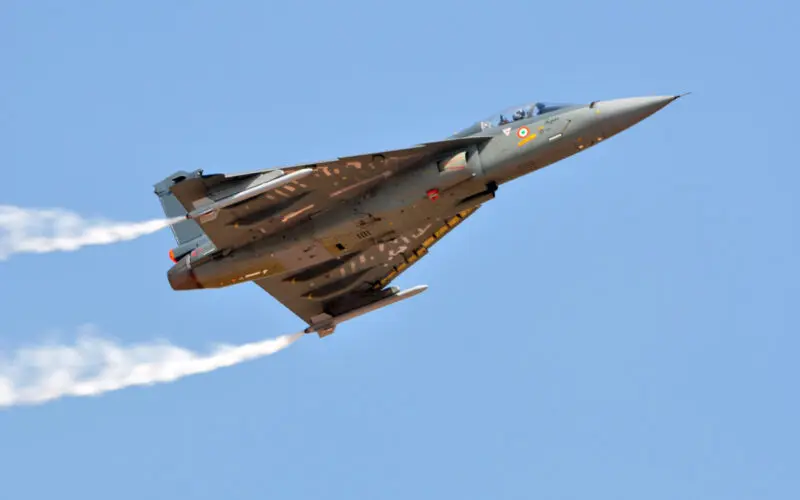
Temporary Shock, Strong Fundamentals
Despite the tragic Tejas crash and short-term volatility, brokerages agree: HAL’s long-term fundamentals remain strong, its order pipeline is massive, and the stock still offers 18–24 per cent upside. Early expert assessments indicate no systemic issues with the Tejas platform, and the IAF inquiry will provide further clarity. For now, analysts see the correction as sentiment-driven, not structural.
)
)
)
)
)