After Khamenei’s death in US–Israel strikes, who will replace him as Iran’s supreme leader? Top names in the race

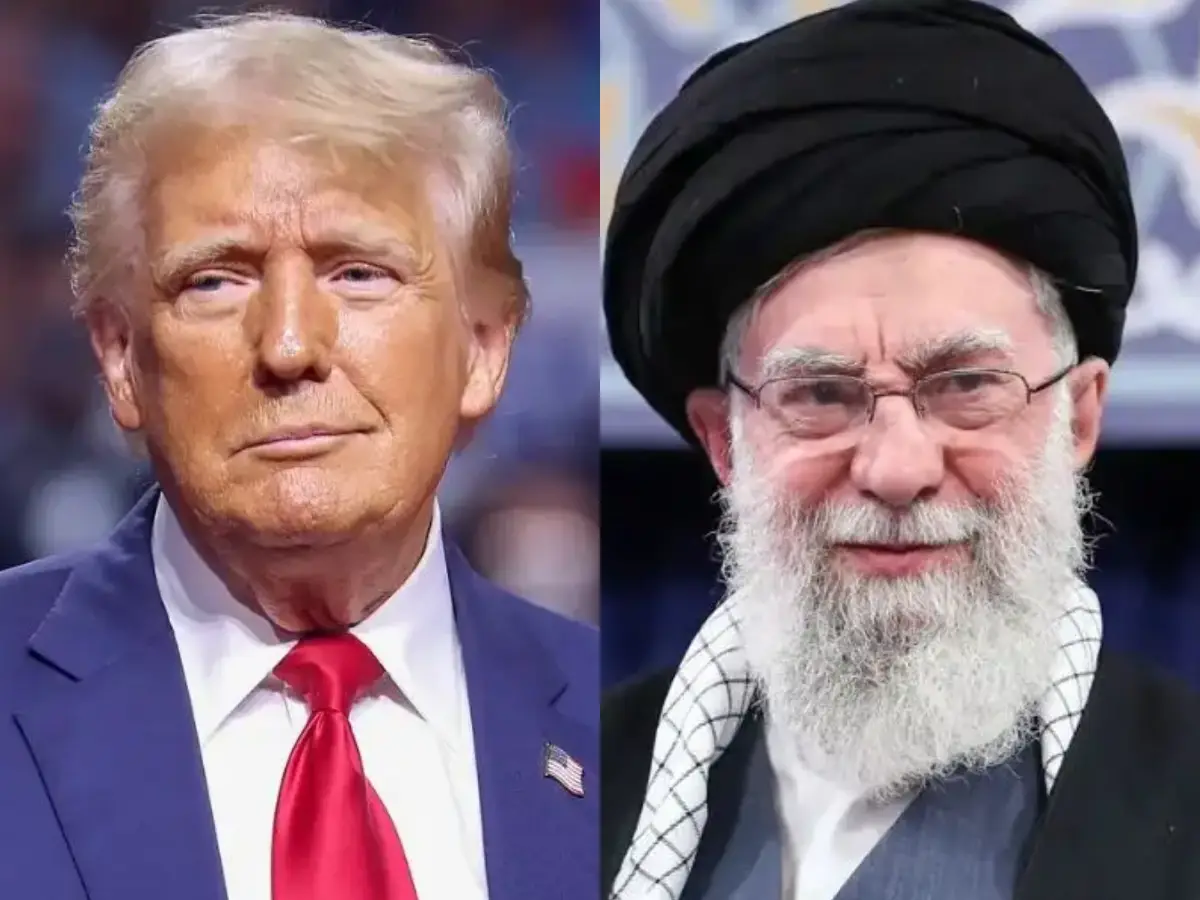
US President Donald Trump said Khamenei’s death gave Iranians their “greatest chance” to “take back” their country.
A historic rupture in Tehran
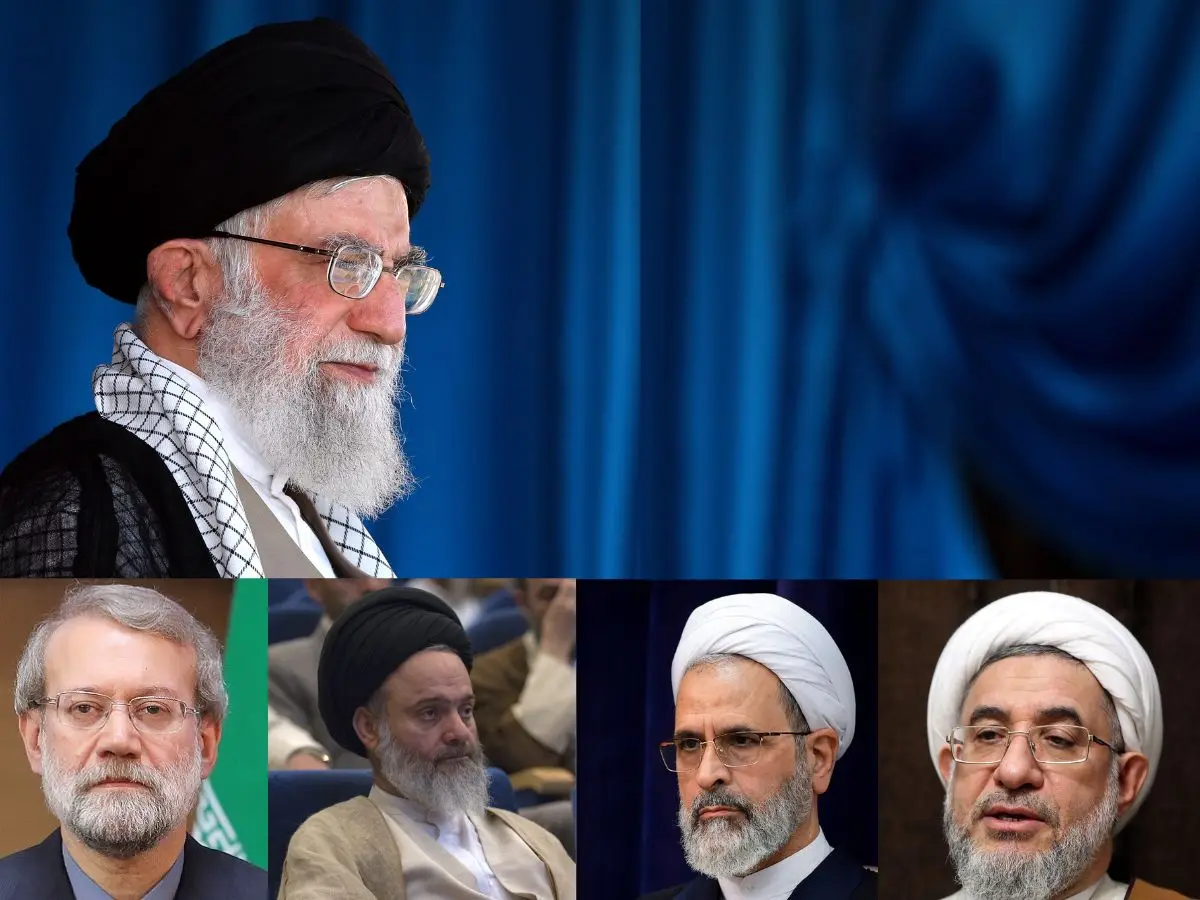
Iranian state media have confirmed that Supreme Leader Ayatollah Ali Khamenei was killed at his office in coordinated Israeli–US military attacks on Iran, following earlier reports of the strike and his death by officials from both the United States and Israel. The death of Khamenei has plunged Iran into its most consequential political transition in more than three decades. Supreme leader since 1989 and the Islamic Republic’s ultimate authority over the military, judiciary and key state institutions, Khamenei was among the longest-serving head of state in the Middle East. His death marks only the second leadership change since the 1979 Islamic Revolution, triggering 40 days of national mourning and setting in motion a constitutionally defined succession process that will determine the direction of the state at a time of acute regional tension.
Interim leadership takes charge
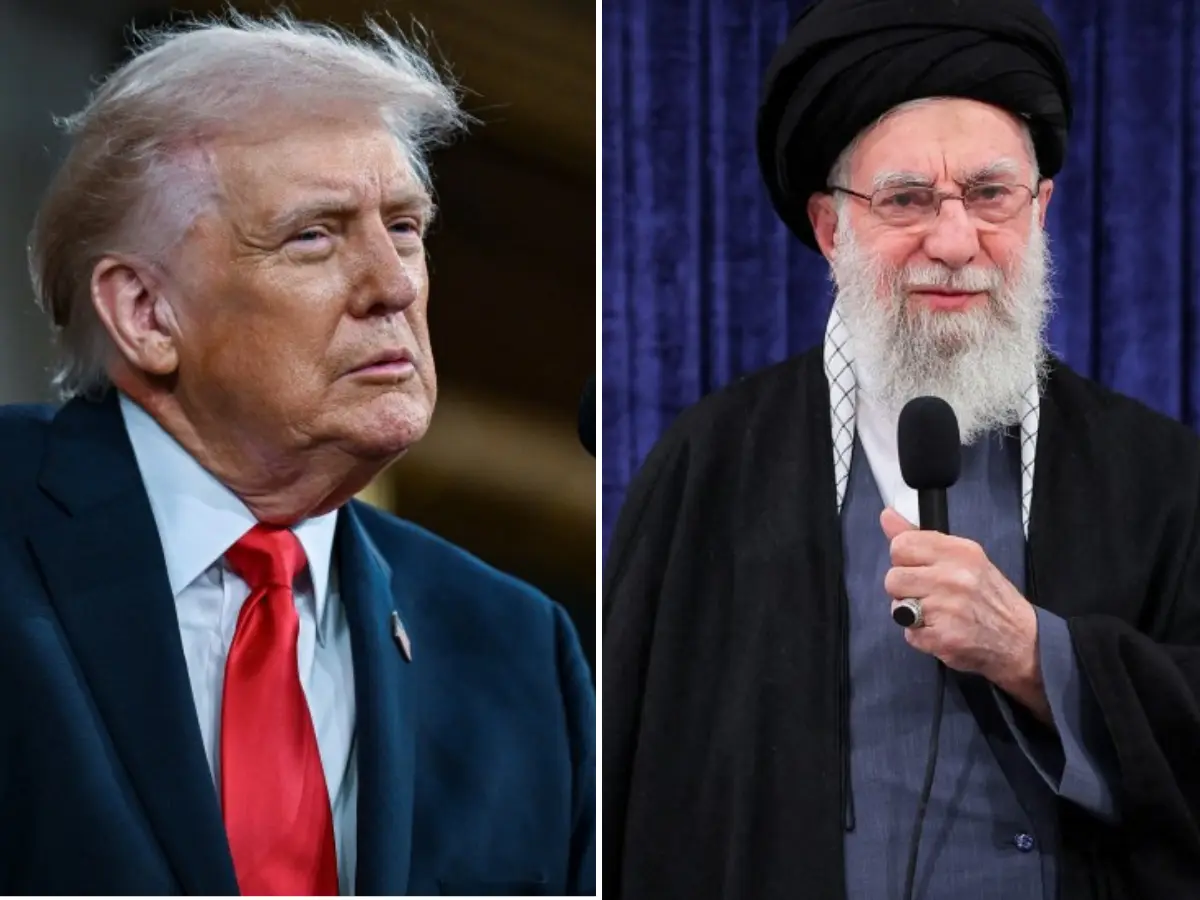
Iran’s news agency IRNA reported that a three-person interim council will assume leadership duties. Ali Larijani, head of the Supreme National Security Council, confirmed the transition would begin immediately. “An interim leadership council will soon be formed. The president, the head of the judiciary and a jurist from the Guardian Council will assume responsibility until the election of the next leader,” he said on state television. He added: “This council will be established as soon as possible. We are working to form it as early as today.”
How the succession process works
Under Iran’s constitution, the next supreme leader must be selected by the Assembly of Experts, an 88-member clerical body elected by the public but vetted by the Guardian Council. The same body appointed Khamenei in 1989. The Guardian Council itself is composed of jurists appointed directly or indirectly by the supreme leader, giving the process a tightly controlled framework.
Mojtaba Khamenei
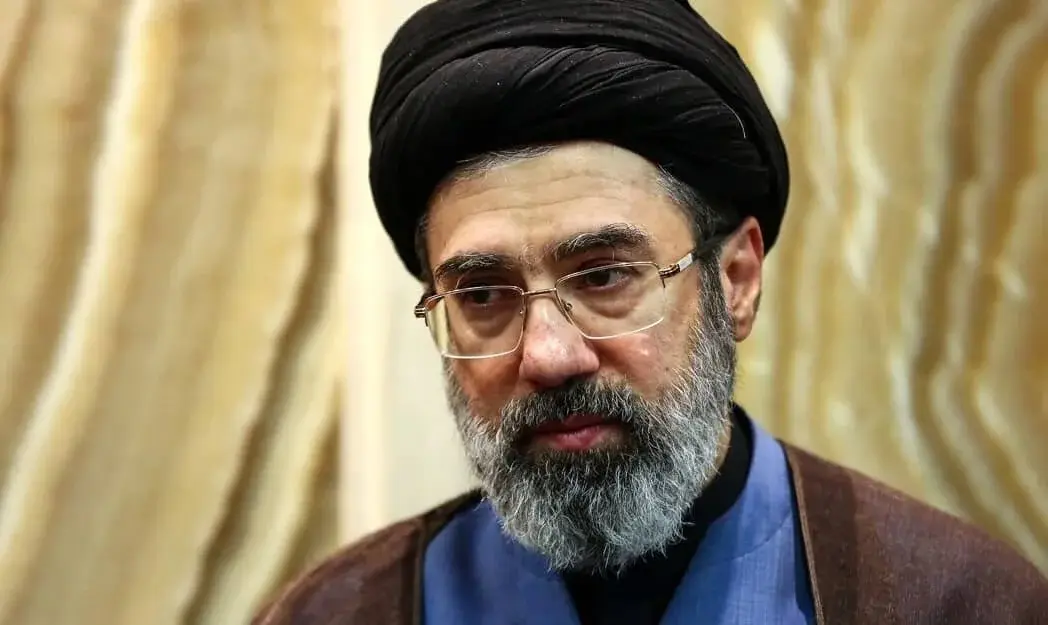
The late leader’s second son, Mojtaba Khamenei, 56, is widely discussed as a contender. He is believed to have close ties to the Islamic Revolutionary Guard Corps and its Basij force. However, father-to-son succession is widely viewed as problematic within the Islamic Republic’s system, and Mojtaba does not hold a formal state post.
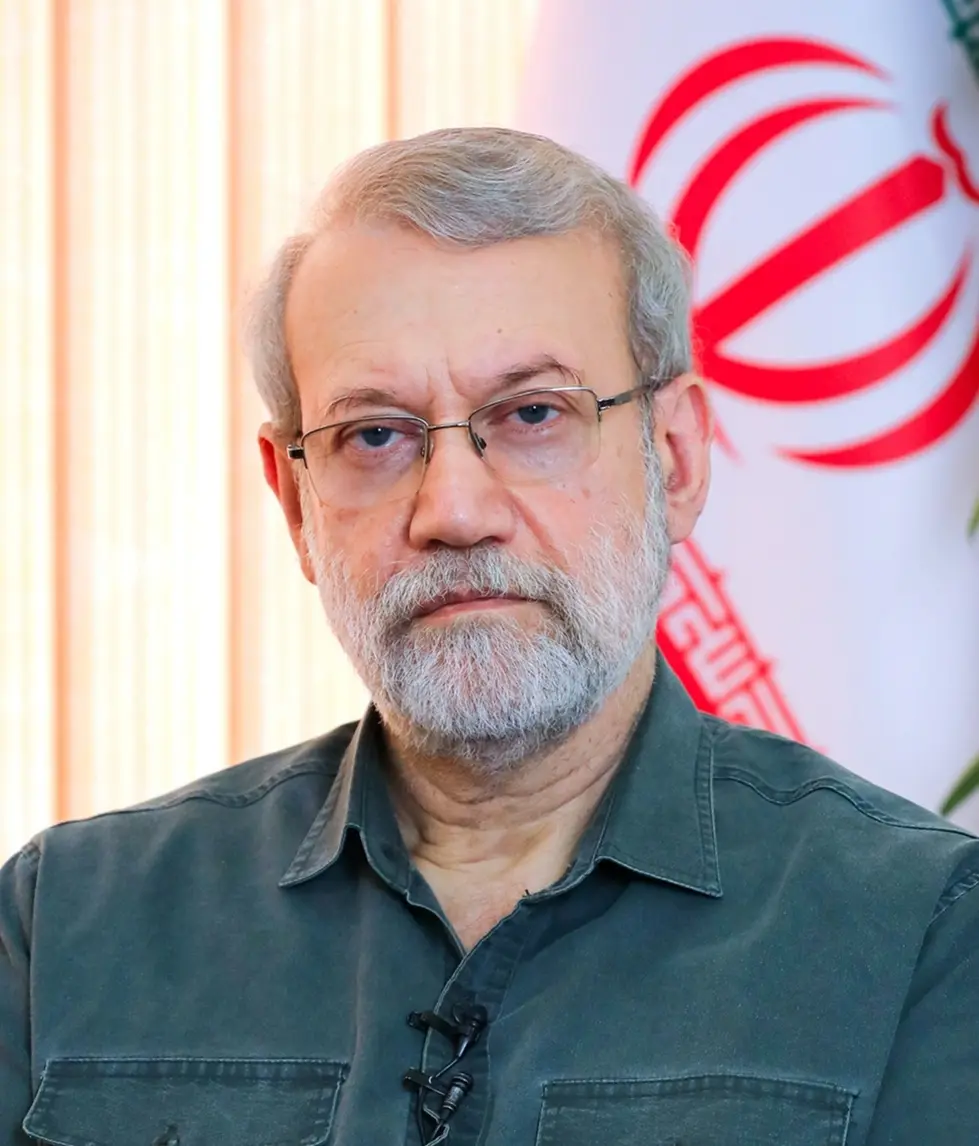
Ali Larijani
Veteran politician Ali Larijani has re-emerged as a central figure in Iran’s security hierarchy, positioning him among the prominent names in succession discussions. Now Secretary of the Supreme National Security Council, he oversees nuclear negotiations, regional policy and internal security. A long-time loyalist to Khamenei from a leading clerical family, Larijani has managed ties with Washington and Moscow. “In my view, this issue is resolvable,” he told Oman state television, referring to talks with the United States. Following Khamenei’s death, Larijani said an interim leadership body would be formed to manage state affairs during the transition. In remarks carried by Fars news agency, he also accused Israel of pursuing broader geopolitical objectives after the joint US–Israeli strikes.
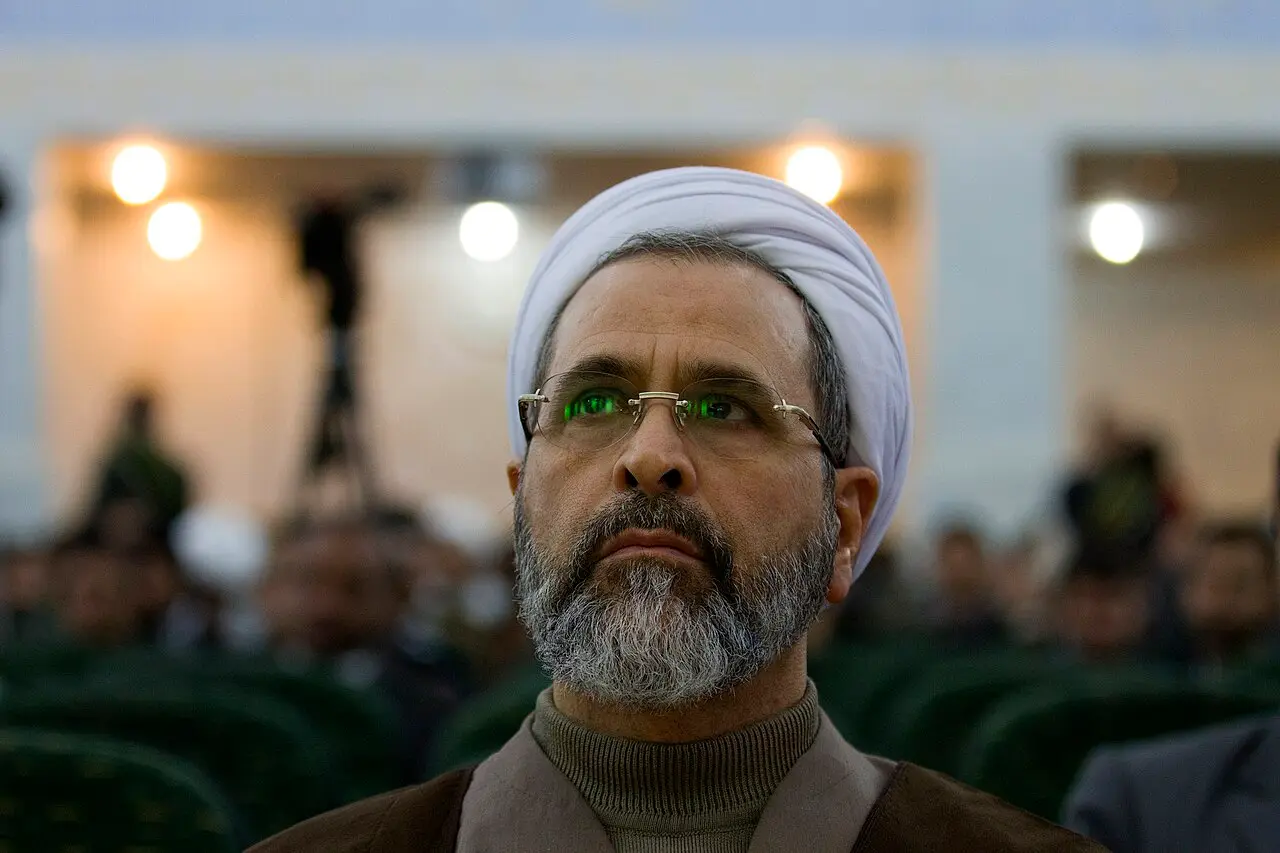
Alireza Arafi
Ayatollah Alireza Arafi, 67, is a seasoned cleric and the current deputy chairman of the Assembly of Experts as well as the head of Iran’s seminary system. He is regarded as a strong institutional candidate. A member of the Guardian Council, he is seen as aligned with the existing power structure and experienced in clerical administration.
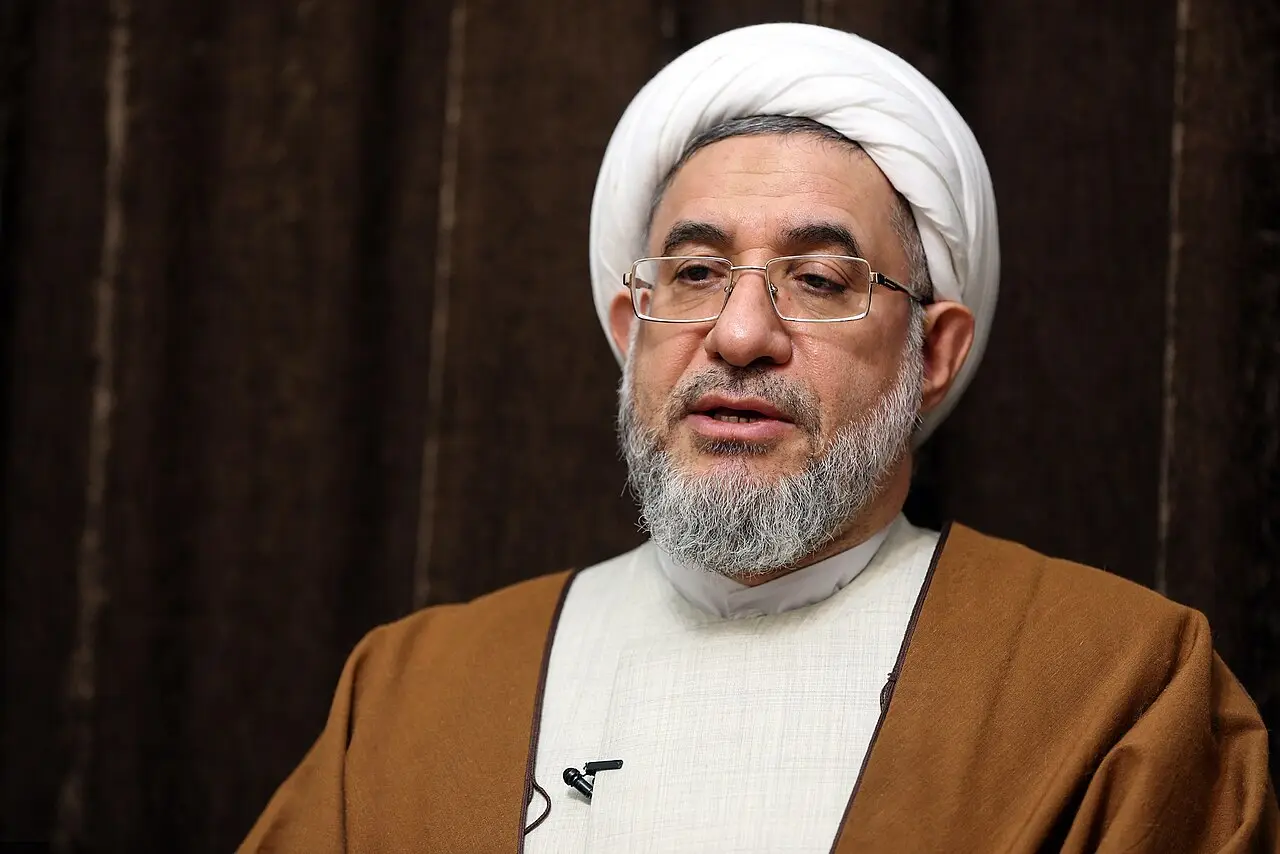
Mohsen Araki
Ayatollah Mohsen Araki, a senior member of the Assembly of Experts, is frequently mentioned in succession discussions. He has longstanding clerical credentials and experience within the leadership oversight body itself.
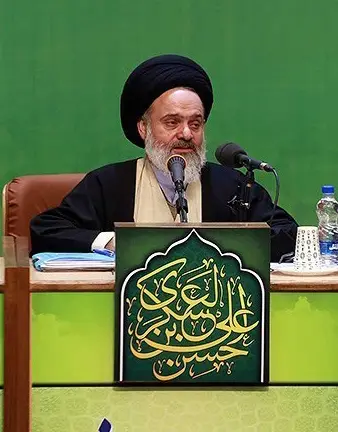
Ayatollah Hashem Hosseini Bushehri
Ayatollah Hashem Hosseini Bushehri, Friday prayer leader in Qom and first deputy chairman of the Assembly of Experts, is regarded as a potential contender. A senior cleric with close links to institutions central to the succession process, he was considered close to Khamenei but maintains a low public profile and limited IRGC ties.
)
)
)
)
)