After Hormuz, Bab al-Mandab next? Iran warns it could seize control of key Red Sea strait if US expands war: Report

Iran has warned it could act in the Bab al-Mandab Strait if provoked, signalling a possible expansion of conflict beyond the Persian Gulf. The warning follows disruptions in the Strait of Hormuz and comes amid ongoing tensions involving the US, Israel and Iran.
Warning of a New Front
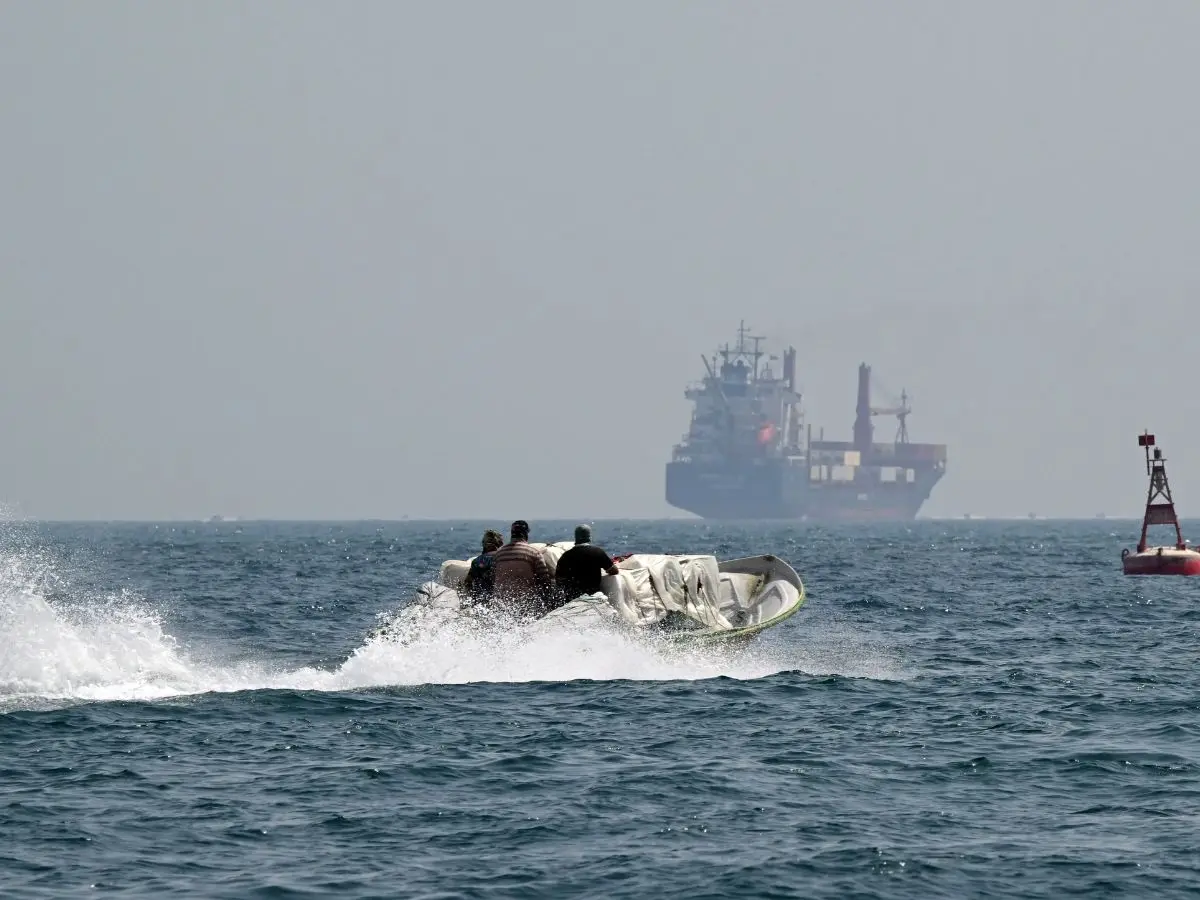
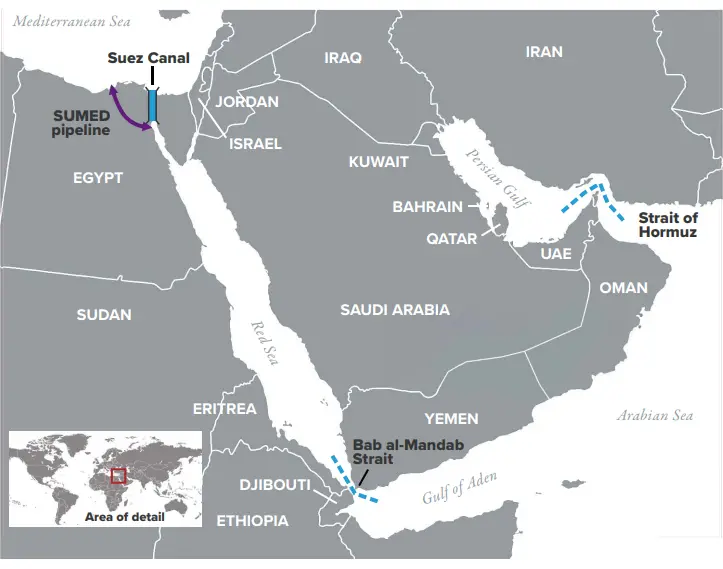
Iran has warned it could “take action in the Bab al-Mandab Strait” if provoked, according to the IRGC-linked Tasnim News Agency, citing a military source. The warning marks a potential expansion of tensions beyond the Persian Gulf, signalling that Tehran may open a new maritime front linking the Red Sea to the wider conflict. About 12 per cent of global seaborne oil passes through the Bab al-Mandeb strait, making it the world's fourth-largest shipping chokepoint.
A Direct Message to Adversaries
The unnamed official issued a pointed warning over possible military escalation. “If the enemy wants to take action on land in the Iranian islands… or to inflict costs on Iran with naval movements… we will open other fronts as a surprise,” the source said. Any such move, the official added, would “double his costs,” underscoring Iran’s deterrence posture. "The Bab al-Mandab Strait is considered one of the strategic straits in the world, and Iran has both the will and the possibility to produce a completely credible threat against it," the official added.
Strategic Importance of Bab al-Mandab
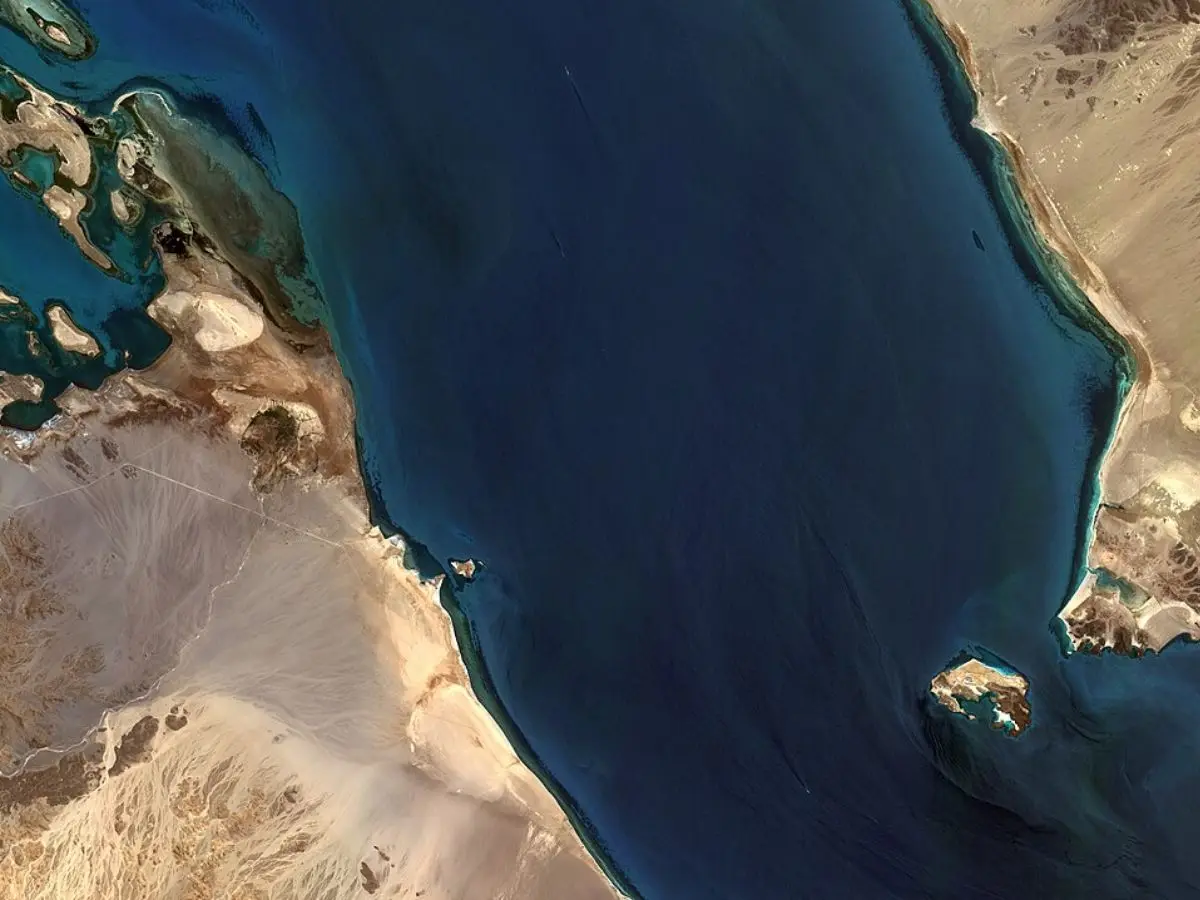
Bab al-Mandab, or the Gate of Tears, named for its perilous navigation conditions, is the southern outlet of the Red Sea, situated between Yemen on the Arabian Peninsula and Djibouti and Eritrea on the African coast. It connects the Red Sea to the Gulf of Aden and the Indian Ocean. At just 29 km wide at its narrowest point, it is a critical chokepoint for global shipping. The oil and fuel shipments passing through the route en route to the Suez Canal and beyond make it one of the world’s most sensitive maritime corridors.
Role of Houthis in the Region
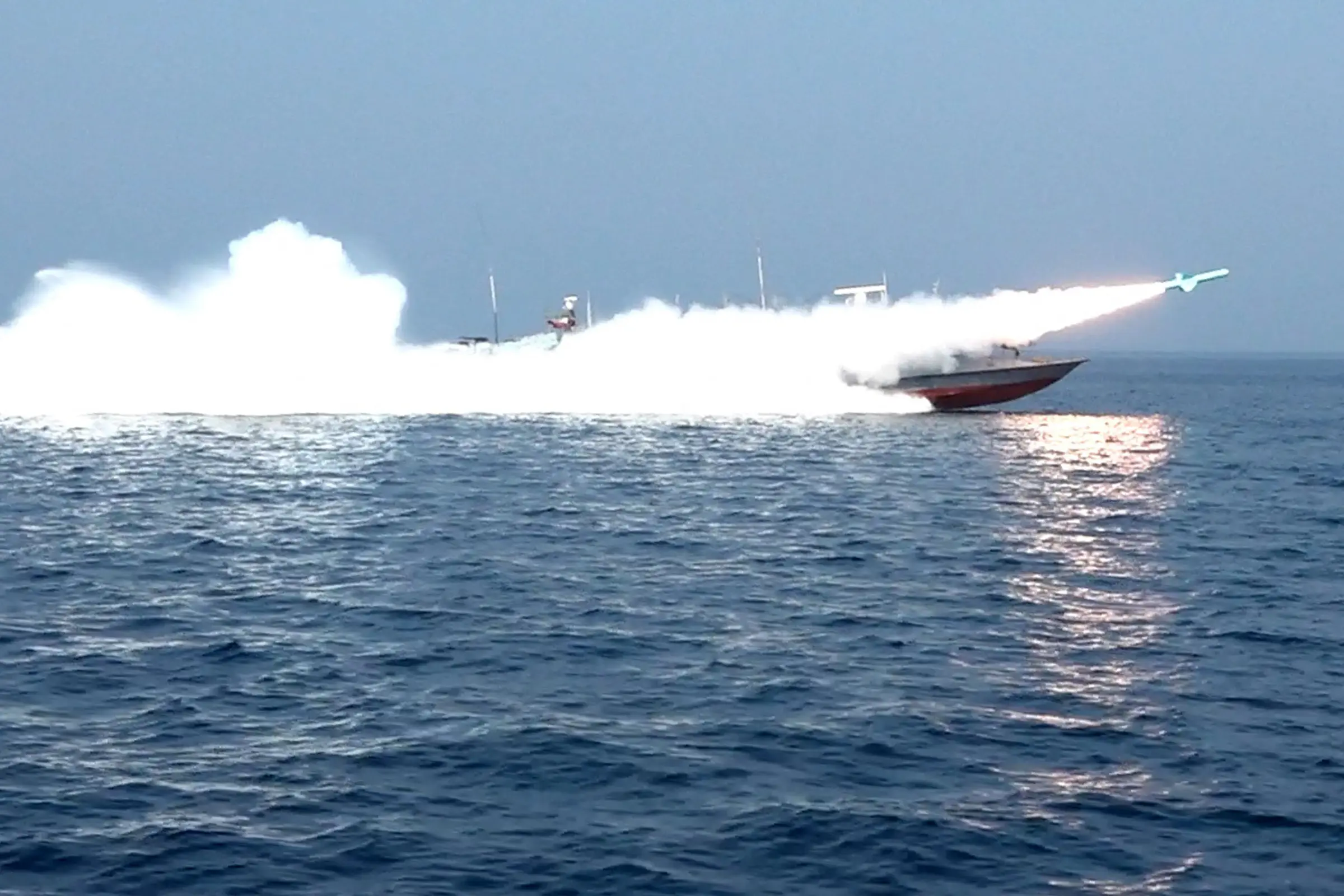
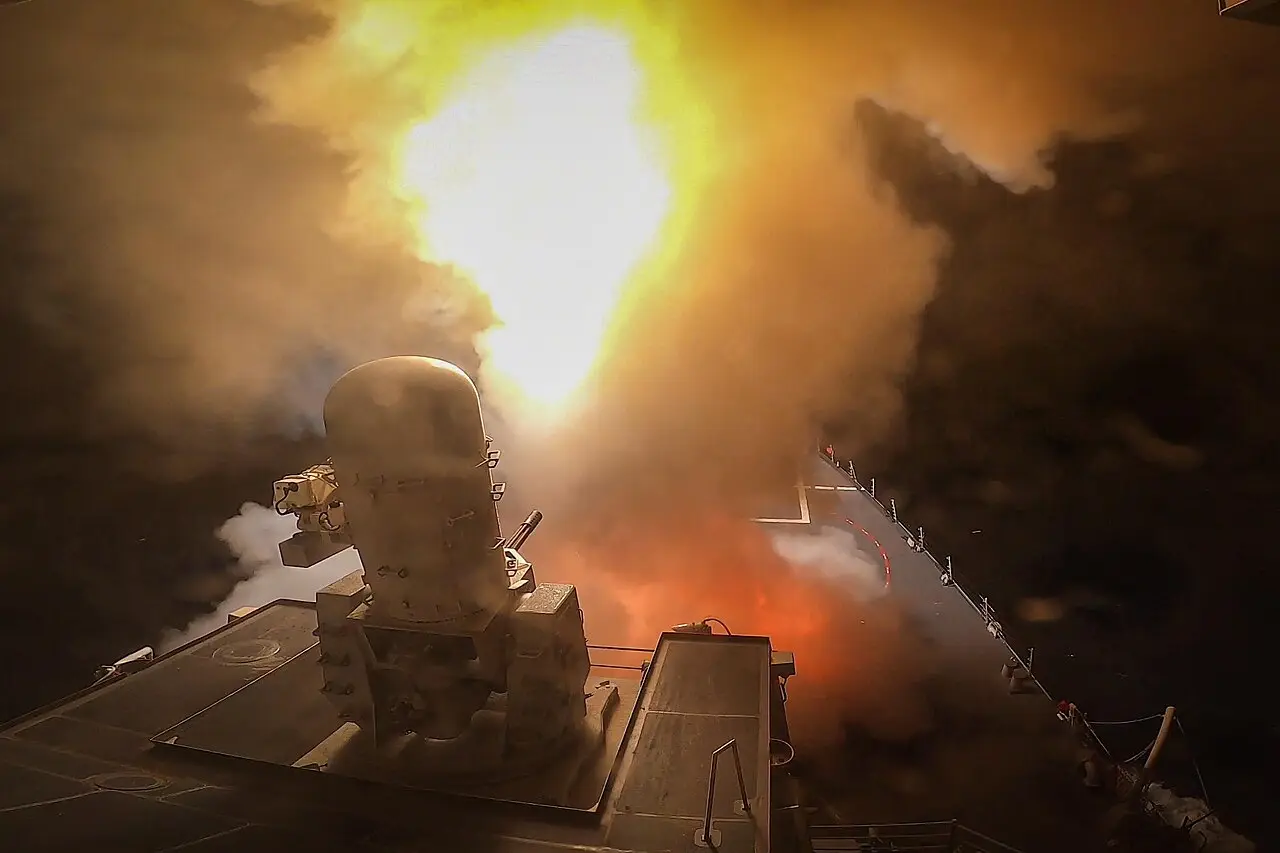
In late 2023, the Israel–Gaza war triggered a surge in attacks on commercial shipping in the Red Sea and Bab al-Mandab region by Yemen’s Iran-aligned Houthi movement. The group framed its actions as retaliation in solidarity with Palestinians, launching missile and drone strikes from November 2023 on vessels linked to the Suez Canal trade route. It also seized a cargo ship in the southern Red Sea, signalling a sharp escalation.
Disruptions
The Bab al-Mandab Strait, which lies adjacent to Yemen, has since become a focal point of disruption. Houthi forces have repeatedly targeted commercial vessels, severely impacting one of the world’s busiest maritime corridors. By January 2024, the effects were evident in shipping data: weekly transits through the strait fell to around 19 vessels per day, compared with more than 70 in previous months.

Hormuz Precedent and Energy Shock
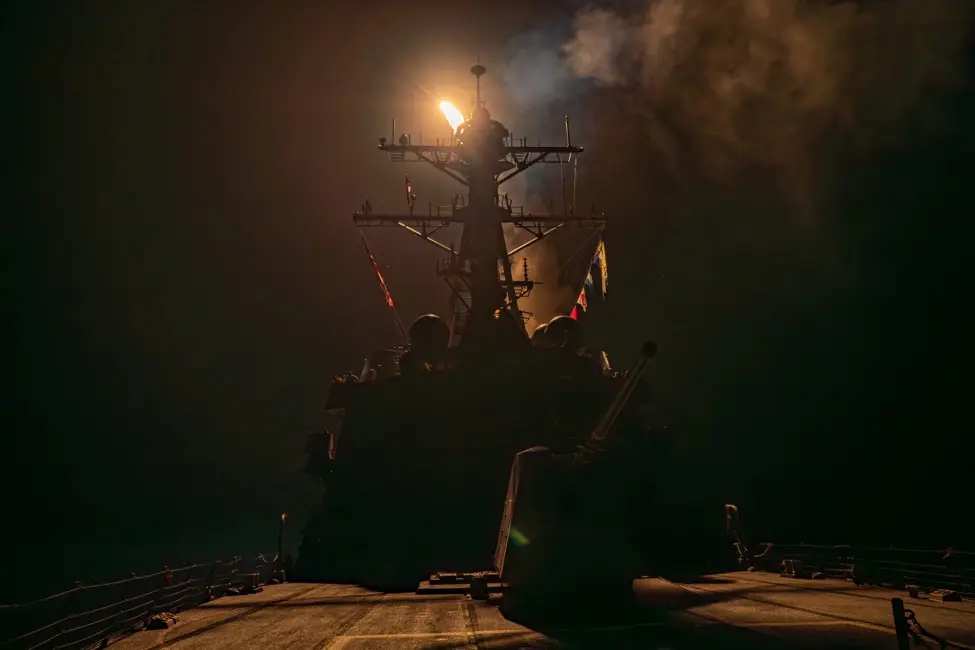
The warning comes in the wake of Iran’s recent seizure of control over the Strait of Hormuz, a vital waterway through which roughly one-fifth of global oil supplies pass. The disruption triggered an estimated shortfall of 4.3 million barrels per day, according to Kpler, tightening global energy markets. Amid these developments, Iran’s parliament speaker Mohammad Bagher Ghalibaf said on Wednesday in a post on X that Tehran is closely monitoring potential threats. “Based on some data, Iran's enemies, with the support of one of the regional countries, are preparing to occupy one of the Iranian islands.” he wrote.
Parallel Move to Formalise Control
At the same time, Iran is drafting legislation to impose tolls on ships transiting Hormuz. The Associated Press, citing Fars, reported that lawmakers aim to formalise a mechanism to charge vessels for transit, effectively allowing authorities to collect fees from vessels seeking safe passage through the strait. “We provide its security, and it is natural that ships and oil tankers should pay such fees,” said lawmaker Mohammadreza Rezaei Kouchi.
Conflict Context and Escalation Risks
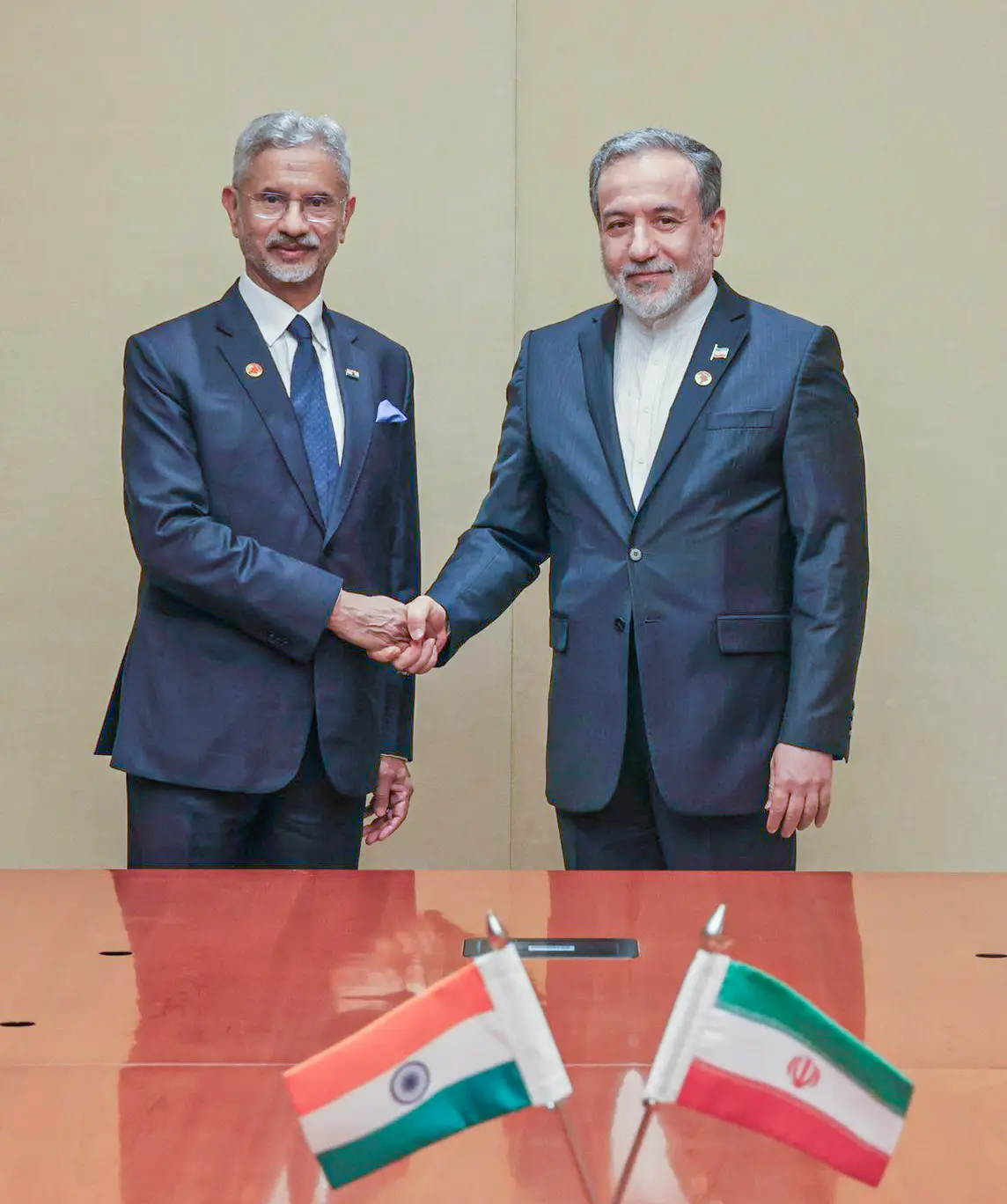
The developments come as the US–Israel–Iran conflict enters its 27th day. Foreign Minister Abbas Araghchi said some countries, including India and China, continue to receive coordinated safe passage through Hormuz. Meanwhile, Iran’s parliament speaker Mohammad Baqer Qalibaf warned of action against any neighbouring state assisting adversaries. With Bab al-Mandab now in focus, the risk of disruption across two of the world’s most vital shipping lanes has sharply increased.
)
)
)
)
)