After four decades of enmity, can US and Iran finally make peace at Islamabad negotiations?

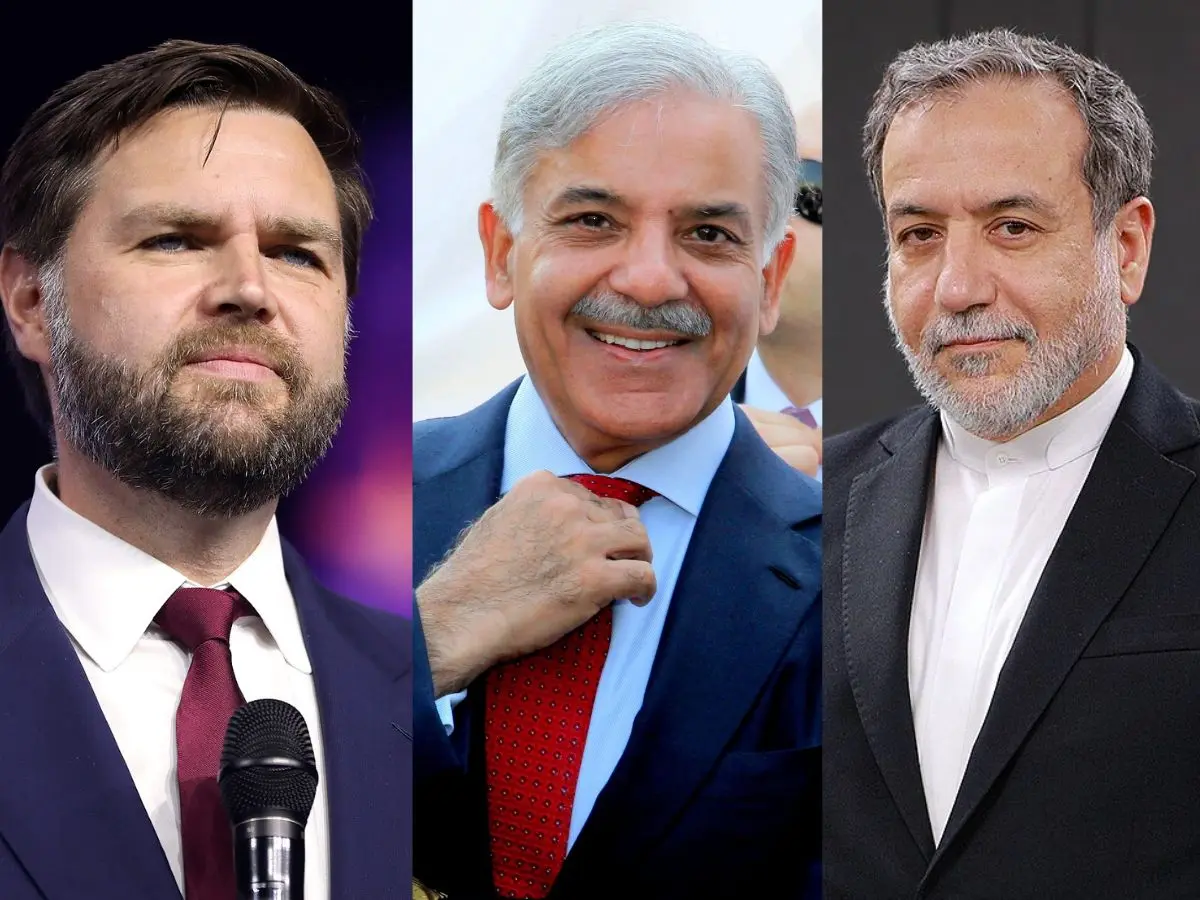
The Iranian delegation, led by Foreign Minister Abbas Araghchi, and the US team, headed by US Vice President JD Vance, have both arrived in Islamabad for the talks. Pakistani PM, Shehbaz Sharif has met the two delegations separately, positioning Pakistan as a key facilitator.
A fragile opening after decades of hostility
The United States and Iran, adversaries since the Iranian Revolution, have begun high-level talks in Islamabad under the shadow of a fragile two-week ceasefire and decades of entrenched hostility. The negotiations follow more than a month of conflict in the Middle East and are being framed as a critical attempt to prevent further escalation. However, sharp mistrust continues to define the engagement, raising doubts over the prospects of any lasting breakthrough. The Iranian delegation, led by Foreign Minister Abbas Araghchi, and the US team, headed by US Vice President JD Vance, have both arrived in Islamabad for the talks. Pakistani PM, Shehbaz Sharif has met the two delegations separately, positioning Pakistan as a key facilitator.
The rupture that defined relations
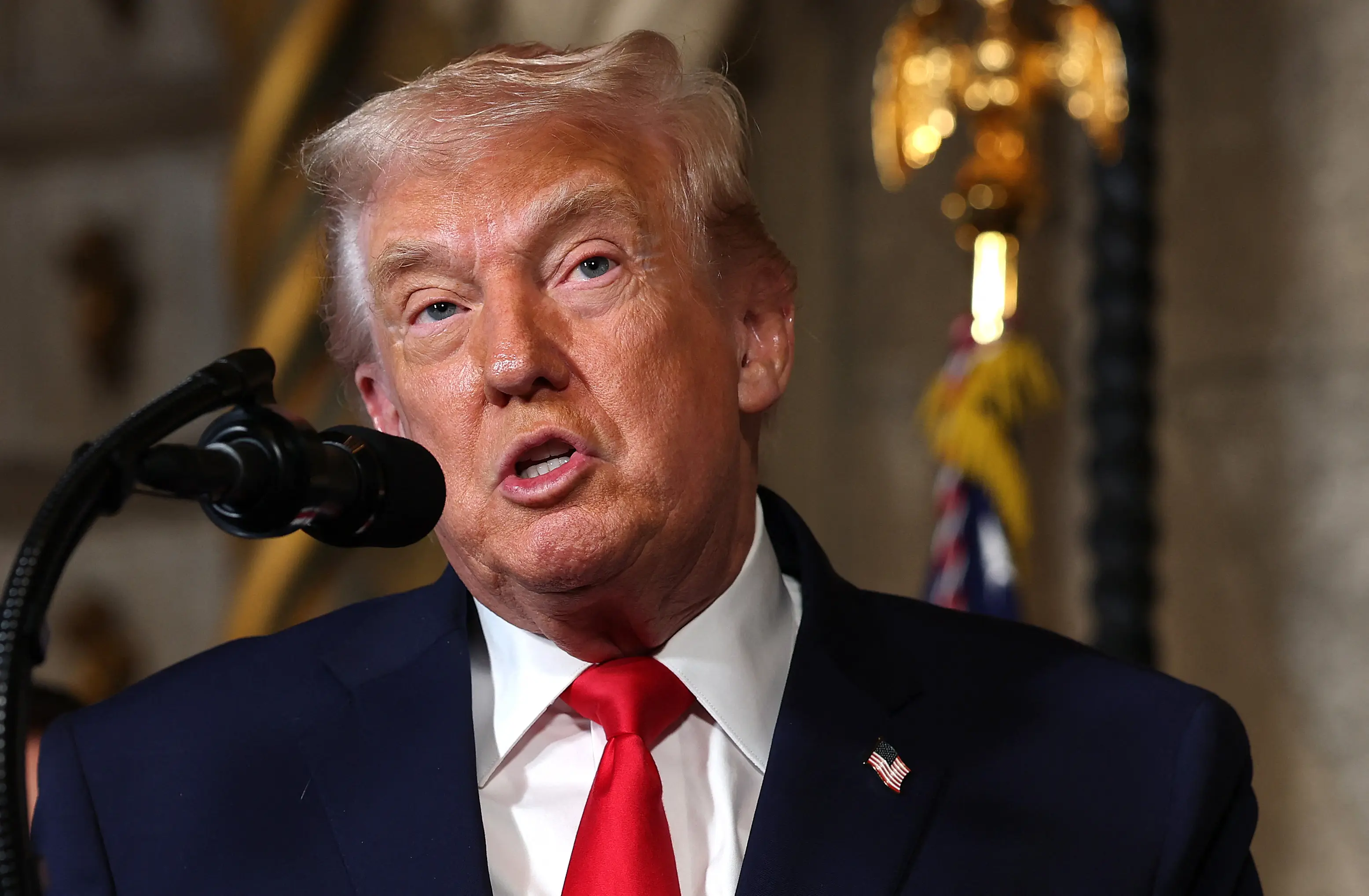
The crisis began on November 4, 1979, when student activists seized the US embassy in Tehran, taking 52 Americans hostage for 444 days. The episode led Washington to sever diplomatic ties in April 1980 and impose sweeping restrictions, setting the tone for decades of strained relations.
Sanctions and the ‘axis of evil’
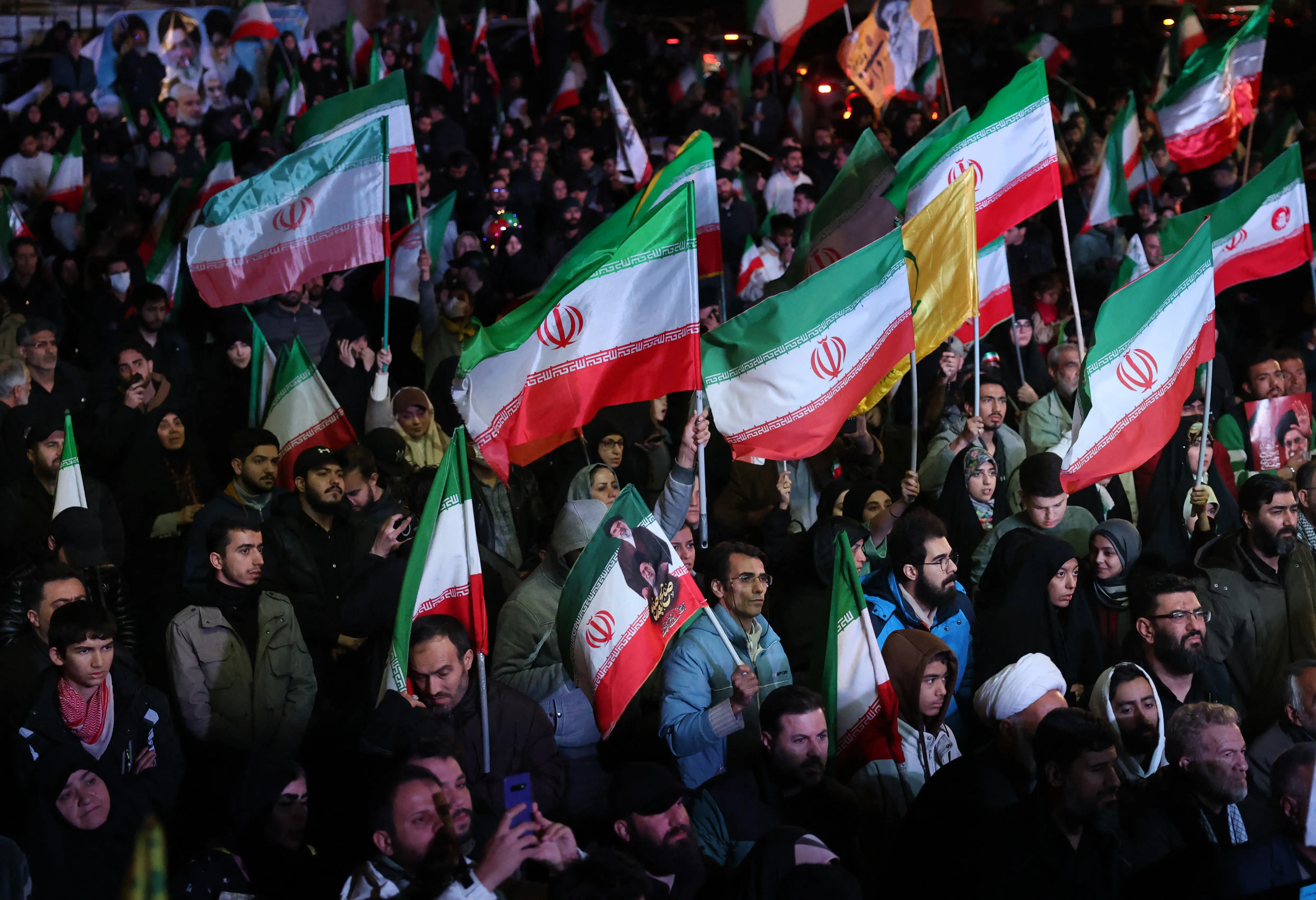
Tensions deepened in 1995 when the US imposed a complete trade and investment ban, citing Iran’s alleged support for militant groups. In 2002, President George W. Bush labelled Iran part of an “axis of evil”. In 2019, Washington further escalated pressure by designating Iran’s Revolutionary Guard Corps a “terrorist organisation”.
Nuclear ambitions and diplomatic breakdown
Concerns over Iran’s nuclear programme intensified after revelations of undeclared sites in the early 2000s. A 2011 IAEA report cited “broadly credible” intelligence that Iran had pursued activities linked to nuclear weapons development until at least 2003. A 2015 agreement offered sanctions relief in exchange for limits on the programme, but the US withdrew in 2018, prompting Iran to scale back compliance. By September 2025, UN sanctions were reimposed, and the accord collapsed.
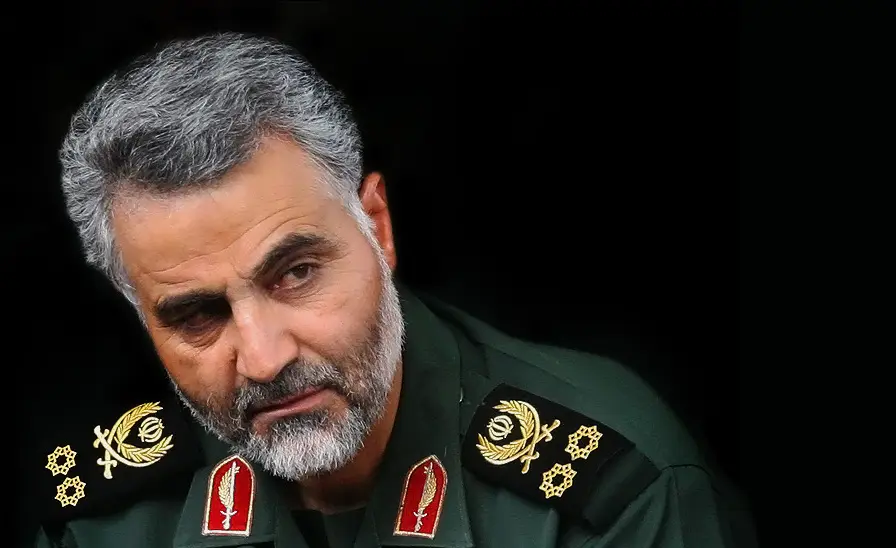
Escalation through targeted strikes, Soleimani killed
Hostilities sharpened in January 2020 when the US killed General Qasem Soleimani, claiming he had planned an “imminent” attack. Iran retaliated with missile strikes on US-linked bases in Iraq.
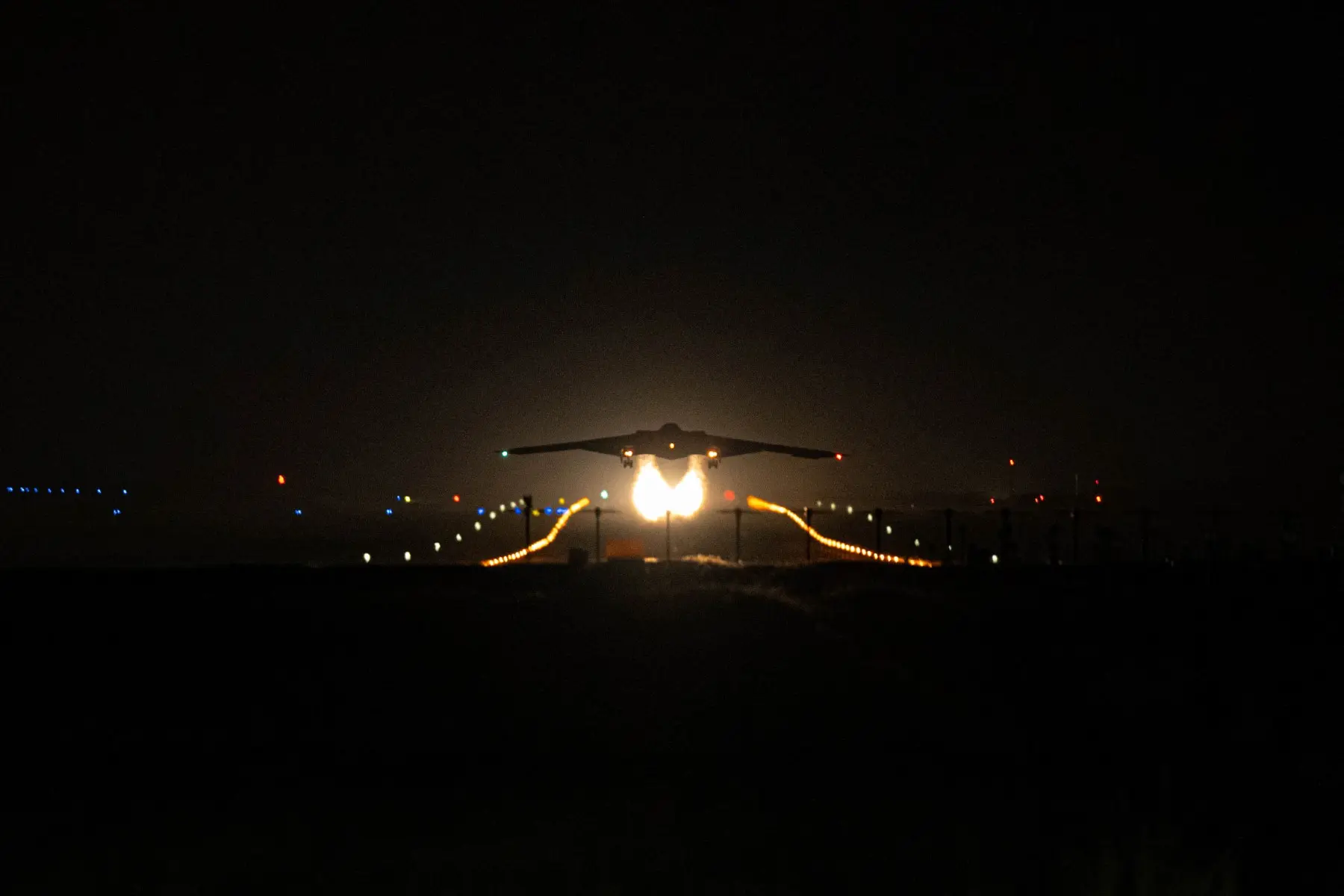
Strikes in 2025
In June 2025, US forces executed ‘Operation Midnight Hammer’ striking on Iranian nuclear facilities. The 12-day US-Israel strikes on Iran marked another escalation, with Washington claiming the sites were “obliterated”. Three key Iranian nuclear sites—Fordow, Natanz, and Isfahan were targeted.
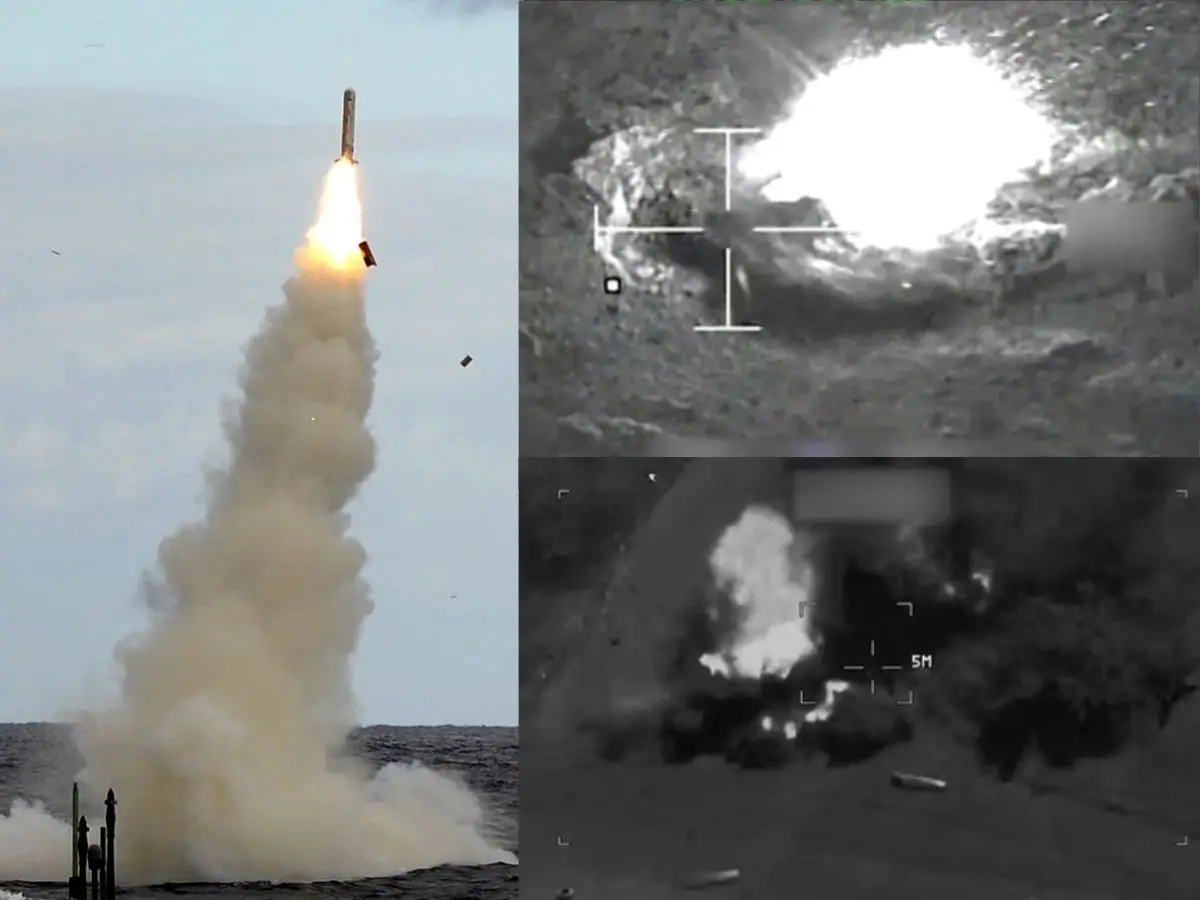
A turning point in 2026
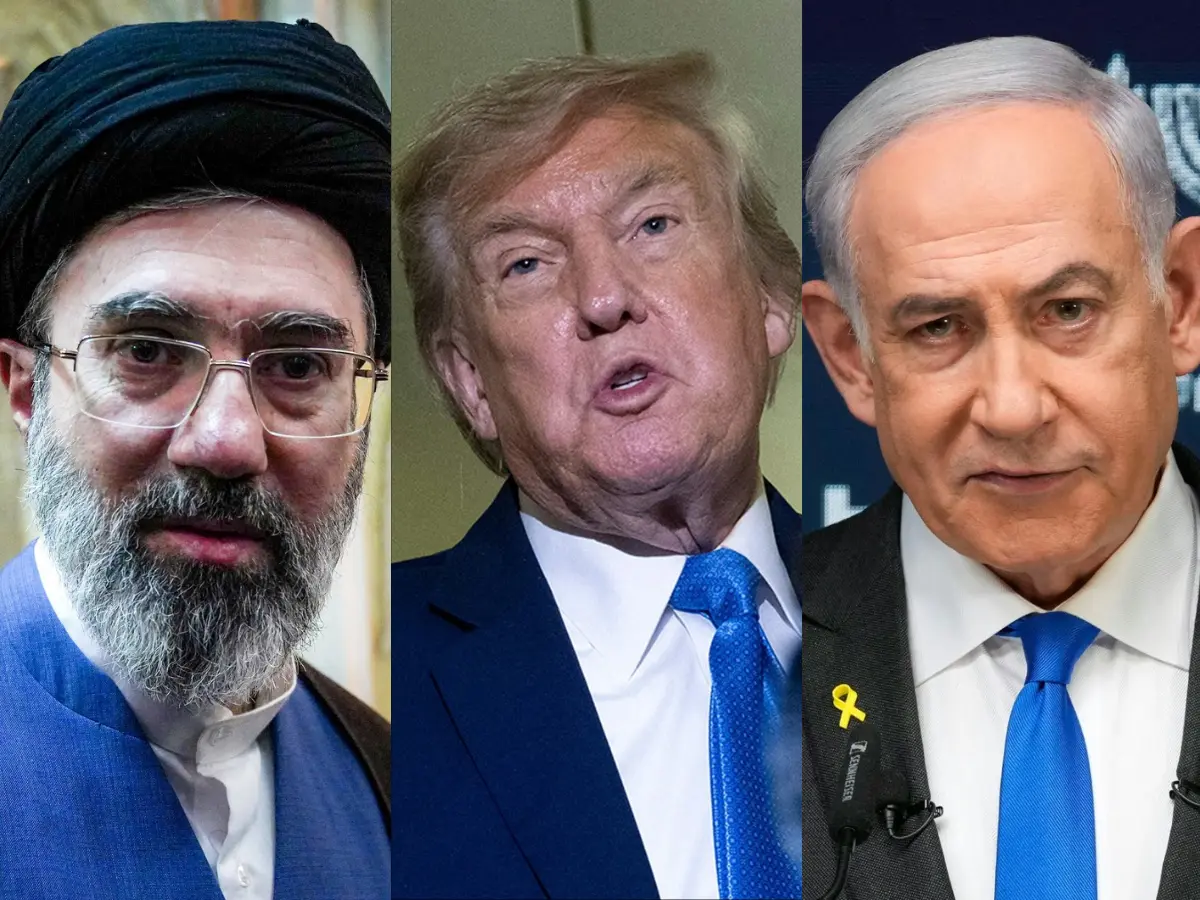
In February 2026, coordinated US and Israeli strikes killed Iran’s supreme leader Ayatollah Ali Khamenei, targeting key military and nuclear infrastructure. Iran responded with missile attacks and disrupted the Strait of Hormuz, a critical route for global oil supplies, intensifying the geopolitical crisis.
)
)
)
)
)