After 3I/ATLAS, would humanity recognise an alien spaceship if it saw one?

Throughout history, paradigm-shifting discoveries from microbes to quantum mechanics, were initially dismissed as absurd. Loeb likens this to how human perception filters can overlook signs of intelligence that don’t resemble human or biological forms.
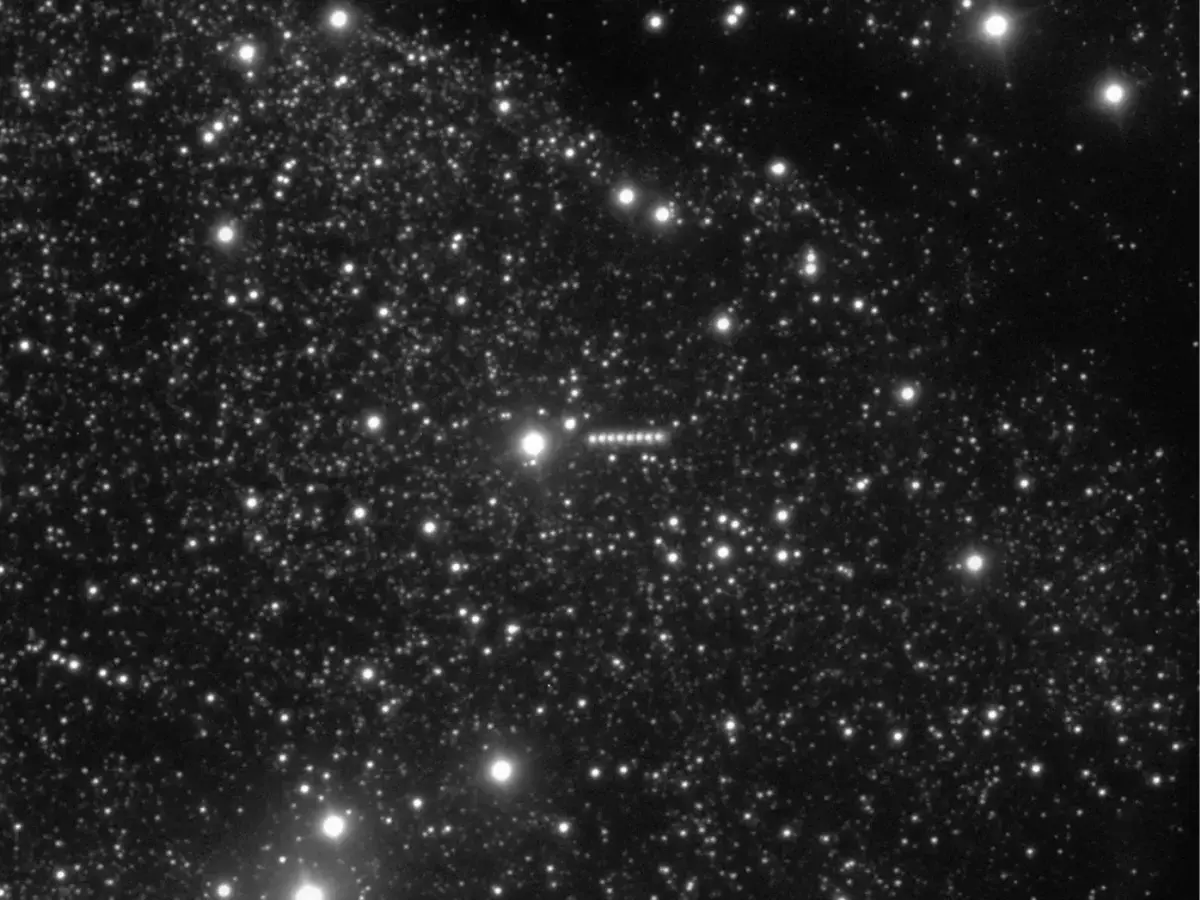
The Question at the Heart of Modern Astronomy
Harvard astrophysicist Avi Loeb has often asked a provocative question: Would we even recognize extraterrestrial technology if we stumbled upon it? His argument stems from what he calls “scientific conservatism,” a tendency among researchers to dismiss unconventional interpretations of anomalous data.
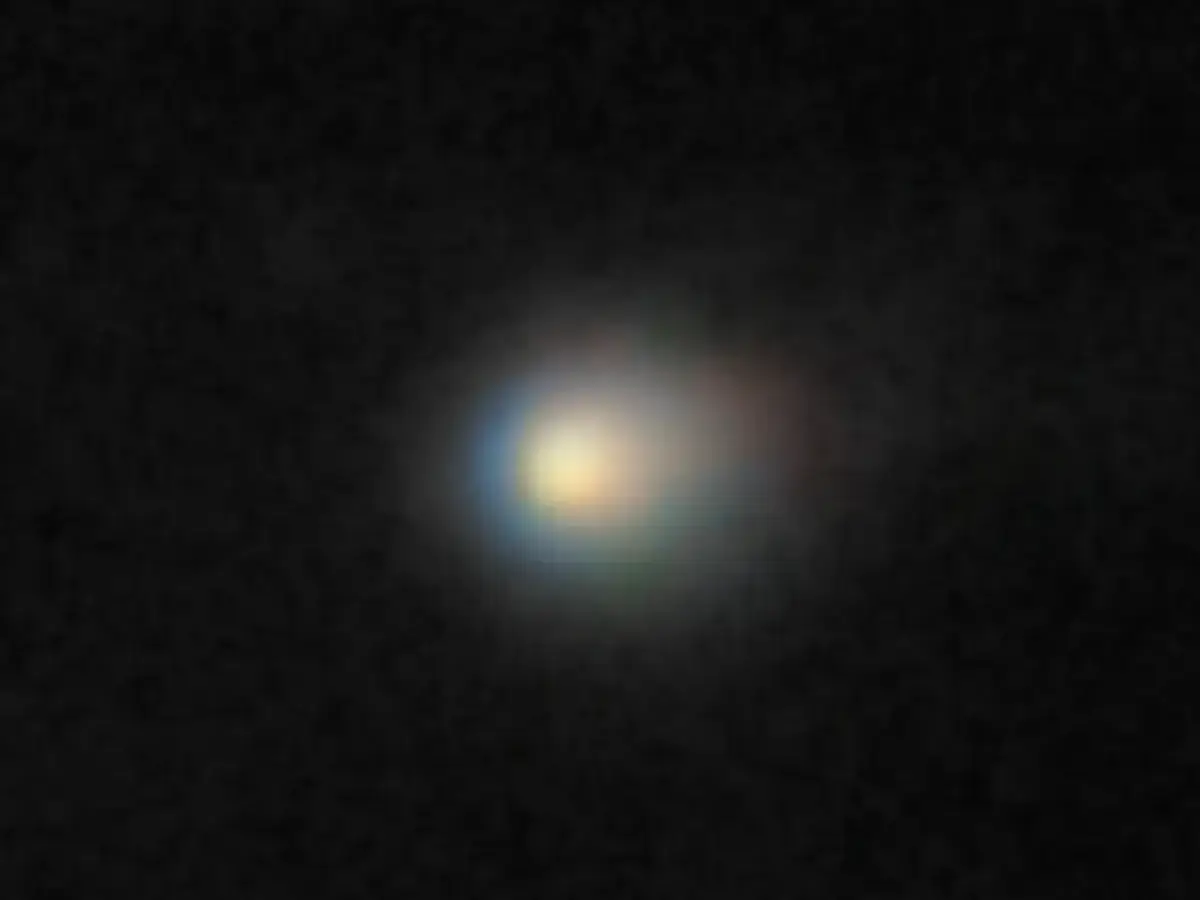
Lessons from ‘Oumuamua and Beyond
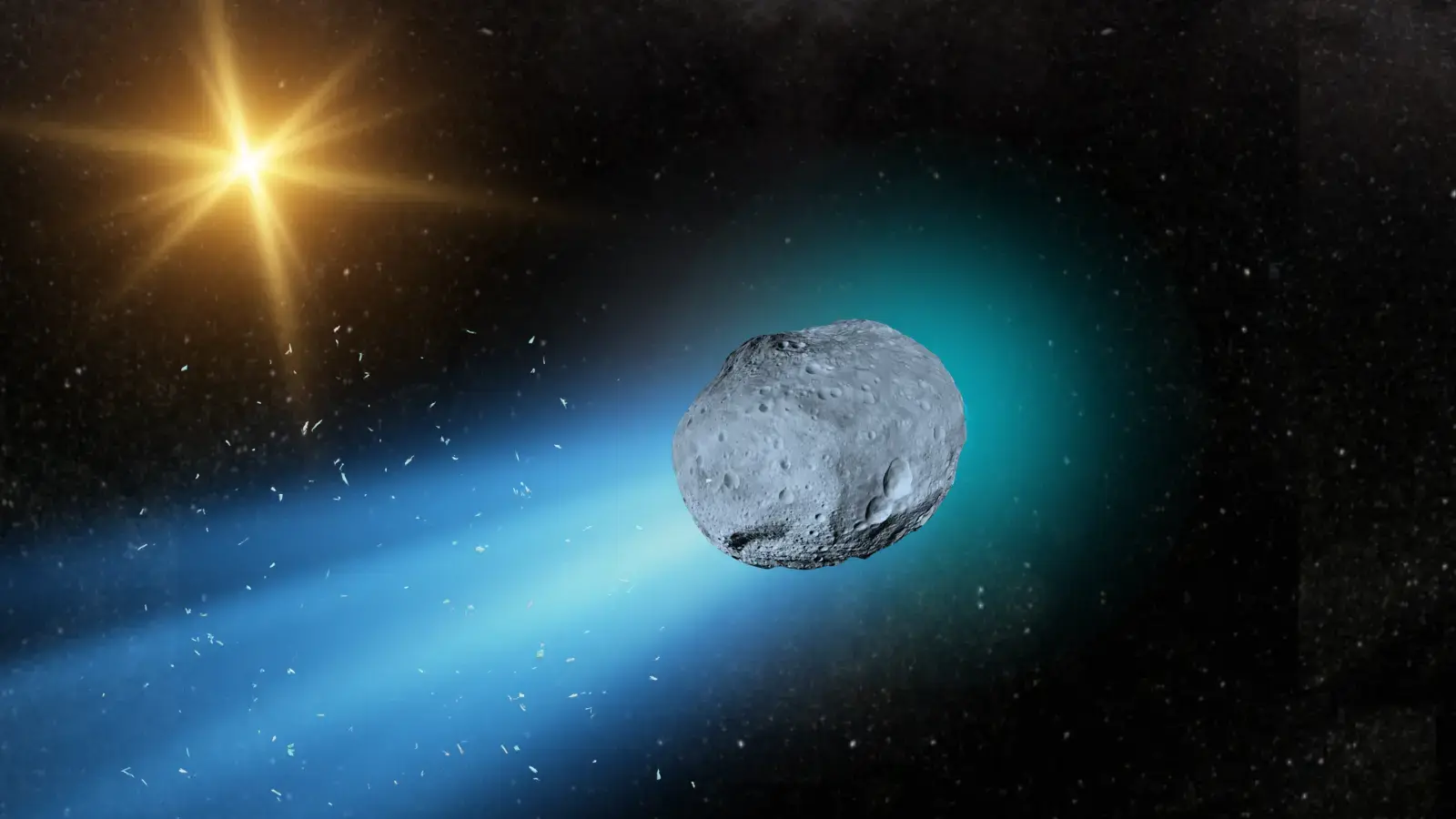
Loeb first raised global debate in 2018 when he suggested that ‘Oumuamua, the first known interstellar object, might be an artificial probe. His reasoning was based on its unusual acceleration and shape. Although most astronomers still explain it through natural mechanisms (like outgassing or icy composition), the lack of clear physical evidence left room for speculation.
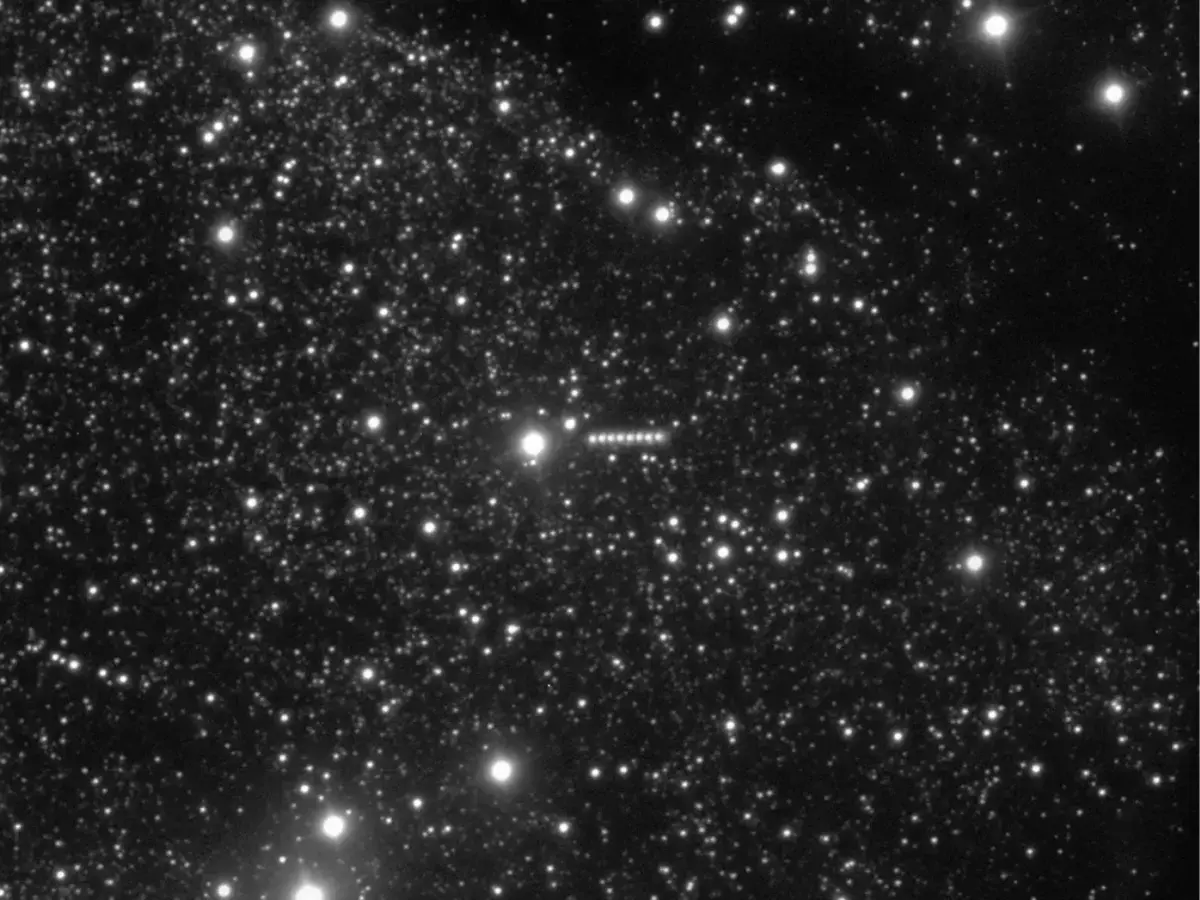
Now Enter 3I/ATLAS
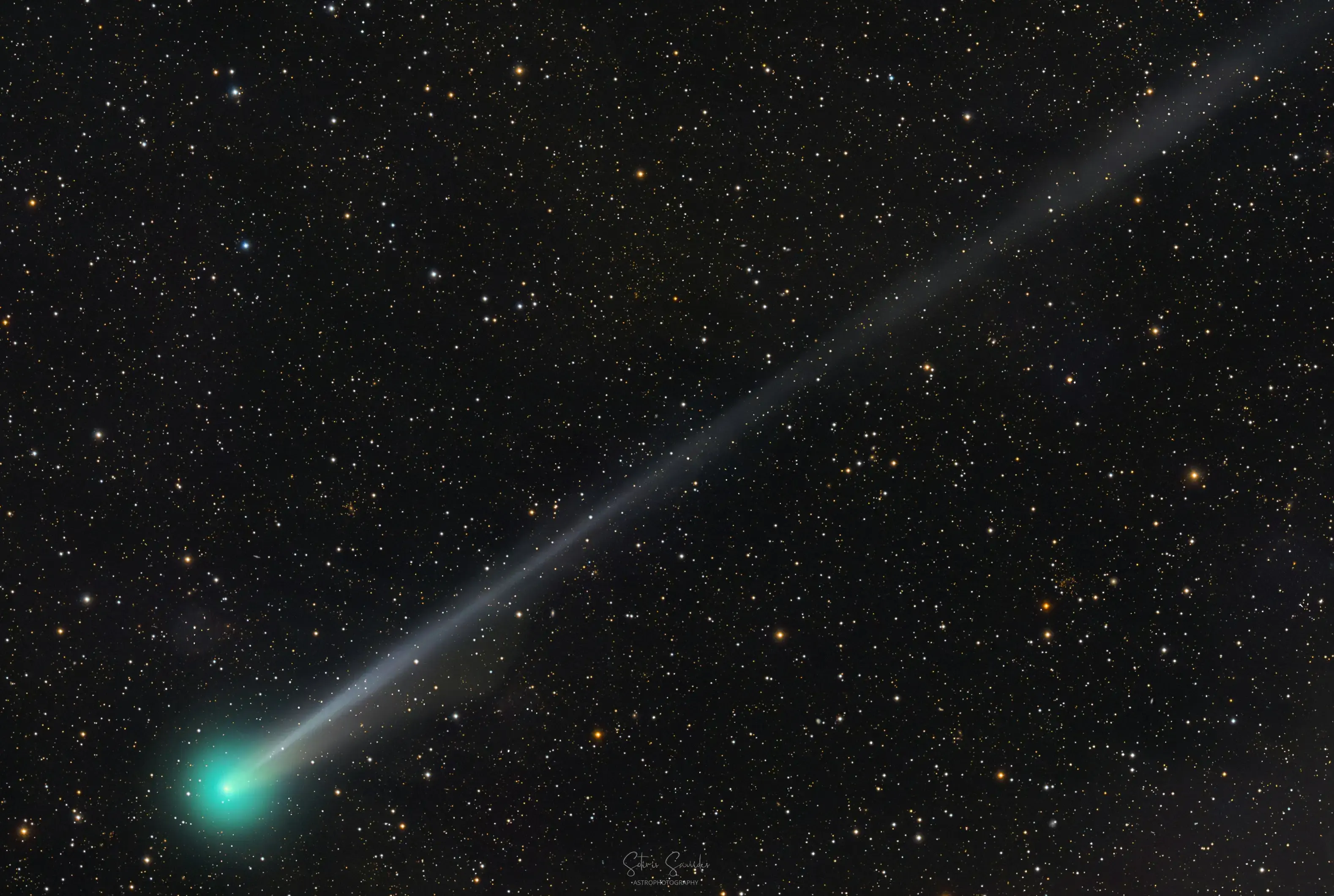
With 3I/ATLAS, the third confirmed interstellar visitor, the conversation has resurfaced. Despite its faintness and short observation window, its trajectory and speed anomalies have reignited discussions about how much bias influences what scientists “see” and what they choose to dismiss.
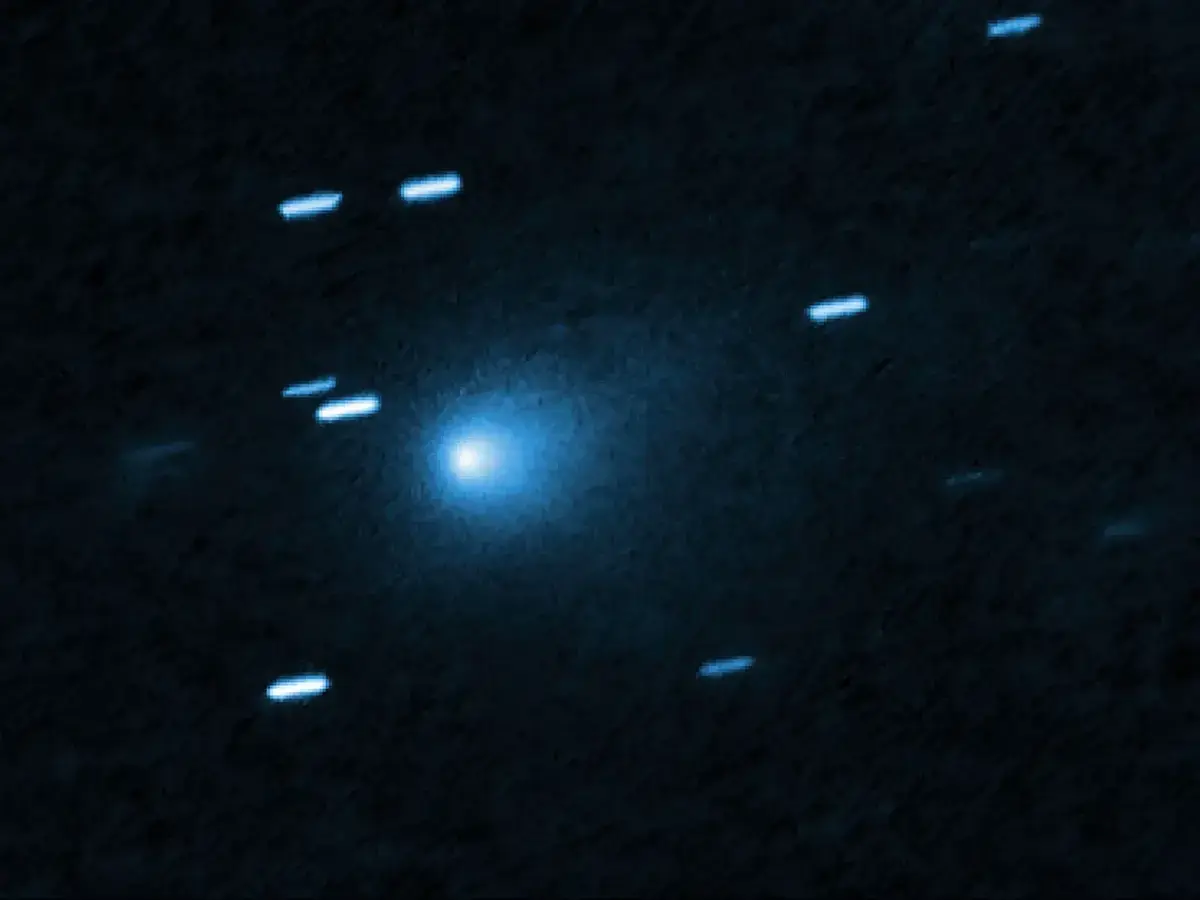
The Bias Problem in Science
Loeb and others argue that scientists are conditioned to interpret new phenomena only within the framework of known physics. “If something doesn’t fit our expectations, we often call it an error instead of evidence,” Loeb wrote in his Copernican Principle Revisited paper. This mindset, he says, might blind us to engineered objects that don’t behave like asteroids or comets.
Historical Parallels
Throughout history, paradigm-shifting discoveries from microbes to quantum mechanics, were initially dismissed as absurd. Loeb likens this to how human perception filters can overlook signs of intelligence that don’t resemble human or biological forms.
Skeptics Push Back
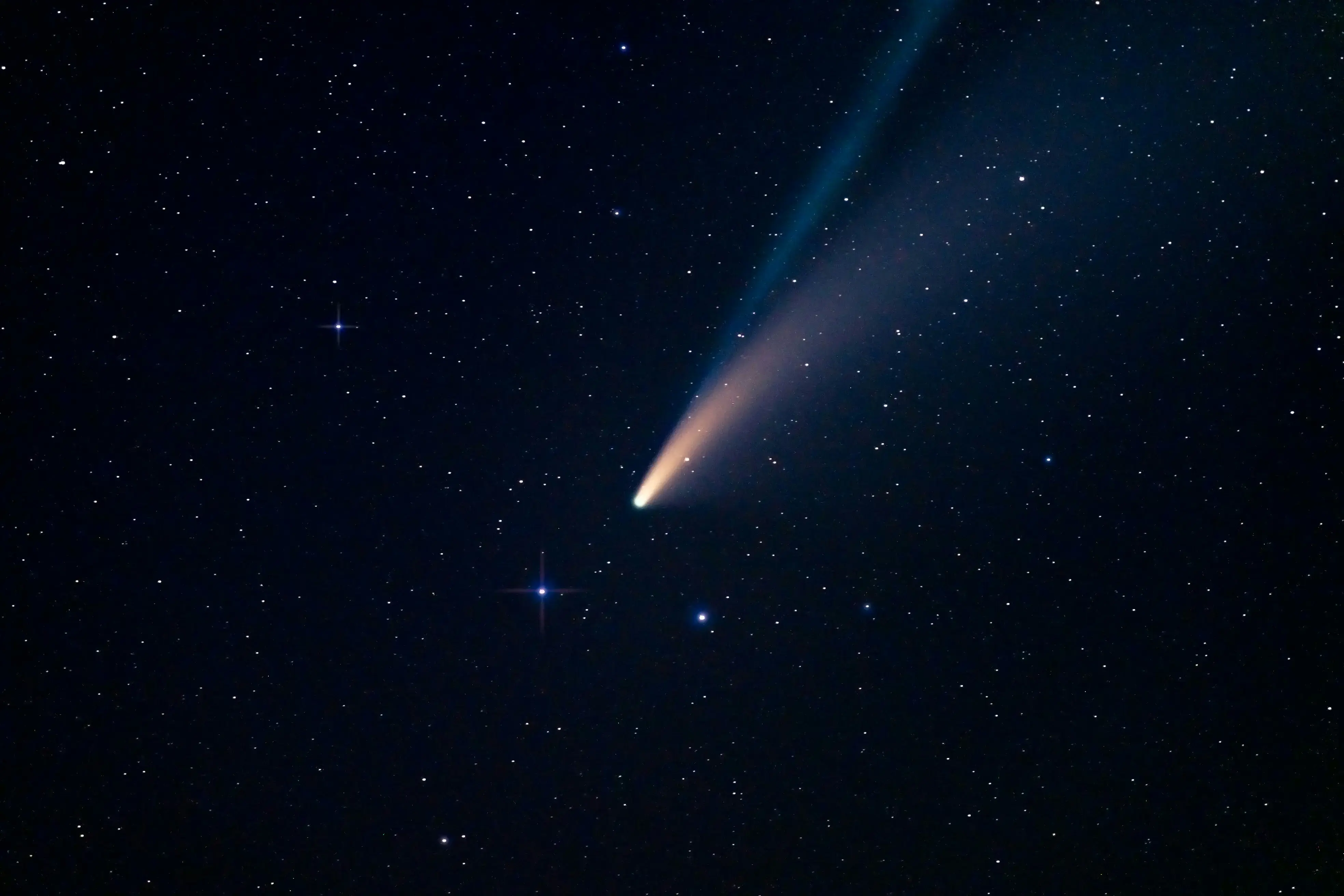
Critics, including NASA scientist Michelle Thaller, say it’s premature to leap to alien explanations when the data is incomplete. “Science must begin with natural hypotheses,” she notes, emphasising the lack of direct imaging or spectral data for 3I/ATLAS.
Why the Question Still Matters
Even if 3I/ATLAS turns out to be a standard interstellar comet, the debate highlights a larger issue: human cognitive limits in detecting unfamiliar forms of intelligence. As Loeb puts it, “If an alien artifact passed through our solar system tomorrow, we might mistake it for just another rock because that’s what we’re trained to see.”
)
)
)
)
)