• Wion
  • /Photos
  • /Afghanistan’s earthquake: How millions live on a seismic time bomb plagued by hidden fault lines

Afghanistan’s earthquake: How millions live on a seismic time bomb plagued by hidden fault lines

Afghanistan’s fragile housing, mud-brick homes and poorly engineered buildings makes it especially vulnerable. Past disasters have shown that thousands can die within minutes when a hidden fault slips.
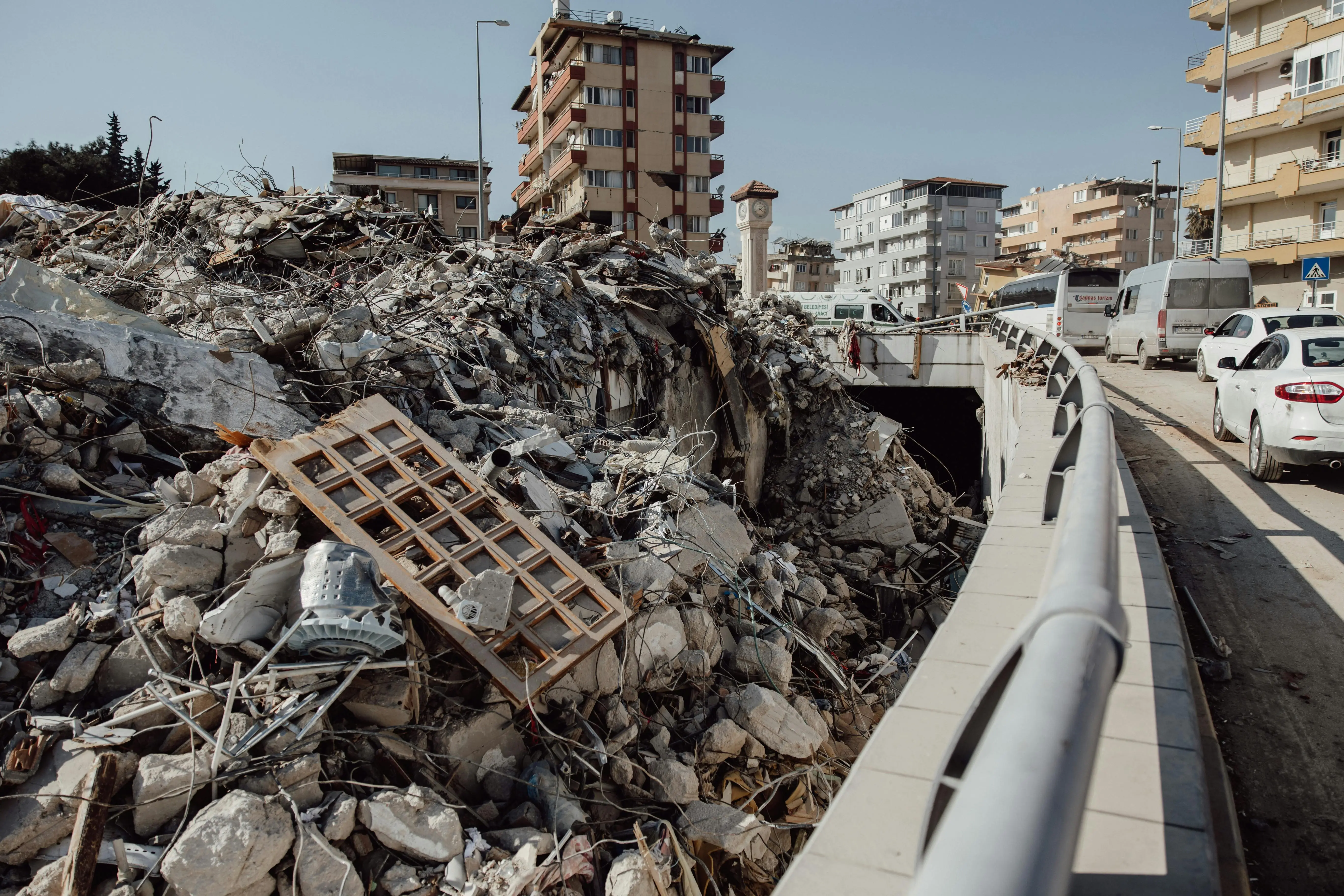
The Invisible Fault Lines Beneath Afghanistan
1 / 7
(Photograph: Pexels)

The Invisible Fault Lines Beneath Afghanistan

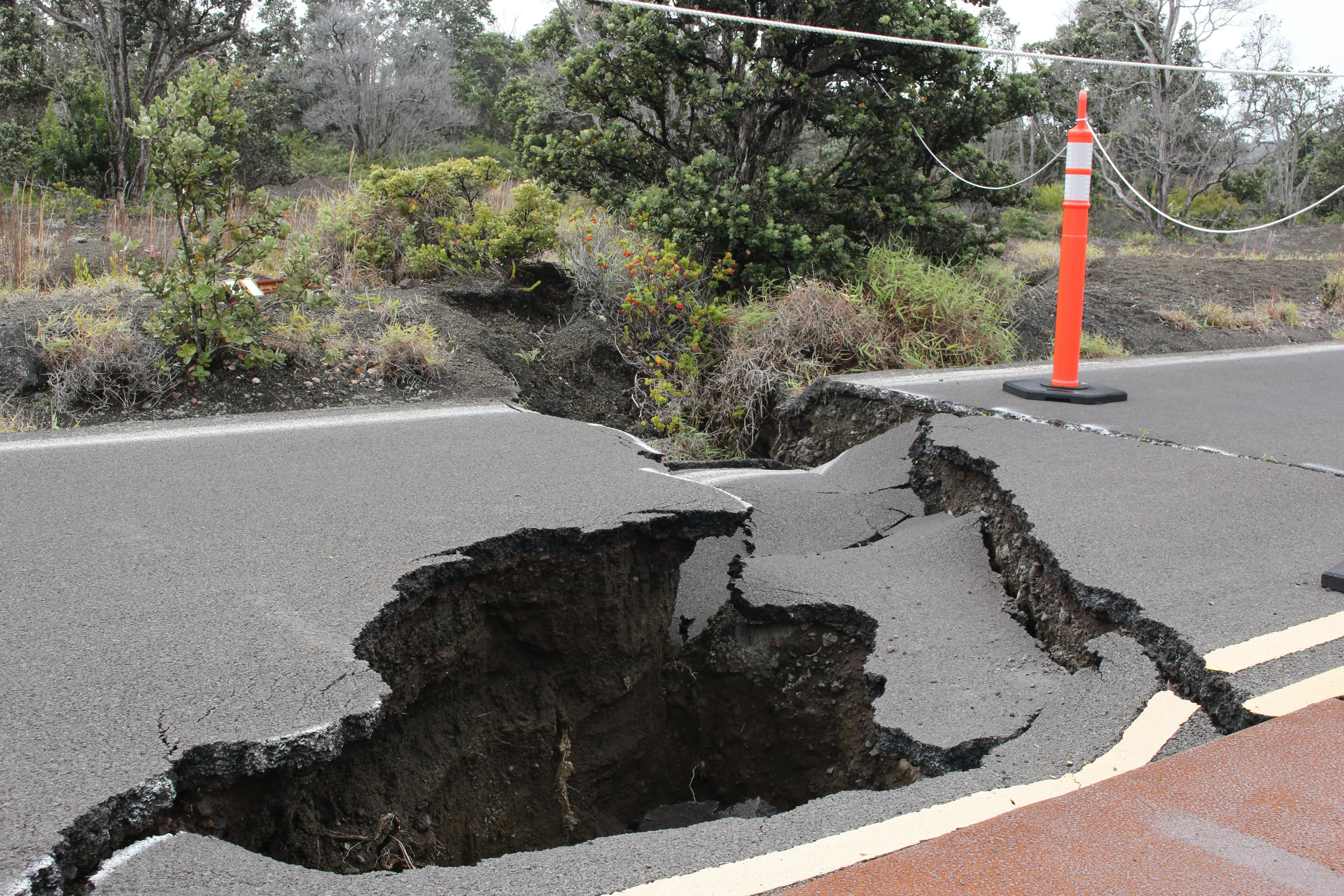
Afghanistan sits at the junction of the Indian and Eurasian tectonic plates, a zone where multiple hidden fault lines run beneath mountain ranges. Many remain unmapped, turning the land into a silent trap for millions.

The Seismic ‘Time Bomb’ Effect
2 / 7
(Photograph: Pexels)

The Seismic ‘Time Bomb’ Effect

Stress builds quietly along these buried faults for decades, sometimes centuries before snapping violently. Each quake releases energy equal to hundreds of nuclear bombs, often without warning.

Why Afghanistan Shakes More Than Most
3 / 7
(Photograph: Pexels)

Why Afghanistan Shakes More Than Most

The Hindu Kush is one of the world’s most earthquake-prone zones, with frequent quakes deeper than 100 km. These tremors often spread across South and Central Asia, impacting millions far from the epicentre

Cities on Shaky Ground
4 / 7
(Photograph: Pexels)

Cities on Shaky Ground

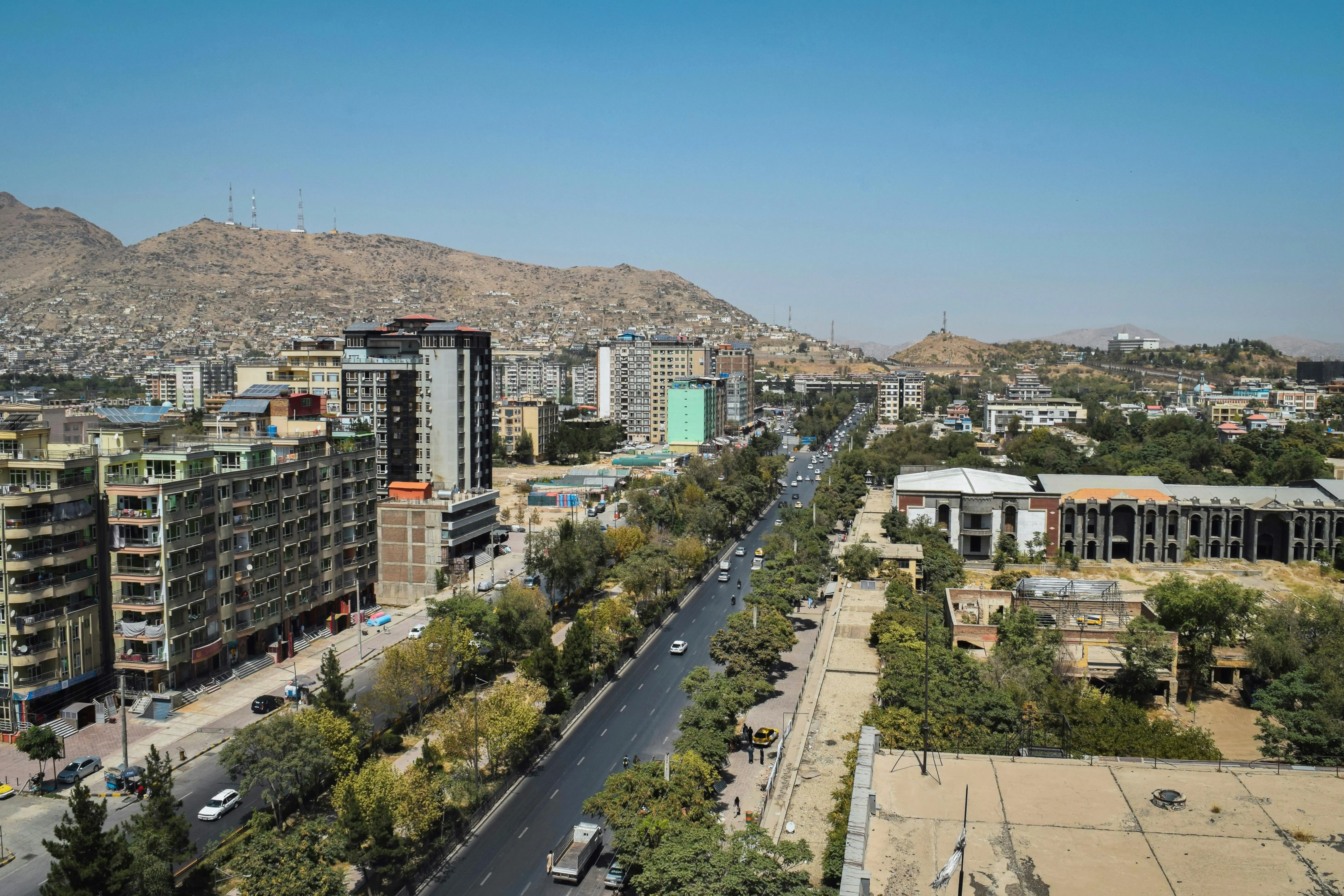
Kabul, Herat, and Jalalabad lie dangerously close to major fault systems. With unplanned urban sprawl and weak infrastructure, even a moderate quake can collapse entire neighbourhoods in seconds.

The Human Cost of Hidden Quakes
5 / 7
(Photograph: Pexels)

The Human Cost of Hidden Quakes

Afghanistan’s fragile housing, mud-brick homes and poorly engineered buildings makes it especially vulnerable. Past disasters have shown that thousands can die within minutes when a hidden fault slips.

Why Prediction Is Impossible
6 / 7
(Photograph: Pexels)

Why Prediction Is Impossible

Unlike weather systems, quakes give no early signals. Hidden fault lines can stay locked for centuries, fooling communities into complacency before unleashing catastrophic energy.

The Urgent Question for South Asia
7 / 7
(Photograph: Pexels)

The Urgent Question for South Asia

With millions living on this ticking seismic clock, experts warn that the “next big one” is a matter of when, not if and it could reshape Afghanistan and its neighbours forever.