Afghanistan earthquake: Why this region shakes more than most of the world

Unlike developed quake zones like Japan or California, Afghanistan’s infrastructure is weak. Poorly constructed homes, dense settlements, and lack of preparedness mean even moderate tremors can result in massive casualties.
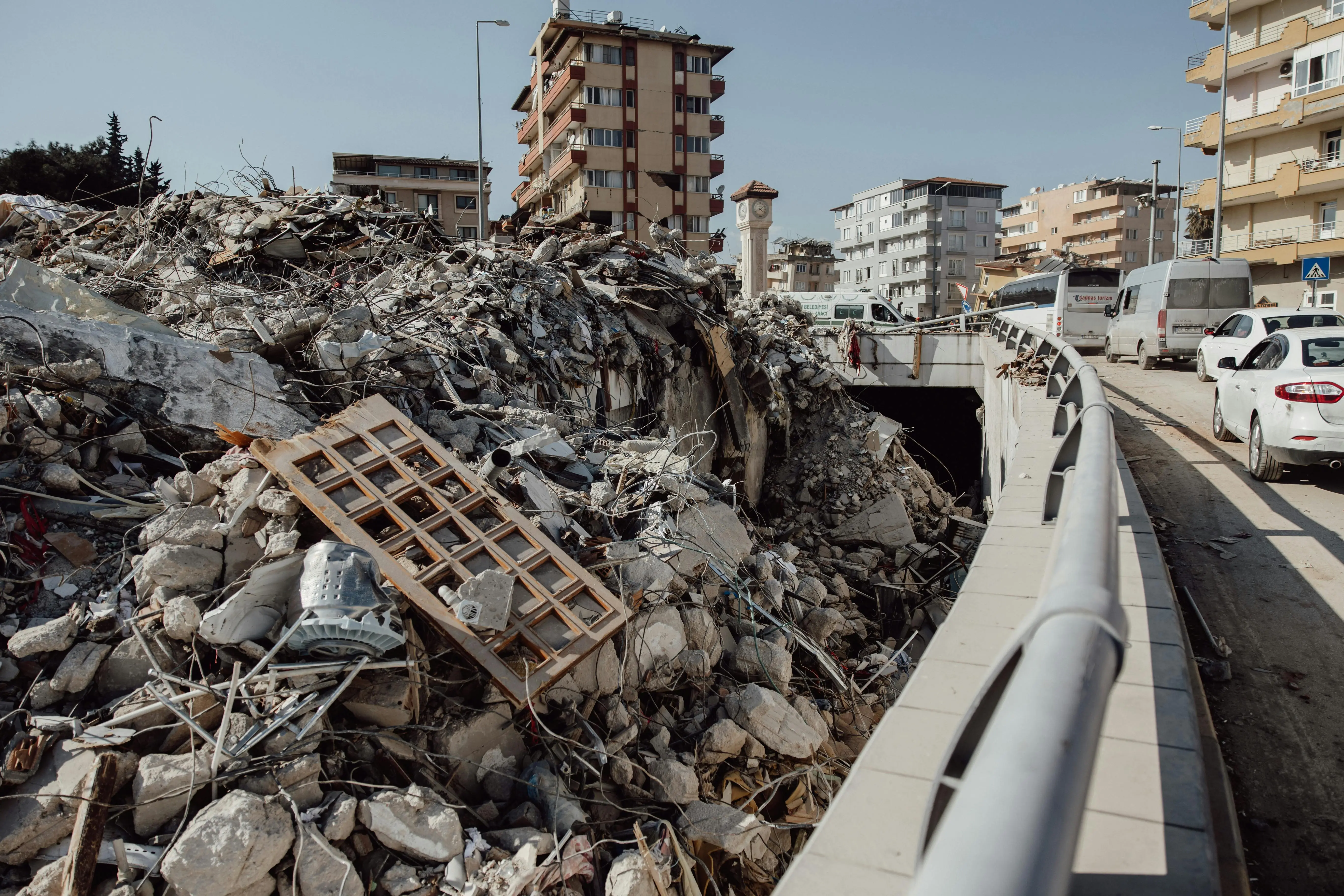
At the Crossroads of Plates
Afghanistan sits at the collision zone of three major tectonic plates like the Indian Plate, the Eurasian Plate, and the Arabian Plate. Their constant push and grind make the country one of the most seismically unstable regions in Asia.
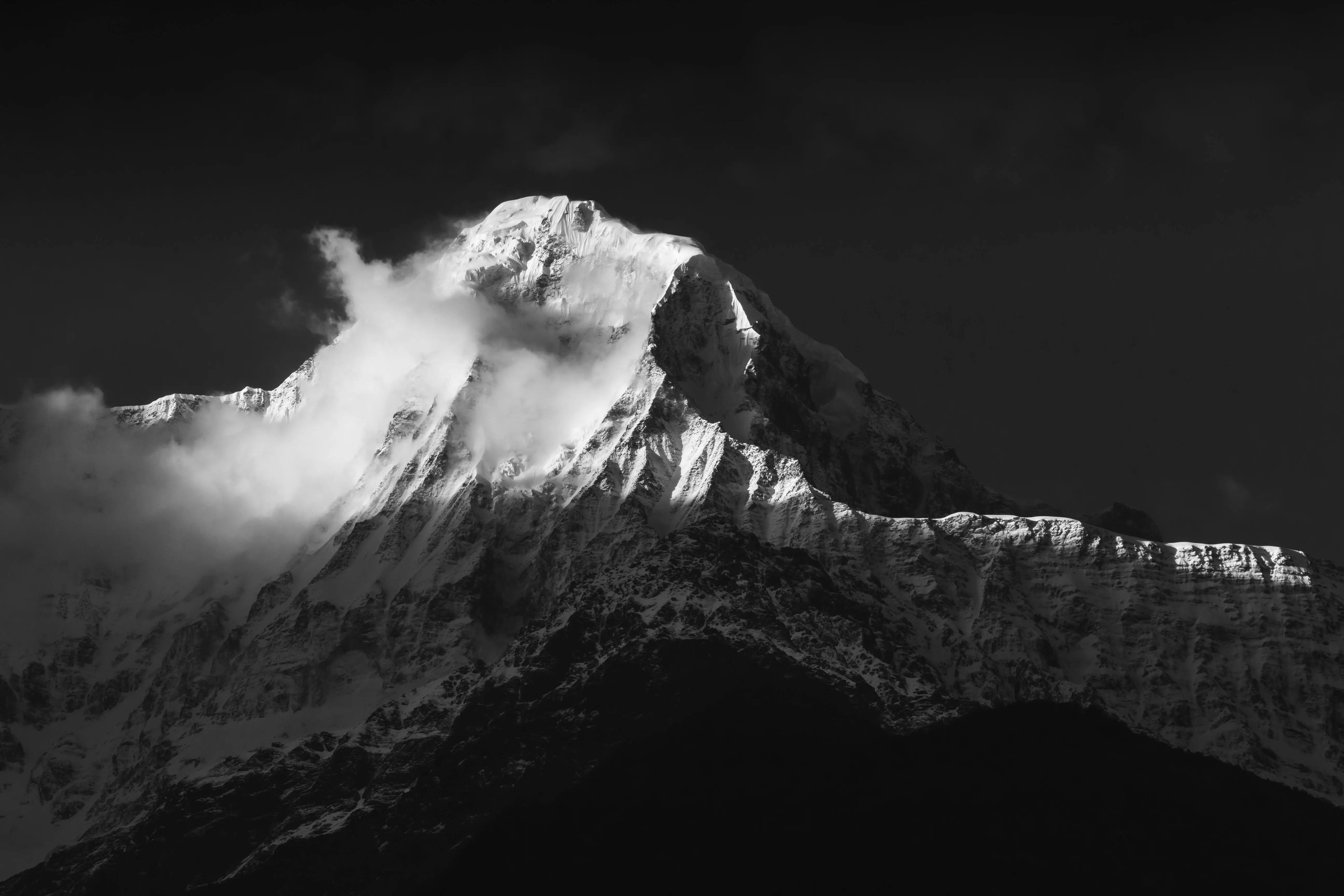
Indian Plate’s Relentless Push
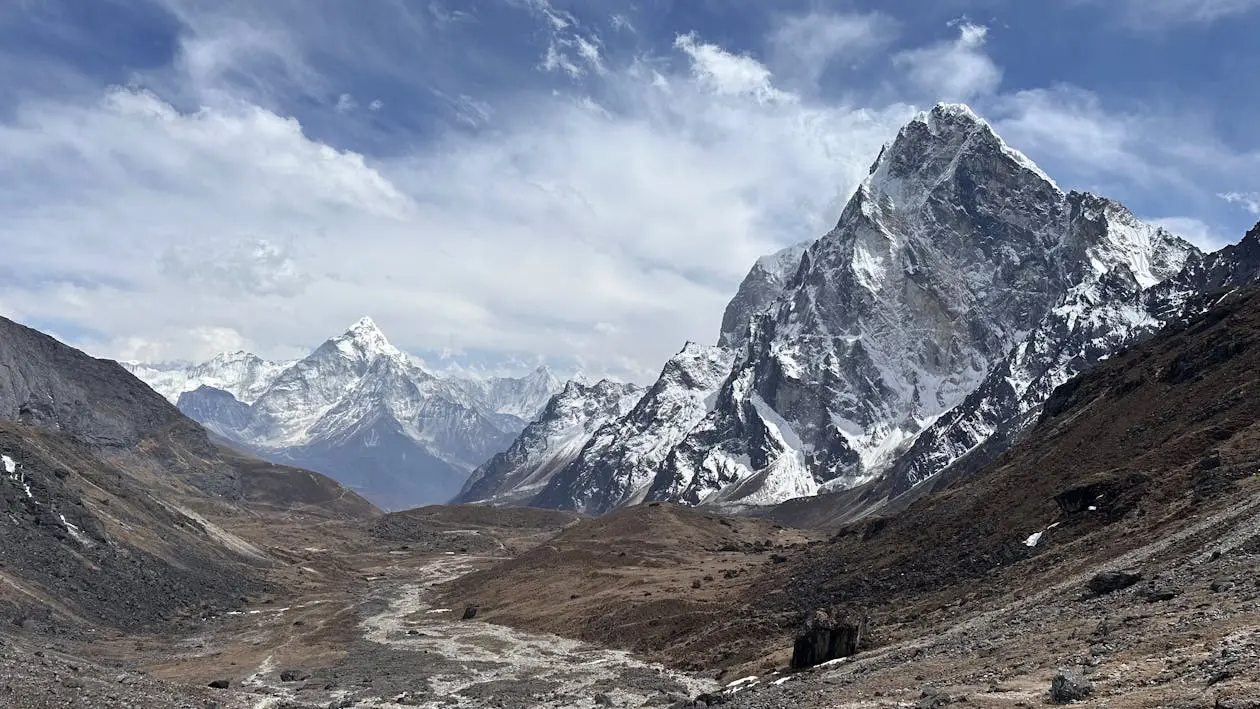
The Indian Plate moves northward at nearly 5 cm a year, colliding into the Eurasian Plate. This ongoing crash is what gave birth to the Himalayas, and the stress it builds often releases in the form of violent earthquakes across Afghanistan and its neighbours.
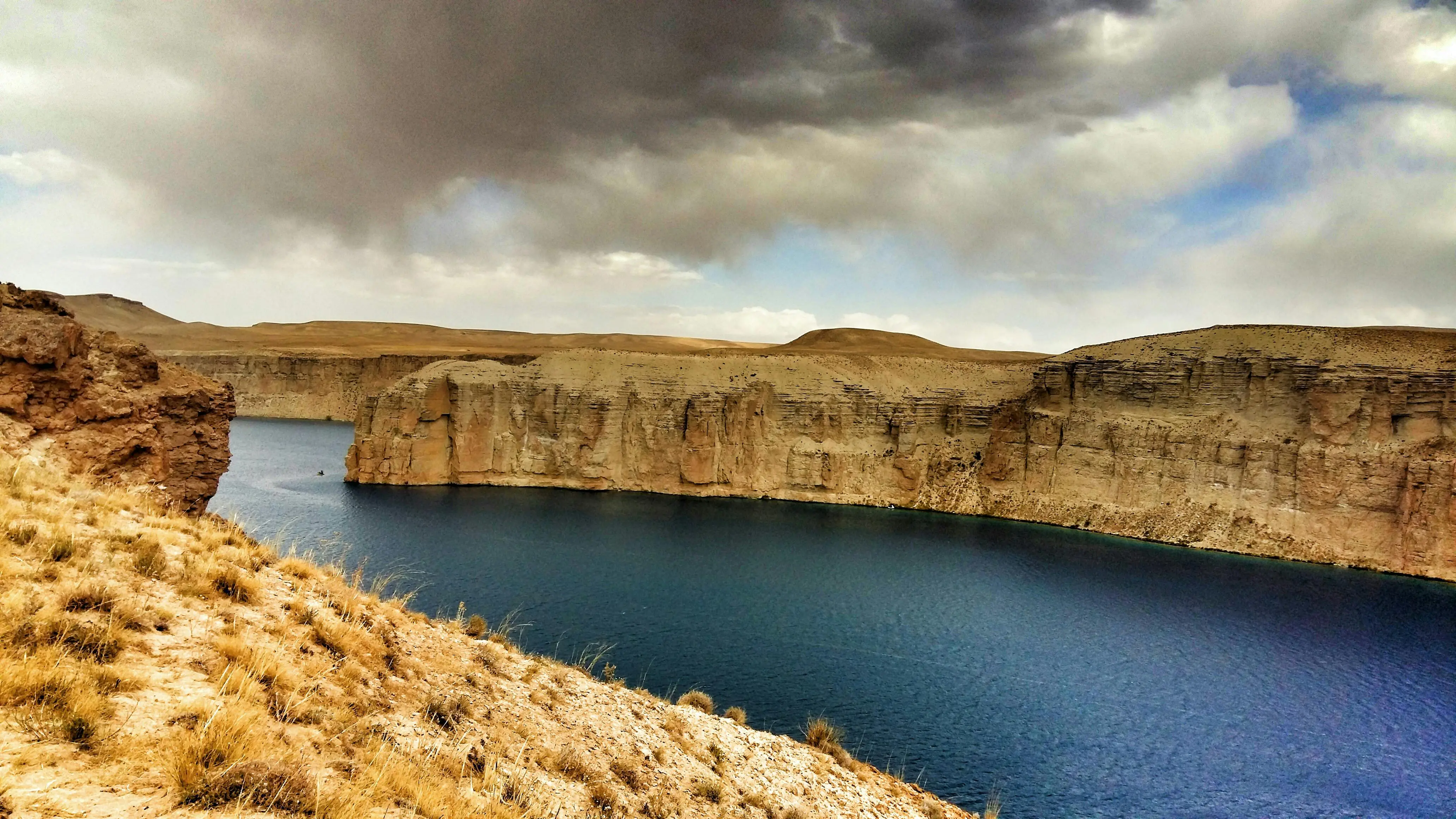
Fault-lines Beneath the Surface
Key fault systems like the Chaman Fault and the Hindu Kush Fault cut through Afghanistan. These are zones of weakness in the crust where earthquakes frequently rupture, making them hotbeds of seismic activity.
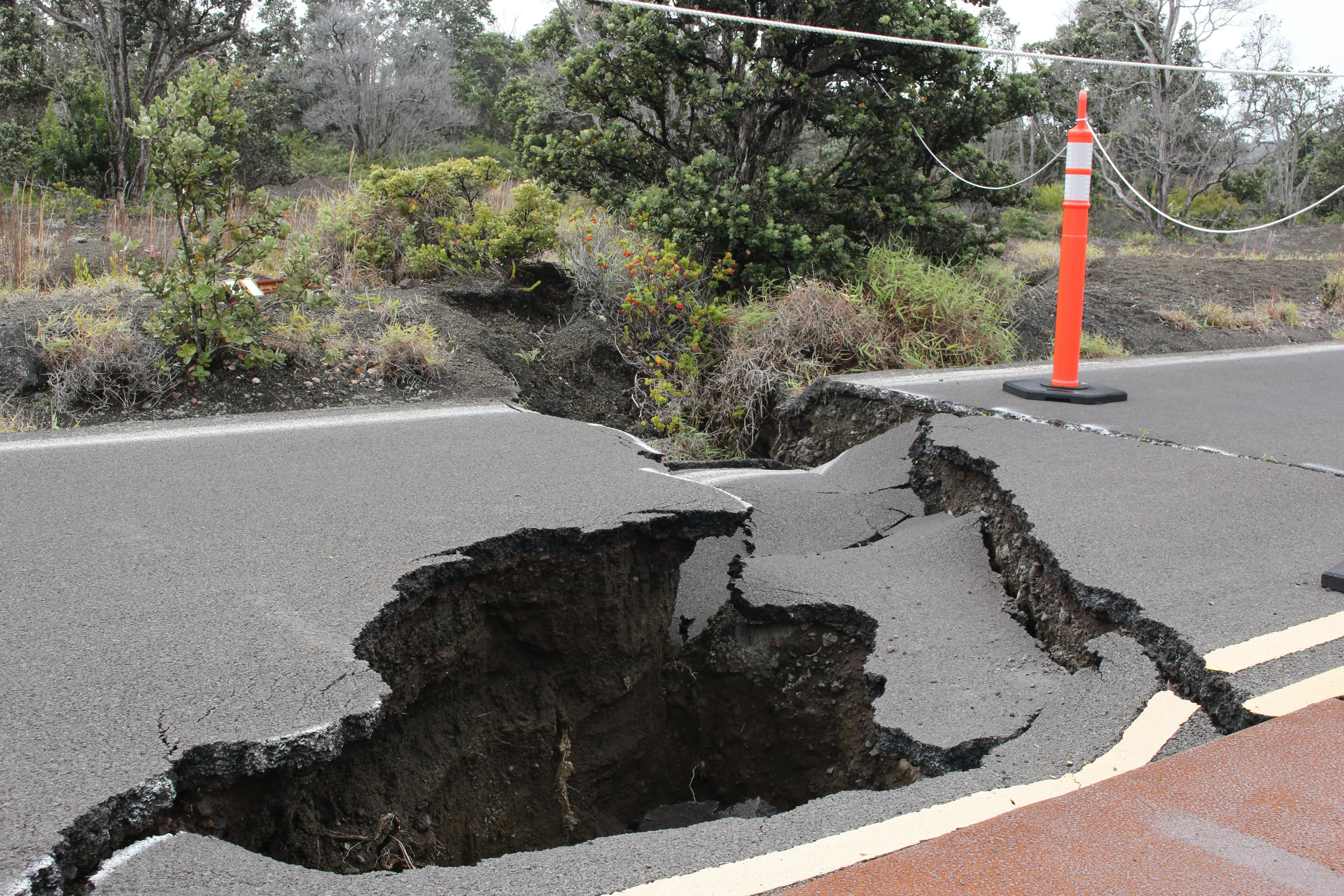
Deep Earthquakes in the Hindu Kush
Afghanistan is also known for unusual deep-focus earthquakes, quakes that originate more than 200 km beneath the Earth’s crust. These powerful but often less surface-destructive quakes add to the region’s unique seismic profile.
Why It Feels Worse Here
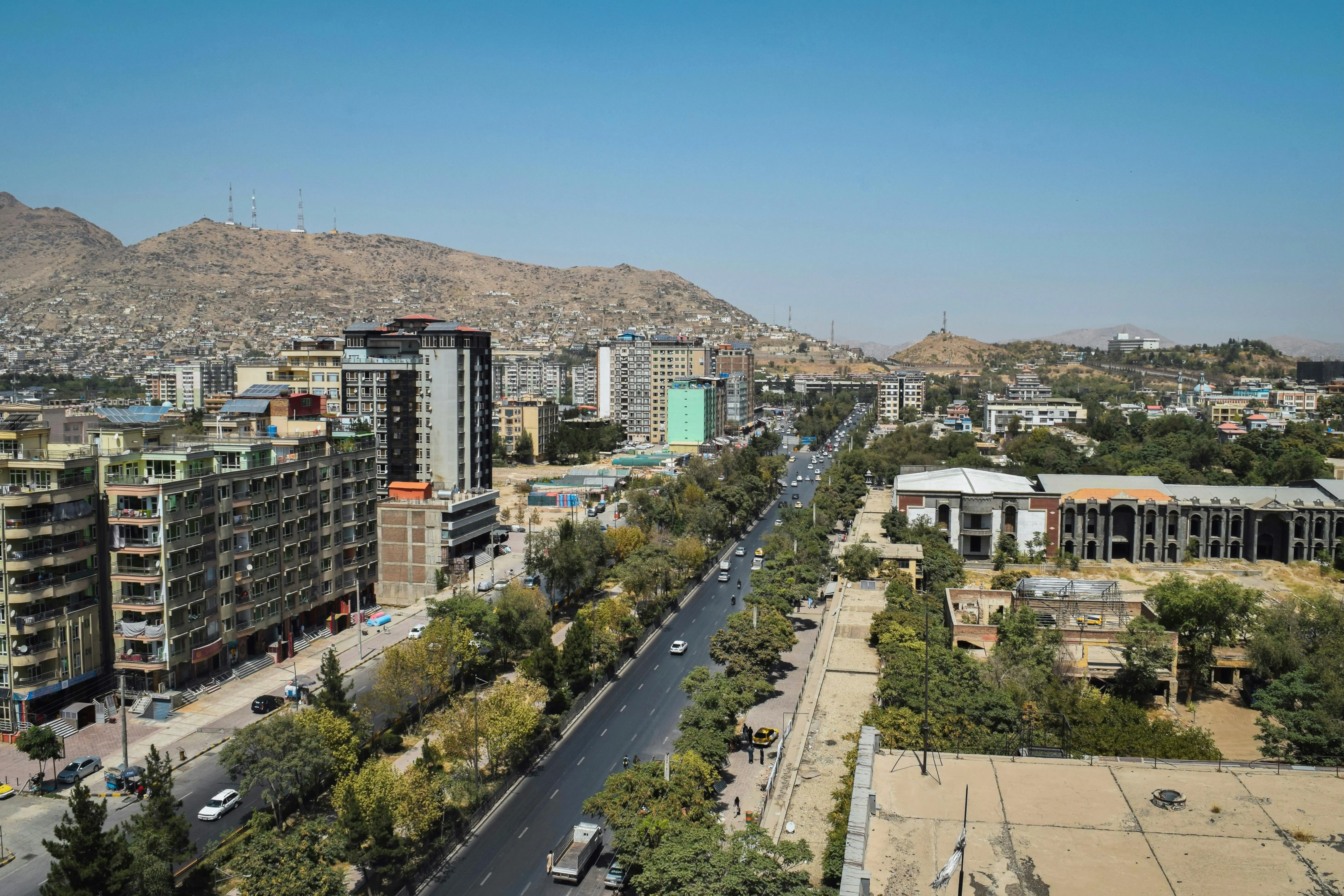
Unlike developed quake zones like Japan or California, Afghanistan’s infrastructure is weak. Poorly constructed homes, dense settlements, and lack of preparedness mean even moderate tremors can result in massive casualties.
Chain Reactions Across Borders
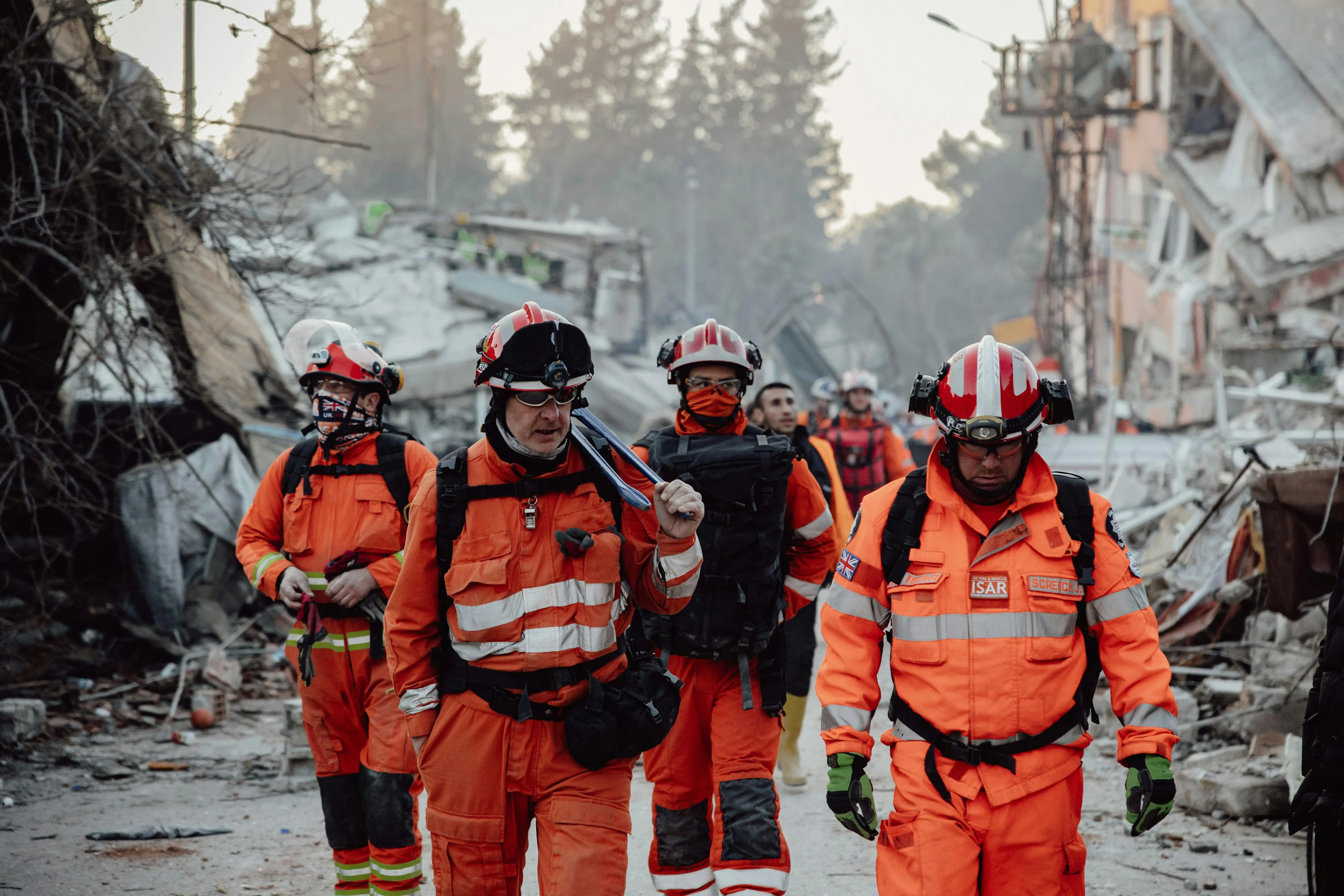
Earthquakes in Afghanistan don’t just stay within the country. The shocks often ripple across Pakistan, India, Nepal, and Central Asia, affecting millions beyond the epicentre.
A Region Living on Edge
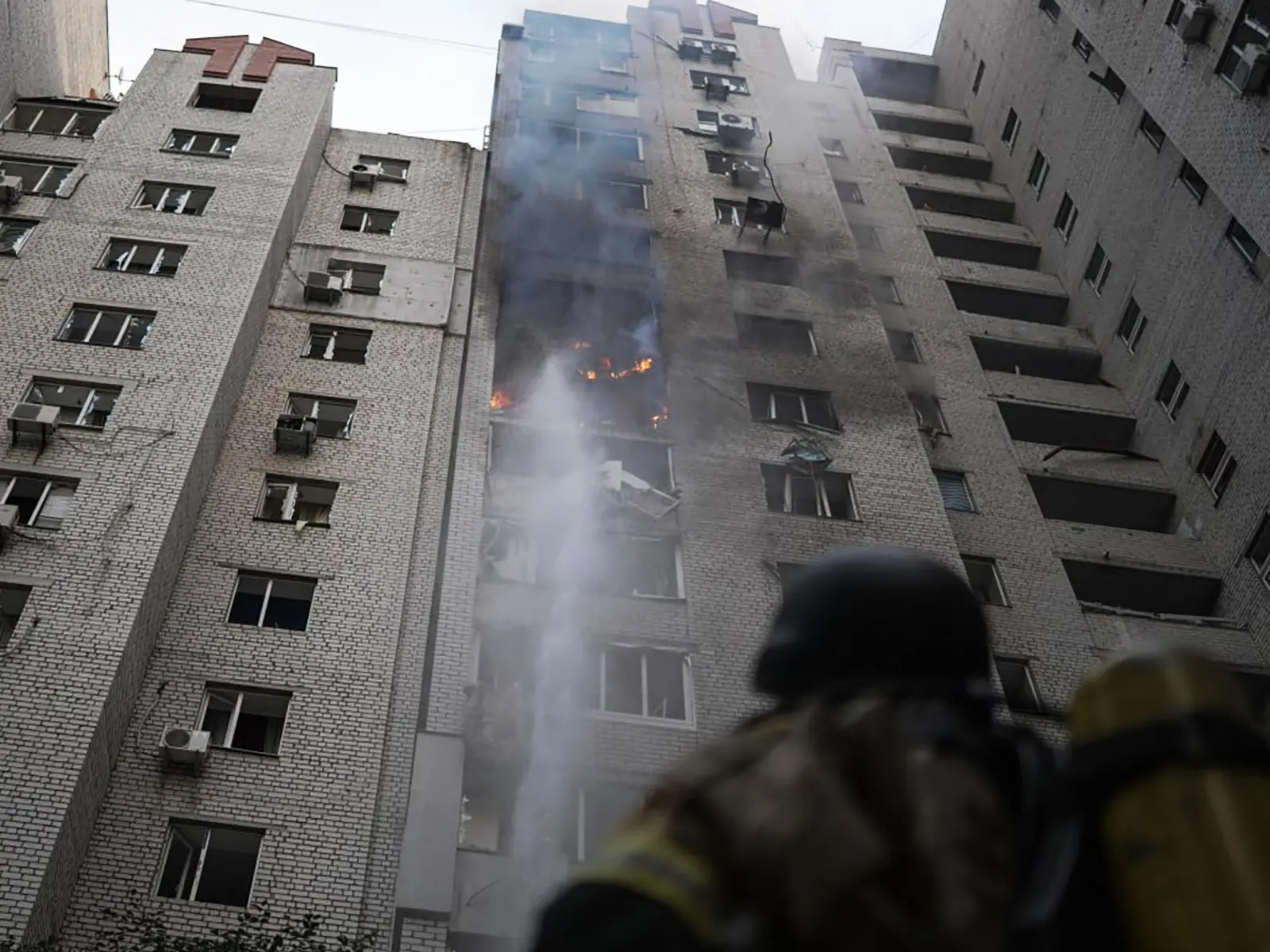
With growing population, climate stress, and unprepared urban centres, Afghanistan and its neighbours remain under constant threat. Scientists warn that large quakes here are inevitable, the only uncertainty is when.
)
)
)
)
)