Afghanistan earthquake: What is locked fault theory and how pressure under Himalayas could trigger Asia’s strongest tremor ever

Afghanistan experiences unusually deep-focus earthquakes, originating hundreds of kilometres below the surface. These quakes can trigger secondary tremors across a wide region, amplifying risk in South Asia.
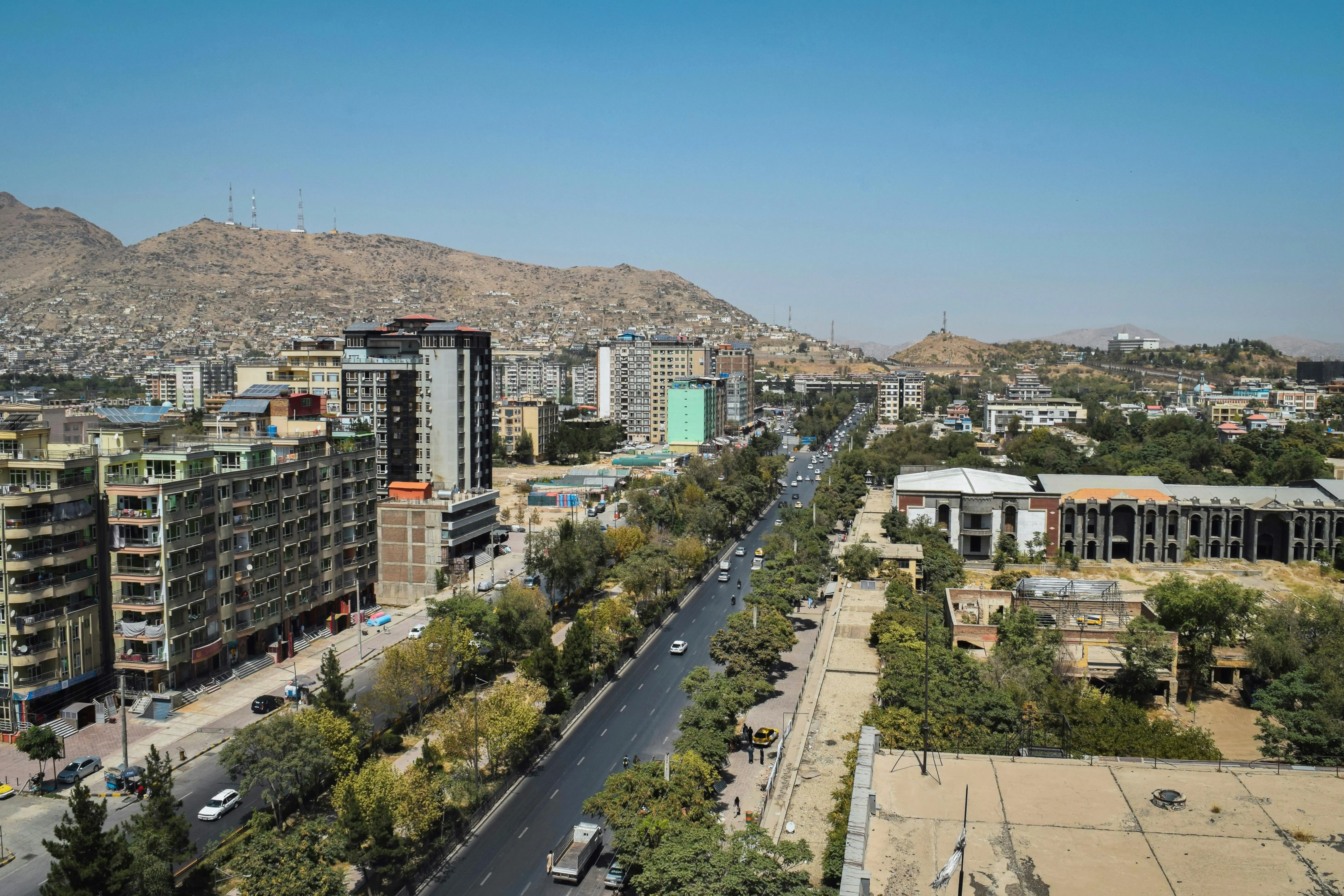
Understanding the Locked Fault Theory
Locked faults are sections of a tectonic fault that do not slip easily, causing stress to build over time. When the accumulated pressure finally releases, it can produce powerful earthquakes. The Himalayas have multiple such locked zones along the Indian and Eurasian plate boundaries.
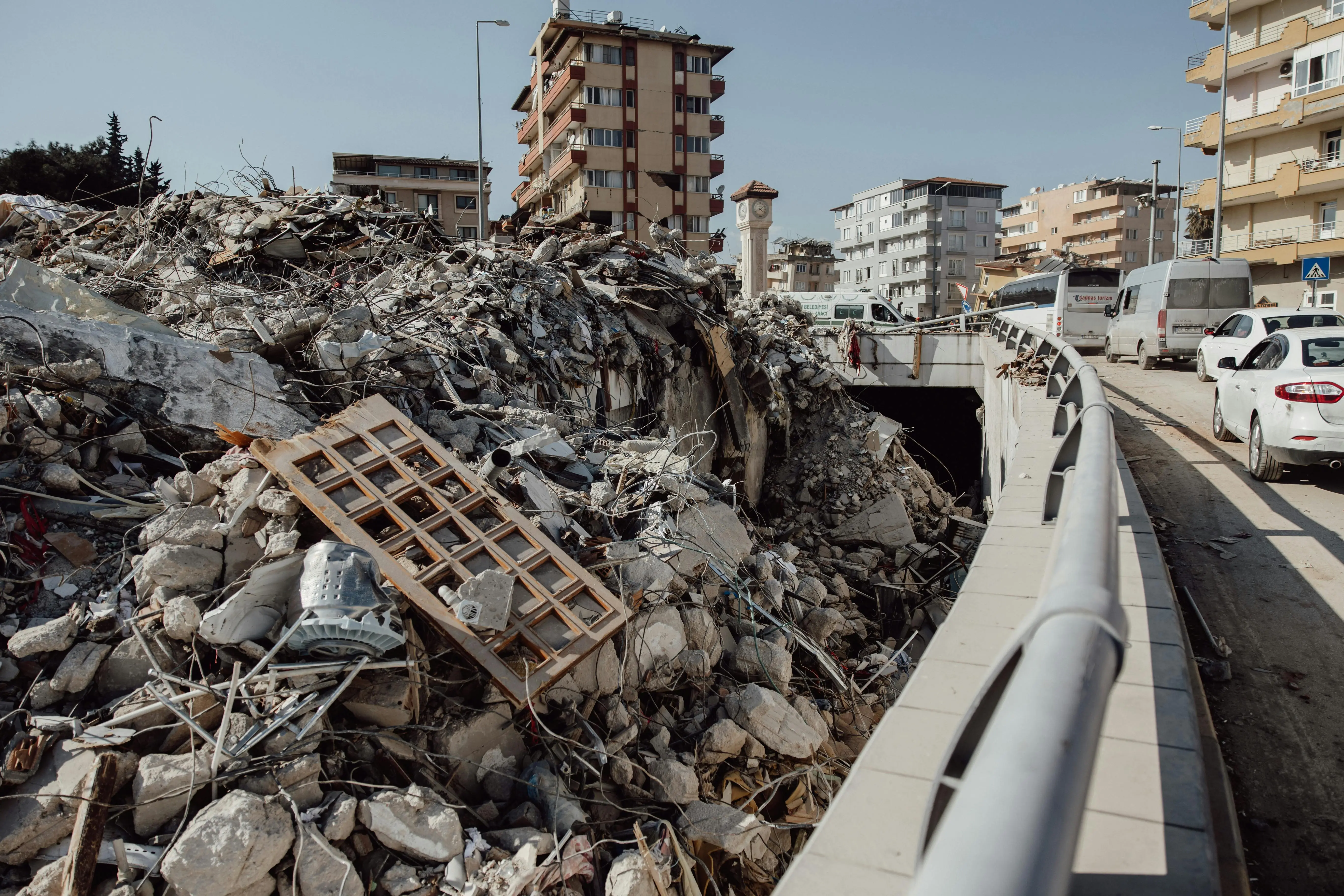
The Indian Plate’s Northward Push
The Indian Plate moves approximately 5 cm per year toward the Eurasian Plate. This constant movement generates stress along fault lines stretching from northern Afghanistan through Nepal and India.
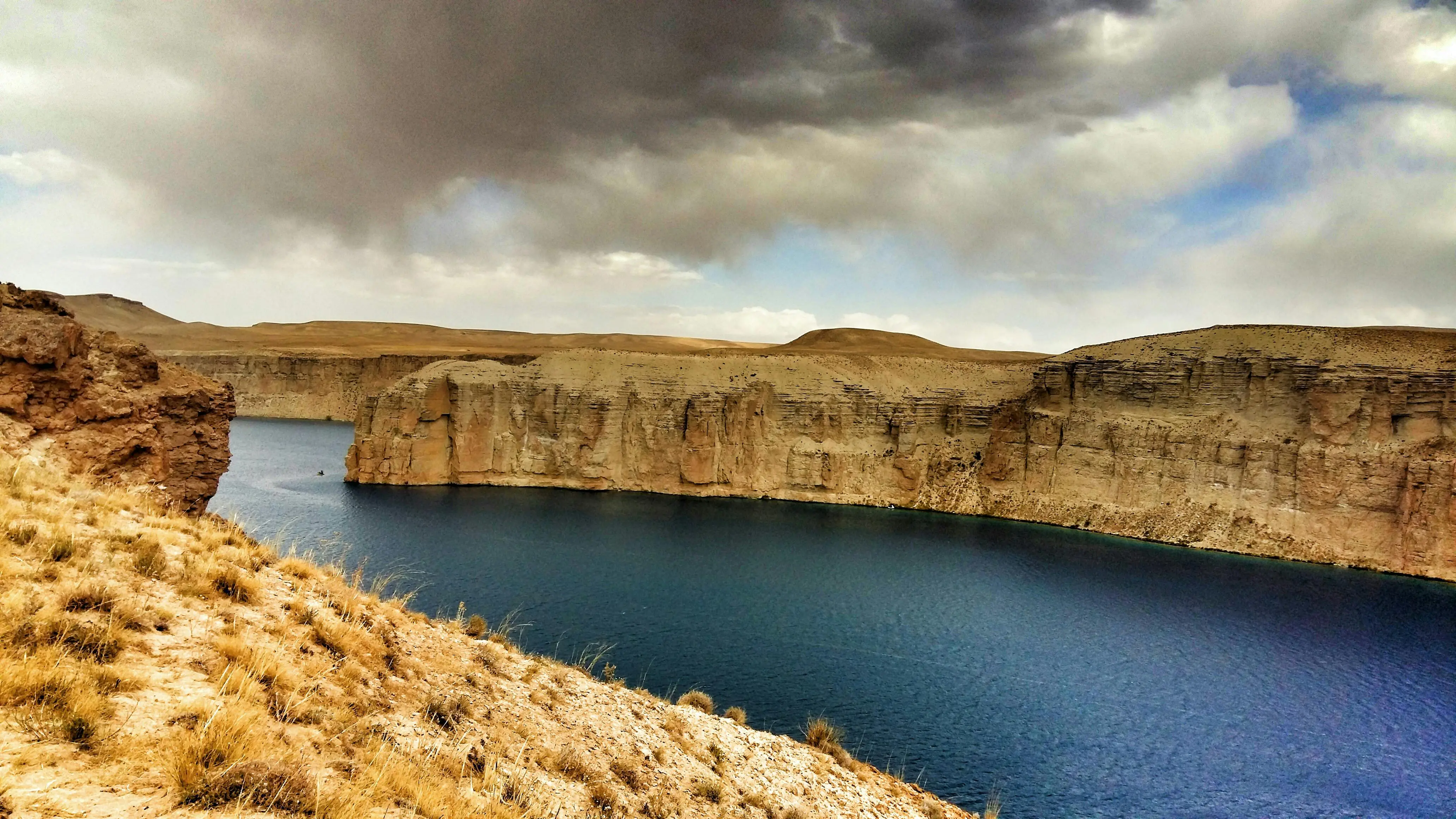
Himalayan Pressure Cooker
The immense weight of the Himalayas adds vertical stress on underlying faults. Combined with tectonic pressure, these “locked” zones act like a pressure cooker, capable of releasing catastrophic energy during a quake.
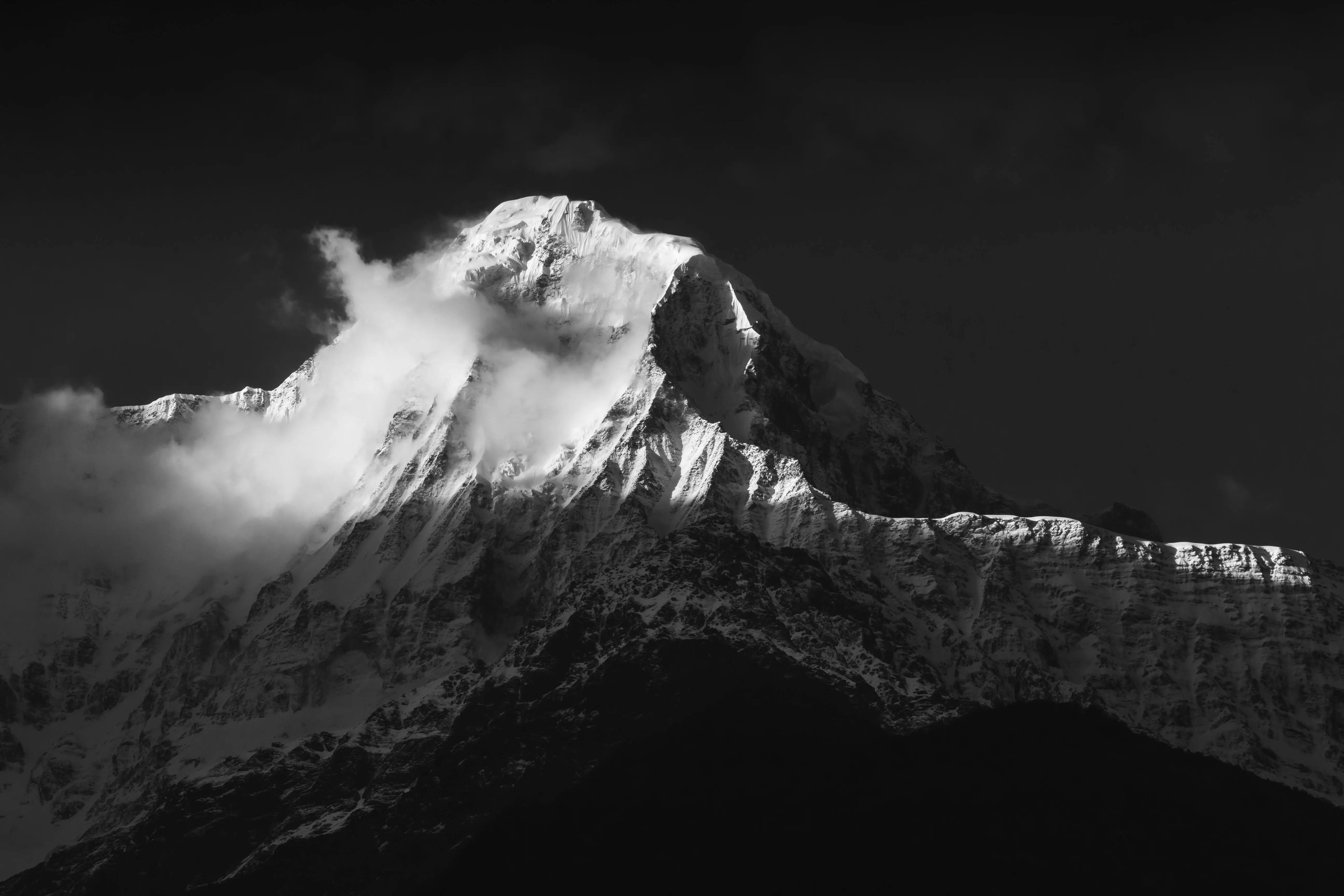
Deep-Focus Quakes in Afghanistan
Afghanistan experiences unusually deep-focus earthquakes, originating hundreds of kilometres below the surface. These quakes can trigger secondary tremors across a wide region, amplifying risk in South Asia.
Potential Magnitude of a Himalayan Megaquake
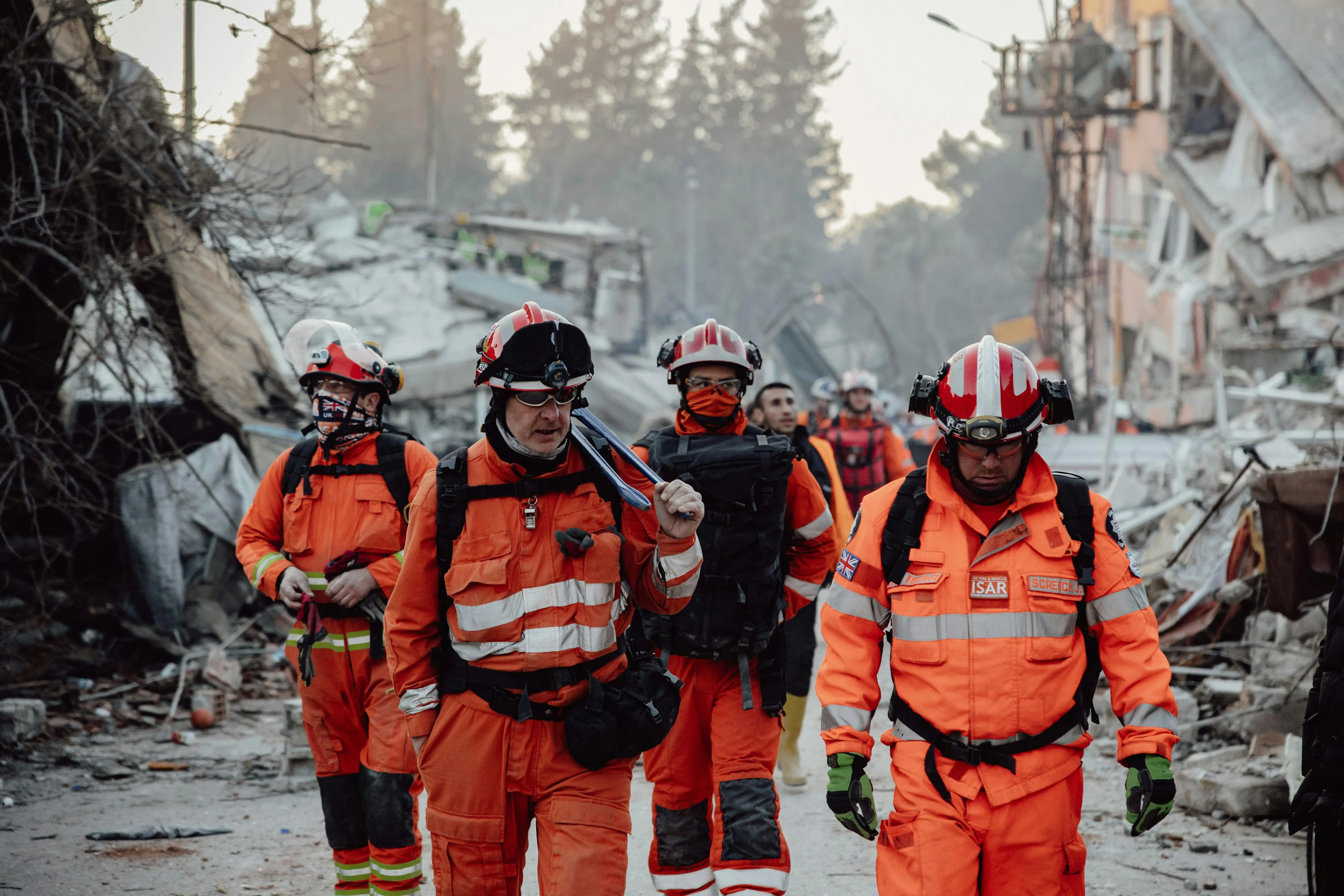
Scientists warn that a release of accumulated stress in locked faults could generate a quake of magnitude 8 or higher, making it one of the strongest tremors in recorded Asian history.
Regional Vulnerability
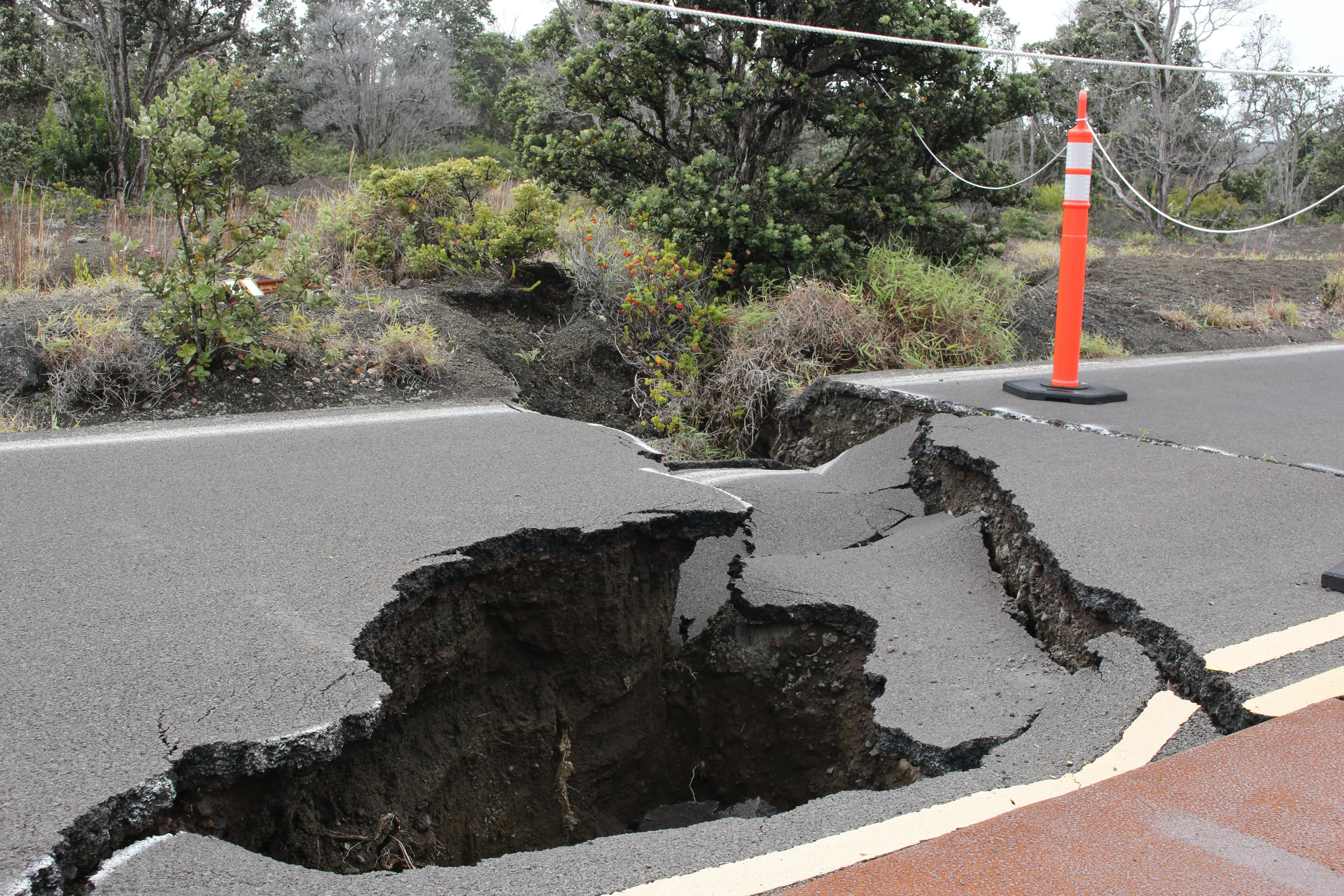
Countries along the Himalayan arc, including India, Nepal, Pakistan, Bhutan, and Afghanistan, are densely populated. Many structures are not earthquake-resistant, making even moderate quakes deadly.
Preparing for the Inevitable
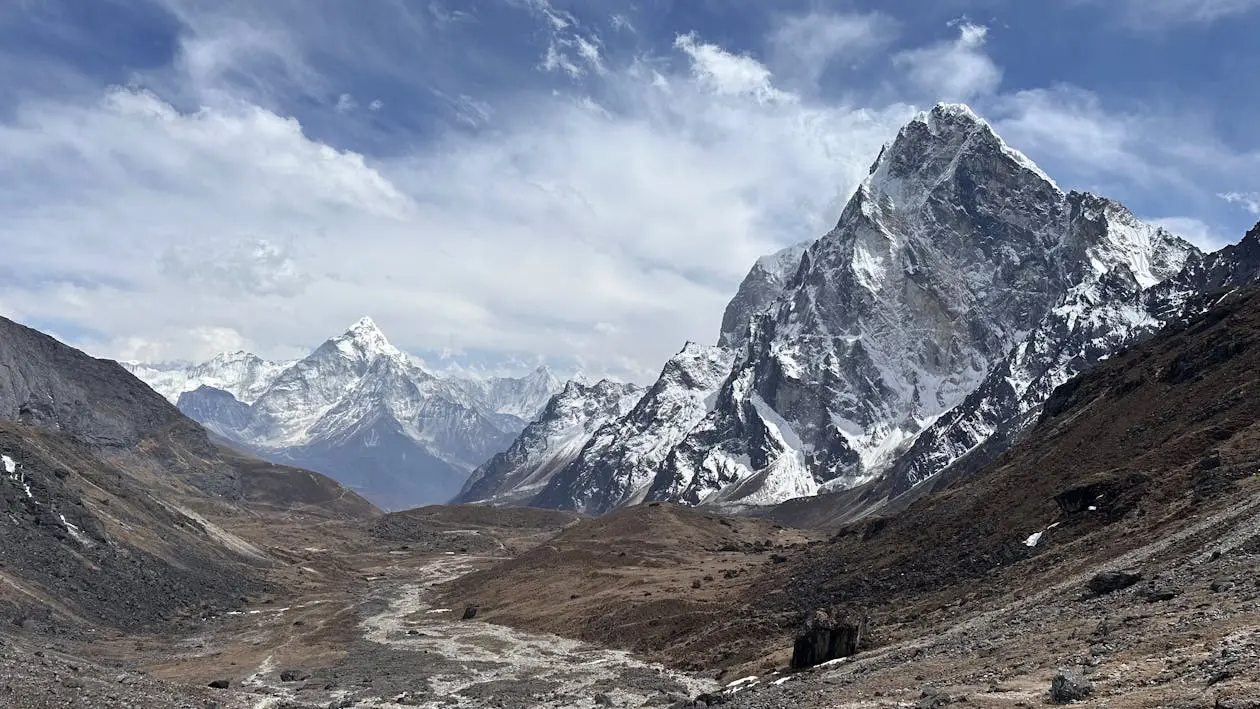
Experts emphasise quake-resistant construction, early warning systems, and public education. While predicting the exact timing is impossible, the locked fault theory indicates that a major Himalayan earthquake is only a matter of time.
)
)
)
)
)