Afghanistan earthquake: What are deep earthquakes and why they are killing more people than ever

Shockwaves from deep quakes travel through solid rock layers before reaching the surface, spreading energy across a much wider area. That’s why a single Afghan quake can be felt in Pakistan, India, and Central Asia simultaneously.
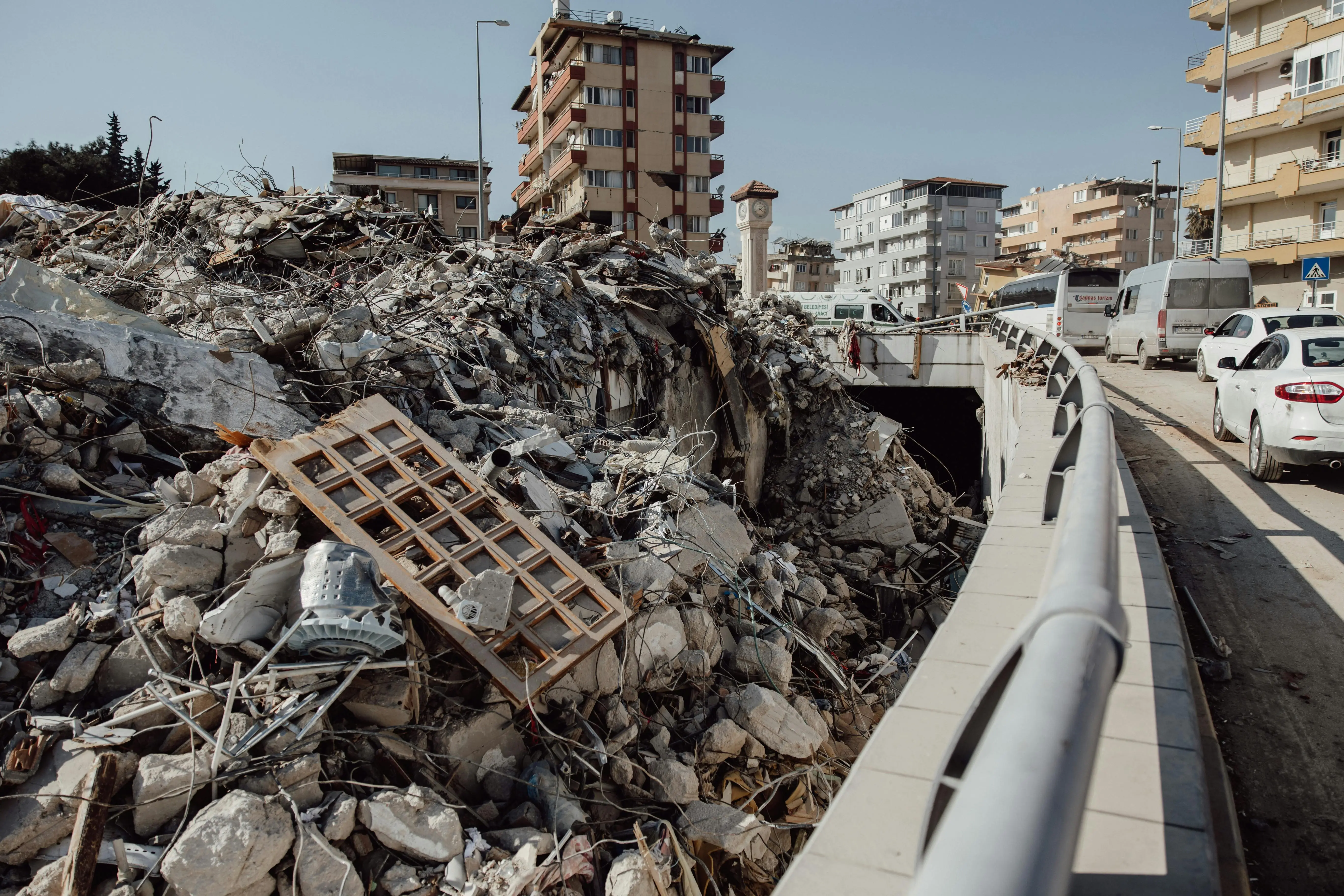
What Makes a Deep Earthquake Different?
Unlike shallow quakes that strike within 70 km of the surface, deep-focus earthquakes originate between 70 km to 300 km underground. In Afghanistan’s Hindu Kush region, such deep quakes are common and dangerous.
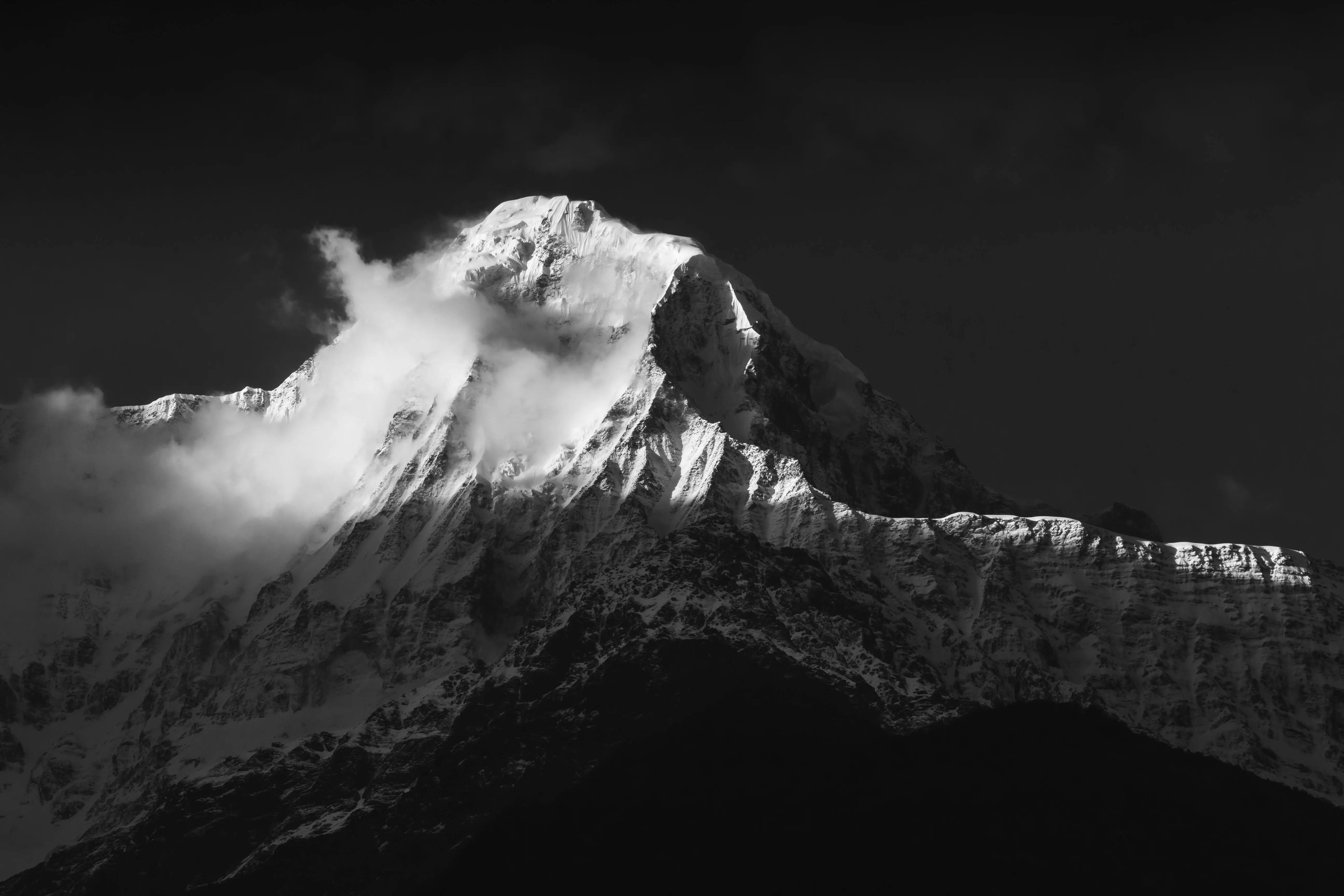
The Hindu Kush Hotspot
This region is one of the world’s most active zones for deep earthquakes, where the Indian Plate dives beneath the Eurasian Plate. The unique subduction angle makes the crust buckle and break far below the surface.
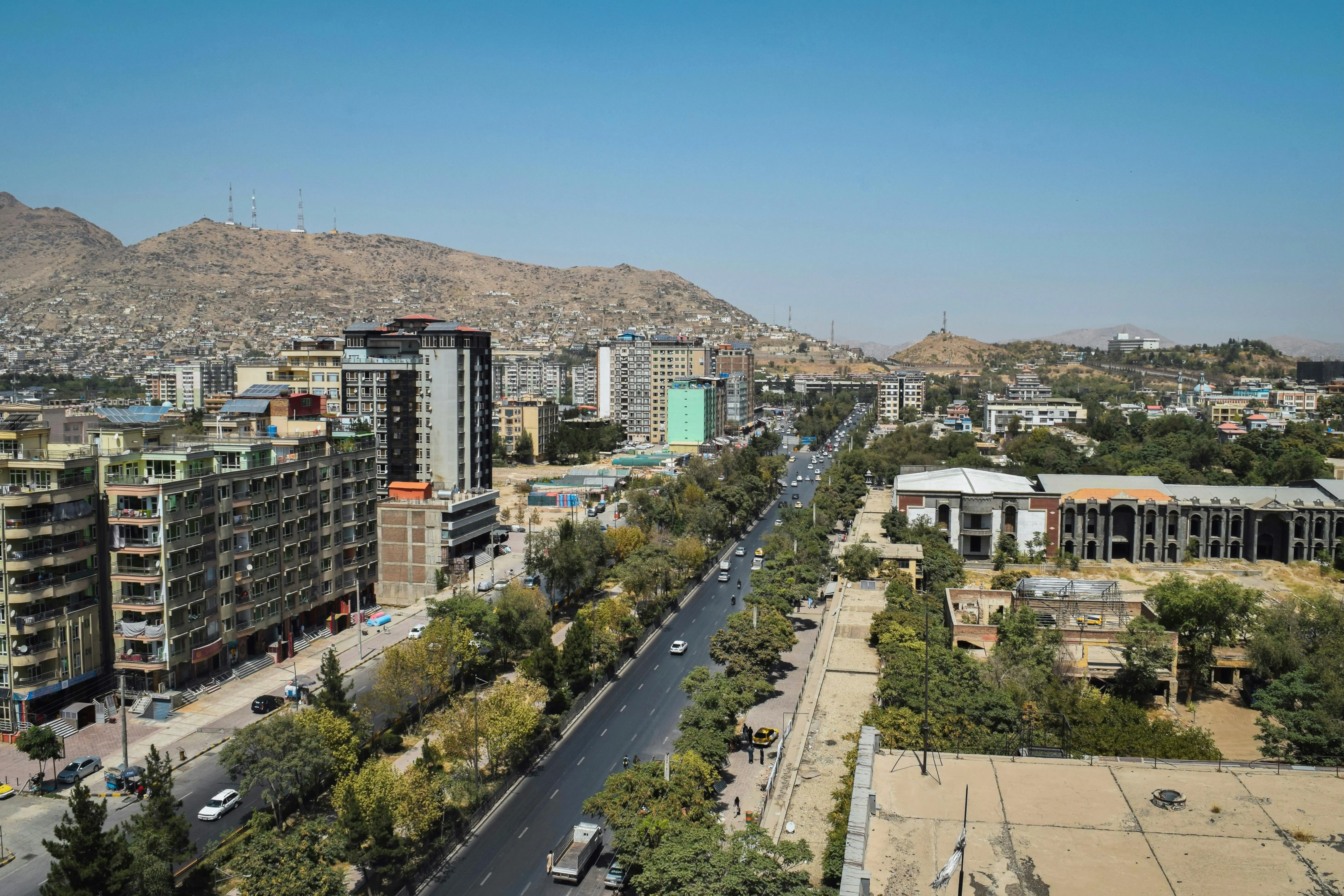
Why Deep Quakes Travel Farther
Shockwaves from deep quakes travel through solid rock layers before reaching the surface, spreading energy across a much wider area. That’s why a single Afghan quake can be felt in Pakistan, India, and Central Asia simultaneously.
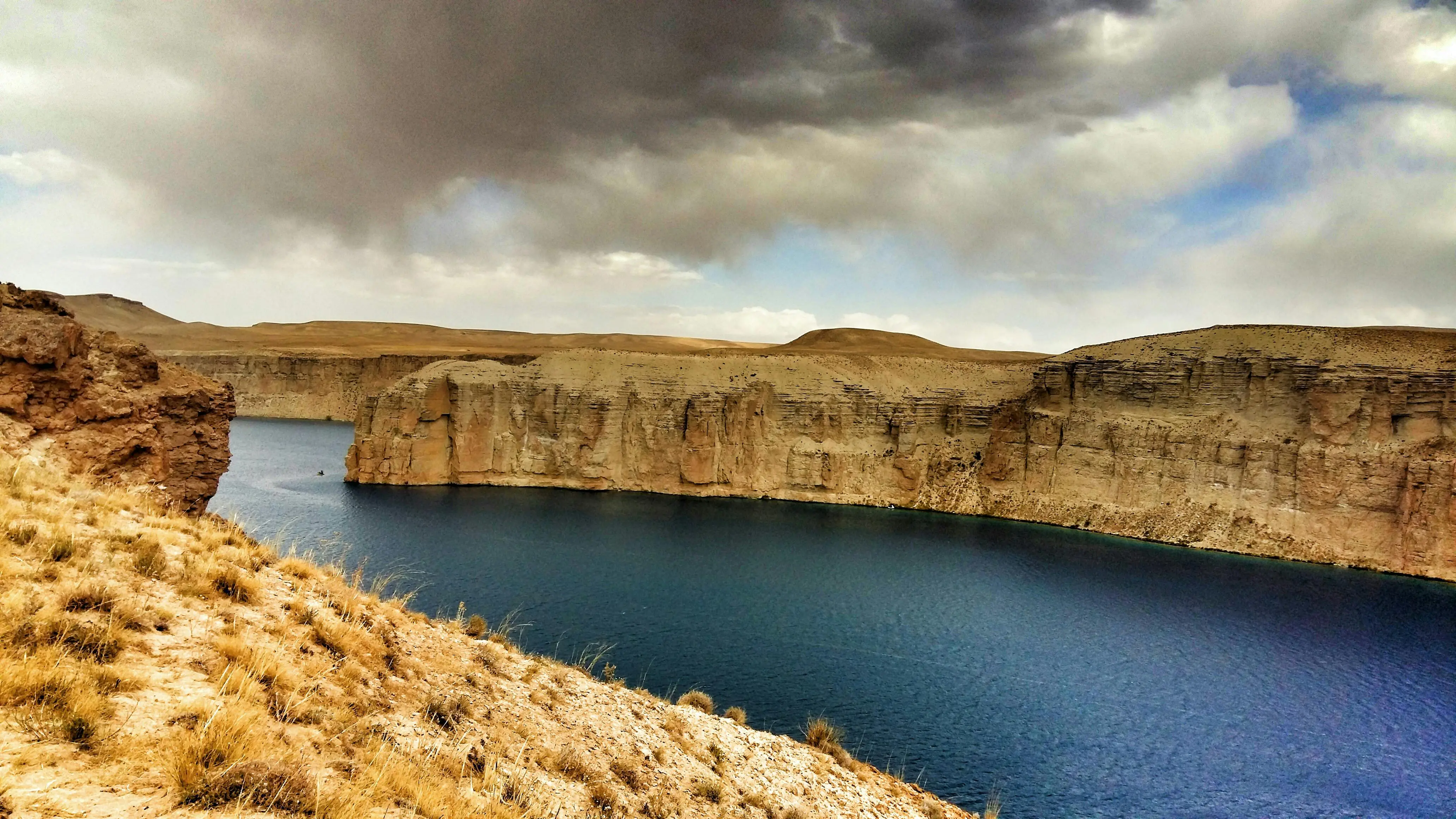
Hidden Danger: No Visible Warning Signs
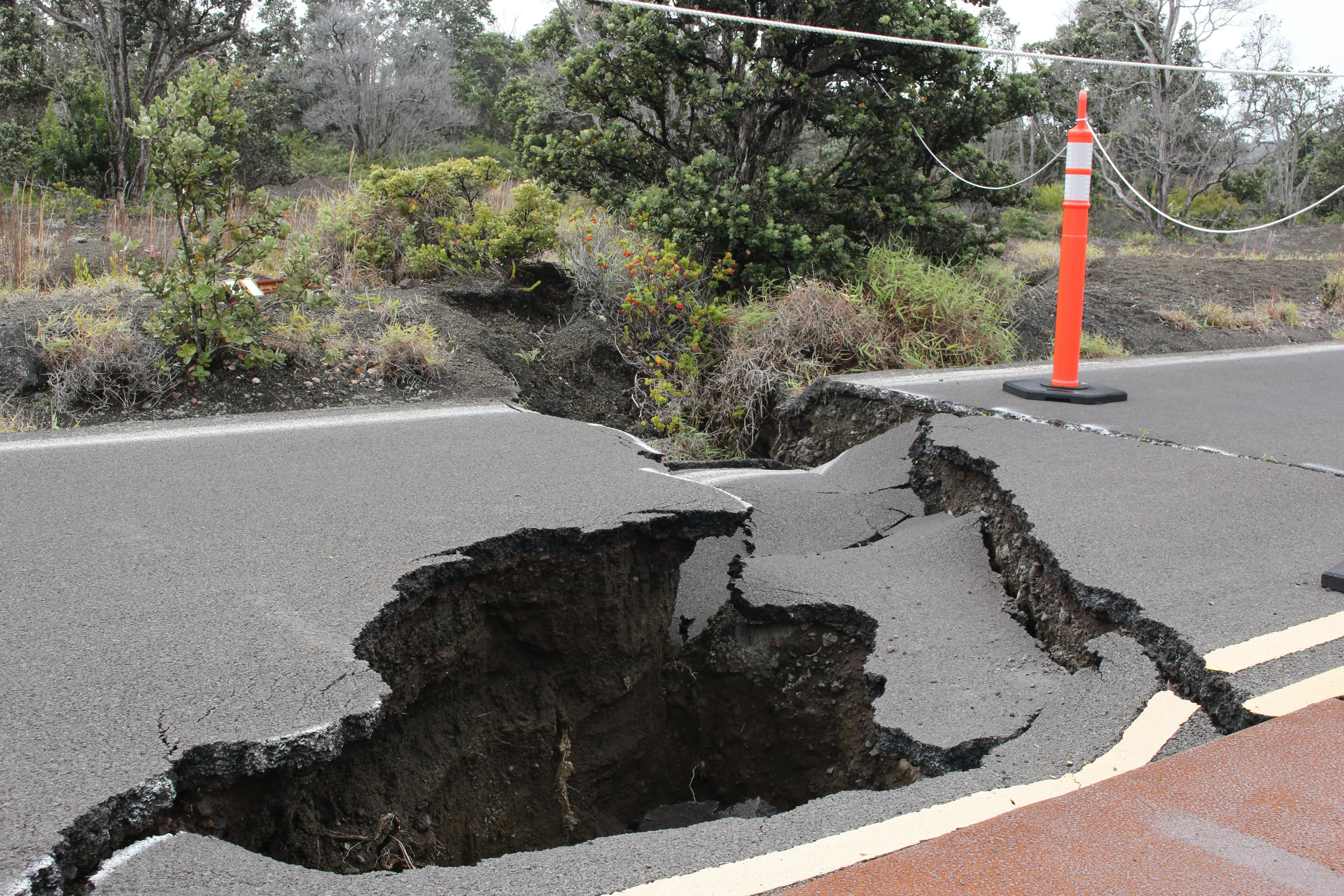
Shallow quakes often rupture the ground or leave visible cracks, but deep quakes strike without surface evidence. This makes them harder to track, predict, or prepare for leaving populations more vulnerable.
Population Density in Danger Zones
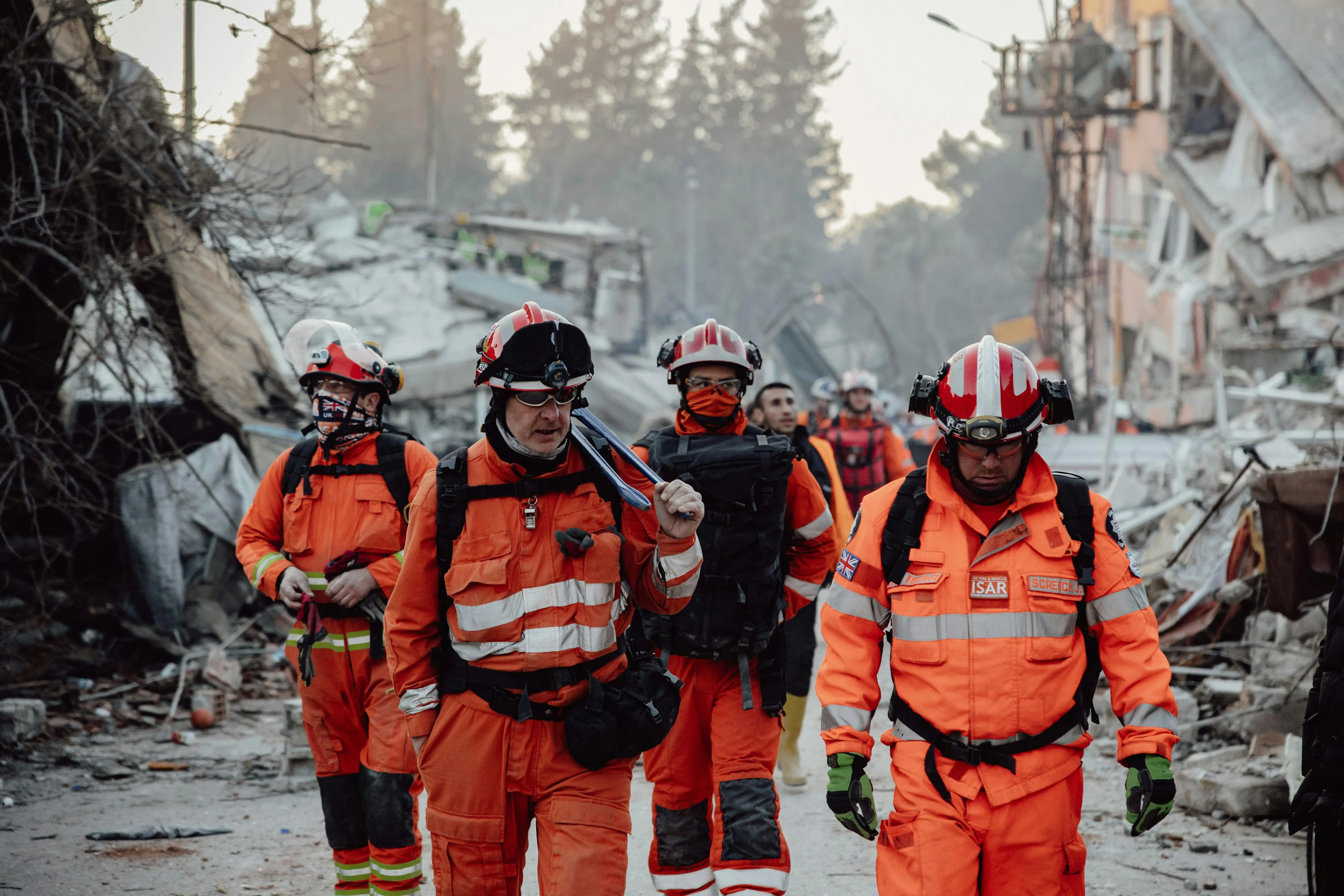
Kabul, Islamabad, and Delhi all fall within the shaking radius of the Hindu Kush quakes. With millions living in poorly constructed buildings, even a moderate deep earthquake can cause mass casualties.
Why Death Toll is Rising
Urban expansion, fragile housing, and lack of earthquake-resistant infrastructure mean each new quake strikes denser populations than before. Afghanistan’s recent disasters prove this deadly pattern.
The Future: Can Science Predict the Next Big One?
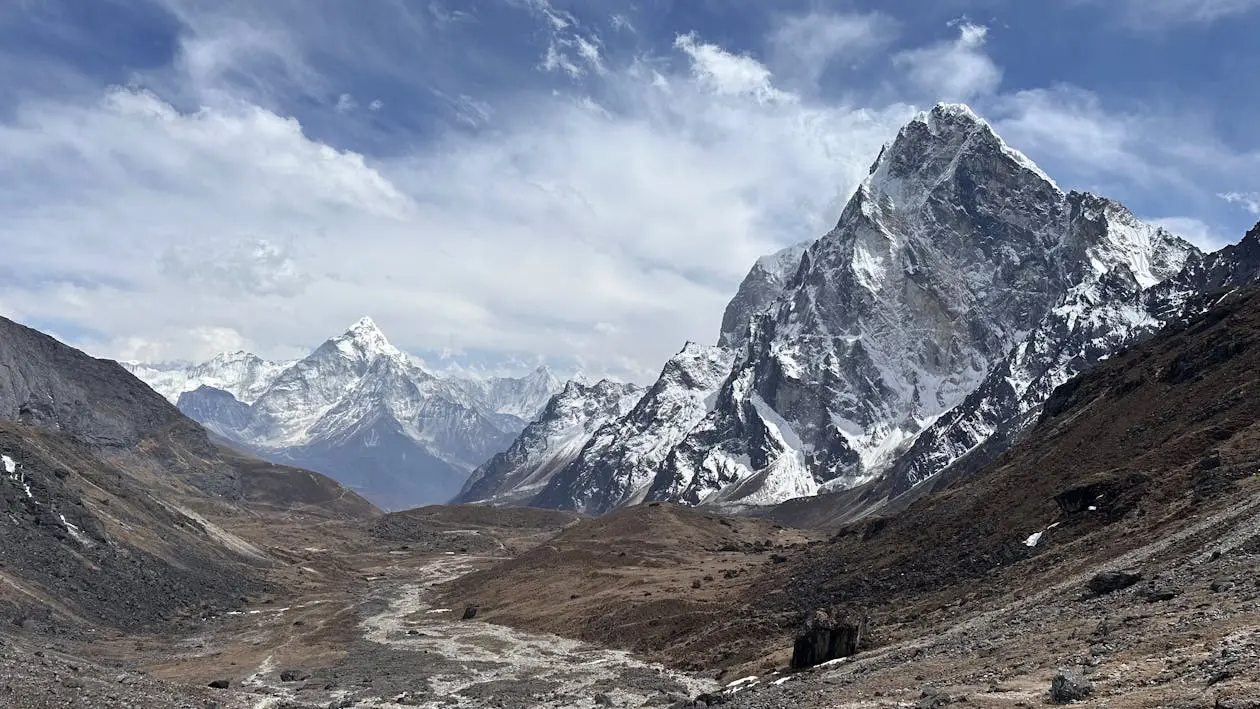
While scientists use GPS and seismic sensors to monitor stress underground, predicting deep-focus earthquakes remains nearly impossible. For now, preparation, not prediction, is the only defence.
)
)
)
)
)