Afghanistan earthquake: The six deadliest shocks in the nation’s history

The tremor, one of the deadliest in recent years, adds to a tragic history of devastating quakes in the country, where fragile infrastructure and mountainous terrain have repeatedly amplified the scale of destruction.
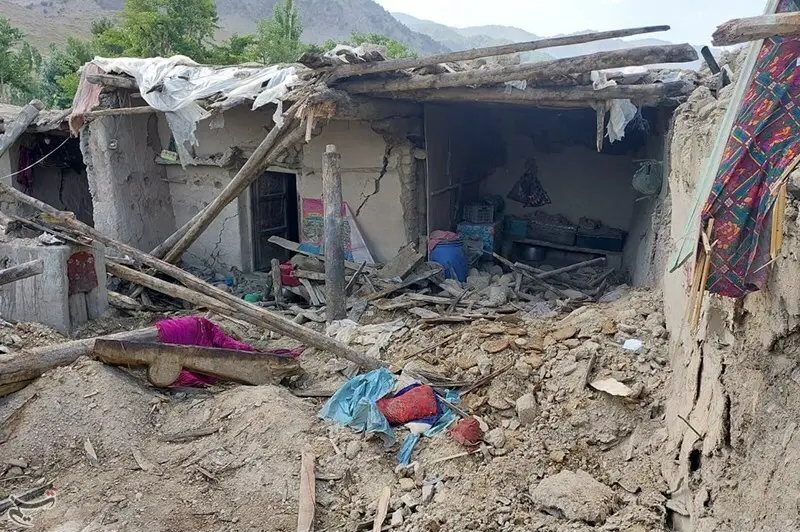
History of earthquakes in Afganistan
A powerful 6.3 magnitude earthquake struck eastern Afghanistan on Sunday, killing more than 800 people and leaving at least 2,500 injured, according to the Taliban government. The tremor, one of the deadliest in recent years, adds to a tragic history of devastating quakes in the country, where fragile infrastructure and mountainous terrain have repeatedly amplified the scale of destruction.
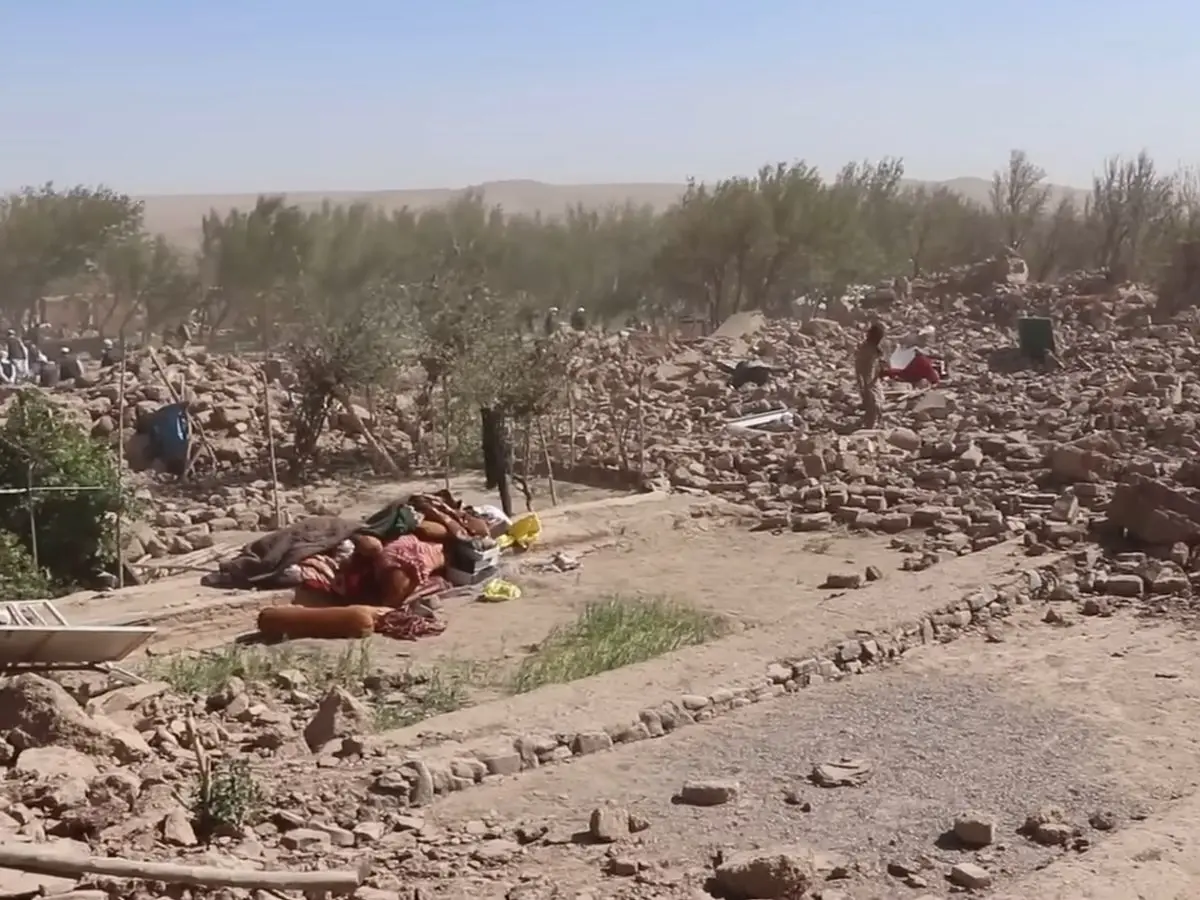
The 2022 Khost and Paktika earthquake
In June 2022, a shallow quake of around magnitude 6.1 struck the eastern provinces of Khost and Paktika. The tremor occurred during the night, collapsing thousands of homes built from mud and clay. More than 1,000 people lost their lives, and many more were injured. The event highlighted the vulnerability of rural Afghan communities, where access to emergency aid and medical facilities remains extremely limited.
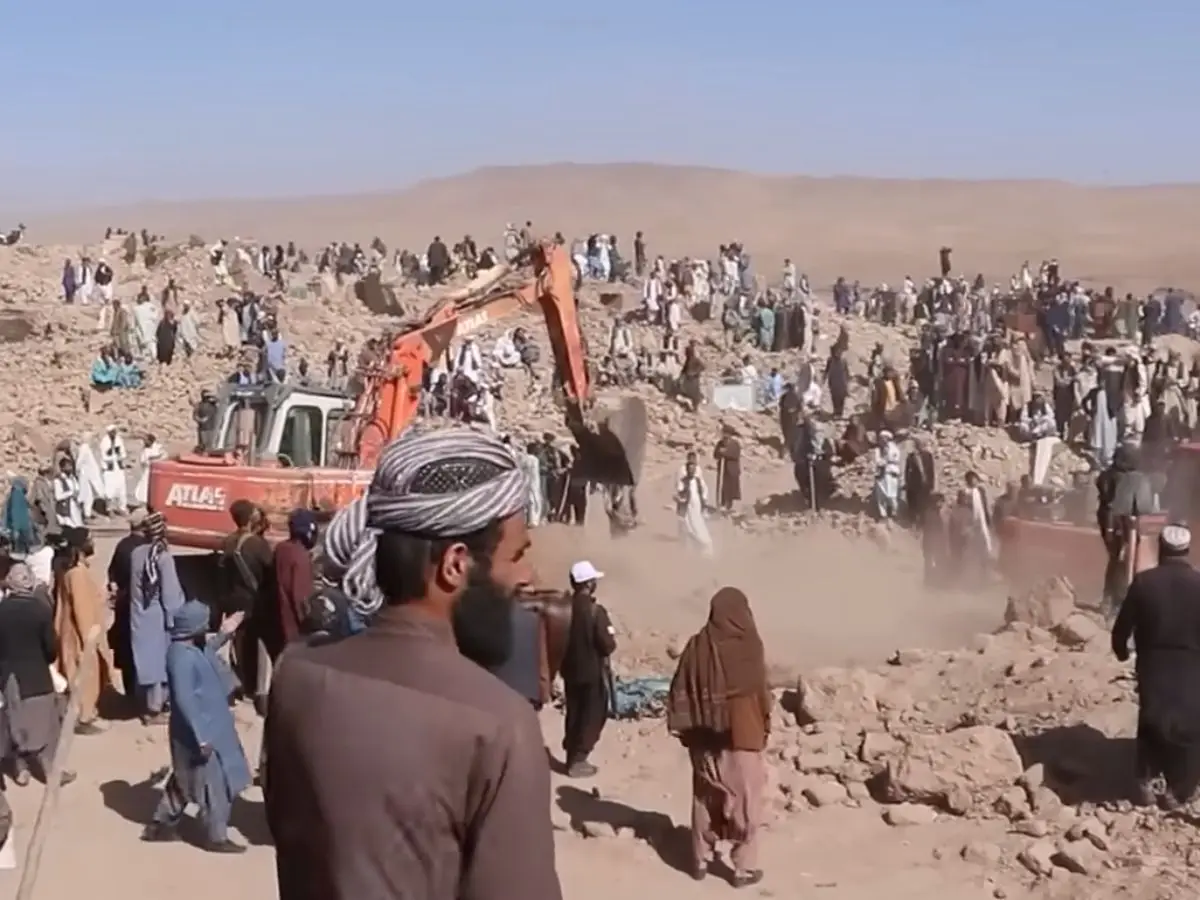
The 2023 Herat earthquake
In October 2023, Herat Province experienced one of Afghanistan’s most devastating earthquakes in living memory. A magnitude 6.3 tremor and its aftershocks levelled entire villages, killing more than 2,000 people and injuring over 9,000. Survivors faced the added challenge of displacement, with many left homeless as winter approached. The disaster underscored the persistent threat of seismic activity in the country’s west, where preparedness remains low.
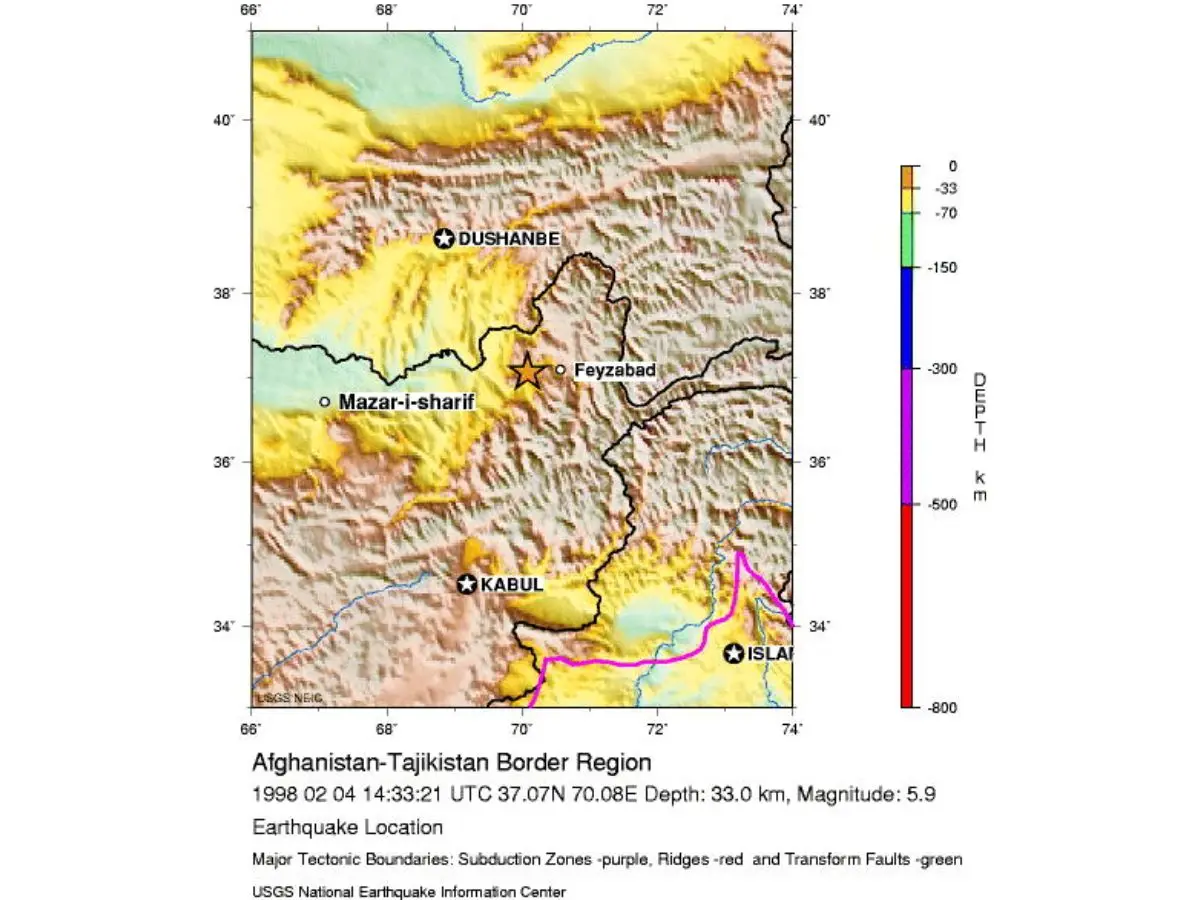
The twin disasters of 1998
The year 1998 brought two major quakes in quick succession to northeastern Afghanistan. In February, a magnitude 5.9 quake struck Takhar Province, claiming at least 2,300 lives. Just three months later, in May, a far stronger 6.6 magnitude quake shook Badakhshan, killing an estimated 4,700 people. These back-to-back tragedies revealed how consecutive seismic shocks can overwhelm communities and stretch emergency responses beyond their limits.
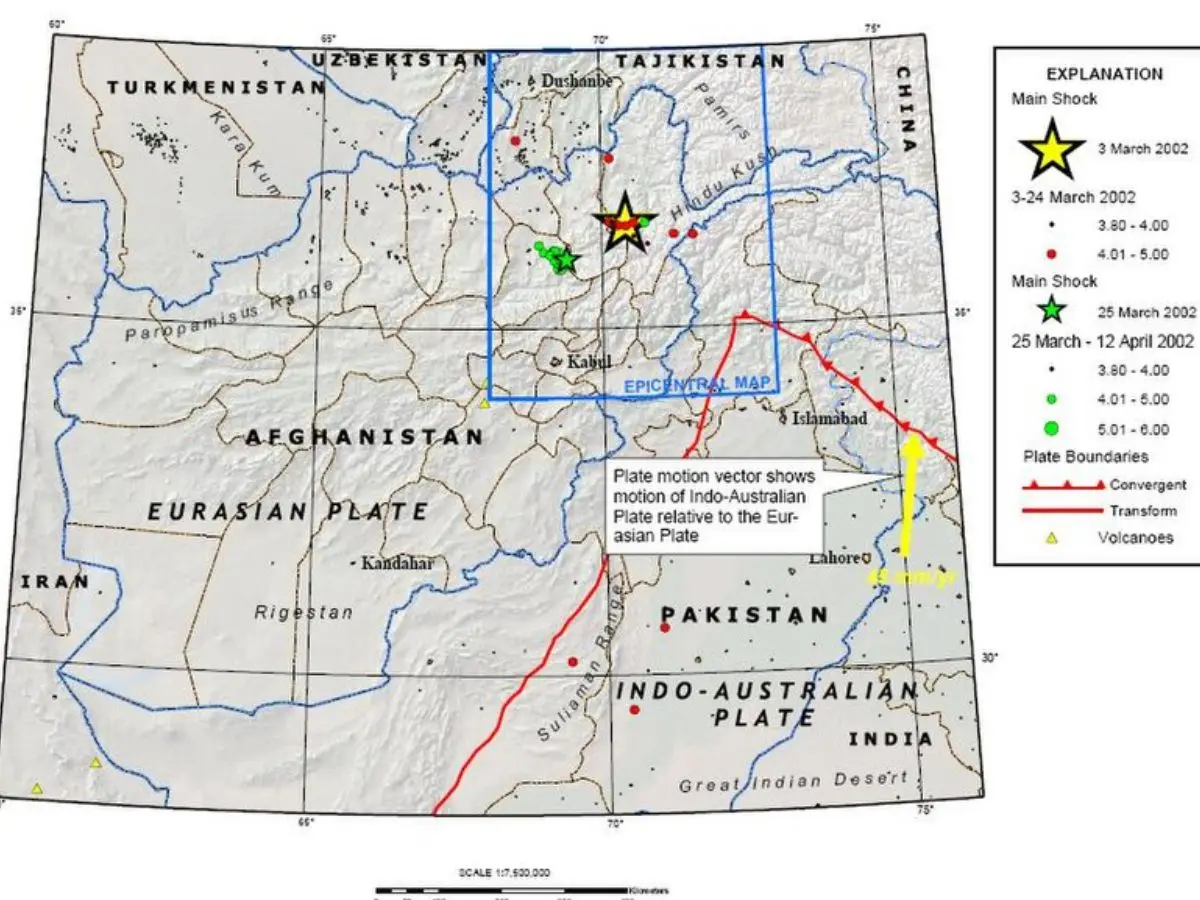
The 2002 Hindu Kush earthquakes
In 2002, Afghanistan endured another devastating sequence of quakes in the Hindu Kush. The first was a powerful deep earthquake of magnitude 7.4, followed by a shallower 6.1 tremor. Combined, these events killed between 1,200 and 2,200 people, while injuring many more. Their impact extended beyond immediate destruction, as landslides and blocked roads hindered rescue efforts in some of the country’s most remote and mountainous areas.
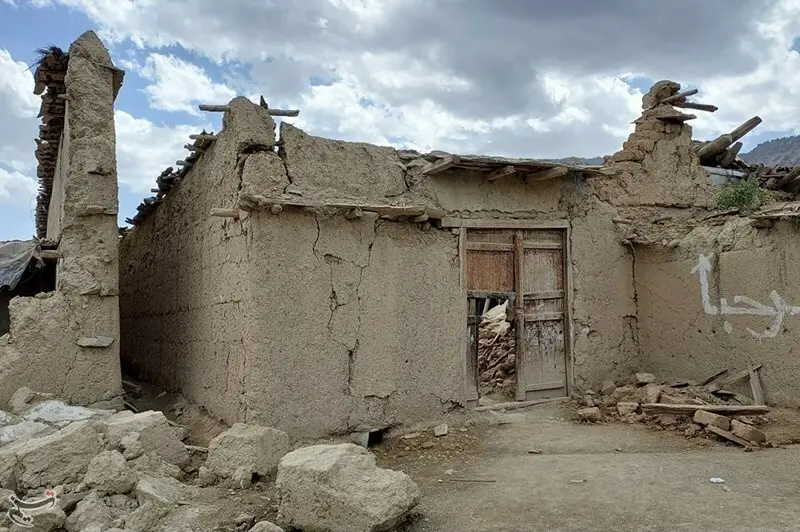
The 1991 Hindu Kush earthquake
A magnitude 6.8 quake shook the Hindu Kush in 1991, spreading devastation across Afghanistan, Pakistan and parts of the then Soviet Union. The event killed between 729 and 1,303 people, its effects felt hundreds of kilometres from the epicentre. This earthquake highlighted how Afghanistan’s seismic events often affect entire regions beyond its borders, amplifying the scope of disaster.
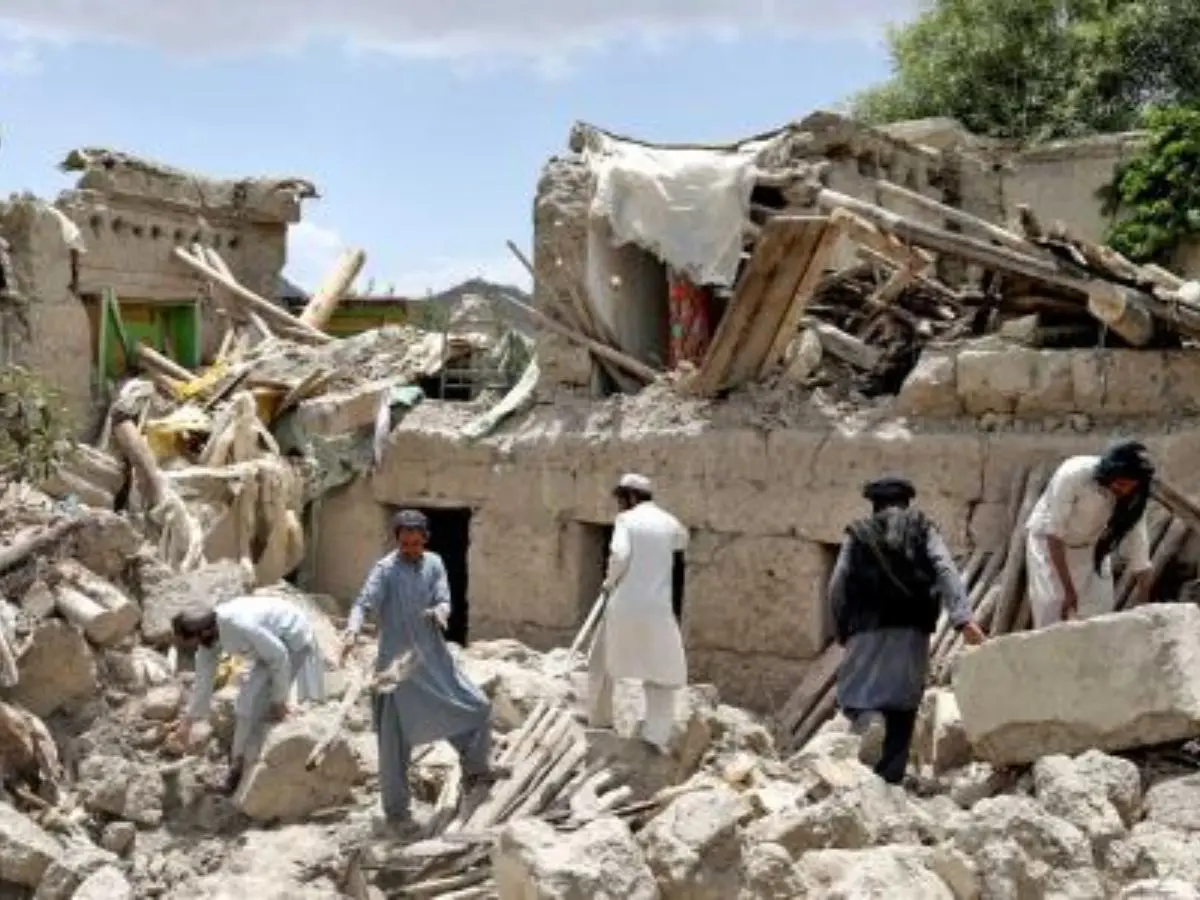
The 1956 Baghlan earthquake
Among the strongest earthquakes in Afghanistan’s modern history was the 1956 Baghlan quake, estimated at magnitude 7.3. Between 300 and 900 people were killed, with thousands more injured. Damage spread widely through Bamyan, Kabul and the Hindu Kush, at a time when Afghanistan had very limited resources for disaster response.
)
)
)
)
)