Afghanistan earthquake: How an 8 km underground tremor killed over 800 people

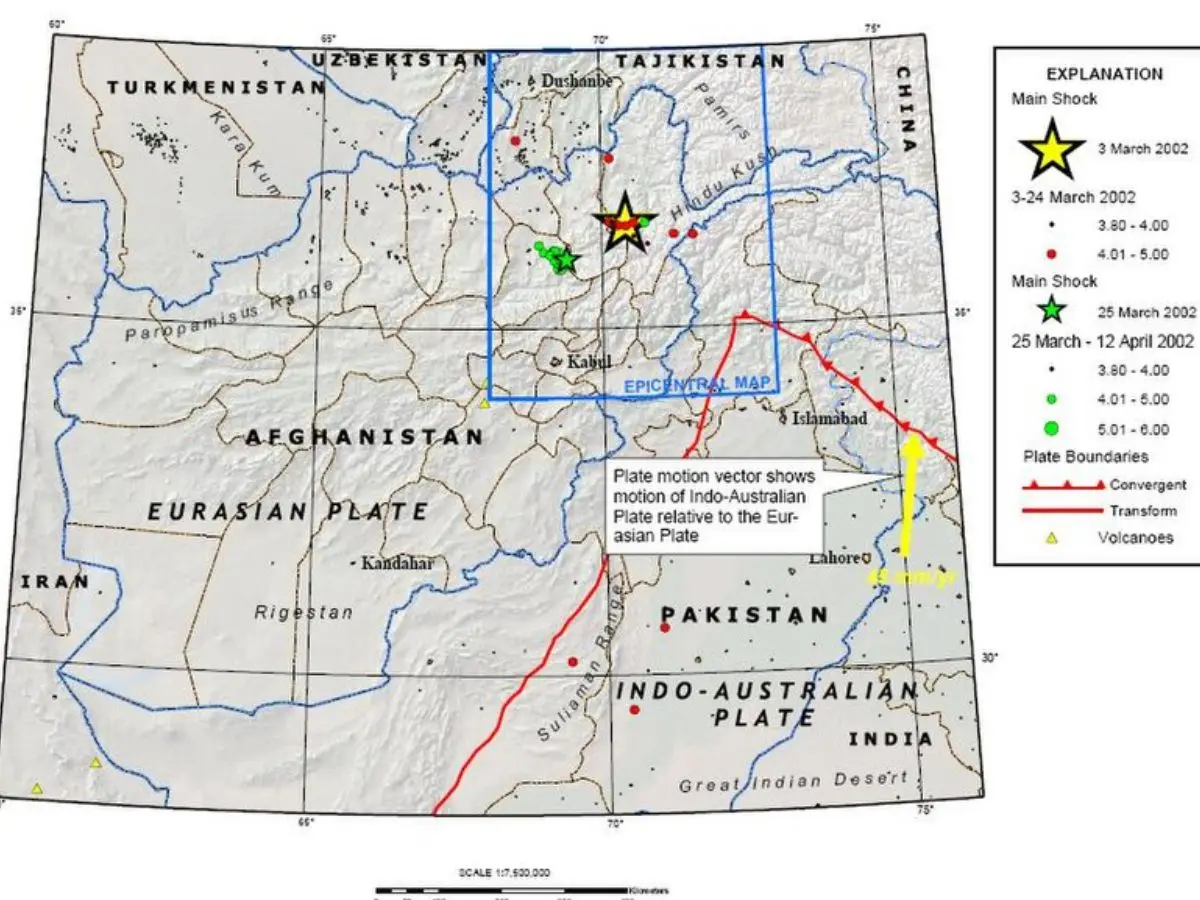
Afghanistan sits on the collision zone of the Indian and Eurasian plates, one of the most active tectonic regions in the world, making such quakes inevitable.
The Date and Time
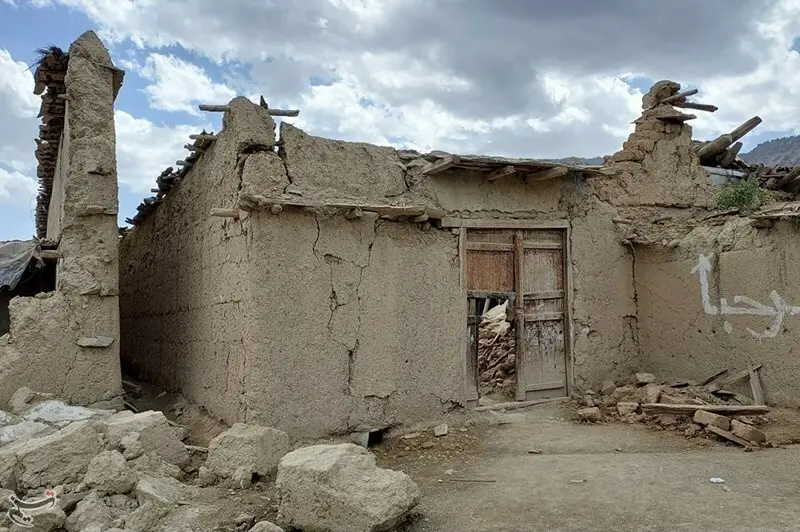
On 31 August 2025 at 23:47 AFT (19:17 UTC), eastern Afghanistan was rocked by a 6.0-magnitude earthquake, jolting Nangarhar and Kunar provinces.

The Epicentre
The quake struck near Jalalabad, a densely populated region already vulnerable to natural disasters. Its location amplified the scale of damage across towns and villages.
The Shallow Depth
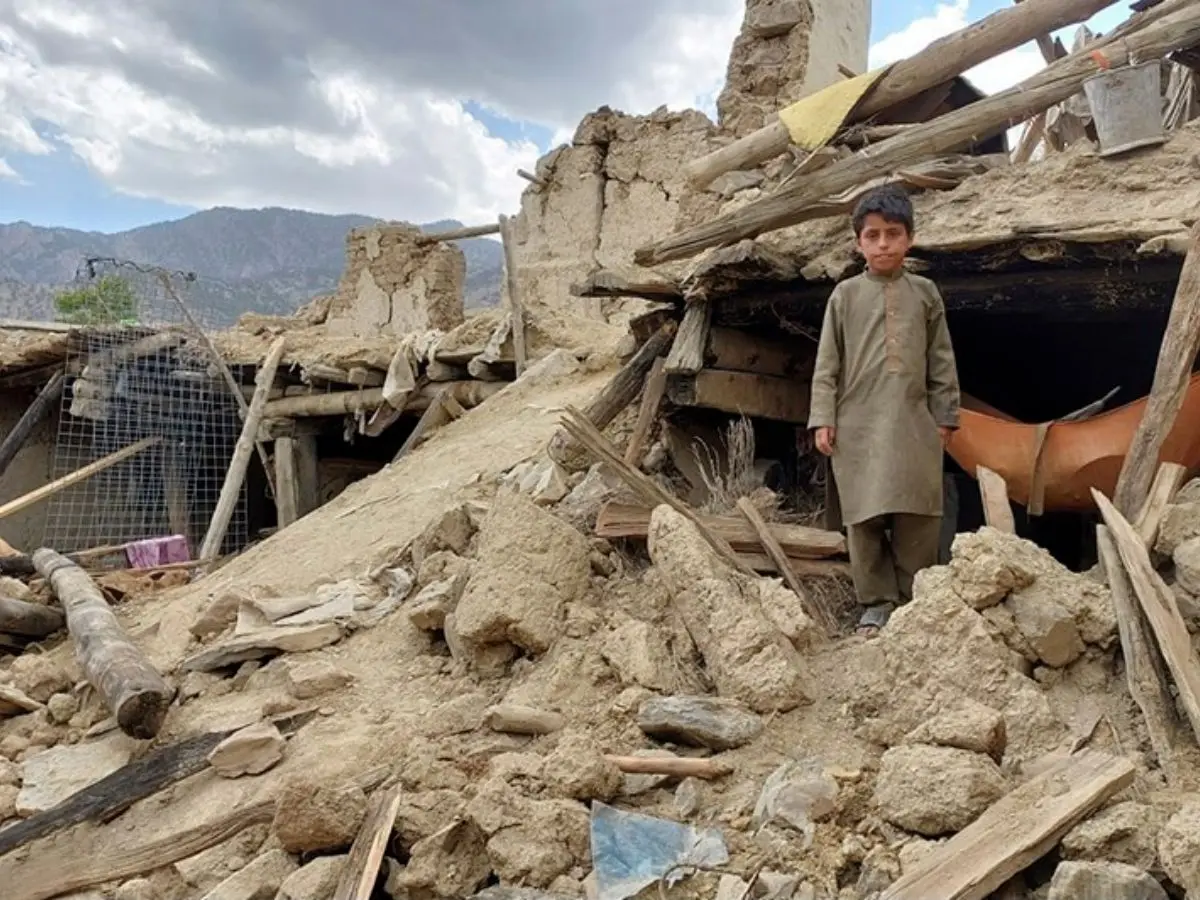
At just 8 km deep, the tremor released enormous seismic energy directly into the surface, making it far deadlier than deeper quakes of similar magnitude.
The Human Toll
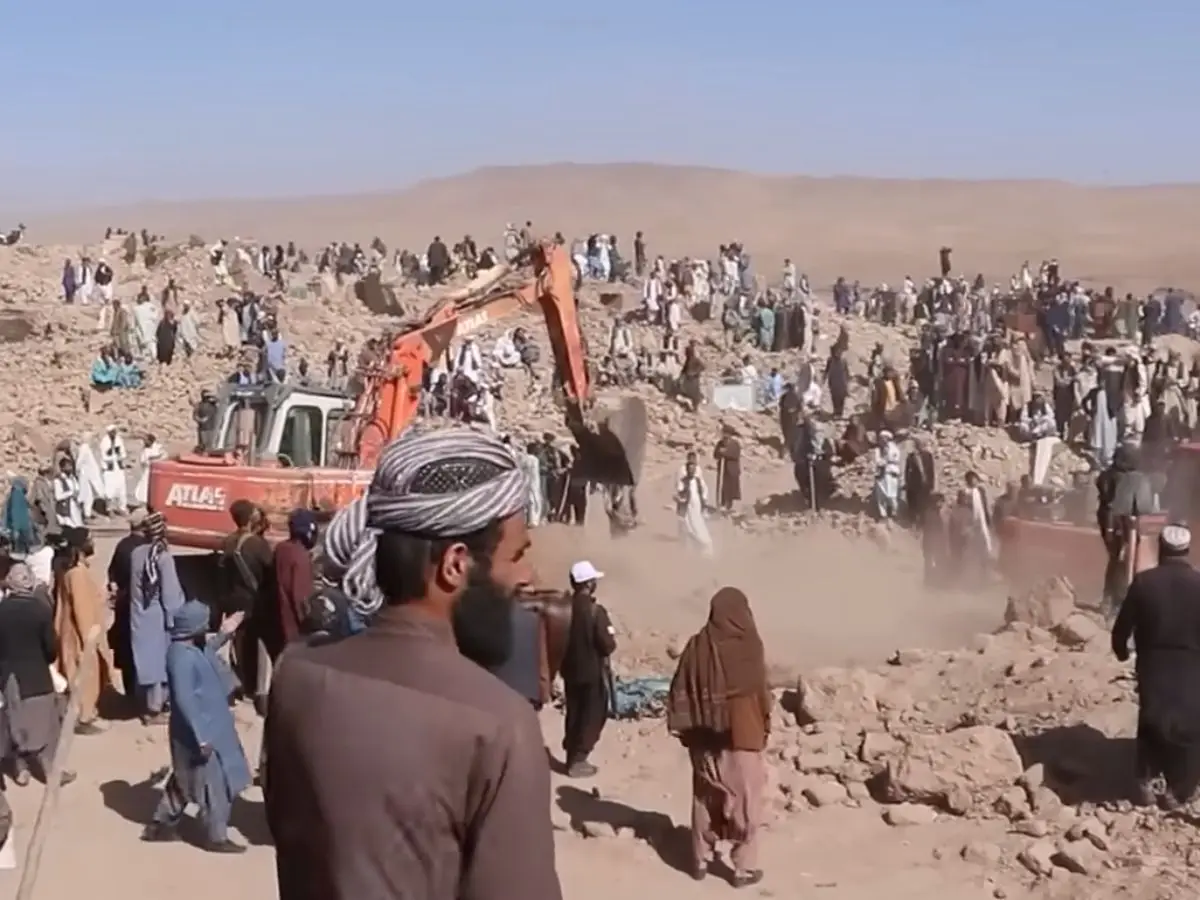
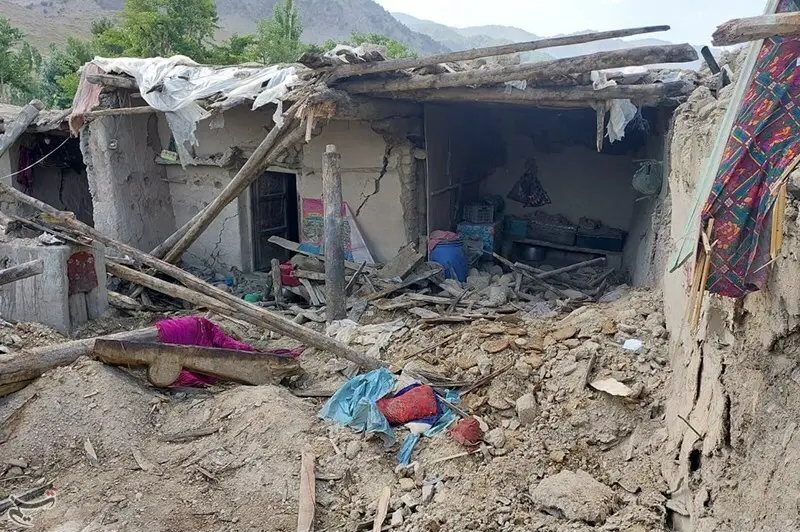
Within hours, reports confirmed over 800 deaths and thousands of injuries. Fragile mud-brick houses collapsed instantly, trapping families beneath debris.
Why Shallow Quakes Are More Dangerous
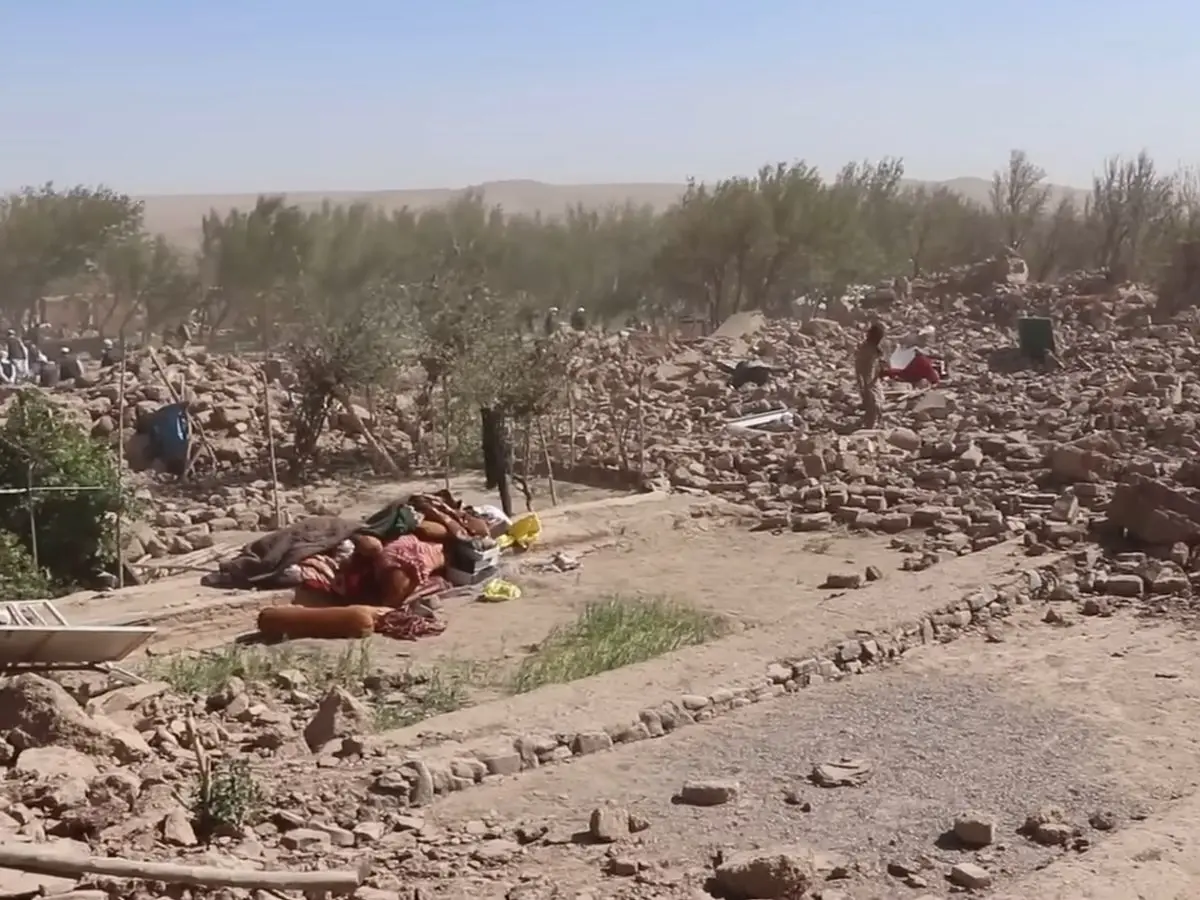
Seismologists explain that shallow earthquakes cause more ground shaking, leaving little time for residents to escape, unlike deeper quakes that lose intensity underground.
A Region on Fault Lines
Afghanistan sits on the collision zone of the Indian and Eurasian plates, one of the most active tectonic regions in the world, making such quakes inevitable.
A Warning for South Asia
Experts warn that millions across Afghanistan, Pakistan, and northern India live on unstable ground. Without resilient infrastructure, future quakes could trigger even greater tragedies.
)
)
)
)
)