Afghanistan earthquake: Could Himalayas trigger Asia’s deadliest tectonic shift?

The Nepal earthquake in 2015 (7.8 magnitude) killed nearly 9,000 people. Earlier, the 2005 Kashmir earthquake killed more than 70,000. These events underline how dangerous Himalayan tectonic shifts can be.
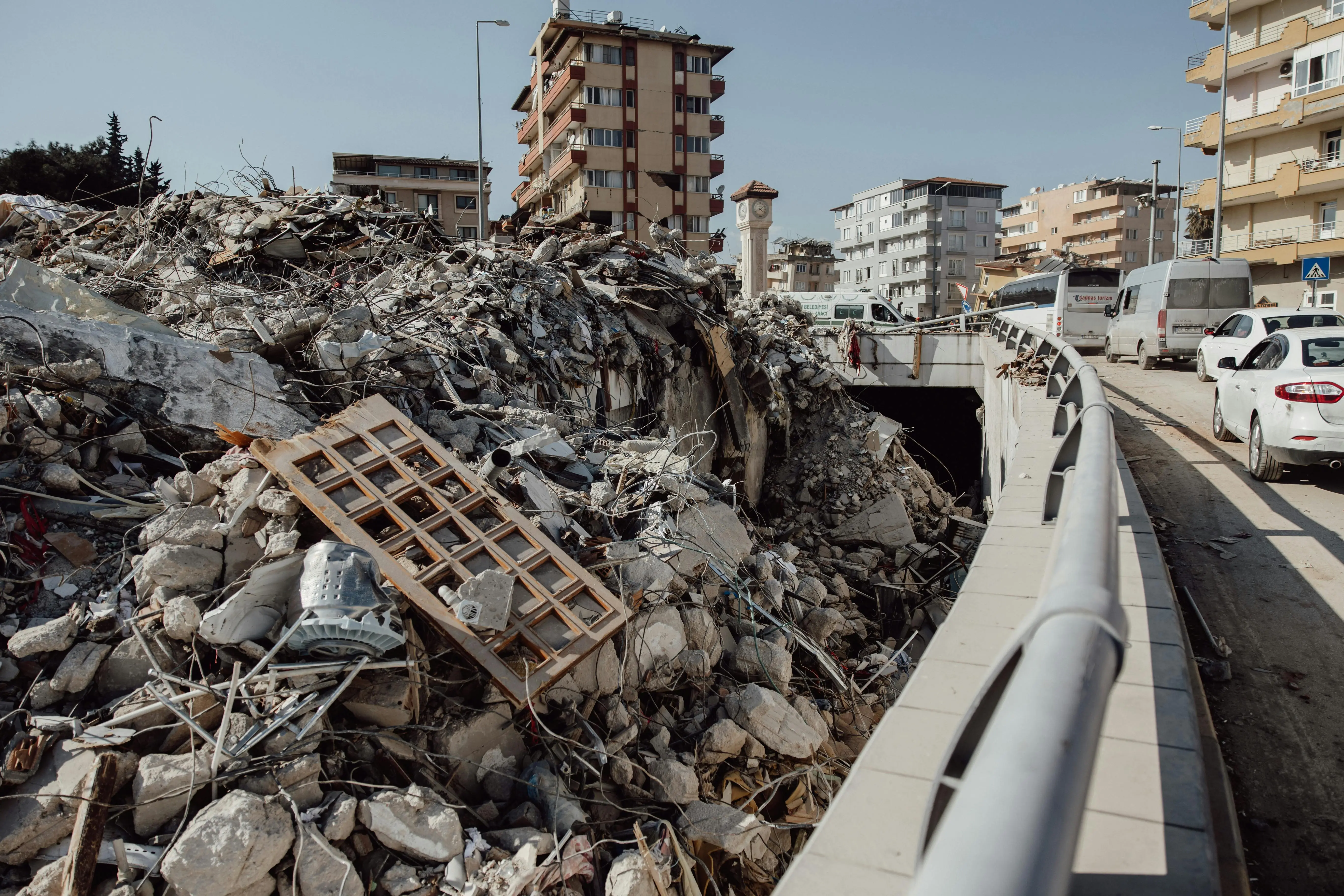
The Collision Zone of Continents
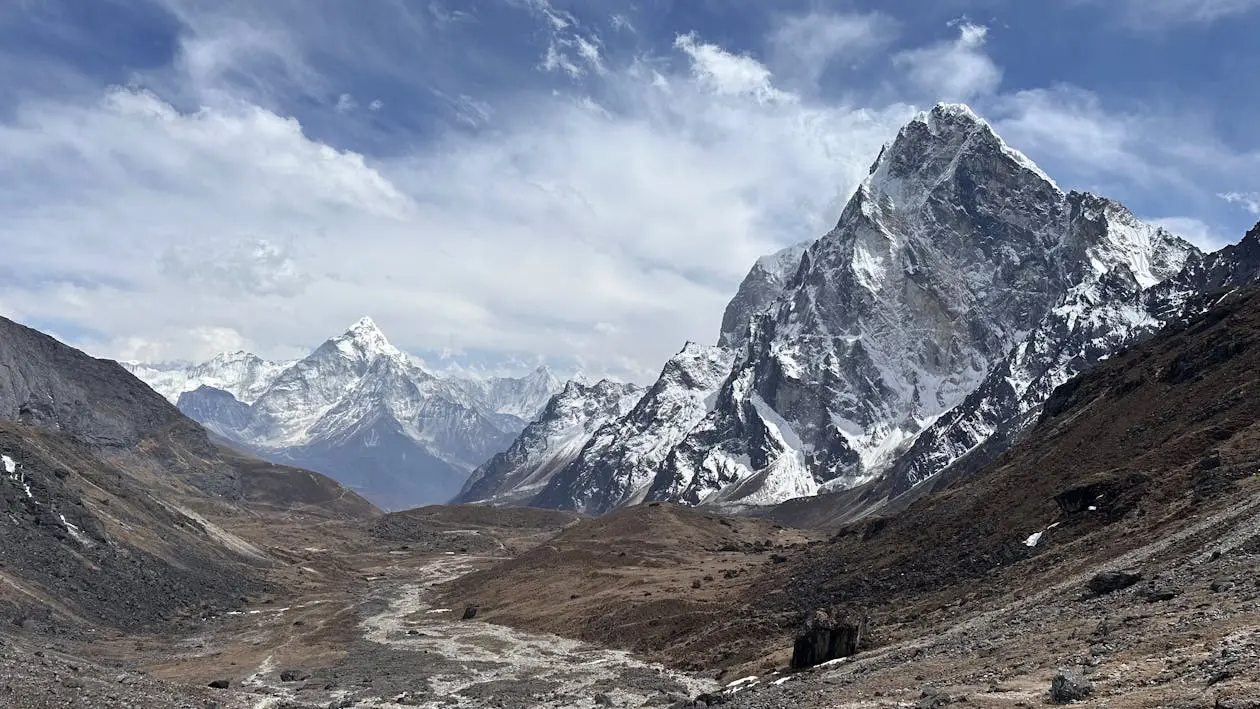
The Himalayas exist because the Indian tectonic plate is pushing into the Eurasian plate, moving at about 5 cm per year. This slow-motion crash makes the region one of the most seismically active zones on Earth.
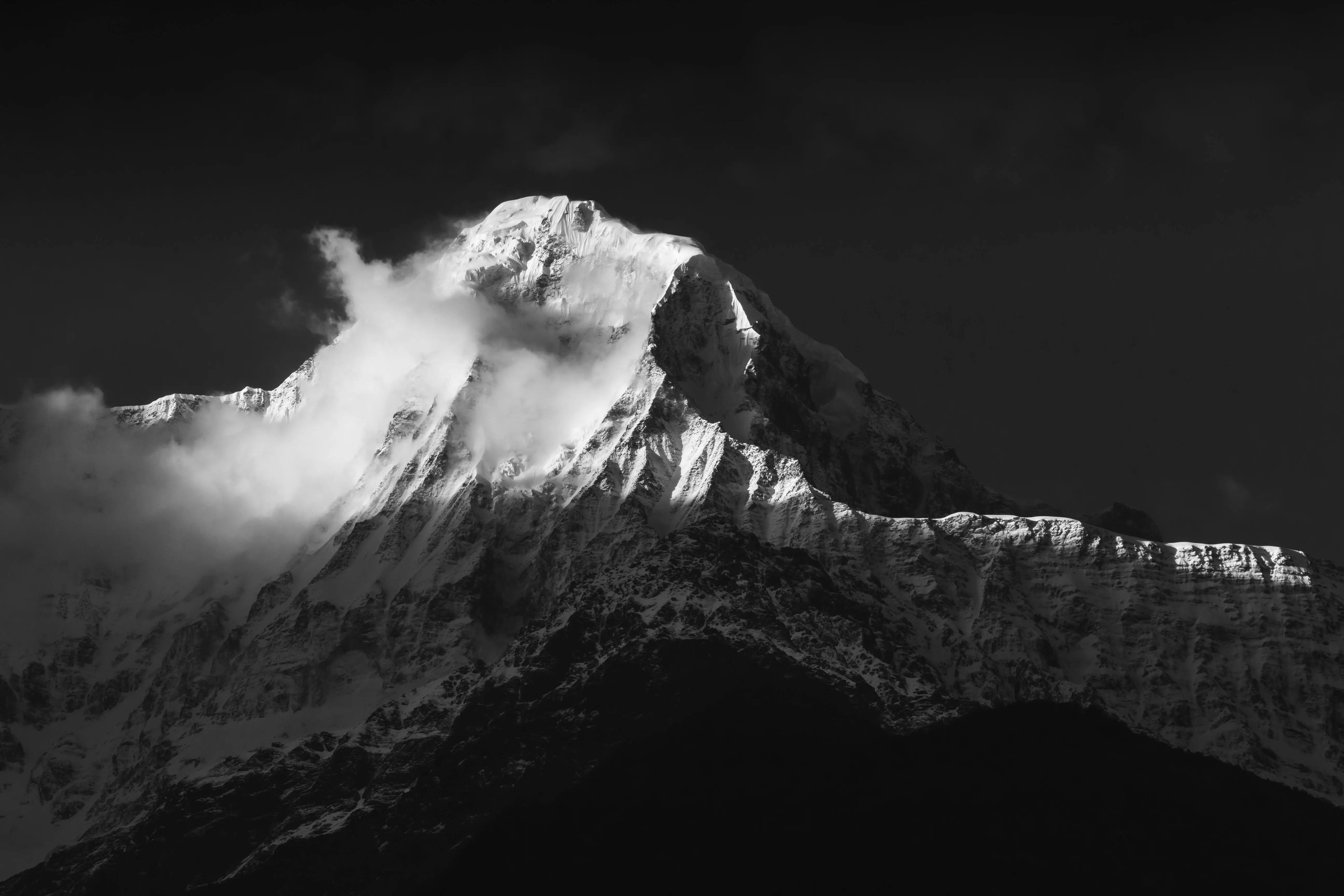
Why the Region is So Vulnerable
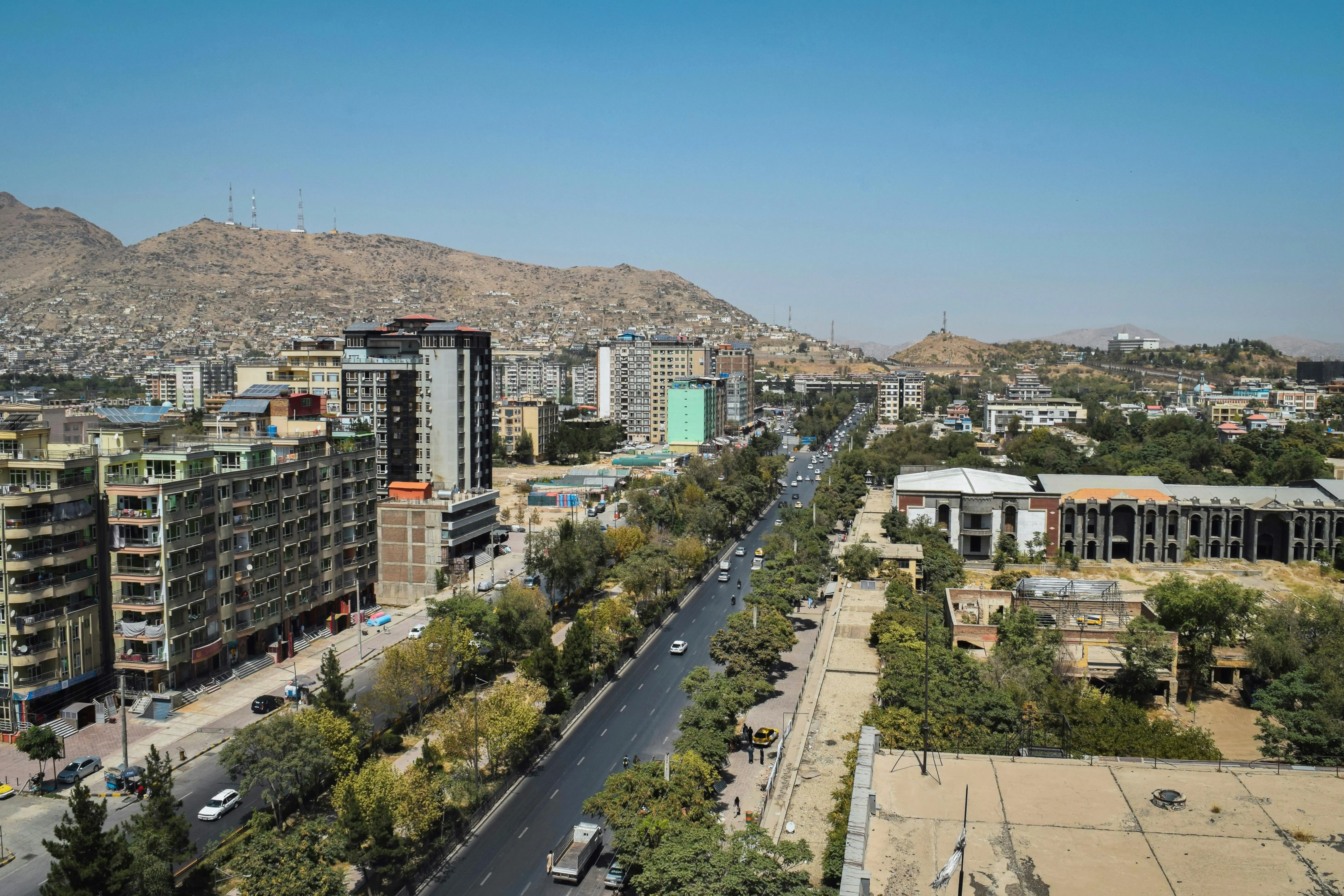
Countries like India, Nepal, Pakistan, Bhutan, and parts of Afghanistan sit directly on or near fault lines. Dense populations, old infrastructure, and fragile mountain geology make even moderate quakes highly destructive.
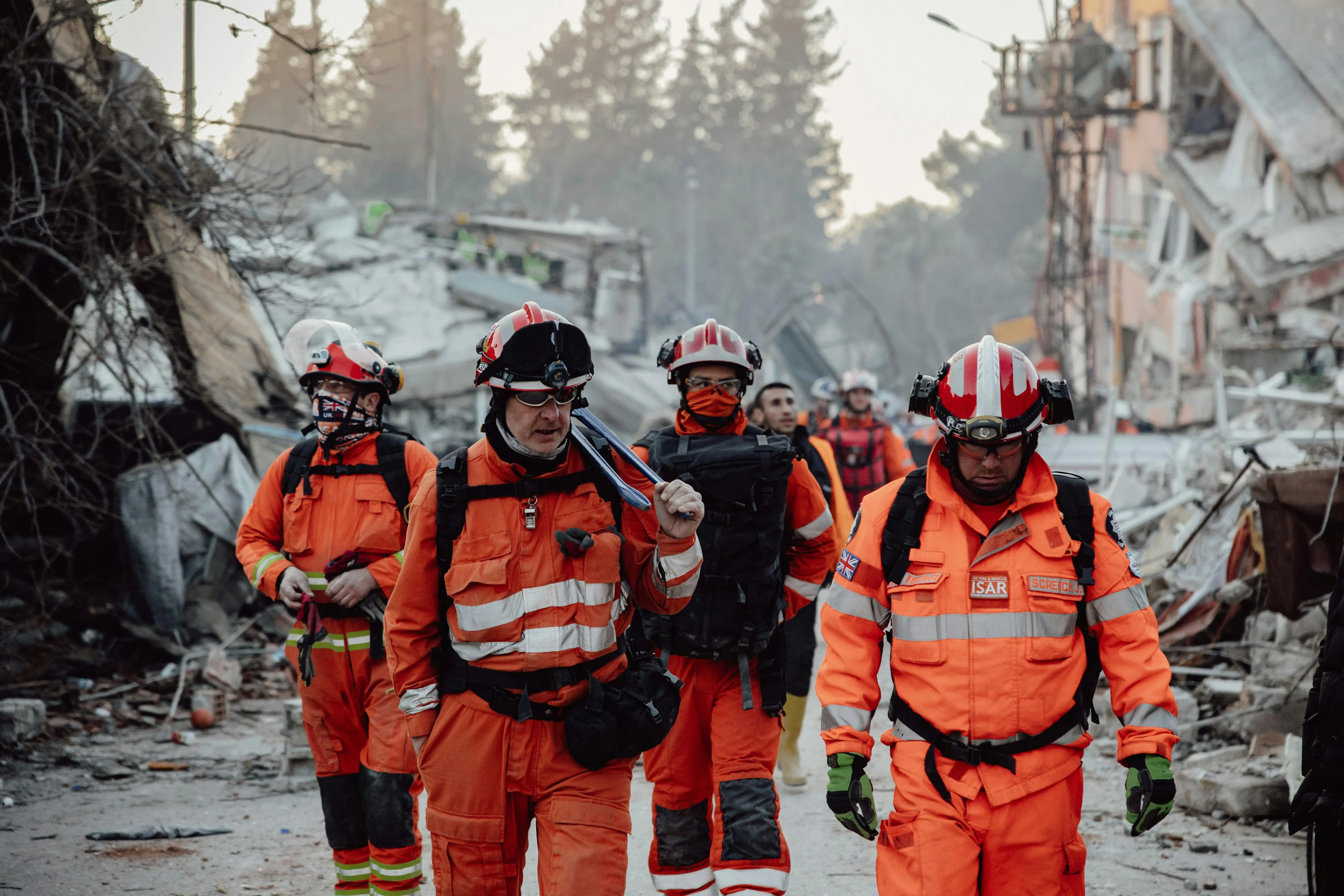
Past Disasters Show the Scale of Risk
The Nepal earthquake in 2015 (7.8 magnitude) killed nearly 9,000 people. Earlier, the 2005 Kashmir earthquake killed more than 70,000. These events underline how dangerous Himalayan tectonic shifts can be.
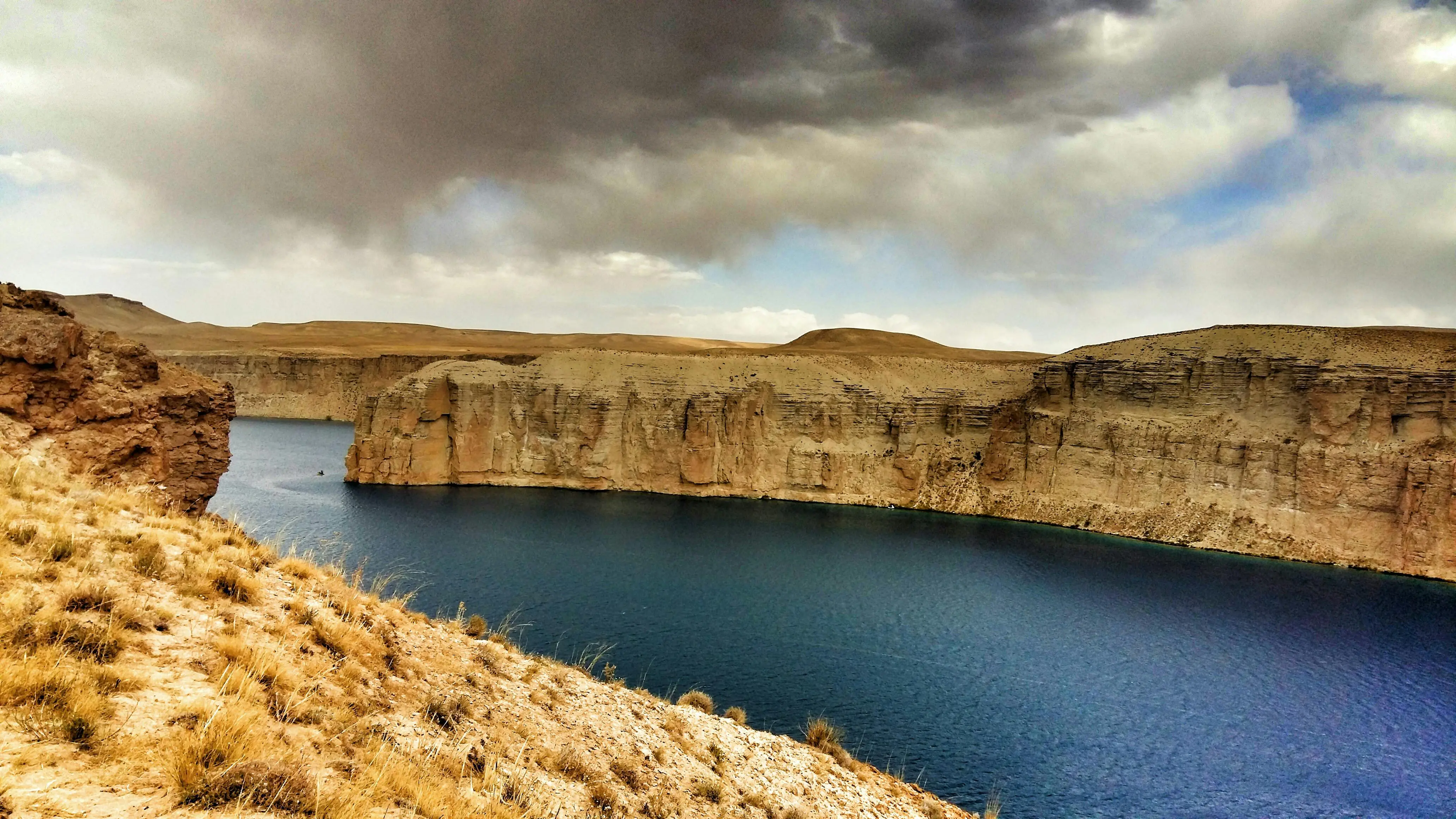
The “Locked Fault” Problem
Scientists warn that parts of the Himalayan fault are “locked,” meaning pressure is building without being released. When that pressure finally breaks, it could cause an earthquake of magnitude 8.5 or higher.
Asia’s Megacities at Risk
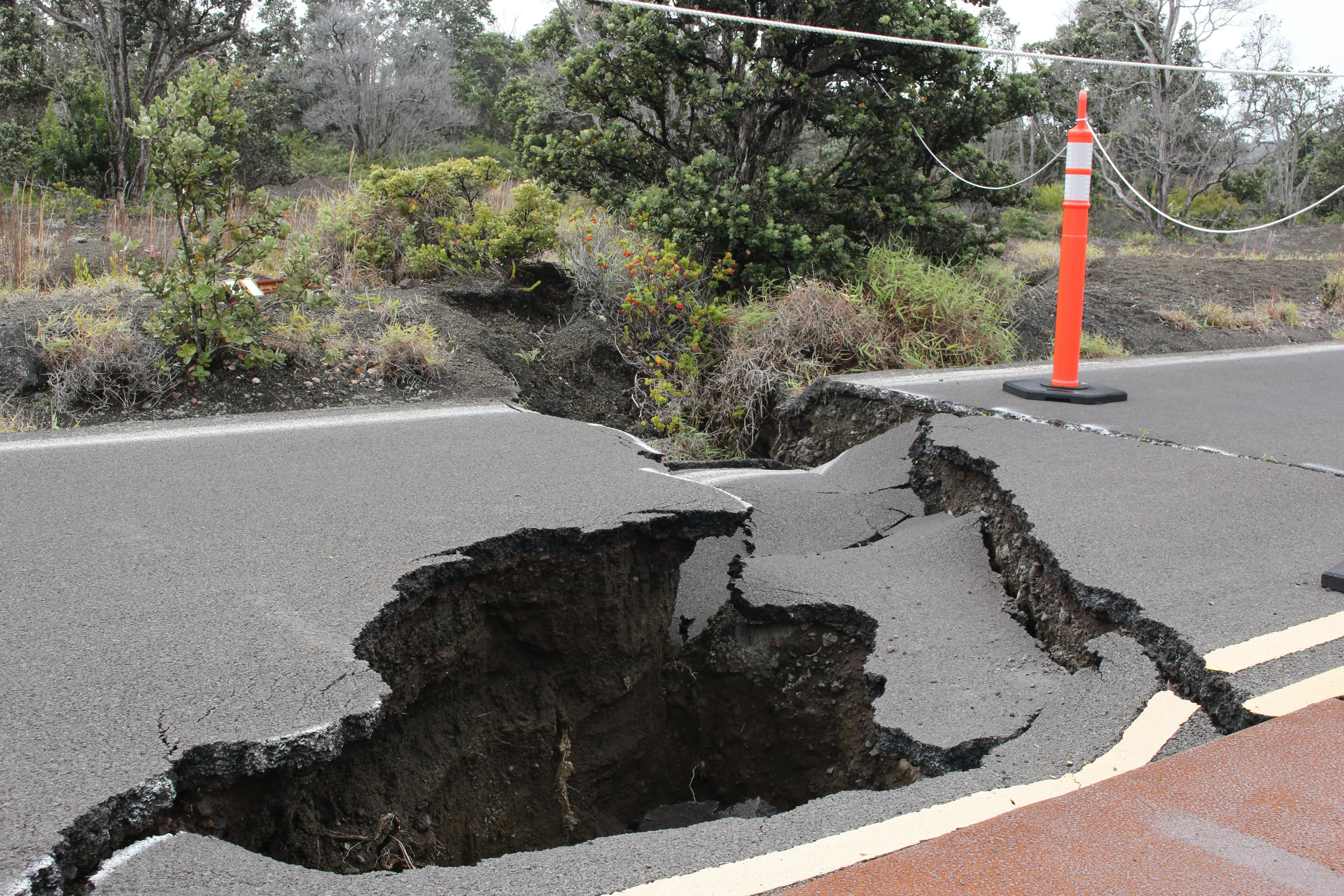
A future megaquake could devastate Delhi, Kathmandu, Islamabad, and Dhaka, all home to millions. Landslides in the mountains and flooding from glacial lakes would worsen the destruction.
What the Latest Science Says
Recent geological studies suggest the Himalayas are capable of producing quakes stronger than almost anywhere else on Earth. The risk zone extends thousands of kilometres, covering nearly half a billion people.
Preparing for the Inevitable
Experts stress the need for quake-resistant infrastructure, early warning systems, and public awareness. While the timing of the next “big one” is unknown, the Himalayan collision makes it a matter of “when,” not “if.”
)
)
)
)
)