Afghanistan earthquake: Can Himalayas really sink cities? What a megaquake would mean for South Asia

The continuous northward movement of the Indian Plate exerts pressure on the Himalayas, gradually lifting mountains and shifting valleys. A sudden release of stress could cause land uplift or sinking, altering river courses and destabilising city foundations.
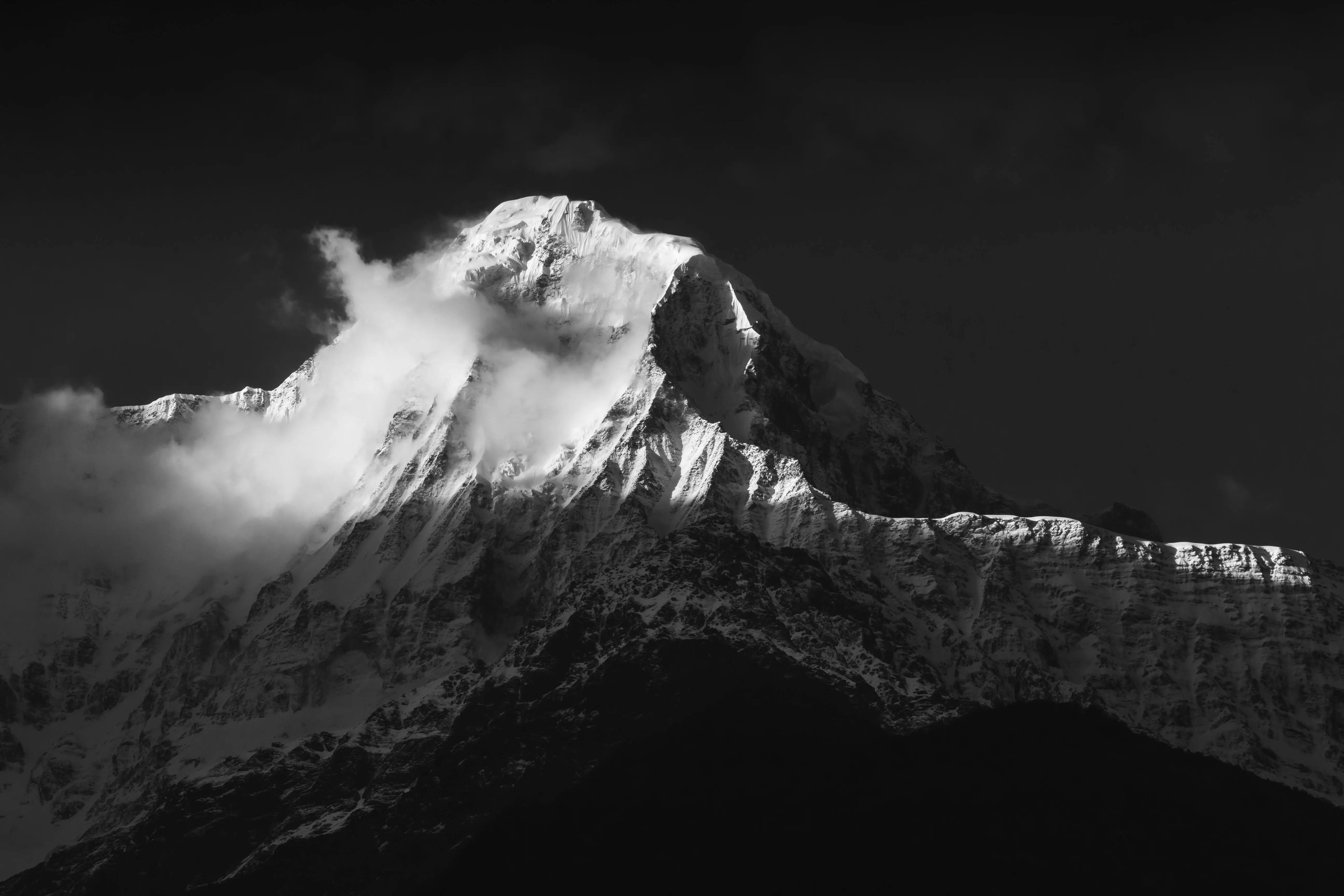
Megaquake Threat in the Himalayas
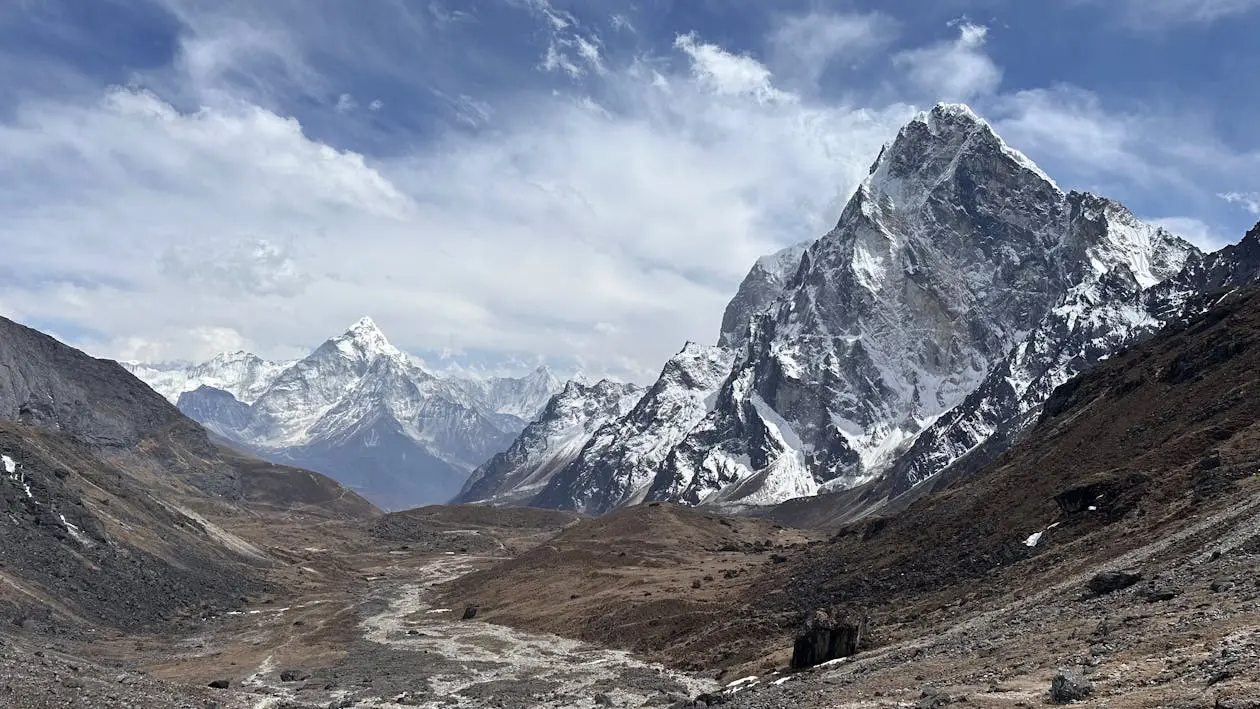
The Himalayas are formed by the collision of the Indian Plate with the Eurasian Plate. Locked fault zones in this region store immense tectonic stress, capable of producing megaquakes of magnitude 8 or higher.
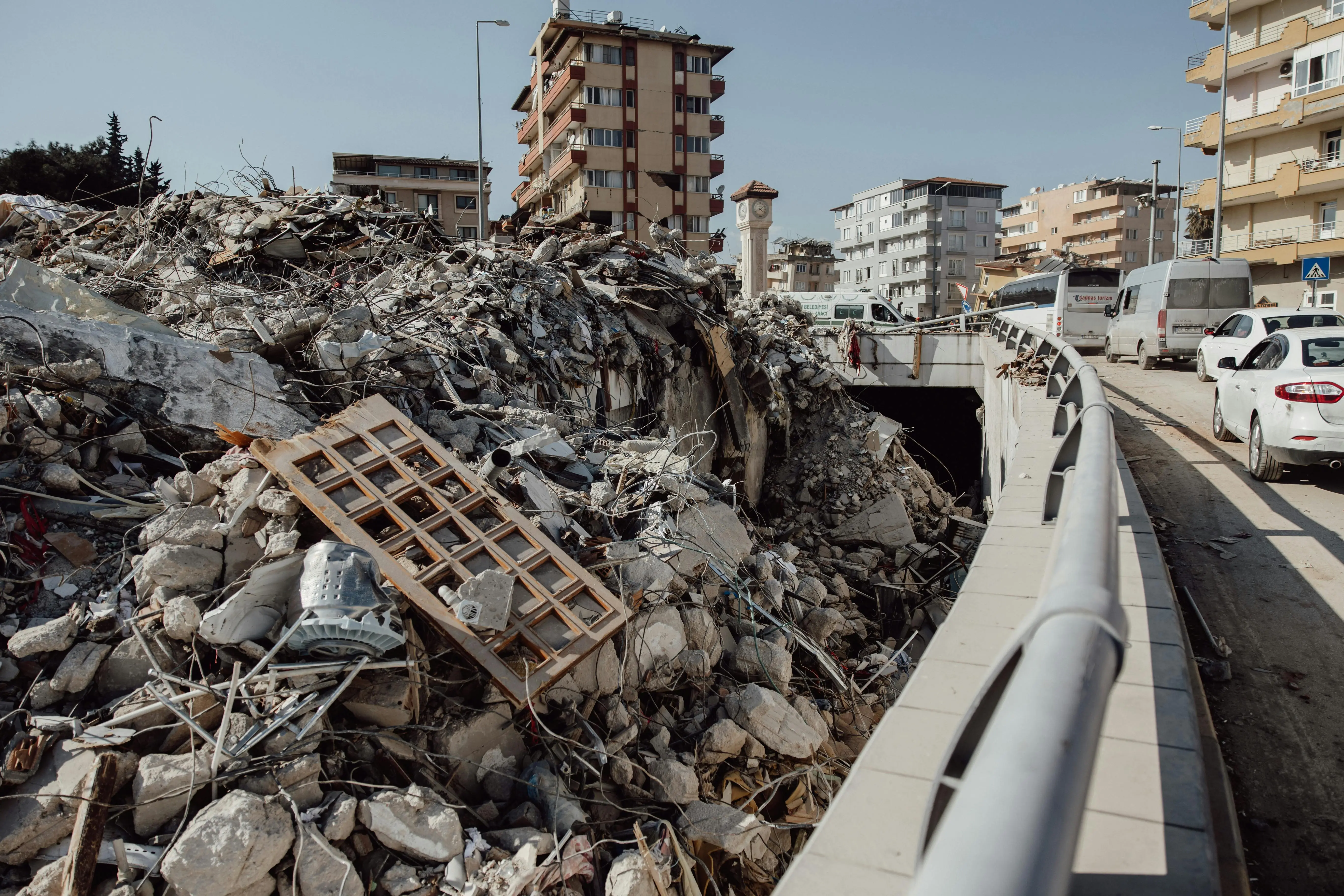
Cities at Risk
Major urban centres like Kathmandu, Dehradun, Shimla, and Islamabad lie along or near seismic fault lines. A megaquake could severely damage infrastructure, potentially submerging low-lying areas and causing landslides that bury entire settlements.
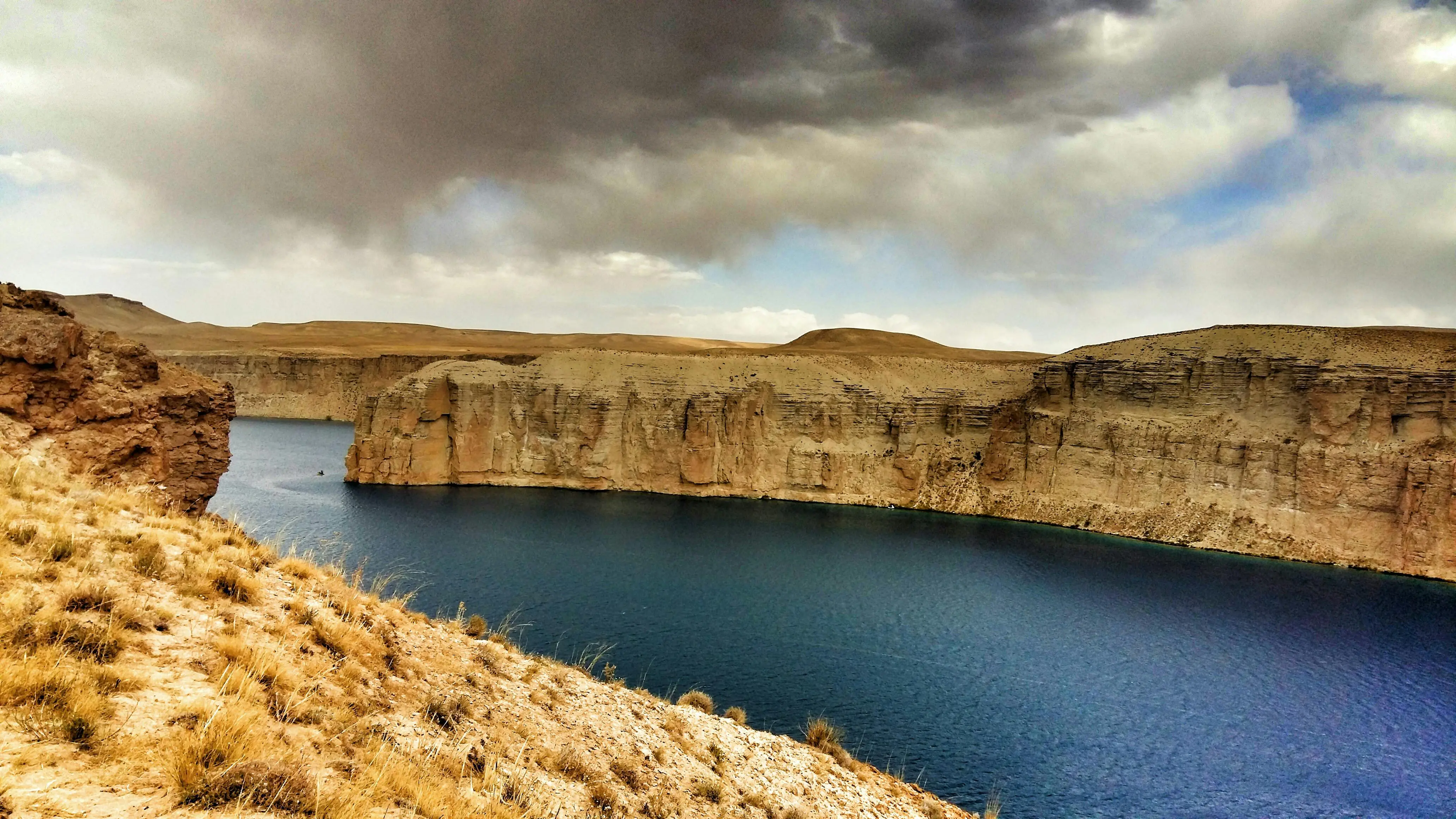
Tectonic Pressure and Land Shifts
The continuous northward movement of the Indian Plate exerts pressure on the Himalayas, gradually lifting mountains and shifting valleys. A sudden release of stress could cause land uplift or sinking, altering river courses and destabilising city foundations.
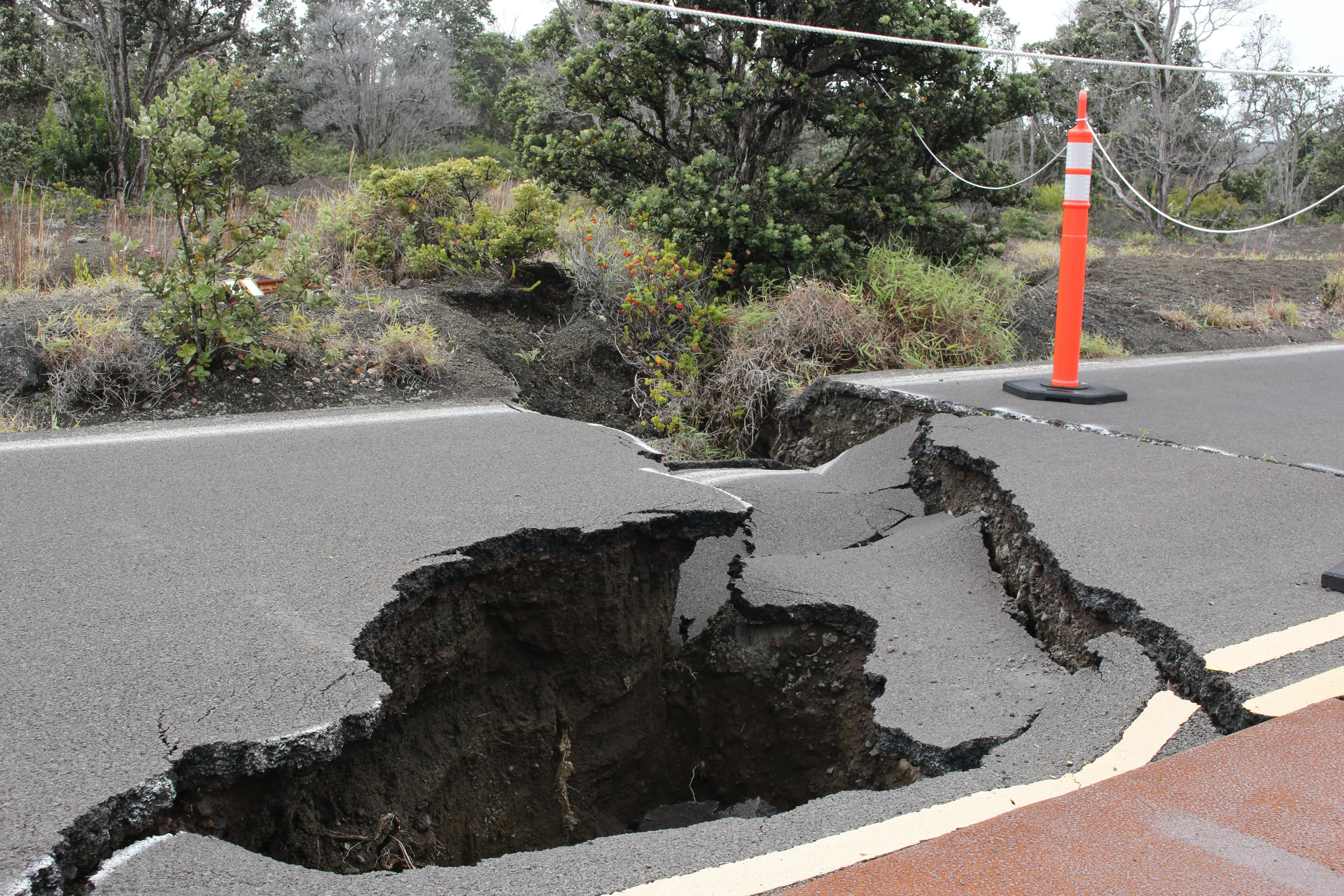
Secondary Disasters
Earthquakes in the Himalayas often trigger landslides, avalanches, and dam bursts, which can lead to flooding and widespread destruction. Cities at river valleys or foothills face the highest risk.
Population Density and Vulnerability
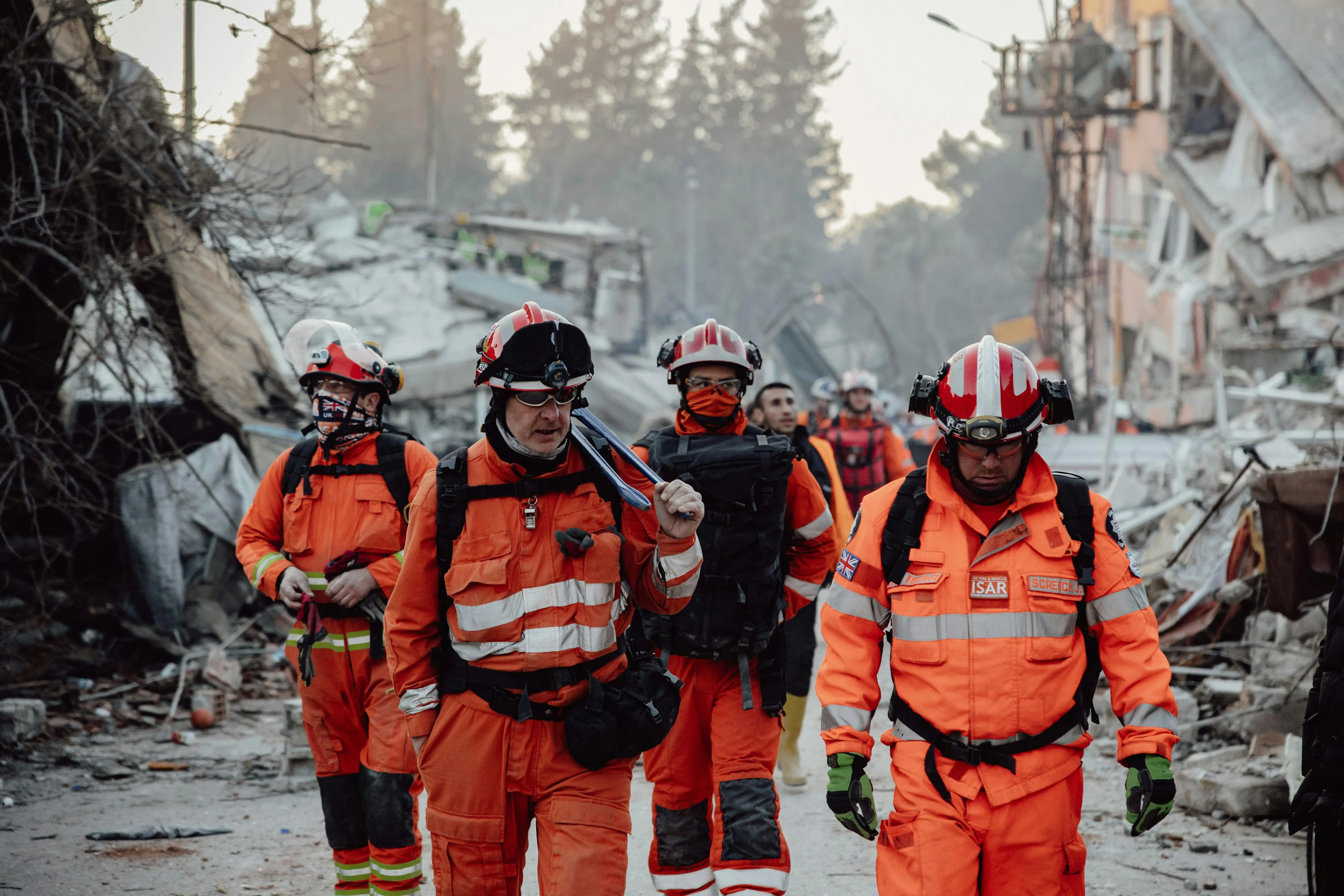
Millions live in densely populated Himalayan regions. Combined with poorly built infrastructure, even moderate tremors can cause high casualties, while a megaquake could devastate entire urban centres.
Historical Precedents
Past earthquakes, such as the 1934 Nepal quake and 2005 Kashmir earthquake, demonstrate how Himalayan tremors can disrupt cities, destroy transport networks, and create long-term humanitarian crises.
Preparedness and Mitigation
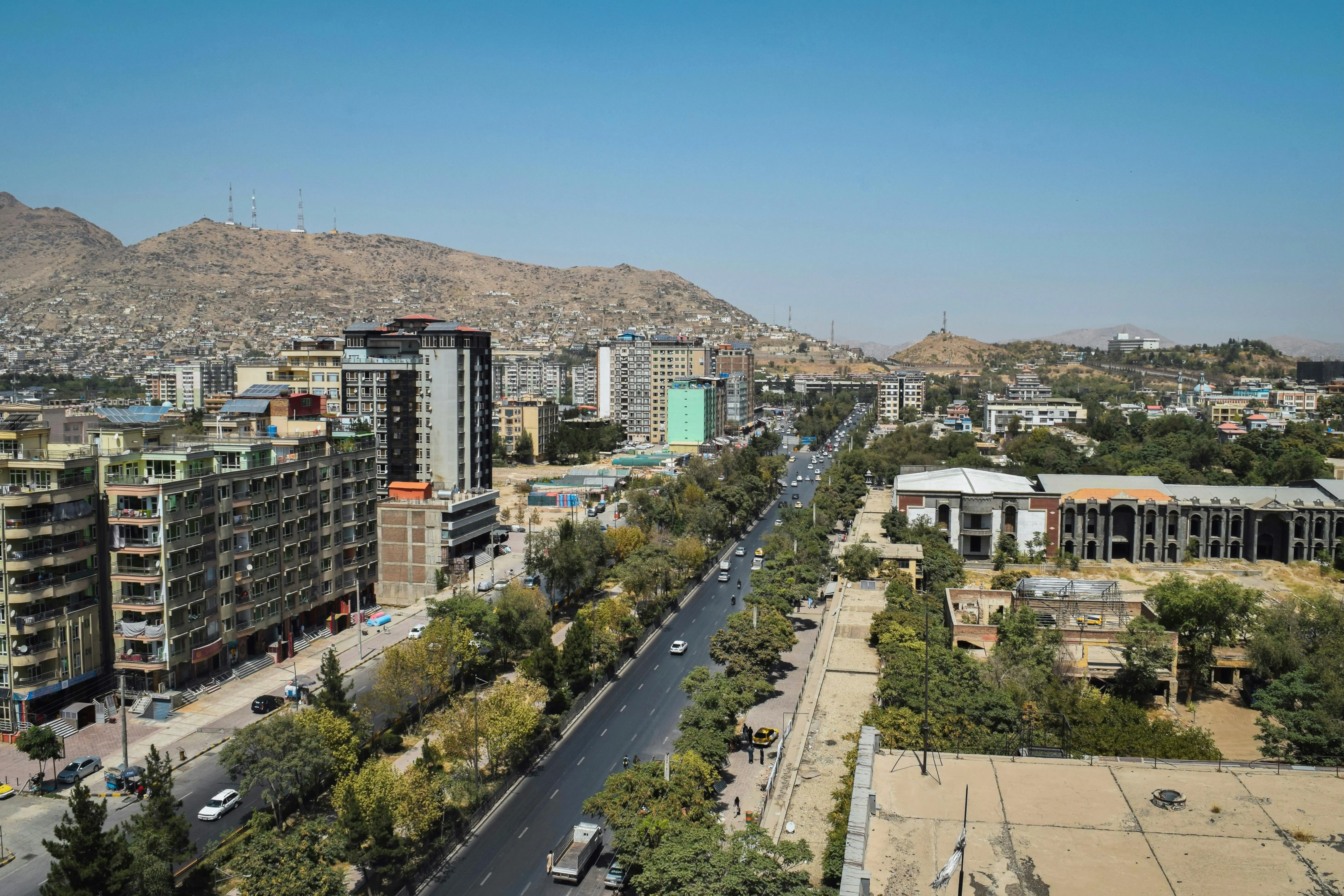
Experts stress the importance of earthquake-resistant construction, early warning systems, and disaster planning. Understanding fault lines, tectonic pressure, and the potential scale of a Himalayan megaquake is crucial to safeguard lives and cities across South Asia.
)
)
)
)
)