Aerodynamic Overhaul: How modern wing designs are turning fighter jets into supersonic predators

Wing innovations are transforming fighter jets by improving speed, control, and agility. From sweep wings to movable skins, new designs enhance manoeuvrability and tactical value in combat. Let’s understand how these advances impact fighter jet performance and future air warfare.
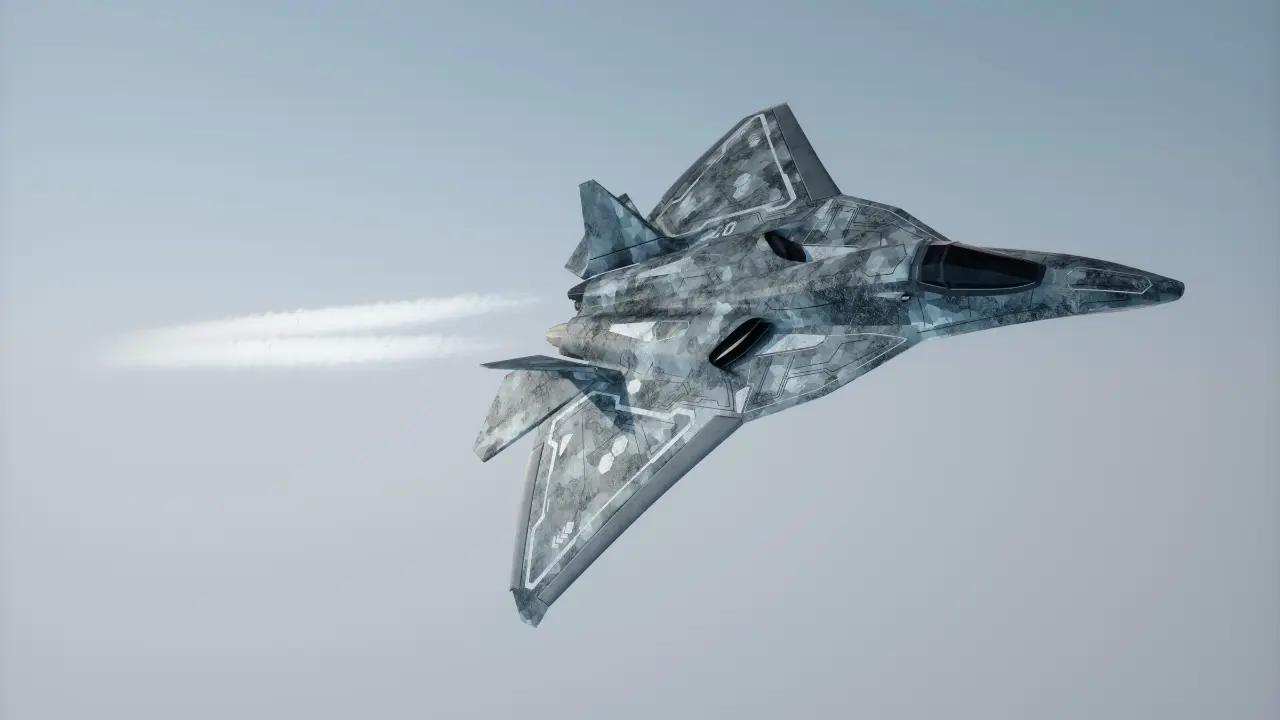
Wing Innovations in Fighter Jets
Fighter jets depend heavily on their wing design for speed, control, and agility. Over the years, engineers have introduced new wing features that greatly improve how these jets fly in combat. These wing changes help jets manoeuvre quickly to outsmart opponents and stay safe.
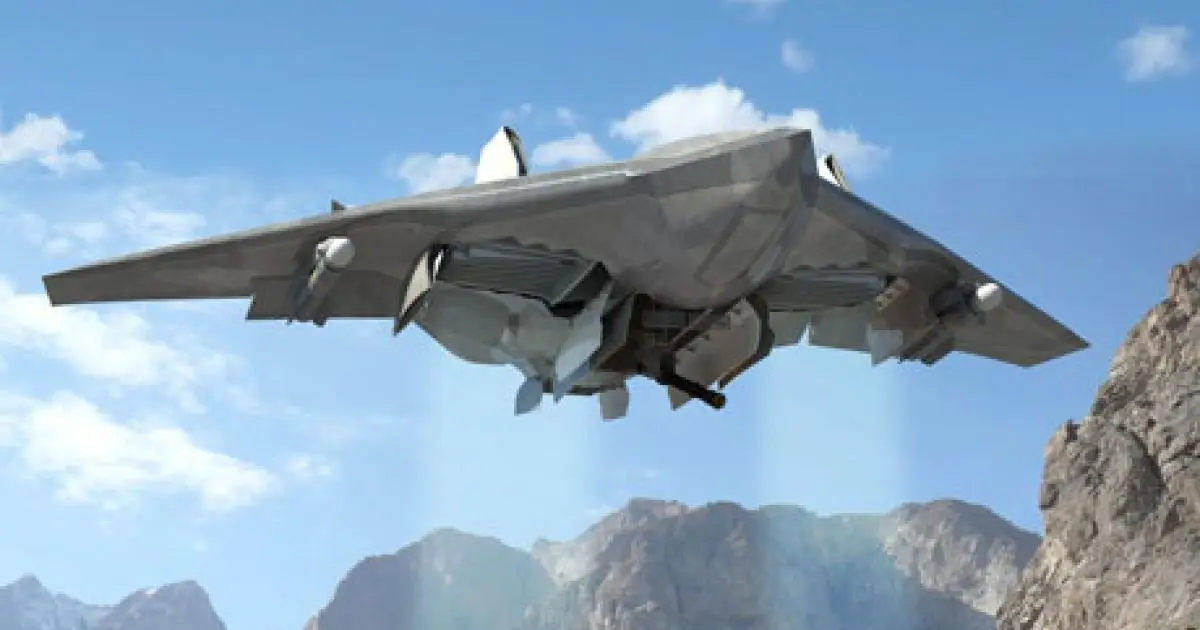
The Role of Sweep Wings in Maneuverability
Sweep wings, first introduced in the mid-20th century, allow jets to fly faster and turn better. By adjusting the wing angle, jets can balance lift during take-off and reduce drag at high speeds. This makes jets more flexible in different flight conditions, giving pilots an edge in dogfights and high-speed chases.
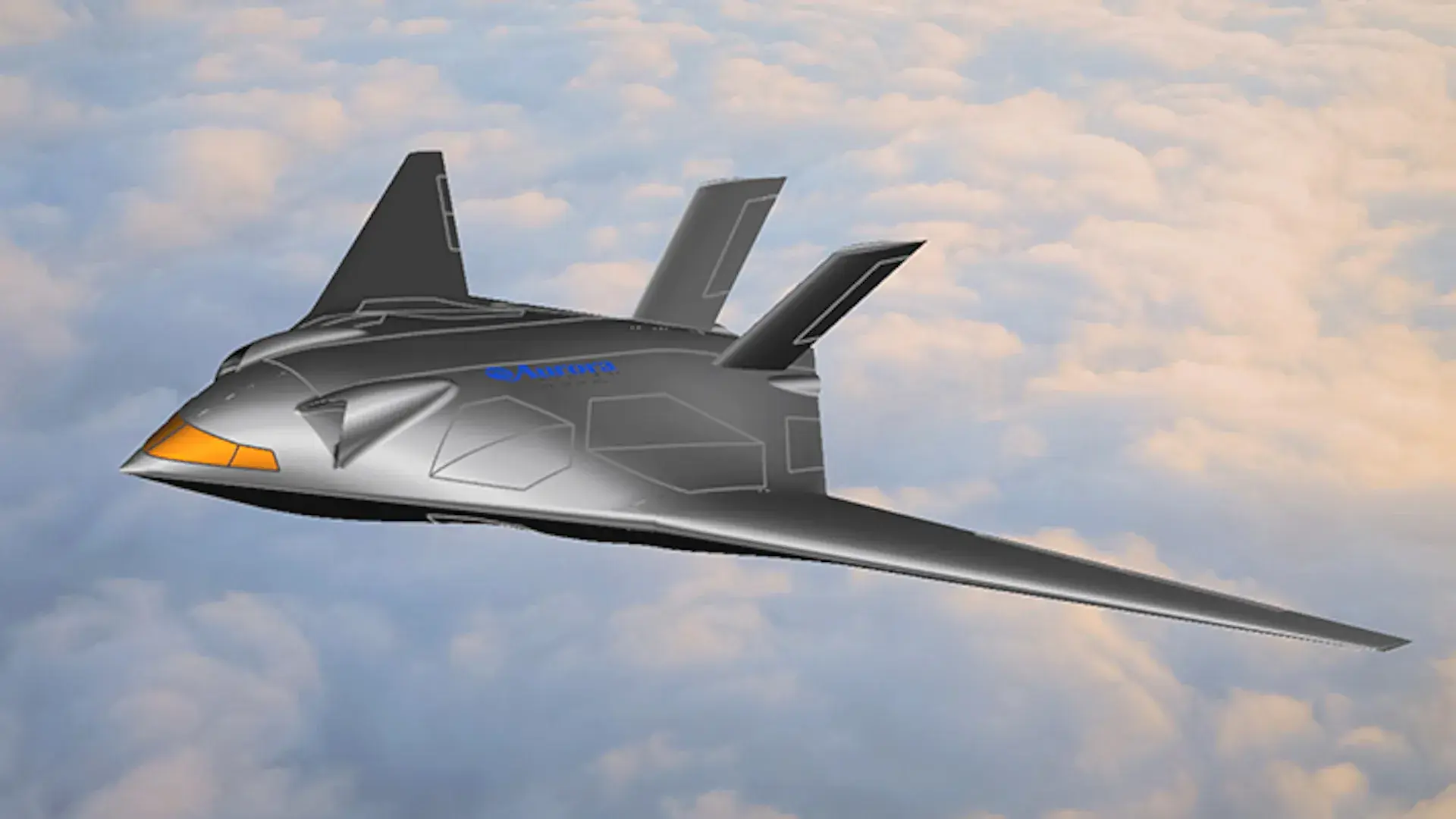
New Wing Designs and Movable Skins
Recent innovations include wings with movable skins that change shape smoothly during flight. This design helps control speed better and allows graceful manoeuvres like quick turns and gentle landings. Russian engineers have created such wings, improving flight control without losing the wing’s aerodynamic strength. Experts say this could be a game-changer for future fighter jets.
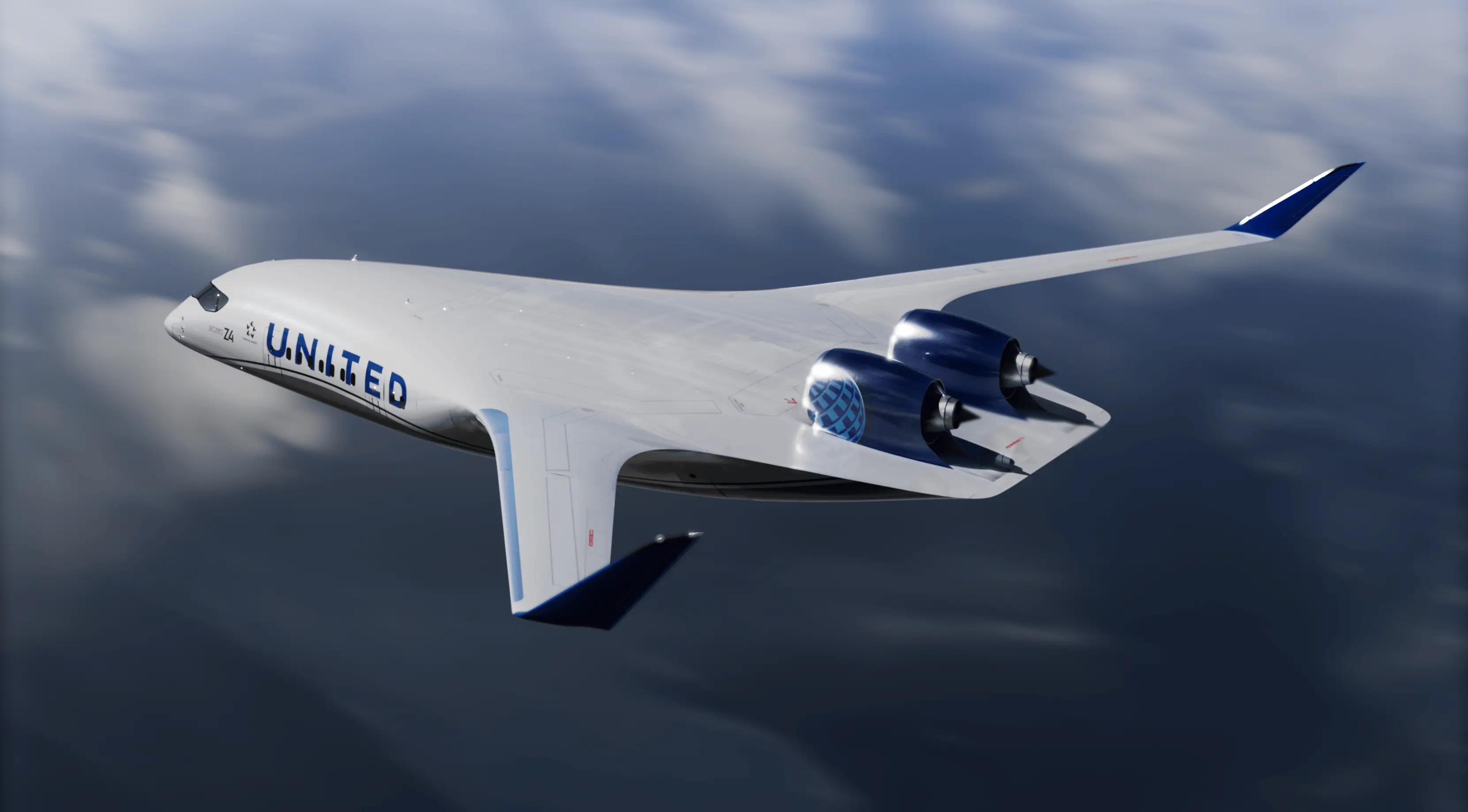
Tactical Value and Combat Performance
Modern wing designs not only help jets move faster but also increase their tactical value. Better manoeuvrability means pilots can dodge enemy fire, track targets easily, and adapt to changing battlefield conditions. Jets with advanced wings play a vital role in maintaining air superiority and supporting ground forces during conflicts.
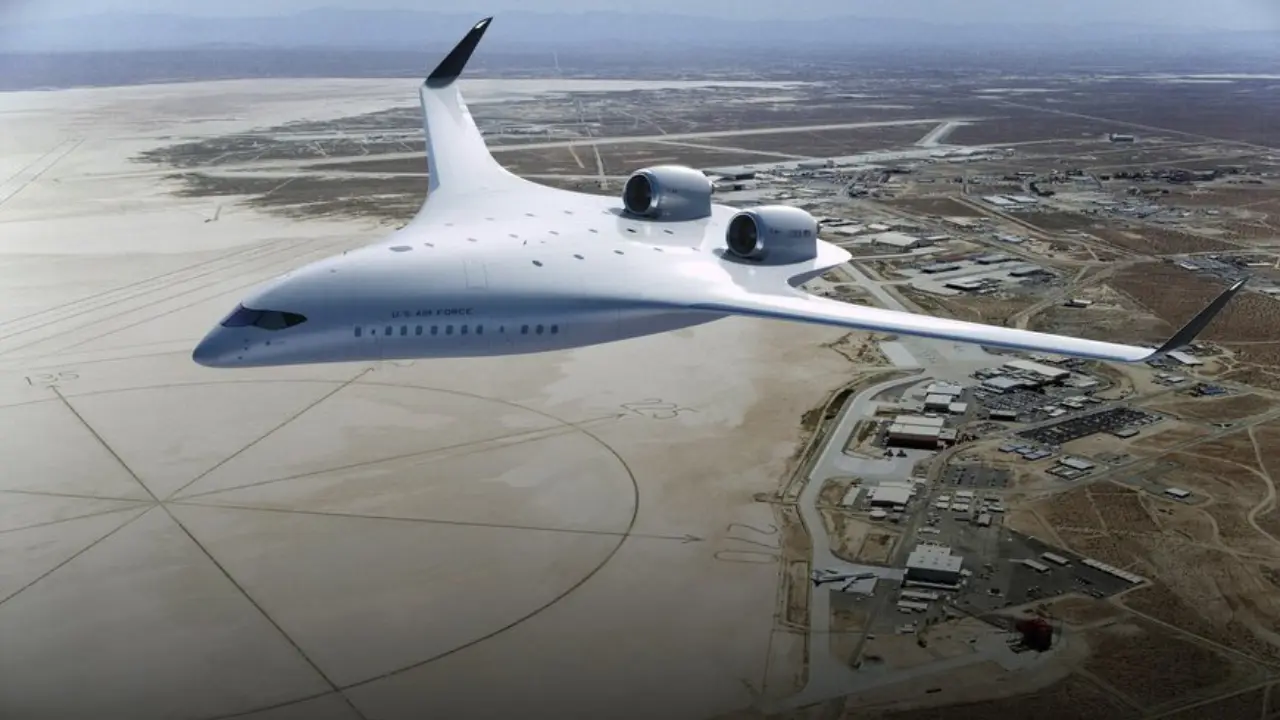
Cost and Technology Balance in Fighter Jets
Upgrading fighter jets with new wing technology involves high costs, sometimes reaching hundreds of millions of dollars per aircraft including maintenance and training. However, modern wings improve aircraft life and performance, making these investments essential.
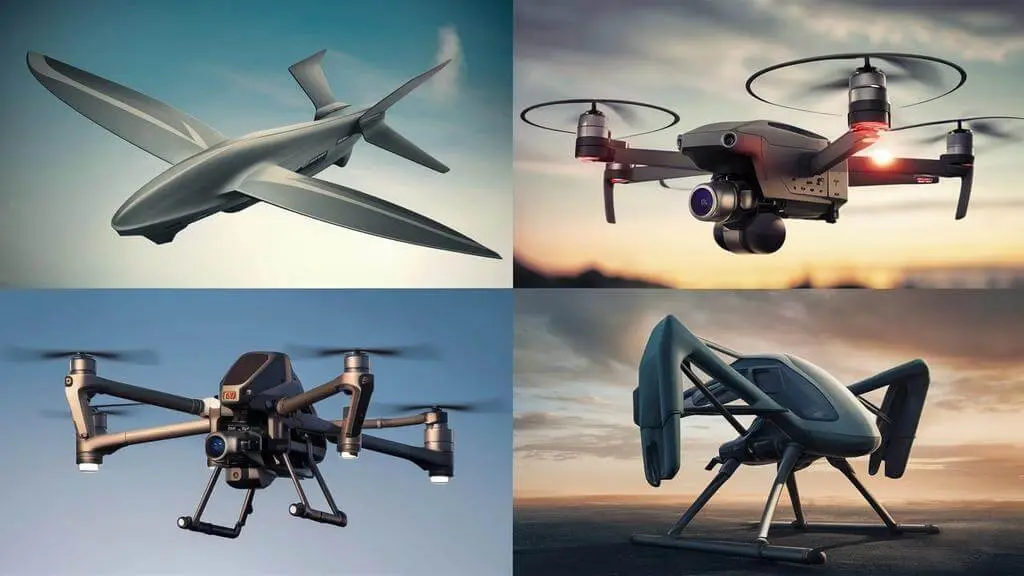
How Advanced Drones Influence Wing Design
The rise of advanced drones in warfare affects fighter jet designs too. Jets need faster, smarter wings to keep pace with drones and control the airspace. Aerodynamic improvements help jets react quickly and stay competitive against automated systems.
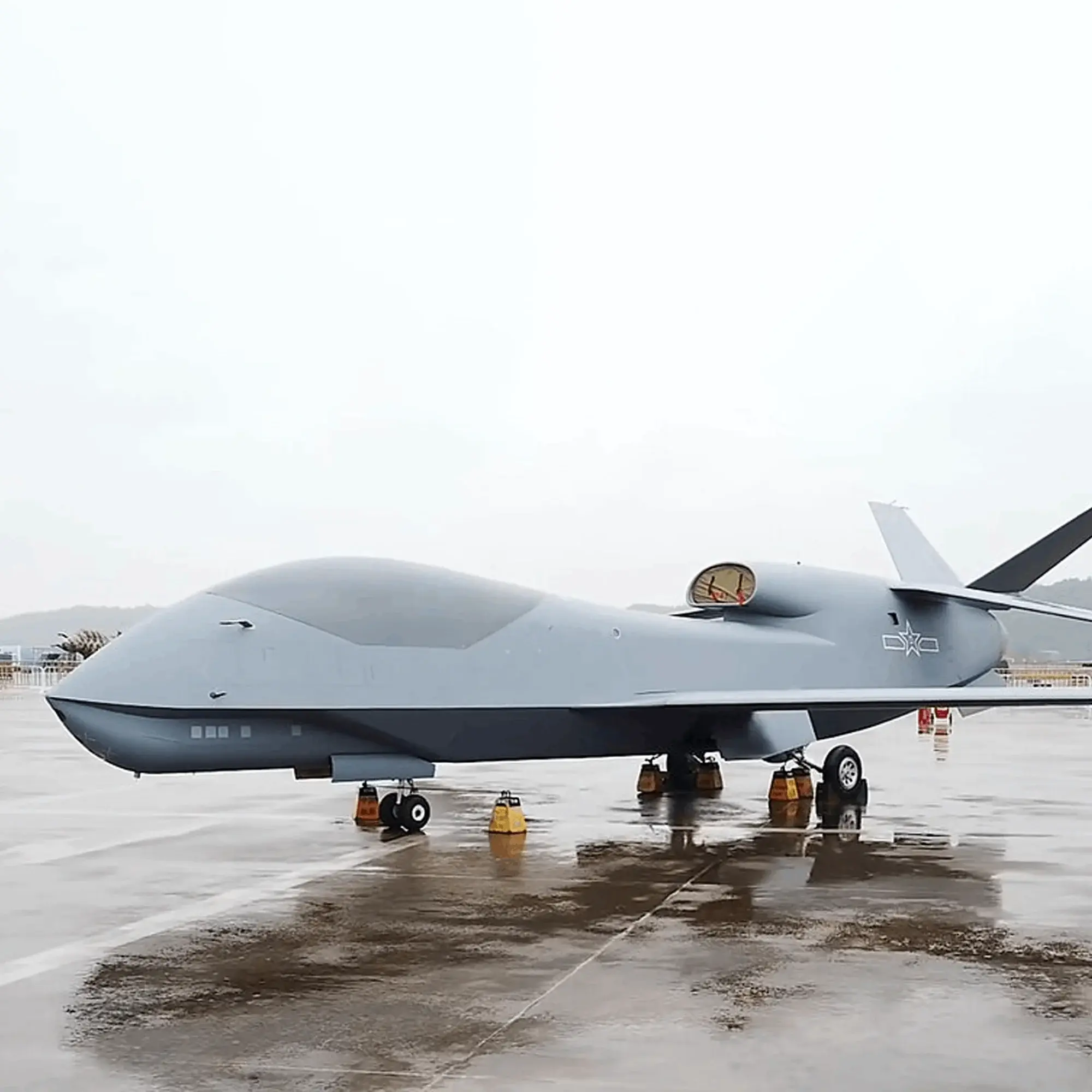
Future Outlook and Conclusion
Fighter jet wings are evolving with smart materials and new airflow control, promising even better flight and combat abilities. These changes ensure jets remain powerful assets in modern warfare, despite challenges from drones and technology.
)
)
)
)
)