Across a 1,751 km border: Do you know how many towns link India and Nepal?

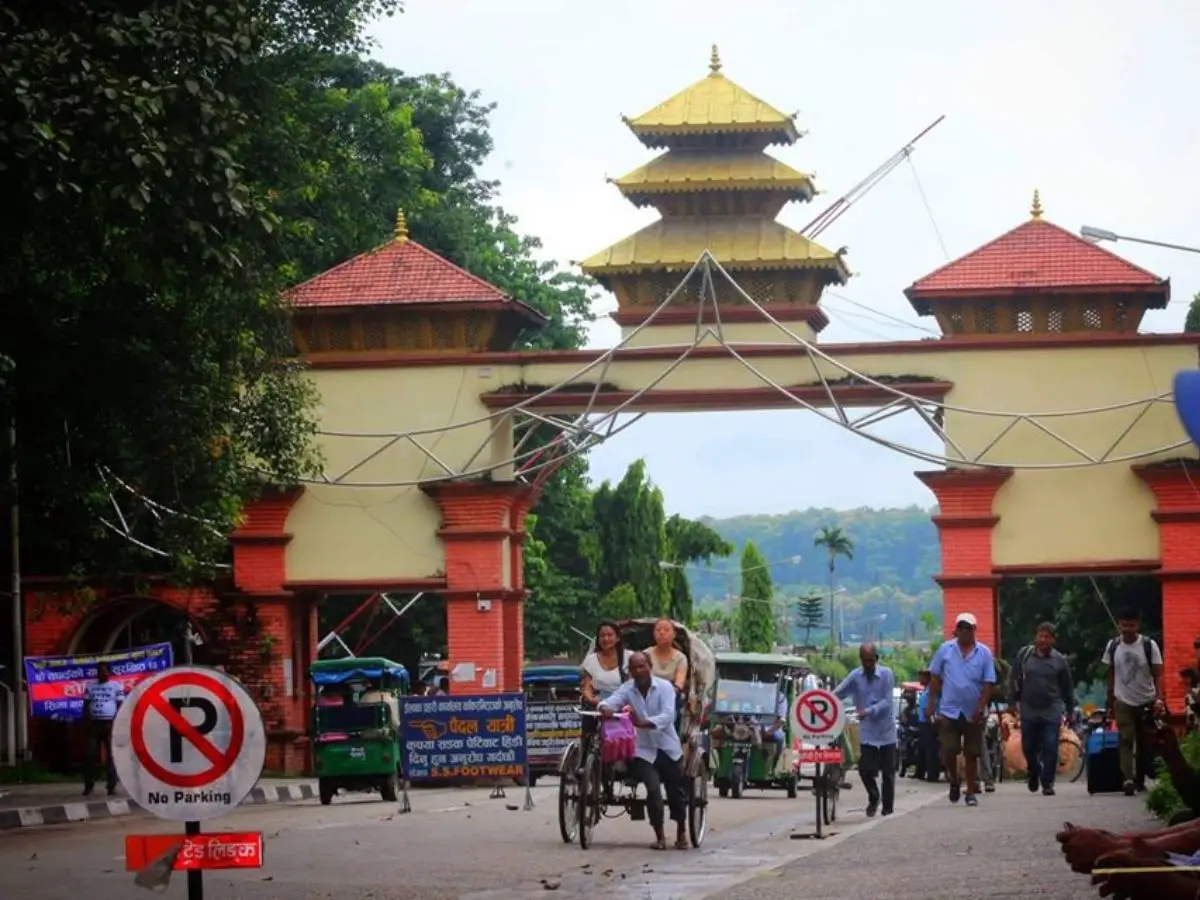
India and Nepal share a 1,751 km border that stretches across Uttarakhand, Uttar Pradesh, Bihar, Sikkim, and West Bengal, permitting largely unrestricted movement of people and goods between the two countries.
Introduction: unrest, youth voice, ancient ties
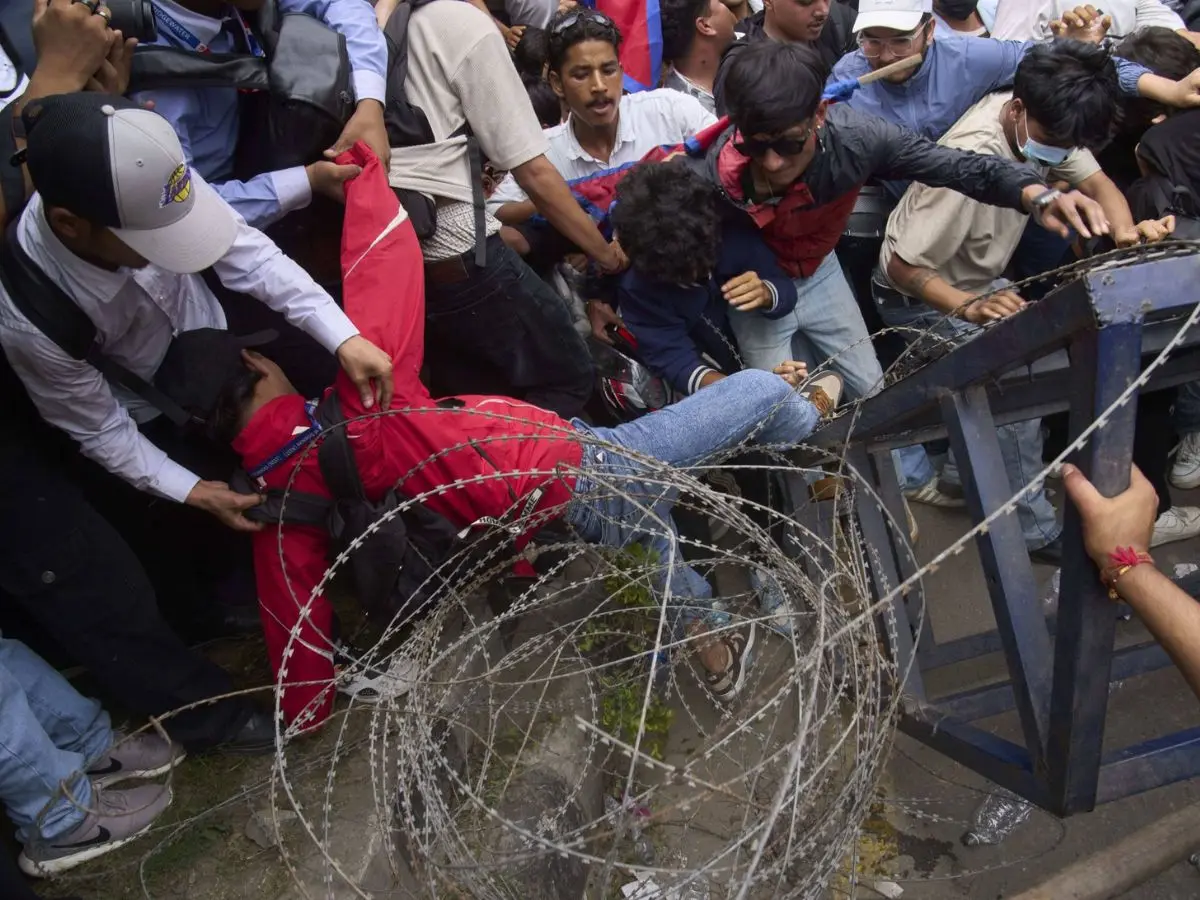
India has tightened security along its border with Nepal amid violent, youth-led protests over a social media ban and alleged government corruption in the neighbouring Himalayan nation. Along this open and porous frontier, dozens of twin towns, linked by bridges, markets, and daily life, stand as both lifelines and flashpoints, highlighting the unique interplay of culture, trade, and security between the two countries. But how many towns actually sit on this porous frontier?
The Long Open Border: Stretch and Points of Entry
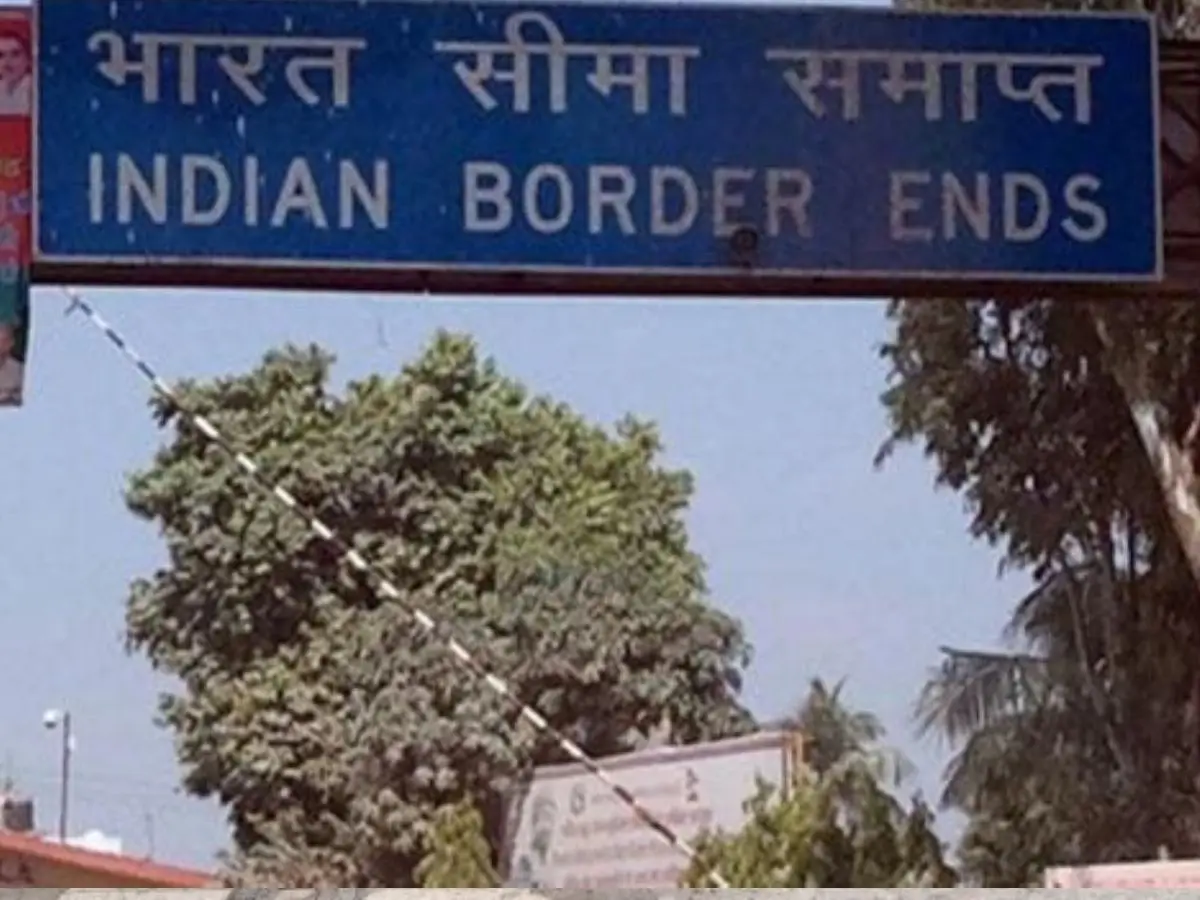
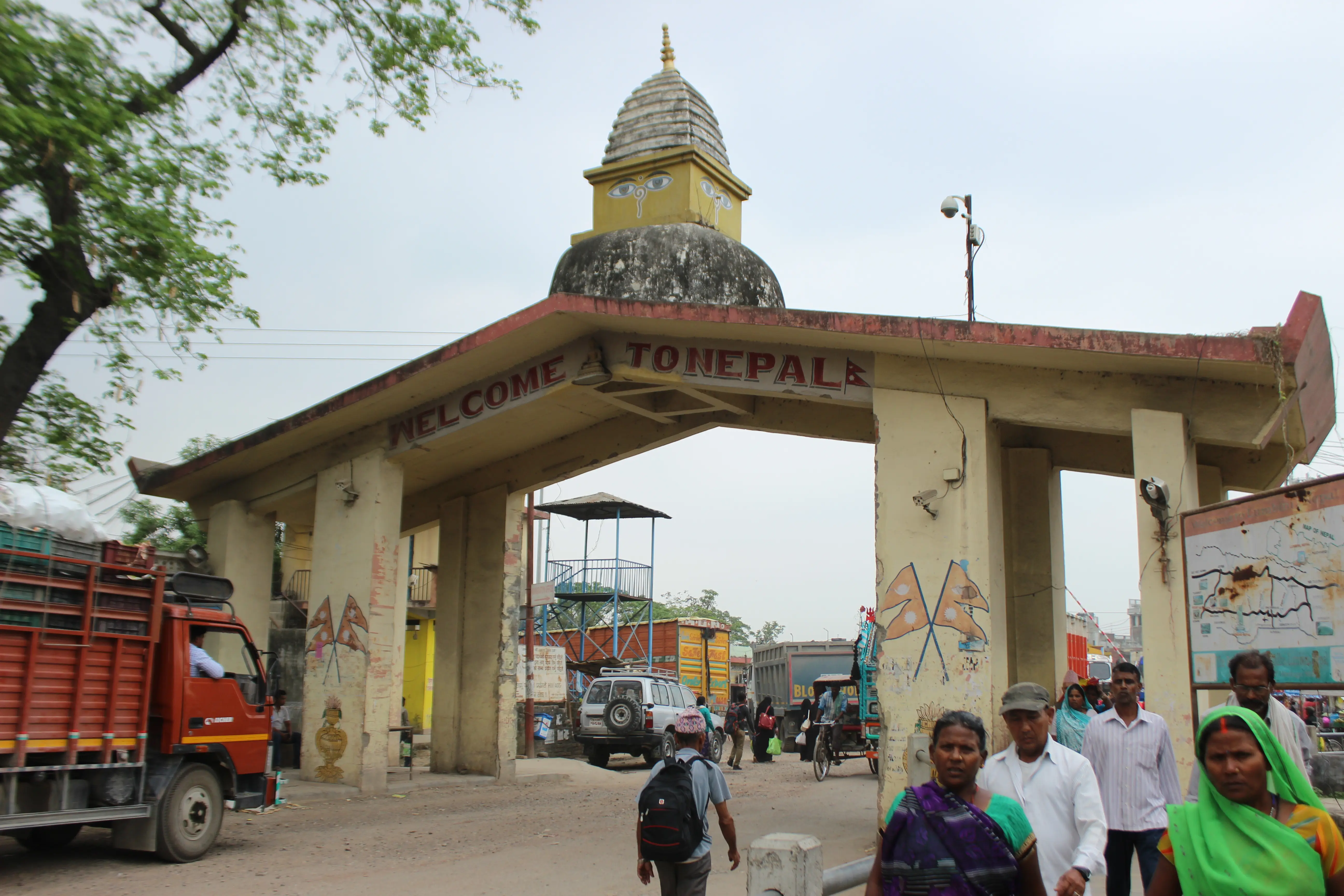
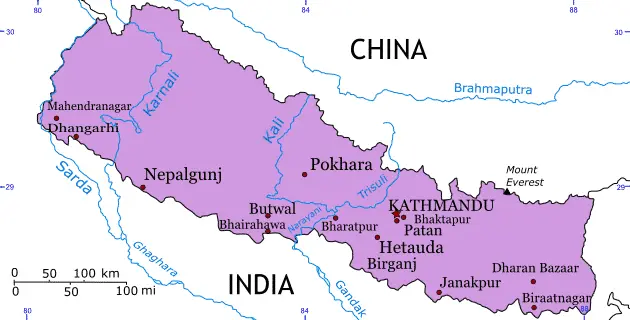
India and Nepal share a 1,751 km border that stretches across Uttarakhand, Uttar Pradesh, Bihar, Sikkim, and West Bengal, permitting largely unrestricted movement of people and goods between the two countries, a provision formalised under the 1950 Treaty of Peace and Friendship. Citizens of both countries to travel freely without visas. Despite this openness, official checkpoints for trade and travel number about 23. These include substantial border crossings such as Raxaul–Birgunj, Sunauli–Belahiya, Jogbani–Biratnagar, Rupaidiha–Nepalgunj, Banbasa–Mahendranagar and Panitanki–Kakarbhitta, among others.
Twin Towns and Smaller Crossings
Beyond the official crossings, many smaller towns mirror each other on either side of the riverbanks. Dharchula in Uttarakhand connects to its Nepali twin across the Kali River via footbridge; Jauljibi stands as a market-hub on both Indian and Nepalese sides connected by a suspension bridge. Including these lesser-known crossings, the number of ‘border towns’ easily exceeds thirty scattered along the bordering states.
Why These Towns Matter
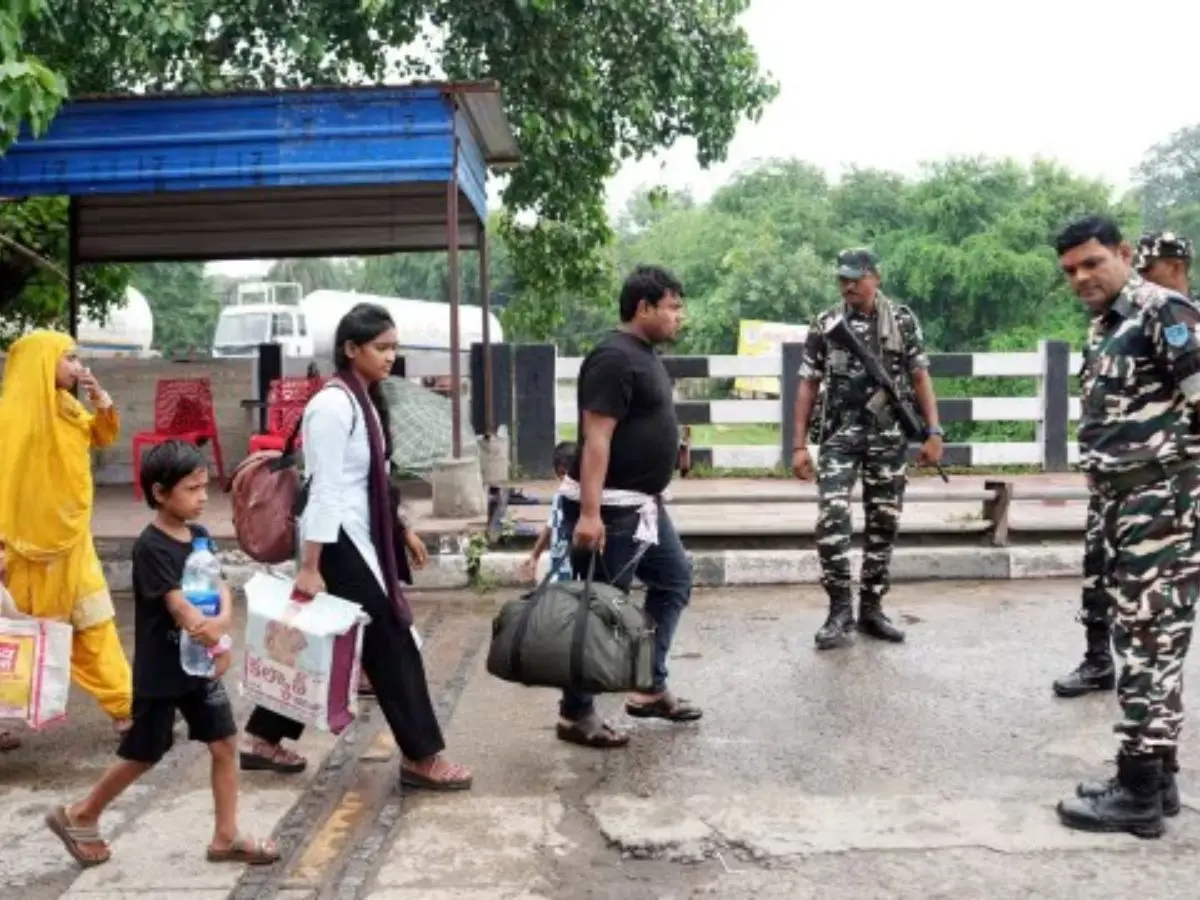
These local hubs are not just geographical curiosities. They are lifelines. Trade, familial ties, ritual practices, shared languages and even schooling often cut across the boundary. For travellers the crossing is effortless; for commerce the flows steady. In times of political unrest, as with today’s Gen Z-led uprising, the permeability of these crossings becomes a strategic and humanitarian concern. Trade has been temporarily halted amid these rising tensions. Meanwhile, the Sashastra Seema Bal (SSB) has apprehended 60 inmates who escaped from Nepali jails during the protests, holding them at various India–Nepal border checkposts in Uttar Pradesh, West Bengal, and Bihar, making the border situation particularly grave.
Security and Strain Amid Unrest
With protests raging in Kathmandu and elsewhere, resulting in curfews, deadly clashes, and a fragile political collapse, India has acted cautiously. The Sashastra Seema Bal (India’s border guard) has heightened vigilance along the boundary to prevent spill–overs. Trade traffic has seen delays; border-town communities, always accustomed to open crossings, brace for stricter monitoring.
Conclusion: Between Borders and Belonging
The India–Nepal border towns represent more than checkpoints, they are living partnerships, shared histories, blended societies. As Nepal’s youth challenge power in protest against alleged unemployment and corruption by the government, these towns stand at ground zero. The number of crossings, official or informal, exceeds twenty on the formal list, and dozens when paths and footbridges are included.
)
)
)
)
)