Acquiring Greenland isn’t a new idea? Understanding the US’ century-long pursuit of the Arctic island

American interest in Greenland is not new. The United States first explored acquiring the island in the 19th century and again after the Second World War, when it emerged as a critical Cold War outpost.
Trump Goes After Greenland
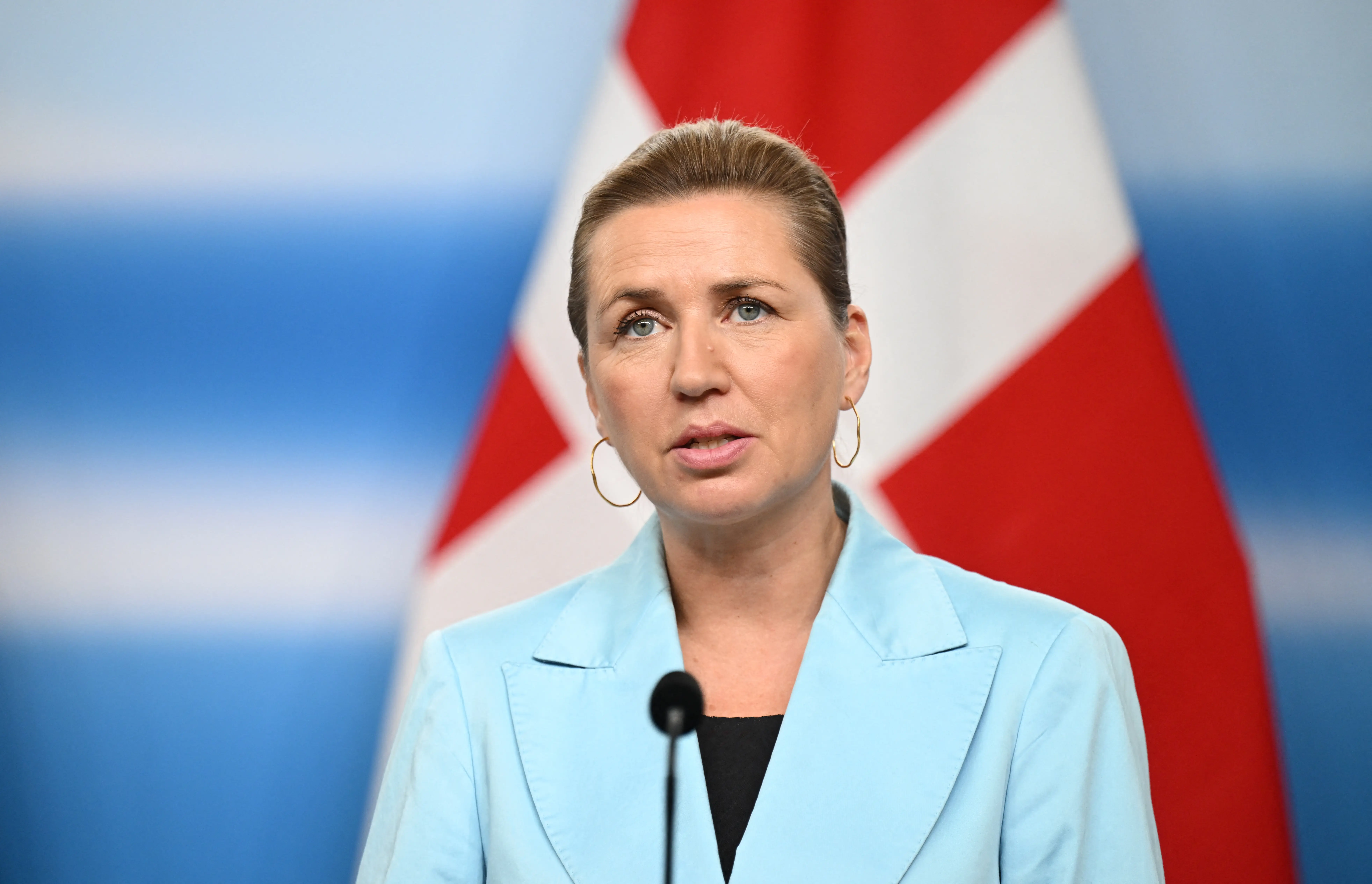
Greenland has re-emerged as a geopolitical flashpoint after remarks by US President Donald Trump, who said, “We need Greenland from the standpoint of national security.” The comments came just a day after the US carried out a major military operation capturing Venezuela's Nicolás Maduro and his wife, Cilia Flores. Leaders in both Denmark and Greenland have urged Trump to stop threatening to take over the territory, rejecting any suggestion that it could be claimed by the United States. Trump's statements have revived concerns in Europe that Washington could pursue similarly forceful measures elsewhere, including Greenland, a vast and sparsely populated Arctic island long coveted by the United States.
The interest is not new!
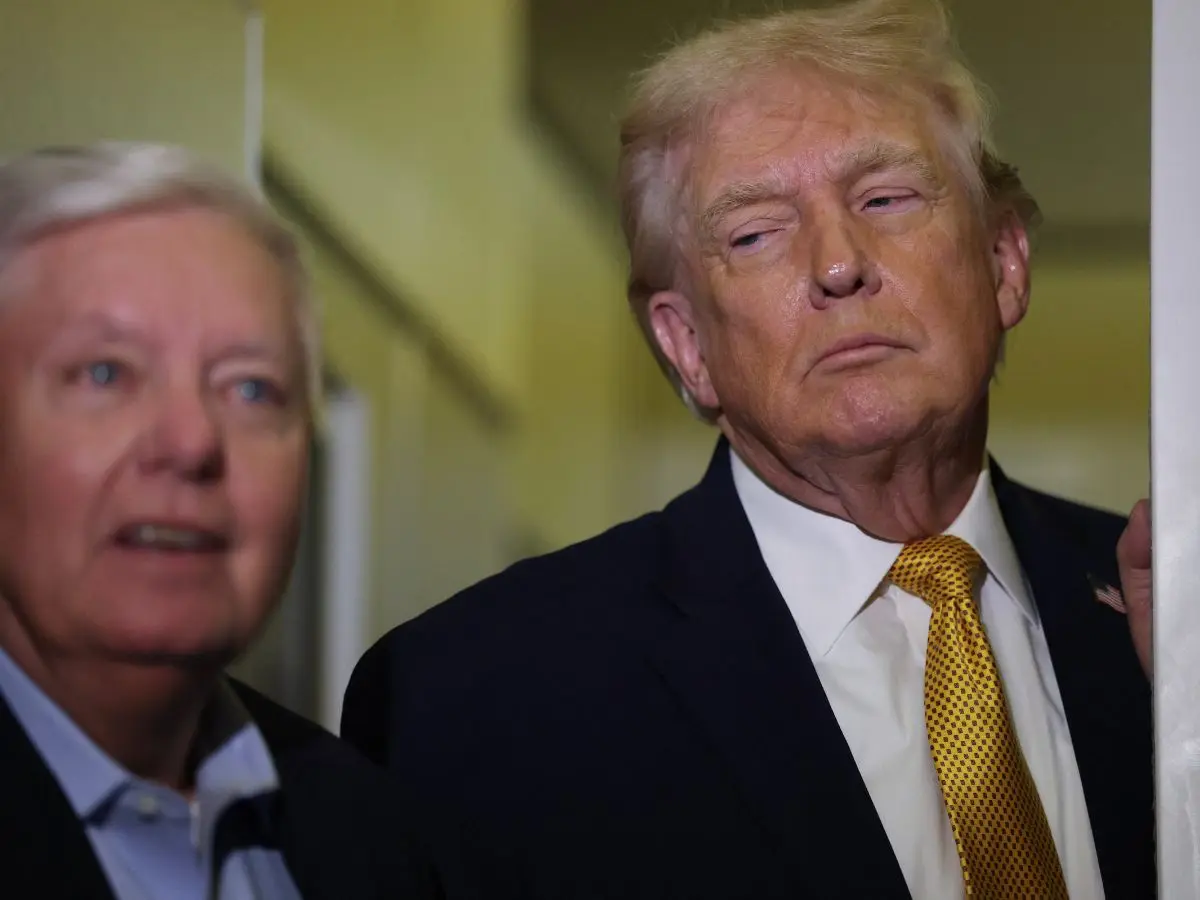
American interest in Greenland is not new. The United States first explored acquiring the island in the 19th century and again after the Second World War, when it emerged as a critical Cold War outpost. In 1946, Washington formally offered to buy Greenland from Denmark, an offer that was firmly rejected. Despite this, the US has maintained a strong military presence there through defence agreements with Denmark, including the establishment of what is now the Pituffik Space Base.
Early Interest in the 19th Century
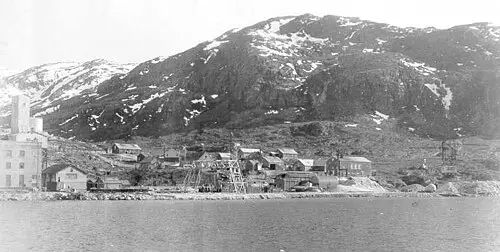
The United States’ interest in Greenland began in the 19th century, shaped by territorial expansion and Arctic exploration. In 1867, the same year Washington purchased Alaska from Russia, Secretary of State William H. Seward ordered a study on the possible acquisition of Greenland and Iceland from Denmark. While no formal offer followed, the assessment showed early American awareness of Greenland’s strategic position and potential value. Denmark made clear it was not open to negotiations, and the idea was shelved, though it lingered within US strategic circles.
World War II and the Strategic Turn
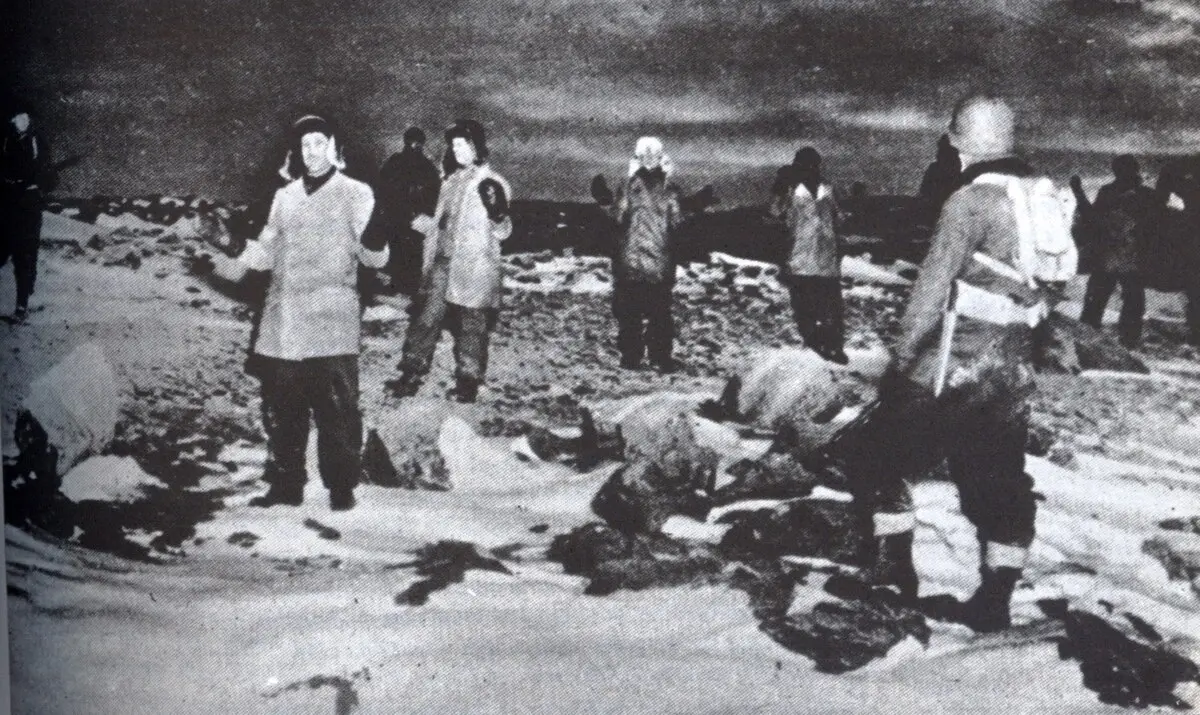
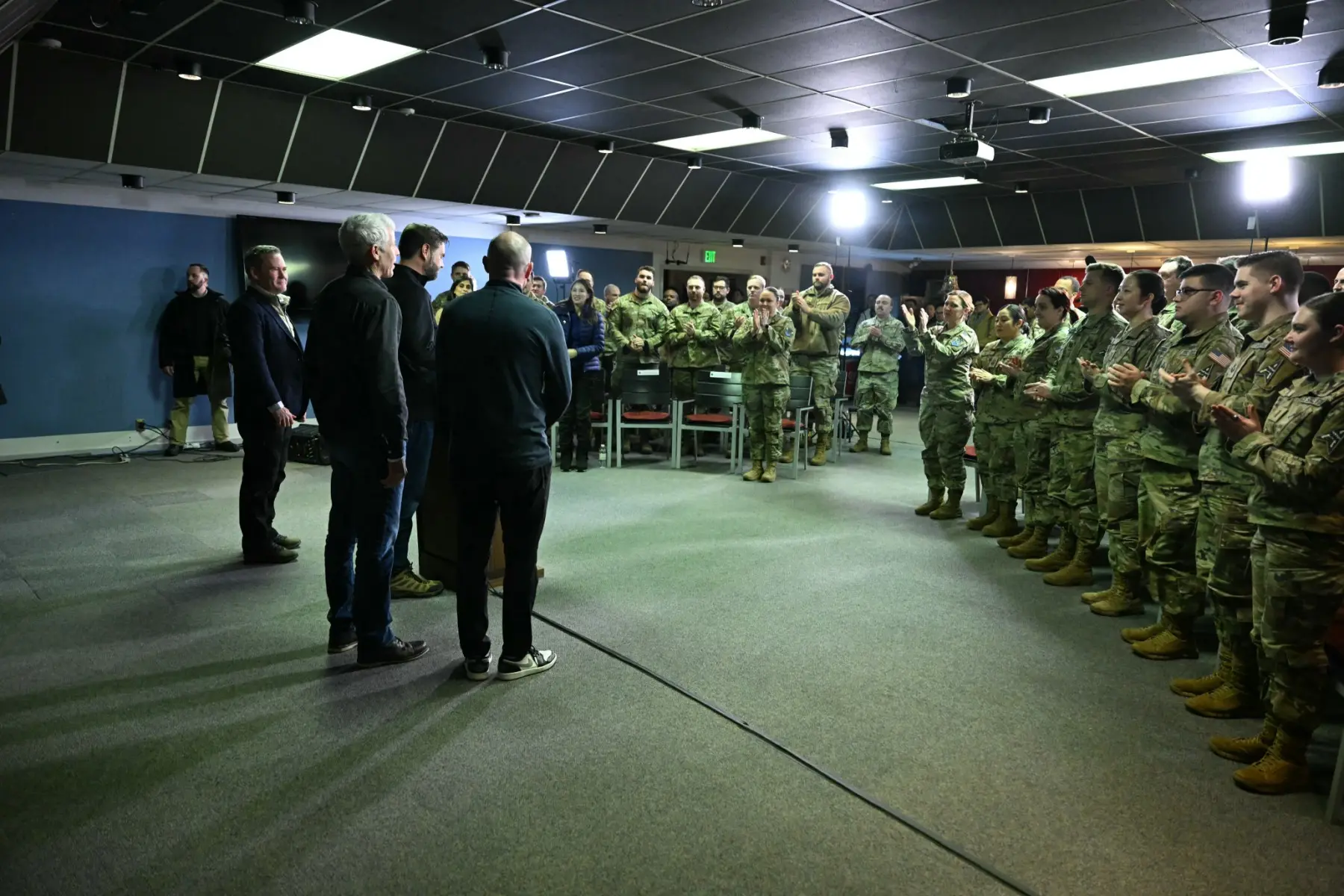
American interest sharpened during the Second World War. After Nazi Germany occupied Denmark in 1940, the United States moved to defend Greenland to prevent it from becoming a German military base. US forces established airfields and weather stations, marking the first large-scale American military presence on the island.
The Cold War and the Failed Purchase
At the dawn of the Cold War, Greenland became central to US defence planning. In 1946, the Truman administration formally offered Denmark $100 million in gold to buy the island, citing its importance for missile defence and Arctic security. The $100 million was to be in gold. Denmark rejected the offer, but cooperation continued. A 1951 defence agreement allowed the United States to maintain permanent military facilities, leading to the establishment of Thule Air Base, now Pituffik Space Base, a key hub for missile warning and space surveillance.
Modern Renewed Interest
Greenland’s strategic value has risen again in the 21st century as climate change opens Arctic shipping routes and global competition for resources intensifies. In 2019, Trump tried to buy Greenland during his first presidential term. Both Denmark and the Greenlandic government rejected the 2019 proposal, saying: "Greenland is not for sale." Though unsuccessful, the proposal highlighted the enduring nature of US interest, rooted in geography, security and the evolving balance of power in the Arctic.
Recent developments
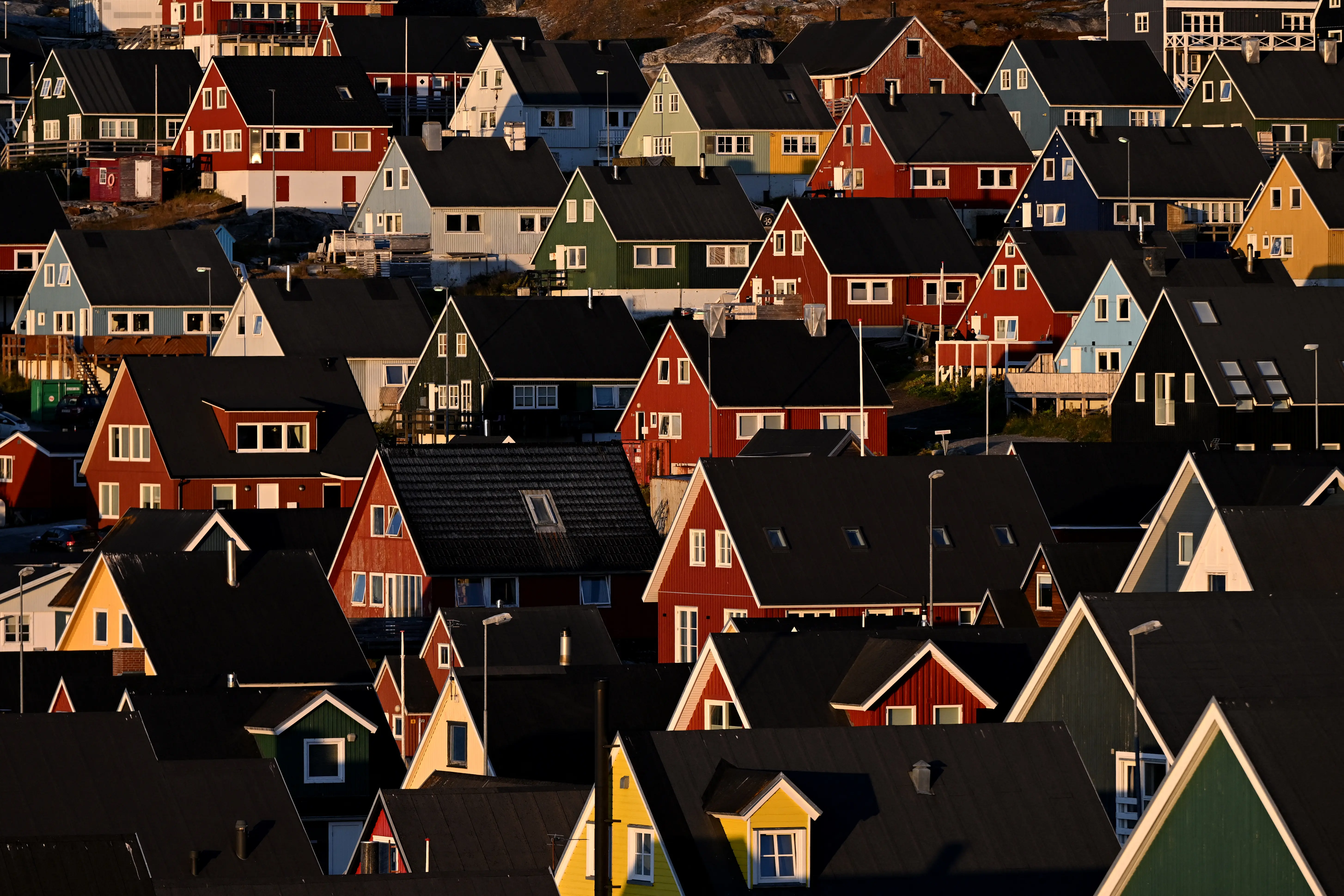
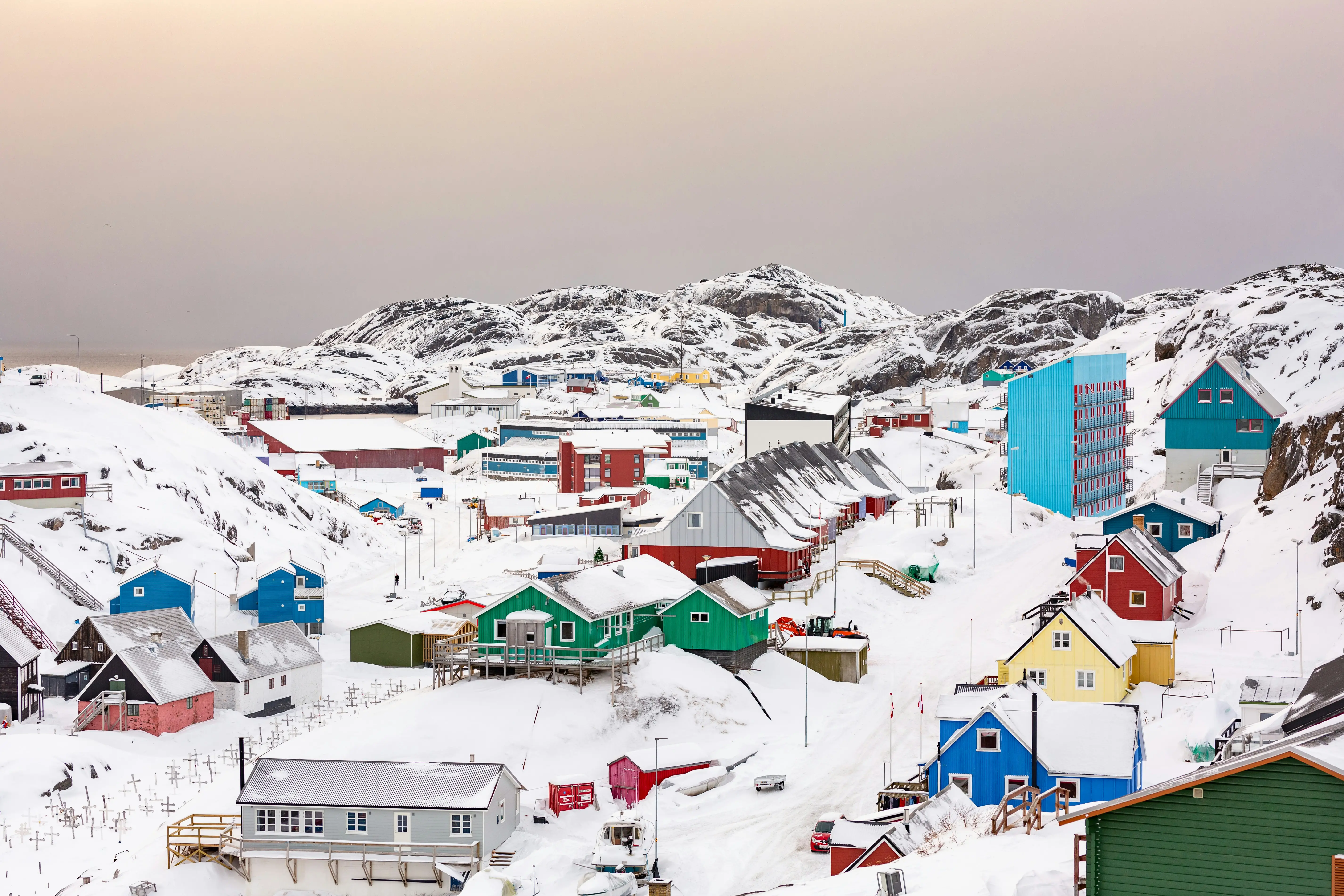
Recent events have further strained relations. The Trump administration’s decision to appoint a special envoy to Greenland drew sharp criticism in Copenhagen, which viewed the move as an attempt to bypass Danish authority. Greenland, home to around 57,000 people, has enjoyed extensive self-government since 1979, though defence and foreign policy remain under Danish control.
)
)
)
)
)