A US B-52G bomber with nukes on board crashed in Greenland in 1968, exposing a secret mission

A US bomber with nuclear weapons on board crashed in Greenland nearly 60 years ago, souring its relations with Denmark. America even refused to clean up, but ultimately returned a million gallons of radioactive waste to the US.

A nuclear-armed US bomber crashed in Greenland
In 1968, during the height of the Cold War, a US bomber carrying four thermonuclear weapons crashed in Greenland. They exploded, but thankfully, their safety systems prevented a full detonation. Even though it was an accident, the incident soured relations between the US and Denmark as the latter had followed a nuclear-free policy since 1957. The crash exposed what America had been doing despite Denmark's stance on nukes - flying nuclear-armed bombers over Greenland almost regularly.
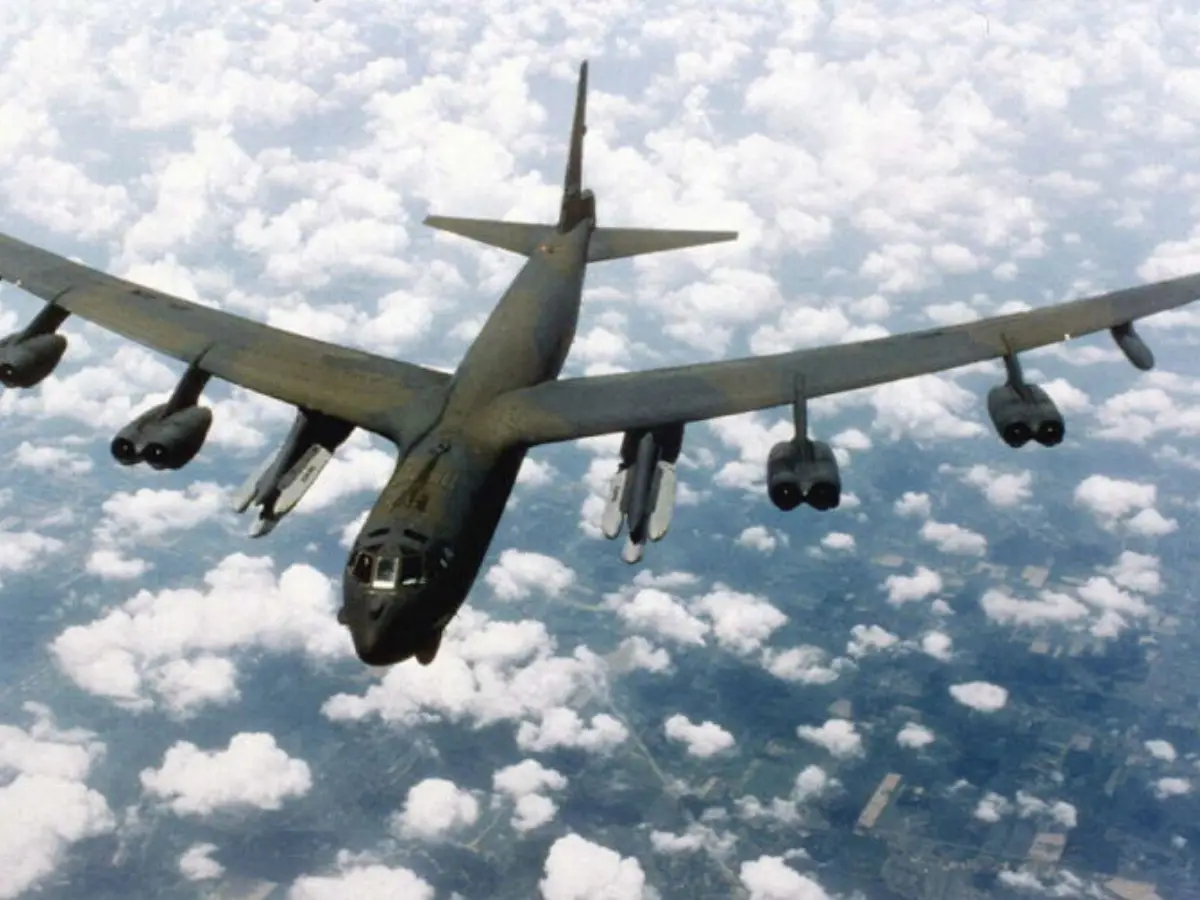
B-52G Stratofortress was flying over Greenland when a fire broke out
A US B-52G Stratofortress flew from Plattsburgh Air Force Base in New York to circle 35,000ft above Thule Air Base in Greenland. It was sent to monitor the Ballistic Missile Early Warning System. There were seven crew members on the aircraft. When the bomber was above the island, a fire broke out, triggering the aircraft's electrical systems to malfunction.
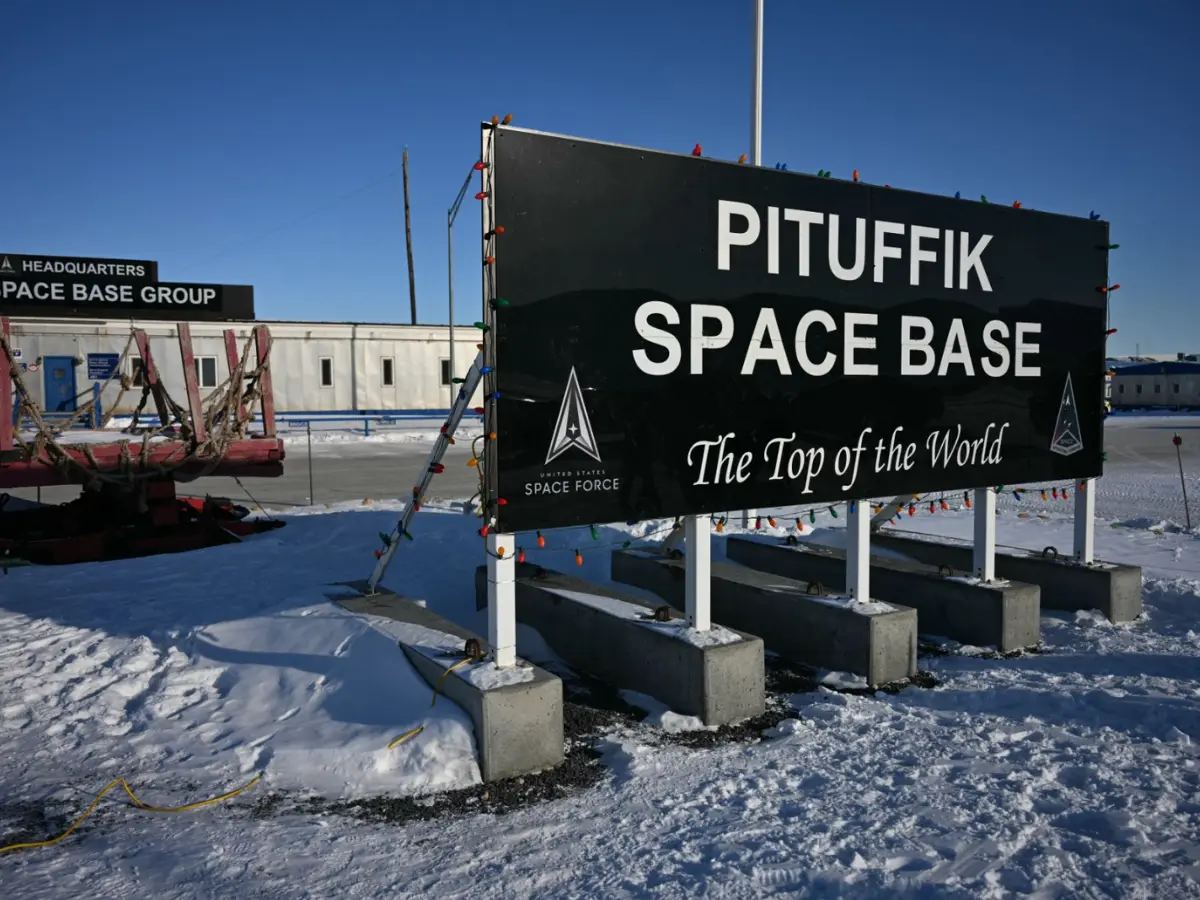
Four thermonuclear weapons exploded
An emergency was declared, and the Thule Air Base was informed about it. The crew and the pilot jumped to safety while the aircraft crashed into the ice, leaving one dead. Conventional explosions of four thermonuclear weapons were triggered, and radioactive debris was strewn across a large area, reaching a distance of several kilometres. Plutonium, uranium, americium and tritium caused a safety risk.
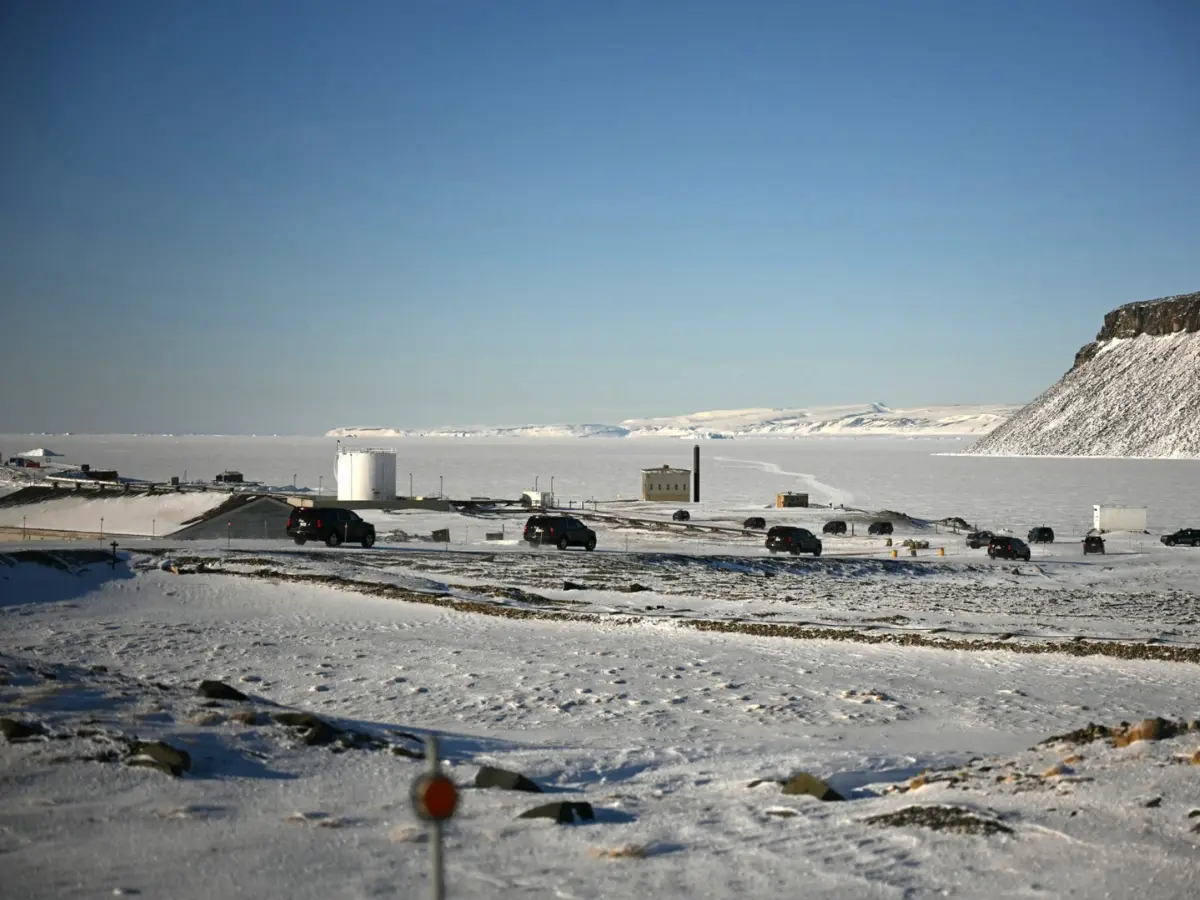
Denmark was angry to hear of a nuclear-armed bomber over its territory
The building at Thule shook like it had been hit by an earthquake, Jeffrey Carswell, a shipping clerk for a Danish contractor, who was at the base at the time, said. US–Danish relations took a hit after it was revealed that a nuclear-armed bomber was flying over Greenland even though the island had followed a nuclear-free policy.
B-52 bomber was part of a secret program
The aircraft was part of a top-secret Strategic Air Command program known as Hard Head. It was a way to keep a check on any Soviet missile launched toward North America, since it was assumed that it would pass over Greenland. For this purpose, an airborne alert under Operation Chrome Dome had been designed, which meant having nuclear-capable bombers in the sky day and night.

Denmark asked US to remove the radioactive debris, but it refused
The forward bomb bay of the aircraft housed four B28FI thermonuclear weapons. A Military.com report stated that the weapons were 12ft long, weighed about 1,043 kilos and could destroy an entire city. Denmark urged the US to remove all material from the crash, but it refused. After a Danish scientist warned that Thule's future could be hit by the incident, the US agreed to clear up the debris.
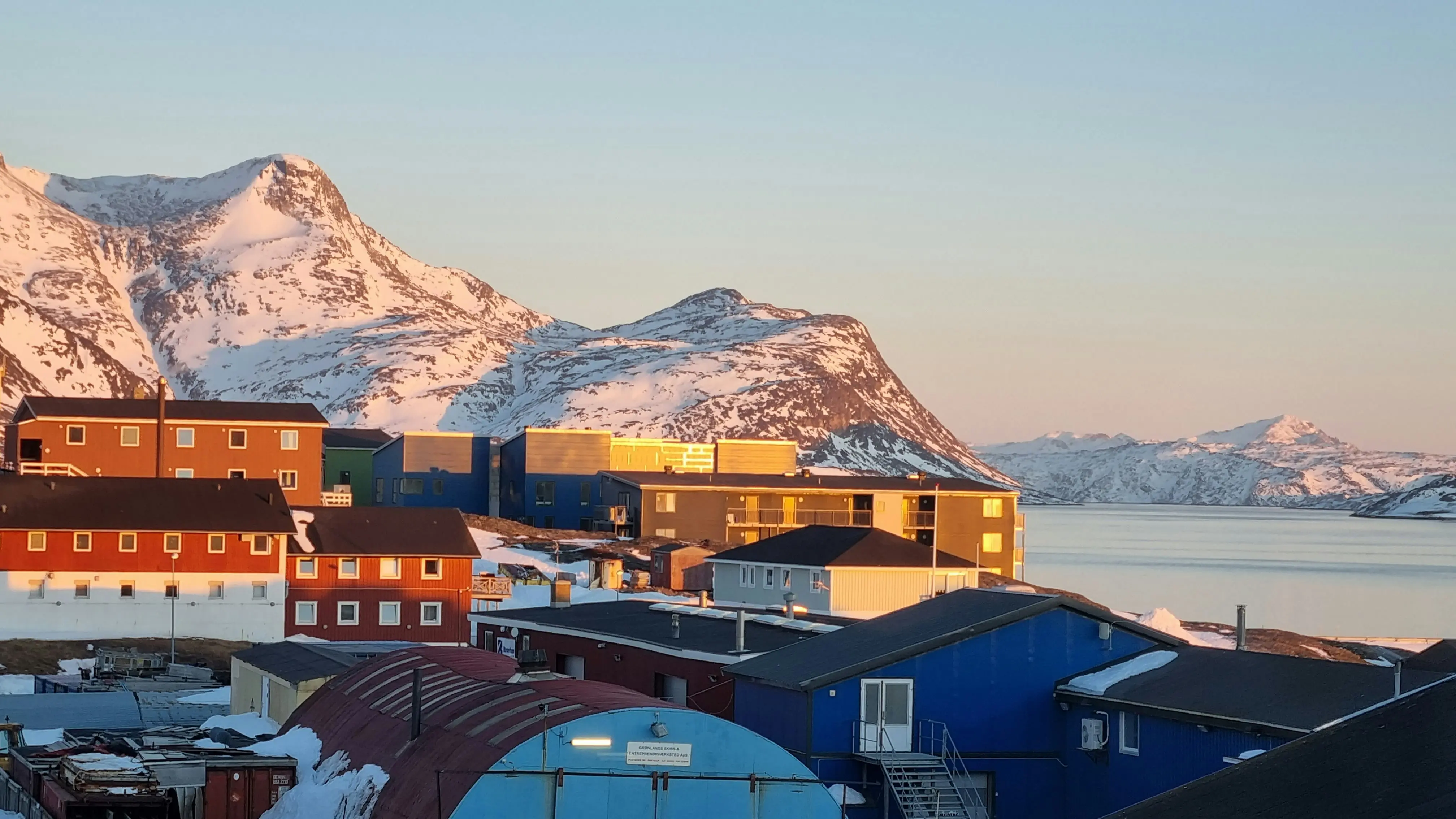
Nuclear contamination in Greenland
The cleanup operation cost $9.4 million in terms of today's economy and ended on September 13, 1968. A million gallons of radioactive waste were taken to the US. Around 90 per cent of the plutonium was ultimately scraped off the ice. Scientists raised concerns that the contamination was so bad that it could drift along Greenland's coast once the ice thawed.
)
)
)
)
)