A black moon is coming in August 2025, and it won’t happen again for years

While the black moon itself is invisible to the naked eye, its absence will create unusually dark skies, offering an ideal opportunity for deep-space observation.
A Rare Lunar Event on the Horizon
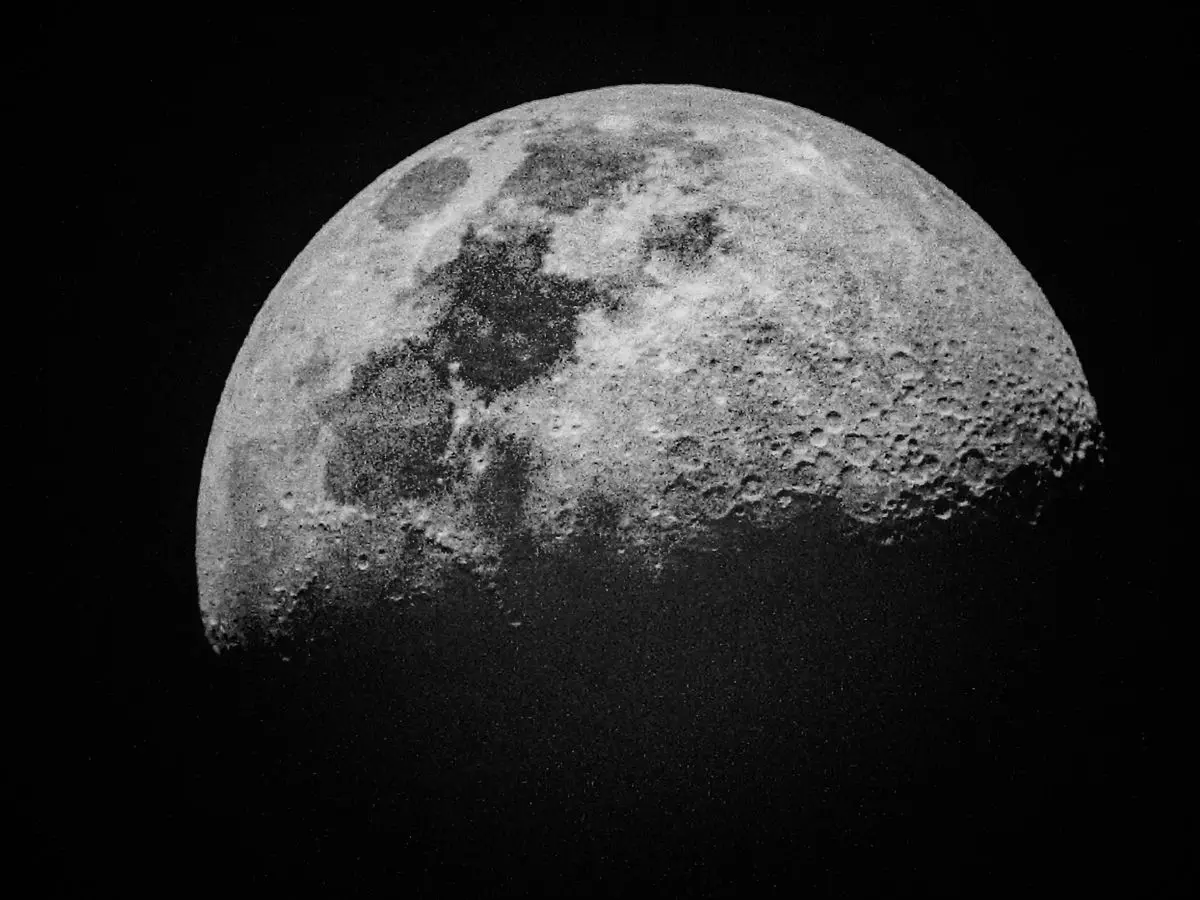
On 23 August 2025, the Moon will vanish completely from the night sky. This is not an eclipse, but a rare astronomical event known as a seasonal black moon, the fourth new moon to occur in a single astronomical season. It will be the only black moon of the year and the last seasonal one until 2027. While the black moon itself is invisible to the naked eye, its absence will create unusually dark skies, offering an ideal opportunity for deep-space observation.
What Makes a Black Moon Different
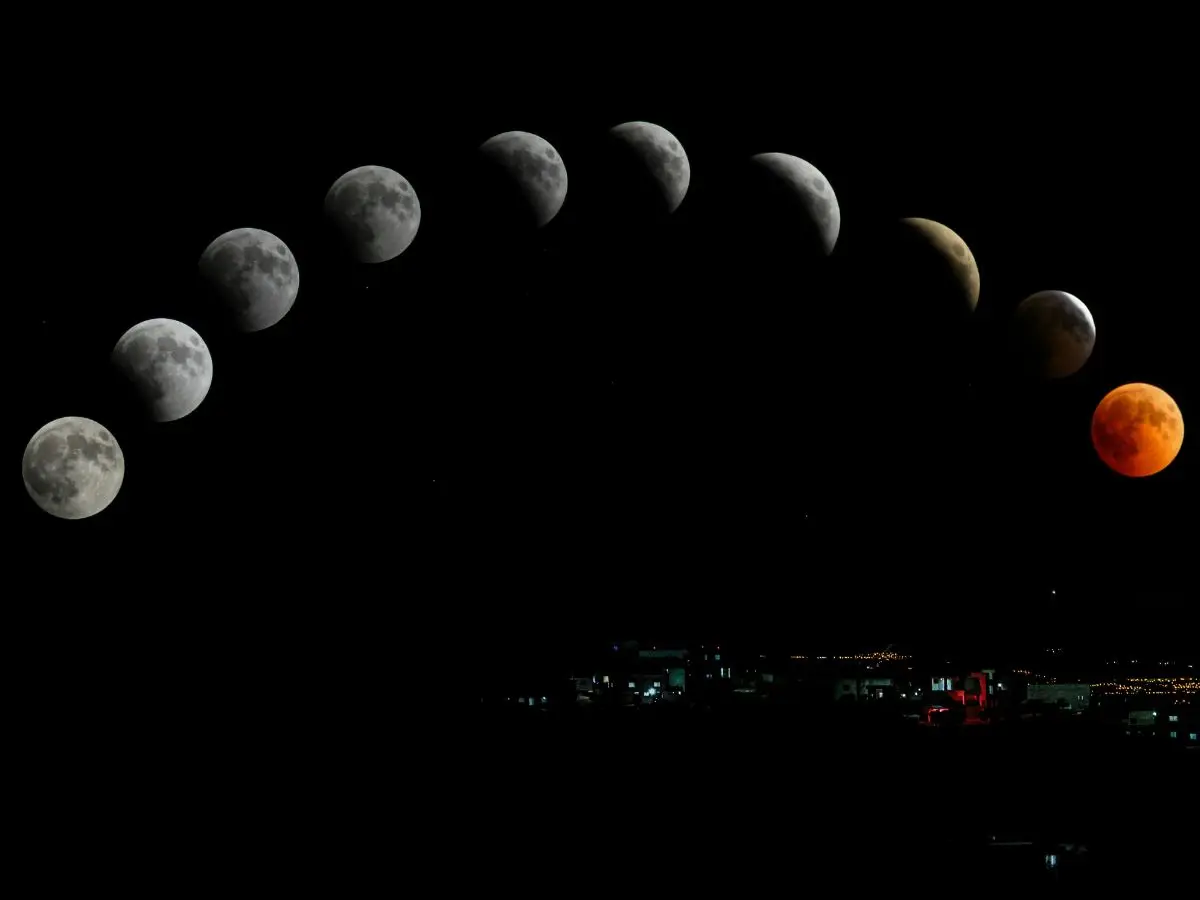
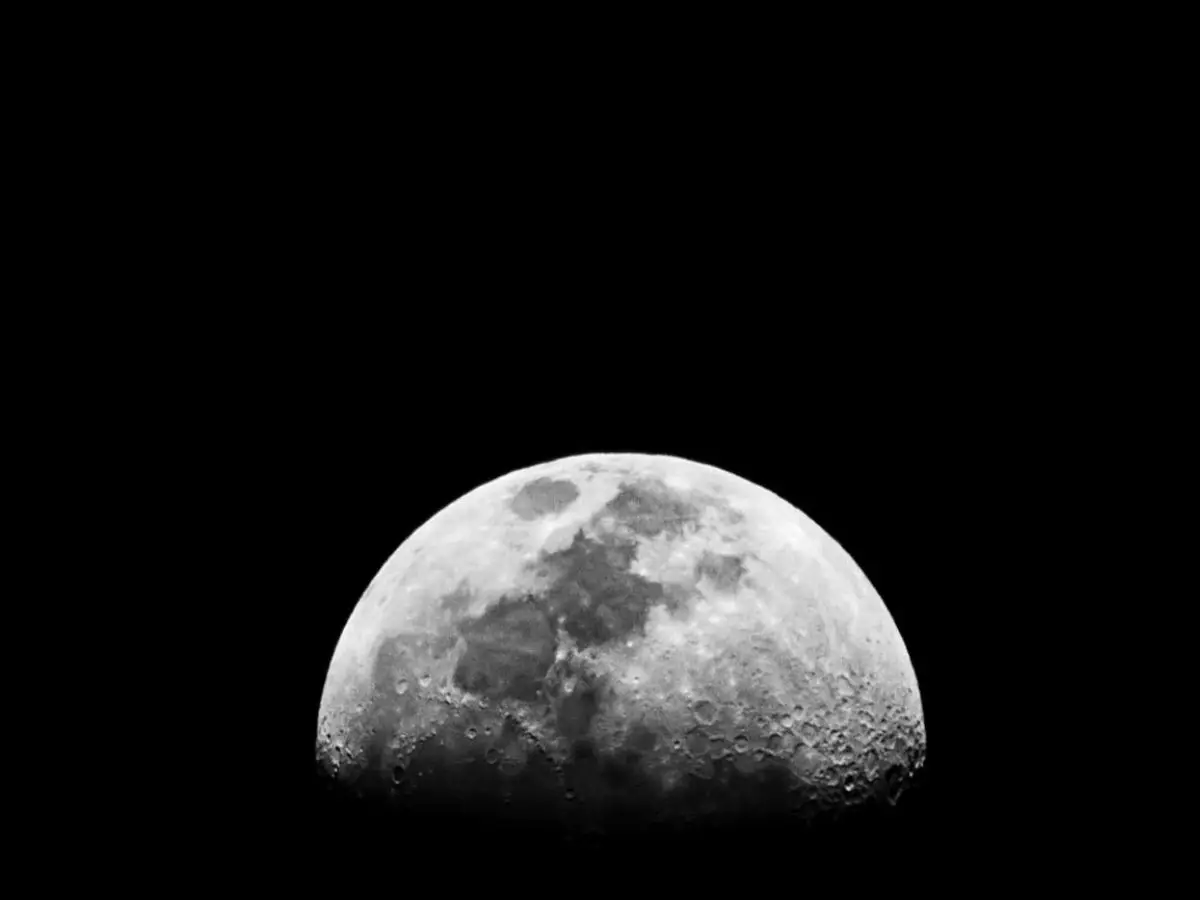
The Moon completes about 12.37 orbits of Earth each year. Most years see 12 new moons, but occasionally there are 13. When a season, defined as the period between a solstice and an equinox, contains four new moons, the fourth is called a black moon. The term, first used in astrological circles centuries ago to describe a mythical hidden moon, is now used by astronomers for this rare timing. Unlike the better-known blue moon, which occurs during the full moon phase, a black moon happens during the new moon phase, when the Moon is positioned between Earth and the Sun and its illuminated side faces away from us.
How Rare Are They?
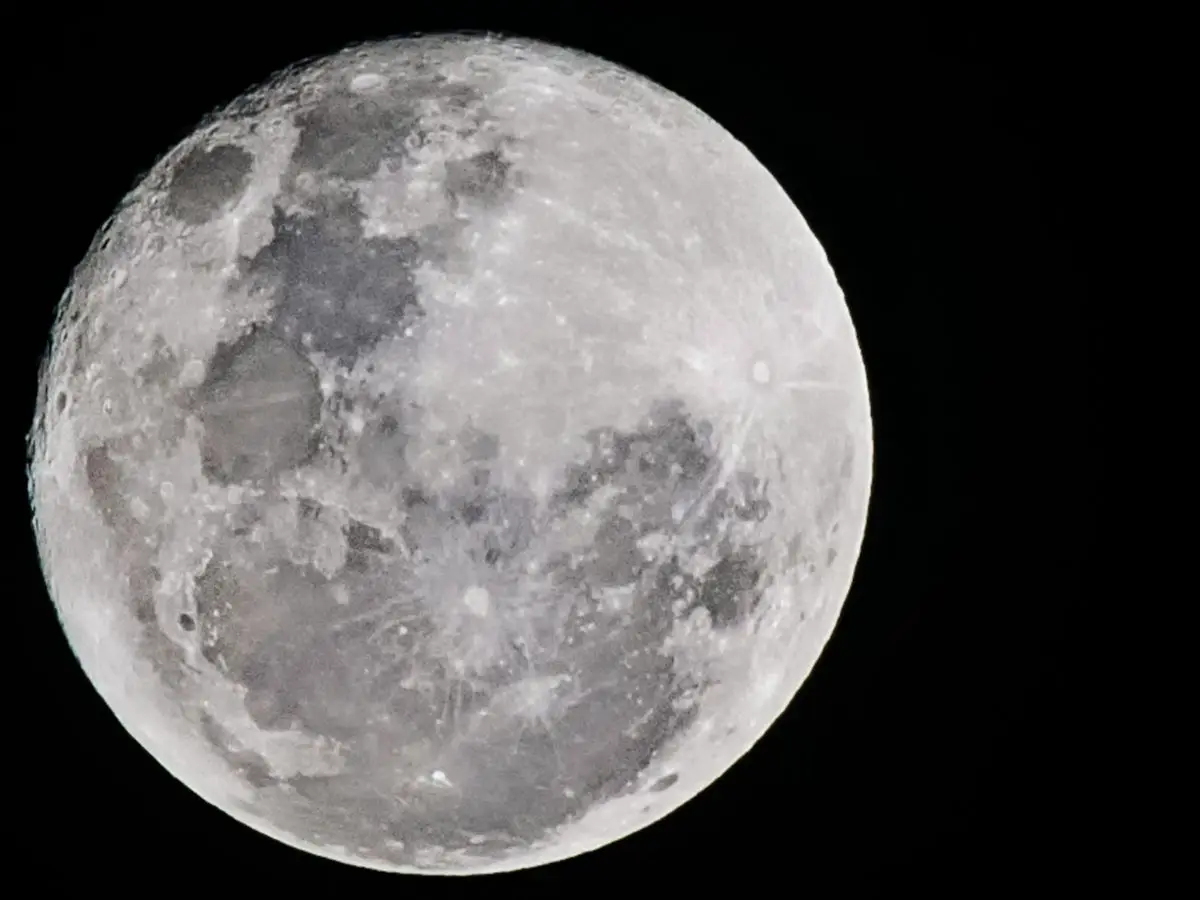
A black moon can occur in two ways: as a monthly black moon (the second new moon in a single month, happening roughly every 29 months) or as a seasonal black moon (every 33 months). The last black moon occurred only eight months ago in the monthly form. This year’s event is a seasonal one, and there will not be another of either type until August 2027 according to IFLScience.
Why Darkness Matters for Stargazing
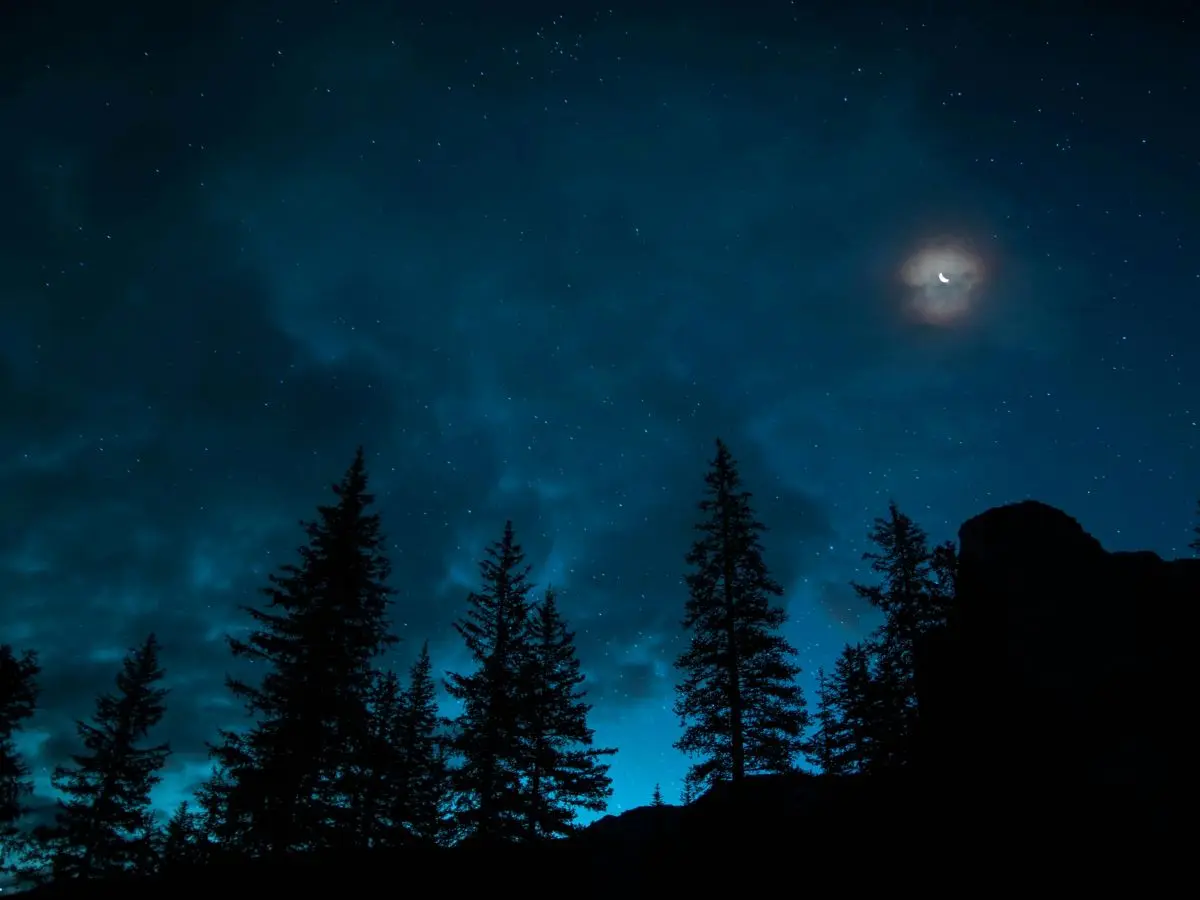
Although the black moon itself is invisible, its impact on the night sky is significant. Without the Moon’s glare, faint celestial objects normally washed out by moonlight become visible. Astronomers and astrophotographers can expect clearer views of the Milky Way, star clusters, and distant nebulae. This year’s event follows shortly after the peak of the Perseid meteor shower in mid-August, meaning darker skies could still enhance long-exposure photography and casual stargazing sessions.
Historical Parallels with the Blue Moon
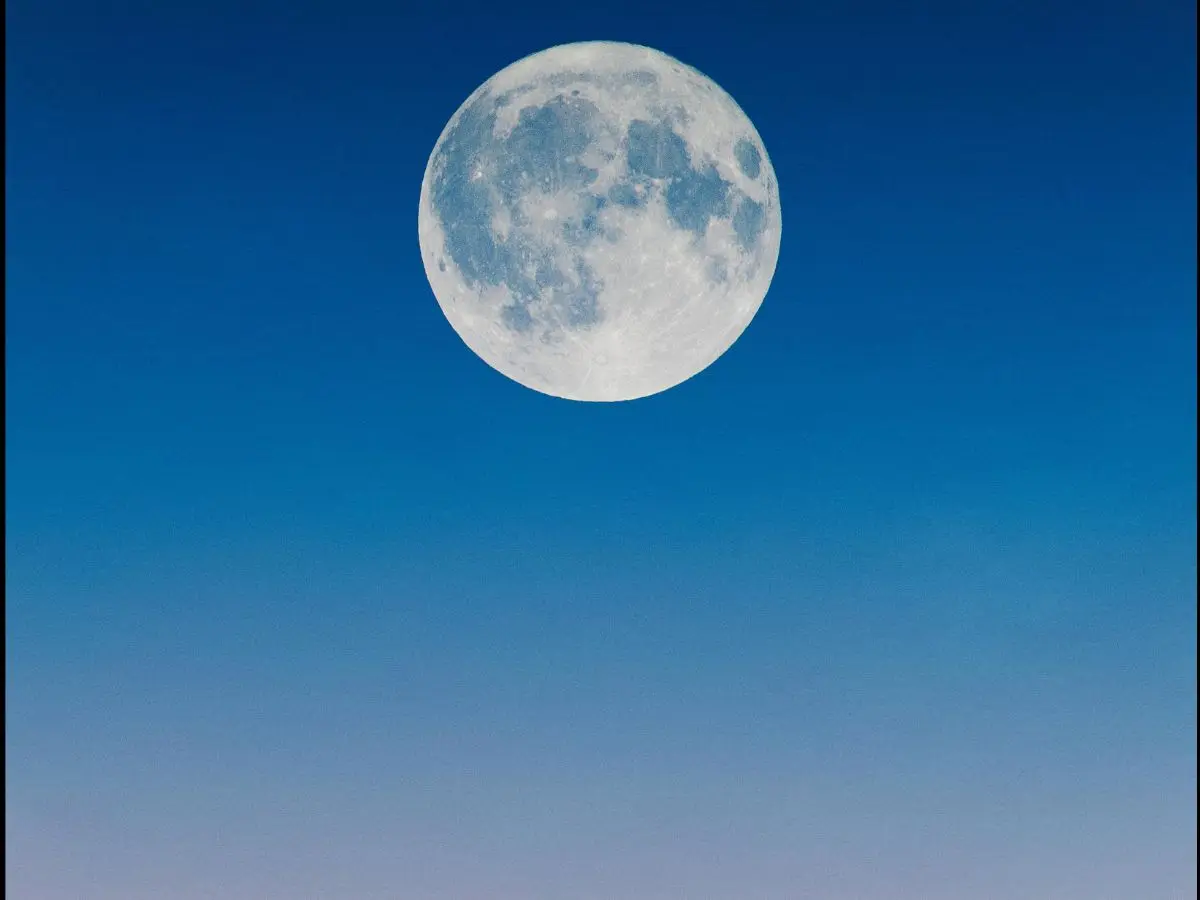
The concept of a black moon parallels that of a blue moon. In both cases, an 'extra' moon appears in the lunar calendar, a result of the mismatch between the lunar cycle and the solar year. The term 'once in a blue moon' reflects this rarity. Similarly, black moons are uncommon enough to hold special interest for both astronomers and the public.
What’s Next in the Lunar Calendar
Those who miss the 23 August black moon will have other opportunities for rare lunar events. The next seasonal black moon will occur on 20 August 2028 and will coincide with a supermoon. A monthly black moon is expected on 31 August 2027. In contrast, the next blue moon, the second full moon in a calendar month, will occur on 31 May 2026, followed by a seasonal blue moon on 20 May 2027.
A Sky Worth Watching
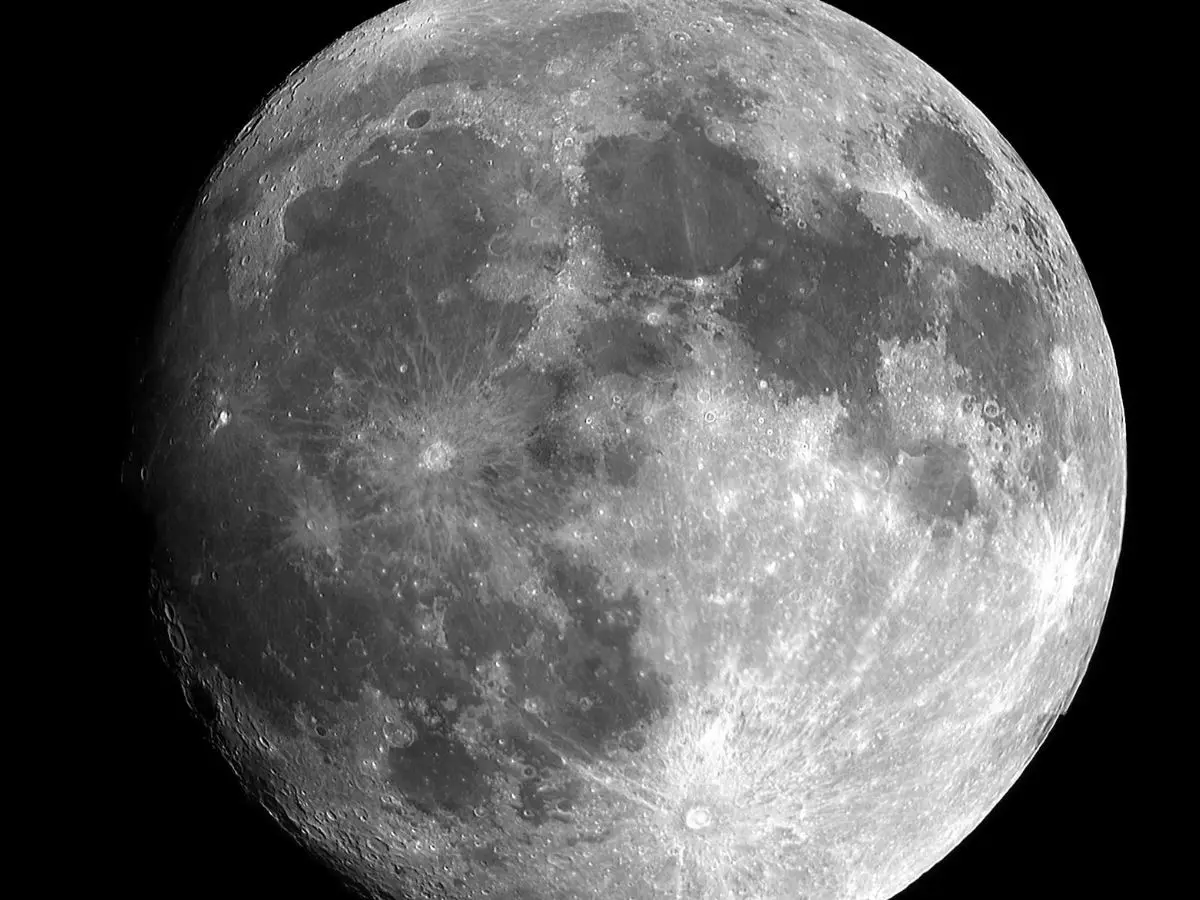
Whether it is the darkness of a black moon or the brightness of a blue moon, these rare lunar events highlight the interplay of celestial cycles. The 2025 seasonal black moon may be invisible, but it will transform the night sky into a prime viewing canvas for anyone willing to look up and explore the universe.
)
)
)
)
)