A 100,000-tonne beast: How the USS Abraham Lincoln still moves at 30 knots while fully loaded

Powered by two nuclear reactors and 260,000 horsepower, the 100,000-tonne USS Abraham Lincoln uses massive 30-tonne propellers to sustain 30-knot speeds, enabling rapid global deployment.
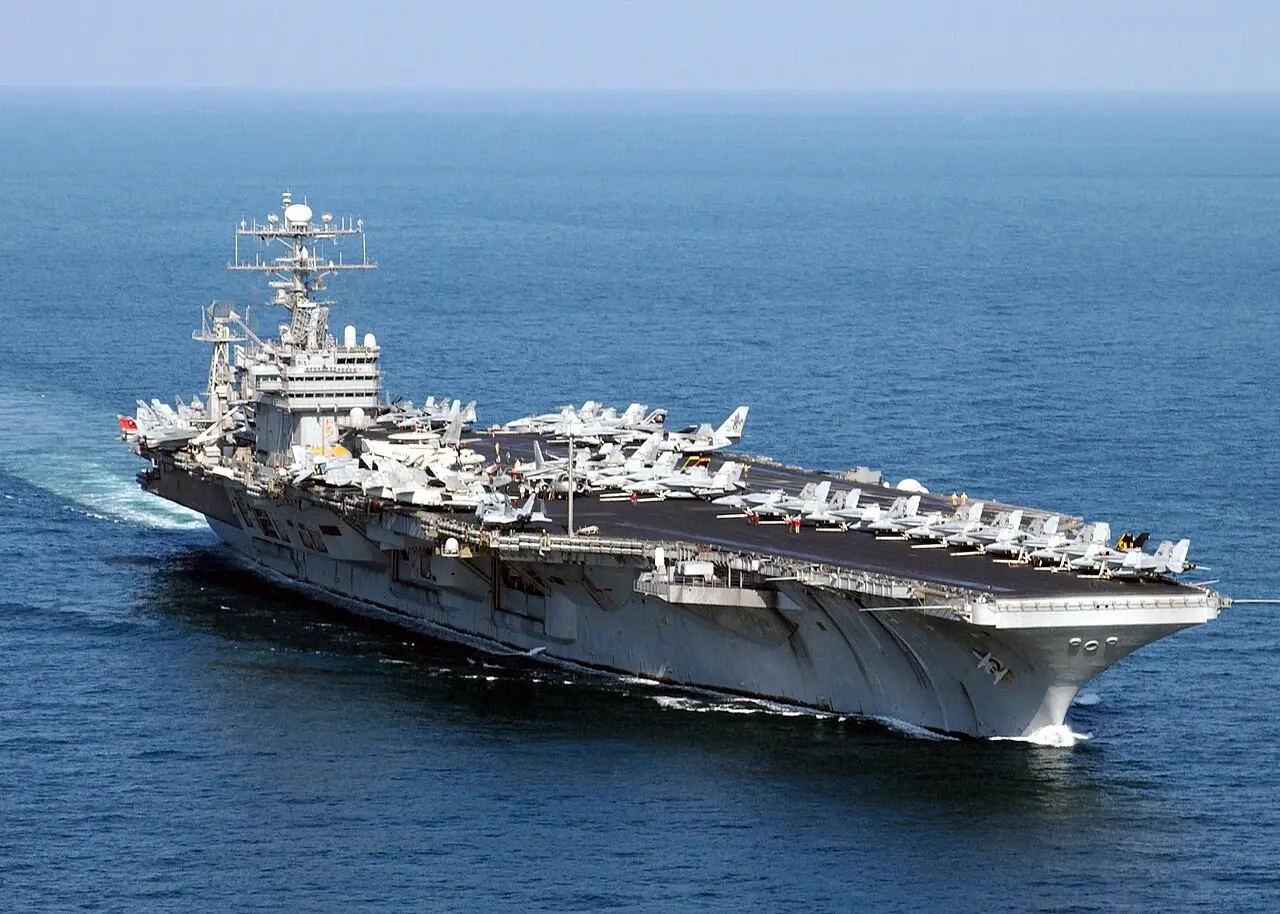
100,000-Tonne City At Sea
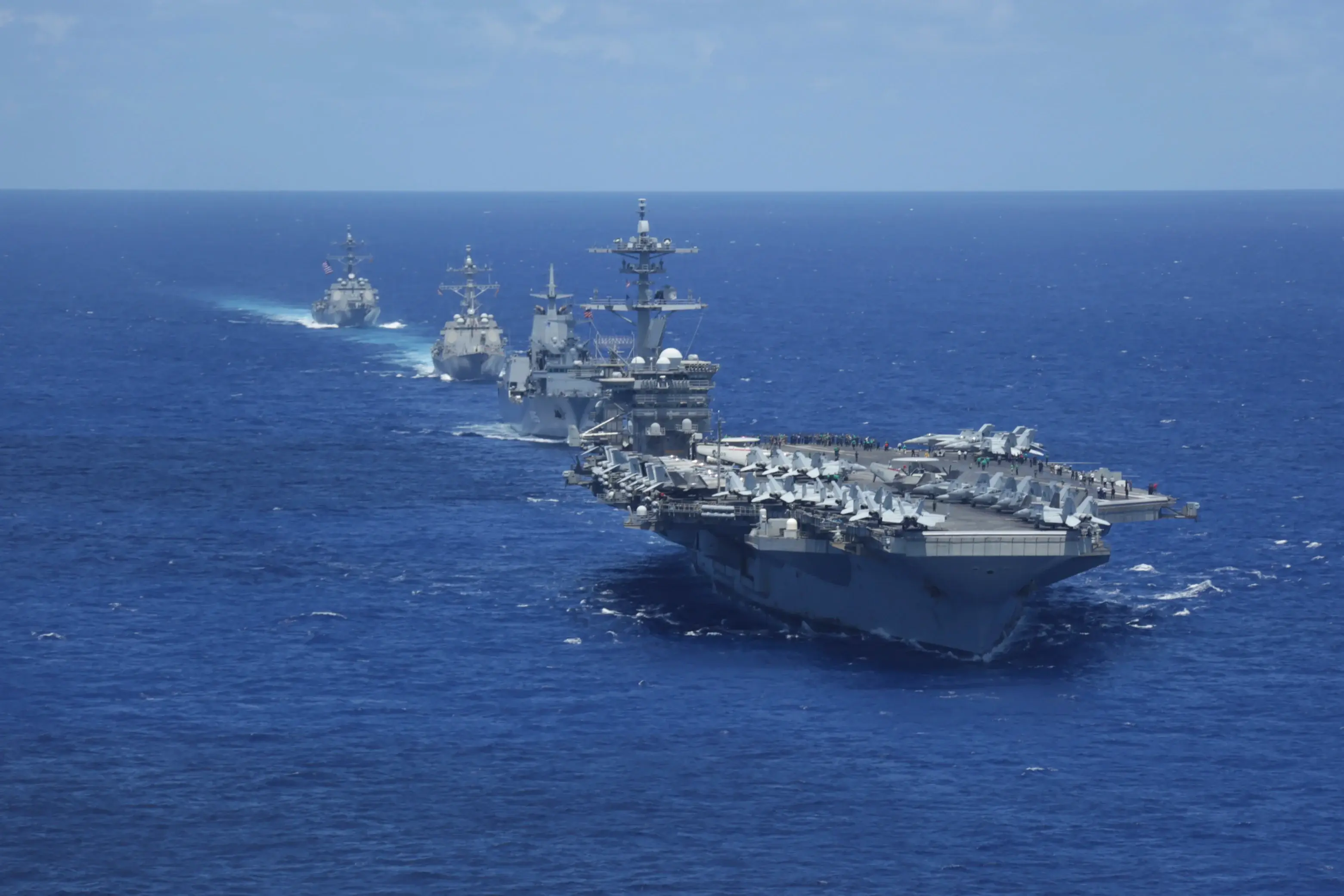
The USS Abraham Lincoln displaces over 100,000 tonnes when fully loaded. Despite carrying nearly 90 aircraft, millions of gallons of aviation fuel, and heavy munitions, the massive 332.8-metre warship can glide through the ocean at remarkable speeds.
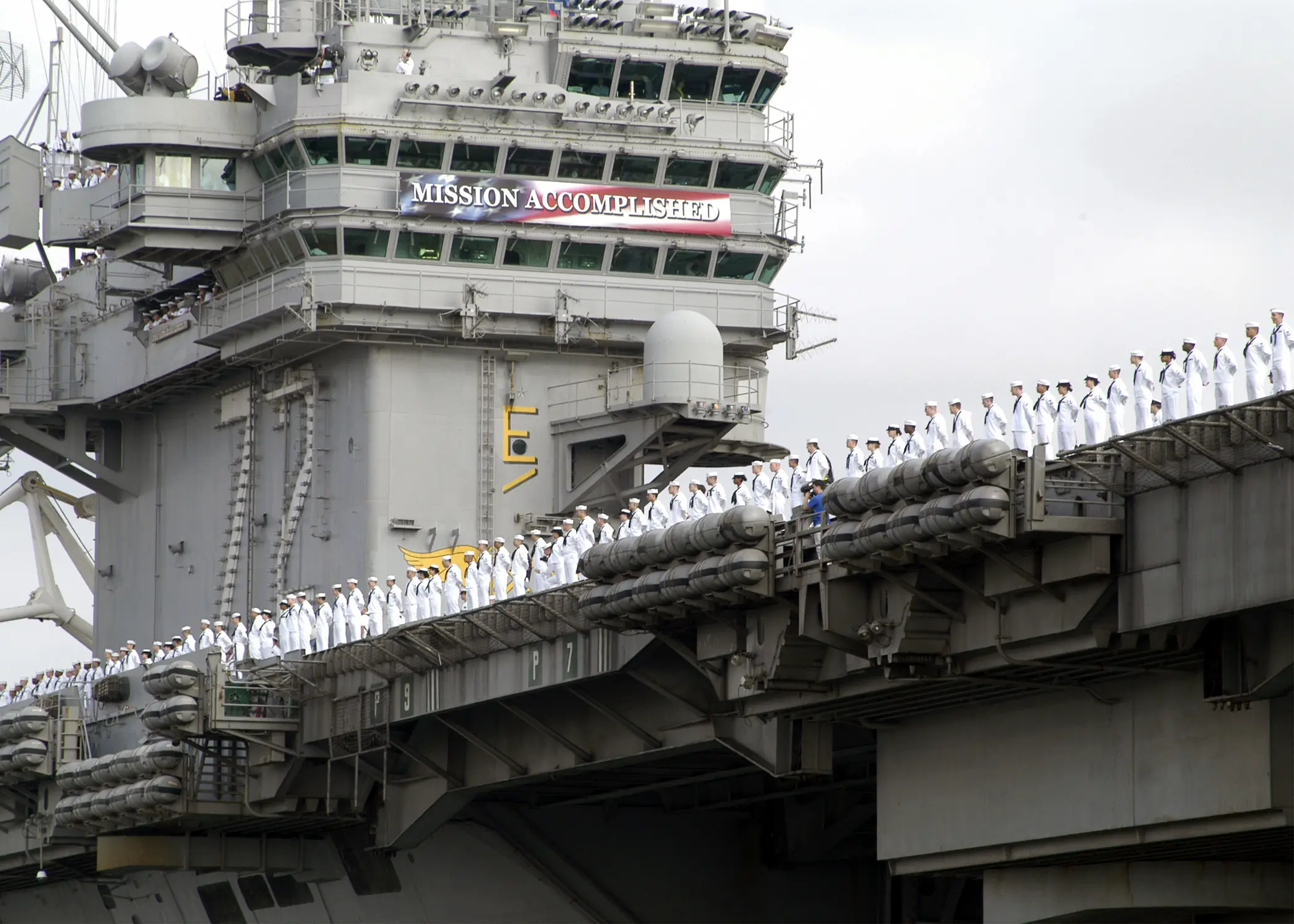
Powered by Two Nuclear Reactors
At the heart of the carrier sit two Westinghouse A4W nuclear reactors. These reactors heat water to generate highly pressurised steam. This nuclear propulsion allows the ship to operate for 20 to 25 years without ever needing to refuel its own engines.
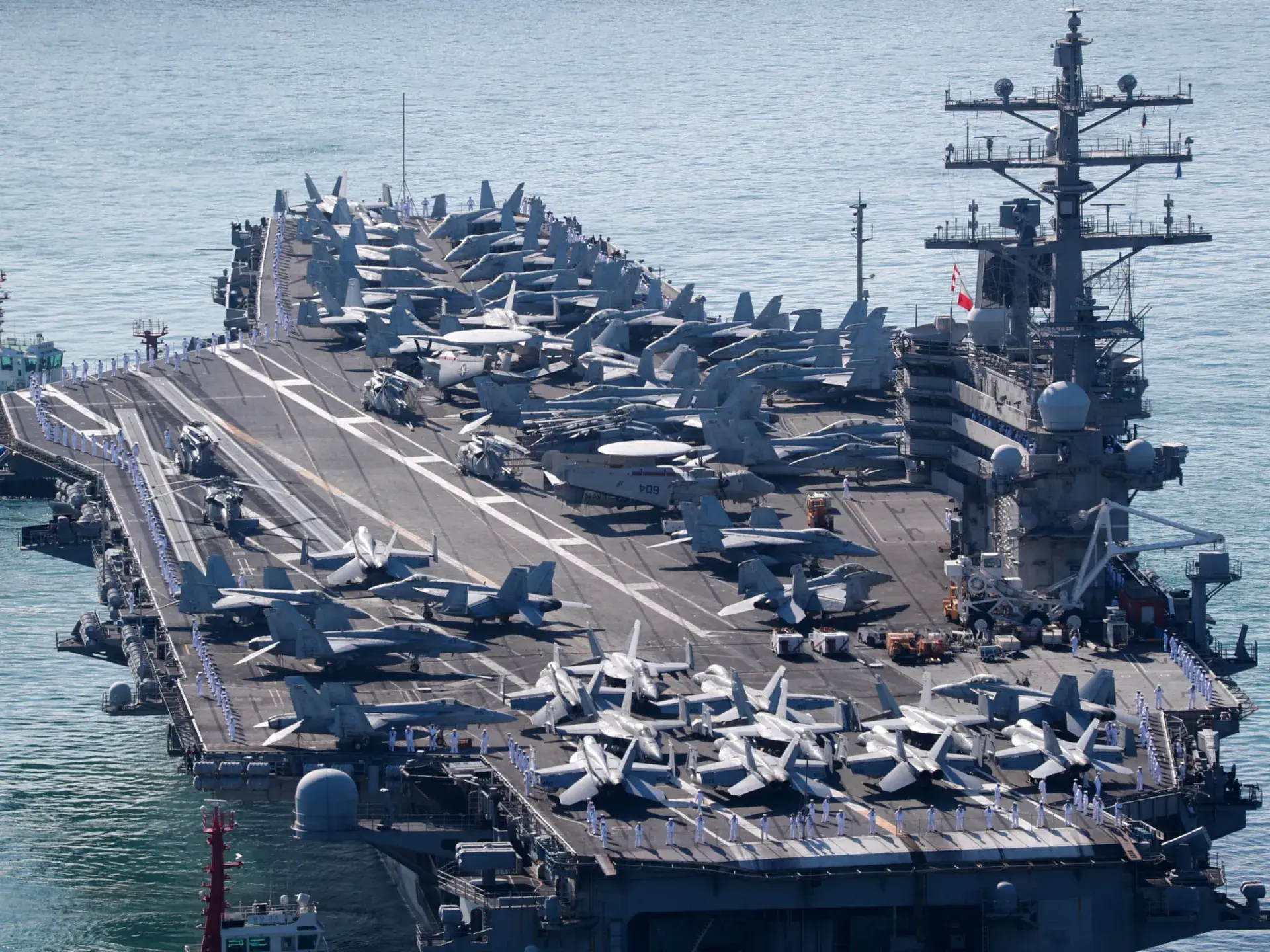
260,000 Shaft Horsepower Output
The steam generated by the reactors drives four massive turbines. These turbines produce an astonishing 260,000 shaft horsepower, which equals roughly 194 megawatts of mechanical energy. This immense rotational force is directly responsible for pushing the steel beast through heavy seas.
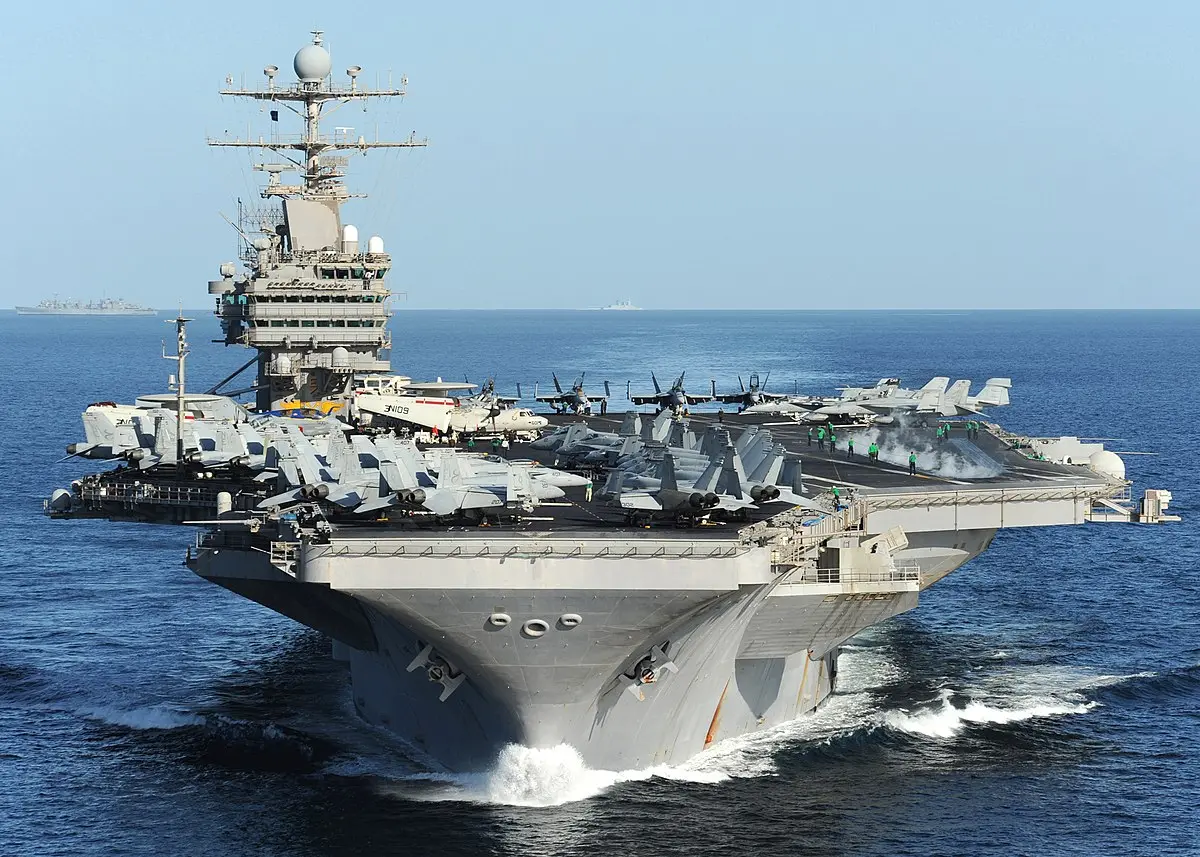
The steam generated by the reactors drives four massive turbines. These turbines produce an astonishing 260,000 shaft ho
To convert engine power into movement, the ship relies on four five-bladed bronze propellers. Each propeller measures up to 25 feet in diameter and weighs a staggering 30 tonnes. They spin relentlessly to translate the 260,000 horsepower into forward thrust.

Cruising Fast at 30+ Knots
Thanks to its massive power output, the USS Abraham Lincoln easily exceeds speeds of 30 knots, or roughly 56 kilometres per hour. This rapid pace allows the carrier to outrun many smaller naval vessels and commercial ships. Its high speed makes it highly agile during global deployments.
Wind Over the Flight Deck
Maintaining 30 knots is not just for travel; it is vital for aviation operations. By driving at top speed into the wind, the carrier generates artificial wind over the deck. This extra lift is strictly necessary to launch fully loaded fighter jets using steam catapults.

Carrying 5,600 Crew Members
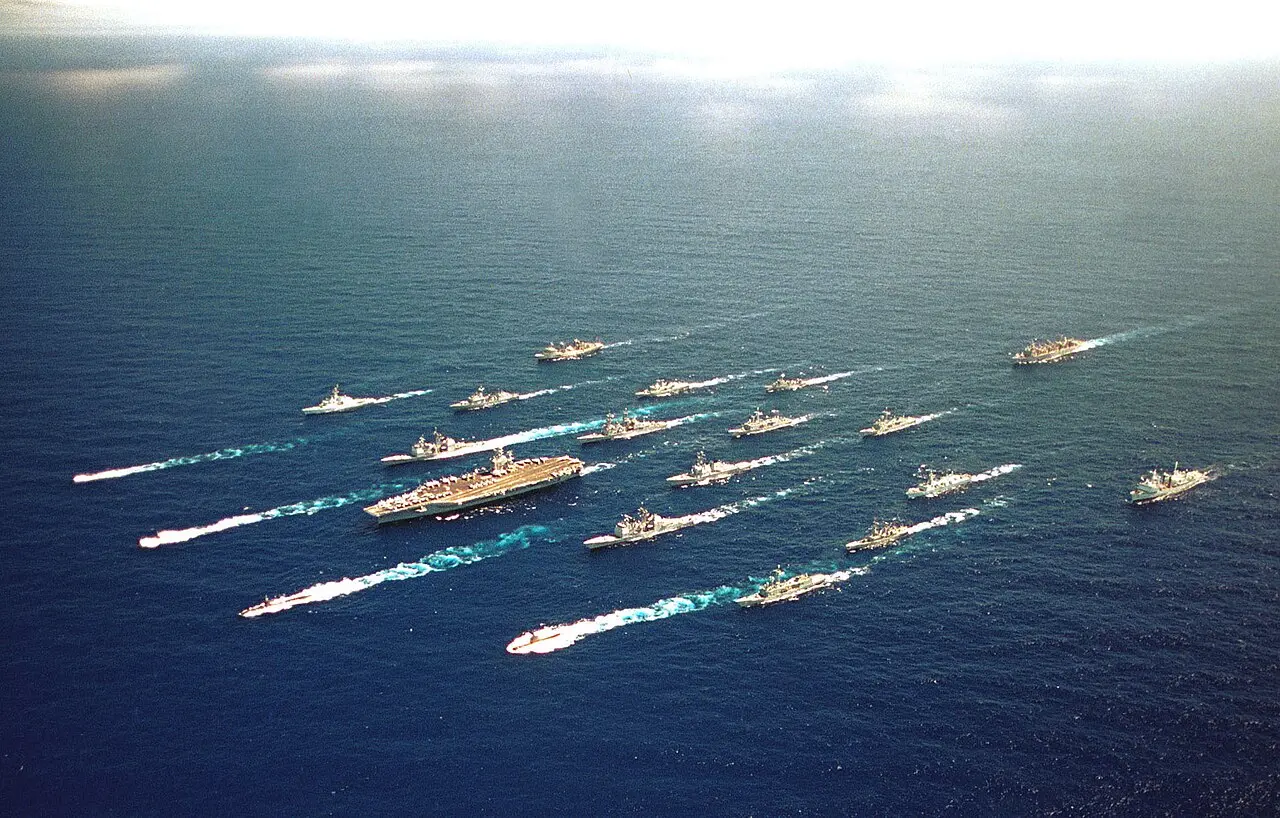
The ship maintains its high-speed manoeuvres while acting as a floating home to roughly 5,600 personnel. This includes about 3,200 Navy sailors who operate the ship and another 2,480 air wing crew members. Moving this many people at 30 knots requires immense structural stability.
Hydrodynamic Steel Hull Design
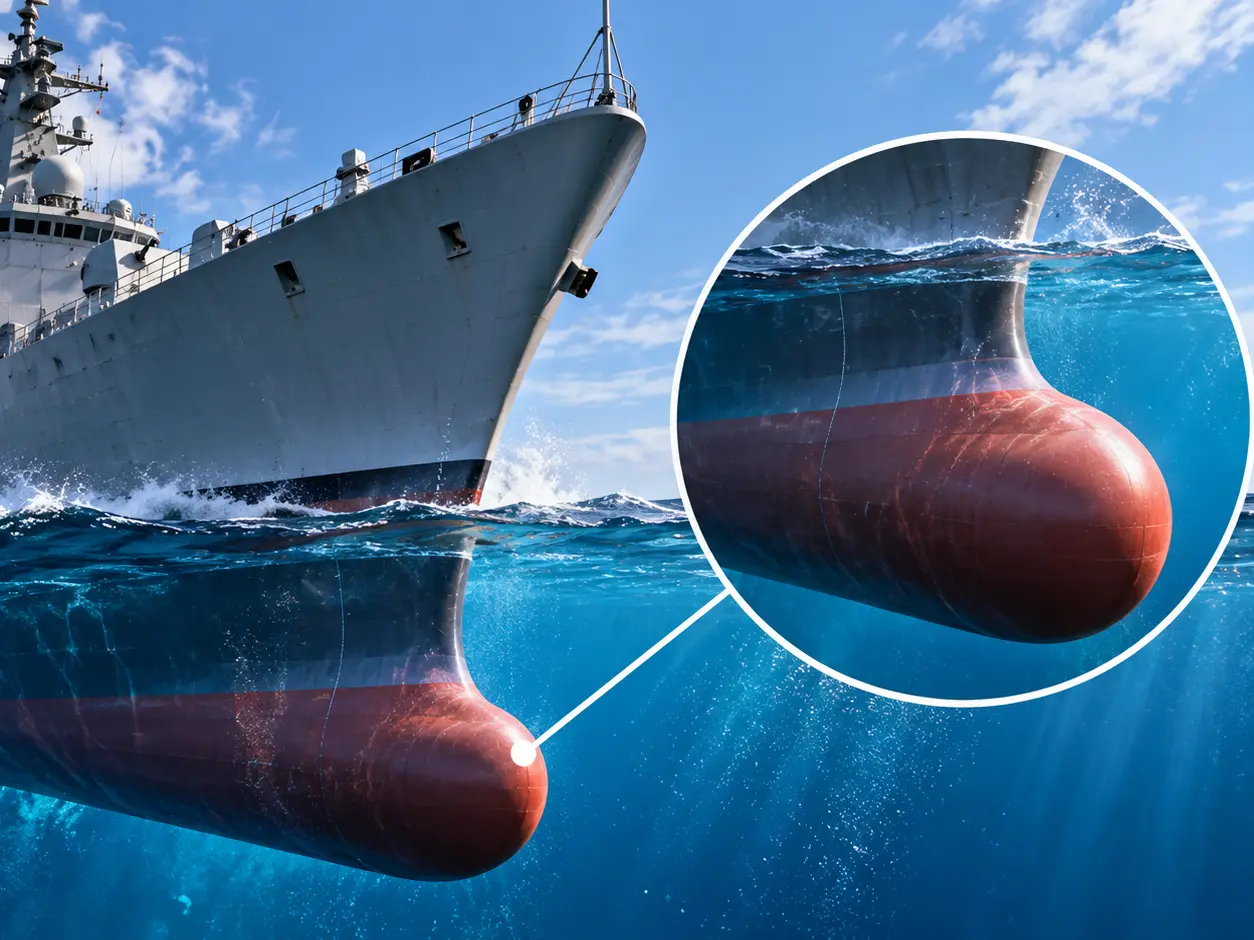
Pushing 100,000 tonnes of steel requires more than just brute force. The carrier features a highly specialised, hydrodynamic hull that effectively slices through the waves. This reduces water resistance by a large per cent. It allows the heavy vessel to maximise its 30-knot speed efficiently.
Storing 3,000,000 Gallons Fuel
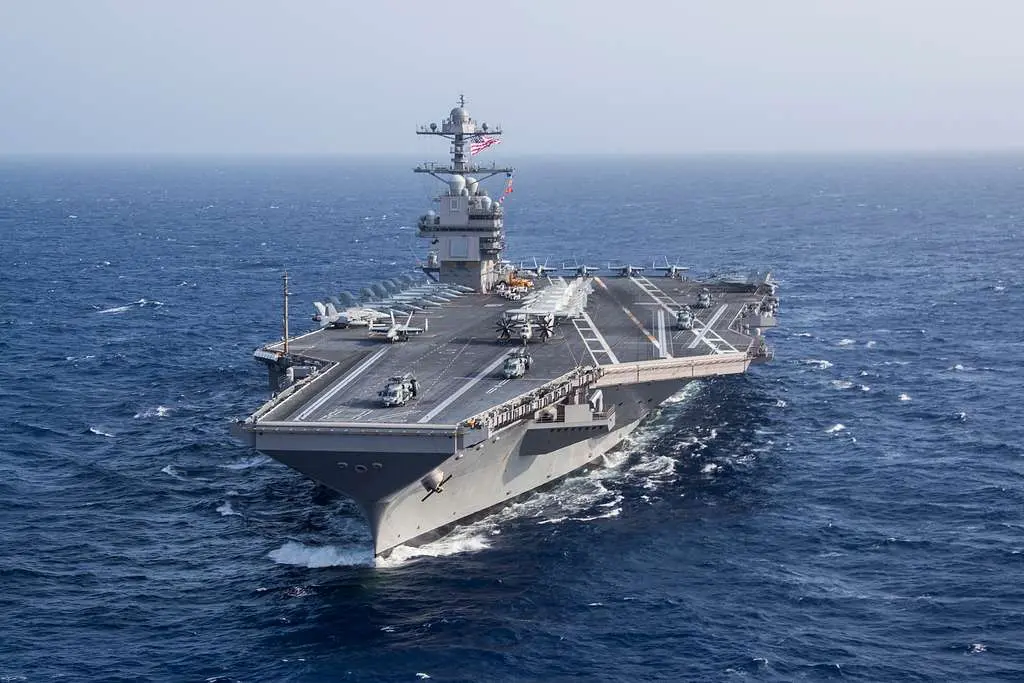
While the ship runs on nuclear power, it must carry conventional fuel for its aircraft. The vessel holds roughly 3,000,000 gallons of jet fuel. Even with this immense liquid weight shifting within its hull, the carrier's deep weighted keel ensures perfect stability. It remains completely balanced at top speeds.
Unlimited Range, Constant Speed
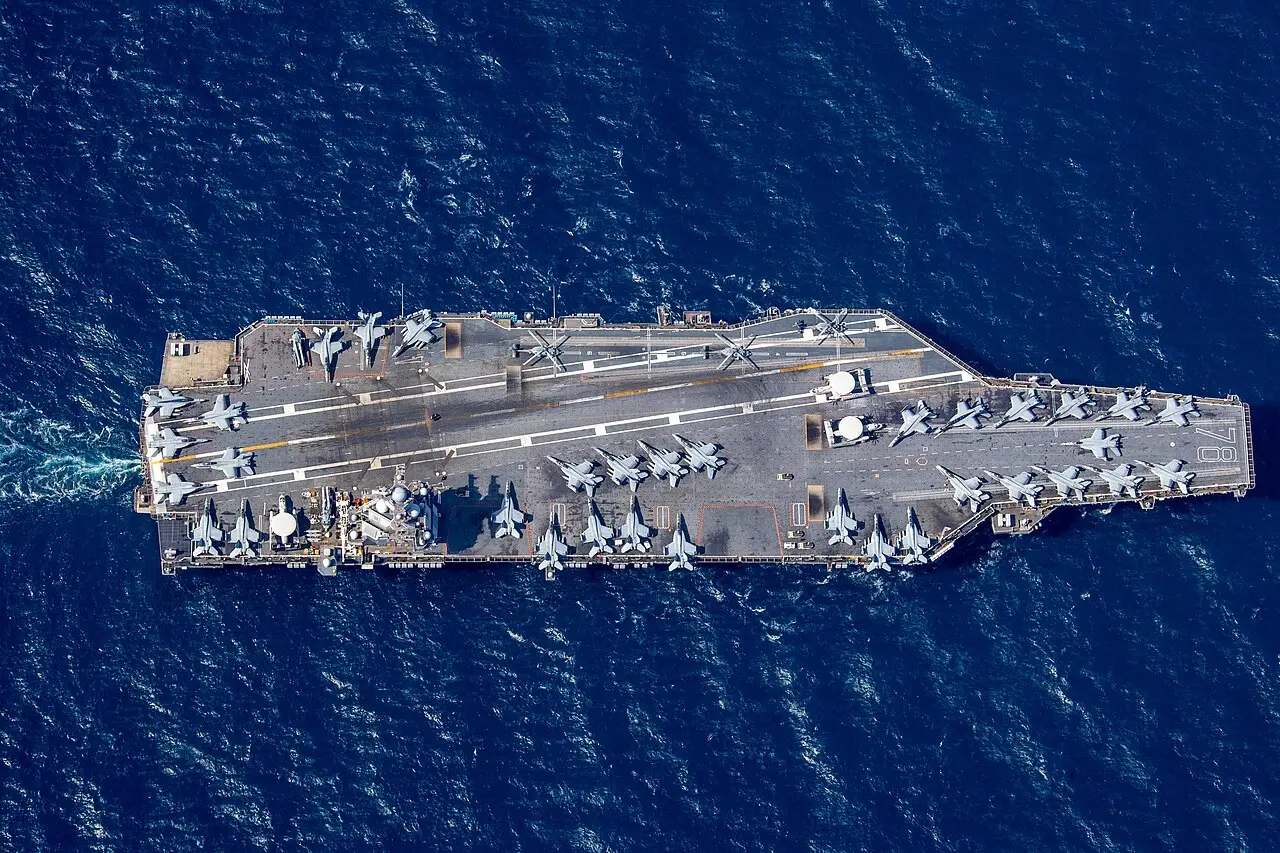
The true tactical advantage of the USS Abraham Lincoln is its combination of speed and endurance. Because its reactors provide virtually unlimited range, it can sustain a 30-knot sprint across oceans for days or weeks. This allows the US Navy to deploy rapid power projection anywhere on Earth.
)
)
)
)
)