9 ways F-35 sale to Saudi Arabia could shift military dynamics in the Middle East

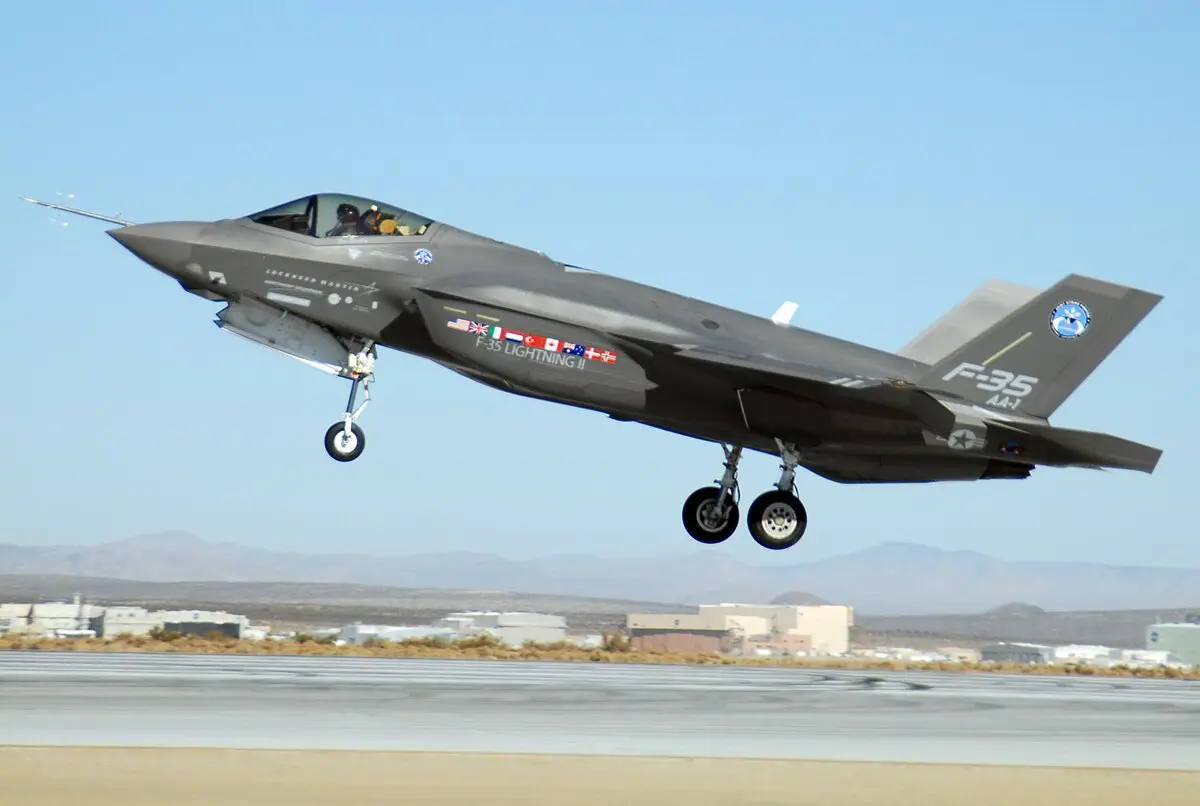
If the US approves the sale of F-35 jets to Saudi Arabia, it would mark the first time a Gulf nation receives fifth-generation American stealth aircraft. Here are nine factual ways this deal could influence military calculations in the region.
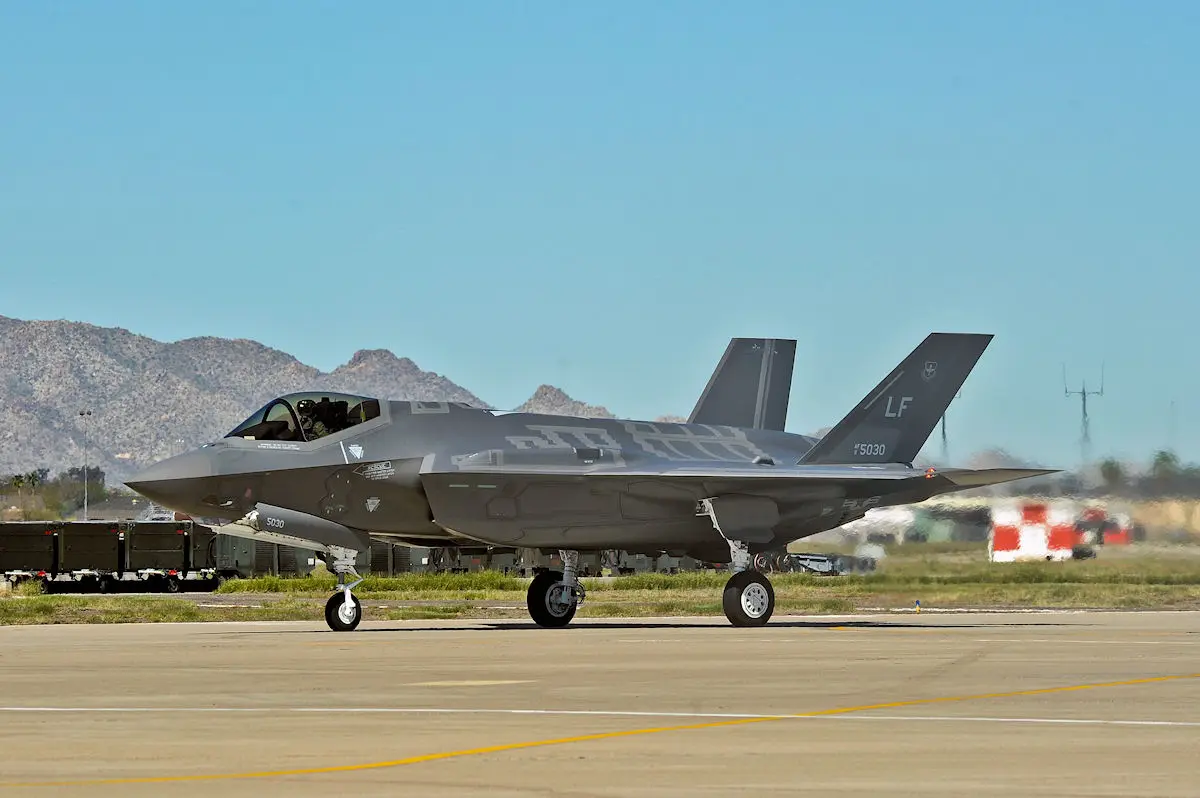
1. Saudi Arabia Would Join the Small Group of F-35 Operators
Saudi Arabia would become part of the limited set of countries cleared to operate the F-35, which includes Israel, the US, and select NATO allies. This could elevate Riyadh’s standing in regional defence partnerships and joint exercises across the Gulf.
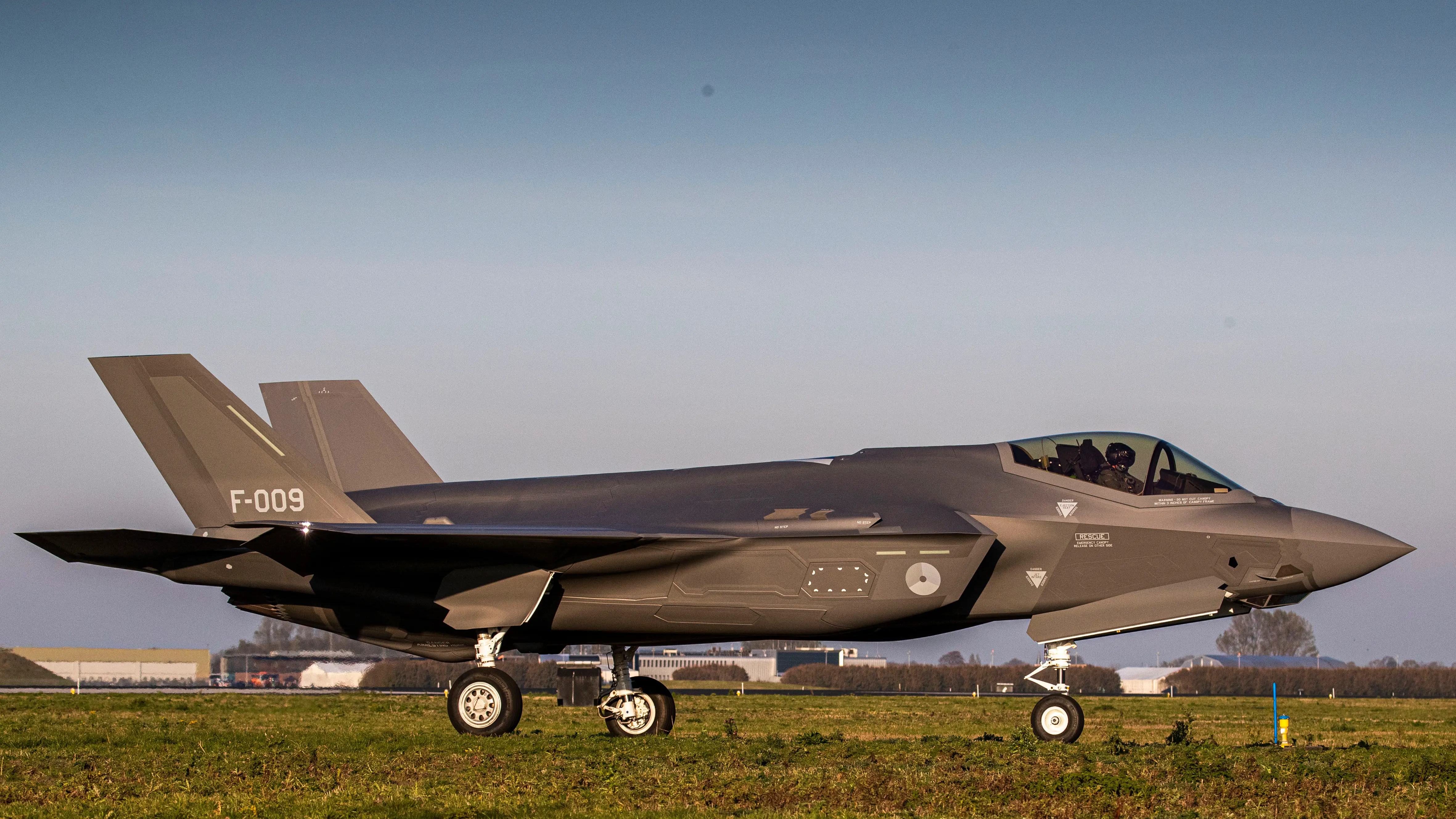
2. A Stealth Capability Gap Could Narrow in the Region
Israel currently operates the region’s only fifth-generation aircraft (the F-35I Adir). A Saudi acquisition would reduce Israel’s exclusive stealth advantage, although the U.S. maintains Israel’s Qualitative Military Edge (QME) through export controls and tailored configurations.
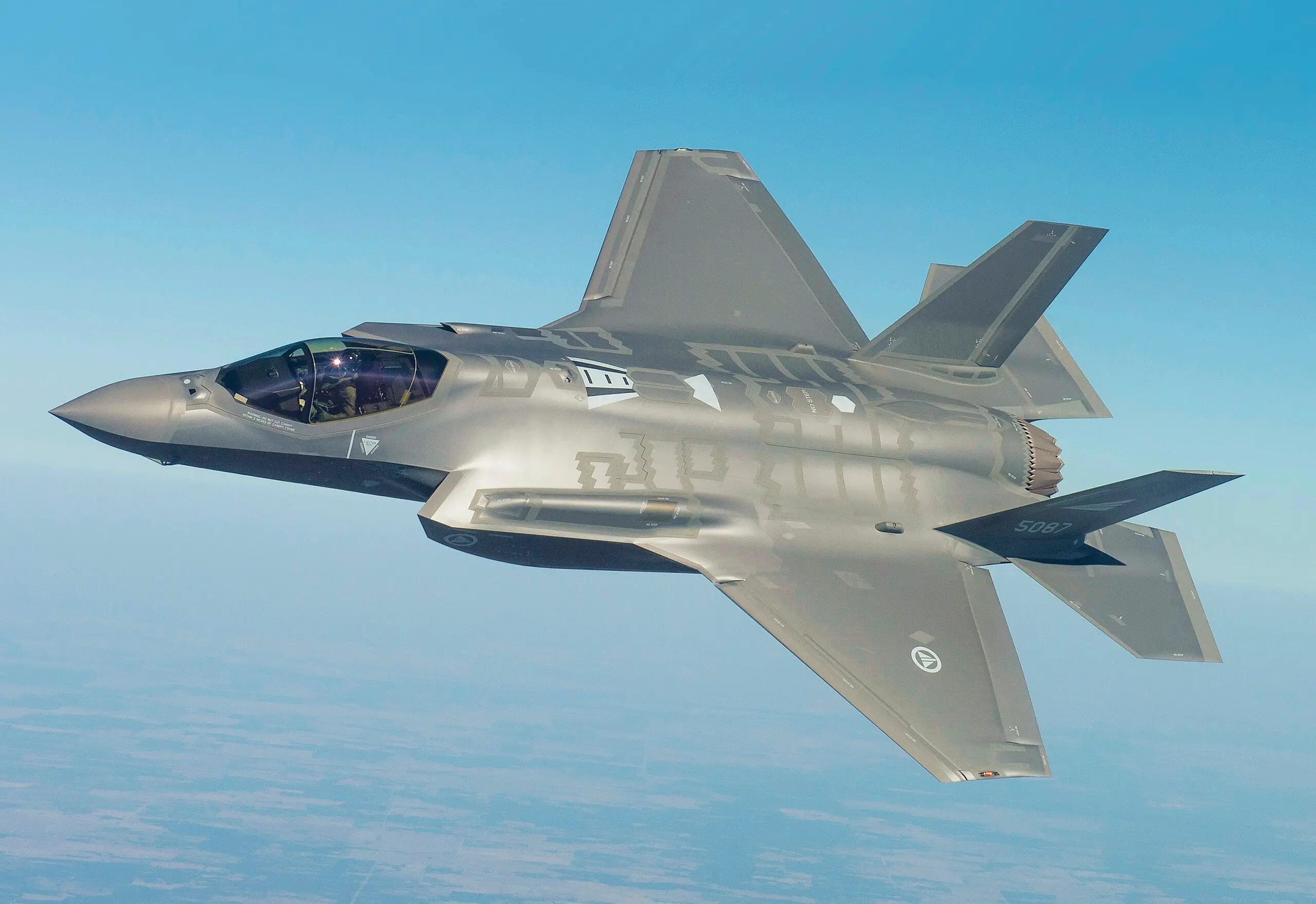
3. Enhanced Surveillance and Early-Strike Capability
The F-35’s sensor fusion, data links, and long-range targeting capabilities would significantly expand Saudi Arabia’s ability to monitor cross-border activity, maritime routes, and long-range threats, especially compared with its current F-15 and Eurofighter fleets.
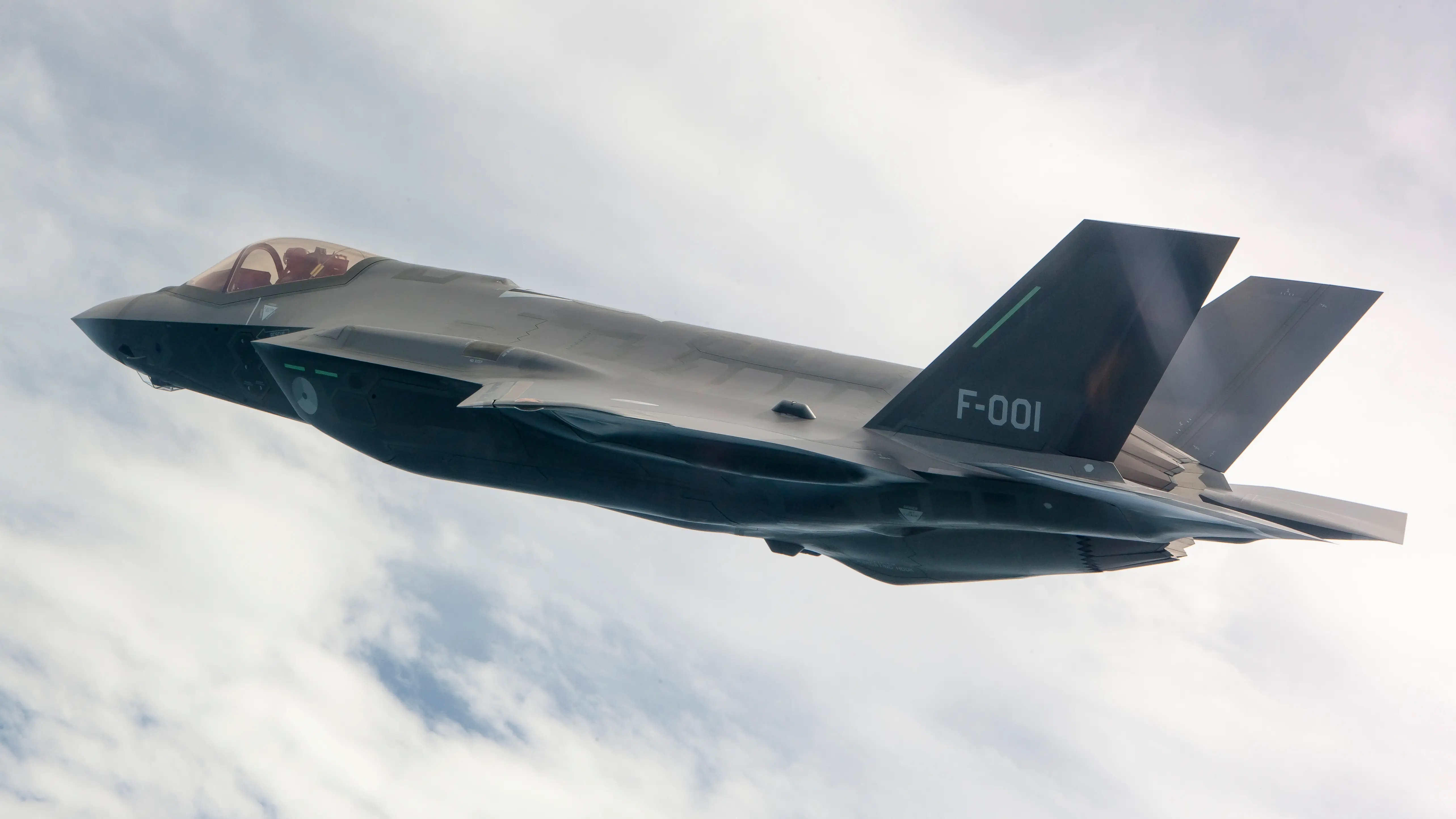
4. Greater Interoperability With U.S. and Gulf Partners
The F-35 would strengthen interoperability between Saudi Arabia and US forces during joint operations. It could also increase alignment with other Gulf Cooperation Council states that operate U.S. equipment, improving coordinated air missions and defensive planning.
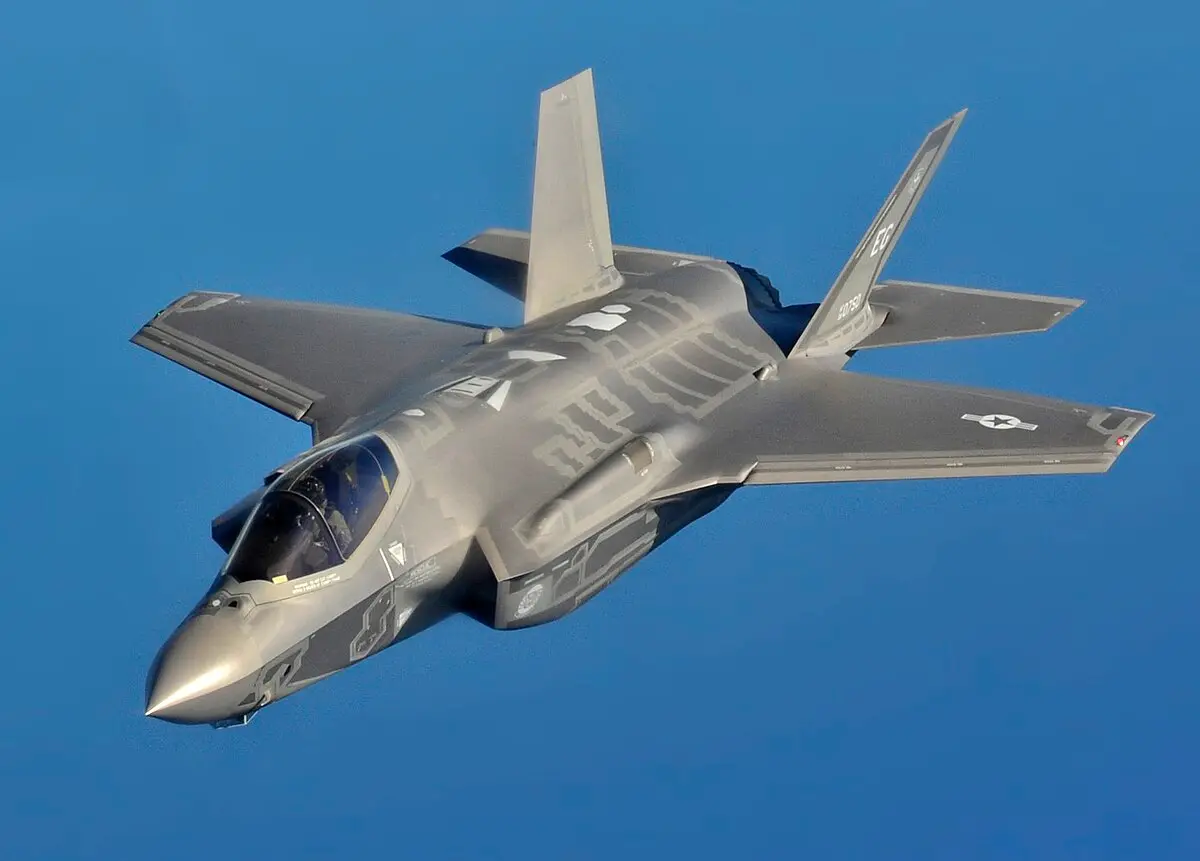
5. Potential Impact on Iran–Gulf Military Dynamics
The introduction of stealth fighters in Saudi Arabia could influence Iran’s air-defence posture. Iran does not operate fifth-generation aircraft and relies on a mix of older jets and ground-based systems, so Riyadh’s upgraded fleet could shift risk assessments in Tehran.
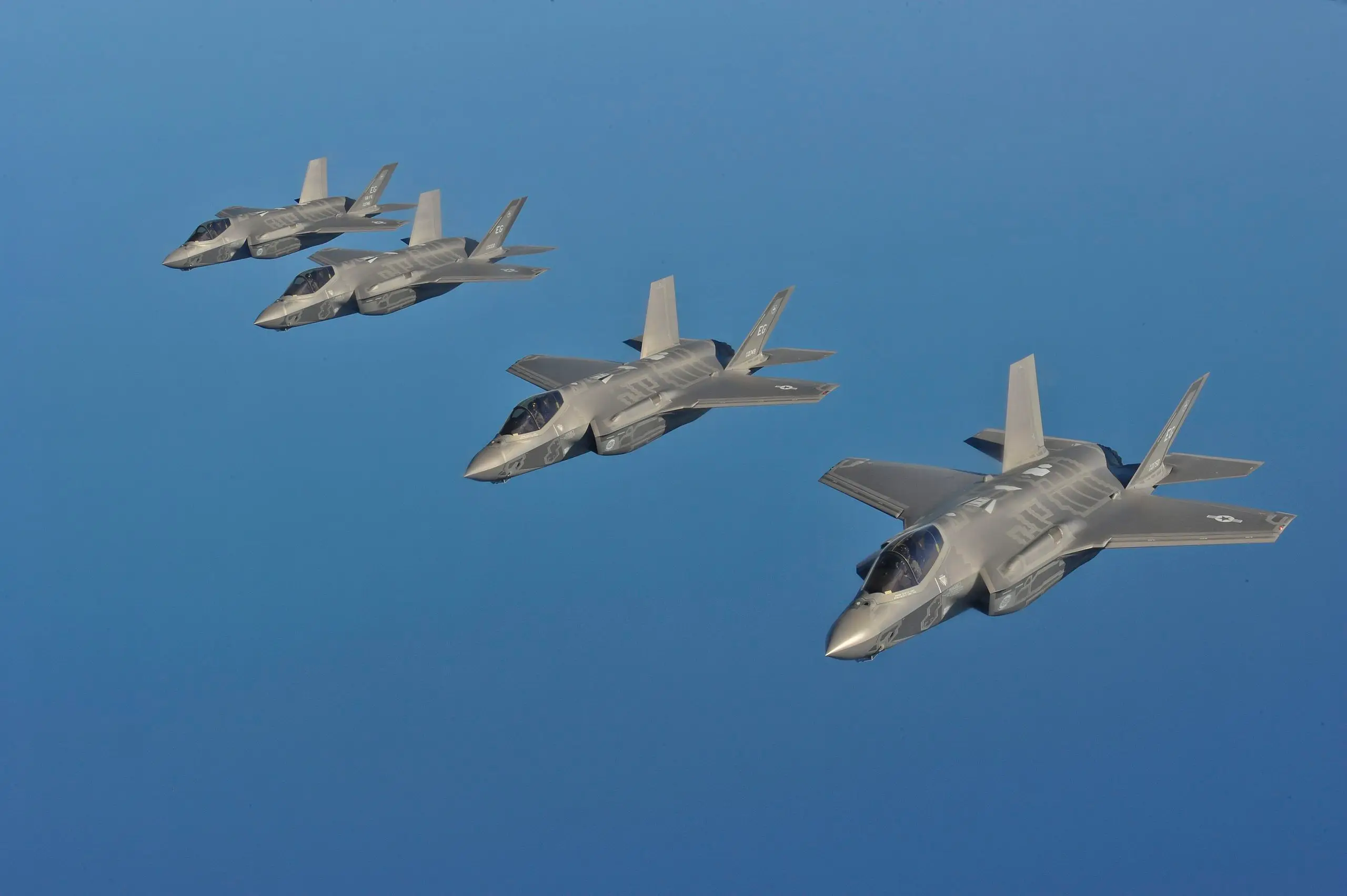
6. Pressure on Other Gulf States to Modernise
A Saudi F-35 acquisition could push neighbouring Gulf states, such as the UAE and Qatar, to pursue additional advanced aircraft or accelerate their own modernization programs. Regional airpower competition tends to move in cycles when new platforms appear.
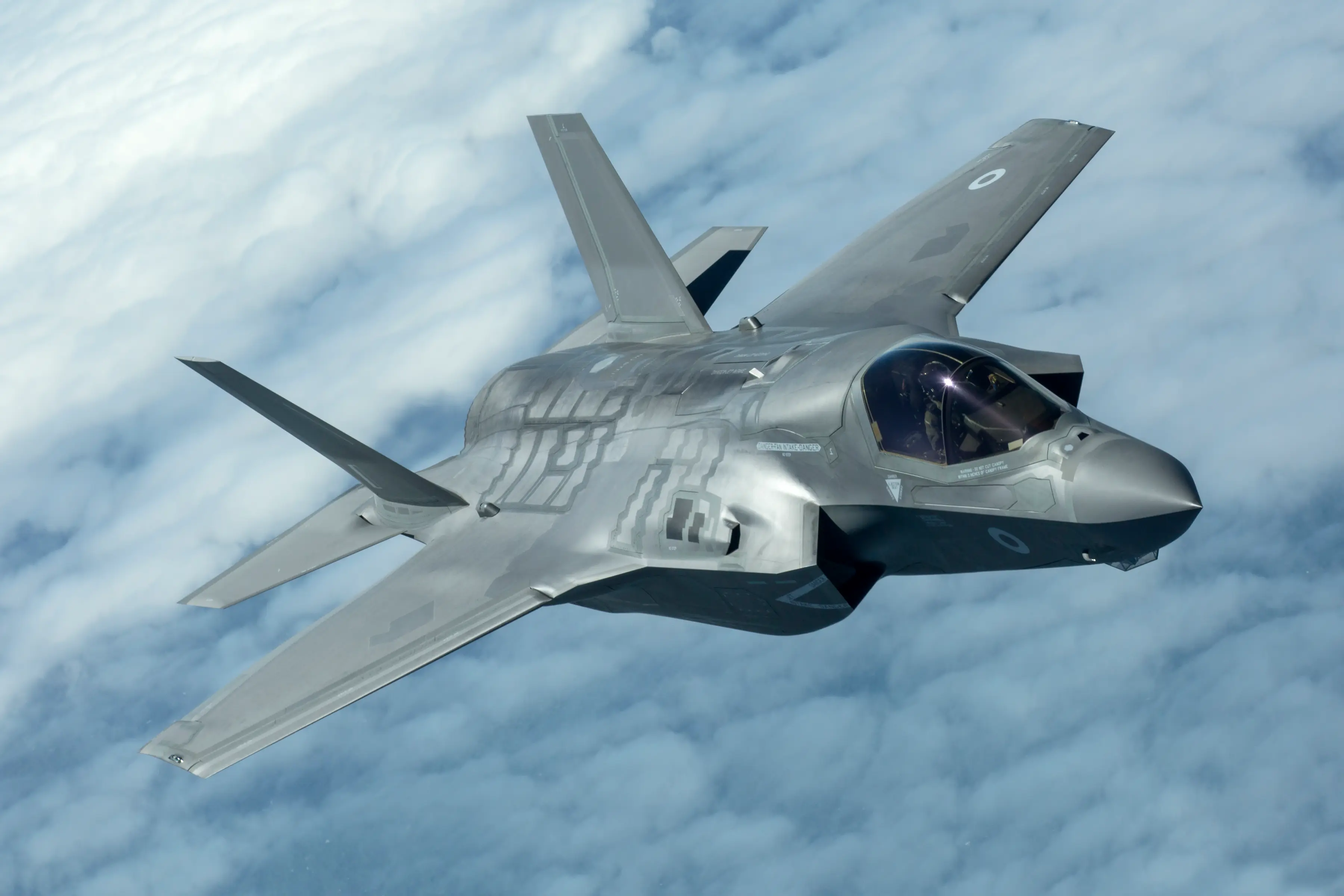
7. Strengthening of US–Saudi Defence Ties
The F-35 is the most restricted export in US military aviation. Approval of such a sale would signal stronger defence cooperation and long-term strategic commitment between Washington and Riyadh following years of fluctuating relations.
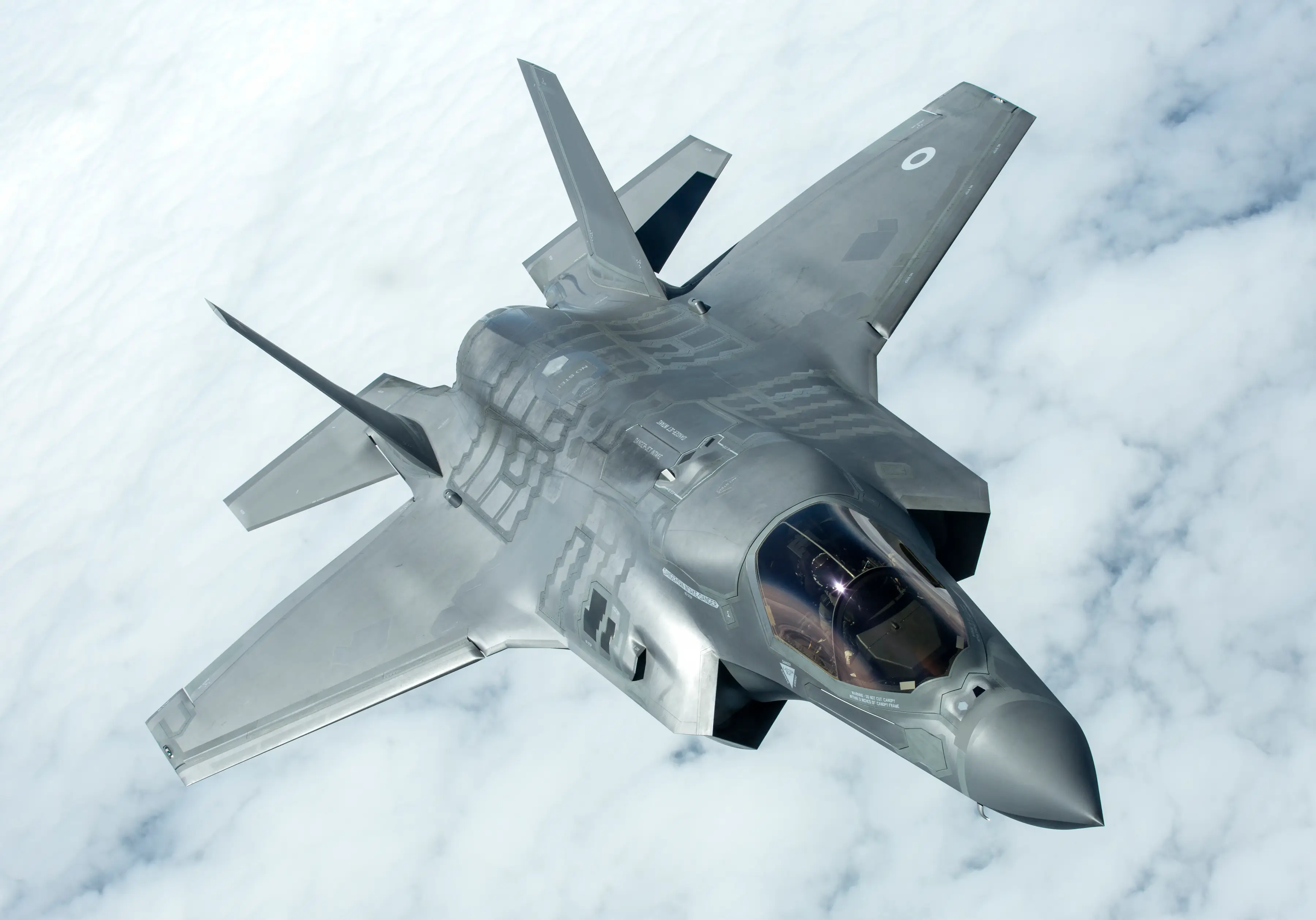
8. Increased Integration of Advanced Air-Defence Systems
Saudi Arabia may invest further in air-defence networks and early-warning radars designed to work with or protect F-35 operations. This could lead to expansion of integrated air-and-missile defence across the Gulf region.
9. Israel’s QME Oversight Could Influence the Final Configuration
US law requires that any advanced aircraft sold in the Middle East must preserve Israel’s Qualitative Military Edge. This means the configuration, software, weapons integration, and mission-data files provided to Saudi Arabia would likely undergo adjustments, shaping how the aircraft can be deployed.

)
)

)