9 ways a fighter jet would react if it flew on another planet, if they all had oxygen!

Mercury’s gravity is only 38 per cent of Earth’s, and in this oxygen-rich fiction, the jet engine runs fine. With barely any atmosphere (even with oxygen), there’s almost no air resistance, so flying at high speeds becomes dangerous, like flying in near-vacuum.
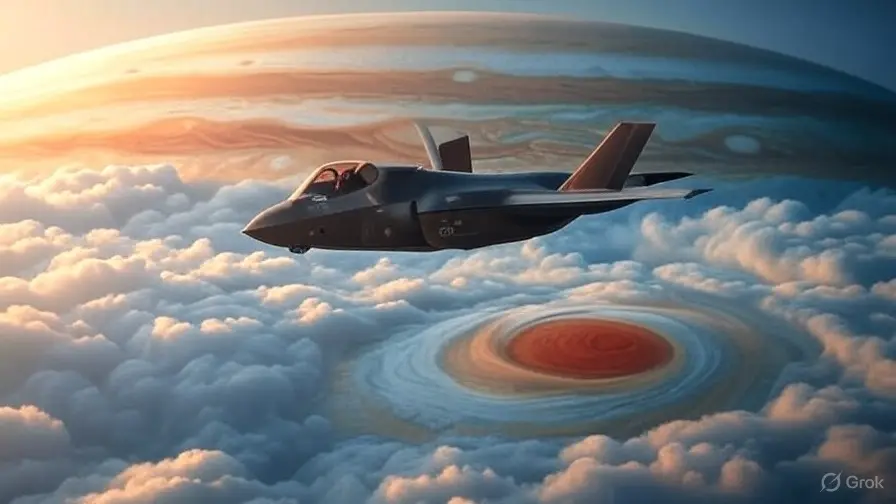
Dropped on a Different Planet
Let’s assume the F-35 Lightning II—a supersonic stealth fighter, was dropped into the atmosphere of every planet in the solar system, but with one major cheat: each planet has Earth-like oxygen levels to power the jet engine. So how would the jet actually fly, handle, or survive? Let’s find out.
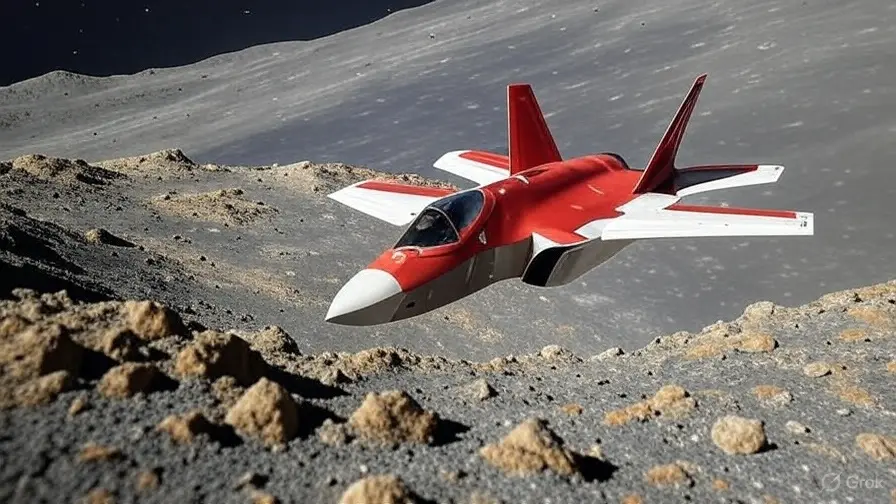
Mercury – Easy to Lift, Impossible to Control
Mercury’s gravity is only 38 per cent of Earth’s, and in this oxygen-rich fiction, the jet engine runs fine. With barely any atmosphere (even with oxygen), there’s almost no air resistance, so flying at high speeds becomes dangerous, like flying in near-vacuum. Lift would be hard to generate because the air is too thin, so takeoff would require a long runway or vertical boost. Once airborne, control surfaces wouldn’t respond well, making precision flight extremely difficult. Think flying a rocket, not a jet.
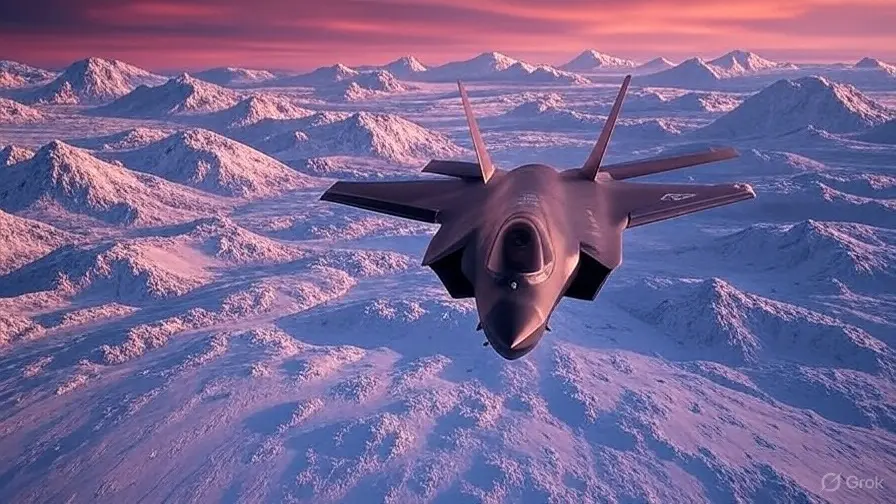
Venus – Too Much Air, Too Much Drag
Venus’s atmosphere is 92 times thicker than Earth’s. With oxygen now available, the engine would run, but the jet would feel like it’s flying through molasses. The dense air provides enormous lift, so even slow speeds could get the plane airborne. But drag would be extreme, dramatically slowing the F-35 and overheating the engine. Combined with Venus’s surface temperatures of 465°C, heat shielding would be necessary to prevent meltdown. Ideal for gliding… if you ignore the lava temperatures.
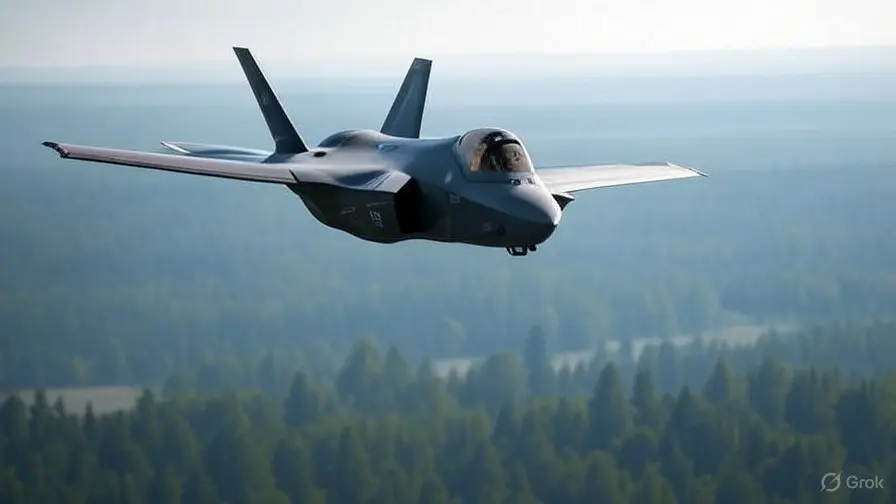
Earth – Perfect Balance of Lift, Gravity & Thrust
On Earth, everything is just right. The F-35’s powerful turbofan engine functions as designed, aerodynamic lift is achieved due to optimal air density, and gravity provides enough challenge to keep the jet agile without overwhelming it. The jet reaches speeds over Mach 1.6, pulls 9Gs, and performs vertical takeoffs with the F-35B variant. This is the baseline for all other planets.
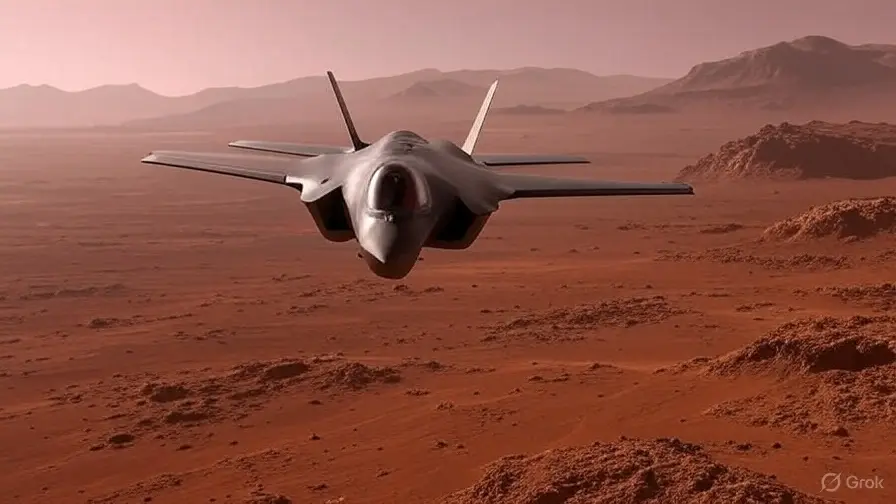
Mars – The Hover Jet Struggles to Stay Up
Mars has low gravity (38 per cent of Earth) and a thin atmosphere (~1% of Earth’s). Even with oxygen added, the air pressure is still too low for wings to generate efficient lift. The F-35 would require much higher speeds or larger wings to take off. Manoeuvring would feel floaty, and even the smallest control inputs might have delayed responses. Good news? Lower gravity means stunts and maneuvers would look epic. Bad news? It would feel like flying in slow motion through a vacuum.
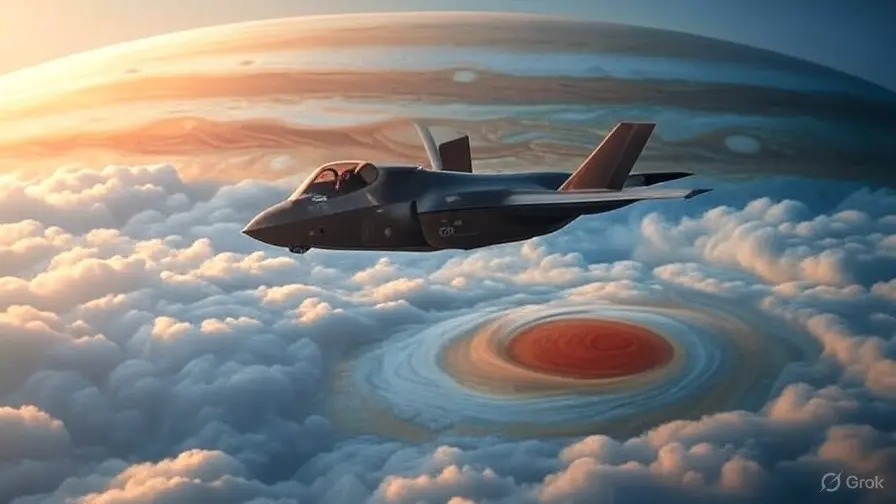
Jupiter – Flight is Possible, Death is Certain
Assuming the F-35 hovers in Jupiter’s upper atmosphere where pressure is manageable and there’s oxygen, the engine runs. The problem is gravity (2.5x Earth), making lift extremely hard to generate. The air is thick, so drag is high, but wings might still help. Strong winds (up to 620 km/h) would buffet the aircraft, and violent weather systems like the Great Red Spot would make flying suicidal. Expect extreme turbulence, heavy stress on wings, and possibly structural failure.
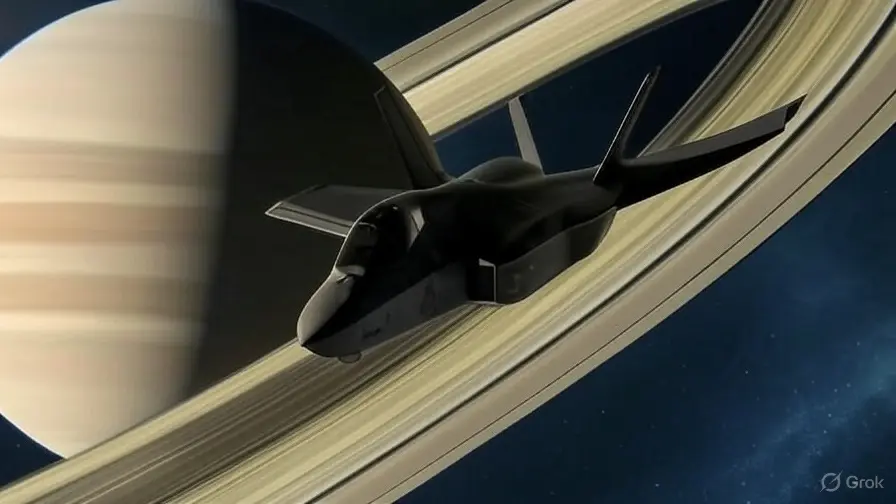
Saturn – Smooth Glide, Shaky Outcome
Saturn’s gravity is close to Earth’s and its upper atmosphere is less turbulent than Jupiter’s. With our oxygen hack in place, the F-35 could fly decently in the upper layers. Lift generation would work, and the denser hydrogen-helium mix would offer some buffer. However, wind speeds up to 1,800 km/h in the equatorial zone would create dangerous turbulence. Stability systems would go haywire, and long-term control might not be possible. A smoother ride than Jupiter, but still risky.
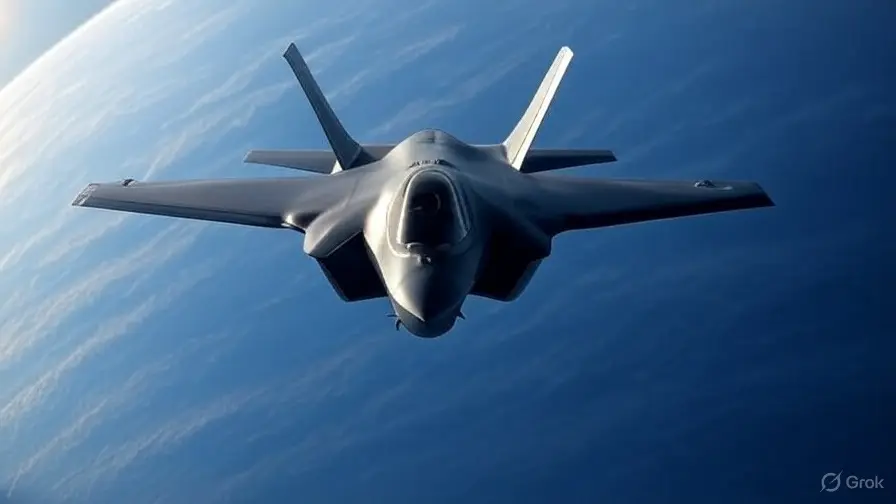
Uranus – The Cold Glider
Uranus has Earth-like gravity and, now with oxygen, its upper atmosphere could support flight. The major issue is temperature (–224°C), which would freeze hydraulic systems, avionics, and even the pilot inside. The air is thinner, so takeoff and flight would require more thrust and careful control. The jet might be able to glide gracefully due to gentle winds in some layers, but most electronic systems would need to be redesigned for cryogenic temperatures.
Neptune – Strong Winds, Weak Control
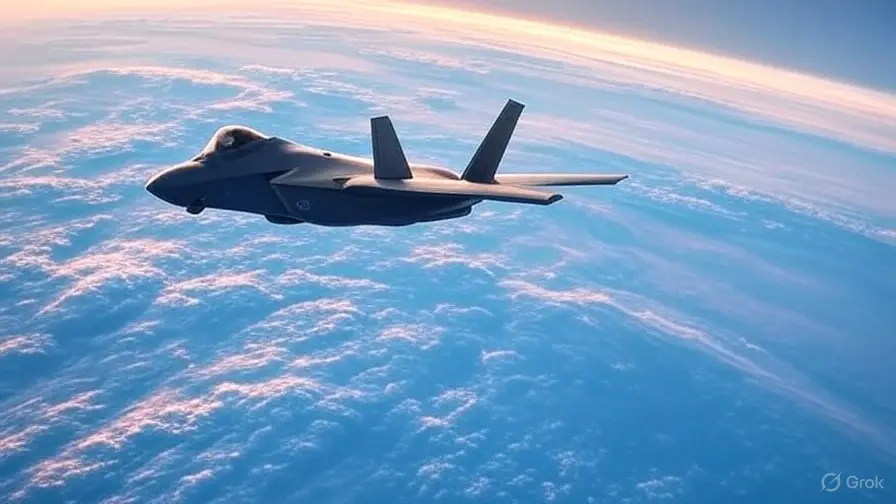
Neptune has intense gravity and the strongest winds in the solar system, reaching up to 2,100 km/h. While the engine might work in our oxygen-rich tweak, the jet would have to fight headwinds stronger than any aircraft on Earth has faced. Lift would be possible in the dense upper atmosphere, but controlling the F-35 would be next to impossible. It might spend more time tumbling than flying. Think: a fighter jet inside a tornado.
Pluto – Effortless Lift, No Stability
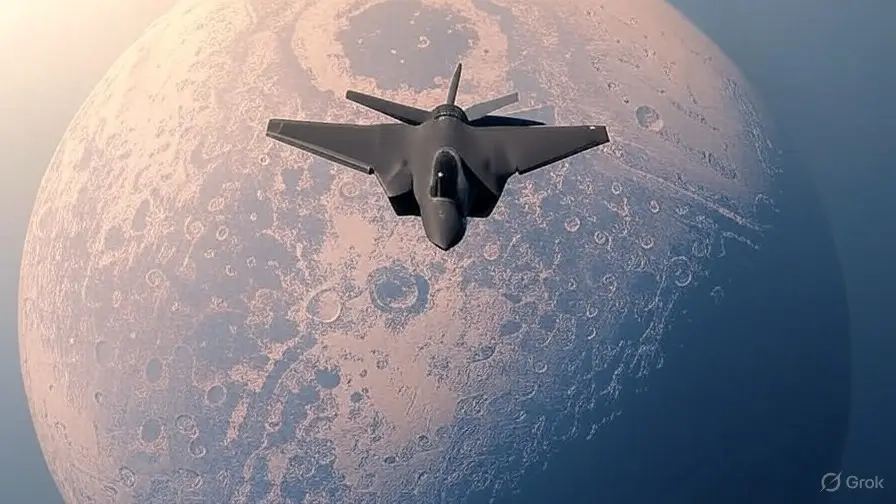
With only 6 per cent of Earth’s gravity, Pluto would be like a pilot’s dream at first. Any thrust would easily launch the jet into the sky. But the extremely thin atmosphere, even with oxygen, means the air density is too low for proper lift and control. The F-35 would float and bounce more than fly. Without enough air for maneuvering, turns and stunts would be clumsy or impossible. Bonus problem? Temps as low as –240°C mean engines and electronics would freeze in minutes.
Final Verdict: Could It Fly?
If you inject oxygen into every planet’s sky, the engine runs, but that doesn’t mean the F-35 can fly safely.
Each planet presents its own challenge:
- Mercury: Too thin to control
- Venus: Too hot and drag-heavy
- Mars: Too thin to lift
- Jupiter/Neptune: Too violent
- Pluto: Too floaty
- Only Saturn and Uranus offer a somewhat stable environment—but only with serious modifications.
)
)
)
)
)