9 things FBI seized from Epstein’s properties in 2019

When the FBI raided Jeffrey Epstein’s Manhattan townhouse and other properties in 2019, agents catalogued hundreds of items as evidence. Court filings, inventory lists, and unsealed exhibits show exactly what investigators seized during those searches.

1. Hard Drives, Laptops & Digital Storage Devices
FBI search-warrant returns list dozens of digital devices, including external hard drives, desktops, laptops, CDs, DVDs, and USBs. Many were taken from locked cabinets or rooms labeled “media.” These devices were seized because investigators believed they contained communications, travel records, financial data, and materials relevant to trafficking-related charges.

2. Cash, Diamonds & Other Liquid Assets
Court exhibits from the 2019 bail-hearing evidence show Epstein kept large quantities of cash and small uncut diamonds in his safe at the Manhattan residence. These items were logged as easily transferable assets and used by prosecutors to argue he was a significant flight risk.
3. Passports & Identification Documents
Agents seized multiple passports, one of them issued under a different name with a listed address in Saudi Arabia. These documents were shown in court to demonstrate access to international travel routes and potential evasion capacity. Prosecutors highlighted that the passports were stored alongside cash and diamonds, indicating preparation for rapid movement.
4. Photos and Albums Stored in Safes and Locked Rooms
Search-warrant inventories included binders, photo albums, and loose photographs kept in safes and filing units. Many items later became part of sealed or redacted evidence because they contained images of victims or minors. Only descriptions, not the images themselves, appear in publicly available exhibits.
5. Massage Tables, Oils, Robes & Related Items
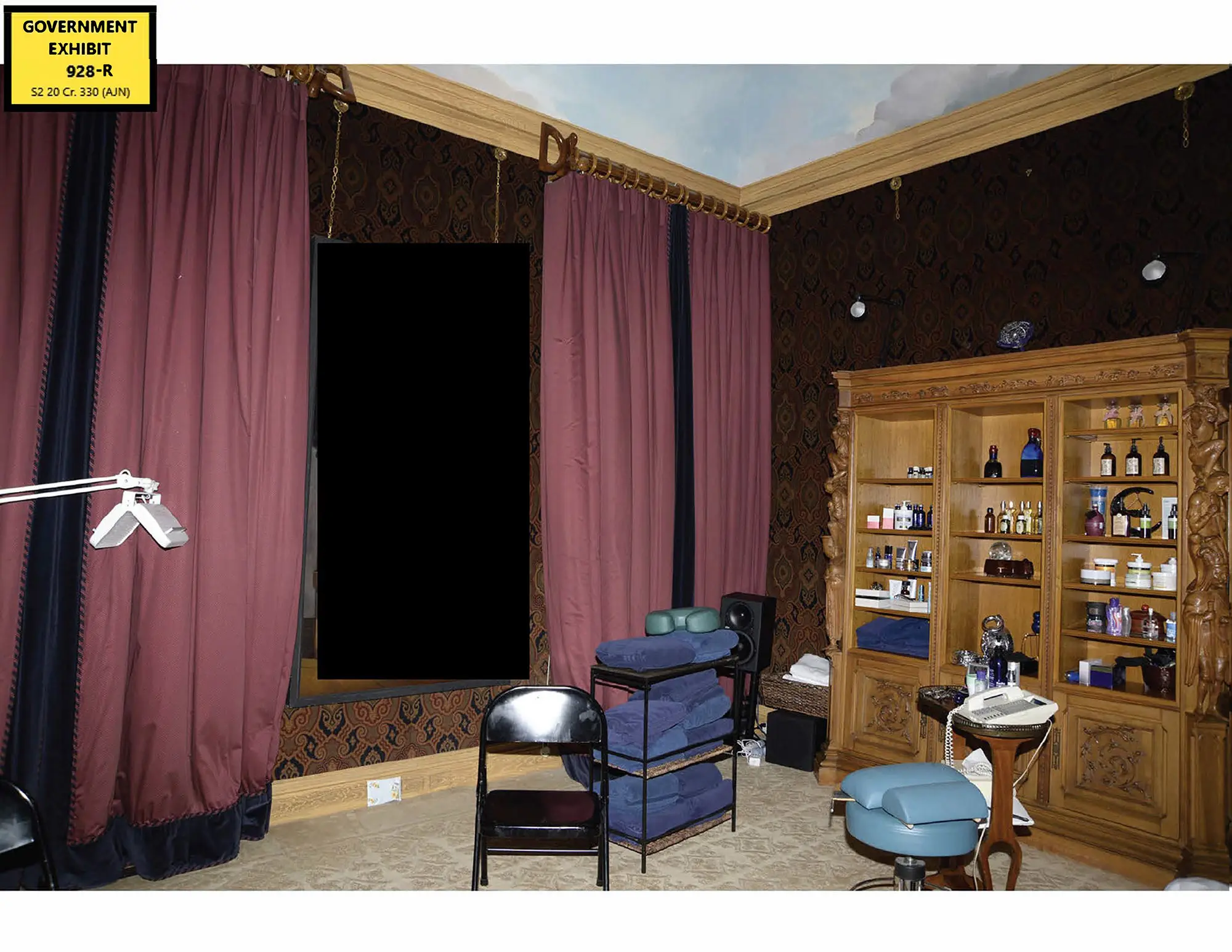
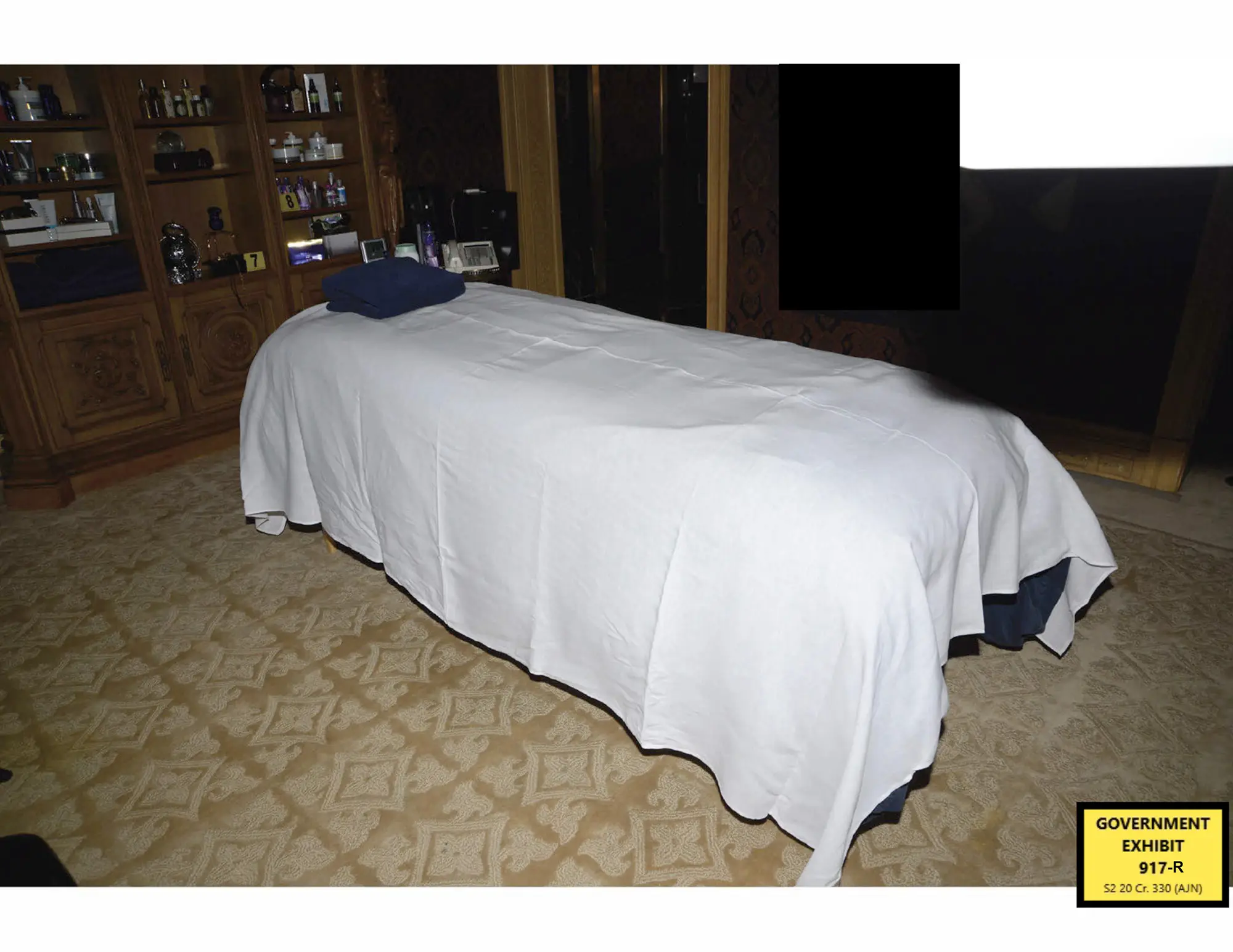
FBI agents documented several massage tables and related materials across Epstein properties, consistent with allegations described in charging documents. These items were not criminal by themselves, but were collected because they matched patterns alleged by victims and corroborated statements included in sworn affidavits.
6. Airline Manifests, Flight Logs & Travel Records
Among the seized documents were flight manifests, pilot-logged records, and folders containing itineraries for private air travel. Some corresponded with information already held by the FAA. These were used to reconstruct where Epstein traveled, who flew with him, and how frequently flights occurred between his residences.
7. Financial Records, Ledgers & Banking Files
FBI evidence logs show that agents seized account statements, wire transfer instructions, checkbooks, and handwritten ledgers. These materials related to shell companies, trusts, and payments to staff and associates. They were critical in tracing financial flows tied to Epstein’s operations across the US and abroad.
8. Property Manuals, Staff Directories & Household Management Files
Court exhibits from the Giuffre v. Maxwell case include household manuals and directories that were also seized by the FBI during 2019 searches. These documents showed rules for staff, lists of visitors, contact sheets, and notes on employee responsibilities, all used to map who had access to various areas and how Epstein’s residences were run.

9. Electronic Communication Notes & Printed Emails
Agents collected printed emails, call logs, and handwritten notes found on desks and in filing cabinets. These communications were part of Epstein’s personal and business correspondence and were included in filings to establish timelines, interactions, and the structure of his daily operations.
Bottom Line
All the items above come directly from publicly accessible court exhibits, search-warrant return documents, bail hearing materials, and filings in related civil cases. Some evidence seized in 2019 remains sealed or redacted due to privacy laws, victim protection rules, or ongoing investigations but the categories listed here are the complete set of what US courts have already confirmed.
)
)
)
)
)