9 space discoveries of 2025 that stumped astronomers

Astronomers made some stunning discoveries in the universe in 2025. From the oldest supermassive black hole, to an asteroid that is spinning against the laws of Physics, here are 10 such findings.
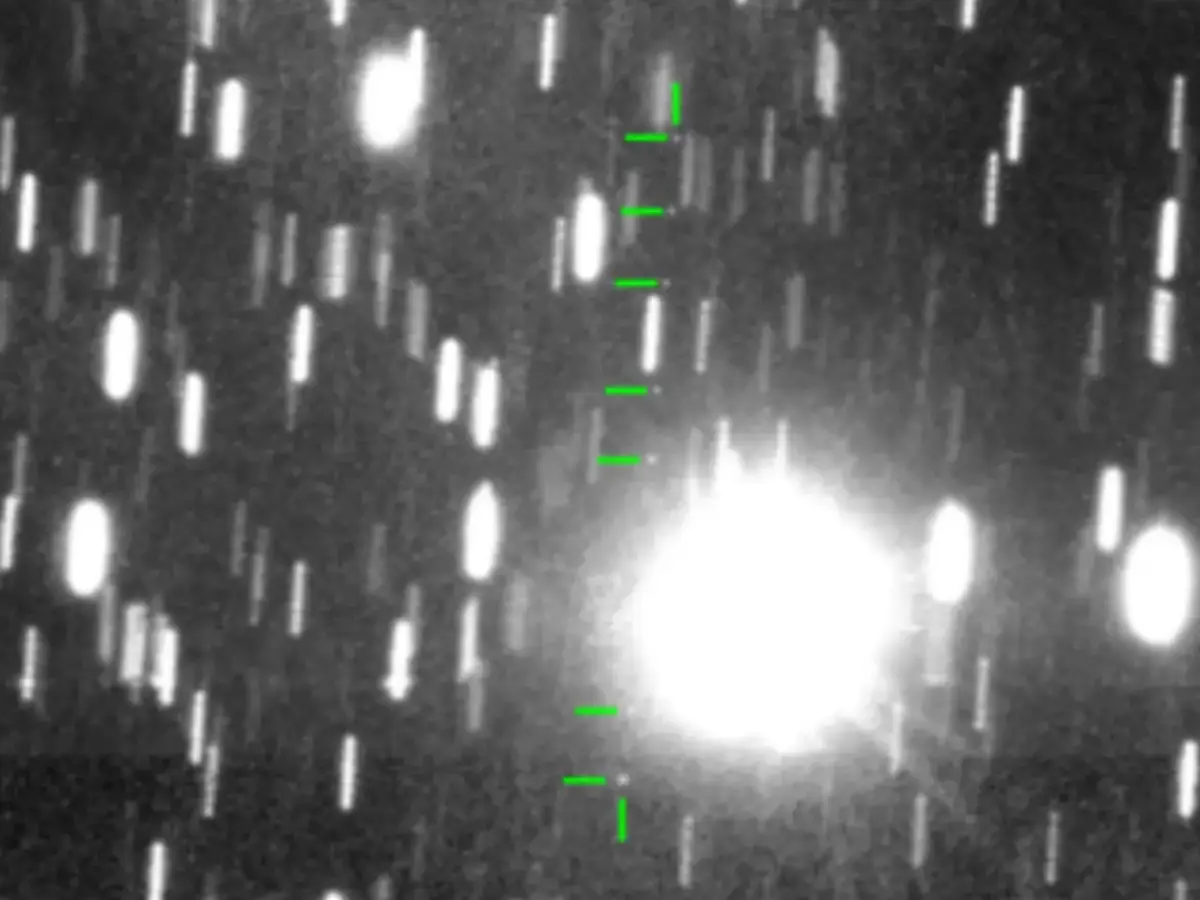
Quasi-moon 2025 PN7
A space rock named 2025 PN7 was spotted on August 2 by the Pan-STARRS observatory in Hawaii in the same orbit as Earth. It had never been seen before, so scientists started digging. They found data that showed this object had been there for nearly 60 years. It turned out to be a quasi-moon, an object that is in the same stable orbit as Earth and revolves around the Sun. 2025 PN7 is not going anywhere for another 60 years.
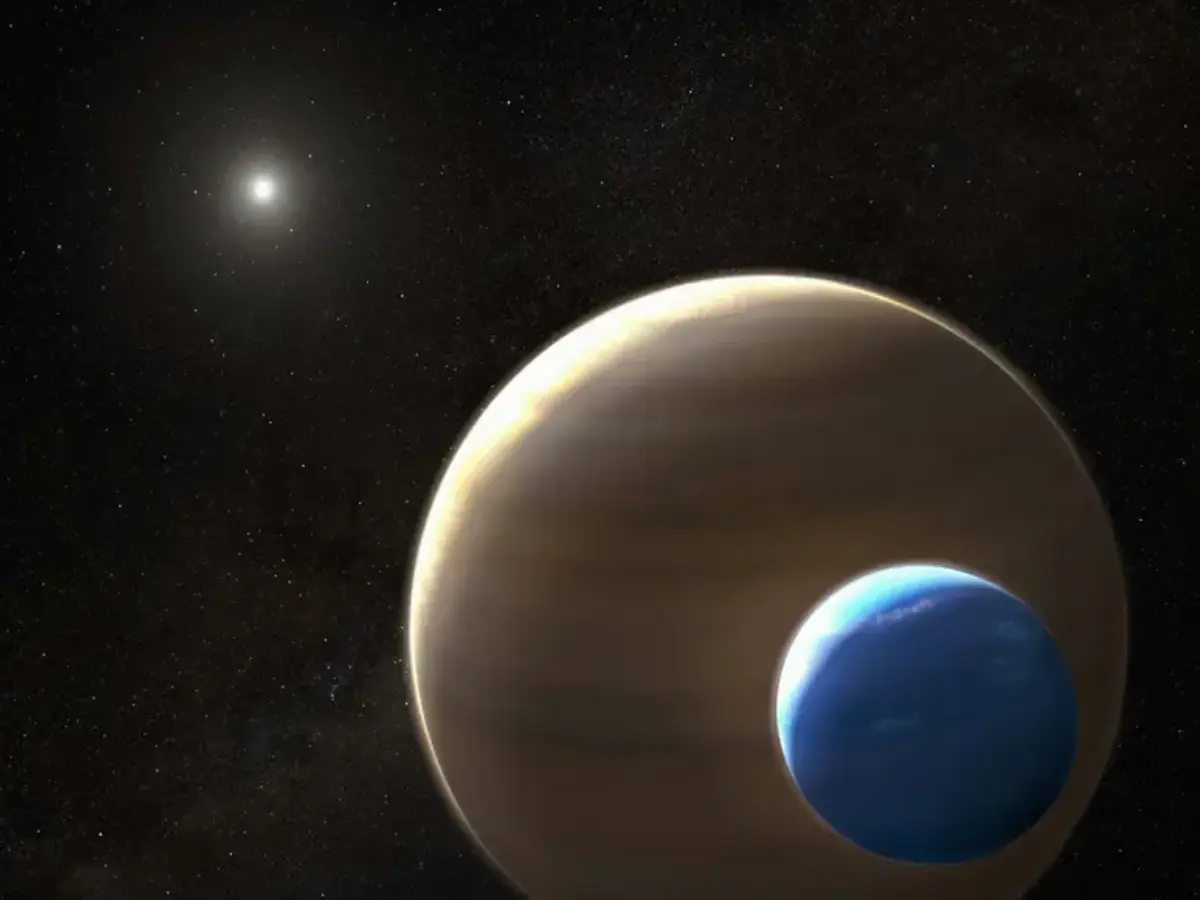
Claims of finding the first exo-moon
Exo-moons have never been found in the universe. This is because they are extremely tiny, which makes spotting them really hard. However, in 2025, a group of astronomers reported that they might have come across a cosmic object orbiting HD 206893 B, a Jupiter-like exoplanet, 133 light-years away. However, their data still needs to be corroborated by other scientists.
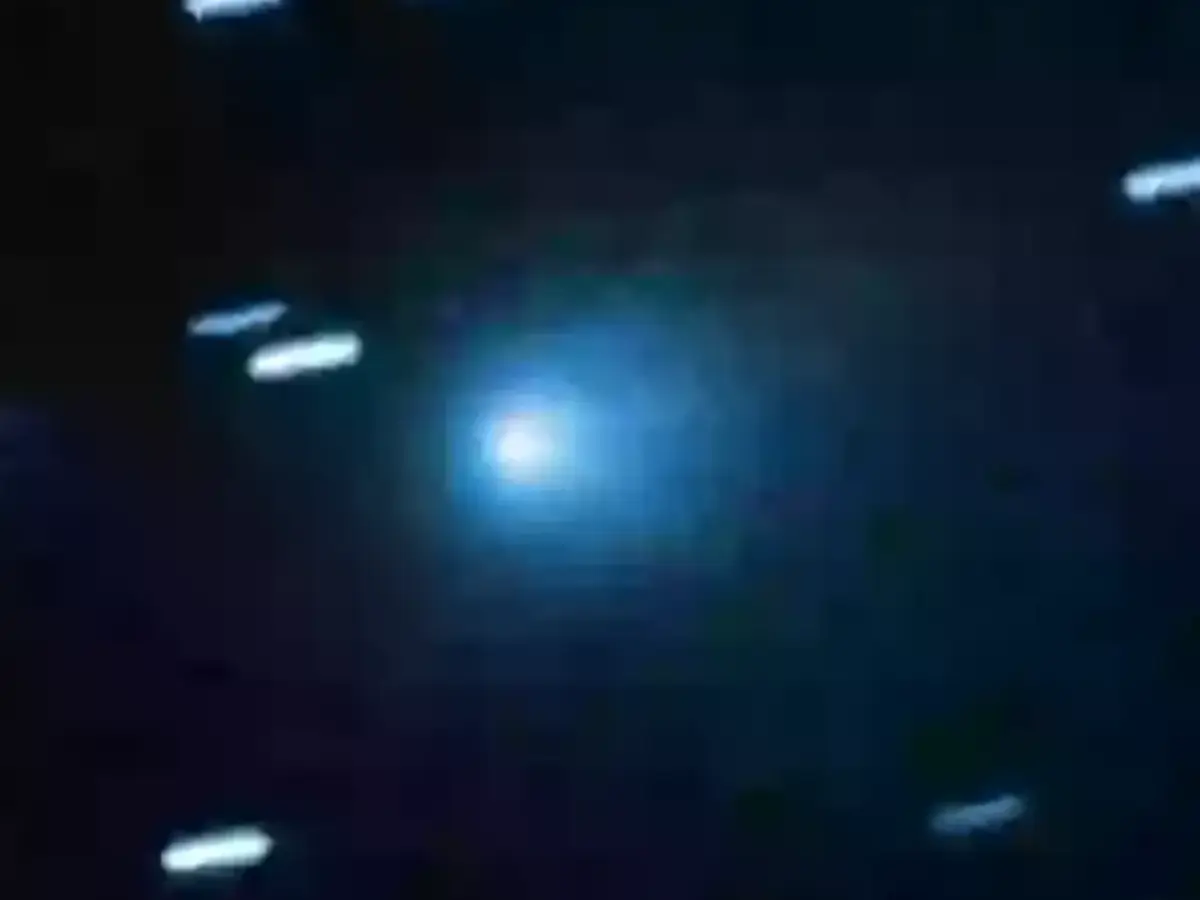
3I/ATLAS, third interstellar visitor
2025 was also the year we came across the third interstellar object. 3I/ATLAS was discovered on July 1 by the ATLAS observatory in Chile. Its trajectory and hyperbolic orbit showed that it wasn't a solar system body but was coming from somewhere outside. It is older than our sun and has displayed strange characteristics.
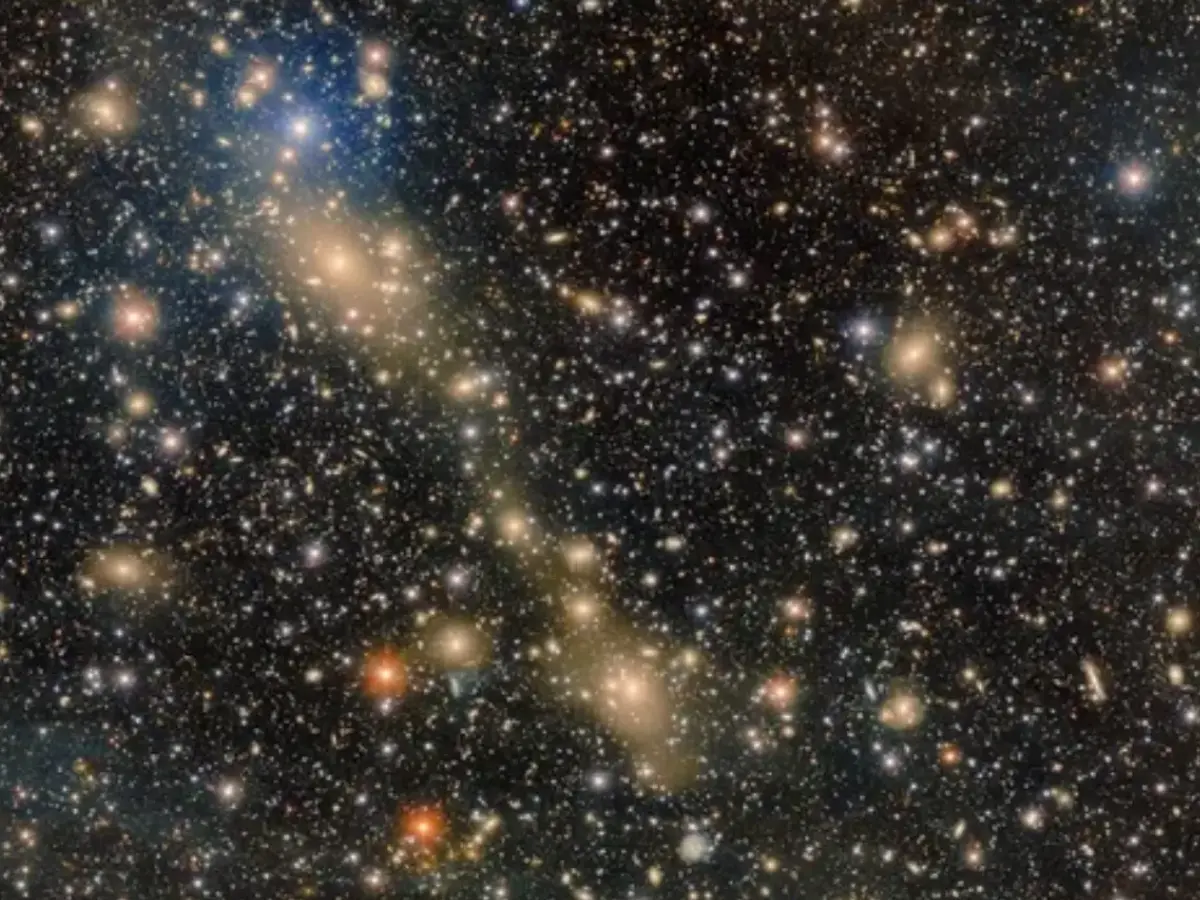
Stellar burglary forming a bridge of stars
Astronomers came across a galaxy cluster where the stars were positioned in a pattern that formed a bridge. This was nothing but a stellar burglary, happening between two galaxies. This bridge of stars is about a million light-years long and is built between two galaxies in the cluster Abell 3667. This event has been going on for a billion years.
Black hole merger proves a Hawking theory
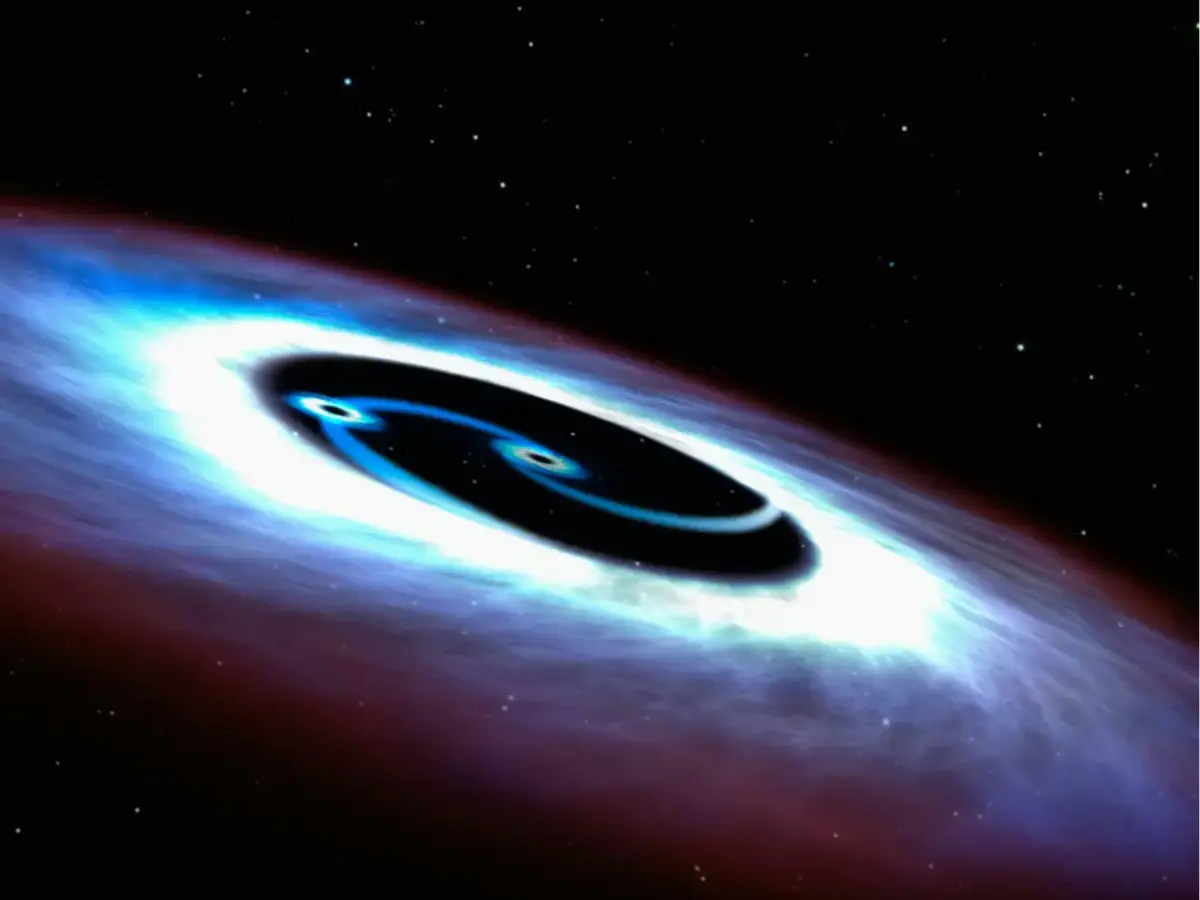
The earliest observation this year involved hearing two black holes merging to form a bigger monster, proving a theory that Stephen Hawking proposed nearly half a century ago. The Laser Interferometer Gravitational-wave Observatory (LIGO) witnessed the black holes colliding. Before the merger, the combined surface area of the two black holes was 243,000 square kilometres. The new black hole had a surface area of 400,000 square km.
The Other Atlas comet that turned golden
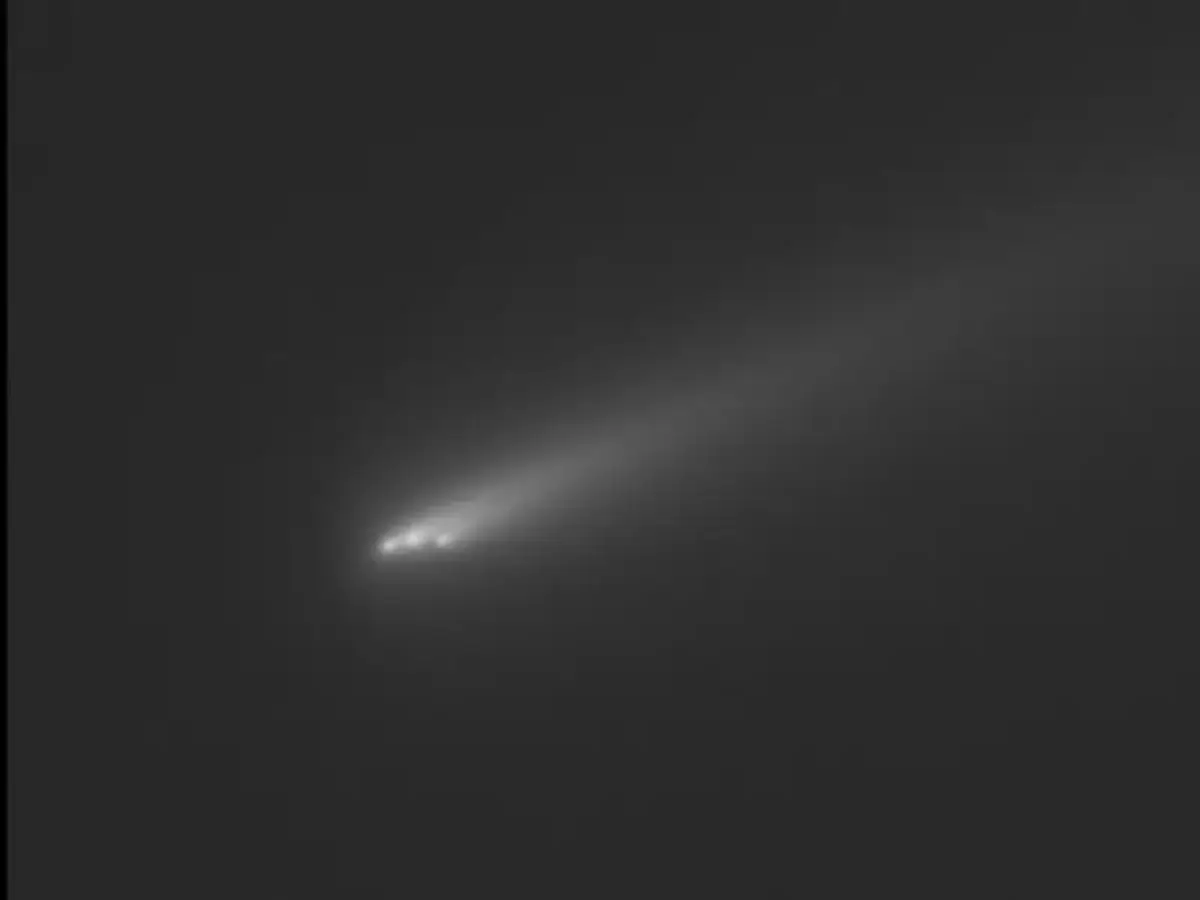
We also came across a golden comet in 2025, which was expected to die near the Sun. However, after reaching perihelion, comet C/2025 K1 (ATLAS) turned into a golden ribbon. It was discovered in May 2025 and came within 50 million kilometres of the Sun on October 8. The comet later started breaking up, with at least three pieces clearly visible. It was expected to turn into a headless comet, with nothing left except a tail
Largest spinning object in the universe
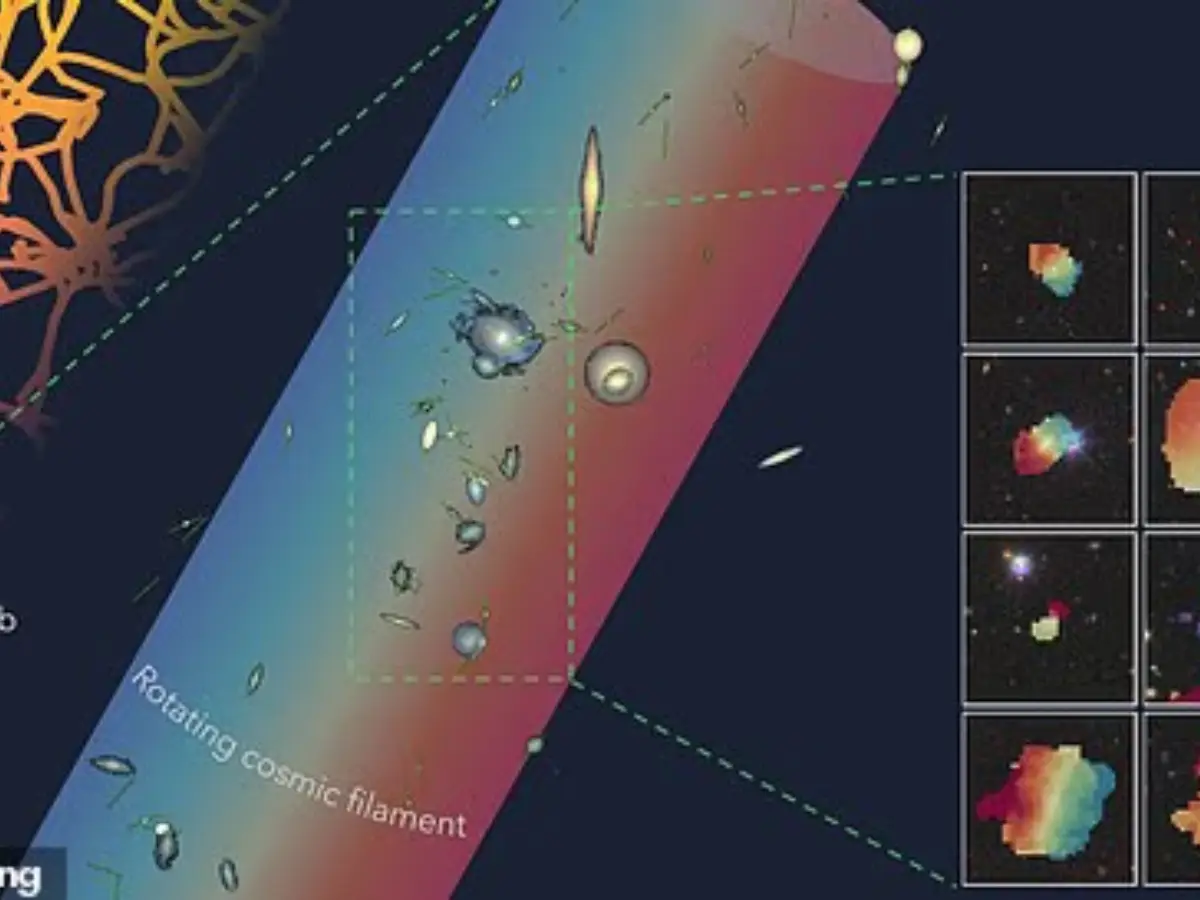
In 2025, astronomers spotted the largest spinning structure in the universe. It is a filament of dark matter spanning 50 million light-years, with all the galaxies inside it also rotating in the same direction. It is located 140 million light-years away. It first has a row of 14 galaxies placed in a line that spans 5.5 million light-years long and 117,000 light-years wide. This row of galaxies is embedded in the larger filament, which is 50 million light-years long and contains about 300 galaxies.
Asteroid that is spinning at a mind-boggling speed
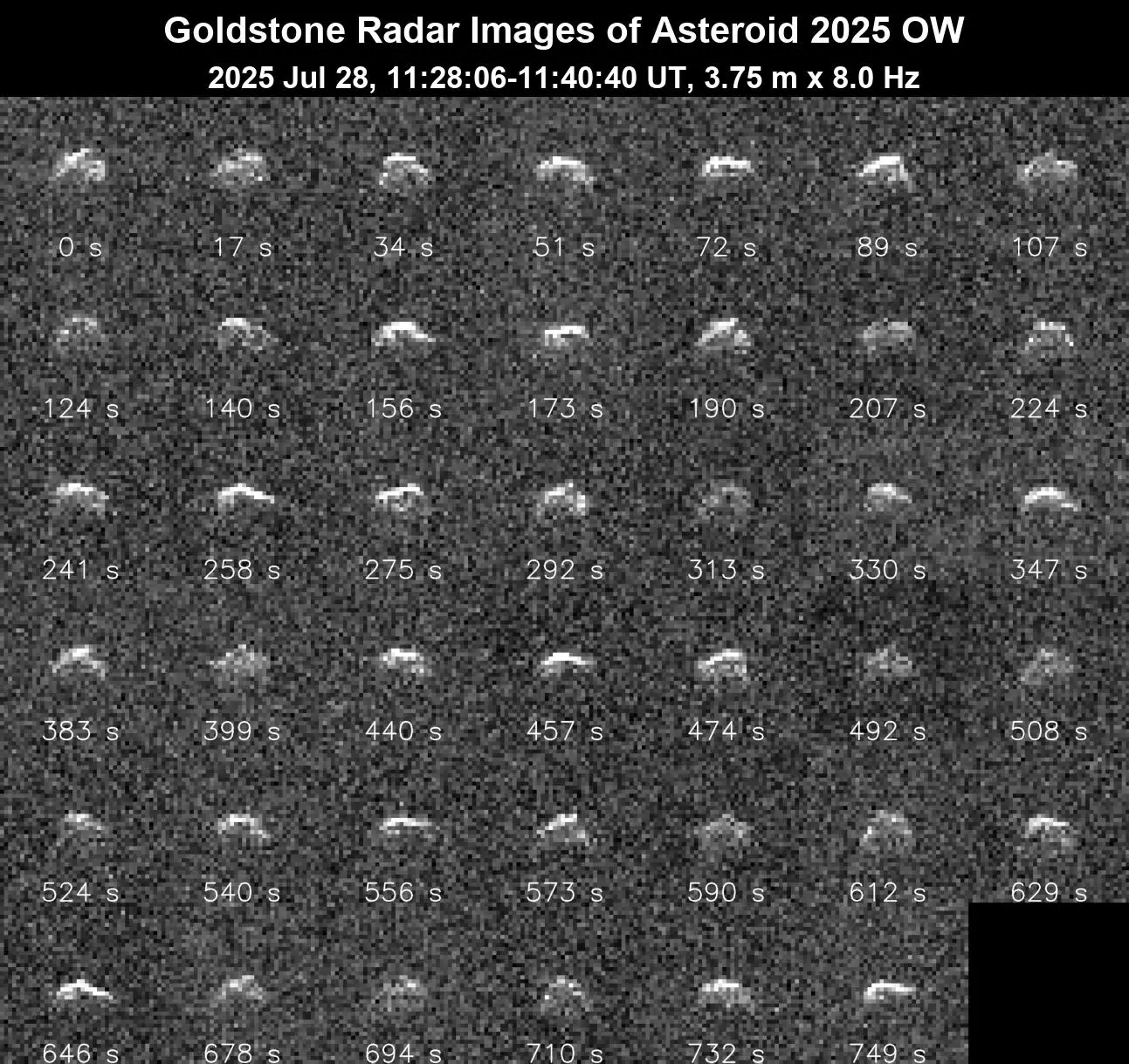
Near-Earth asteroid 2025 OW entered the record books when it was seen spinning at a rate that is not normal for space rocks. The discovery left astronomers in a tizzy. The asteroid is 200 feet wide and has an irregular shape. It completes one rotation every 1½ to 3 minutes. This makes it one of the fastest-spinning near-Earth asteroids. Another point to note is that despite this speed, it isn't crumbling, which shows it is one solid piece instead of rubble joined loosely together.
Supermassive black hole born soon after Big Bang
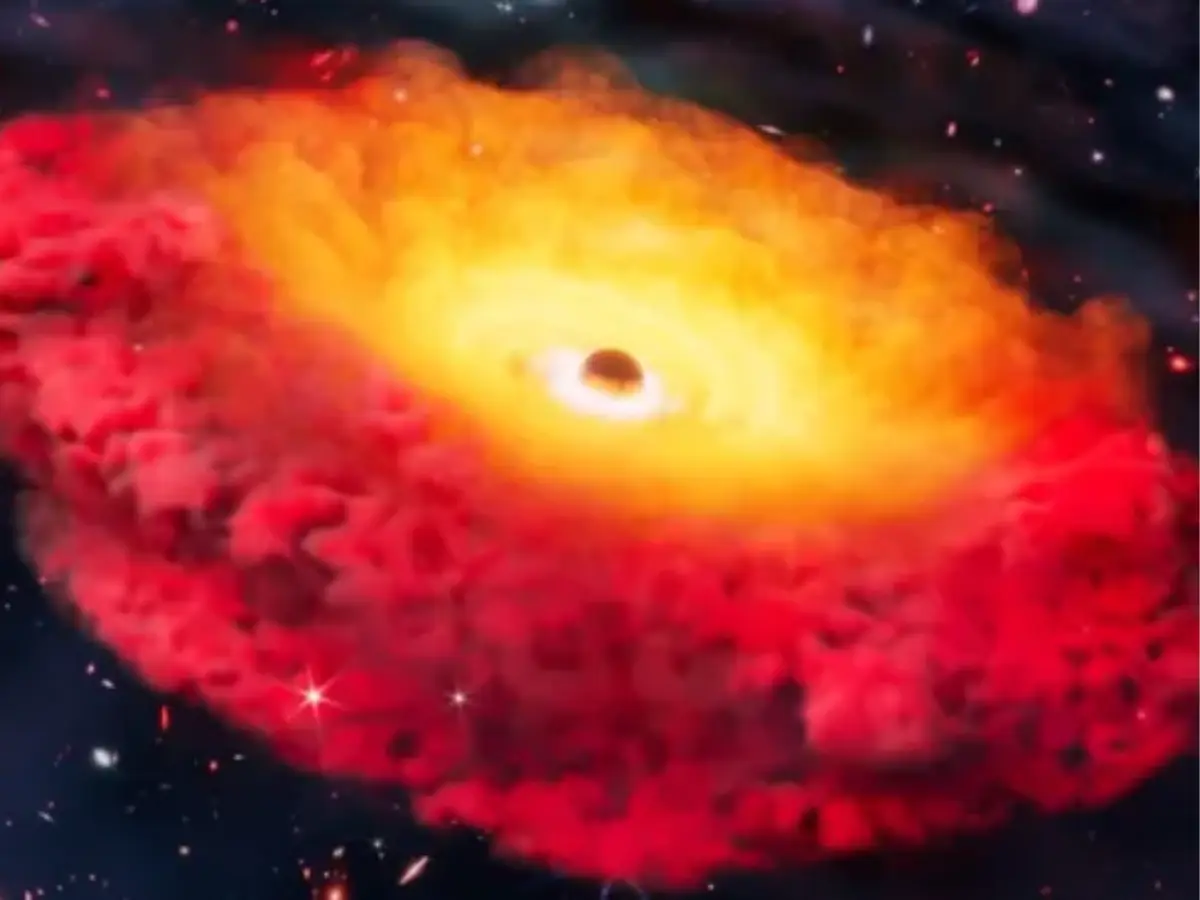
Astronomers came across a supermassive black hole that was born only 500 million years after the Big Bang. The black hole resides at the centre of a galaxy named CAPERS-LRD-z9. It is around 300 million times the mass of our sun. Finding a supermassive black hole so early in the universe is shocking, since these bodies take much longer to form, as they feed on stellar mass. It changes views on supermassive black holes.
)
)
)
)
)