9 air-to-air missiles that give modern fighter jets first-strike advantage

Modern fighter jets carry air-to-air missiles capable of striking targets over 100 kilometres away. From the US AIM-120 to India's Astra, nine advanced missiles define today's air warfare, enabling first-strike advantage before enemies spot each other.
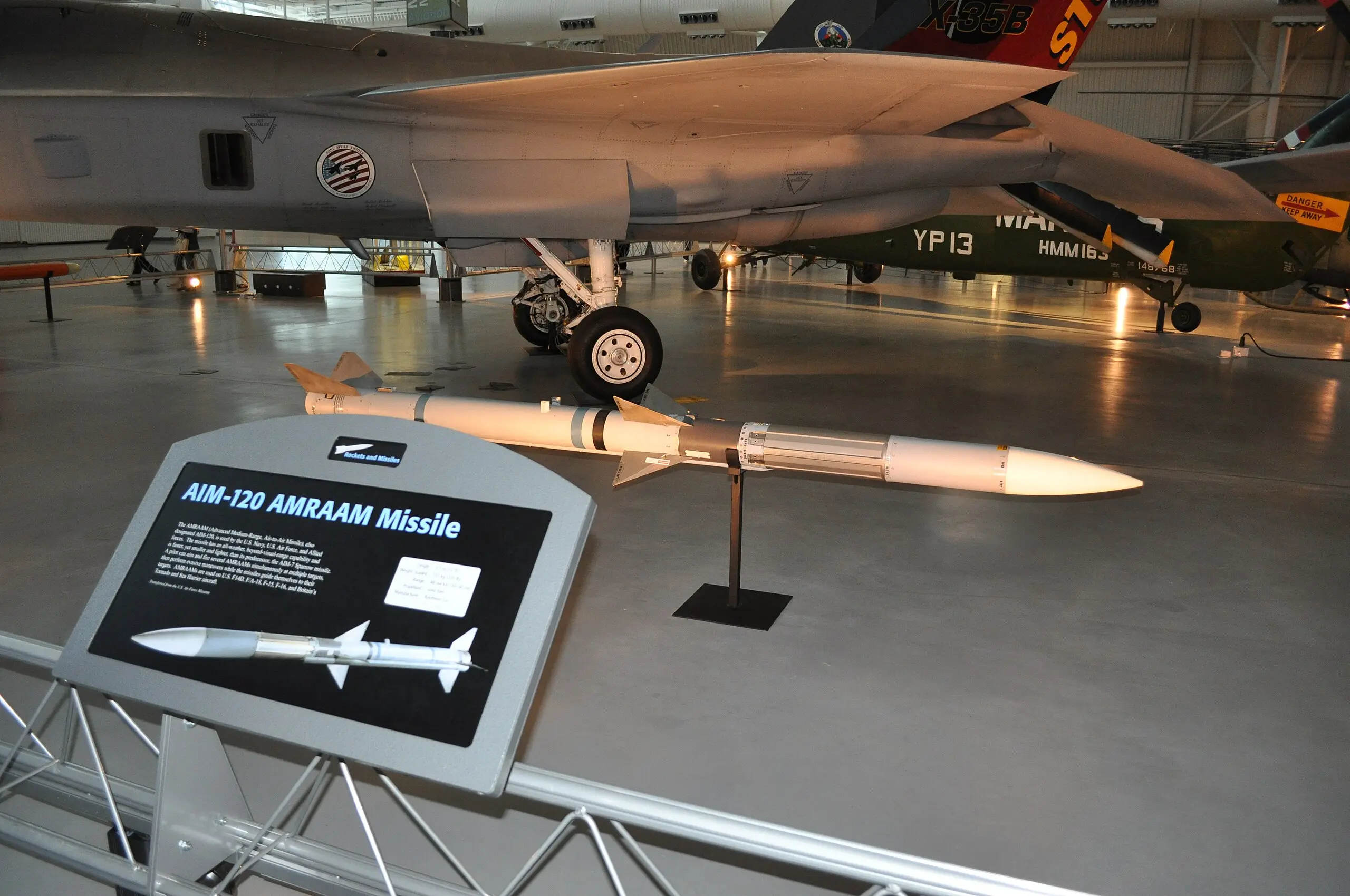
AIM-120 AMRAAM (United States)
The AIM-120 AMRAAM is the world's most widely used medium-range air-to-air missile. Deployed across 30-plus nations, it achieves speeds exceeding Mach 4 and strikes targets beyond 80 kilometres. The latest AIM-120D variant extends range to over 160 kilometres. Equipped with active radar homing guidance, the missile offers true fire-and-forget engagement, enabling pilots to launch multiple strikes simultaneously at several targets whilst turning away to safety.
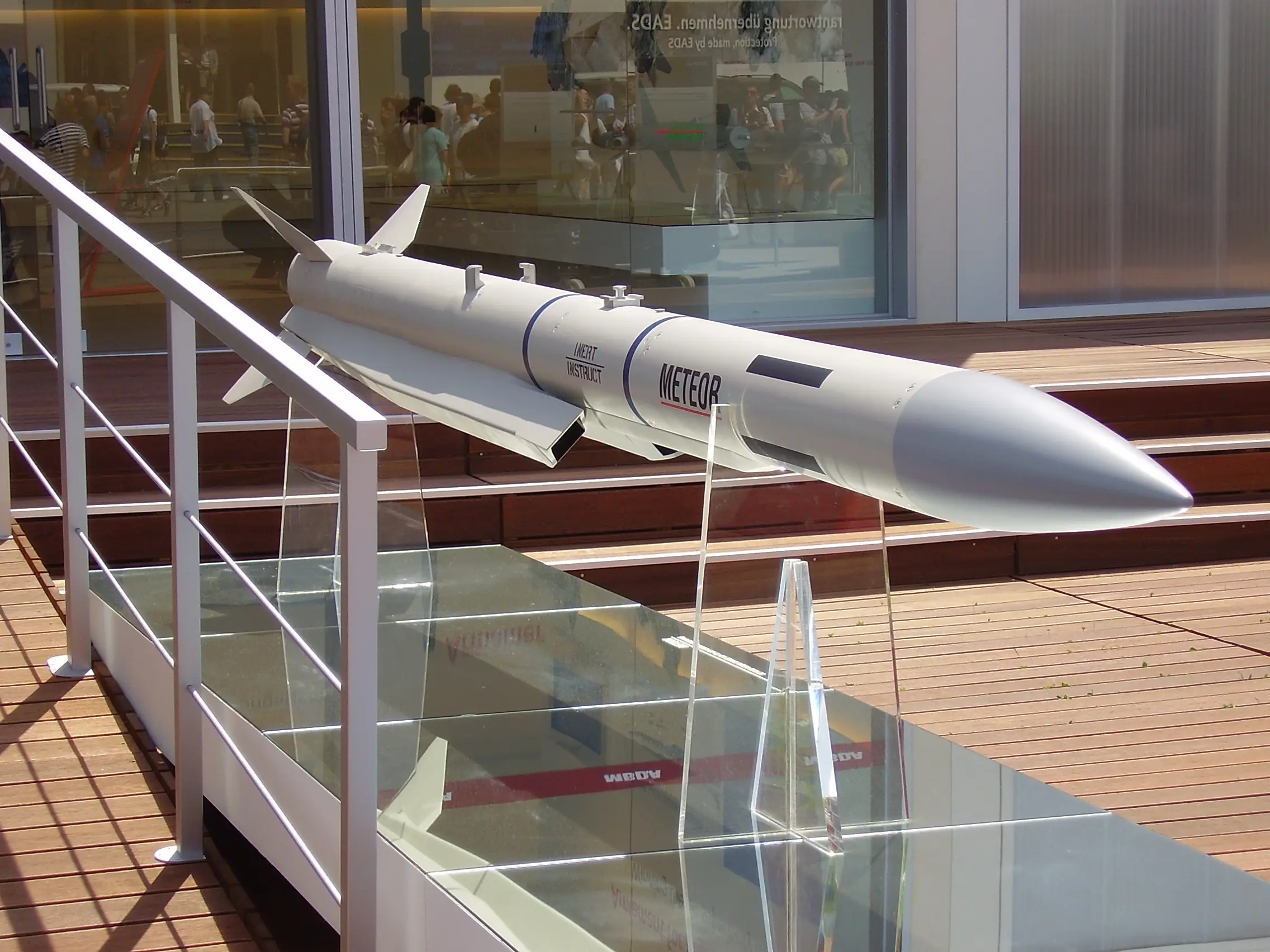
Meteor (Europe)
Europe's MBDA Meteor represents the next generation of beyond-visual-range missiles. Powered by a throttleable ramjet engine, rare among air-to-air missiles, Meteor maintains velocity and control at extreme ranges exceeding 100 kilometres. The missile's unique propulsion system extends its no-escape zone and provides superior performance in contested airspace. Integrated on Eurofighter Typhoon, Gripen, and Rafale fighter jets, Meteor gives European air forces distinct tactical advantages in long-range air combat scenarios.
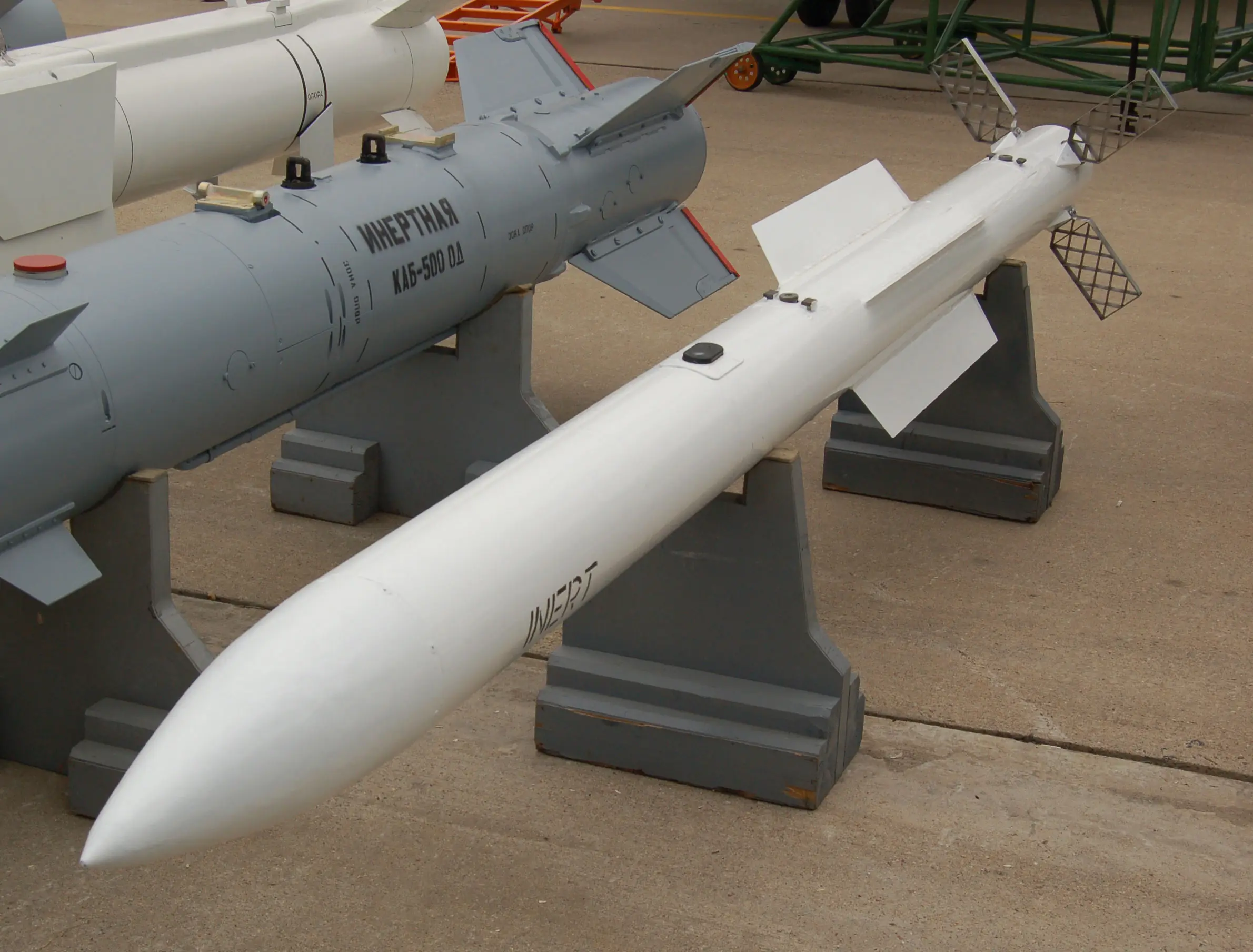
R-77 Vympel (Russia)
Russia's R-77 is the backbone of its fighter arsenal, equipping MiG-29 and Su-27 jets. Reaching speeds of Mach 4, the missile engages targets at ranges up to 80 kilometres. Later variants extend range to 110 kilometres. The dual-pulse rocket motor provides secondary thrust boost near the target, enhancing penetration of enemy defences. Russia continues developing advanced variants including the R-77M and the hypersonic KS-172, reported to strike targets over 400 kilometres away.
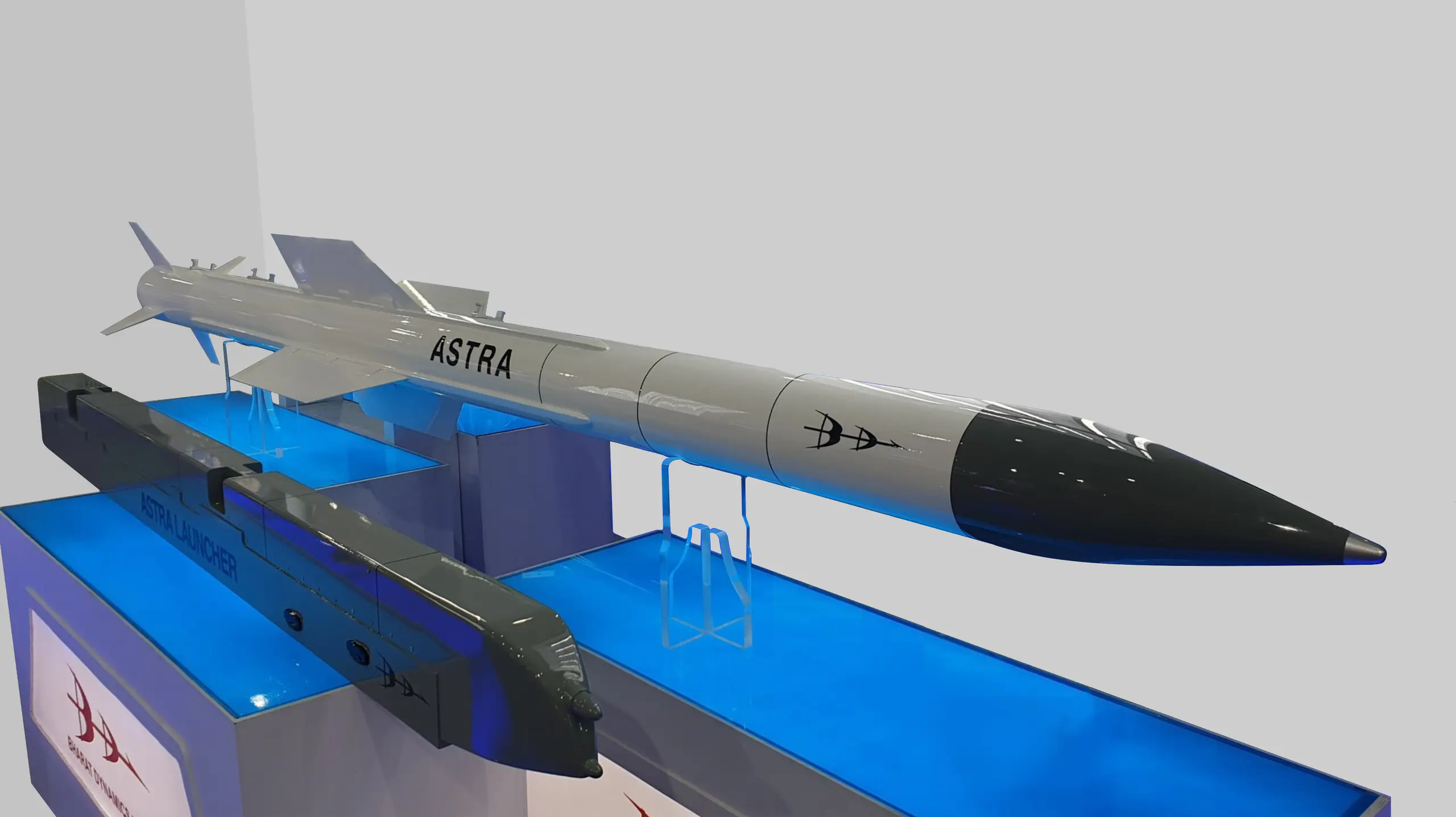
Astra (India)
India's indigenous Astra beyond-visual-range missile marks a milestone in self-reliance. Developed by DRDO, Astra Mk-1 achieves speeds of Mach 4.5 with engagement ranges exceeding 100 kilometres. The missile employs mid-course inertial guidance powered by a smokeless solid-fuel engine, reducing infrared signatures. The advanced Astra Mk-2 variant extends range beyond 160 kilometres, enabling Indian Air Force Su-30MKI and Tejas fighters to engage adversaries from extreme distances, securing air dominance over the Indian Ocean.
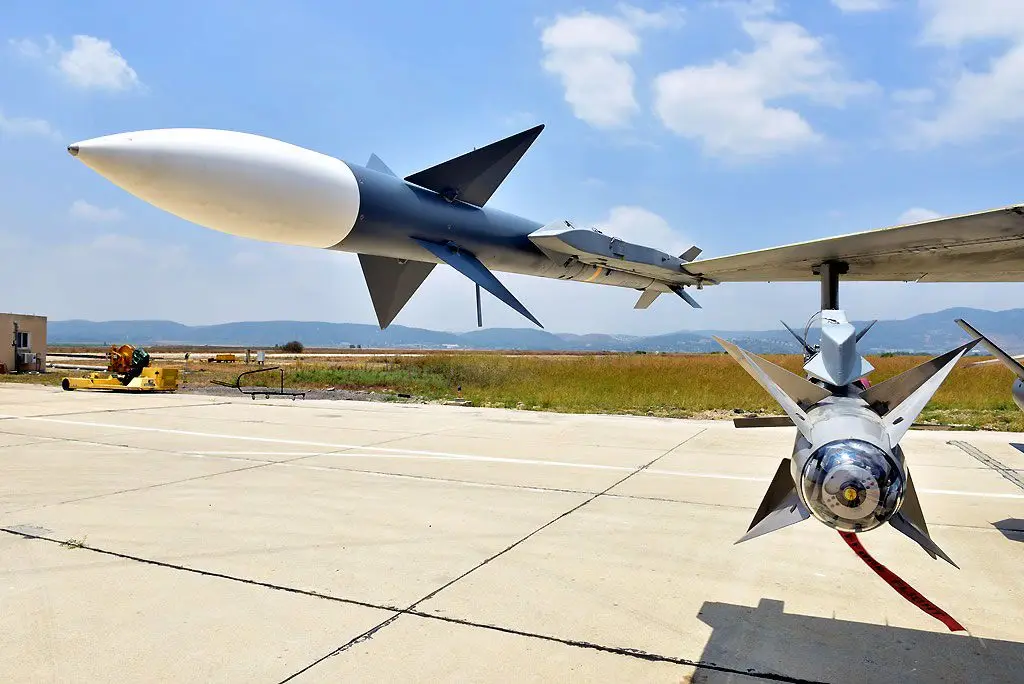
I-Derby ER (Israel)
Israel's Rafael-developed I-Derby ER represents an extended-range upgrade of the earlier Derby missile. Featuring a dual-pulse rocket motor, the missile strikes targets at ranges up to 100 kilometres. Its active radar seeker provides look-down-shoot-down capability, allowing engagement of aircraft flying lower and at angles beyond the launching jet's own radar horizon. Integrated on Indian Rafales and Gripen fighters, the I-Derby ER balances range with manoeuvrability in complex combat environments.
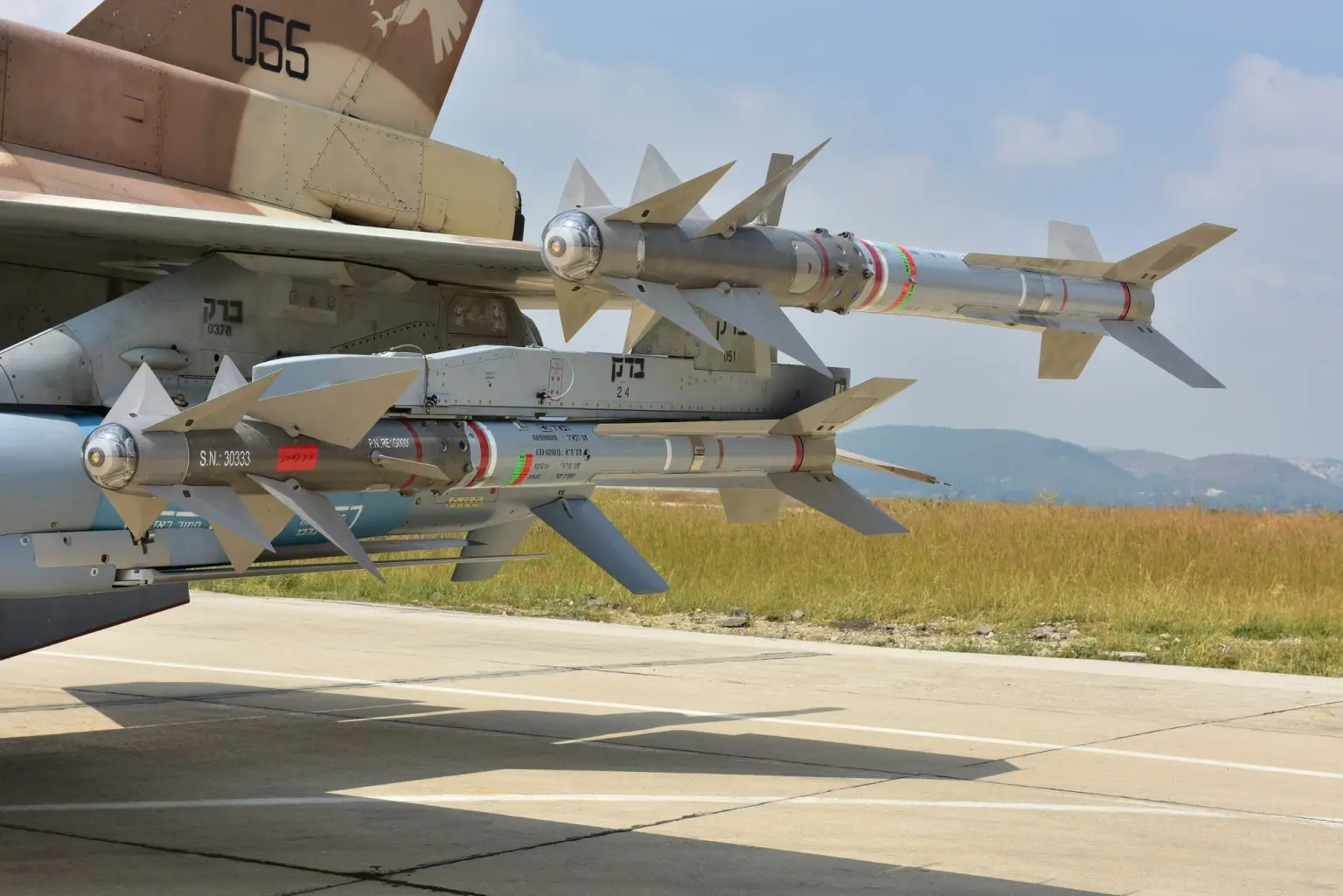
Python-5 (Israel)
Israel's Python-5 leads the world in short-range air-to-air combat. Equipped with a dual-band imaging infrared seeker, the missile offers 360-degree attack capability with off-boresight angles up to 90 degrees. Featuring lock-on-after-launch (LOAL) technology, pilots fire Python-5 without pre-engagement radar lock. The missile's thrust-vectoring control enables extreme manoeuvrability, achieving high-G turns exceeding 50 G. Indian Tejas, Mirages, and Su-30MKI fighters depend on Python-5 for close-range air superiority.
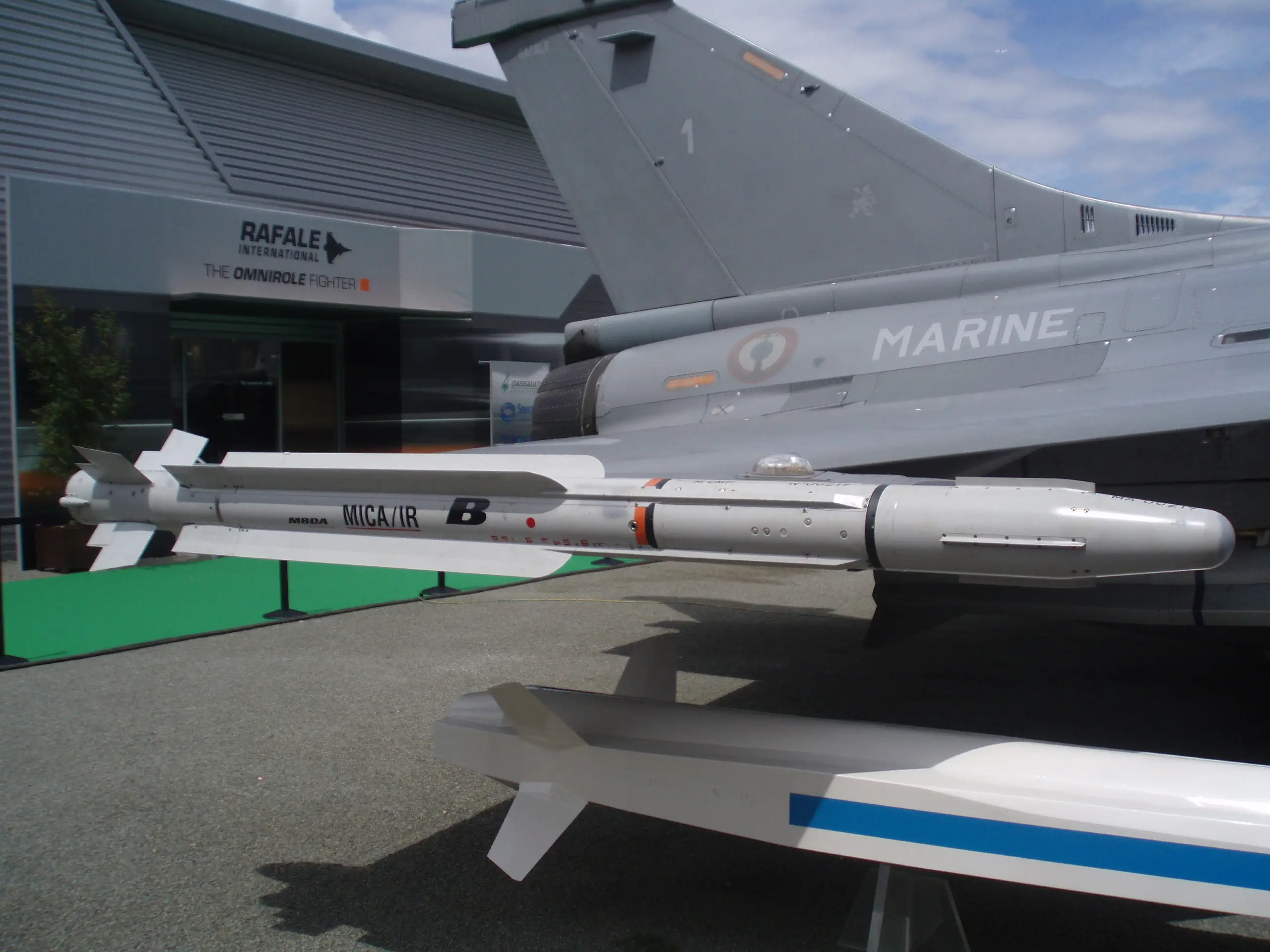
MICA and MICA NG (France)
France's Thales and MBDA developed MICA as a dual-role missile for both short and medium-range engagement. Offering variants with infrared or active radar homing, MICA achieves speeds exceeding Mach 4 with ranges between 60 to 80 kilometres. The next-generation MICA NG extends range by 20 to 30 per cent, reaching 80 to 100 kilometres. Equipped with a dual-pulse motor and enhanced signal processing, the MICA NG counters modern electronic jamming and flare countermeasures deployed by opposing fighters.
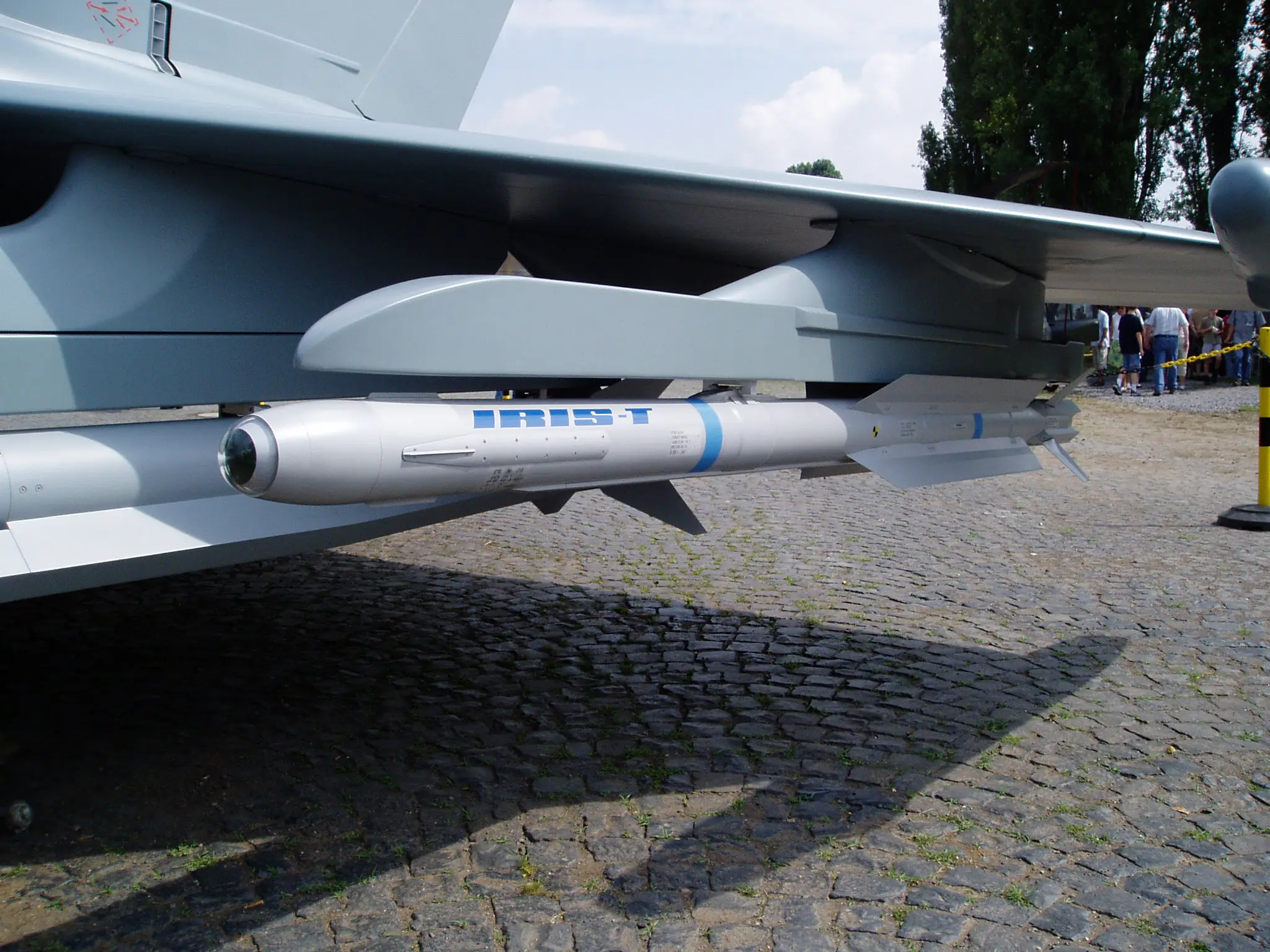
IRIS-T (Germany)
Germany's Diehl Defence IRIS-T air-to-air variant achieves speeds of Mach 3 with ranges reaching 25 kilometres. The system excels in short-range, highly-manoeuvrable air combat with 50-G turning capability. The newer IRIS-T SLM ground-based variant extends range to 40 kilometres, whilst the developmental IRIS-T SLX variant claims 80-kilometre range. Its imaging infrared seeker resists modern flare countermeasures through advanced signal processing, enabling engagement in contested electronic environments.
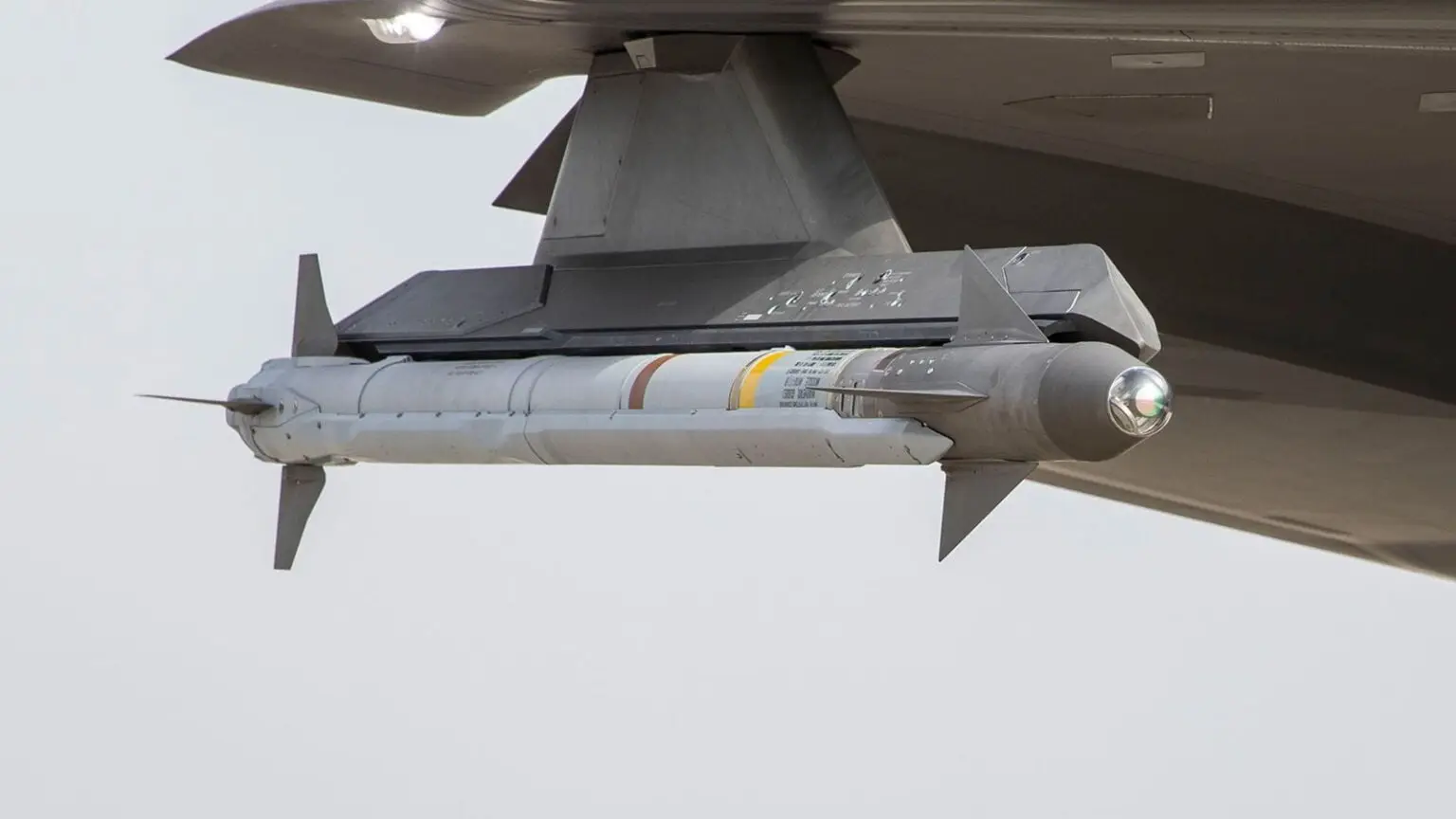
AIM-9X Sidewinder Block II (United States)
The AIM-9X Sidewinder Block II represents the latest evolution of the legendary Sidewinder family. Featuring a 90-degree high off-boresight seeker, the missile engages targets beyond normal gun range. Equipped with thrust-vectoring control, the AIM-9X Block II performs extreme manoeuvres exceeding 60 G, allowing pilots to hit aircraft flying behind the launching fighter. Datalink-enabled guidance provides fire-and-forget capability in beyond-visual-range scenarios, complementing the AIM-120 in modern fighter arsenals.
)
)
)
)
)