8 things that could happen if 3I/ATLAS gets close to Earth

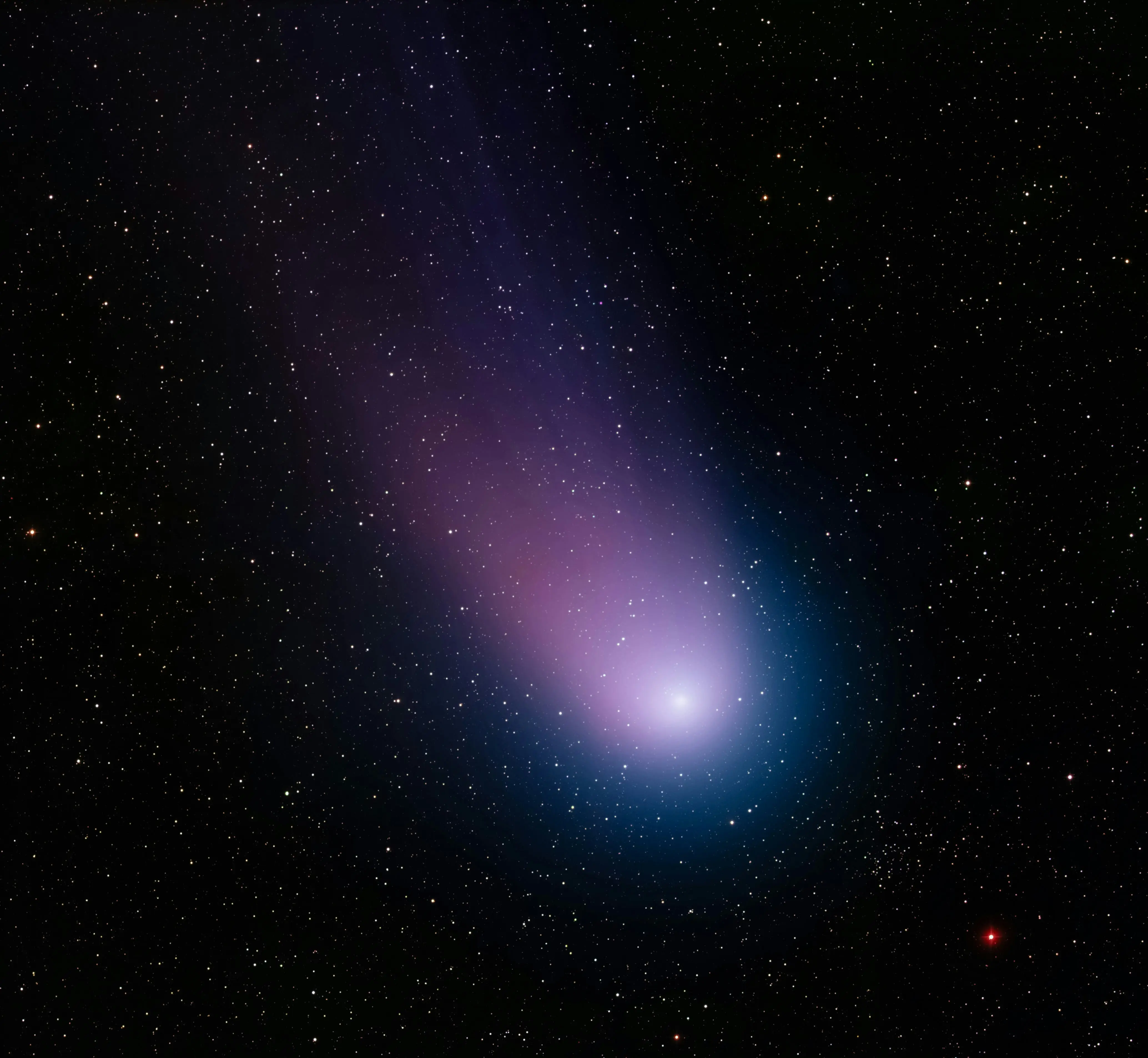
As the comet approaches the Sun, solar heating will cause its icy nucleus to sublimate, releasing gas and dust. This will create a bright coma and tail, making 3I/ATLAS potentially visible to the naked eye under dark skies.
1. No Direct Impact Expected
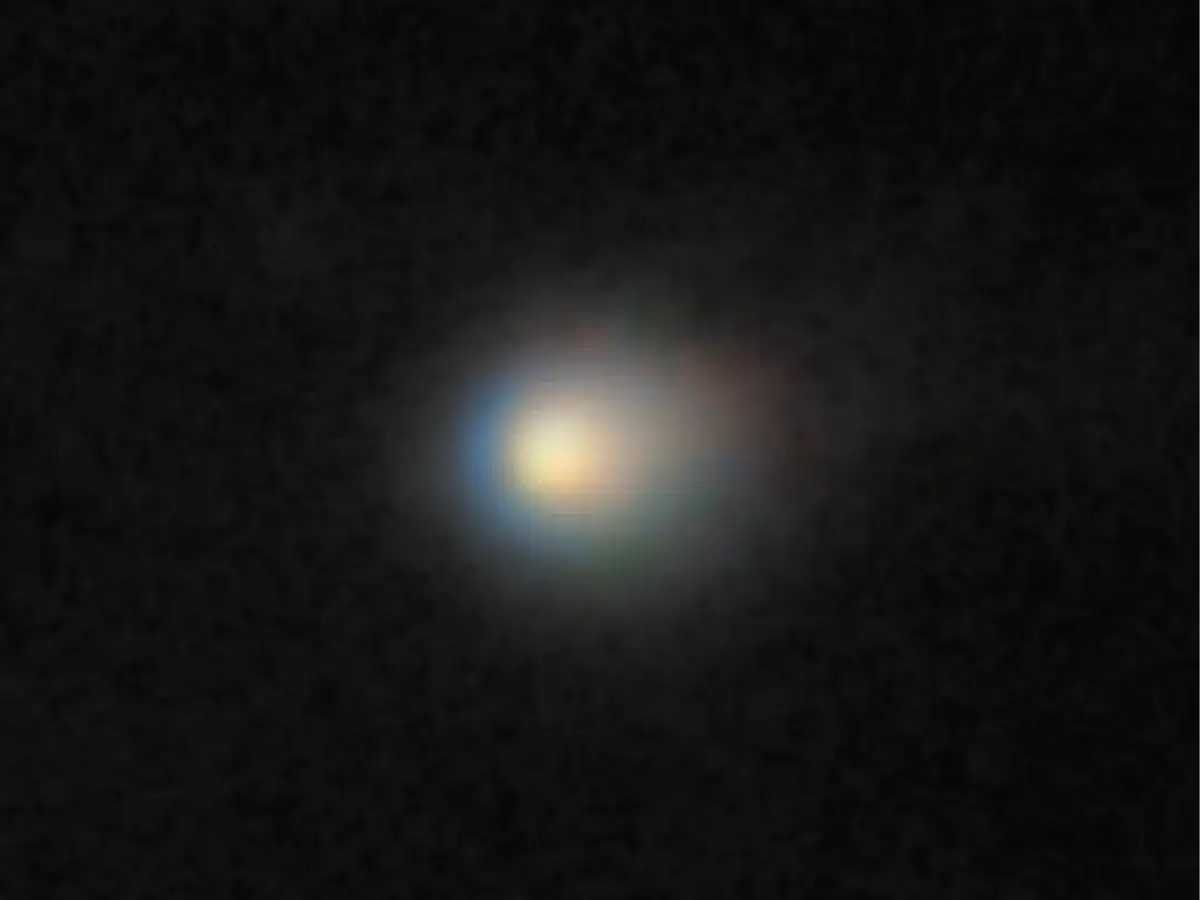
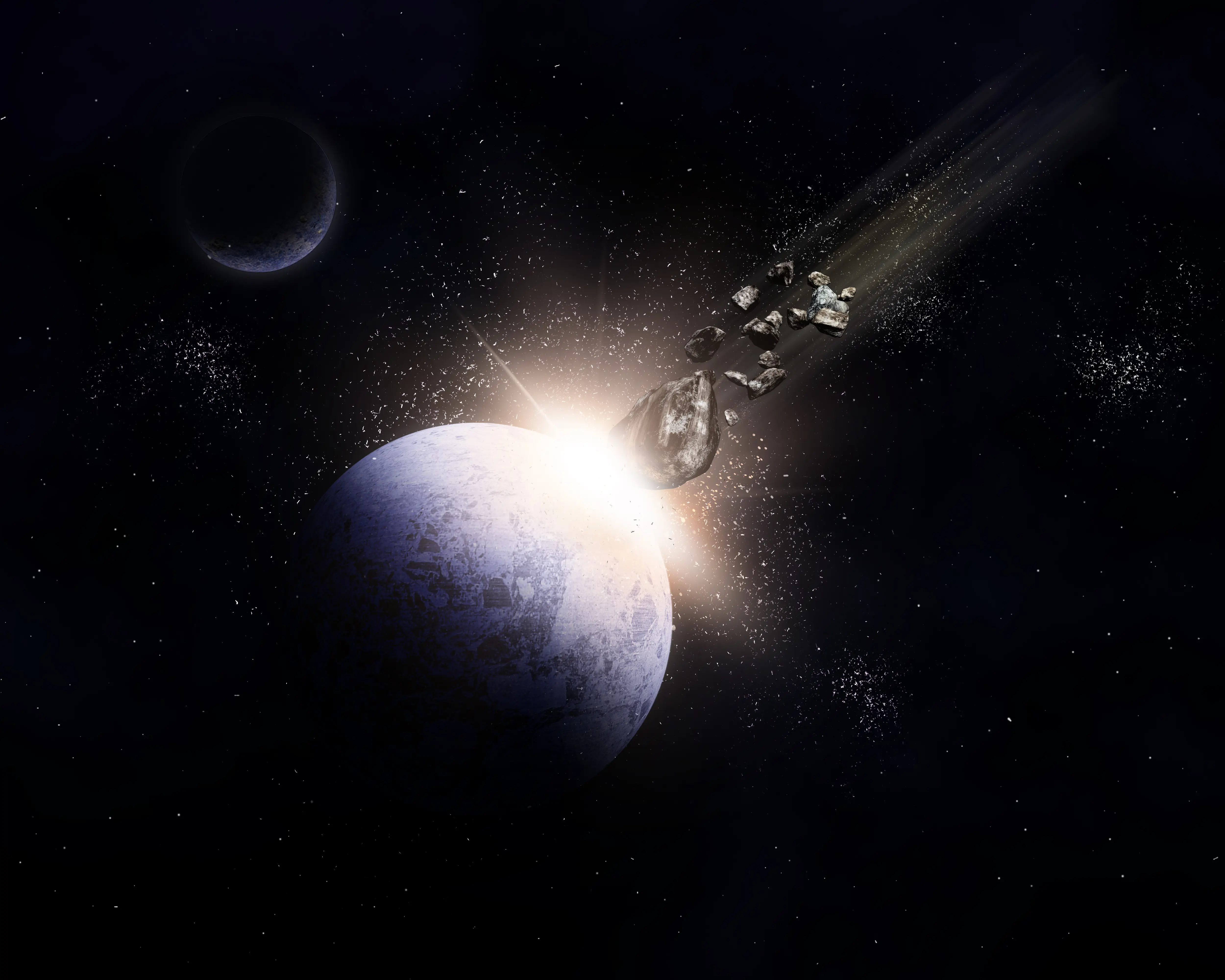
Astronomers have confirmed that 3I/ATLAS poses no collision threat to Earth. Its hyperbolic orbit ensures it will pass through the Solar System at a safe distance. NASA and other space agencies continue to track its trajectory closely, but all current models indicate that the comet will remain millions of kilometres away, making it a spectacular visual event rather than a danger.
2. Brighter Comet in the Night Sky
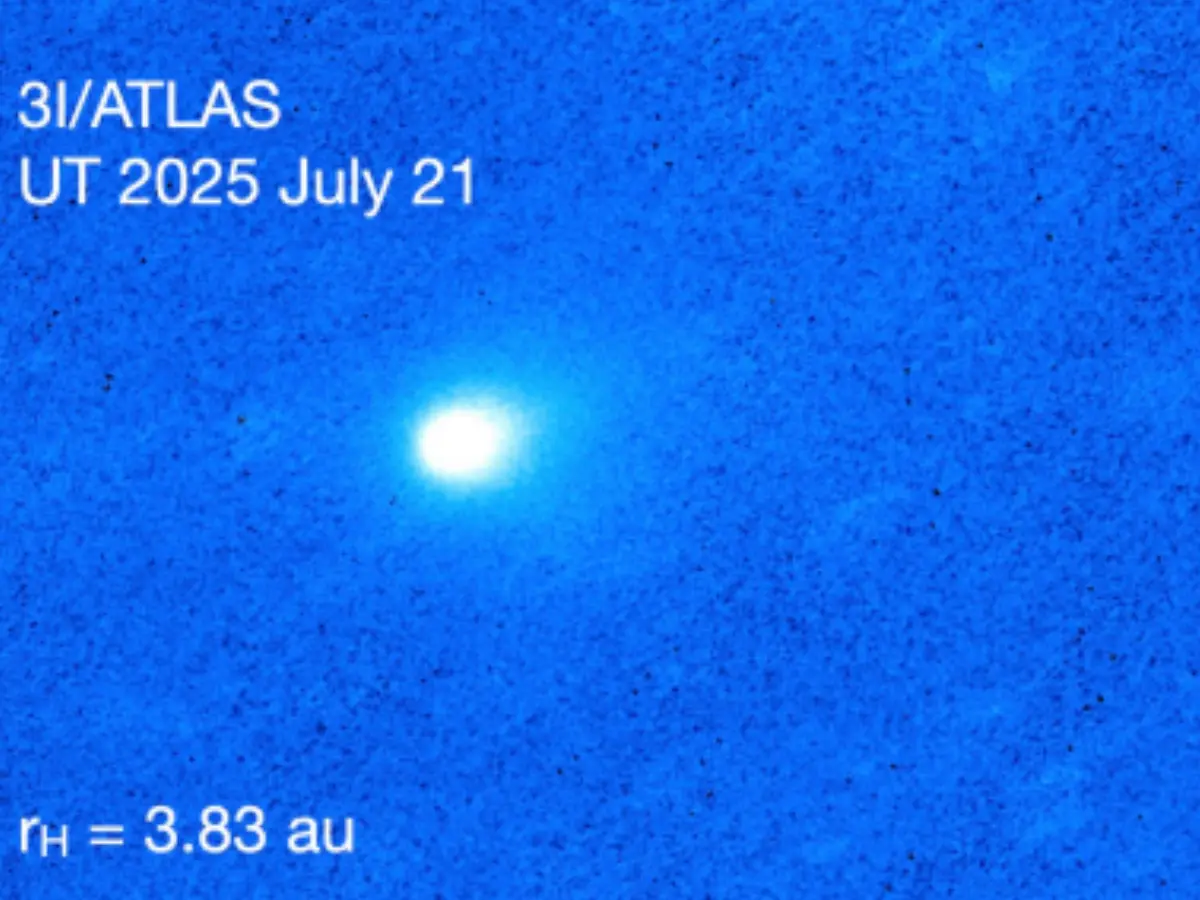
As the comet approaches the Sun, solar heating will cause its icy nucleus to sublimate, releasing gas and dust. This will create a bright coma and tail, making 3I/ATLAS potentially visible to the naked eye under dark skies. Observers in both hemispheres may see a faint greenish glow streaking across the sky, creating a rare astronomical spectacle.
3. Possible Meteor Shower
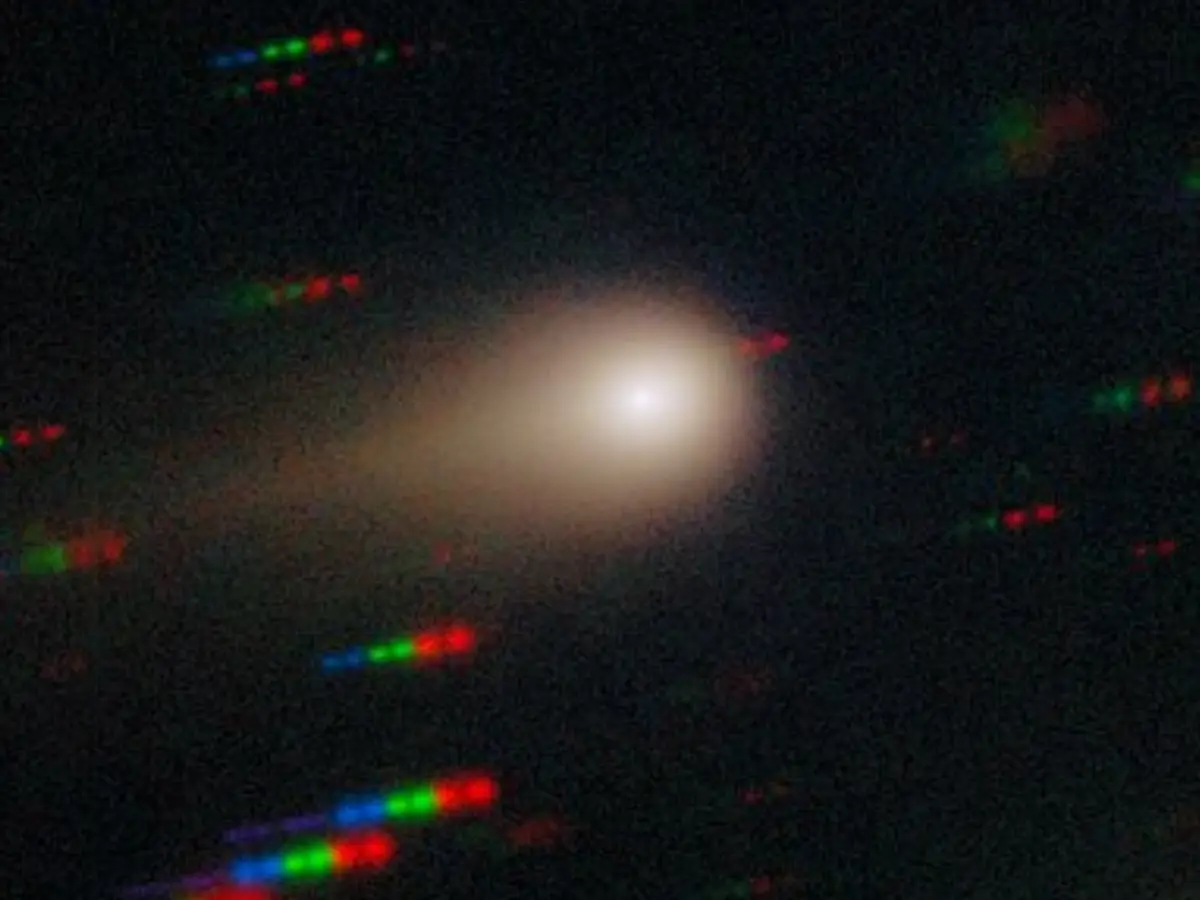
Some scientists speculate that if debris from 3I/ATLAS intersects Earth’s orbit, it could create tiny meteor showers. While these would likely be minor and localised, enthusiasts with telescopes or binoculars may spot brief streaks of light caused by small particles burning up in the atmosphere.
4. Opportunities for Amateur Astronomy
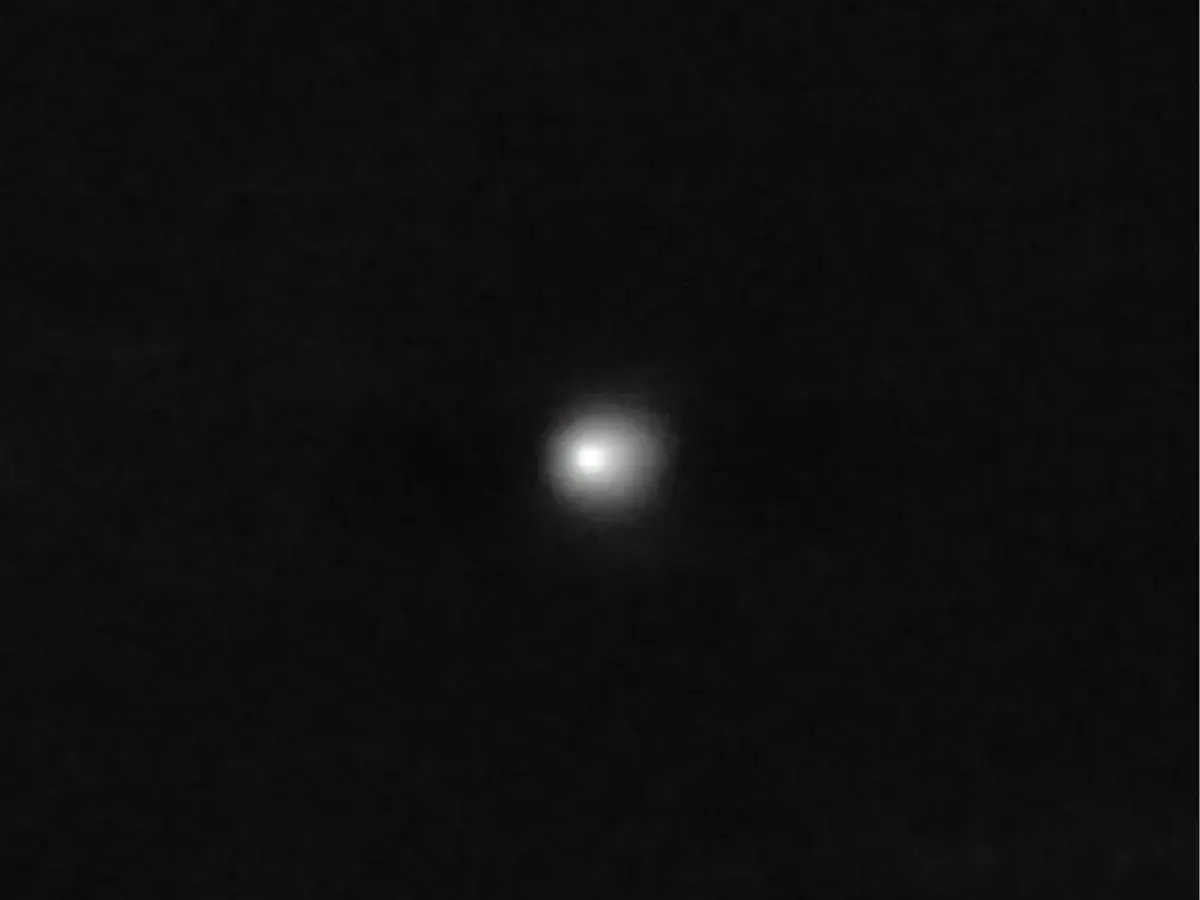
3I/ATLAS presents a unique opportunity for amateur astronomers. Its passage can be tracked using mobile apps like Star Walk 2 or websites like TheSkyLive. Observers can learn to locate constellations, identify comet positions, and capture photos of an interstellar object, a once-in-a-lifetime experience for hobbyists.
5. Scientific Observations and Research
Professional astronomers will use 3I/ATLAS to study interstellar matter. Its composition, orbit, and tail can provide clues about other star systems and the materials that form comets outside the Solar System. Spectroscopic analysis may reveal the presence of unusual ices or organic molecules, enriching our understanding of cosmic chemistry.
6. Potential Media Hype and Misinformation
Historically, interstellar objects like ʻOumuamua and 2I/Borisov have sparked rumours of alien contact or doomsday events. Experts warn that social media may exaggerate 3I/ATLAS’s proximity, leading to unnecessary panic. Verified updates from NASA and professional observatories are the most reliable sources for accurate information.
7. Influence on Future Space Missions
Data from 3I/ATLAS could help scientists plan missions to interstellar objects. By studying its trajectory, speed, and composition, researchers can refine spacecraft design and targeting techniques for future intercept missions, potentially allowing humanity to one day sample material from outside our Solar System.
8. Inspiration for Public Interest in Astronomy
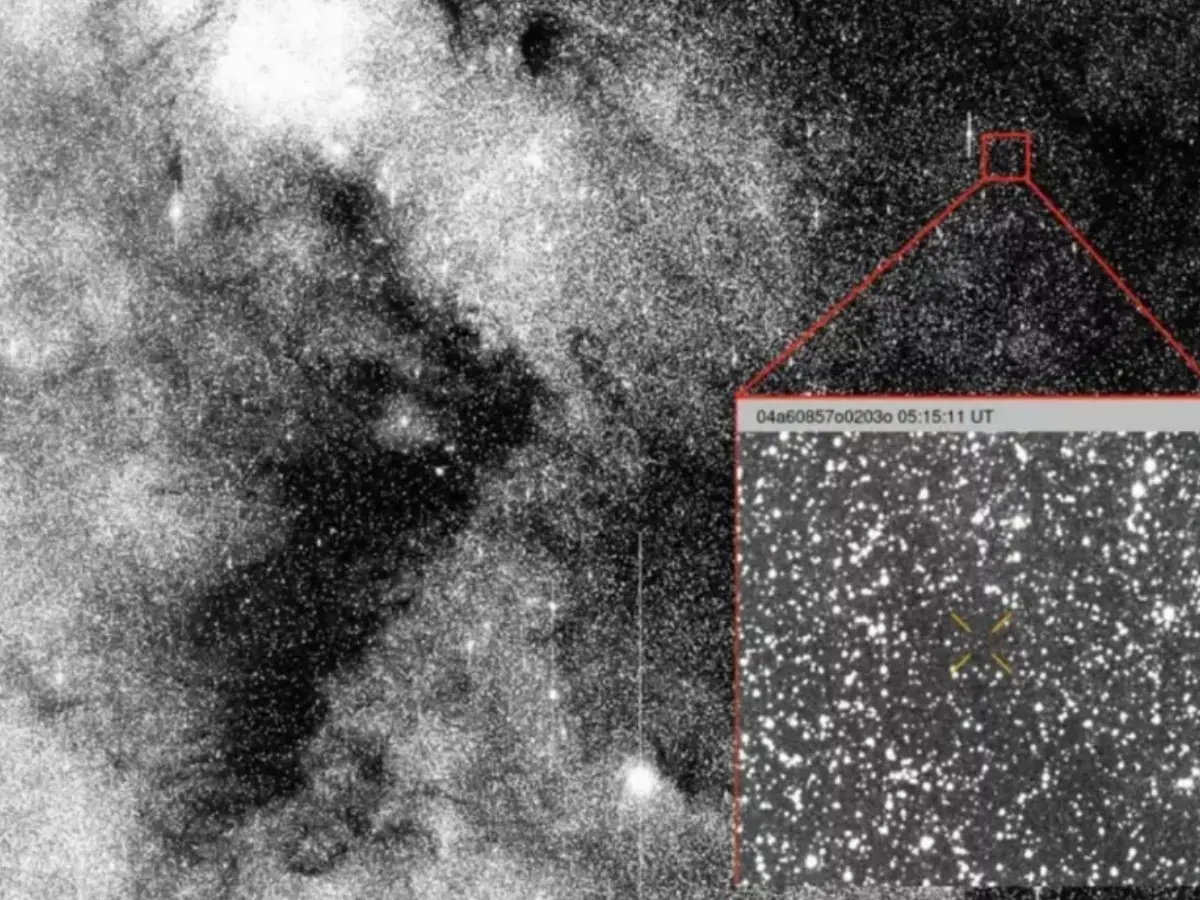
Finally, the comet is likely to spark curiosity and interest in space science. Schools, amateur clubs, and science media may organise viewing events, live streams, and educational content. Like past interstellar visitors, 3I/ATLAS can inspire a new generation of astronomers and space enthusiasts worldwide.
)
)
)
)
)