78th Nakba Day: Remembering the tragedy shadowed by the Gaza crisis

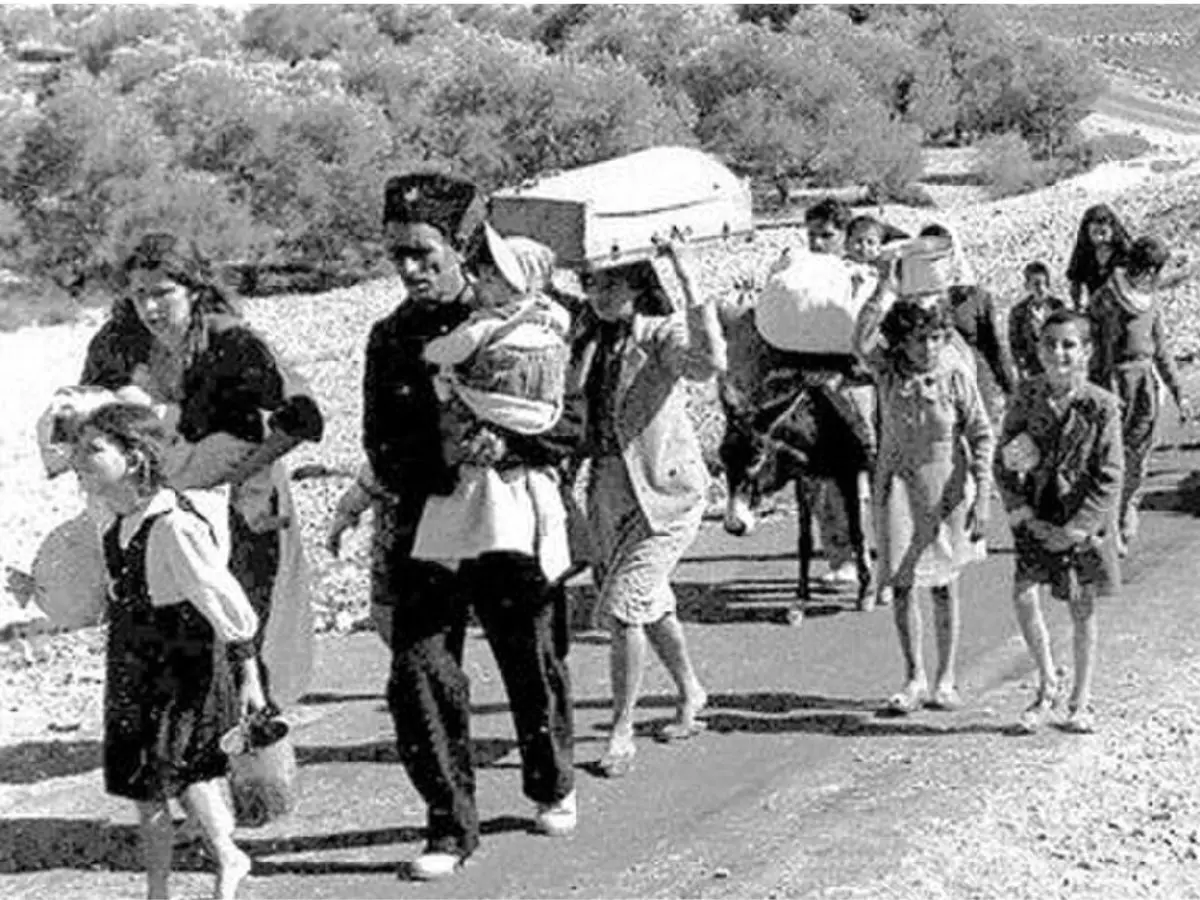
Nakba Day, observed on 15 May, marks the tragedy of the 1948 mass displacement and deprivation of Palestinians. Today, as Gaza grapples with a humanitarian crisis, the day takes on renewed significance.
78th Nakba day
Nakba Day is observed annually on 15 March. The day commemorates the mass displacement and dispossession of Palestinians by the Israeli forces in 1948. Nakba, meaning “catastrophe” in Arabic, is not just an historic event but an important part of Palestinian identity. In 2026, the day takes on new significance for Palestinians around the world, shadowed of the current horrors in Gaza.
History of the Nakba
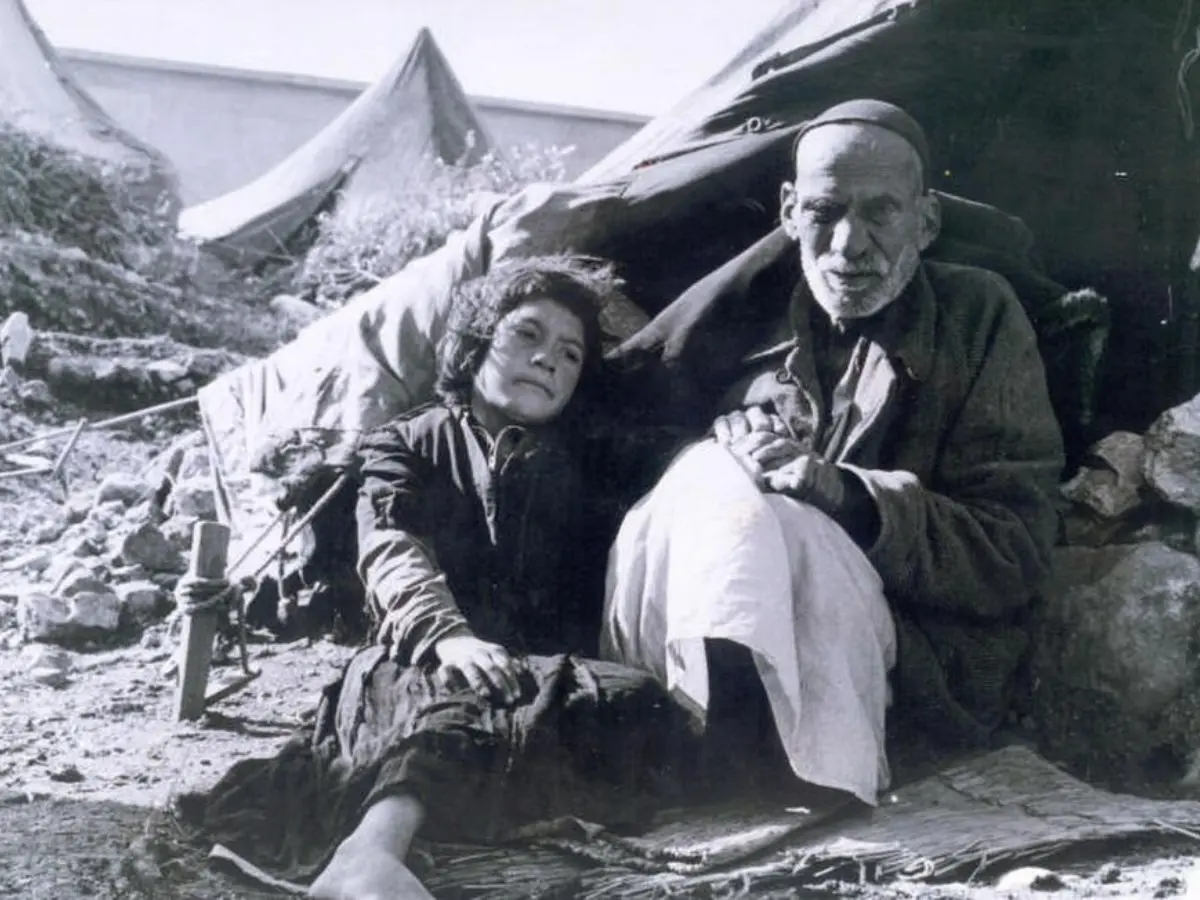
The Nakba, marked by the creation of Israel, was a culmination of a long conflict in the region. A massive immigration of the Jewish population in the 1930s and the Zionist movement aiming to establish a Jewish state in Palestine resulted in intense conflicts between Arabs and Jews.
In 1947, the United Nations proposed a division of the land into Arab and Jewish states. The proposal was opposed by the Arab world, with the following hostilities escalating into a civil war.
Mass violence
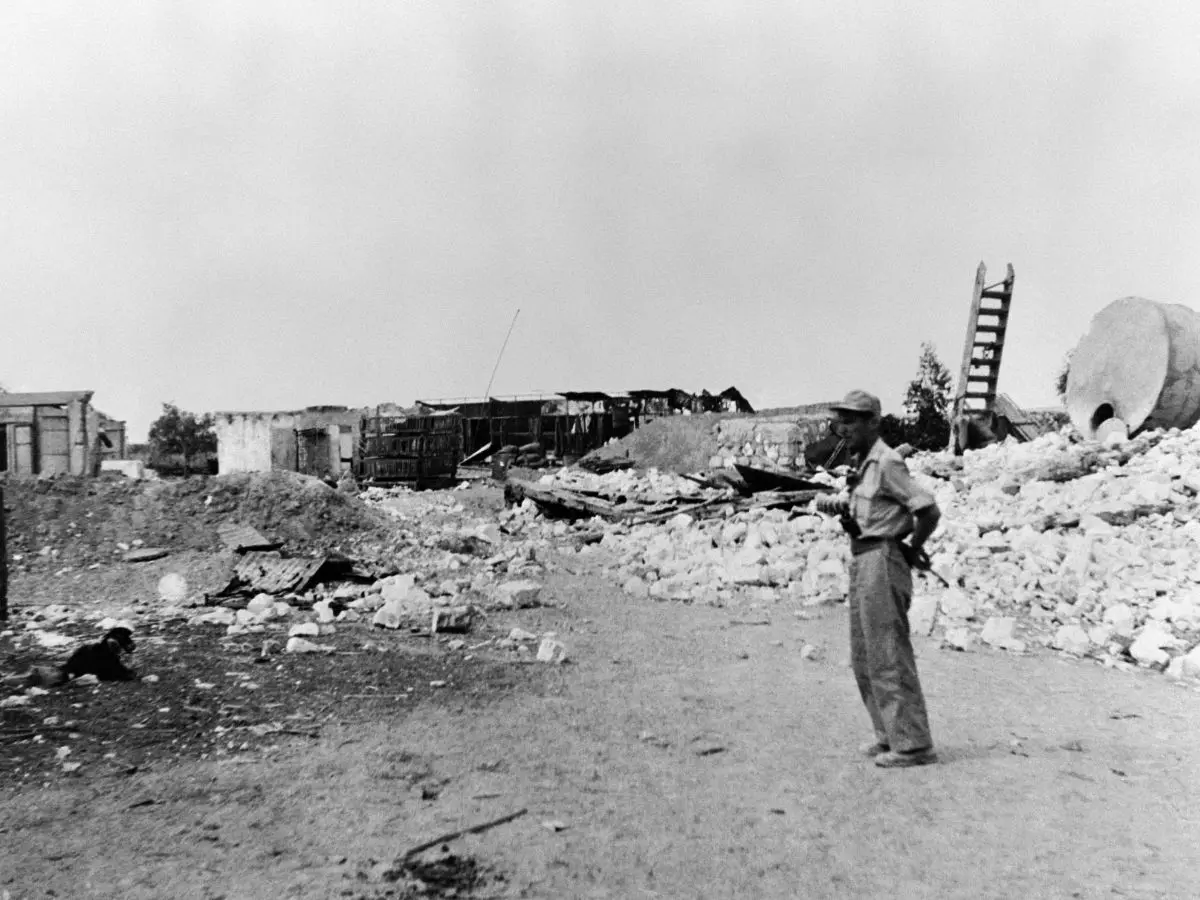
After the end of the British Mandate and departure of British forces, the newly established Israeli forces launched attacks against Palestinians, displacing thousands and destroying over 530 towns, according to the West Bank-based Palestinian Central Bureau of Statistics. Israel also employed biological warfare by poisoning water sources, like village wells.
Long-term implications for Palestinians
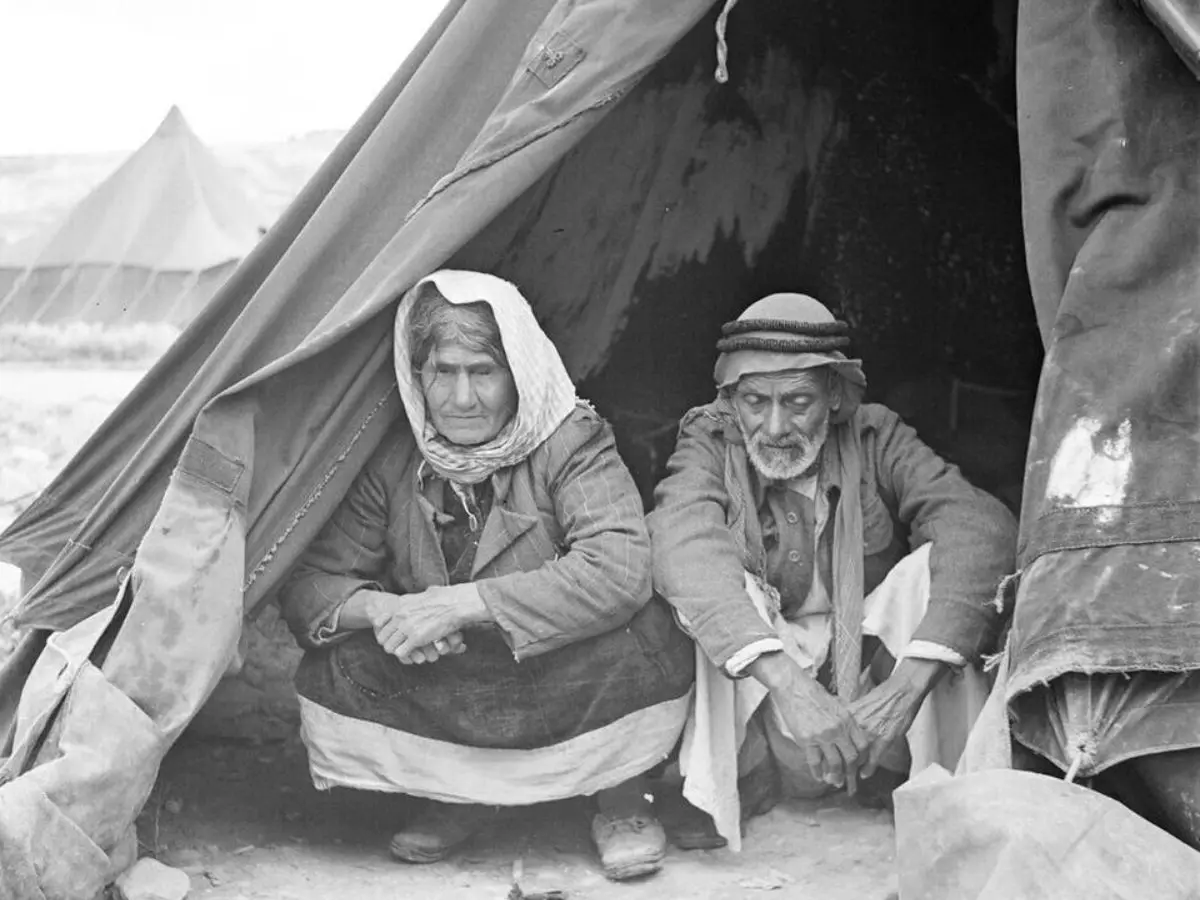
The implications of the Nakba for the Palestinian people were the loss of their homeland, marginalisation of their national community and a massive refugee crisis. The term “ongoing Nakba” has emerged since then, to describe the continuous violence and displacement experienced by the people in Palestine
UN recognition and Israeli response
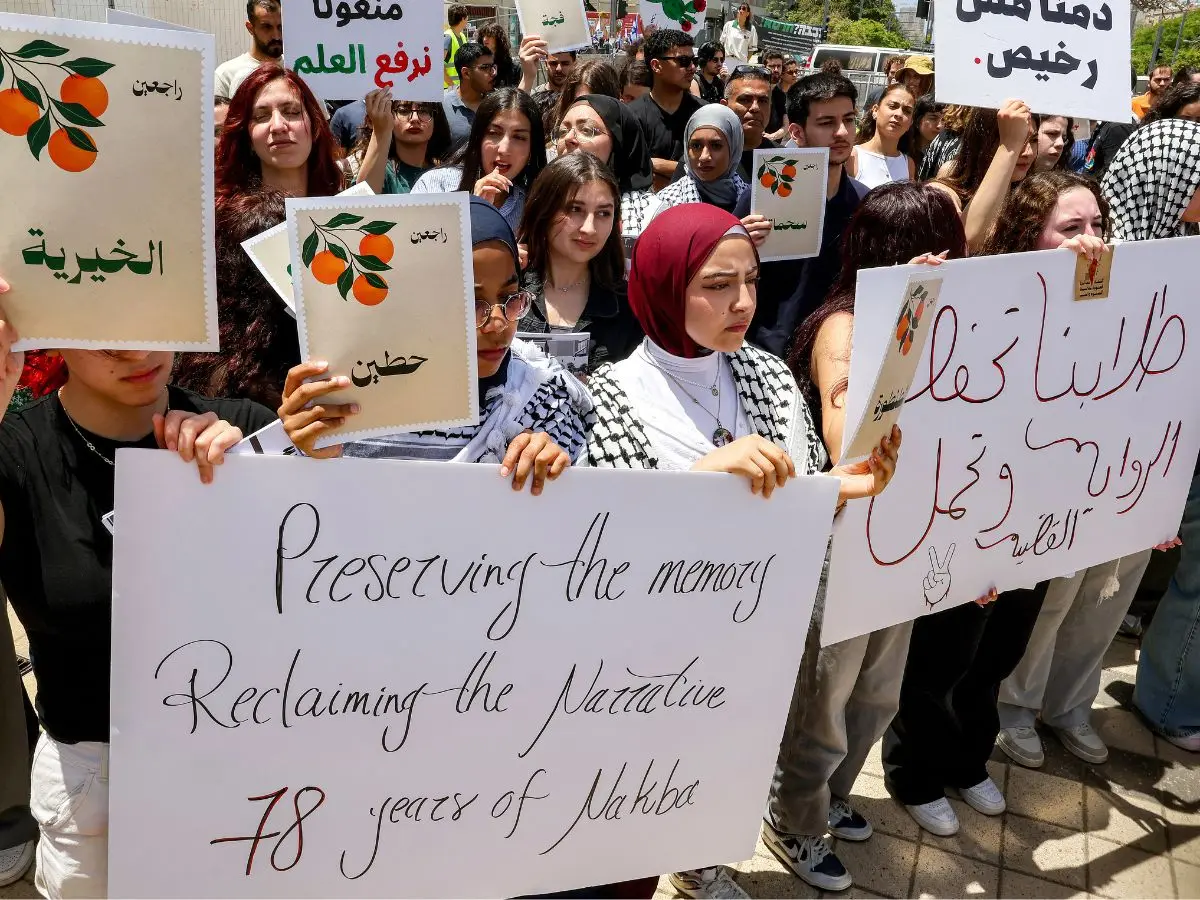
In 2023, the UN instituted an official commemoration day of the Nakba on 15 May and held an event called "1948-2024: The Continuing Palestinian Nakba" in 2024 at its headquarters. Israel passed the "Nakba Law” in 2011, forbidding institutions from commemorating the event. Despite this, students of Israel’s Tel Aviv University hold annual Nakba Day commemorations, including in 2026, amid high tensions and security.
Continued violence
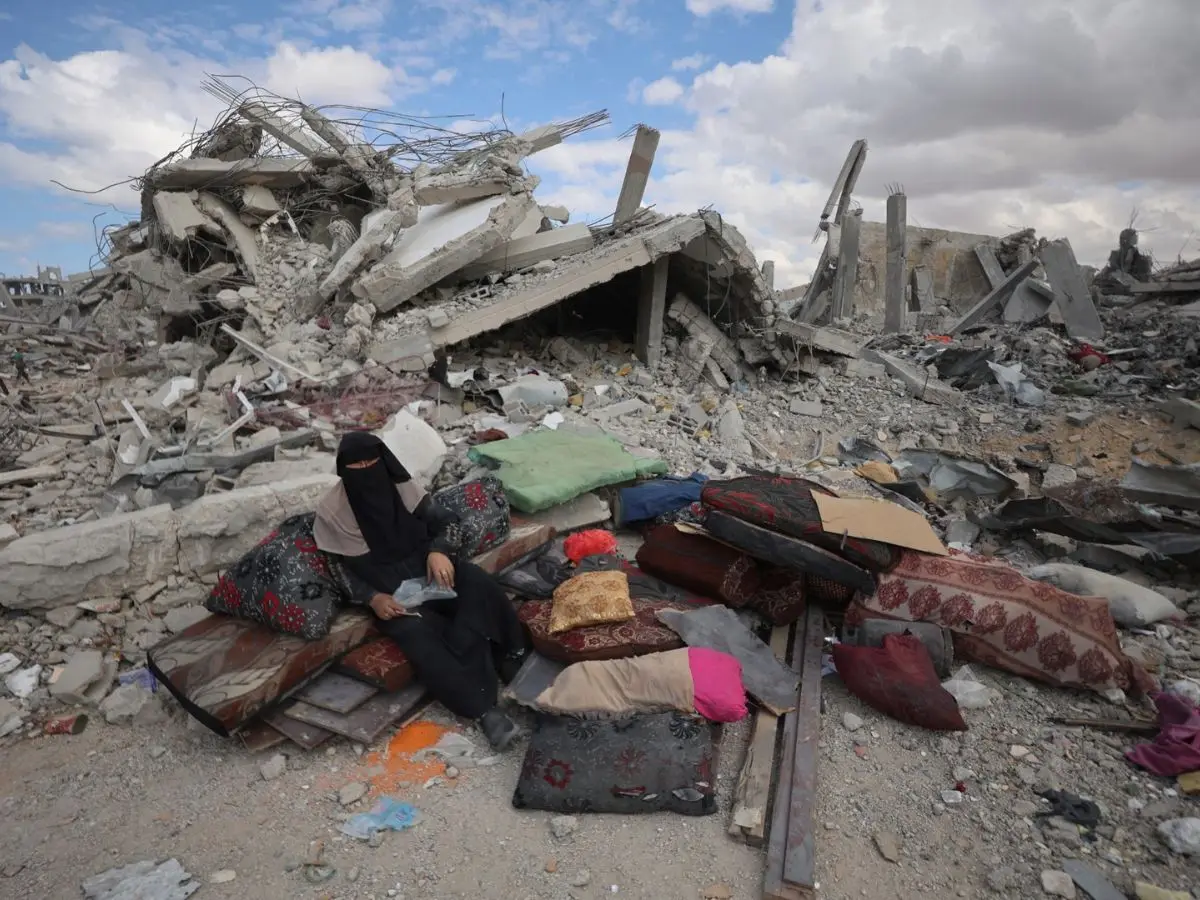
Today, the 78th Nakba day commemorations are deeply affected by the current crisis in Gaza, which has resulted in worsening humanitarian conditions in Gaza. The UN reports that almost the entire population is reliant on aid, which is also hindered due to blockades. As of May 2025, more than 50,000 children have been reportedly killed or injured in the Gaza Strip since October 2023, according to UNICEF.
Modern-Nakba?
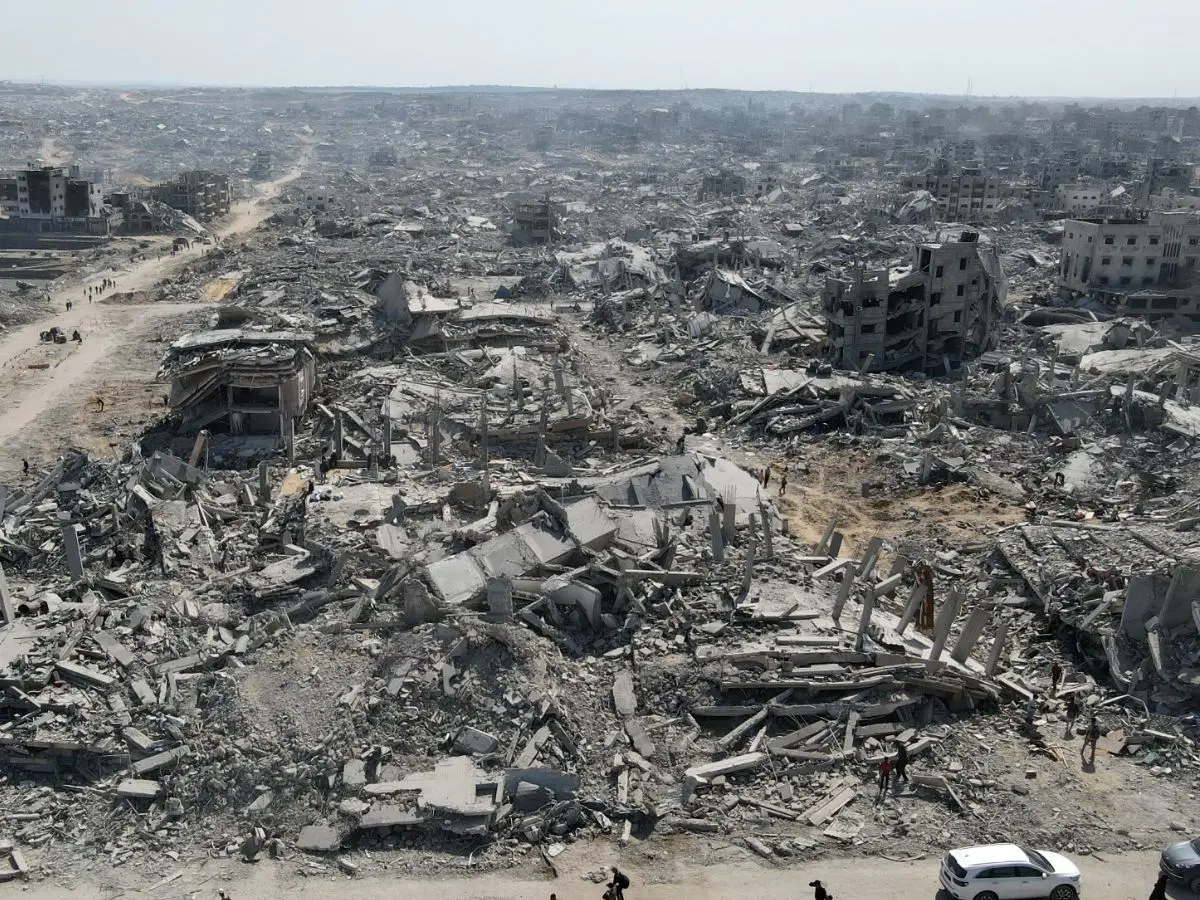
Palestinians in Gaza say mass displacement suffered by their predecessors during Nakba has been exceeded by the current conflict in Gaza, as seen in a video published by AP. Despite a ceasefire declared in October 2025, multiple reports indicate continued military occupation, widespread destruction of infrastructure and a severe humanitarian crisis.
)
)
)
)
)