7 ways NASA's Voyager 1 and 2 could become a 'myth' for future civilisations

Voyager 1 and 2 were launched in 1977 to study the outer planets and now drift silently toward interstellar space. Long after their signals fade, the spacecraft may still exist as relics. For future civilisations, they could take on symbolic or mythical meaning.
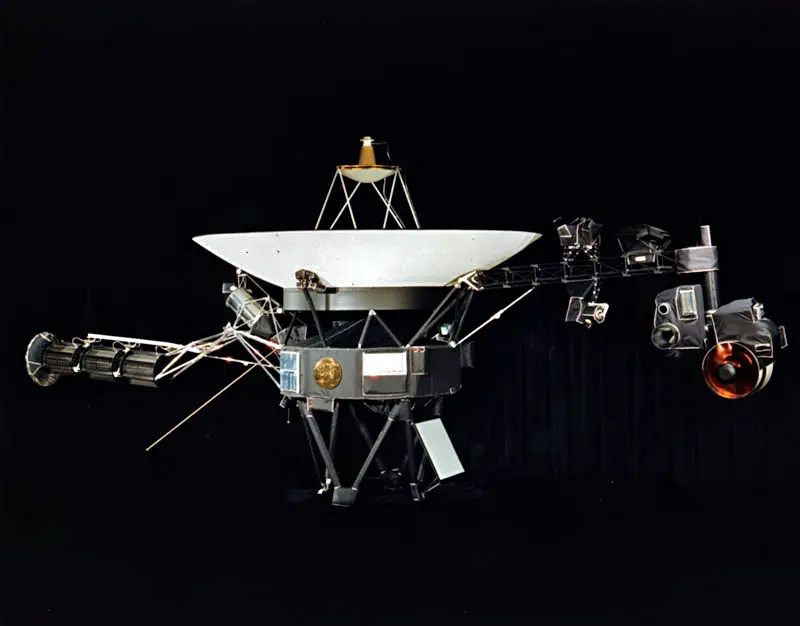
The Relic of a Lost World
Future beings may discover Voyager and interpret it as a sacred object from a civilisation that no longer exists, mistaking it for a ceremonial artefact.
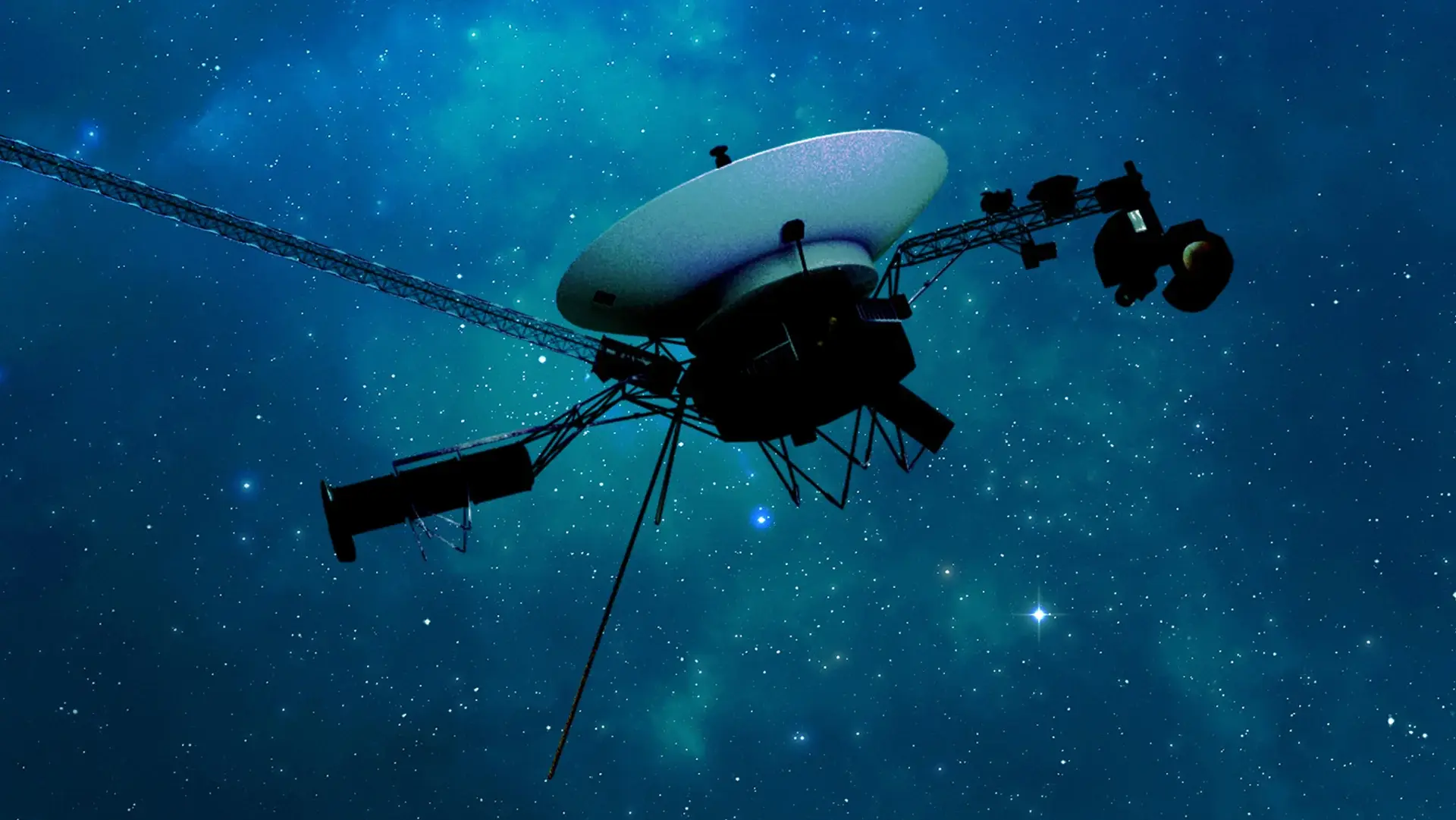
The Golden Record as a Sacred Text
The phonograph record, with its engraved instructions and encoded sounds, may be regarded as a holy scripture or manual of cosmic origin.
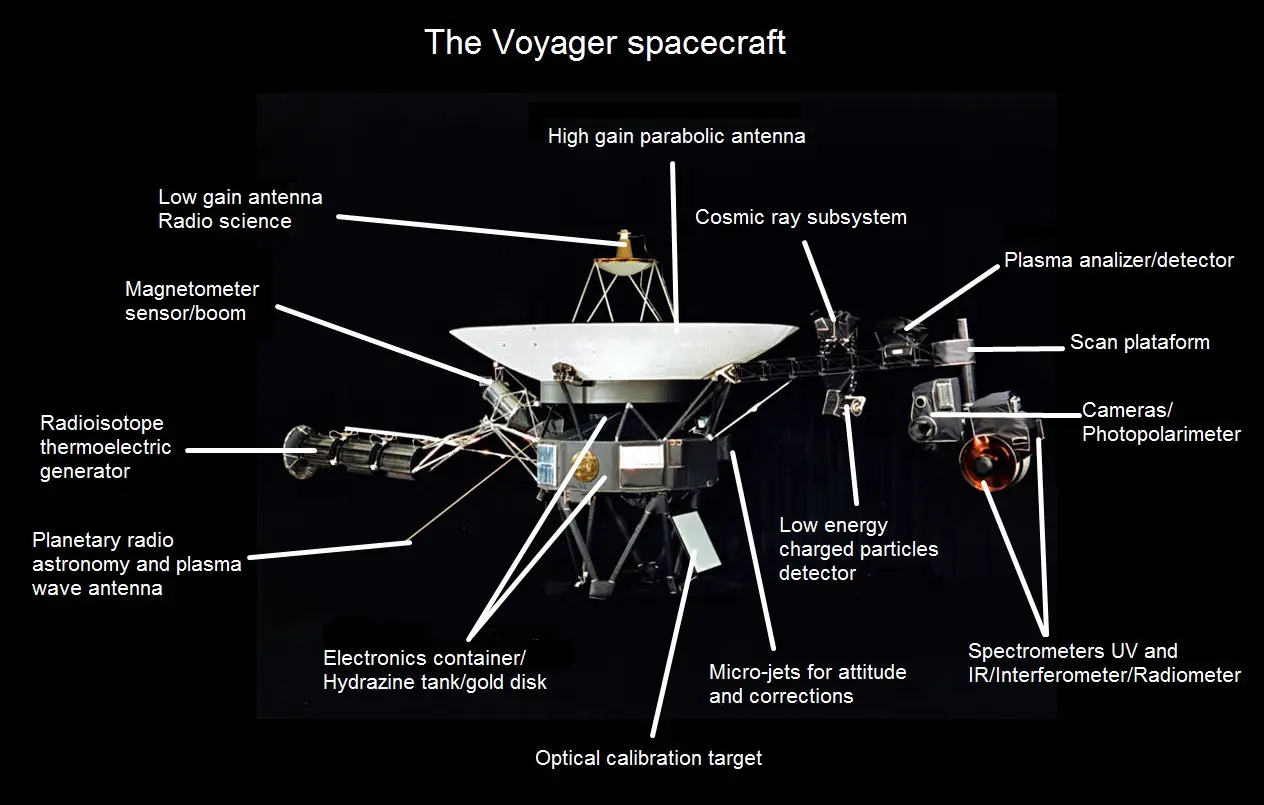
A Messenger of the Sky
Voyager could be mythologised as a messenger sent by unseen gods or ancestors, its long journey through the stars retold as an act of devotion.
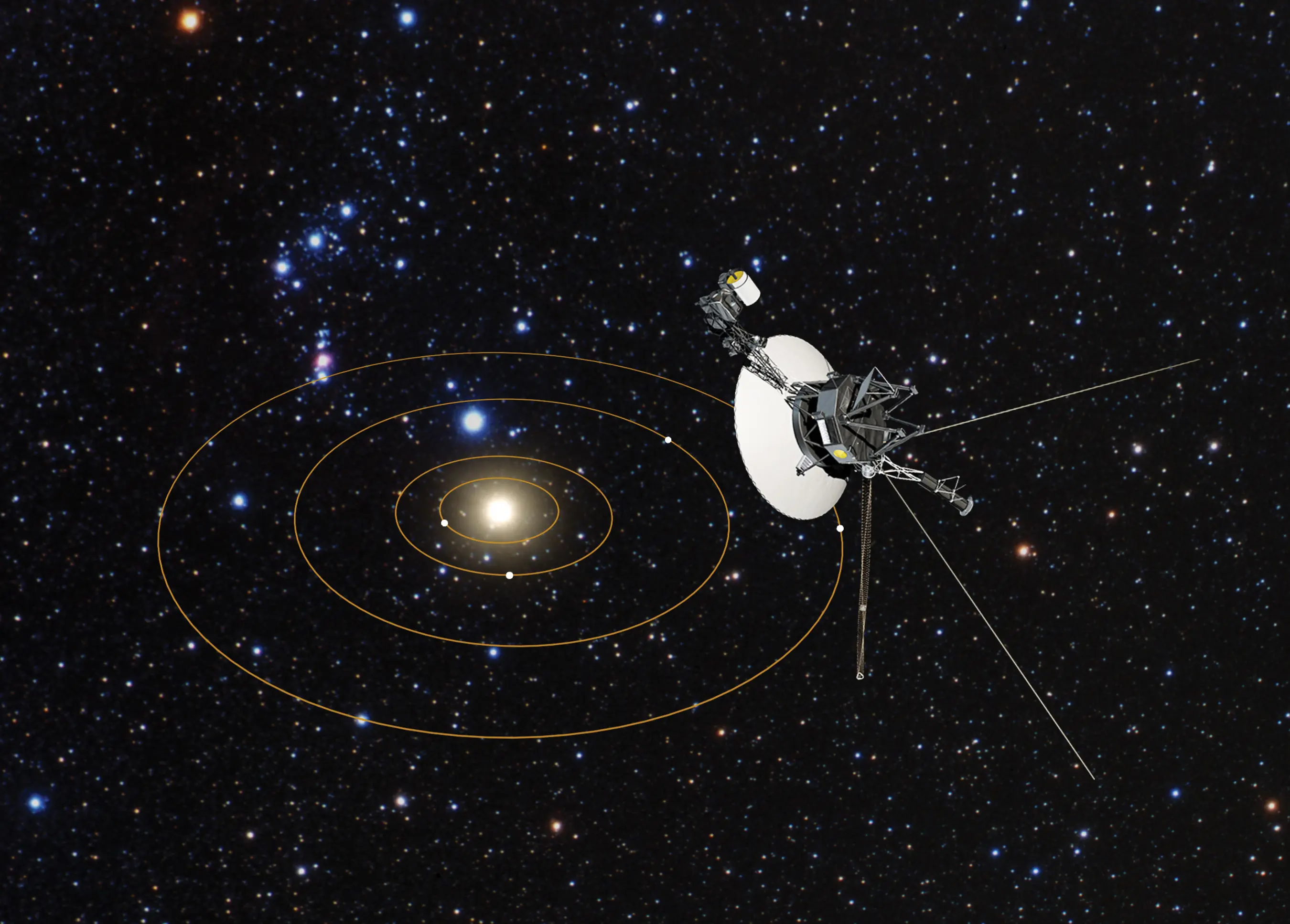
The Silent Pilgrim
The spacecraft may be remembered as a wandering entity that abandoned its home to search for truth, inspiring narratives of pilgrimage and exile.
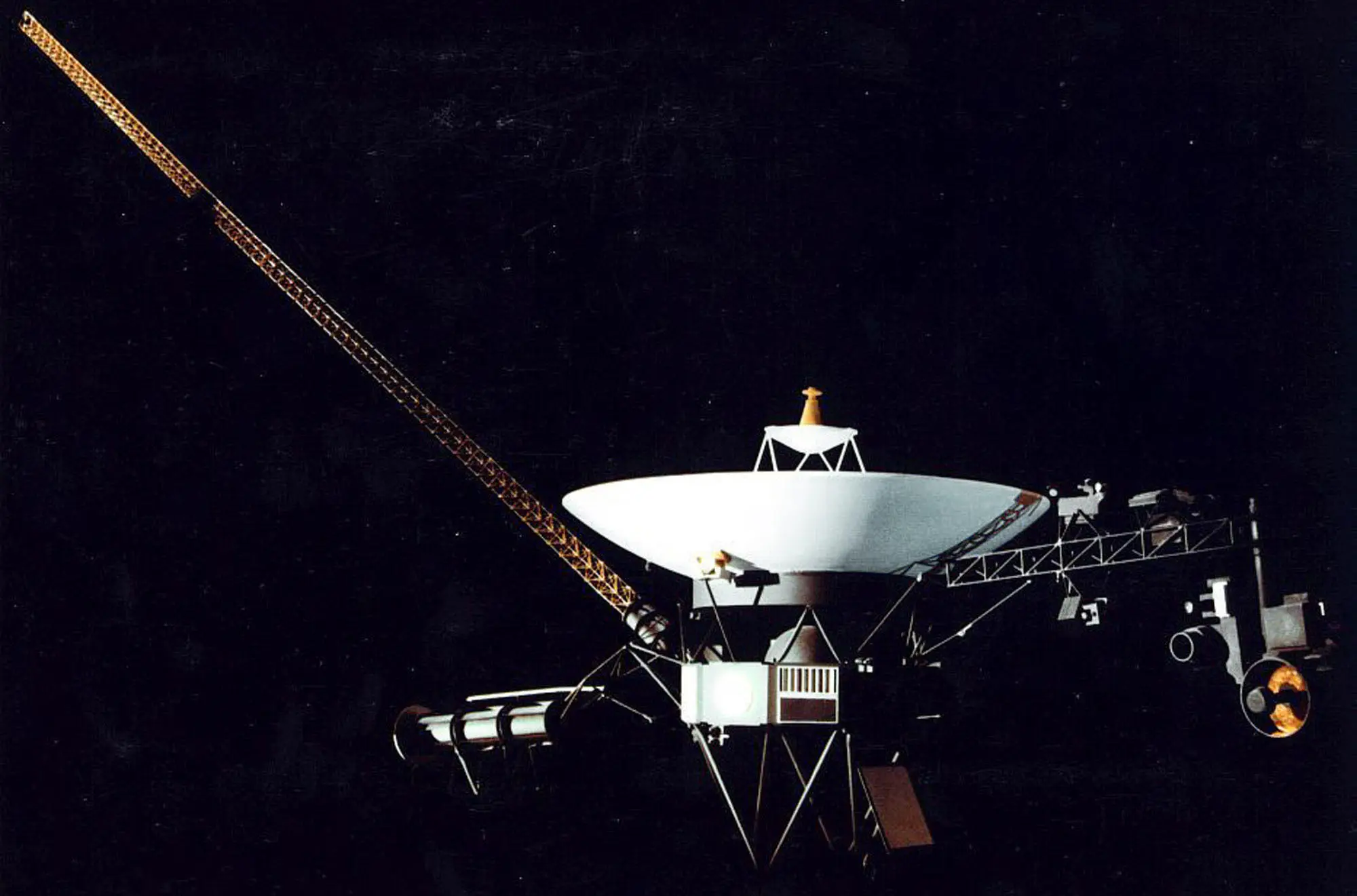
The Keeper of Knowledge
Voyager’s data and recordings may be seen as hidden wisdom, granting authority to whoever claims the ability to interpret them.
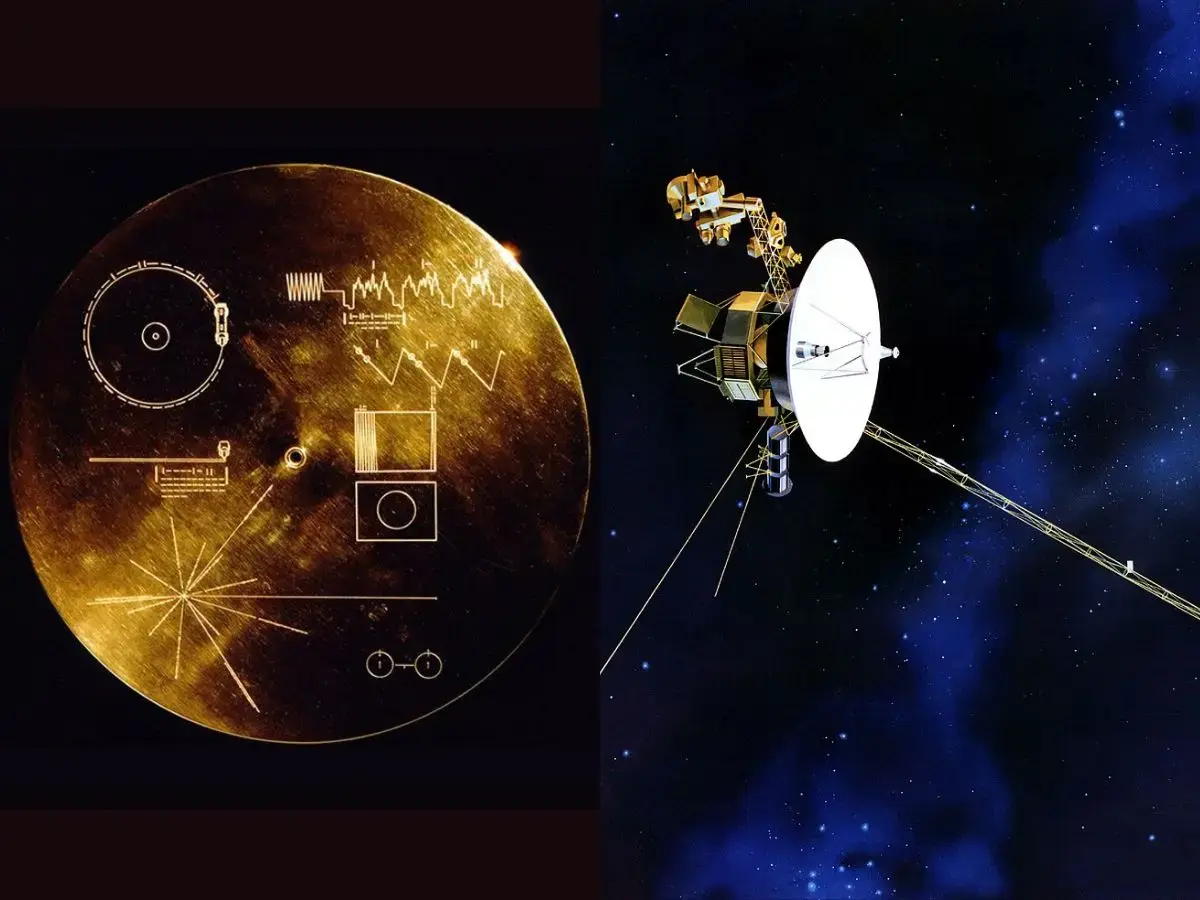
The Eternal Traveller
The spacecraft’s endurance over billions of years may symbolise immortality, leading to myths of an indestructible traveller guiding cosmic order.
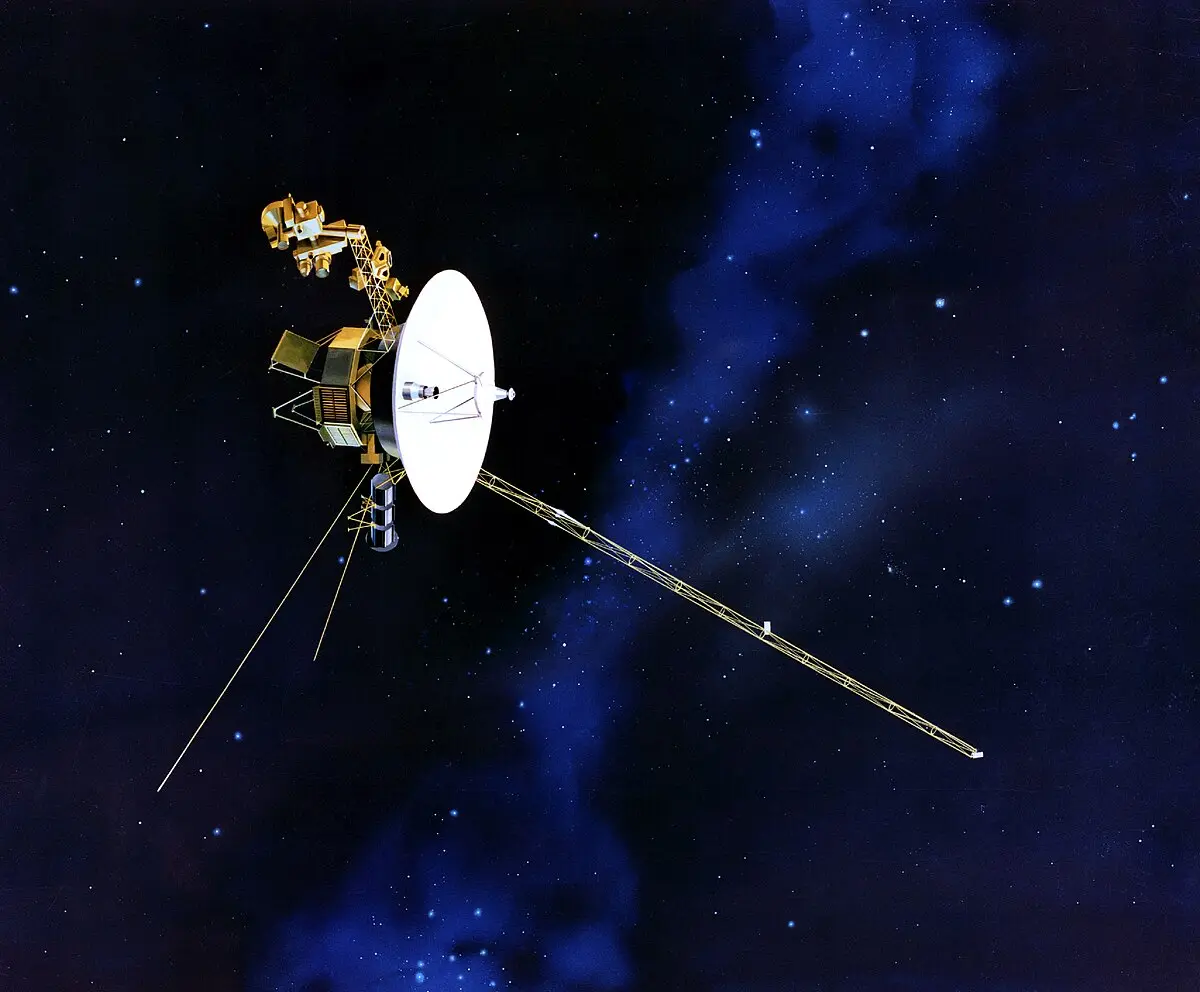
A Cosmic Omen
If rediscovered during a period of turmoil or discovery, Voyager may be linked to prophecies, its presence interpreted as a sign of change.
)
)
)
)
)