Tsunami alert: 7 ways how Japan manages earthquake-tsunamis really well despite sitting on a volatile seismic zone

A powerful earthquake with a magnitude of 7.7 jolted Japan on Monday, April 20, towards its northeastern coast, sending tsunami warnings. Earthquakes and tsunamis are nothing new for the Asian nation, which prompted the governments over the years to establish earthquake-proof measures.
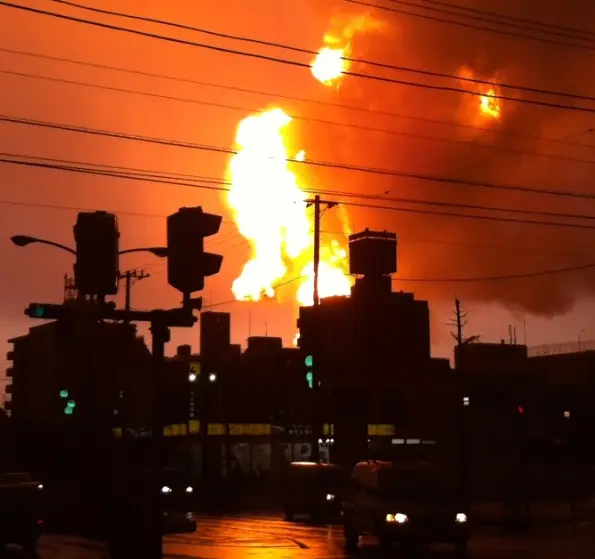
Japan sits on one of the most quake-prone regions
After Japan was shaken to its core on Monday with a powerful earthquake along its northeastern coast, it highlighted that the island nation sits on a seismic hotspot. But earthquakes and tsunamis are nothing new for the Asian nation. This has prompted the governments over the years to establish earthquake-proof measures. The nation was able to brave through disasters due to its preparedness. What does Japan do for earthquake-proofing its society? The measures listed below should serve as lessons for other countries in disaster preparedness.
(The images are from past earthquakes and tsunamis in Japan)
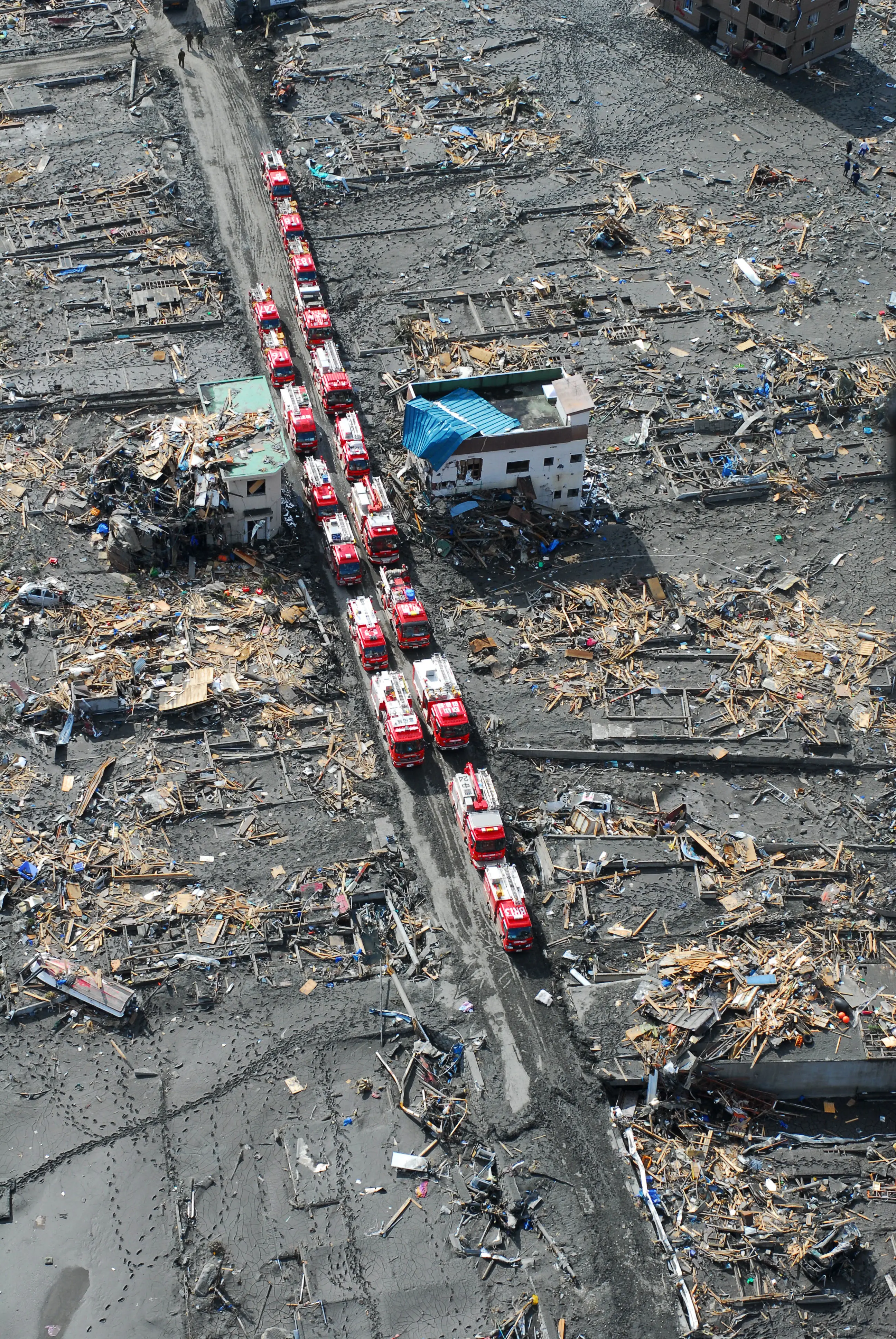
Strict codes for buildings
Japan has enforced rigorous standards for buildings. These seismic guidelines are implemented strictly and updated periodically based on past earthquake experiences. As per the building codes, structures should be able to withstand specific magnitudes of earthquakes. Buildings, particularly high-rise one, sare supposed to use reinforced material.
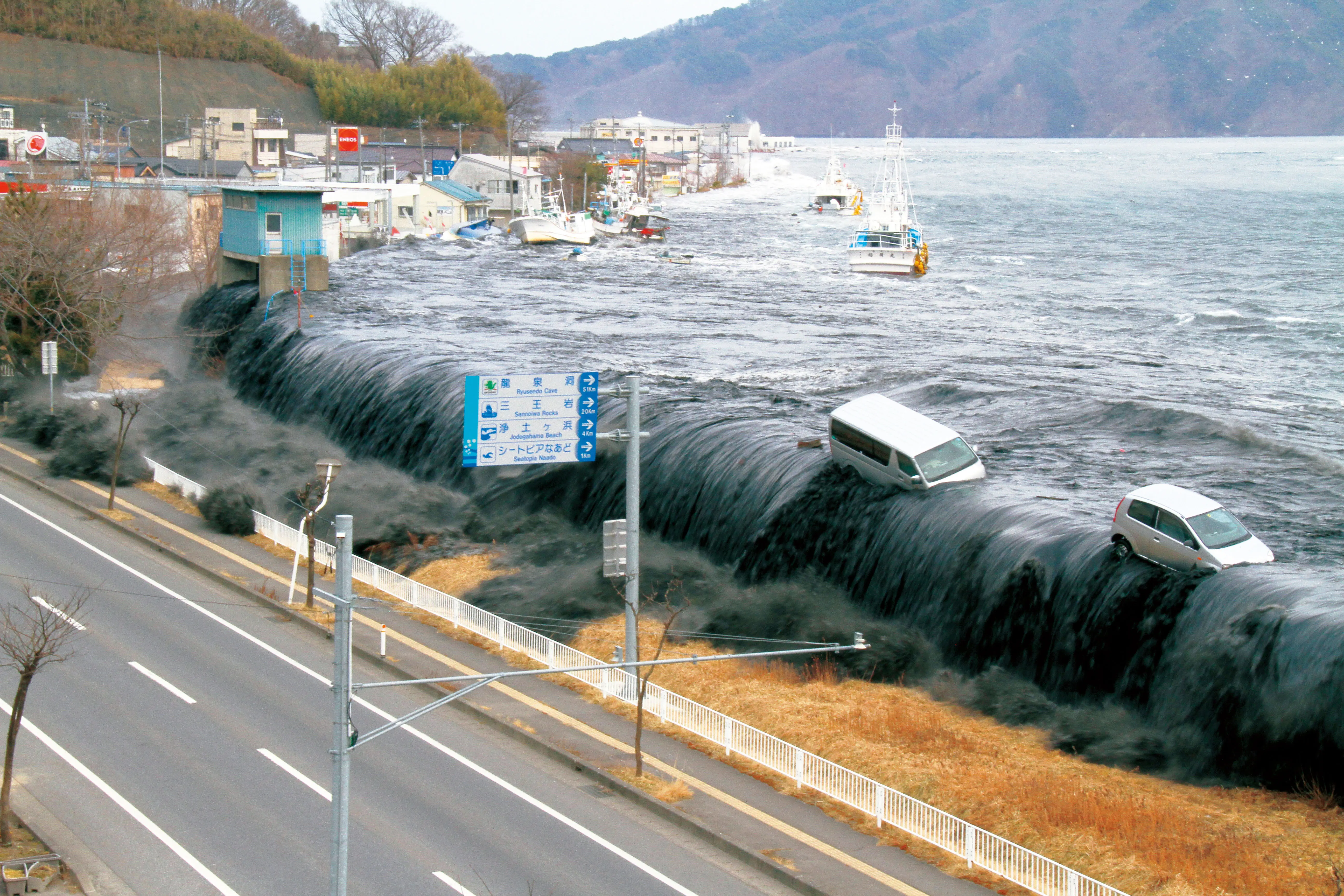
Earthquake early warning systems
In a nation prone to earthquakes, the Japanese Meteorological Agency, or JMA, has a sophisticated earthquake early warning system. JMA can detect initial seismic waves. The early warning system sends alerts to residents on phones, television and through public announcement systems before stronger temblors, which allow people to take cover.
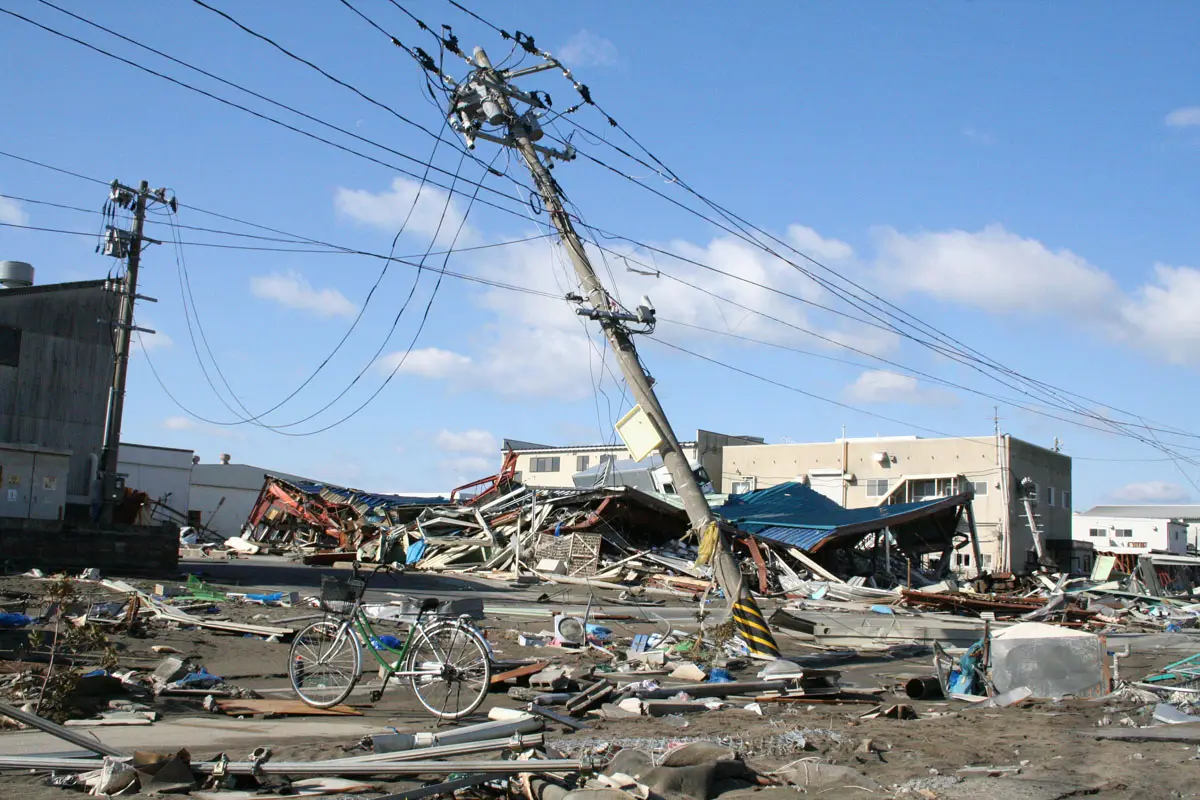
Earthquake education and drills in Japan
Japan is globally renowned for its regular earthquake drills. They start at a young age for its residents, with schools teaching children what to do in the event of quakes. Such drills are also conducted in offices and local communities periodically. Every year, Disaster Prevention Day is observed on September 1, which reinforces preparedness through nationwide awareness campaigns, earthquake simulation excercises and educating residents on evacuation protocols.
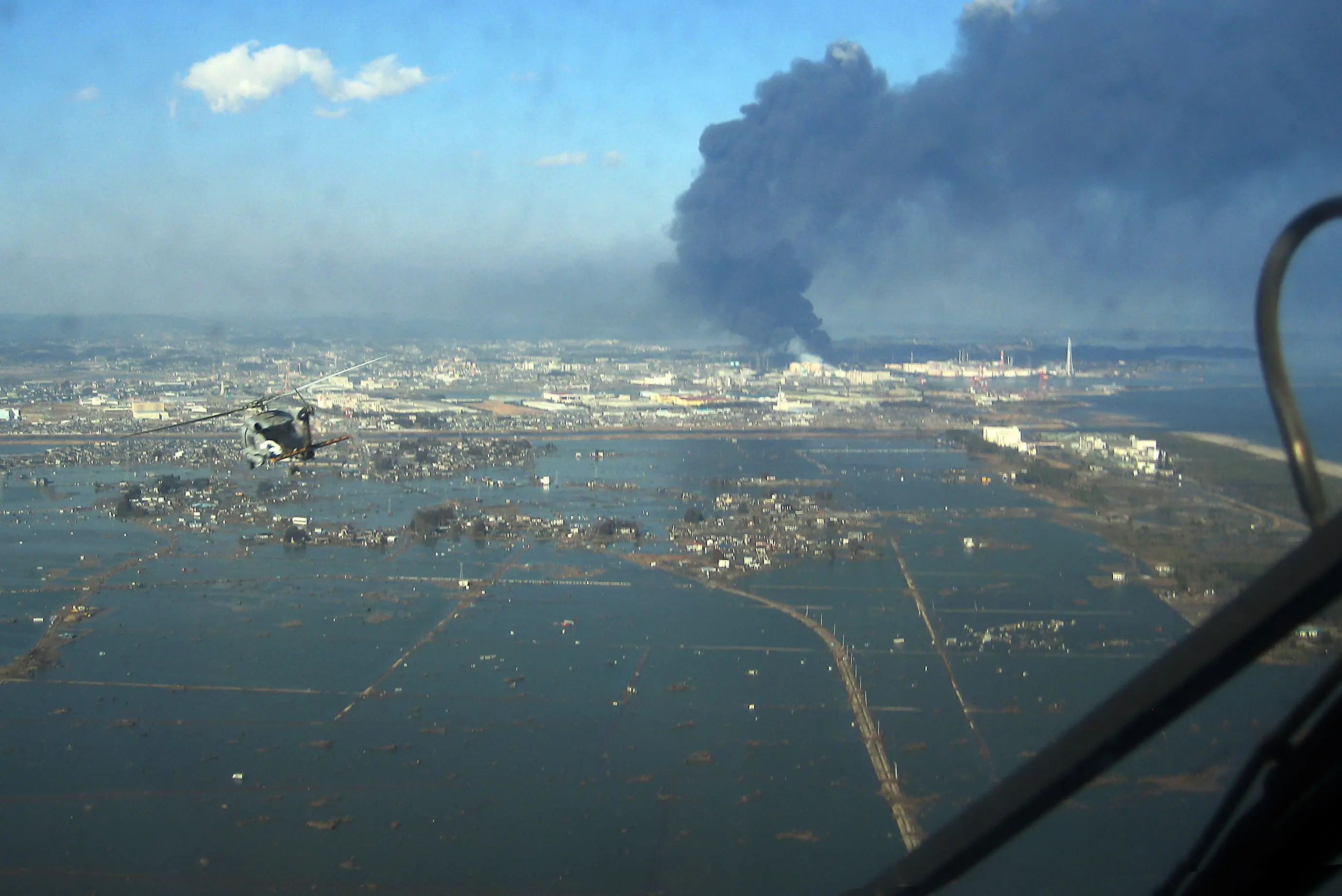
Retrofitting of old buildings
Older buildings in Japan are periodically retrofitted to meet modern standards to withstand seismic events. The Japanese government offers subsidies to support upgrades to buildings like stronger foundations to reduce the risk of collapse.
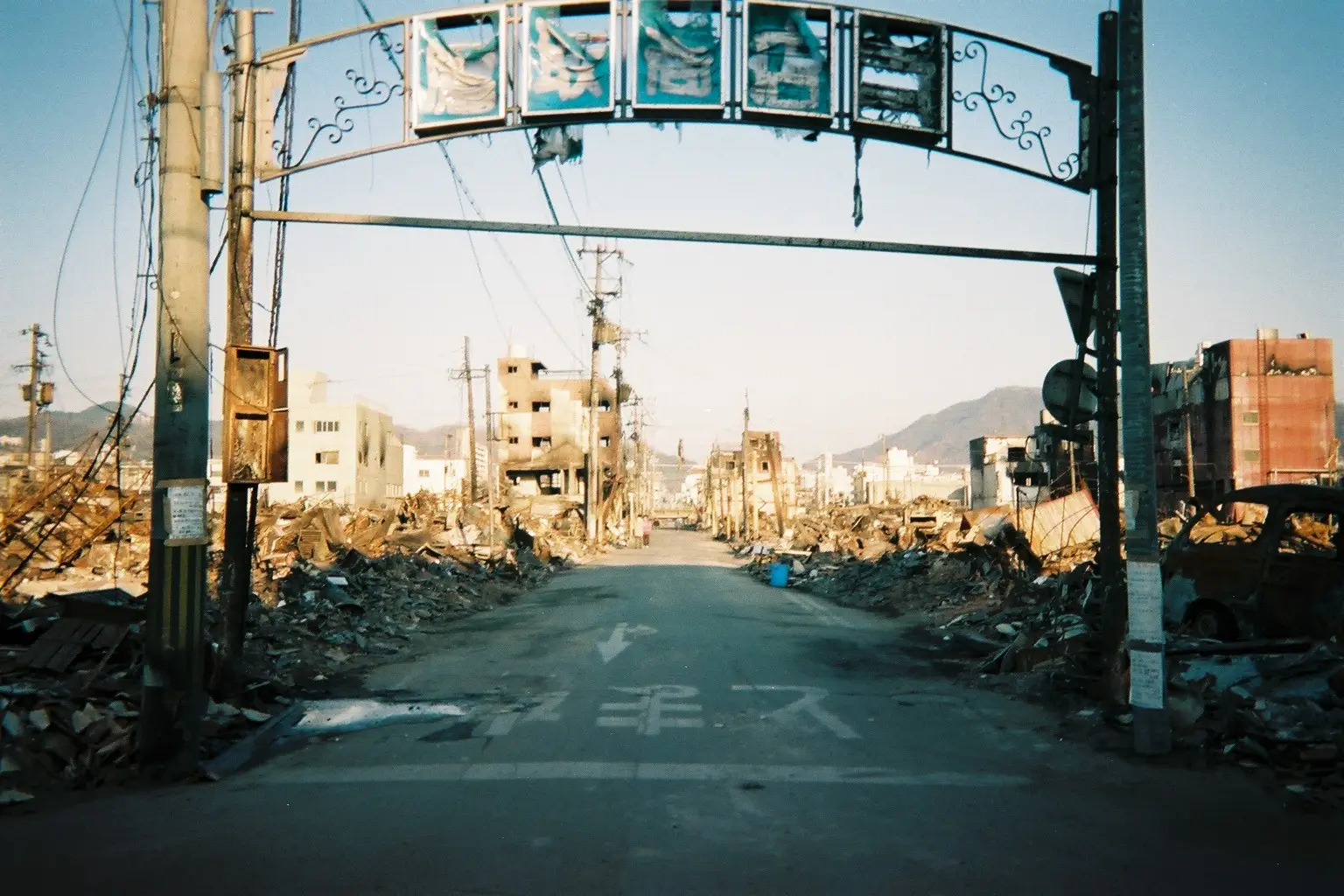
Erecing tsunami defences
Some of the worst earthquakes started in the seas surrounding Japan, leading to massive tsunamis like the one in 2011. Japan has built seawalls in coastal areas, and structures like breakwaters and tsunami gates. One can see elevated shelters clearly marked in tsunami-prone areas in Japan. Drills are conducted to ensure rapid response to tsunami warnings.

Japan's well-established disaster response networks
Japan has a well-coordinated emergency response system, including for earthquakes. There are well-prepared and trained self-defence forces and fire departments to deal with disasters. Stockpiles of food, water, and medical supplies are strategically placed and can deploy quickly.
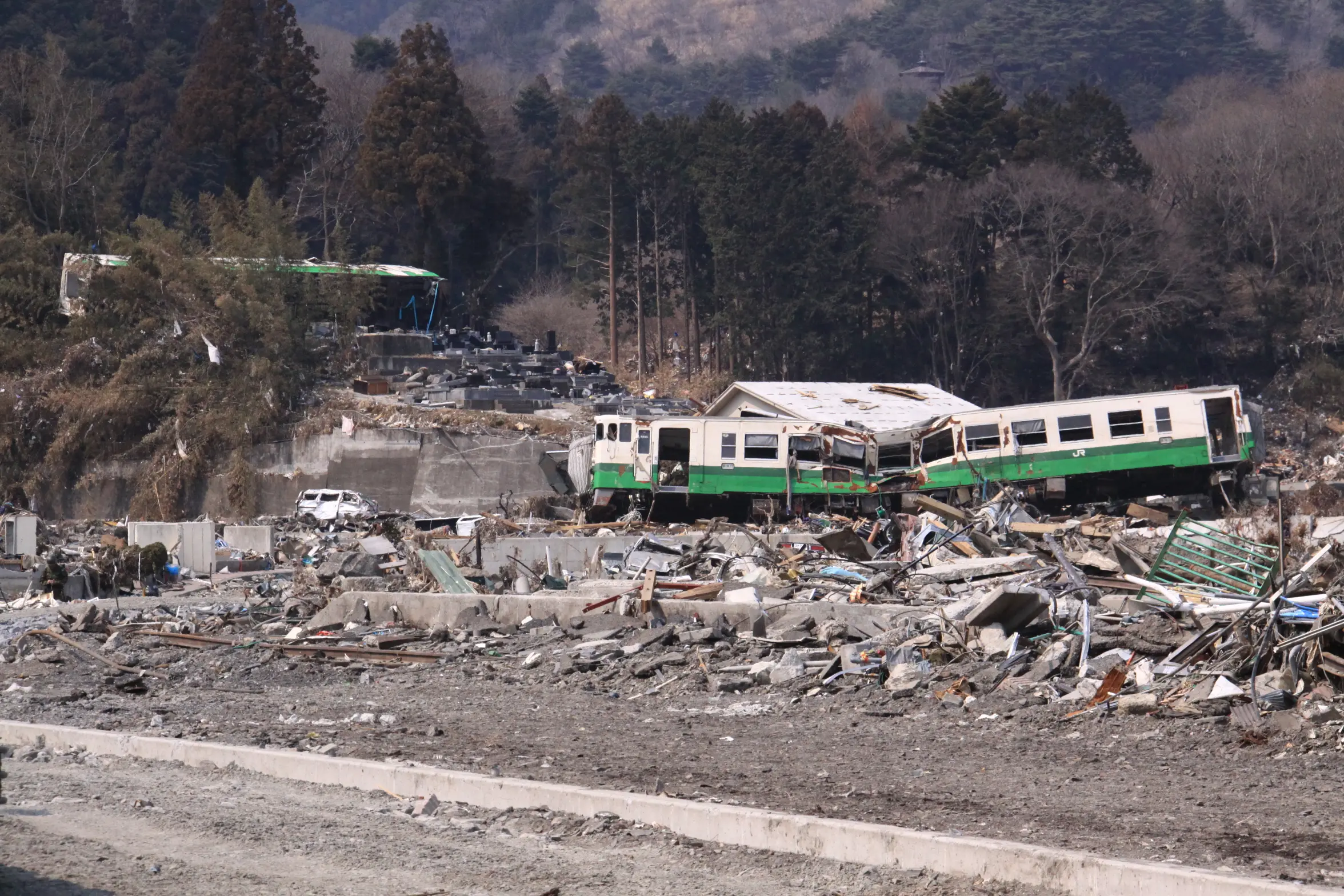
Use of advanced seismic monitoring technologies
Japan has one of the most sophisticated seismic activity monitoring systems in the world. This vast network includes seismometers and GPS sensors that track ground movement in real time. This data is fed into central and provincial systems to make risk assessments, predict aftershocks or secondary hazards in the wake of quakes.
)
)
)
)
)